Workwear
Milwaukee M12 Toughshell Heated Jacket Review: Warmth With Trade-Offs
A hands-on look at the all-new M12 Toughshell heated jacket: faster heating, better battery placement, heated pockets, and a few things Milwaukee still needs to fix.
Introduction
Cold-weather workwear has a simple promise: keep you warm without getting in the way. Milwaukee’s all-new M12 Toughshell heated jacket tries to deliver on that promise with faster heating, a redesigned battery pocket, and independently controlled heated hand pockets. After spending real time in it on chilly 40 to 45 degree mornings, the short version is this: it is clearly better than the previous generation, but it is still not a replacement for an actual heater.
Who This Product Is For
This jacket makes sense for anyone who spends time outdoors in cold weather and wants a little extra warmth on demand: tradespeople on the job site, people walking the dog, checking the mail, or riding a bike into a headwind. It runs off an M12 battery, so it is a natural fit for anyone already in Milwaukee’s battery ecosystem. It also helps that the styling is clean. There are no large logos splashed across the jacket, just a small M12 mark, so it would not look out of place at a casual restaurant. If you want a discreet-looking heated jacket you can wear in public without feeling like a walking billboard, this one does that well.
First Impressions and Fit
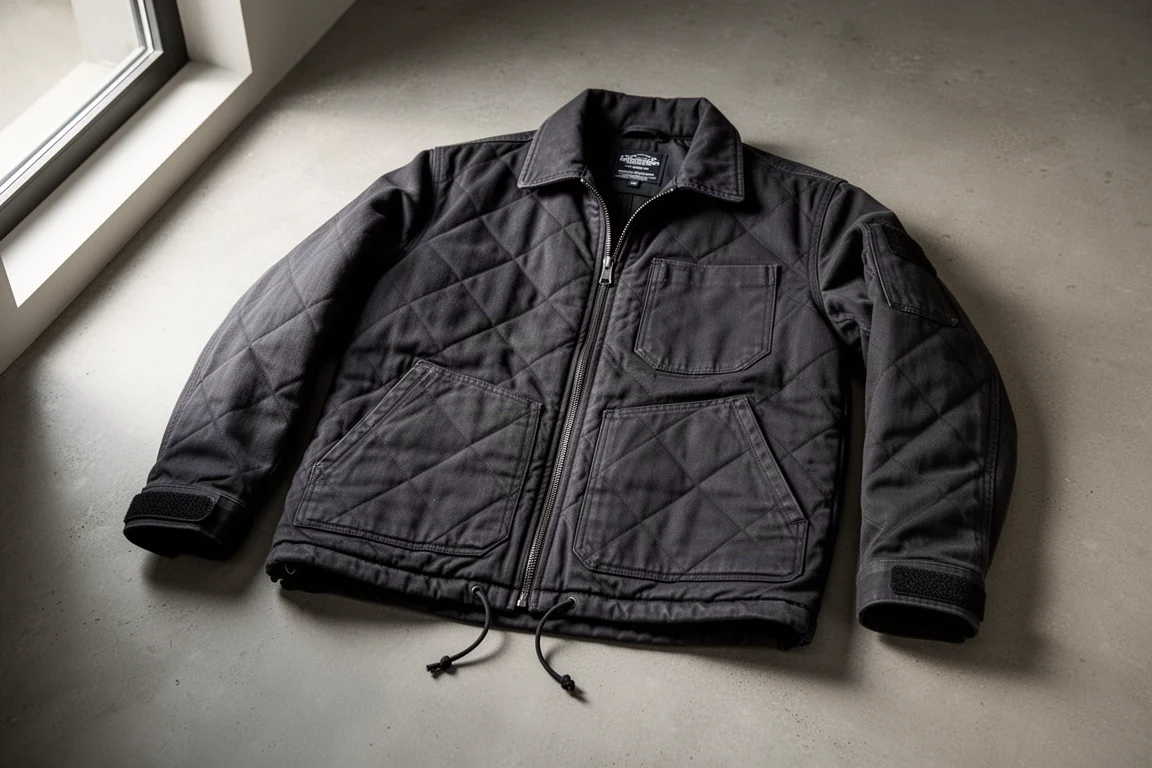
Out of the box, the jacket looks good. Milwaukee consistently nails the styling on its outerwear, and this one is no exception. It is a jacket you can genuinely feel proud wearing out, not just on a job site.

The fit is where the Toughshell line’s old reputation lingers. Right out of the package, the fabric is still a bit stiff. The material itself feels nice, but mobility is noticeably limited at first. Washing does help; yes, these jackets are machine washable, and after a couple of washes the fabric loosens up. The good news: the collar no longer smacks you in the face or rides up the way older Milwaukee jackets and hoodies tended to. The cuffs have velcro adjusters, and a drawstring at the hem lets you cinch the waist so the jacket forms to your body better than it does straight out of the box.
It also handles light weather. The jacket is rated for wind resistance and water resistance, and light rain is not a problem, partly because the battery compartment on the back is protected.
Heating Performance
The heating is the reason you buy this jacket, so here is how it actually behaves. It heats up quickly, with warmth noticeable within the first couple of minutes. The sensation is closer to a heated car seat than a blow torch: it takes the chill off and makes cold conditions tolerable, but it does not make you toasty in freezing weather.
Heat is delivered to the upper chest, the belly, and the back (top and bottom zones). The heat distribution feels smooth and even, with no bulky wires pressing through the fabric like a cheap electric blanket.
Runtime, using a 3 amp-hour M12 battery:
- High: about 3 hours
- Medium: about 6 hours
- Low: about 12 hours
Heating Controls and Heated Pockets
The control setup is a genuine change from the previous generation. A hold of the main button turns the jacket off and on, and short presses cycle through heat levels. One small casualty: the older jackets changed indicator colors (red, white, and blue) across heat levels, which was a fun touch. This one just stays red.
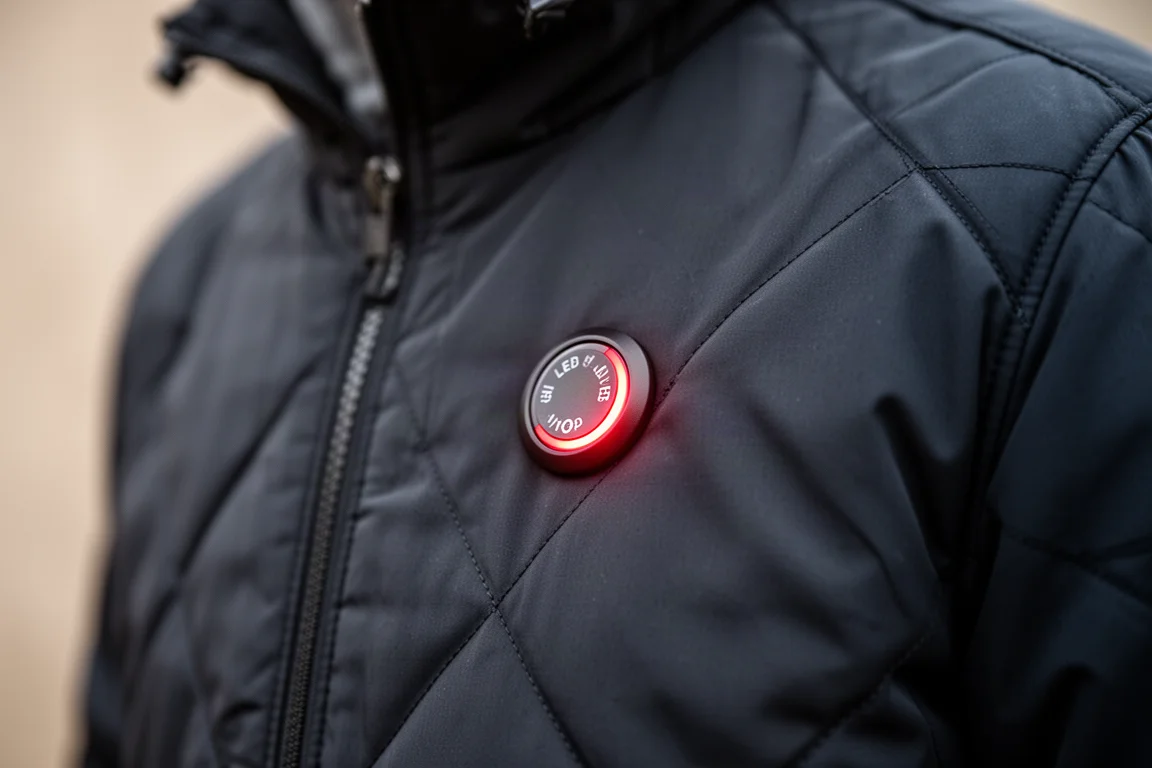
The bigger addition is the heated pockets. Each side pocket has its own dedicated button. Press and hold to activate, then cycle high, medium, and low, and hold again to shut them off. This is new; previous generations only heated the chest, belly, and back.
On real hands, though, the pockets are underwhelming. After running them on high for around ten minutes, slipping your hands in does not feel dramatically hot. You find yourself pushing your hands against the heating elements to warm up faster. If your hands are your main cold-weather pain point, temper your expectations.
Battery Placement and Charging
The battery pocket was the worst part of older M12 heated jackets. The cylindrical battery sat in a back pocket positioned so that every time you sat down in a truck or a chair, it would press painfully into your ribs. The new design fixes much of this with a larger cavity on the back, and the battery can be repositioned so it no longer digs in. Swapping batteries is also much easier now, and the cord is a bit longer.
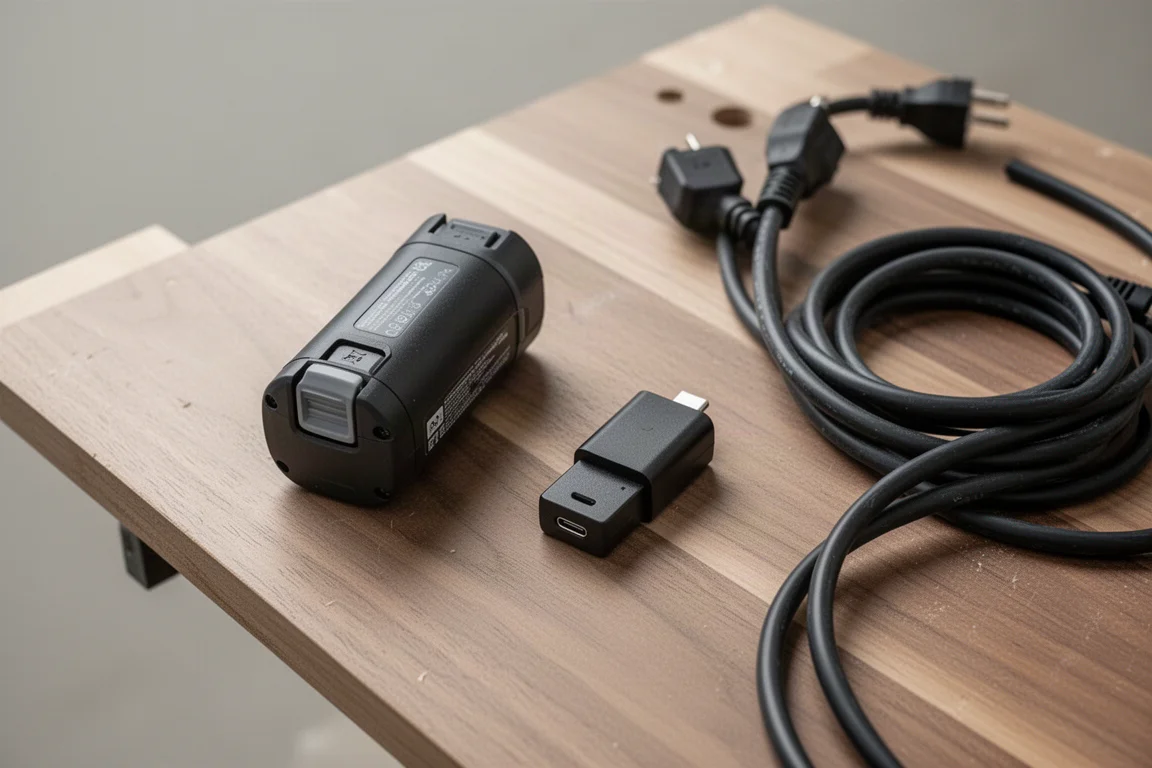
One compatibility note: older cylindrical battery holders from previous jackets will not work with this jacket because it uses the new twin-barrel top-off adapter. The good news is the included adapter charges via USB-C, so you do not strictly need an M12 charger, and it can even charge your phone.
Things to Consider Before Buying
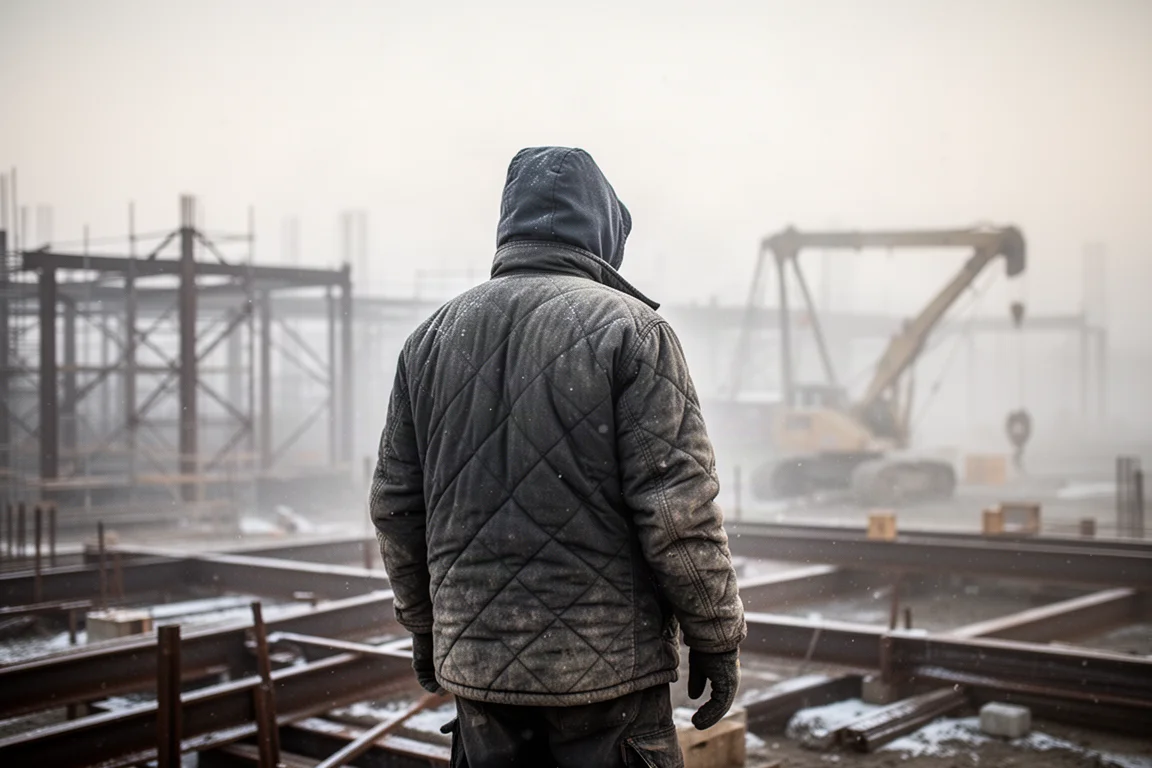
A few honest caveats before you buy. The jacket breaks the wind and takes the chill off, but it will not keep you warm through genuinely brutal cold. Think of it as the heated seat in a cold car: helpful, but you still want the heater running. In deep cold you will still need shelter, layers, or an actual heat source to stay comfortable through the day.
The sleeves are not heated. Cold arms are a common complaint in heated jackets, and heated sleeves would take comfort to another level, but this jacket does not offer them.
Other considerations:
- It is still somewhat stiff out of the box, even though it softens with washing.
- The warranty is one year, which feels modest; the battery warranty runs longer.
- Expect attention. Strangers will ask about the light and, occasionally, try to touch it.
Buying Advice
Compared with the previous generation, this jacket is a clear step up: better battery placement, faster heat-up, heated pockets, an easier charging path, and styling you can wear anywhere. If you already own M12 batteries, it is an easy recommendation for shoulder-season cold and windy days. If you need serious warmth in sub-freezing conditions, look at it as one layer of a colder-weather strategy rather than a complete solution.
Conclusion
The Milwaukee M12 Toughshell heated jacket does a lot right. It looks good, heats quickly, carries the battery comfortably, and adds heated pockets with their own controls. Its weaknesses are the residual stiffness, unheated sleeves, modest hand-pocket warmth, and a one-year warranty. It is not perfect, but as an upgrade over the previous generation, it is a solid pick for anyone who wants to take the edge off cold mornings.
Product link
View more details for Milwaukee M12 Toughshell Heated Jacket
This product is mentioned in the review. Check the specifications, options, and compatibility before buying.
View more details for Milwaukee M12 Toughshell Heated JacketFurther reading
Related Reviews
Workwear
1620 Workwear Foundation Series Work Pants: Built Like Armor, Priced Like It Too
Heavy-duty waterproof work pants made in the USA with a tailored fit, thick Cordura-blend fabric, and a few trade-offs worth knowing before you spend around $140.
Workwear
Bamal FR Flame Resistant Shirts and Pants: Fire, Tear, and Water Resistance in One Kit
A hands-on look at Bamal FR's treated cotton workwear, which combines flame resistance with water and tear resistance, plus sizing notes worth knowing before you buy.
Workwear
Brunt Workwear Picks: Three Pieces Worth Considering in 2026
The Marin, the Omen, and McKenna workwear: three Brunt products that hold up to hard use, plus what to know before buying.