Power Tools
Milwaukee M12 Fuel Stubby Impact Wrench: Which Batteries Actually Feed It Best
The new M12 Fuel Stubby impact wrench has a serious appetite for amps. We look at how stock high output packs, aftermarket 6.0 batteries, Forge packs, and adapters compare when the tool needs power fast.
Introduction
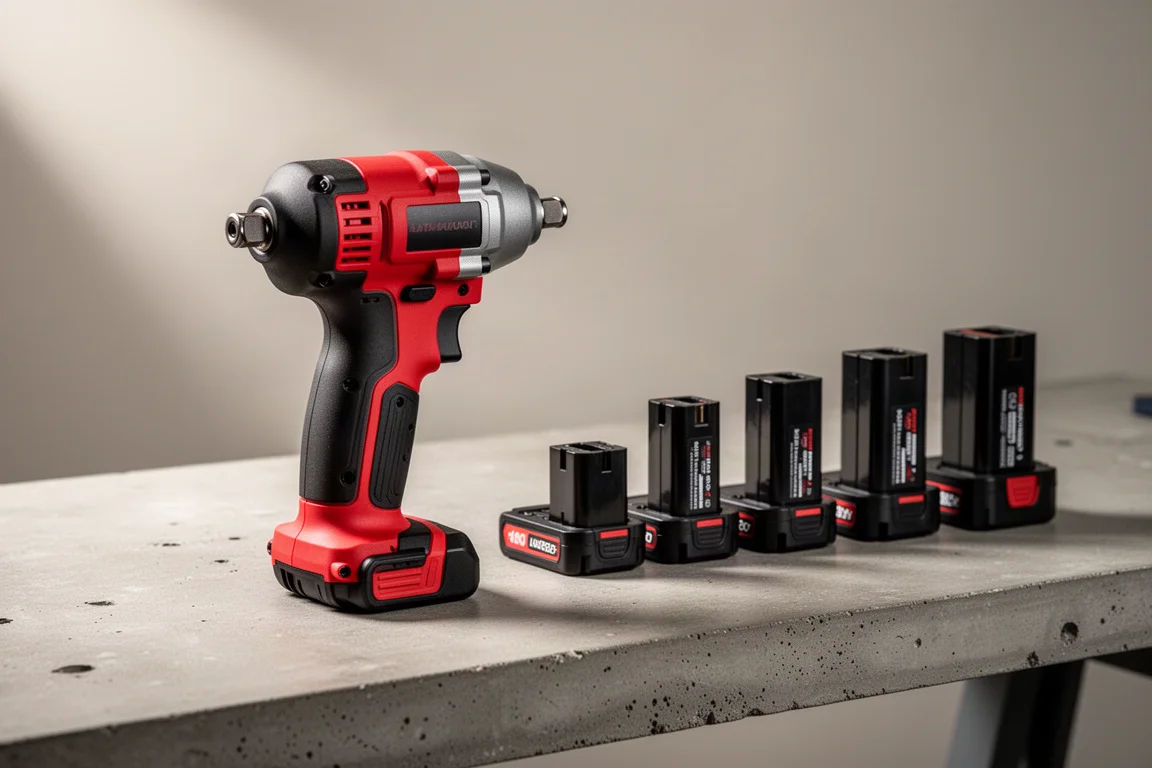
The new Milwaukee M12 Fuel Stubby impact wrench is one of those rare compact tools that genuinely outperforms its size. It is a hugely useful, easy-to-carry impact wrench, but it also has an appetite that most small batteries struggle to satisfy. To find out what actually feeds it best, a series of hands-on tests compared stock high output packs, a budget aftermarket 6.0 battery, custom high-discharge builds, Milwaukee’s new Forge packs, and even an M18 to M12 adapter.
The short version: the bigger and more capable the cells inside the pack, the more the Stubby delivers, and the gap is not small.
Why the Stubby Wants Bigger Batteries
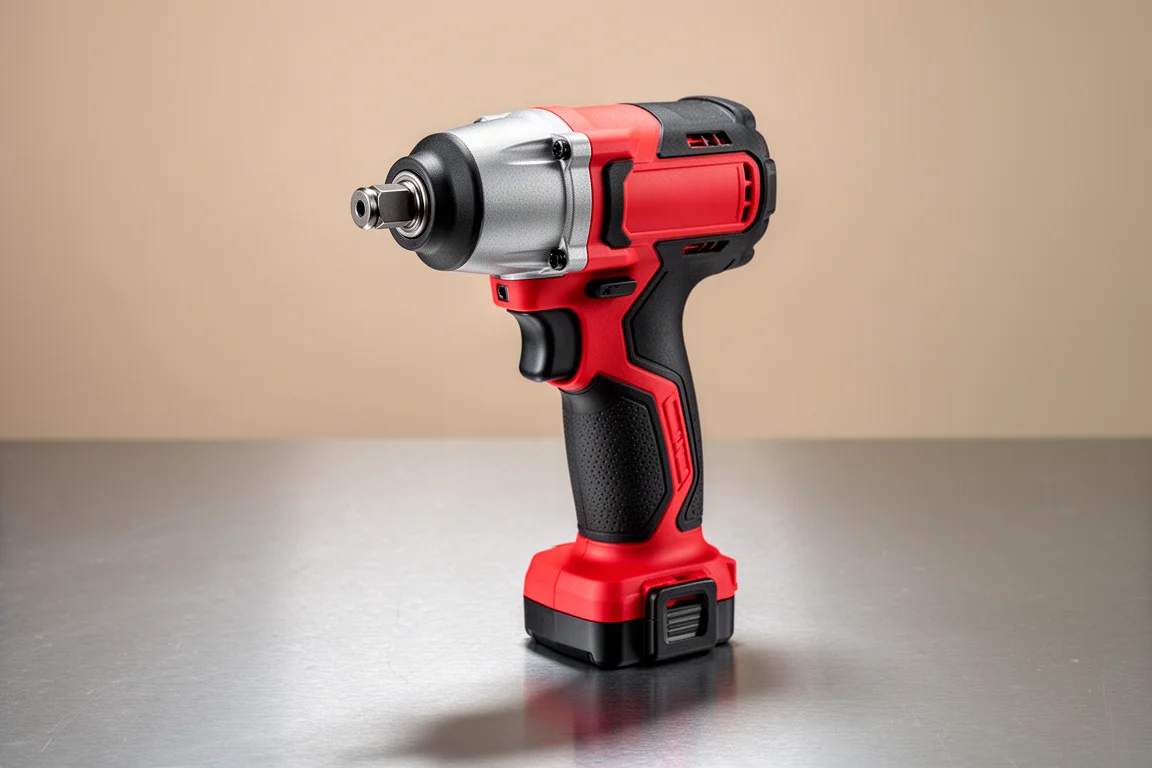
Modern compact tools are drawing more amps than many battery packs are willing to supply. Motors have grown and can request serious current, and the Stubby is a prime example. It is designed around Milwaukee’s latest high output packs with high-discharge cells, and it noticeably wants those bigger batteries to hit its claimed performance numbers.
That is worth knowing before you buy. If you already own larger M12 packs, this tool slots right into your kit with no compromise.
Aftermarket 6.0 Packs: Cheap, Surprisingly Usable
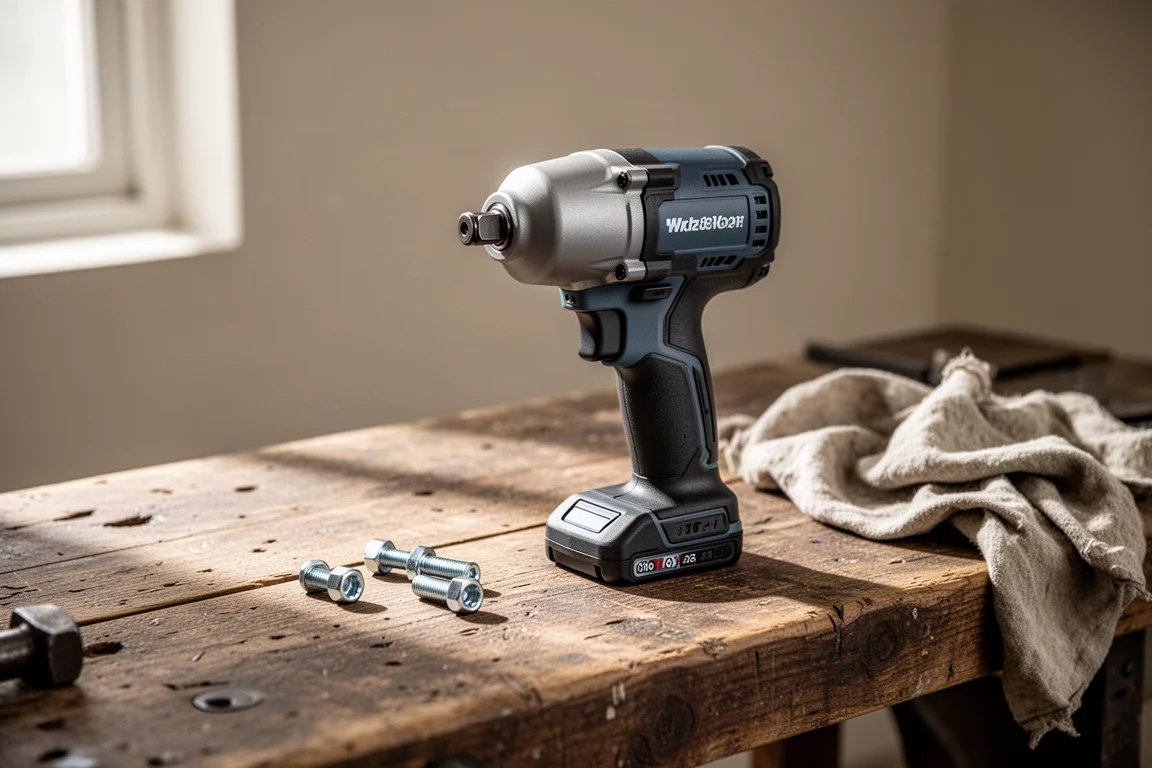
A 6.0 amp-hour aftermarket pack bought on Amazon delivered around 278 ft-lbs on the Stubby. That is not record-breaking, but it is respectable for a pack that currently sells in the 19 to 26 dollar range. The anonymous internal cells explain the torque numbers, yet after a year and a half of use it still works fine, the tabs are intact, and it even has a battery level display.
For low-torque work like under-dash trim, fender work, or anywhere you want to deliberately limit torque, a cheap pack like this is a reasonable companion.
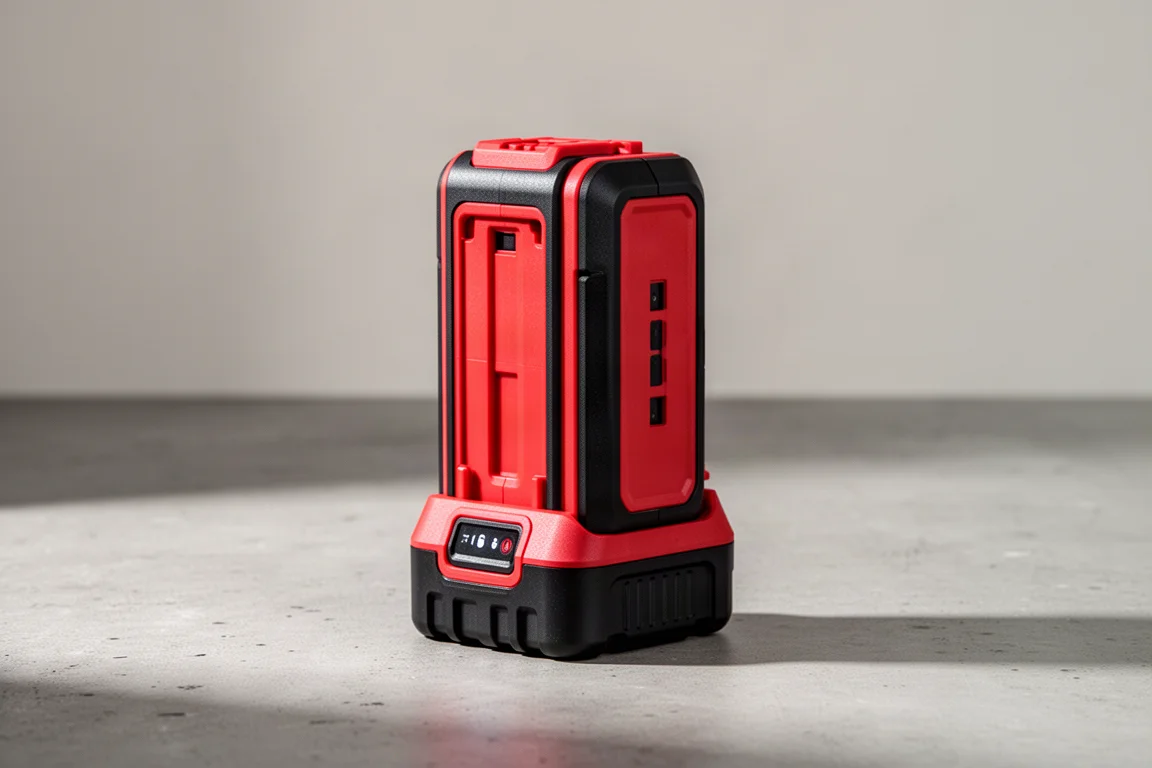
High Output 5.0 vs 6.0: Cell Choice Beats Capacity
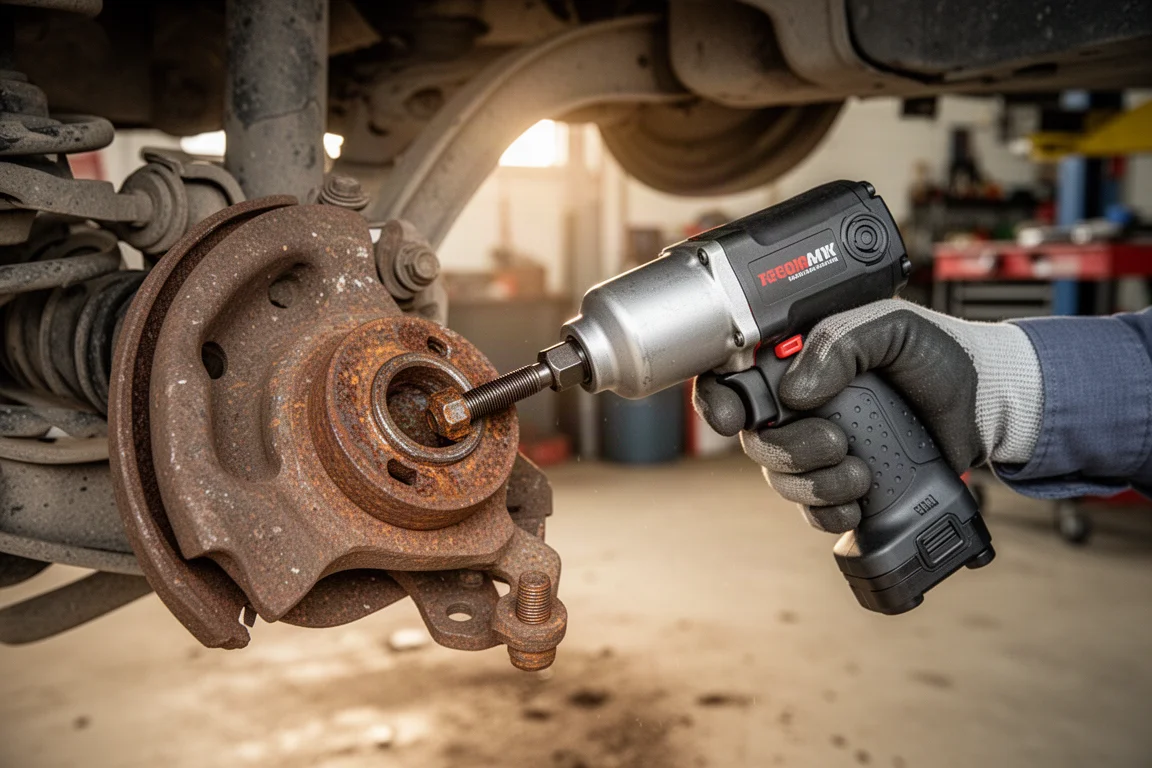
Here is the interesting part. Milwaukee’s 5.0 amp-hour high output M12 pack beat the 6.0 pack, and not by a small margin. The reason comes down to cells: the high output M12 uses higher-discharge 18650 cells in place of the standard lower-discharge ones, so a pack with less nominal capacity can deliver more usable punch.
The lesson for buyers is simple. With this generation of compact tools, discharge rate matters more than an amp-hour number on the label.
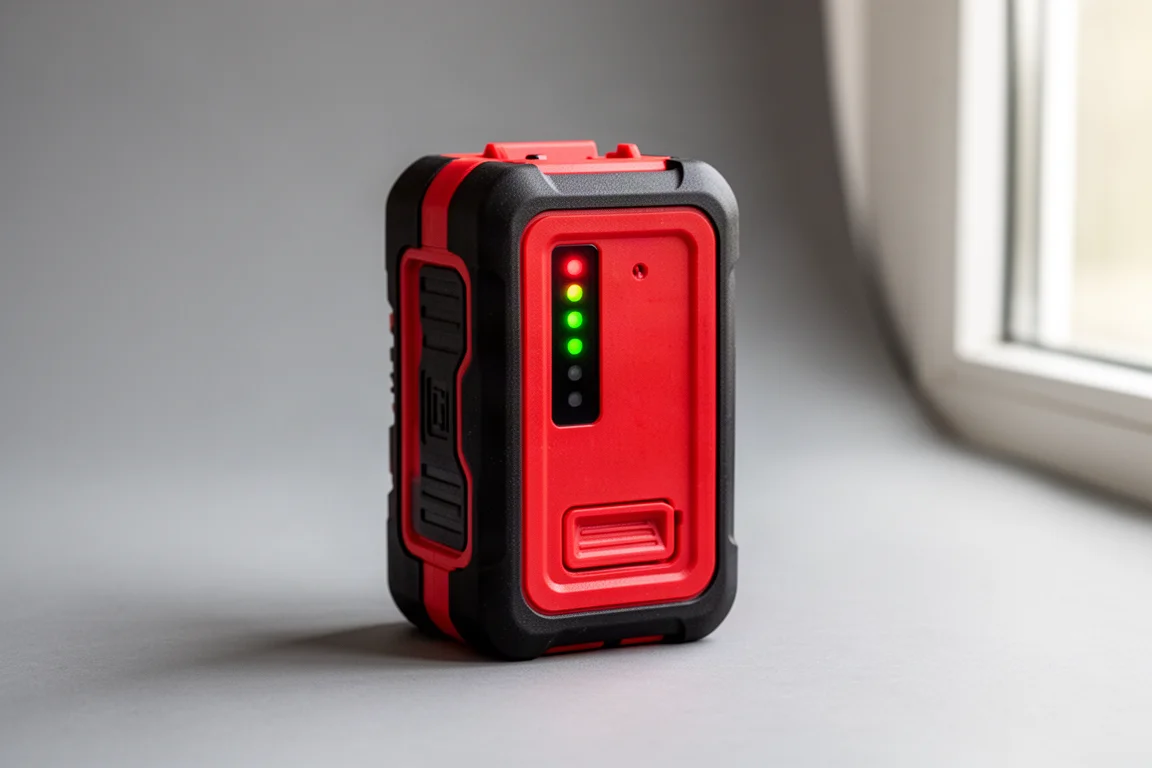
Custom High-Discharge Builds Show What Is Possible
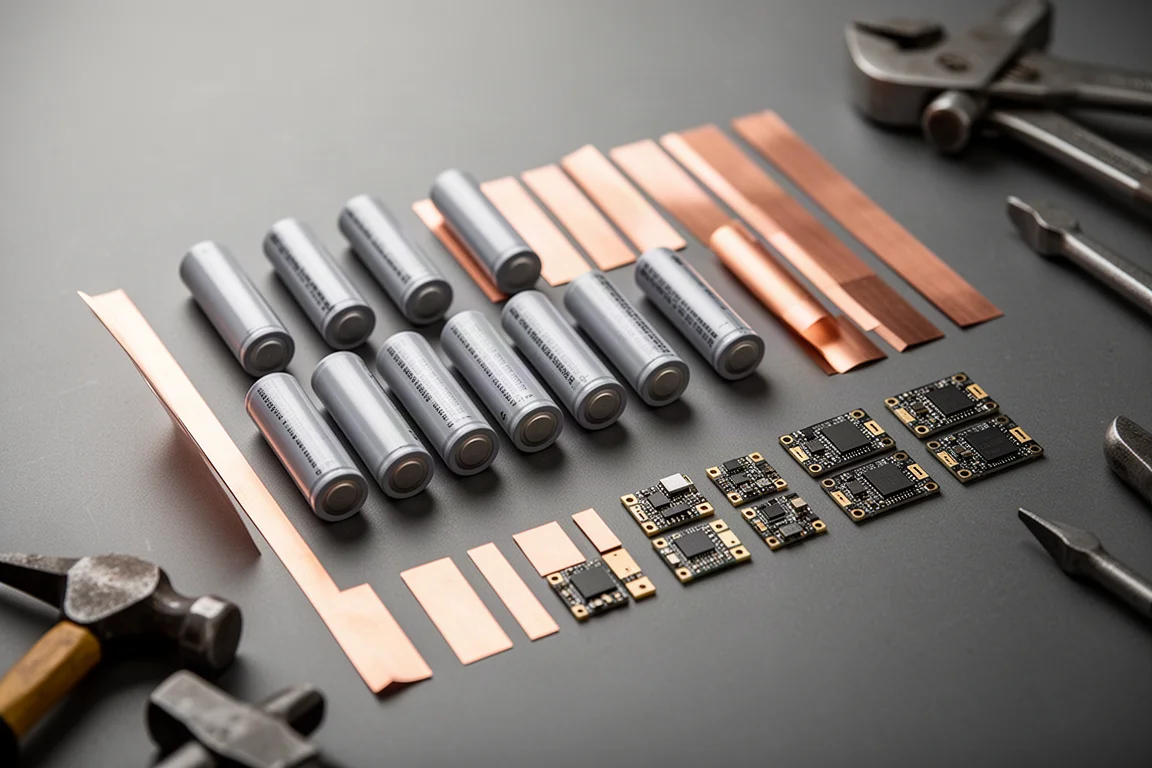
Custom-built packs hint at what the platform could do with better internals. A 12 amp-hour M12 build made from standard cells produced strong numbers early in each run but flattened out, suggesting the benefit is capacity rather than discharge capability. A three-cell tower of EV tabless 21700 cells, however, unseated the high output pack outright, reaching around 430 ft-lbs from just three cells. Those cells can peak near 70 amps of discharge, far beyond the roughly 25 amps of the high output M12 cells.
These are one-off builds, not products you can buy, but they demonstrate that the Stubby responds directly to how much current a pack can feed it.
The M18 to M12 Adapter: A Bottleneck in a Small Box
Adapters that let you run M12 tools off M18 packs sound like a great idea, and they do work, with a catch. Internally there is a DC step-down converter, and something this size and price is realistically limited to around 10 amps. That throttles even the most capable cells down to a fraction of their potential before the power ever reaches the tool.
On the Stubby the results were consistently poor, and the practical advice is blunt: you are better off buying the older M12 compact impact wrench and spending the leftover cash on real M12 batteries. Where the adapter does make sense is low-draw devices like an M12 work light or radio, where runtime matters more than power.
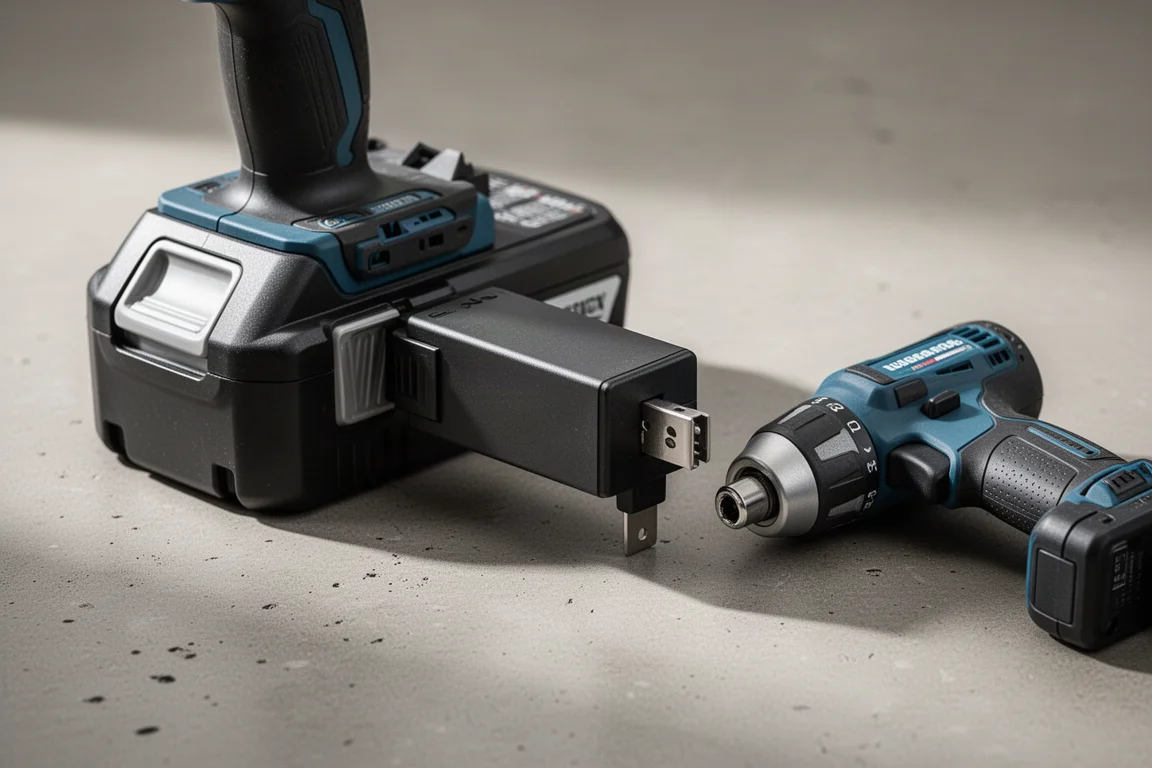
There is a wilder, unofficial variant of this idea that bypasses the converter entirely and feeds full 18 to 20 volts straight into the tool. It produced dramatically higher RPM, near 6,000 versus the expected 3,750, and some seriously fast driving times, but it also generated unhealthy heat and confused the tool’s battery gauge. This is experiment territory, not something to run on a jobsite.
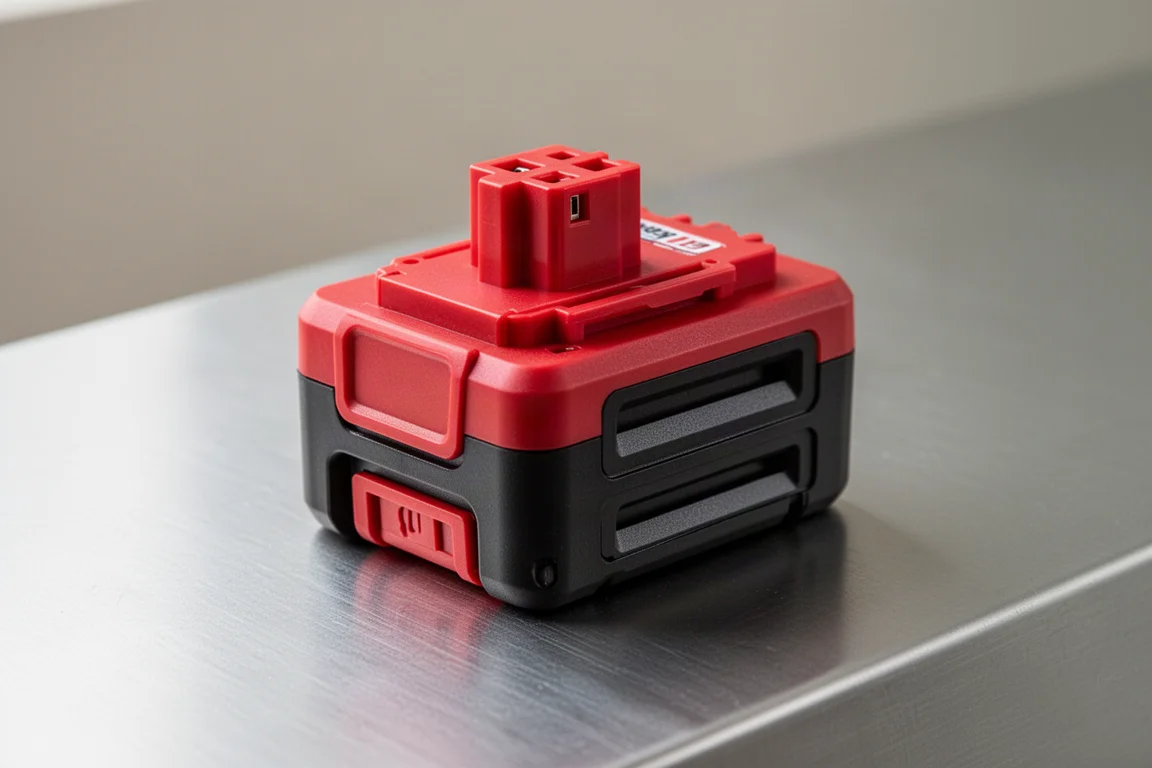
Forge 8.0 and 12.0: Milwaukee’s Rebuttal
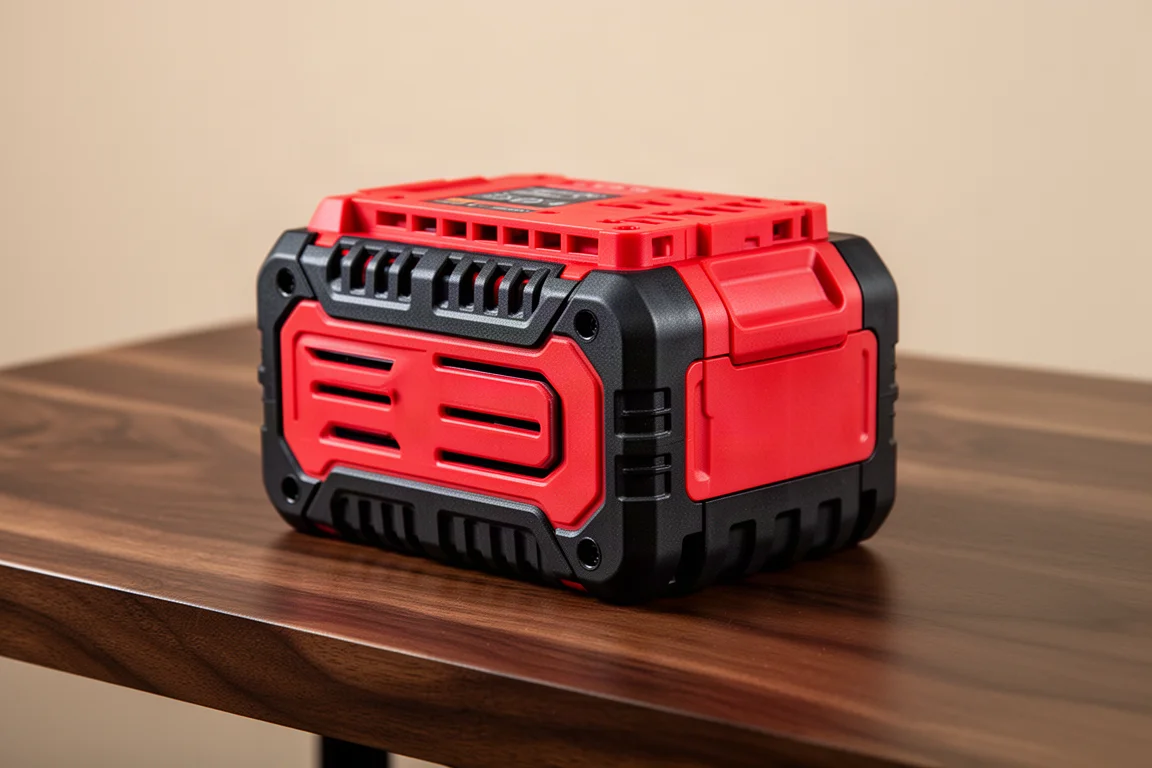
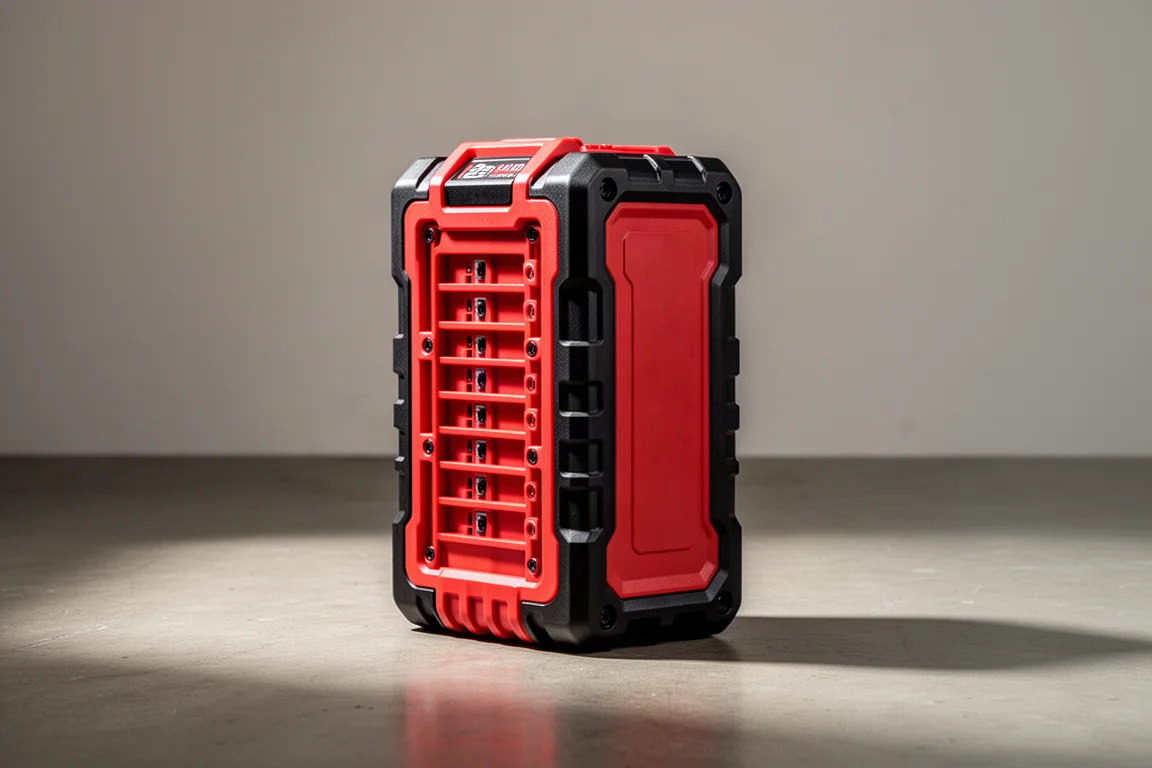
Milwaukee’s newest Forge packs answer the custom-build challenge with tabless 21700 cells of their own. On the M18 side, tested on Milwaukee’s Gen 3 M18 high torque impact wrench with a 5.0 pack as the baseline, the Forge 8.0 produced strong results and, against expectations, edged out a custom two-series-parallel pack by the end of the run. The differences are not huge, but the Forge packs are legitimate, high-discharge performers.
The Forge 12.0 is the displacement option. It is big and heavy, and that weight is the trade-off, but it finally pushed past the 1,000 ft-lbs mark on the high torque wrench in a gratifying way. If you want maximum sustained output and do not mind the heft, it delivers.
Buying Advice
If you are buying the M12 Fuel Stubby, budget for Milwaukee’s high output packs, particularly the 5.0. The tool performs dramatically better with them than with low-discharge or converter-limited alternatives. If your needs are genuinely light-duty, a cheap 6.0 aftermarket pack is a serviceable spare at a fraction of the cost, just do not expect peak torque. Skip the M18 to M12 adapter for power tools; it only makes sense for lights and radios. On the M18 side, the Forge 8.0 is the well-rounded choice and the Forge 12.0 is for those who want maximum torque and can carry the weight.
Conclusion
The M12 Fuel Stubby is proof that compact tools have outgrown the batteries most people pair with them. High-discharge cells make a real, measurable difference, and the tools reward you for buying the good packs. The gap between cheap capacity and genuine discharge capability is the single most important thing to understand before you spend a cent on batteries for this platform.
Further reading
Related Reviews
Power Tools
Best 1-Inch Pistol Impact Wrenches: Three Heavy-Duty Options Compared
We compare three 1-inch pistol impact wrenches, from a budget-friendly Harbor Freight model to a premium Caterpillar unit, to help you choose the right one.
Power Tools
Best 3/4-Inch Impact Wrenches 2026: Five Contenders Compared
We compare five 3/4-inch impact wrenches across price and performance, from a budget Amazon option to Snap-on's most powerful model yet.
Power Tools
Best Budget Cordless Tools 2026: Walmart Finds That Punch Above Their Price
We tested five cordless tools from Walmart, including a high-torque impact wrench that trades blows with Milwaukee and a $35 duster that outperforms its price class.