Power Tools
Milwaukee M12 Stubby Impact Wrench 2562 and 2563: Compact Power, Real-World Results
A closer look at Milwaukee's second-generation M12 Stubby impact wrenches in 1/2-inch and 3/8-inch drive, covering torque figures, mode control, and everyday usability.
Introduction
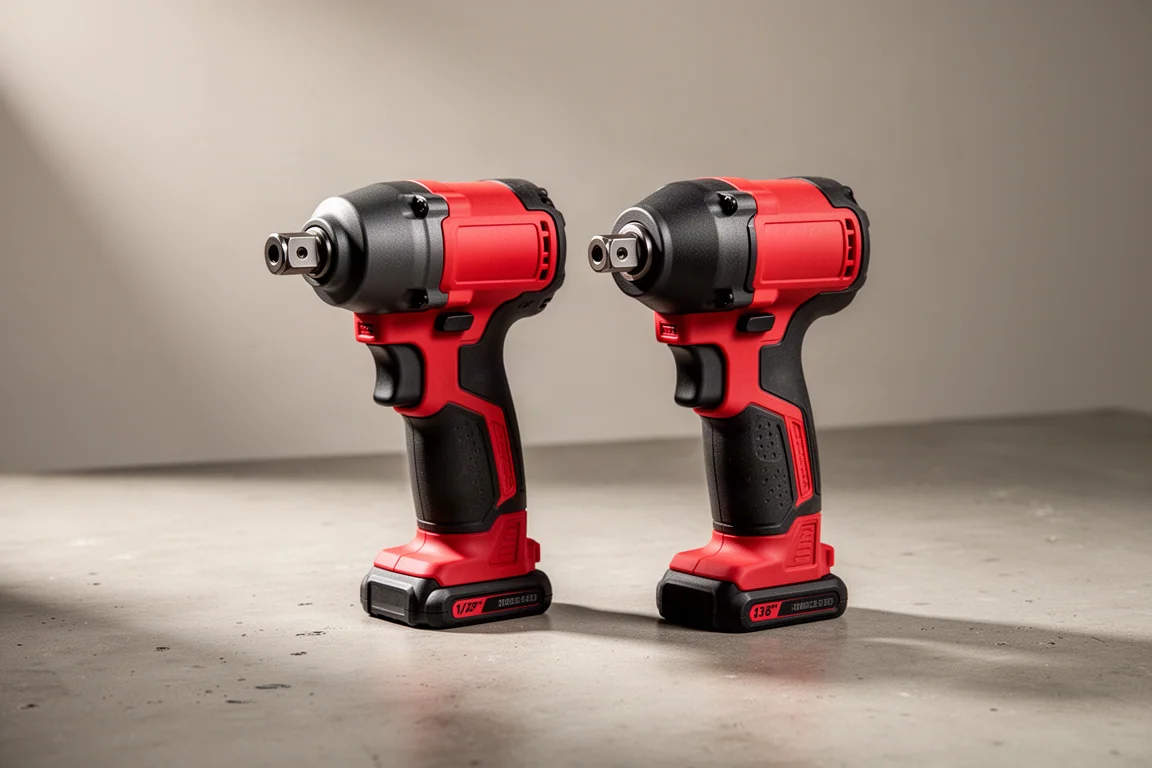
Milwaukee’s second-generation M12 Stubby impact wrenches, the 2562 and 2563, have generated plenty of discussion, and for good reason. These compact tools are rated at 550 ft-lbs of nut-busting torque with 400 ft-lbs of fastening torque, figures that once belonged to a full-size M18 mid-torque tool. Not long ago, an M18 mid torque rated at 650 ft-lbs was something to get excited about. Now that kind of performance fits into a small stubby package.
The two models differ mainly in drive size: the 2562 uses a 1/2-inch anvil and the 2563 uses a 3/8-inch anvil. Both share the same core design and performance character.
Why Torque in the Middle Matters
A lot of commentary around these tools focuses on why the rating is 550 ft-lbs of nut-busting torque and 400 ft-lbs of fastening torque rather than a bigger headline number. The better way to look at it is what you will actually use the tool for. In the median range of roughly 100 to 350 ft-lbs, this tool is fast, lightweight, and well suited to the work.
It is also fairly balanced. Even with a 22 mm socket attached, the tool feels comfortable in hand, a little front-heavy but very manageable. That balance matters when you are holding a compact tool that can break loose an over-tightened lug nut rated as high as 250 ft-lbs without effort.
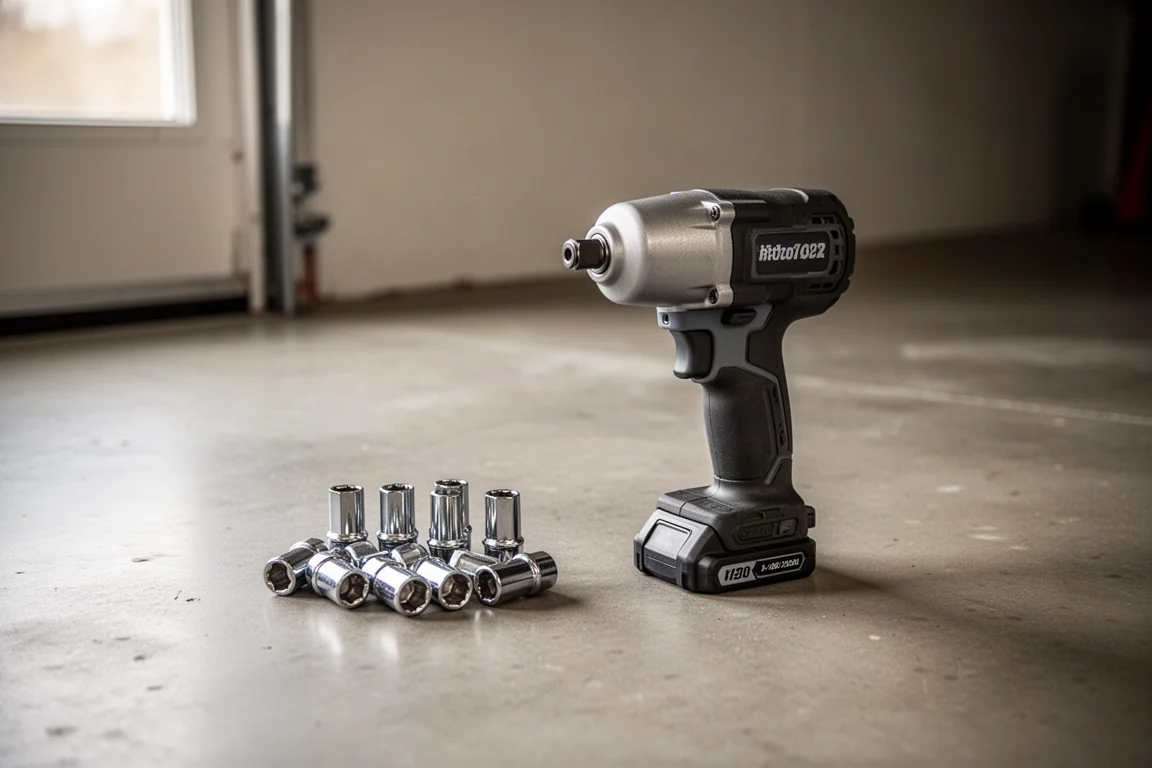
Think of it like a high-horsepower sports car: you do not buy it to drive with your foot to the floor all day. You want strong performance in reserve and excellent behavior everywhere in between. This tool works the same way. It is not designed to pull all 18 wheels off a semi’s tires, but it can handle a big job once in a while and do everything in the middle quickly and well. That middle-ground capability is what makes it genuinely compelling.
Mode Control Takes Some Getting Used To
One recurring point of debate is how modes are changed. There is no mode button on the body. Instead, you double-tap the trigger: one double-tap moves to level two, another to level three. Some people dislike the neutral change and want the old button back. Preferences vary, but after using the trigger-based system, it works well, and the old button approach had a habit of working itself away anyway.
The practical advice is simple: use the modes when you first get the tool. There is a lot of power in a small package, and it is easy to underestimate what is happening at the fastener. Until you learn how powerful the tool actually is, the mode levels help you keep control. After that, your trigger feel takes over.
Real-World Test: Rotating Truck Tires
The clearest demonstration of what these tools can do is a routine tire rotation on a 2022 plow truck with no miles on the original lug nuts, all installed at the factory. Starting on level one, the wrench pulls a lug nut off with easy, controllable handling. Switching the forward and reverse selector to the center and double-tapping up to level three, the removal pass goes around the wheel quickly, and the speed is genuinely impressive.
There is a significant speed difference between this second-generation M12 Stubby and the old version. Part of the added power shows up as speed, and that matters a great deal for a tool like this. It does the job as quickly as you would expect from an M18 mid torque.
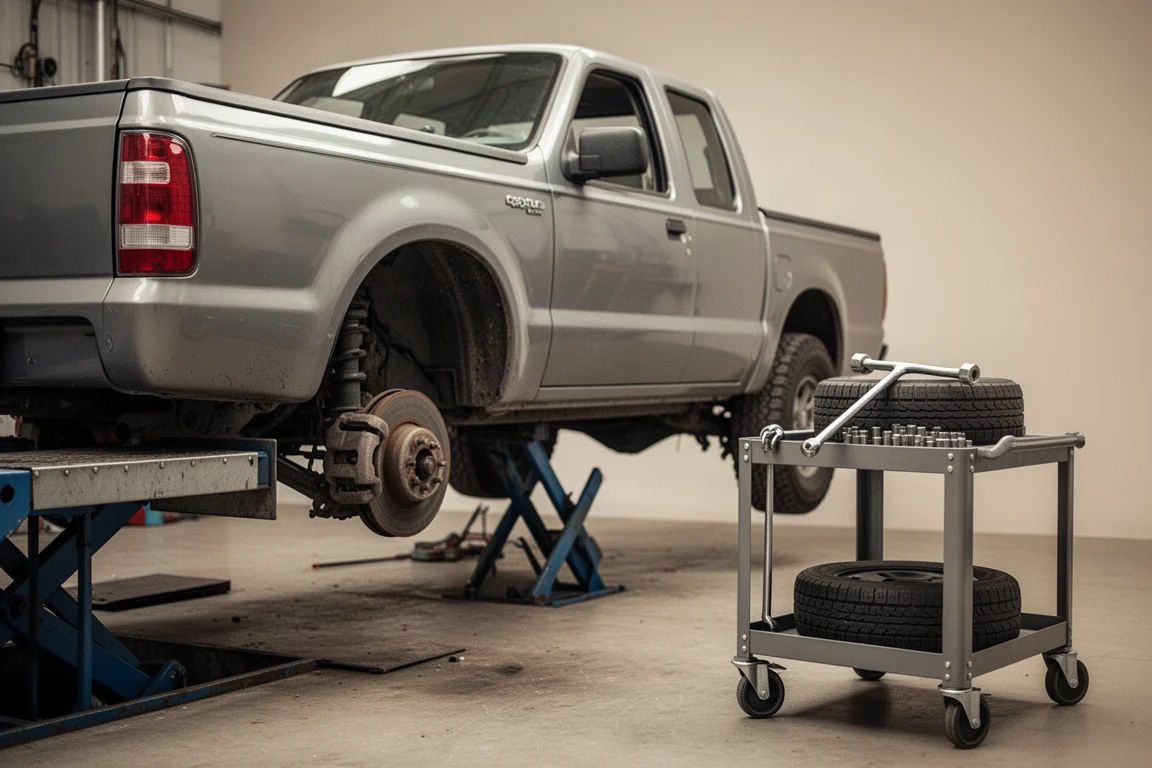
Battery life is another point worth addressing. Some have suggested the 2.5 Ah high output battery would only manage one or two lug nuts. In practice, after a full removal pass the battery was still showing three bars. Yes, it is a small compact lightweight battery, but it lasts considerably longer than many assume, and the tool has also been shown performing the same work with the standard 2 Ah battery, just with a slightly different sound.
Using the Modes Before You Trust Your Trigger Finger
It is worth repeating: this small tool carries serious power, and carelessness is the main way users get into trouble. If you just let it rip without paying attention, you may not fully register what it is doing to a fastener. Starting on lower modes builds a feel for the tool’s capability and keeps you from overdoing it on smaller hardware.
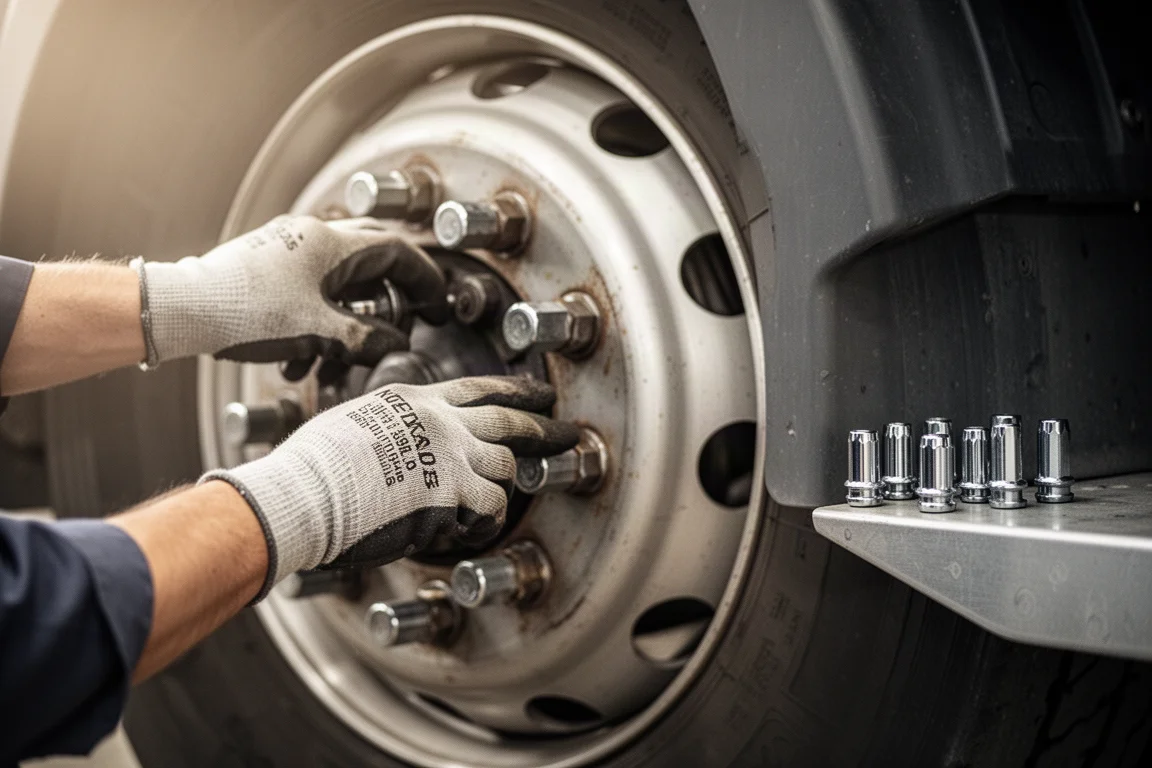
Once you know what each level delivers, the tool becomes easier and more predictable to use across a range of tasks, from small automotive hardware to jobs that occasionally demand more.
Auto Mode and Final Torquing
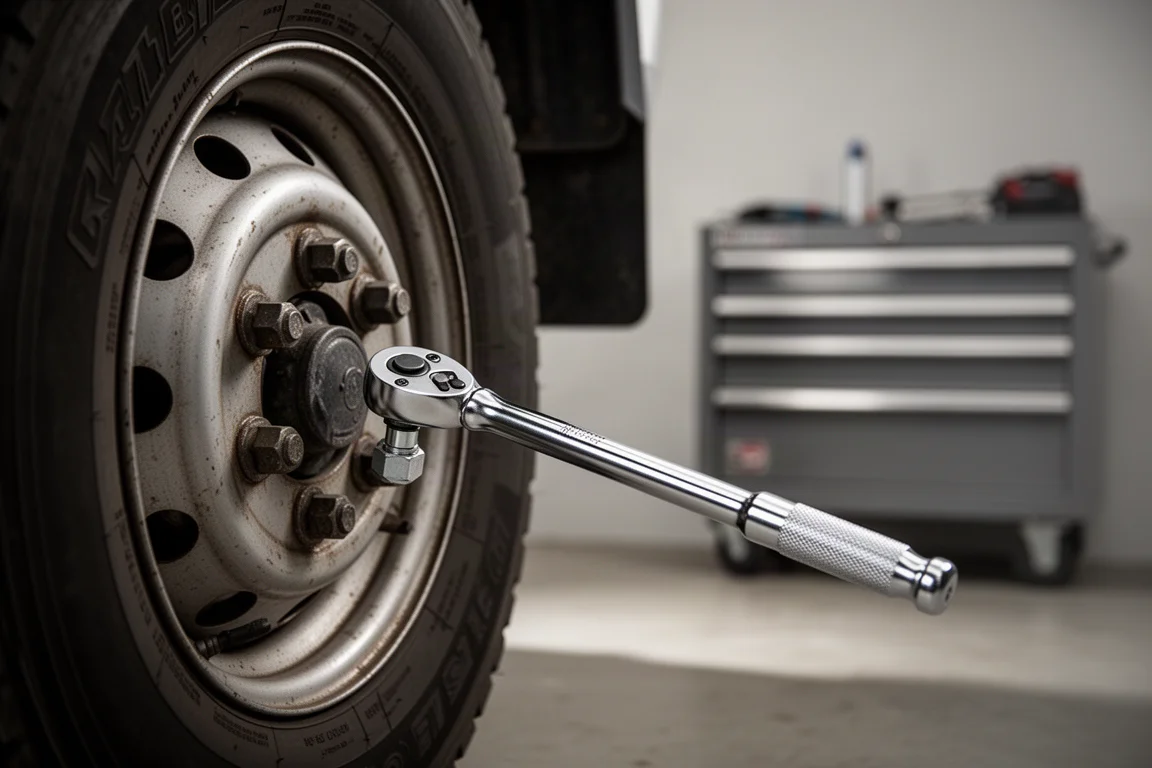
An under-discussed feature is auto mode. Used for tightening, the tool drives a fastener until it senses it is getting tight and stops. Pull the trigger again and it increments tighter in small steps. It occasionally misjudges and stops early, but it is not a big deal, and a final pass with a torque wrench is the correct practice anyway. Lug nuts spec’d at 140 ft-lbs are brought close with the tool and then confirmed properly.
In loosening, auto mode runs at full power and then slows down, which is a nice touch. For general removal work, level two tends to be the sweet spot, offering good feedback about what is happening at the fastener while still being fast and lightweight.
Overall Buying Advice
If your work lives in the 100 to 350 ft-lbs range, the M12 Stubby second generation is a strong fit. It is small, comfortable, fast, and priced well for many buyers. Keep the modes in mind when you first pick it up, pair it with a 2.5 Ah high output battery for the best experience, and always confirm critical fasteners with a torque wrench. If you prefer a physical mode button, that is a legitimate reason to hesitate; the trigger-based system is a choice you either adapt to or do not.
Conclusion
The Milwaukee M12 Stubby 2562 and 2563 are not about consistently delivering 550 ft-lbs. They are about doing the everyday middle-range work quickly and comfortably while keeping serious capability in reserve. That balance of compact size, speed, and power is what sets them apart, and for tasks like rotating truck tires, they make the job easier and the tool genuinely reliable.
Product link
View more details for Milwaukee M12 Stubby Impact Wrench 2562
This product is mentioned in the review. Check the specifications, options, and compatibility before buying.
View more details for Milwaukee M12 Stubby Impact Wrench 2562Further reading
Related Reviews

Power Tools
Best 1-Inch Pistol Impact Wrenches: Three Heavy-Duty Options Compared
We compare three 1-inch pistol impact wrenches, from a budget-friendly Harbor Freight model to a premium Caterpillar unit, to help you choose the right one.

Power Tools
Best 3/4-Inch Impact Wrenches 2026: Five Contenders Compared
We compare five 3/4-inch impact wrenches across price and performance, from a budget Amazon option to Snap-on's most powerful model yet.

Power Tools
Best Budget Cordless Tools 2026: Walmart Finds That Punch Above Their Price
We tested five cordless tools from Walmart, including a high-torque impact wrench that trades blows with Milwaukee and a $35 duster that outperforms its price class.