Power Tools
Milwaukee M12 Stubby Impact Wrench: 1st Gen vs 2nd Gen Mode Changes Explained
The new M12 Stubby looks nearly identical to the original, but a subtle grip change and a new single-handed mode switch can lead to accidental mode changes. Here is how the two compare.
Introduction
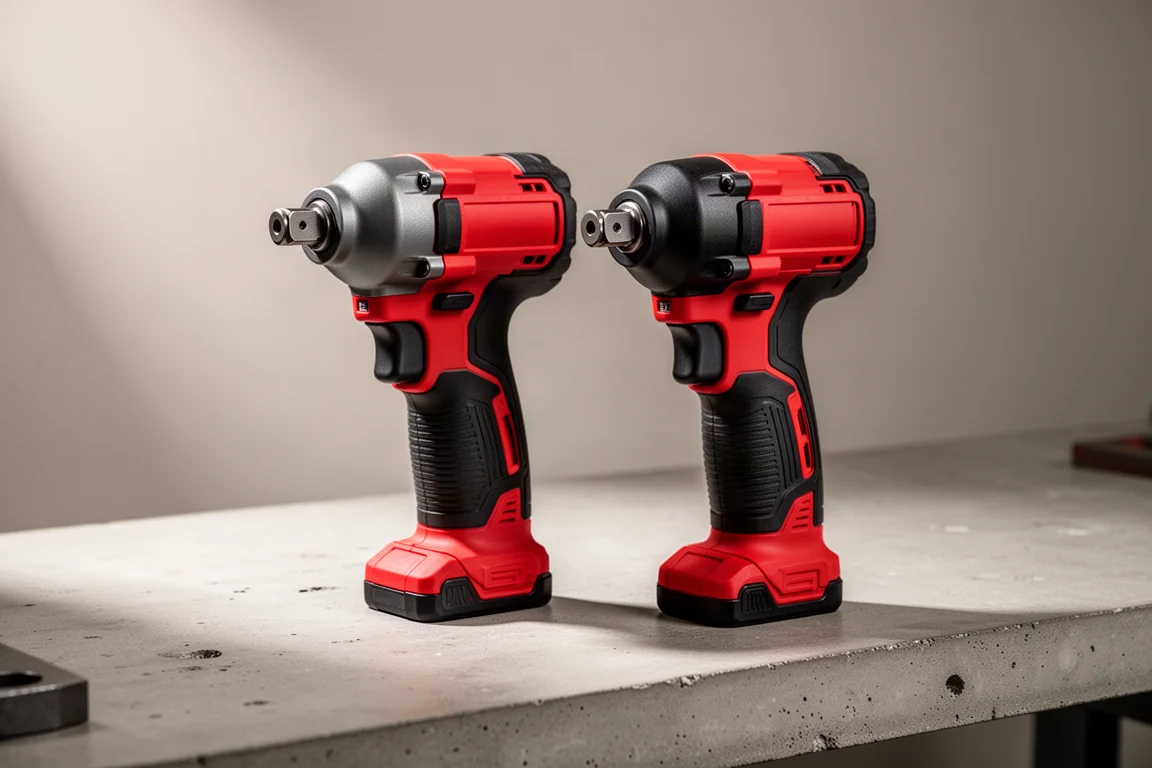
The second generation Milwaukee M12 Stubby Impact Wrench looks, at a glance, almost identical to the first. Side by side they are similar in size, they share the same compact stubby form factor, and both deliver serious power for their class. But after spending time with both, one difference keeps surfacing: accidental mode changes on the new model. The cause is subtle, and it comes down to how the grip and the mode switch work together.
The New Single-Handed Mode Switch
The first generation Stubby used a simple button on top of the tool to change modes. It is easy and predictable, but it is a two-handed operation: you grip the tool with one hand and press the button with the other.
Milwaukee went a different way with the new model. To change modes, you put the drive into neutral, right between forward and reverse, then double tap the trigger to cycle through the modes. This makes mode changes possible with one hand, which is genuinely useful when your other hand is occupied holding a fastener or steadying the tool.
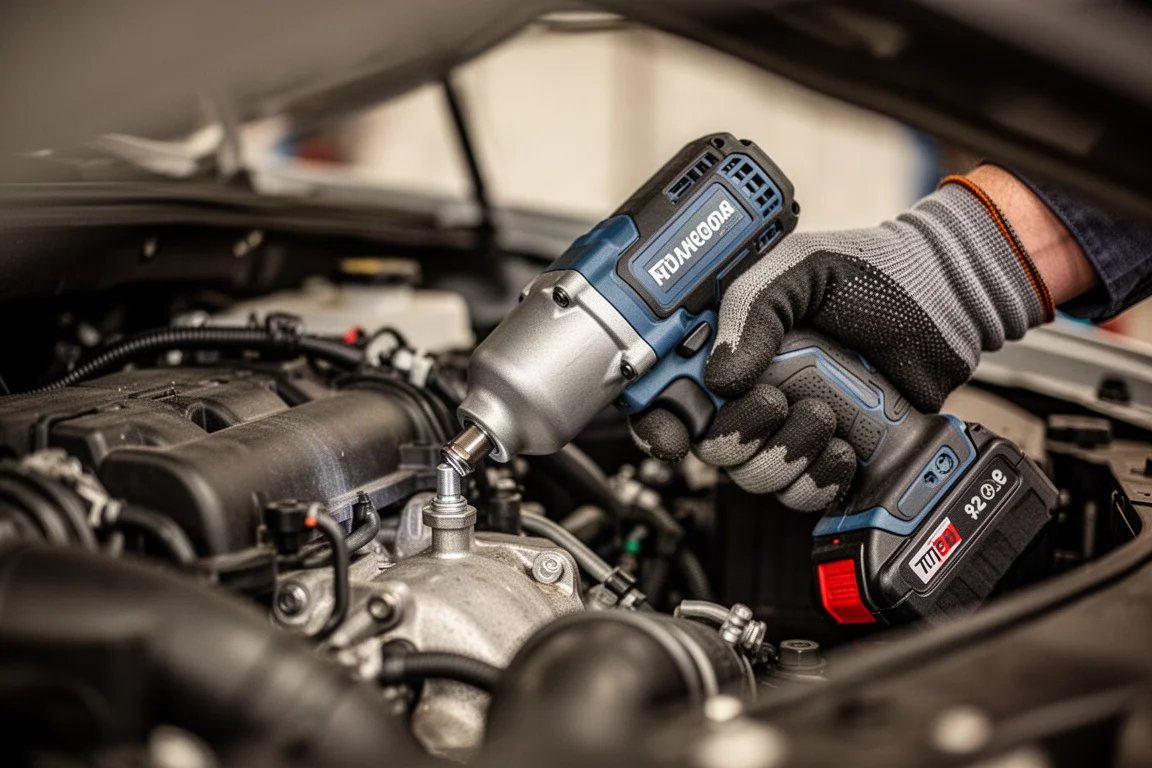
The trade-off shows up in real use. Working single-handed in tight areas, it is easy to pop the drive into neutral, attempt to drive or remove a fastener, have nothing happen, and instinctively hit the trigger twice. That double tap triggers a mode change, and suddenly the tool is in the wrong mode. You either pull back out or find the right spot, hit reverse, and go again. It is not a major deal, but it interrupts the flow of the job.
The Grip Change: The Beaver Tail Difference
The real culprit behind those accidental mode changes appears to be a change in the grip. The first generation grip has what is best described as a straight indent at the rear, a shape that fits naturally into the hand and gives the thumb a defined stop. With that grip, the thumb stays forward and away from the mode controls, and changing modes still requires a deliberate reach.
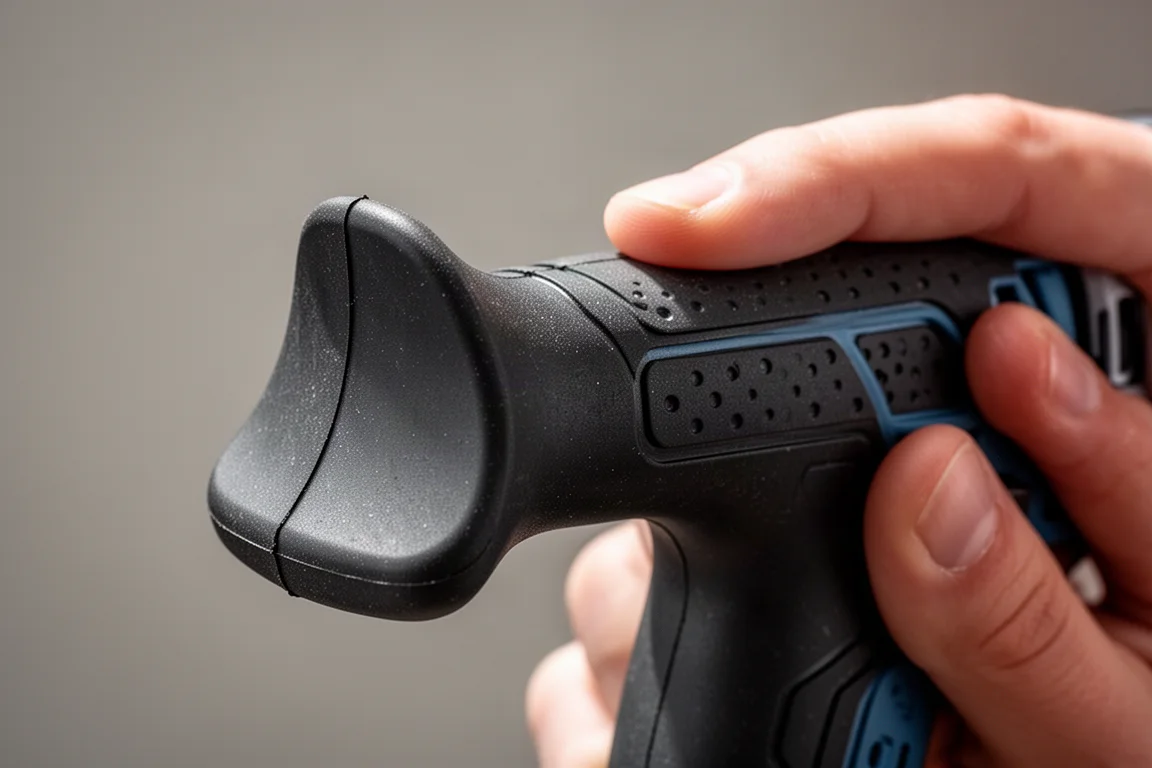
The new model keeps a flared rear section, but it is not as straight and sits closer to the trigger. When gripping the new tool, the thumb naturally lands right on or near the mode change area, and the hand tends to hang on higher, which puts the impact closer to the wrist. That means forward and reverse switching is faster and easier, which is great when intended. But it also means the mode switch is always right there, and it can happen quick, for better and for worse.
The bottom area of the grip also feels different. The old model always feels slightly larger in the hand, while the new one has that tail section closer to the trigger, making the grip feel less bulky. It is a small change, but it noticeably changes how the tool feels.
Why the Grip Matters in Tight Spaces
Small grip changes can significantly affect how a tool works for a person. In an engine compartment or anywhere the tool is constantly being pushed into a tight space, where you hold it matters. If you are in a low mode and accidentally bump into a higher mode on the new Stubby, there is a lot of power available, and that can risk breaking something.
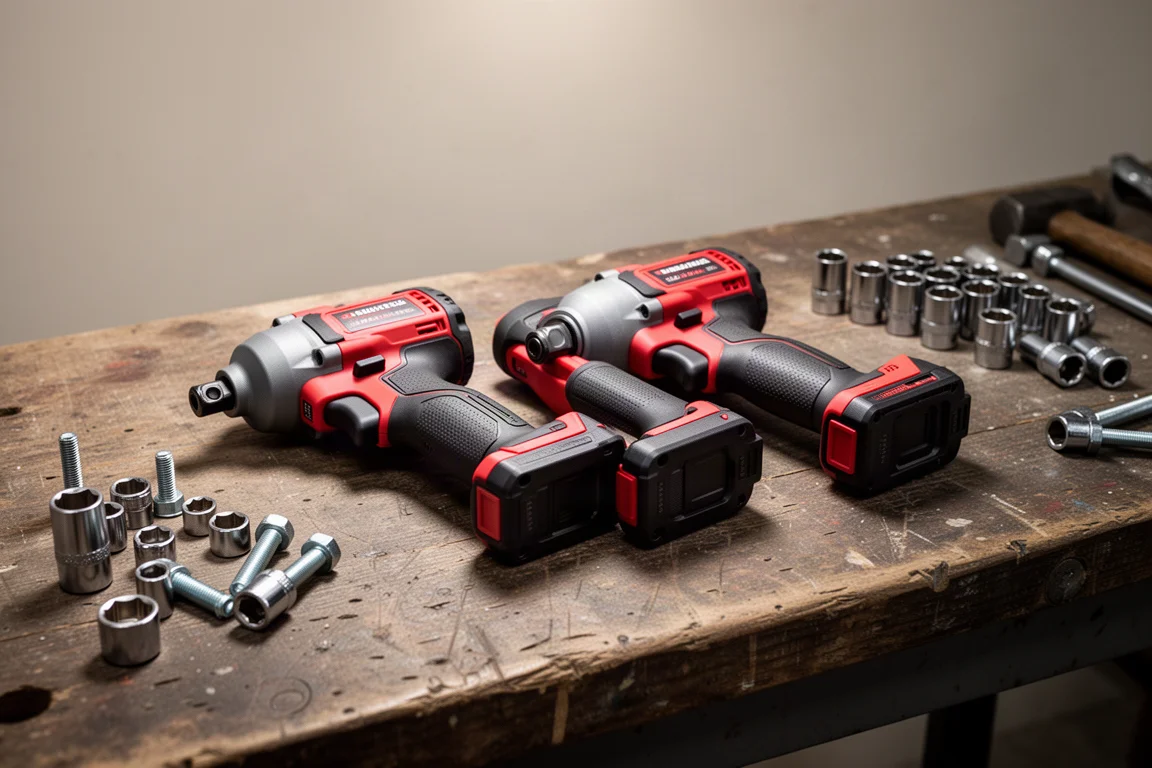
Hand size and grip habits contribute too. Larger hands and thumb-forward grip styles seem to avoid the problem on the old model, while the new grip naturally pulls the thumb and fingers toward the switch. The same hand that never had an issue on the first generation finds itself bumping into neutral and triggering mode changes on the second. That makes the change fairly significant in practice, even if it will not push most tool users away from the platform.
Is the New Design Worth It?
The single-handed mode change is a legitimate improvement for people who love it, and plenty of users do. The issue is that it removes the deliberate, two-handed action that made accidental changes nearly impossible on the original.
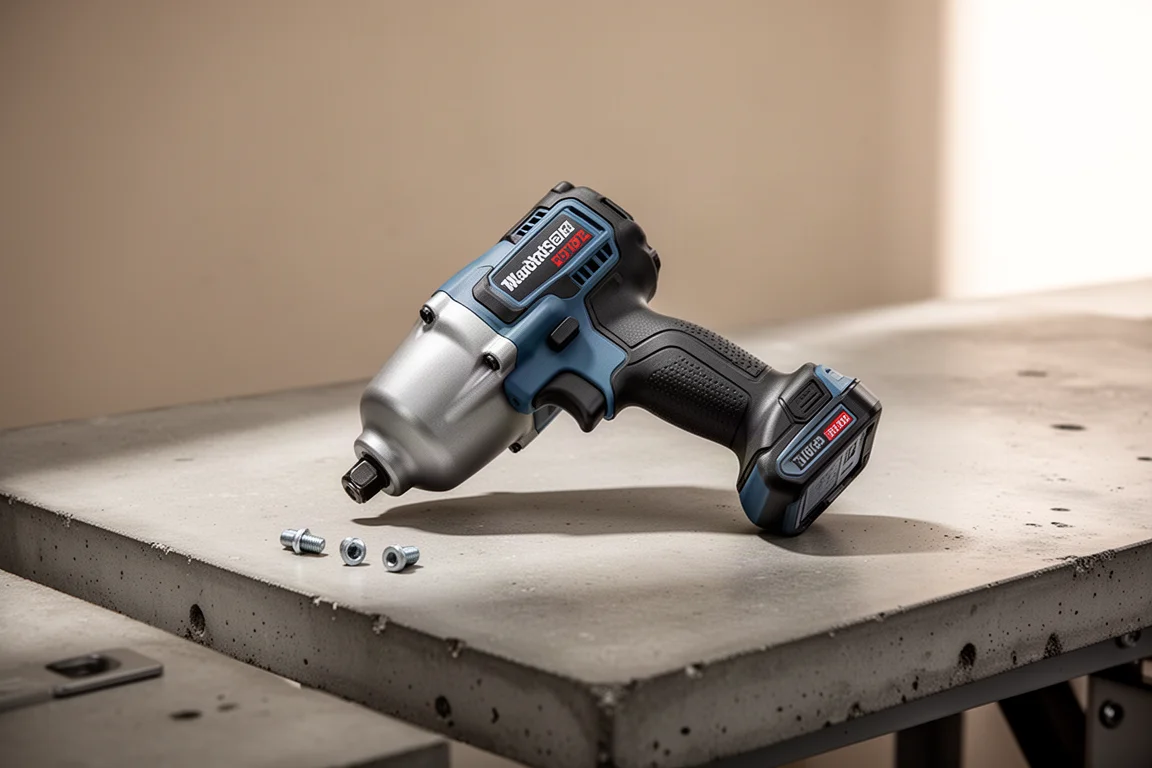
One interesting possibility would be configurable behavior, for example using Milwaukee’s ONE-KEY platform to change how modes are triggered, such as requiring a long press instead of a double tap, or locking the tool into a single mode until unlocked. That would solve the accidental change problem without giving up the single-handed feature, though it would add complexity and cost.
Conclusion
If accidental mode changes in tight spaces would frustrate your workflow, the first generation Stubby remains a solid choice, with its simple top button and a grip that naturally keeps your thumb away from the controls. If you value single-handed mode changes and quick forward/reverse switching, the second generation is worth a look, as long as you are aware that the reworked grip puts the mode switch right where your hand wants to rest. Try both grips in person if you can, because this is exactly the kind of small ergonomic difference that matters more in the hand than on a spec sheet.
Product link
View more details for Milwaukee M12 Stubby Impact Wrench (2nd Gen)
This product is mentioned in the review. Check the specifications, options, and compatibility before buying.
View more details for Milwaukee M12 Stubby Impact Wrench (2nd Gen)Further reading
Related Reviews
Power Tools
Best 1-Inch Pistol Impact Wrenches: Three Heavy-Duty Options Compared
We compare three 1-inch pistol impact wrenches, from a budget-friendly Harbor Freight model to a premium Caterpillar unit, to help you choose the right one.
Power Tools
Best 3/4-Inch Impact Wrenches 2026: Five Contenders Compared
We compare five 3/4-inch impact wrenches across price and performance, from a budget Amazon option to Snap-on's most powerful model yet.
Power Tools
Best Budget Cordless Tools 2026: Walmart Finds That Punch Above Their Price
We tested five cordless tools from Walmart, including a high-torque impact wrench that trades blows with Milwaukee and a $35 duster that outperforms its price class.