Power Tools
Milwaukee M12 Rotary Tool vs M12 Die Grinder: Which Compact Tool Fits Your Shop?
A hands-on look at the new M12 Rotary Tool's tool-free collet and speed control, plus how the M12 Die Grinder compares for polishing and detail work.
Introduction
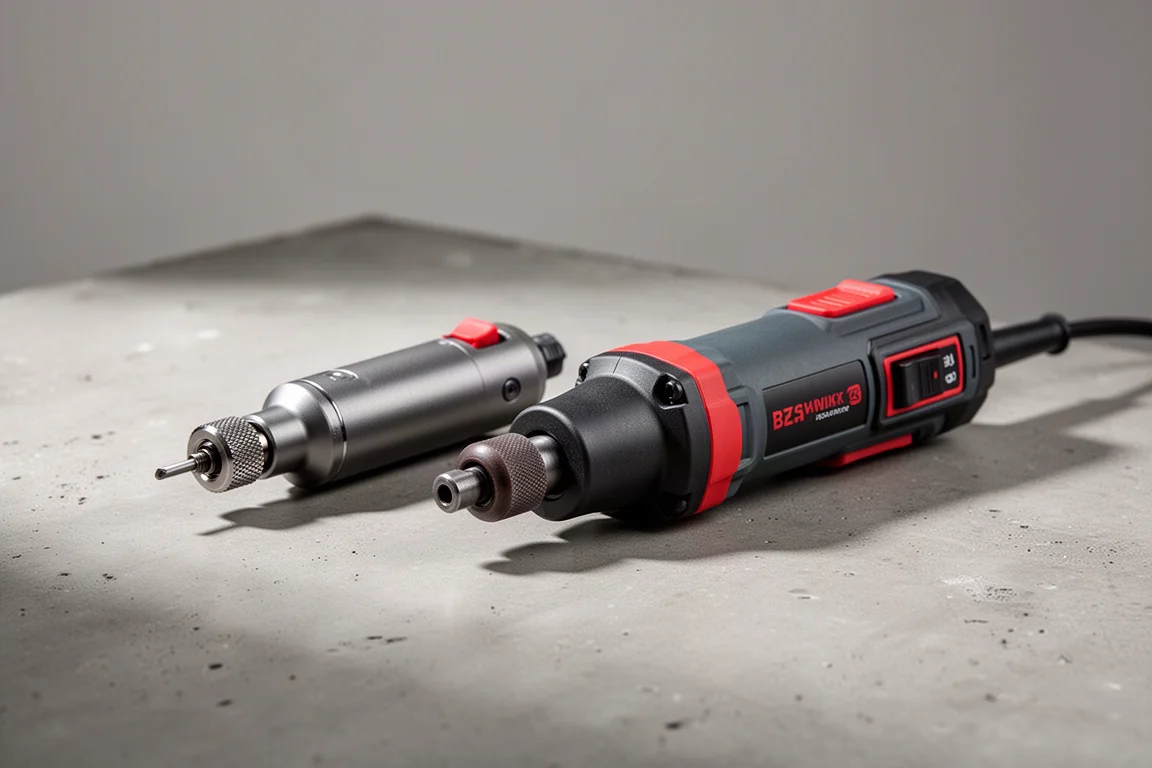
Milwaukee’s new M12 Rotary Tool aims to solve the two biggest headaches of this tool class: fiddly collet changes and clumsy power controls. With a tool-free locking collet up front, a 12-setting speed dial, and a brushless motor, it is built for detail work, cleaning, and light polishing. But it also sits close to the M12 Die Grinder, and choosing between the two comes down to how you actually work. Here is a practical breakdown of both.
Milwaukee M12 Rotary Tool: Design and Controls
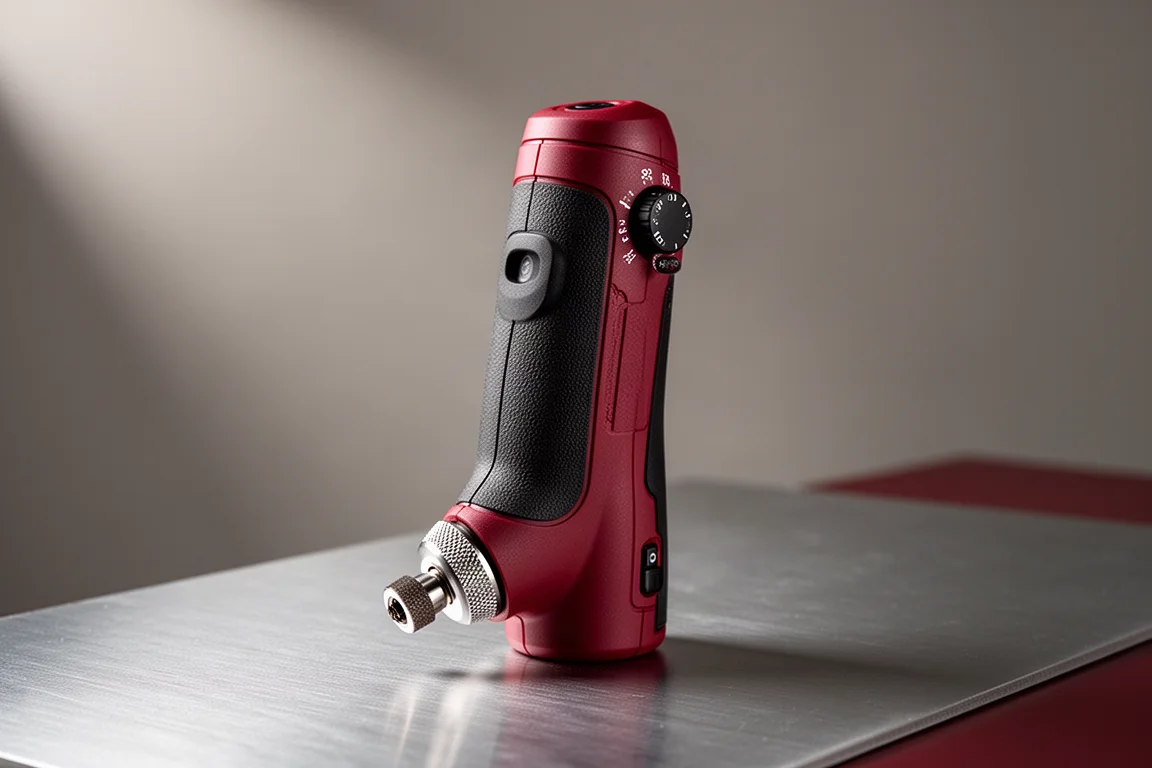
The standout feature is the knurled, tool-free collet at the front. Unscrew the cap by hand, the collet pops out, and accessories swap in seconds. Inside the cap is a small built-in wrench, so if an accessory sits too deep or your fingers cannot get a grip, removing the front piece and turning it one way tightens or loosens the collet without reaching inside. It is a clever solution from Milwaukee, and it removes the two-wrench frustration that plagues most rotary tools.
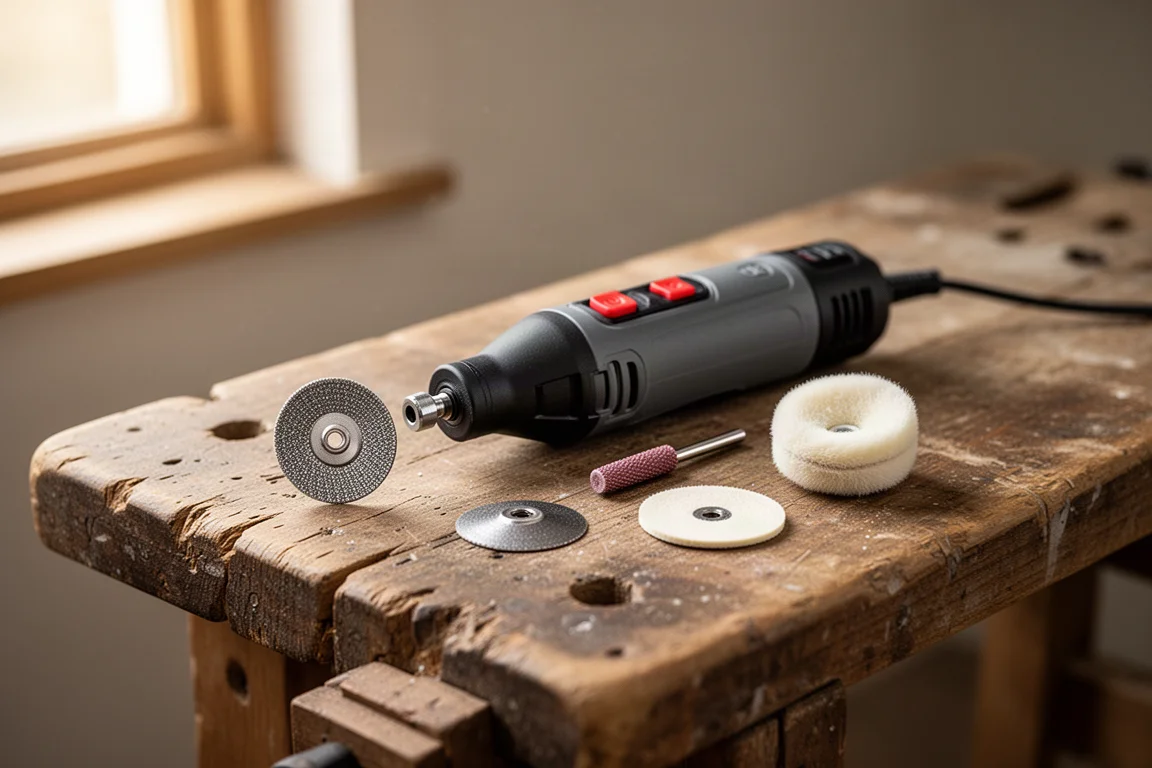
The controls are equally well thought out. A dedicated power switch sits out of the way where it will not get bumped accidentally, and a fuel gauge shows remaining charge when powered on. At the rear, the speed dial runs from 5,000 to 27,500 RPM across 12 settings, and you can adjust it even while the tool is switched off. The buttons sit slightly recessed so your hand wraps naturally around the body, and the brushless motor should hold up over the long term. One caveat: some of the included accessory hardware feels brittle, and a Dremel-brand end piece snapped during testing, so stick to quality accessories.
What’s in the Box
The rotary tool includes a wrench that fits the collet for anyone who prefers the traditional method, plus a screwdriver that works on the end fitting for bolting on grinding discs. It is a small tool, around 9 inches overall, so it stores easily and is something you can grab quickly for tiny jobs.
Real-World Performance: Cleaning, Threading, and Polishing
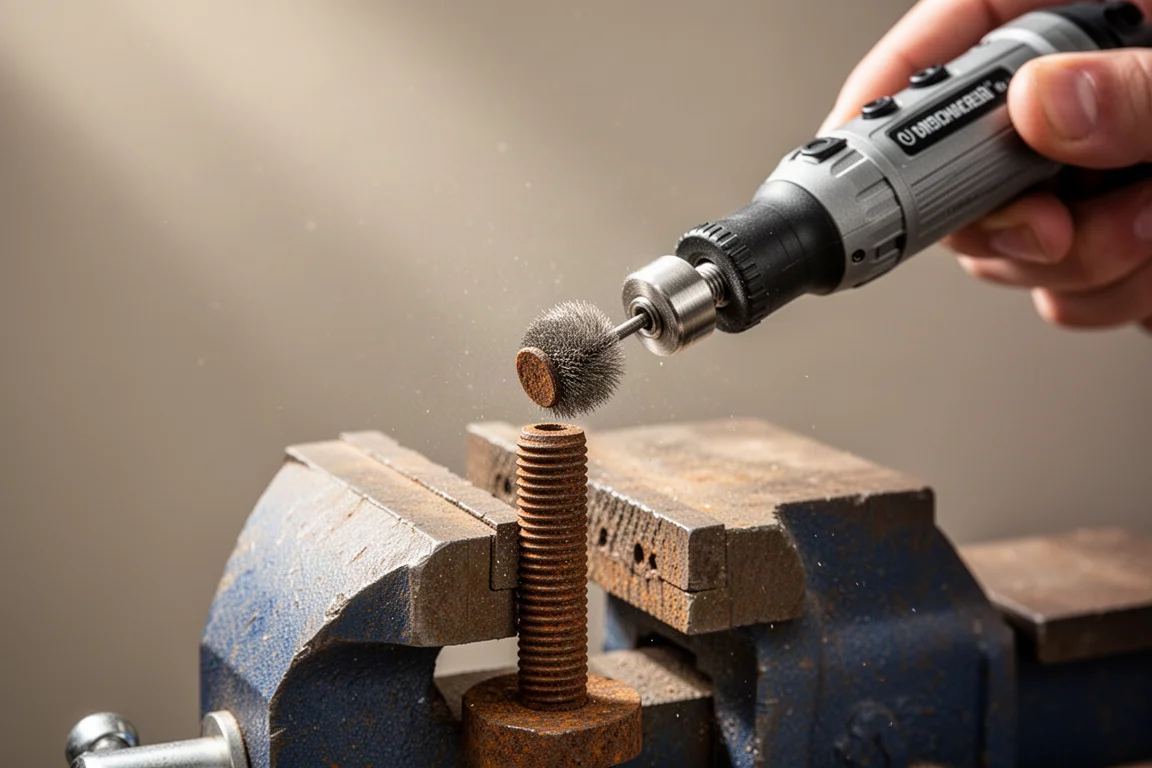
On a rusted bolt, the tool delivered surprisingly good torque even at just over 5,000 RPM, cleaning away corrosion without stalling. Switching to a rotary file for damaged threads worked well at low speed, with plenty of power in reserve when needed. The collet accepts up to a 2-inch disc, which is impressive for such a small front end, and rollock-style screw-on discs, sanding drums, and Scotch-Brite style attachments all fit and work fast.
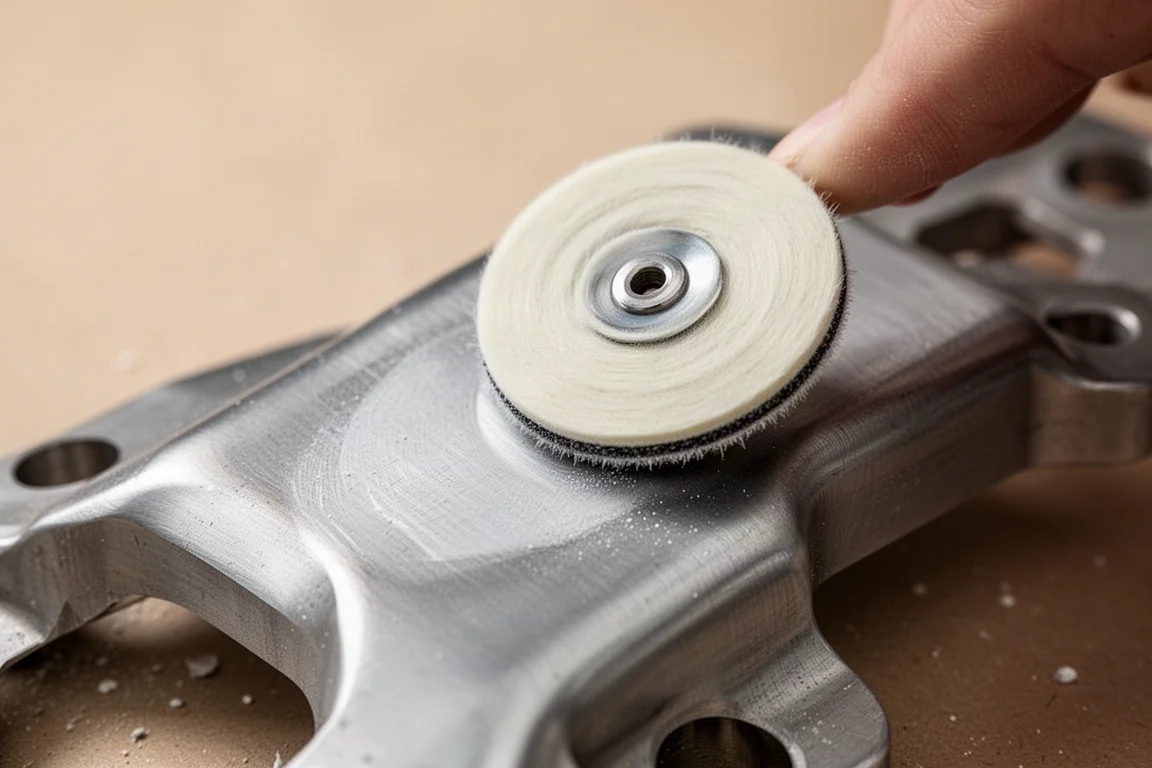
Polishing is where the brushless electronics show their worth. With a Milwaukee polishing disc and compound applied, the tool held its target RPM even under heavy pressure at the 5,000 RPM setting, with the internal computer compensating for load. You can hear the speed recover as pressure is applied. In normal use you would let the tool do the work rather than leaning on it, but the fact that it held speed under abuse is a strong signal of real power.
Safety and Accessory Quality
Anything spinning at up to 27,500 RPM demands respect. Cheap or brittle accessories can come apart at speed and cause serious injury, so buy quality discs, files, and wheels, and always wear eye protection. Hobbyists in particular should invest in well-made attachments rather than bargain-bin options.
M12 Die Grinder: The Alternative to Consider
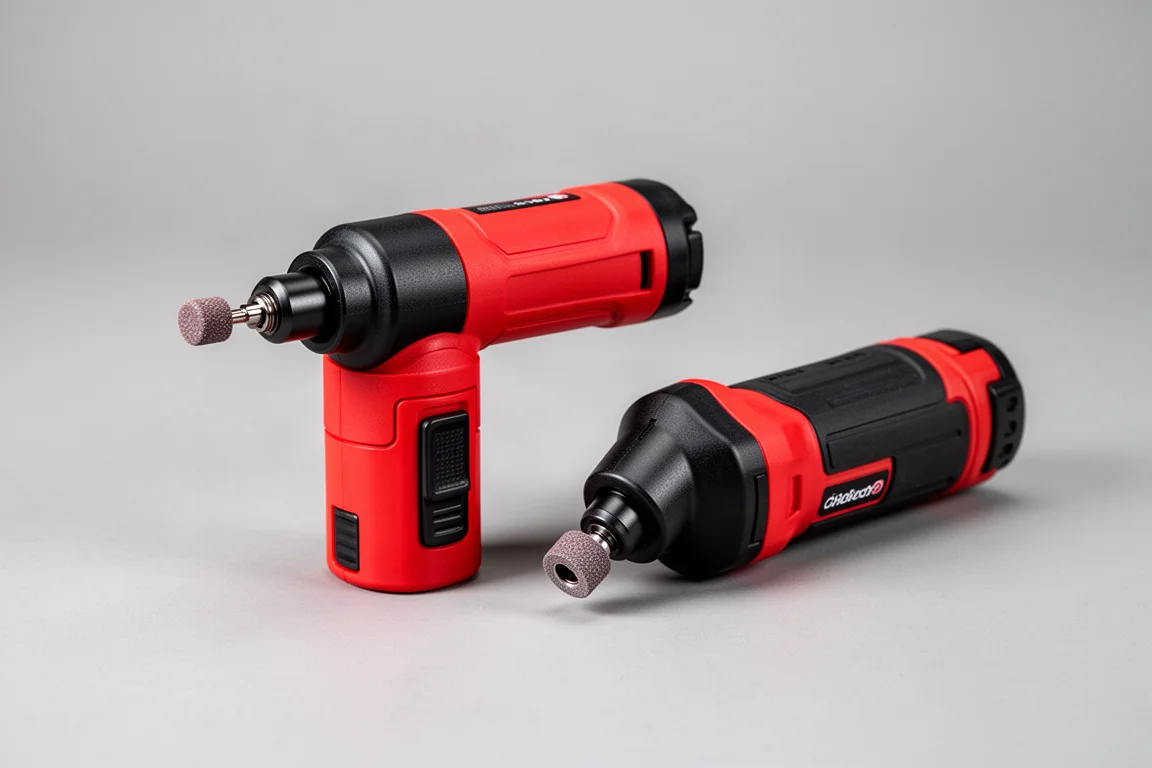
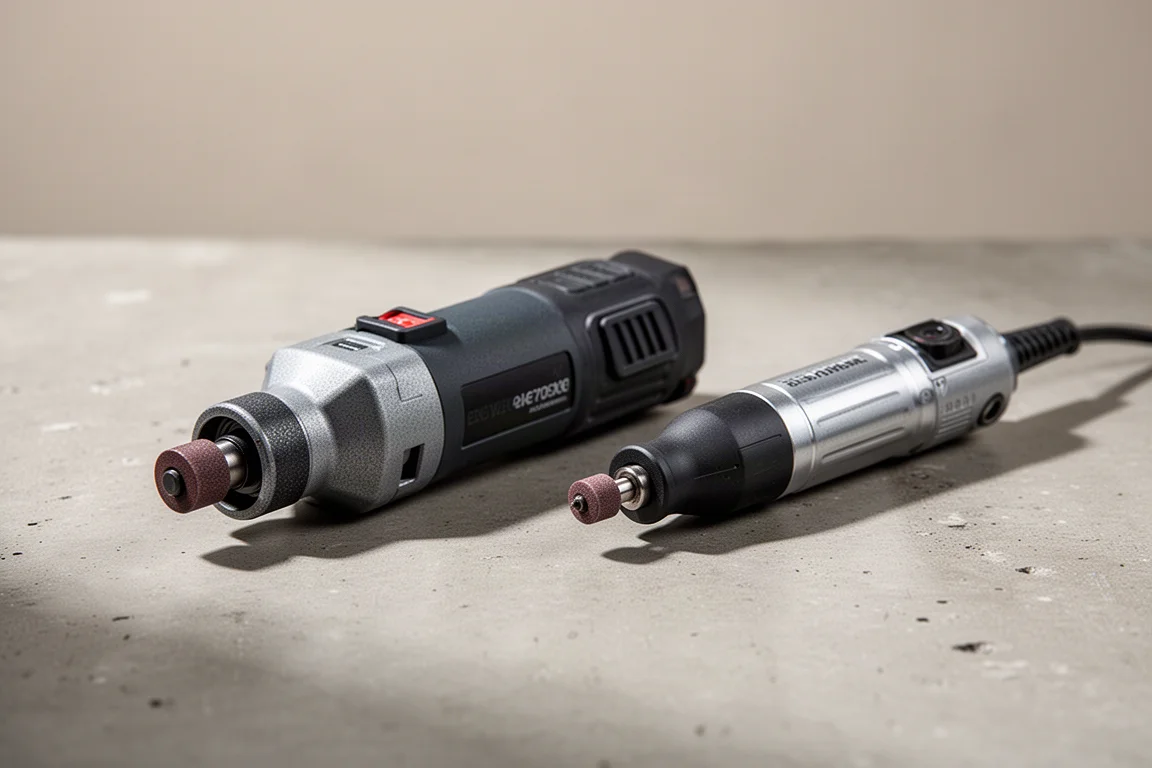
The M12 Die Grinder overlaps heavily with the rotary tool. With a quarter-inch collet and a cheap adapter, it can run the same 1/8-inch accessories, making the practical difference between the two fairly small. Where it differs is control: the die grinder offers a variable-speed trigger plus three (and in some versions four) preset speeds. For polishing work in tight spots where you want very light touch and slow speed, a trigger is easier than bouncing between presets on a dial. It is also physically larger at the front end.
Which One Should You Buy?
If your work revolves around polishing, detail touch-ups, or precise low-speed control, the die grinder’s variable-speed trigger is the better fit. If you want the fastest accessory changes, the tool-free locking collet, and a more compact body for tiny jobs, the rotary tool wins. At $129 MSRP, and roughly $200 with a battery and charger, the rotary tool is priced reasonably for what you get. For some buyers it will be a daily-use hobby tool; for others, a niche grab-and-go option for small shop tasks. Think carefully about which category you fall into before buying both.
Conclusion
The M12 Rotary Tool is an ergonomic, well-powered compact tool with a genuinely useful tool-free collet and stable speed under load. The M12 Die Grinder covers much of the same ground with the added finesse of a variable-speed trigger. Match the control style and size to your typical jobs, buy quality accessories for either one, and you will have a capable detail tool for years.
Further reading
Related Reviews
Power Tools
Best 1-Inch Pistol Impact Wrenches: Three Heavy-Duty Options Compared
We compare three 1-inch pistol impact wrenches, from a budget-friendly Harbor Freight model to a premium Caterpillar unit, to help you choose the right one.
Power Tools
Best 3/4-Inch Impact Wrenches 2026: Five Contenders Compared
We compare five 3/4-inch impact wrenches across price and performance, from a budget Amazon option to Snap-on's most powerful model yet.
Power Tools
Best Budget Cordless Tools 2026: Walmart Finds That Punch Above Their Price
We tested five cordless tools from Walmart, including a high-torque impact wrench that trades blows with Milwaukee and a $35 duster that outperforms its price class.