Power Tools
Milwaukee M12 Right Angle Die Grinder: Gen 1 vs Gen 2 Comparison
The new Milwaukee M12 right angle die grinder brings more power, better lighting, and a redesigned trigger. Here is how it stacks up against the previous generation.
Introduction
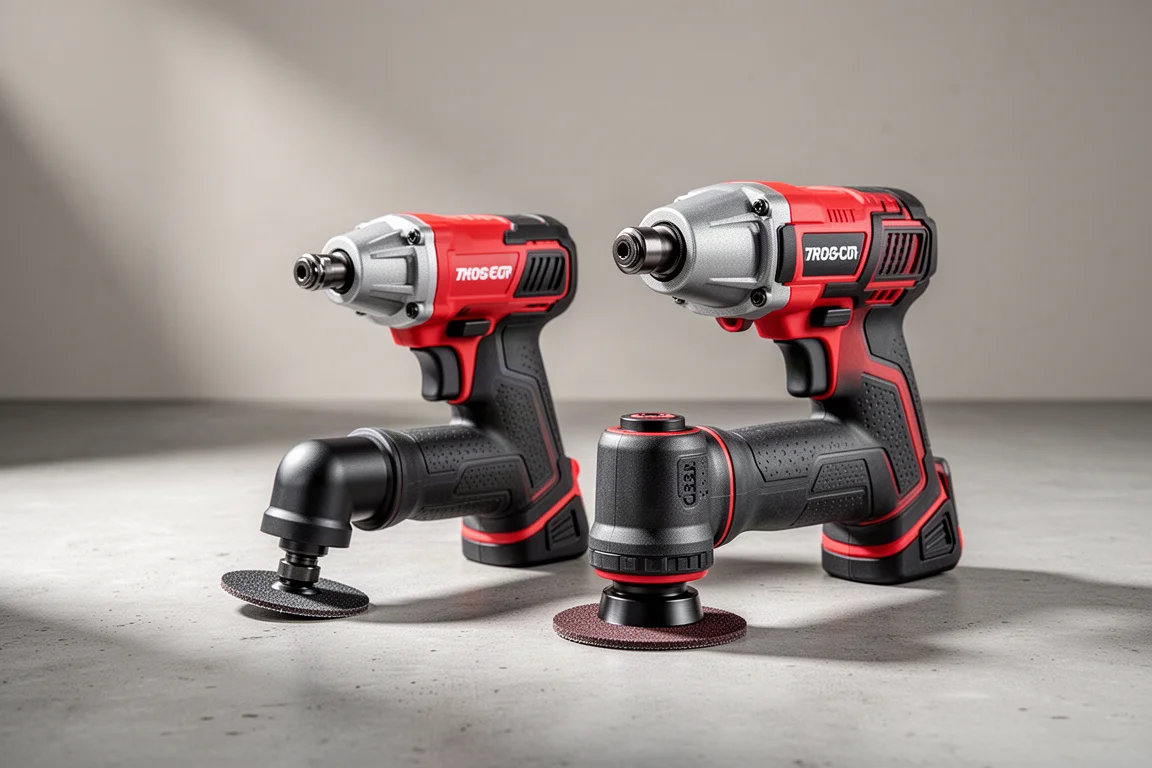
Cordless die grinders exist for one main reason: convenience. You buy them to make money and get the job done faster, not to drag a compressor hose around the shop. Milwaukee’s M12 right angle die grinder has been a compact option in this space for a while, and the second generation, the 3485-20, makes some genuinely meaningful changes over the original 2485-20.
What the Gen 2 Changes
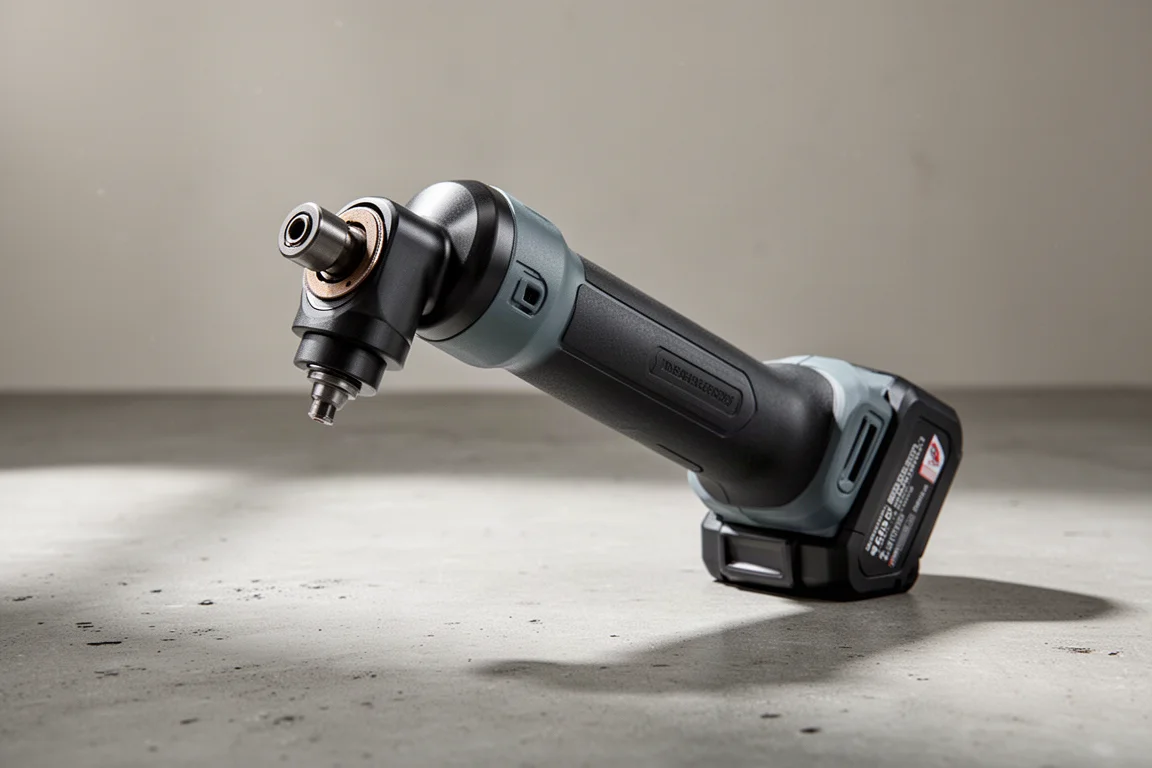
At first glance the Gen 2 looks significantly larger, but the increase is mostly width. The height of the arbor sits at roughly the same level as the Gen 1, so it will most likely still fit into the same tight work areas.
The improvements are easy to spot once you pick it up:
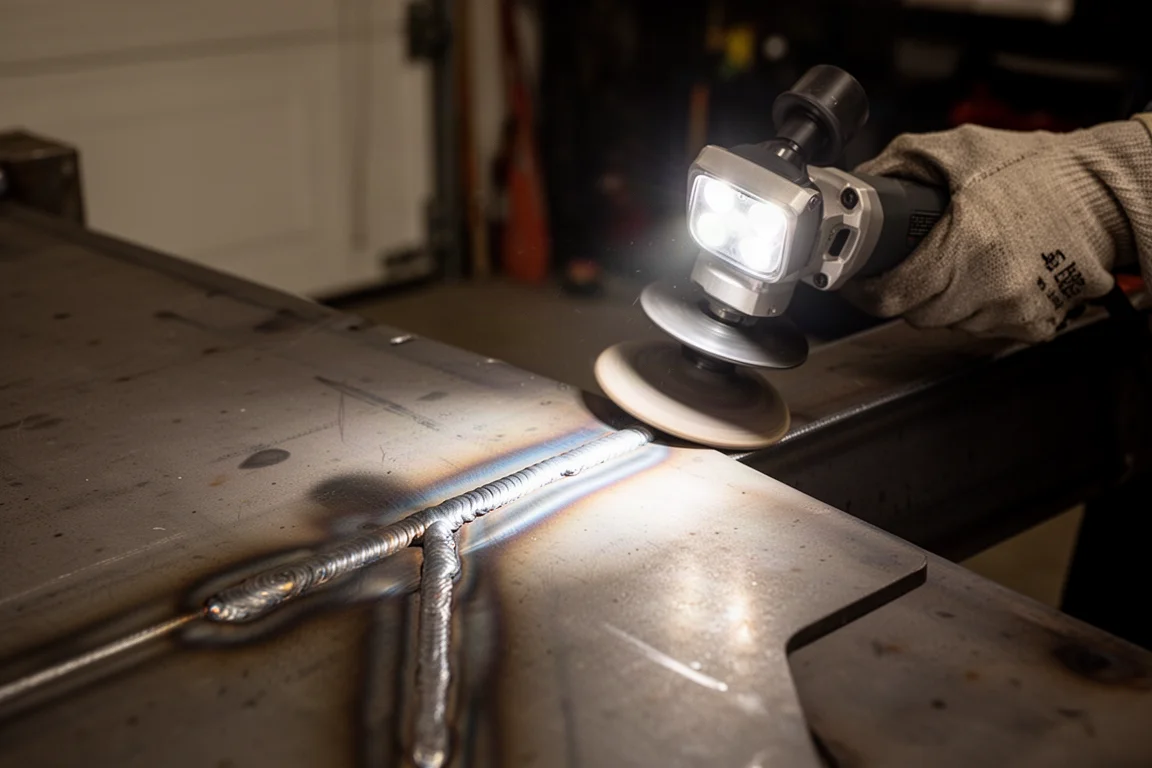
- Much better LED lighting. On the Gen 1, the light has to reach around your hand to get to the work area, which mostly lights up your own fingers. The Gen 2 puts light where you are actually working.
- An arbor lock. You can use any standard wrench to change accessories instead of fumbling with two small wrenches in a cramped space.
- A far better trigger. The old pneumatic-style trigger feels slow. The new one is noticeably faster and more responsive, and the plastic trigger material quickly stops mattering once you have used it.
- A properly shaped grip. Most M12 tools are simple barrel grips, but the Gen 2 has a sculpted ergonomic grip that feels like real design work went into it.
Performance and Battery Choice
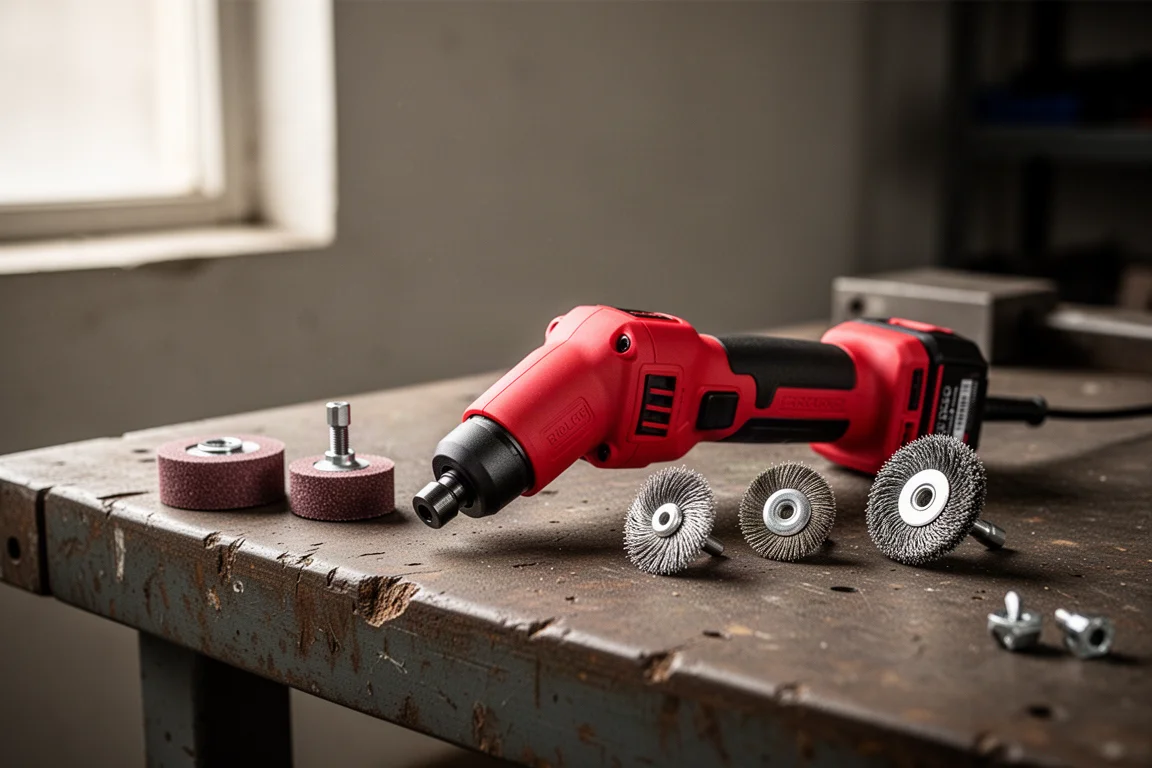
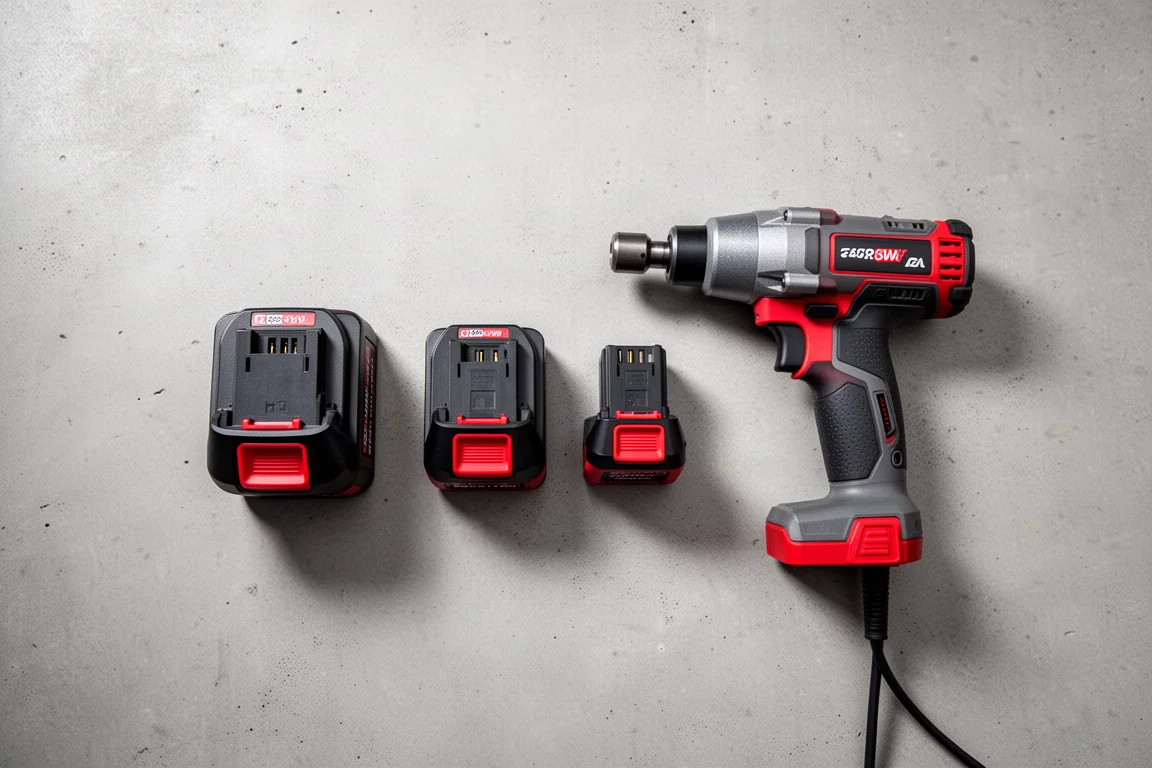
The Gen 2 uses CP 2.0 amp hour batteries as a baseline, but the strong recommendation is to pair it with a 2.5 or 5 amp hour High Output battery if you are spending the money on the tool. The difference is not subtle. With a lighter 2.0 amp hour battery, a heavier bit bogs down and the motor can eventually stall under pressure. With a High Output battery, the same work is handled without stalling at all, even at level one.
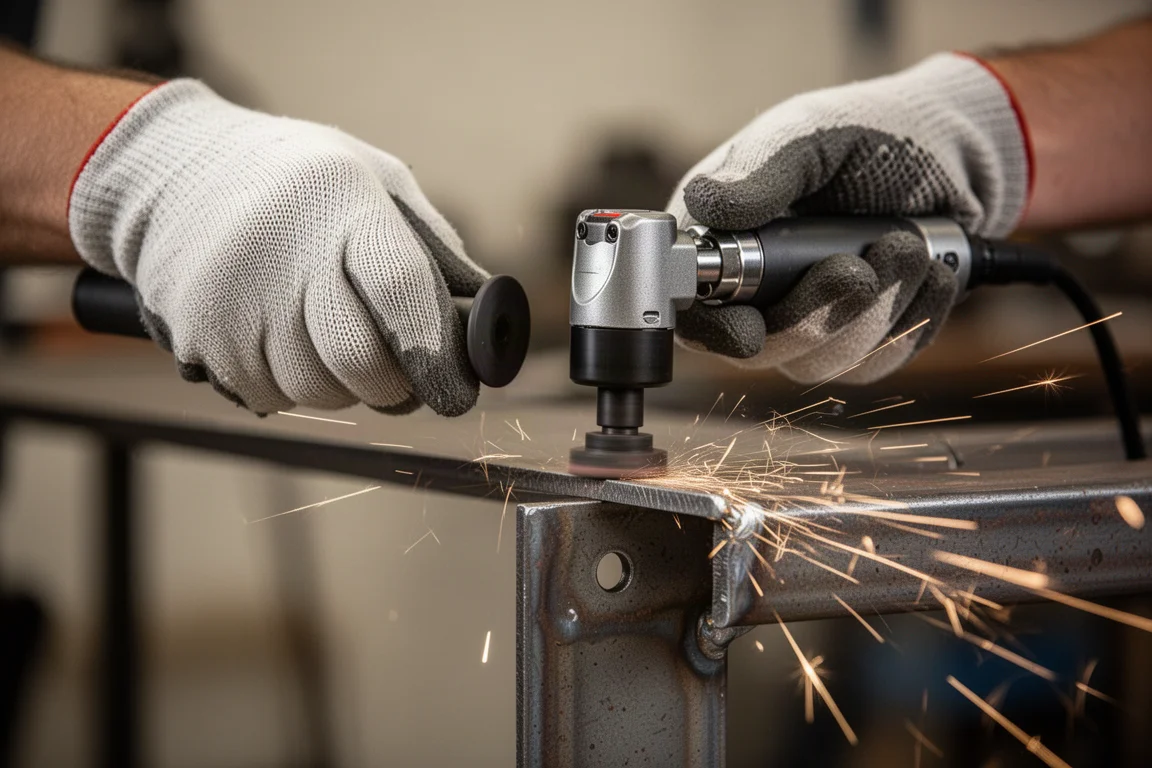
Mode one sits a little over 3,000 RPMs with excellent speed control, which makes it easy to feather the tool down for delicate work like wire wheel use. At the other end, the tool reaches 20,000 RPMs. The spec sheet lists four modes, 3,000 to 20,000 RPM, 3-inch sanding capacity, and 2-inch cutting capacity.
Speed Modes and Real-World Torque
The biggest performance story is torque right off the bat. At level one with a High Output battery, the Gen 2 delivers strong torque immediately with no binding or slowing, and you cannot stall it out with normal pressure. The Gen 1, by comparison, bogs down with heavier accessories even when fitted with a 2.0 amp hour battery. That gap is the clearest reason the Gen 2 exists.
Mode switching is handled by a button on the back of the tool, similar to the old model, though the Gen 2 button needs a slightly firmer push. The fuel gauge sits at the back, which is a nice touch.
Should You Upgrade?
The one possible downside is heat. If you are really digging into material for a long stretch, the Gen 2 can warm up, but it takes a significant amount of time to get there.
At $219, the Gen 2 asks for more money, but it delivers substantially more power in a tool that is only mostly larger in width, with a more ergonomic grip, a better trigger, arbor lock, and far more useful lighting. If you liked the Gen 1, or even if you did not, the Gen 2 is probably where it is at for you. And if you buy it, budget for the High Output battery too, because standard batteries simply do not unlock what this motor can do.
Pneumatic tools may still take the crown on raw power, so this remains a convenience purchase first. But within the cordless M12 lineup, the Gen 2 is the clear pick.
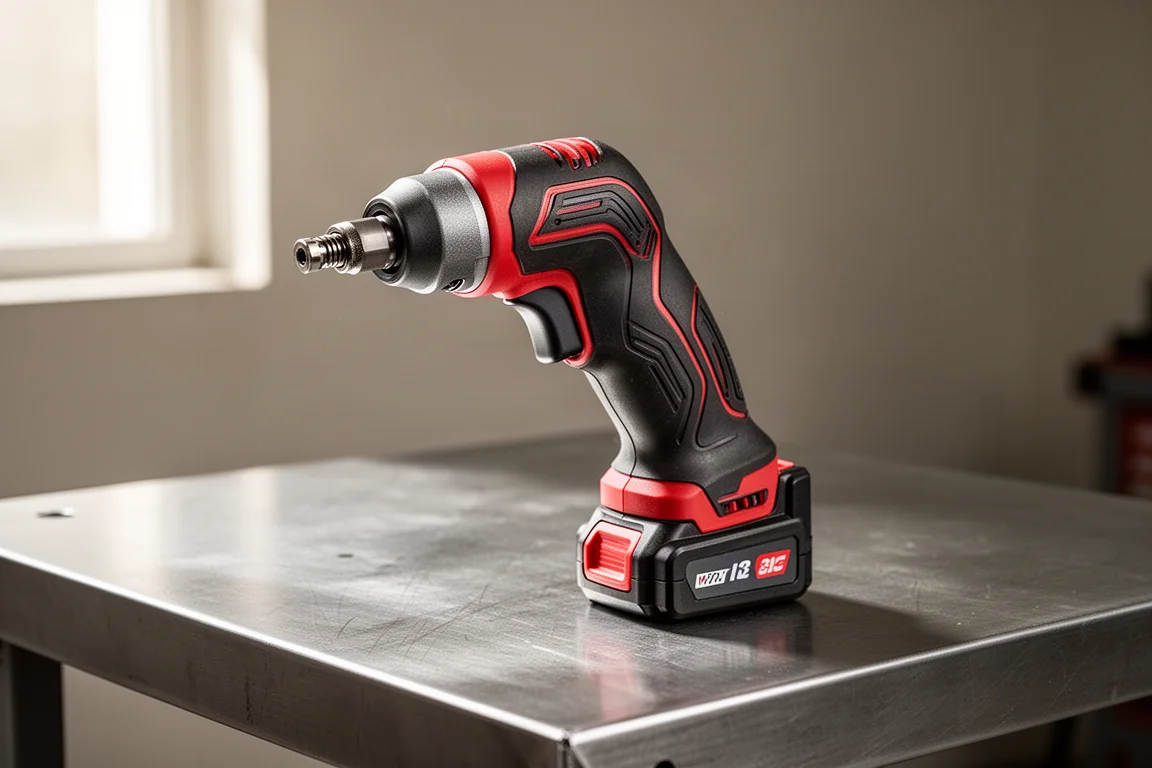
If you already own the Gen 1 2485-20, it is still a capable tool for lighter accessory work, and it can be had for less. Just be aware of its limits with heavier bits.
Conclusion
The Milwaukee M12 right angle die grinder Gen 2 is a genuine step forward: more motor, better ergonomics, smarter lighting, and a trigger that finally feels right. Pair it with a High Output battery and it becomes a compact cordless grinder that actually gets work done instead of just getting by.
Further reading
Related Reviews

Power Tools
Best 1-Inch Pistol Impact Wrenches: Three Heavy-Duty Options Compared
We compare three 1-inch pistol impact wrenches, from a budget-friendly Harbor Freight model to a premium Caterpillar unit, to help you choose the right one.

Power Tools
Best 3/4-Inch Impact Wrenches 2026: Five Contenders Compared
We compare five 3/4-inch impact wrenches across price and performance, from a budget Amazon option to Snap-on's most powerful model yet.

Power Tools
Best Budget Cordless Tools 2026: Walmart Finds That Punch Above Their Price
We tested five cordless tools from Walmart, including a high-torque impact wrench that trades blows with Milwaukee and a $35 duster that outperforms its price class.