Power Tools
Best Power Ratchets and Compact Impact Tools: Milwaukee M12 Lineup and Worthwhile Alternatives
The new Milwaukee power ratchets nearly double the torque of previous generations. We compare them with older Milwaukee models, budget ratchets, compact impacts, and the manual and socket options that make the most of them.
Introduction
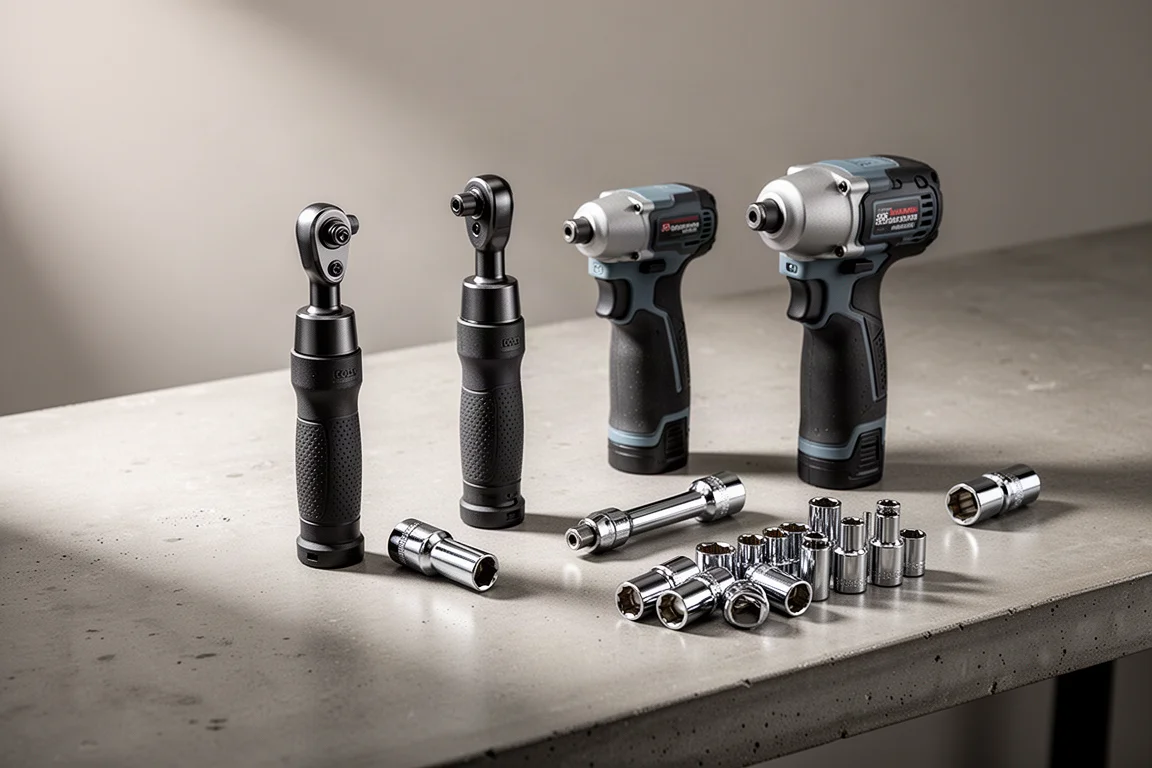
Milwaukee’s latest generation of M12 power ratchets is a genuine step forward. The headline numbers nearly double the torque of the tools they replace, the ergonomics feel noticeably better, and the slim heads make them easier to live with in tight spaces. But a power ratchet is a niche tool, and the price of the new models raises a fair question: is this the right purchase for your toolbox, or is your money better spent elsewhere?
This roundup walks through the new lineup, the older Milwaukee models still on sale, the budget alternatives worth a look, and the companion tools that make a power ratchet truly useful. The short version: for most people, the smartest setup combines one well-chosen power tool with quality manual ratchets and the right sockets.
The New Milwaukee Power Ratchets
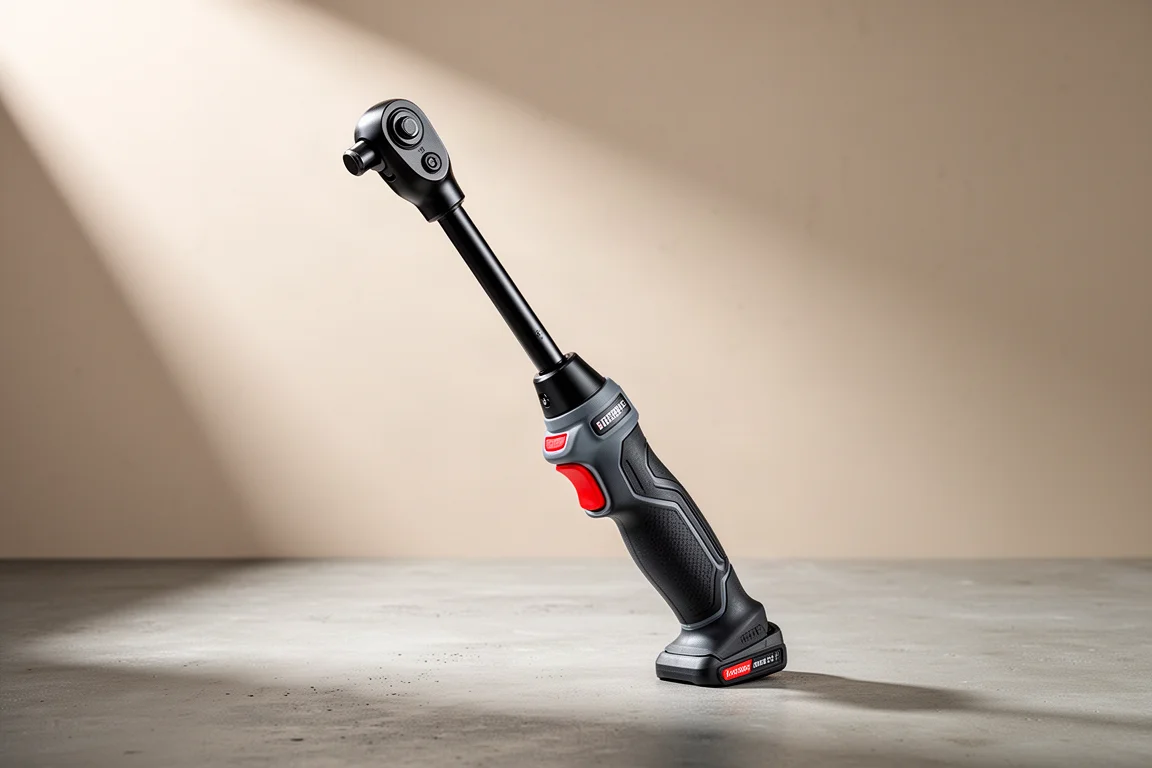
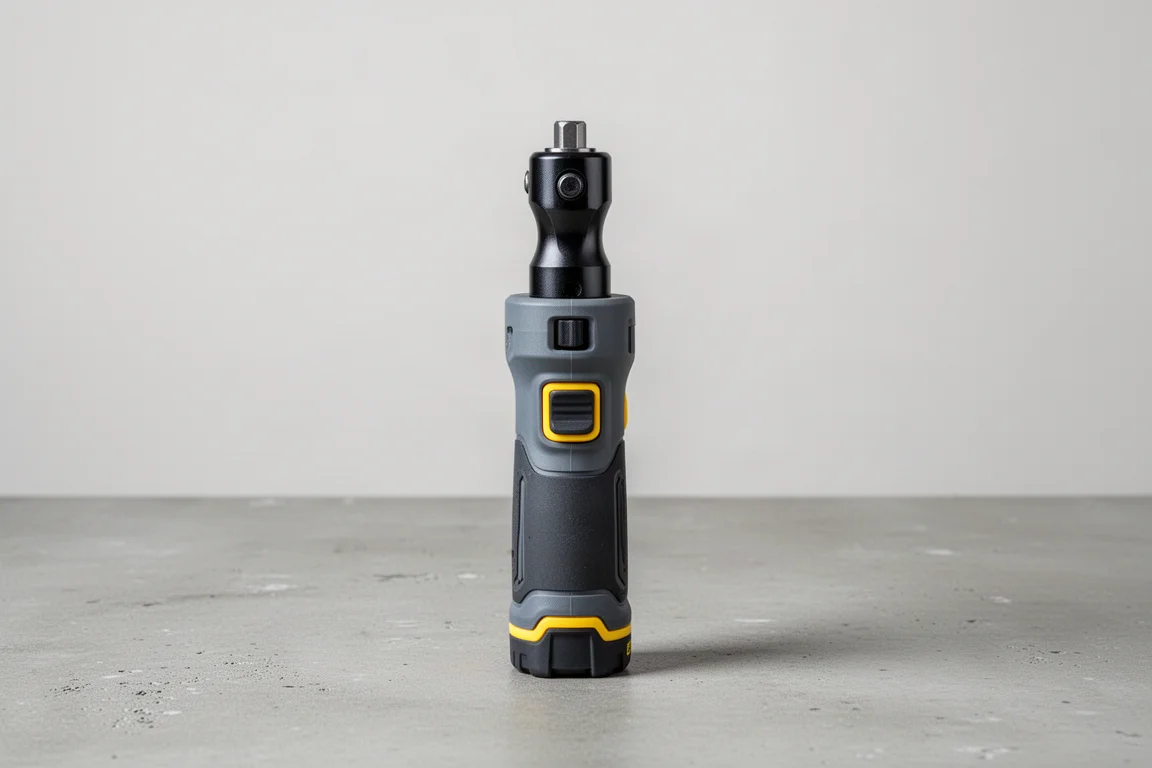
The new lineup comes in three flavors: the 3052-20 in 1/4-inch drive, the 3053-20 in 3/8-inch drive, and the 3054-20 in 1/2-inch drive, which is the most recent release. They are all fundamentally the same tool with identical motors geared differently. The 1/2-inch is the slowest at 300 RPM but delivers 80 ft lbs of torque. The 3/8-inch runs 400 RPM with 70 ft lbs, and the 1/4-inch is the fastest at 550 RPM with 45 ft lbs.
Compared with the previous generation, roughly 35 to 40 ft lbs, the new 3/8-inch is a big jump. The ergonomics are the real story: the handle is scalloped out so it fits properly in your hand instead of feeling like you are gripping a clunky brick, and the slim head gets into tighter spaces.
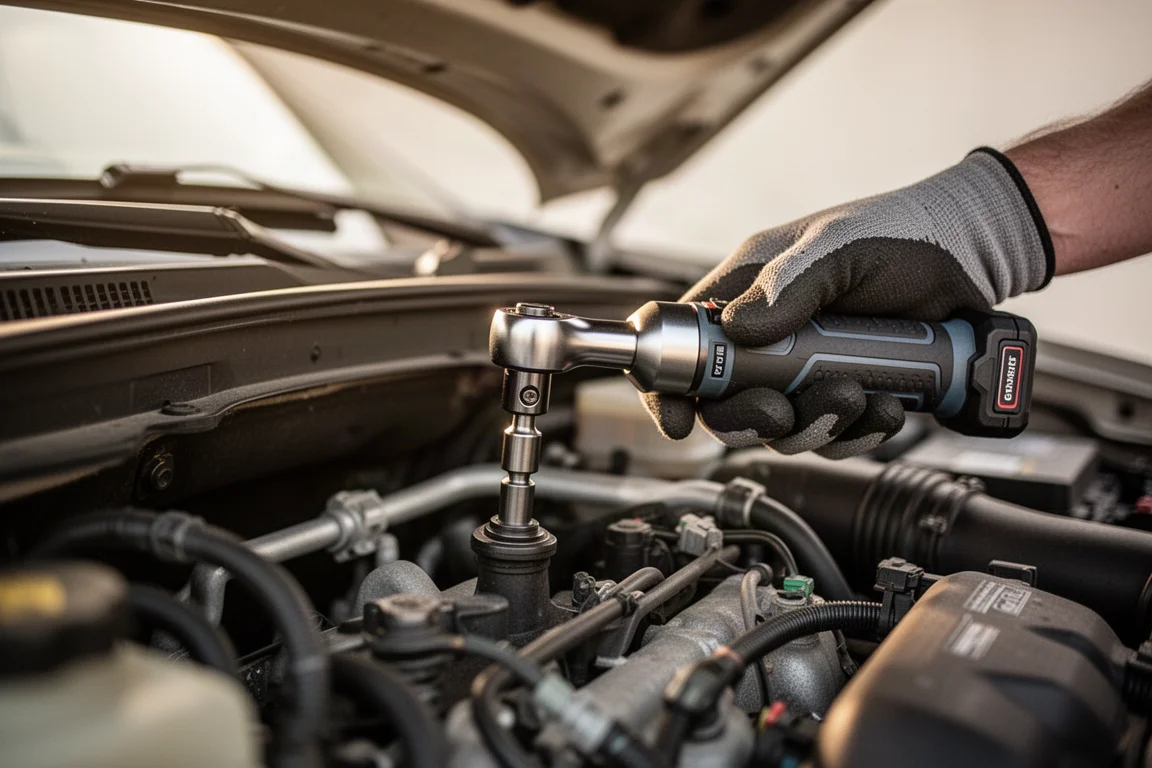
One honest caveat: extra torque on a geared, direct-drive ratchet is felt directly in your wrist. Unlike an impact, there is no hammer mechanism to absorb the reaction. At 70 ft lbs, the tool will jerk even if you are holding on tight, and that is part of why power ratchets stayed under about 40 ft lbs for so long.
Older Milwaukee Models Still on Sale
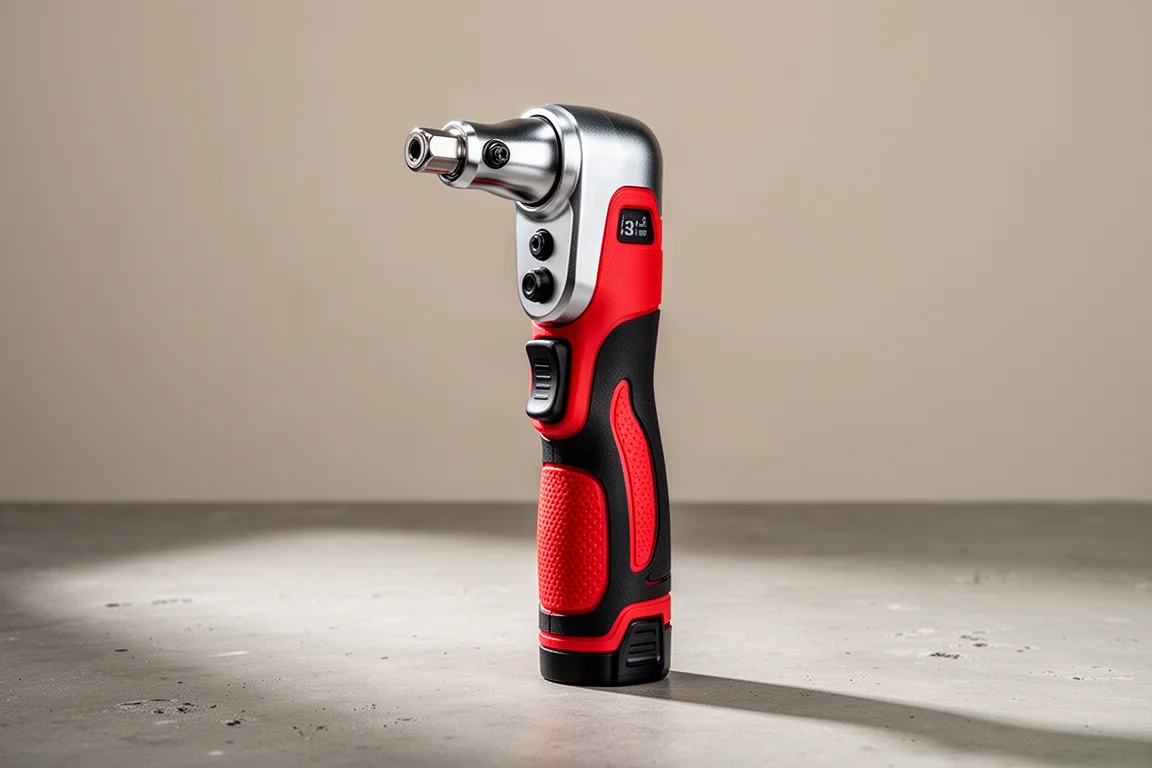
The previous generation is confusing territory, because Milwaukee keeps selling its old tools alongside the new ones. The 2457-20 is the early brushed-motor version with only 35 ft lbs of torque and 250 RPM. It is low torque, it is slow, and the handle is bulky. On blowout pricing it can be found for less than 100 dollars, and at that price it is a reasonable entry point.
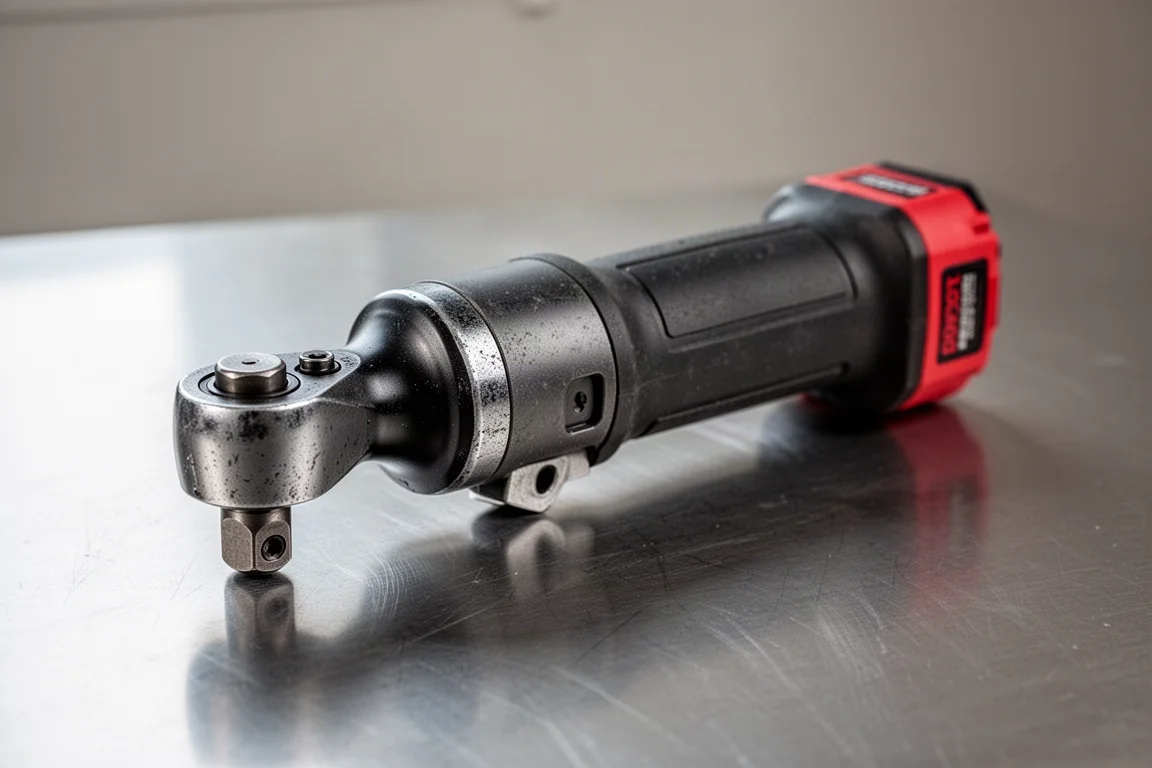
The 2569-20 is the mid-generation long-reach version, also 35 ft lbs but at 450 RPM. Some people prefer the long-reach format for getting into awkward spots, though the reversing lever sticks out and costs a little clearance. It is still selling for around 240 dollars, which is hard to justify when the new generation costs similar money and performs much better.
Power Ratchet vs Impact Wrench
It helps to understand that power ratchets and impacts are fundamentally different tools. A geared direct-drive ratchet is not hitting with a hammer, so torque ratings translate directly into wrist reaction. An impact wrench, on the other hand, delivers its power in hammer blows.
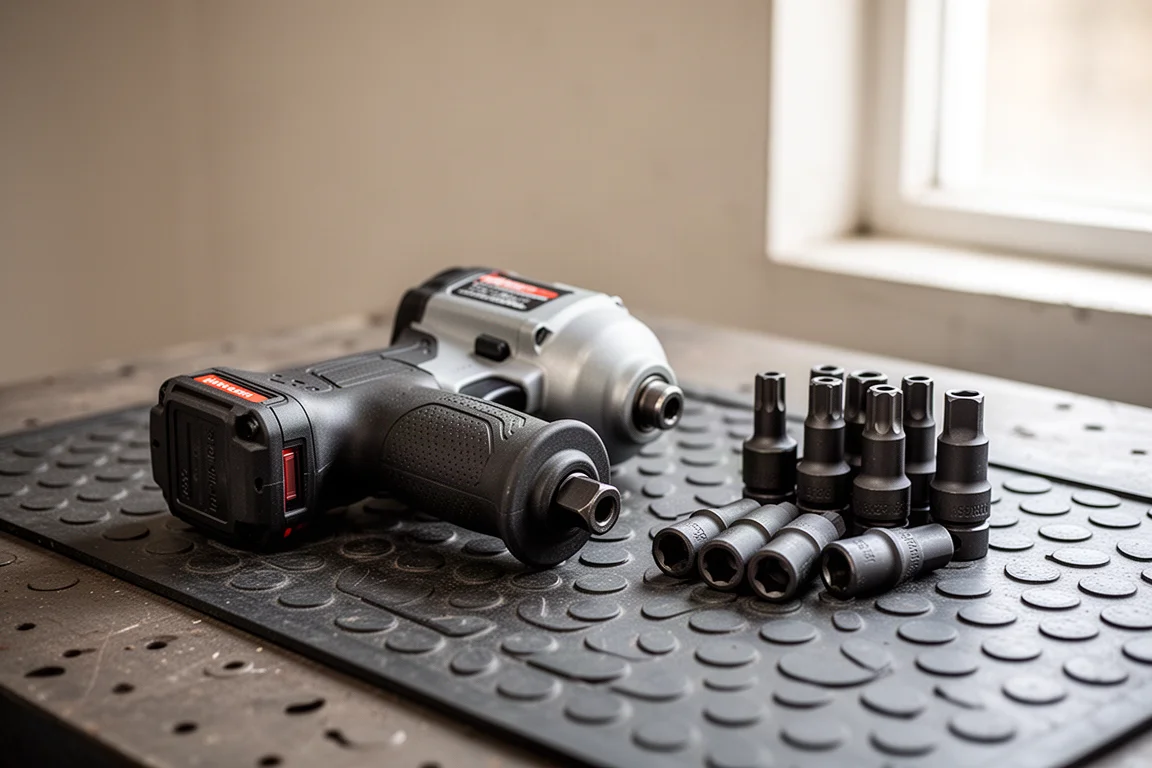
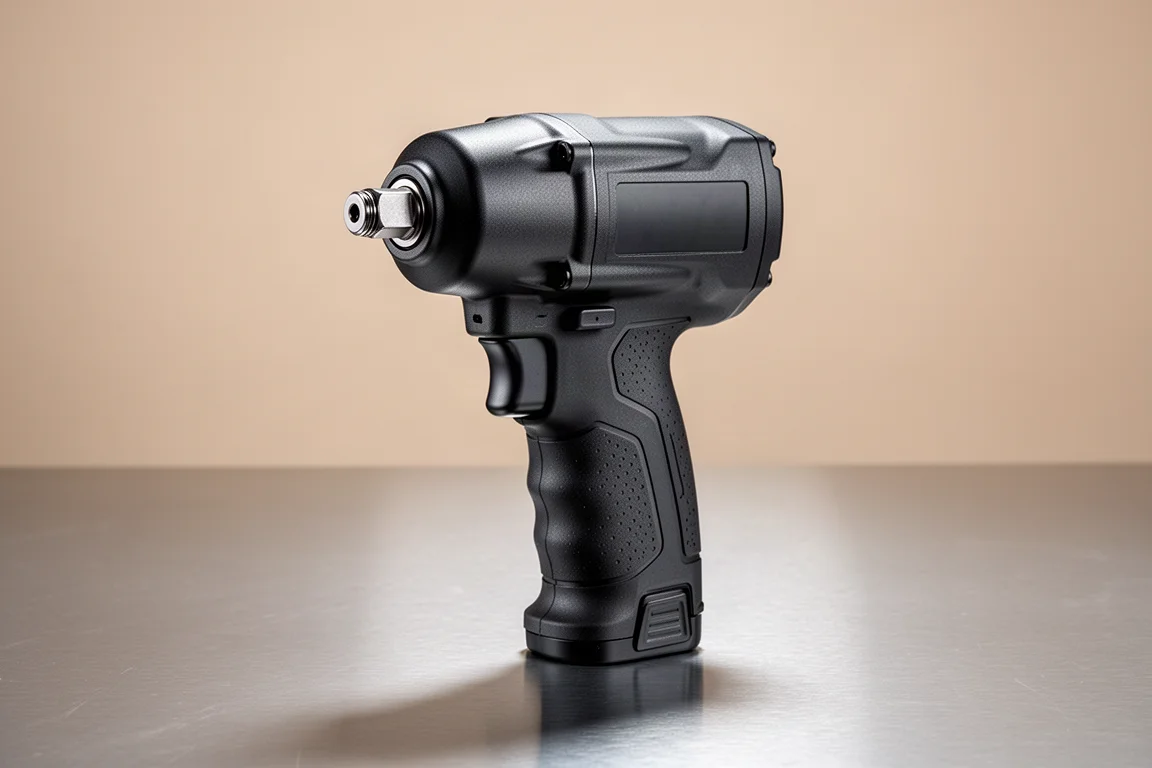
The M12 Stubby Impact is the tool that does most of the heavy lifting here. It delivers over 500 ft lbs of breakaway torque and over 400 ft lbs of tightening, and it spins at around 3,000 RPM with a variable-speed trigger, so you can ease into a fastener or run it flat out. Paired with a set of Astro flex sockets, it covers a surprising amount of work that a power ratchet would otherwise handle.
A Smaller Impact Upgrade Worth Considering
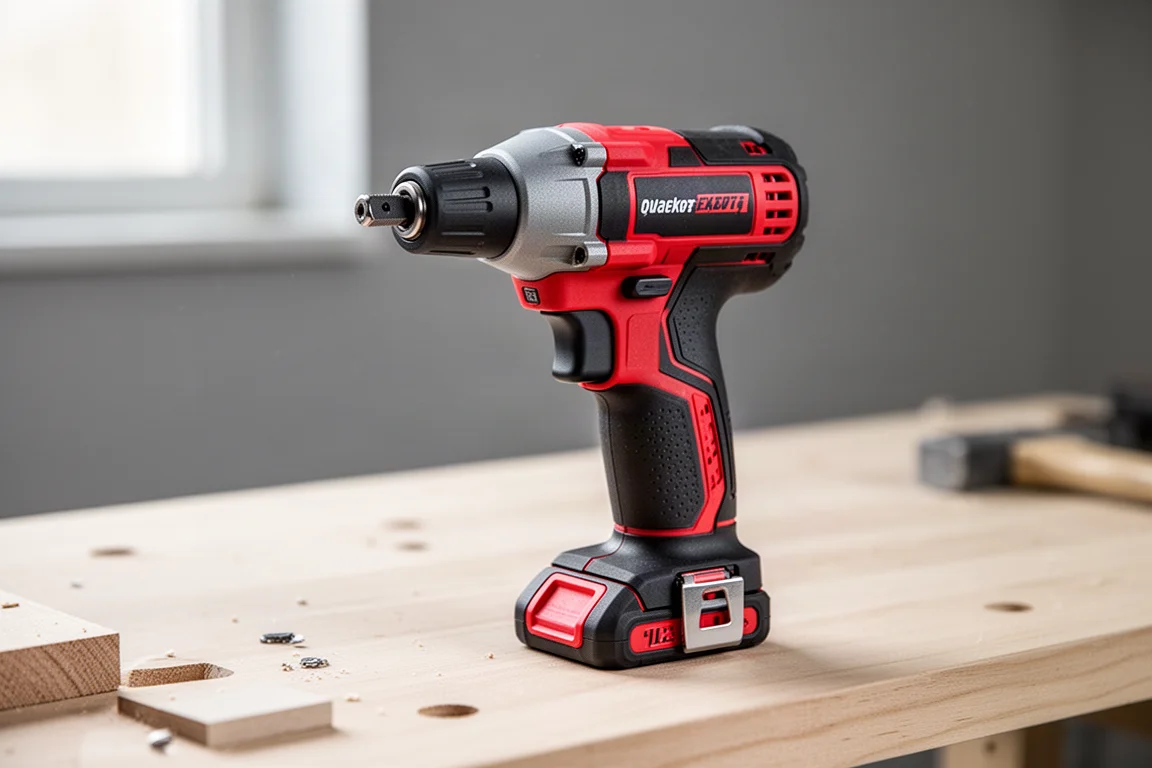
For lighter fastener work, an older M18 Fuel 1/4-inch impact is showing its age: low power, around 2,000 RPM, and bulky M18 batteries. The new M12 subcompact 3450-20 is the obvious replacement, at roughly 130 dollars bare tool, about half the price, and a better fit for most situations. If you use an impact all day at full torque, reaction forces are real, so matching the tool to the job matters.
Budget Alternatives: Workpro and Hyper Tough
If you are not a flat-rate mechanic using a power ratchet every day, the budget options deserve serious consideration. The Workpro 12V power ratchet costs about 75 dollars and includes two batteries, a charger, and a bundle of small sockets. It puts out around 40 ft lbs with roughly 300 to 400 RPM, so its power is in the same ballpark as the previous Milwaukee generation. The trade-off is weight: it is roughly a pound to a pound and a half heavier than the Milwaukee tools. In loosening tests it was surprisingly as good as the Milwaukee.
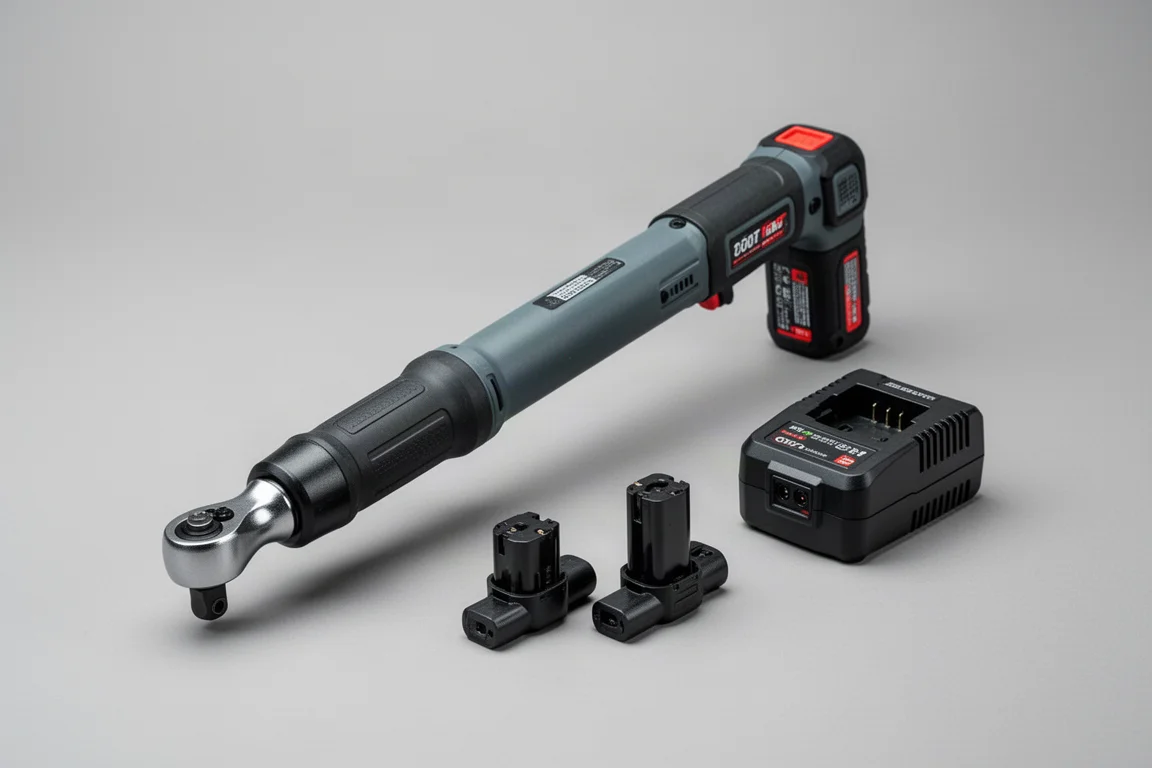
Hyper Tough also makes a power ratchet. It is inexpensive and serviceable for occasional use, but the build quality is not on the same level. You can hear the difference the moment it runs. For a tool that comes out a few times a year, that may be an acceptable compromise.
Manual Ratchets Still Matter
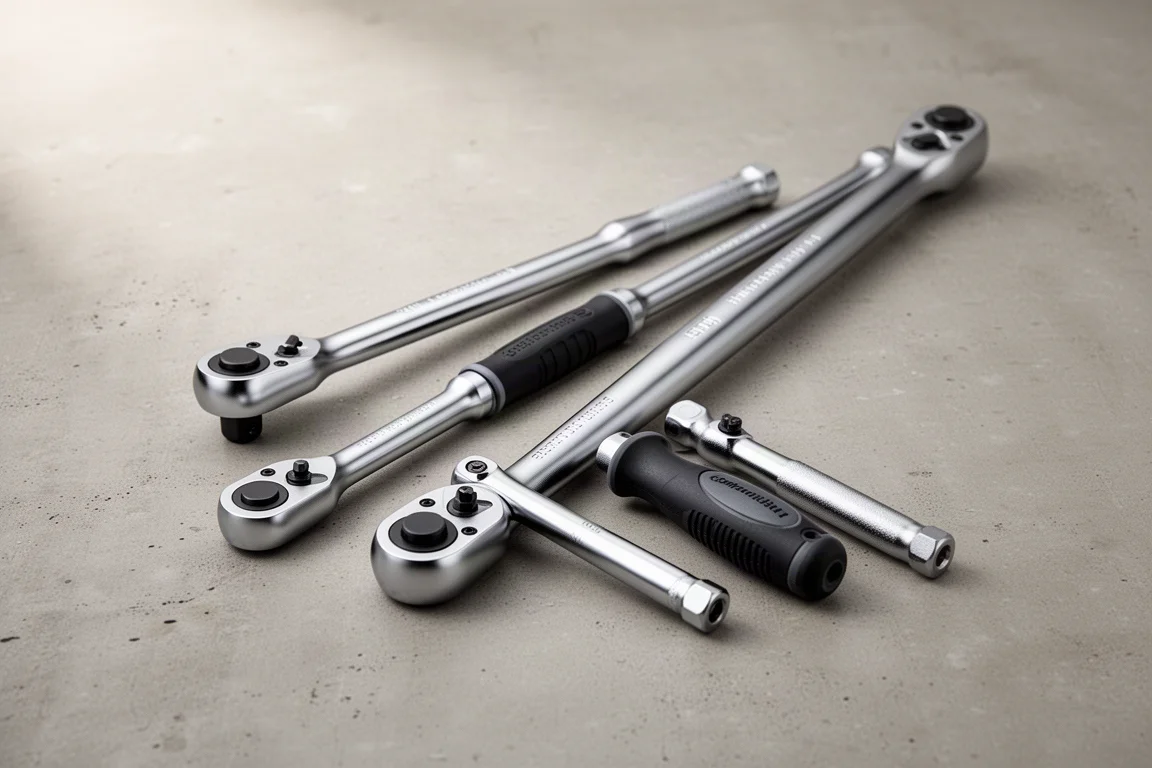
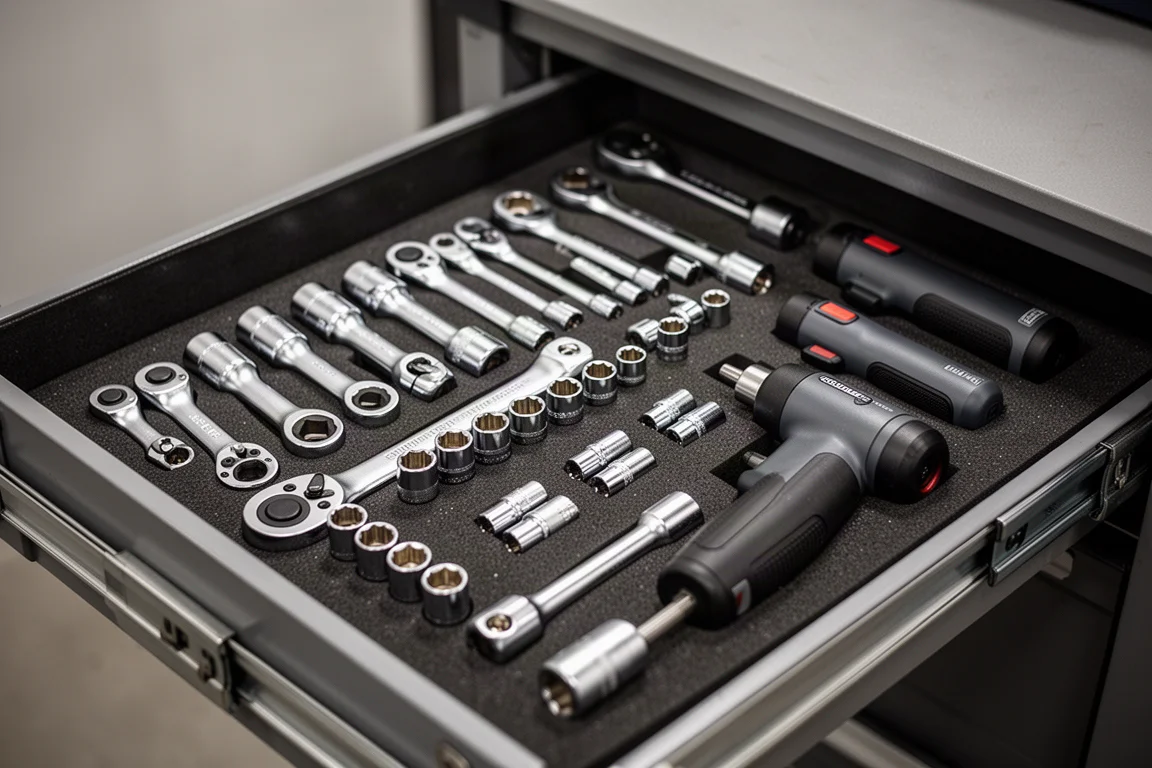
Here is the part many buyers miss: a quality manual ratchet solves most low-clearance jobs for a fraction of the price. The KTC roto-head ratchet is a gorgeous tool at around 70 dollars. Its swiveling head lets you sneak a socket into tight spaces, it gives you plenty of leverage, and it will never jerk your wrist. The extra 30 seconds it takes to undo a bolt by hand only adds up if you are doing hundreds of bolts a day.
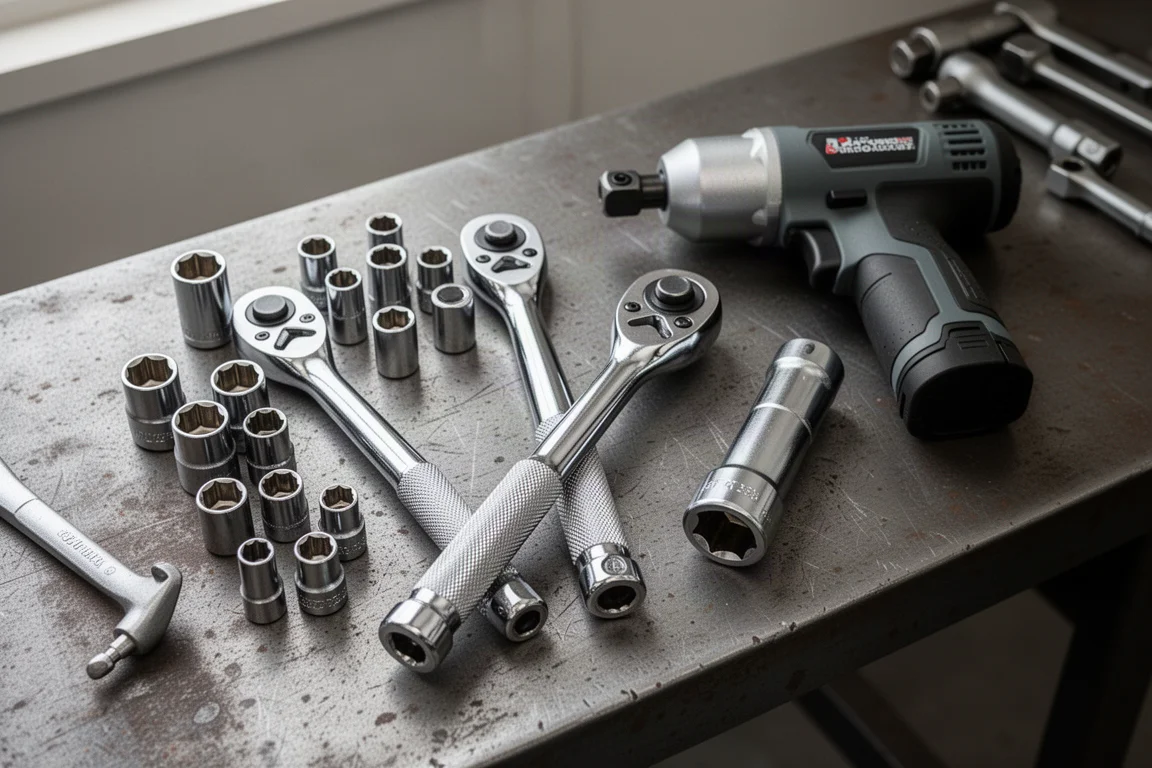
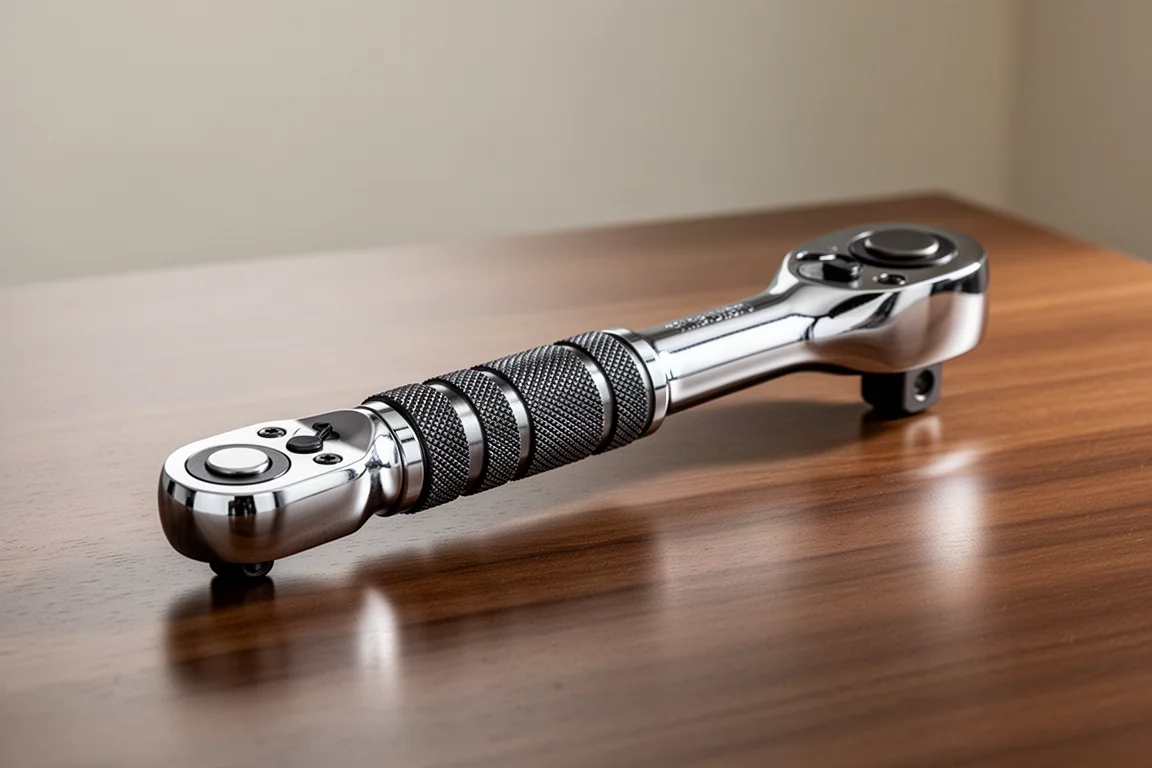
The new Icon G2 ratchets are also very reasonably priced and remarkably smooth. With one of these, getting 70 or even 100 ft lbs on a fastener is no problem at all, and you can feel exactly how much torque you are applying.
The Sockets That Make It All Work
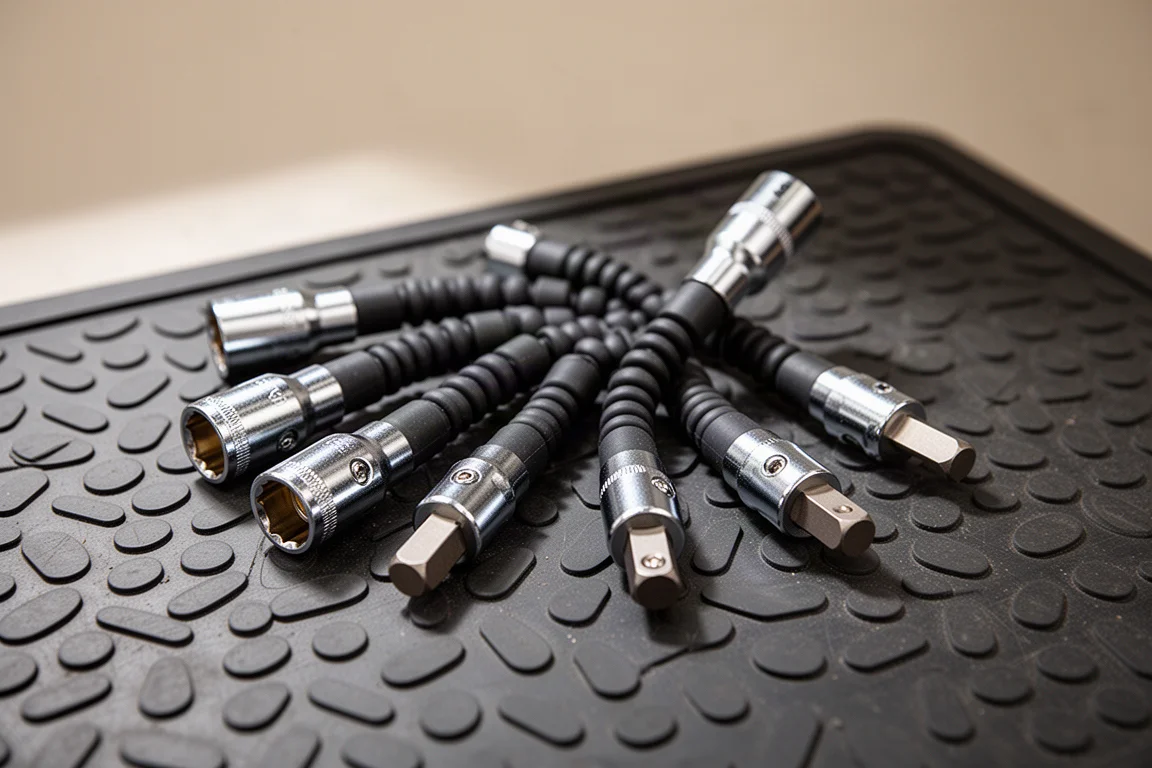
Socket choice is where these tools come together. Astro flex sockets are the natural companion to a stubby impact, extending its reach into semi-tight spaces where a bare tool would not fit.
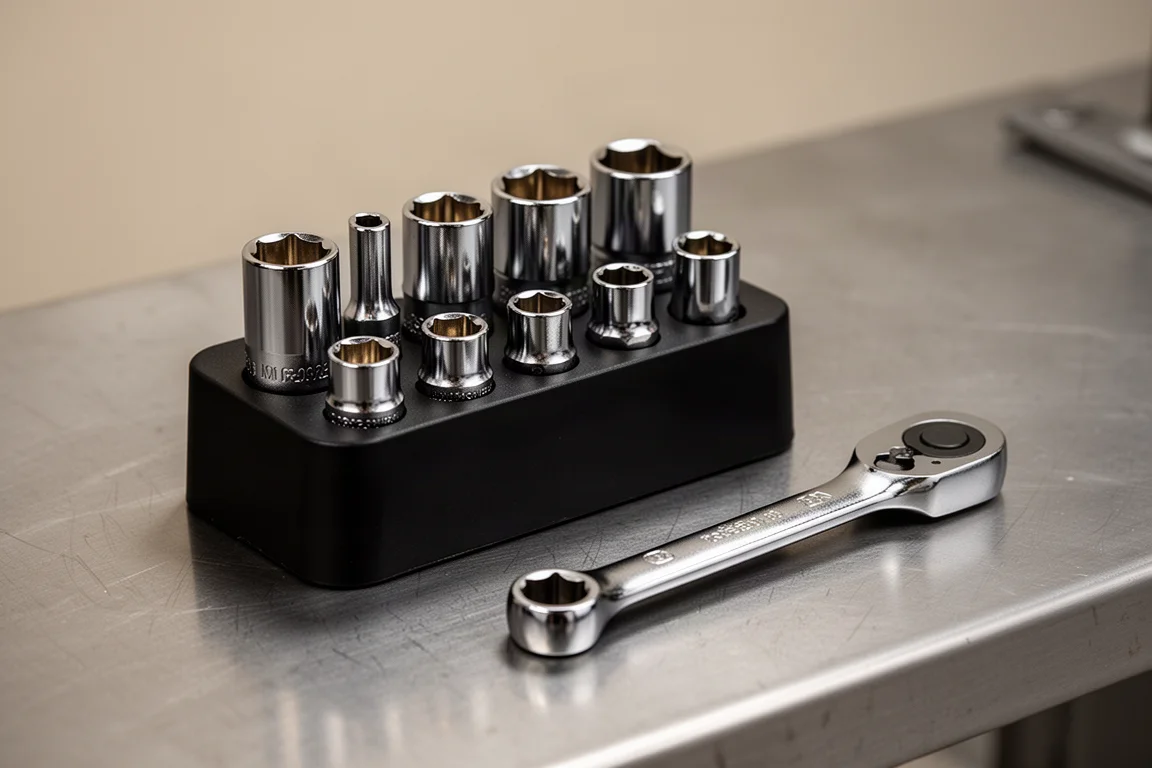
Astro nano sockets are the low-clearance champions, with a profile so shallow they beat even a long-reach power ratchet for access. Paired with the KTC roto-head ratchet, they create a genuinely low-clearance manual setup that gets into places a power ratchet simply cannot.
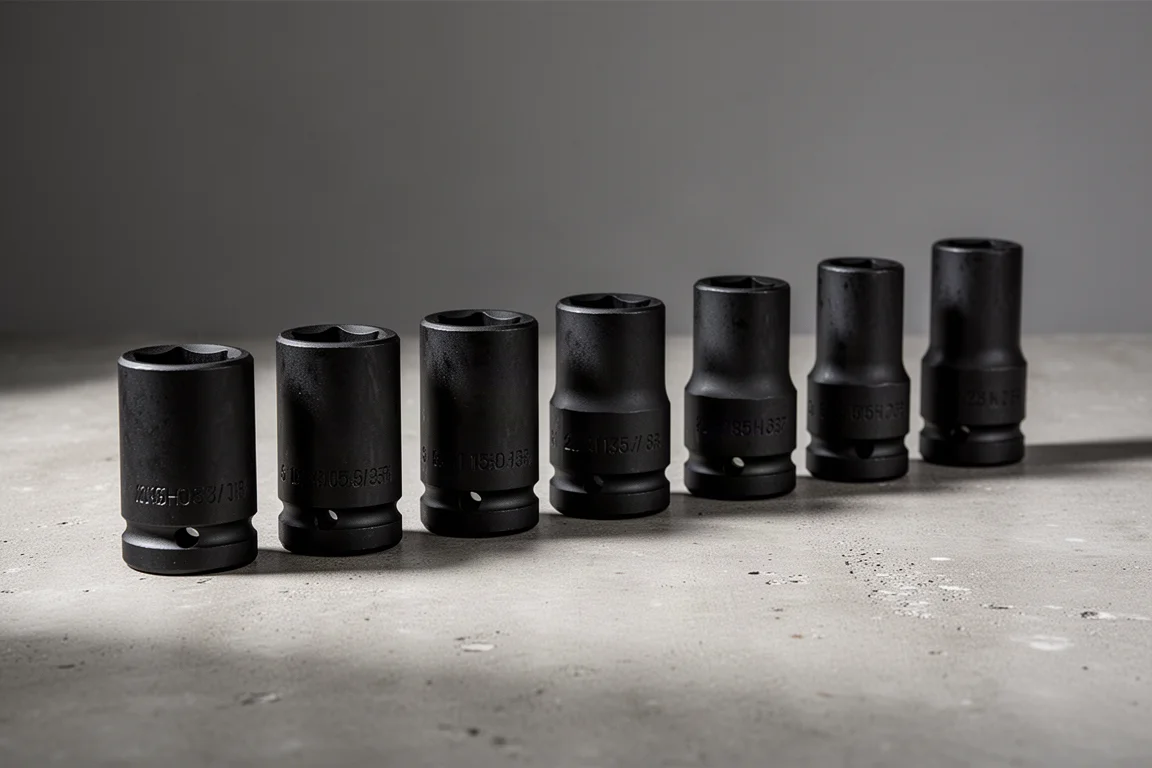
For impact work, Capri impact sockets are very nice and reasonably priced. One quick note on socket types: impact sockets are not required on a power ratchet. Because it is geared rather than impacting, chrome sockets are completely legitimate, just as they are on a manual ratchet. Reserve impact sockets for actual impact wrenches, where their softer, shatter-resistant steel matters.
Choosing What’s Right for Your Toolbox
The new Milwaukee 3053-20 is the best power ratchet in the lineup and, for a daily-user or flat-rate mechanic, the clear pick. For everyone else, the math is less obvious. Milwaukee’s pricing invites scrutiny, and it is fair to question whether the bare tool is truly a 230 to 240 dollar product. Expectations also need managing: even at 70 ft lbs, a power ratchet will not magically break loose every bolt. You hit the trigger, get the clunk-clunk-clunk, and finish by hand. The higher torque simply means fewer bolts end up that way.
A practical build looks like this: a budget or previous-generation power ratchet for occasional use, the M12 Stubby Impact as your go-to fastener tool, the M12 subcompact impact for light 1/4-inch work, and quality manual ratchets with nano and flex sockets for everything else. That combination covers far more of the real workload than any single tool can.
Conclusion
The new Milwaukee power ratchets are excellent tools with nearly double the torque and much better ergonomics than before, but they make the most sense for people who reach for a ratchet every working day. For occasional users, a 75 dollar Workpro with batteries and sockets included, or even a 70 dollar KTC manual ratchet, may serve you better. Either way, pairing whatever ratchet you choose with a stubby impact and the right sockets is the move that transforms your toolbox.
Further reading
Related Reviews
Power Tools
Best 1-Inch Pistol Impact Wrenches: Three Heavy-Duty Options Compared
We compare three 1-inch pistol impact wrenches, from a budget-friendly Harbor Freight model to a premium Caterpillar unit, to help you choose the right one.
Power Tools
Best 3/4-Inch Impact Wrenches 2026: Five Contenders Compared
We compare five 3/4-inch impact wrenches across price and performance, from a budget Amazon option to Snap-on's most powerful model yet.
Power Tools
Best Budget Cordless Tools 2026: Walmart Finds That Punch Above Their Price
We tested five cordless tools from Walmart, including a high-torque impact wrench that trades blows with Milwaukee and a $35 duster that outperforms its price class.