Power Tools
Milwaukee M12 Planer Review: Small, Light, and Surprisingly Capable
A compact 56mm brushless planer with clever features and a few trade-offs worth knowing about before you buy.
Introduction
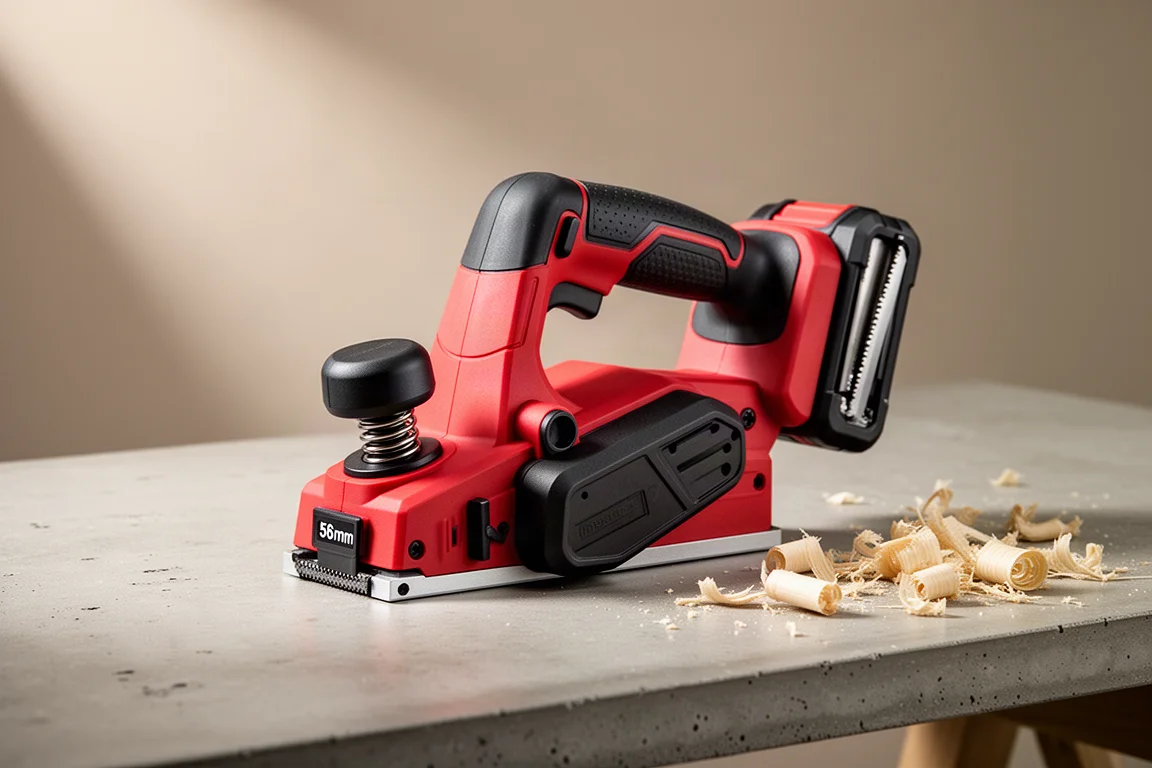
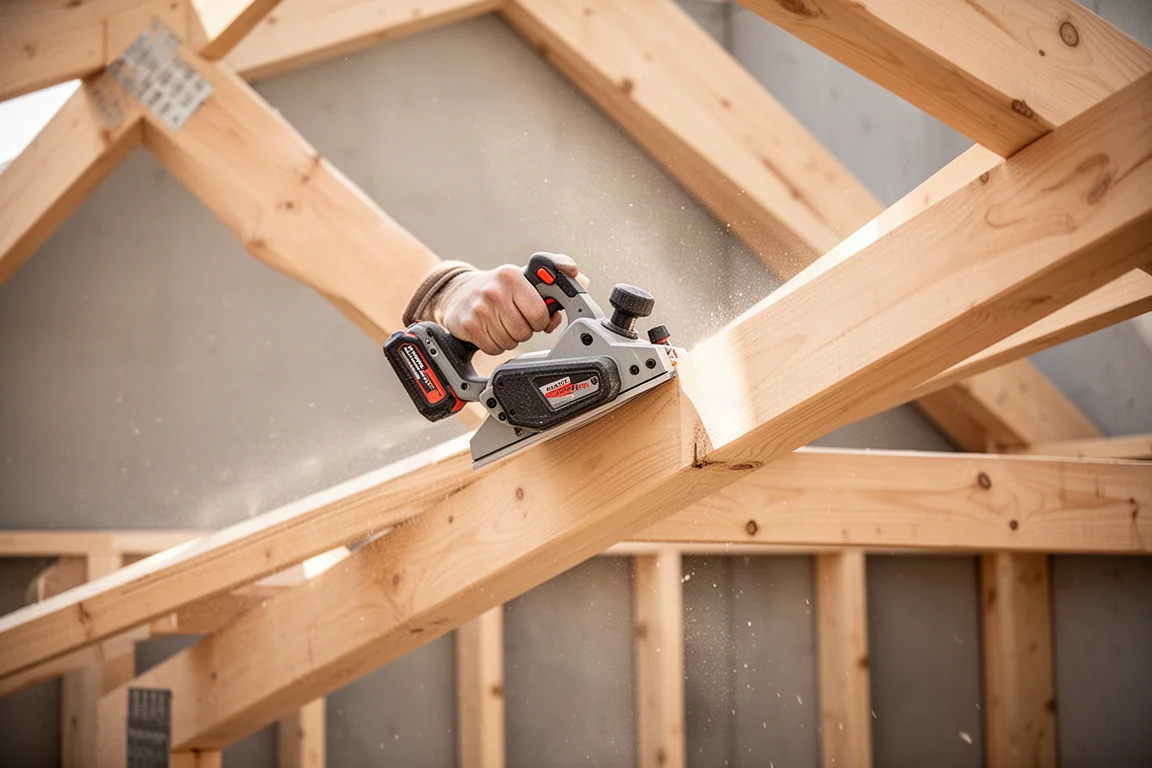
The Milwaukee M12 Planer sits in an interesting spot in the cordless tool lineup. It is a compact 56mm brushless planer, model number M12BLP in some regions and 2524 in the US, aimed at people who want light planing capability without lugging around a heavy 18V or 36V machine. After spending time cutting bevels, rebates, and shallow passes on softwood, the overall picture is a genuinely handy little tool with a handful of quirks you should know about first.
Key Specs and Features
The drum is 56 millimeters wide, just over two inches, and the base includes a groove for cutting bevels and chamfers. Maximum cutting depth is 2 millimeters, adjustable in 0.1 millimeter increments. The two carbide blades spin at 14,500 RPM, and the tool stores a second set of blades plus a changing tool on the back of the body.
It weighs 1.6 kilograms without a battery, and a battery indicator is built into the tool. Two dust extraction attachments are included: one that clips onto the tool and a hose fitting that goes over the dust chute. Depth adjustment is a genuine improvement over the larger M18 version, with the dial turning and clicking nicely and taking no material off at the zero setting.
Dust Chute and Extraction
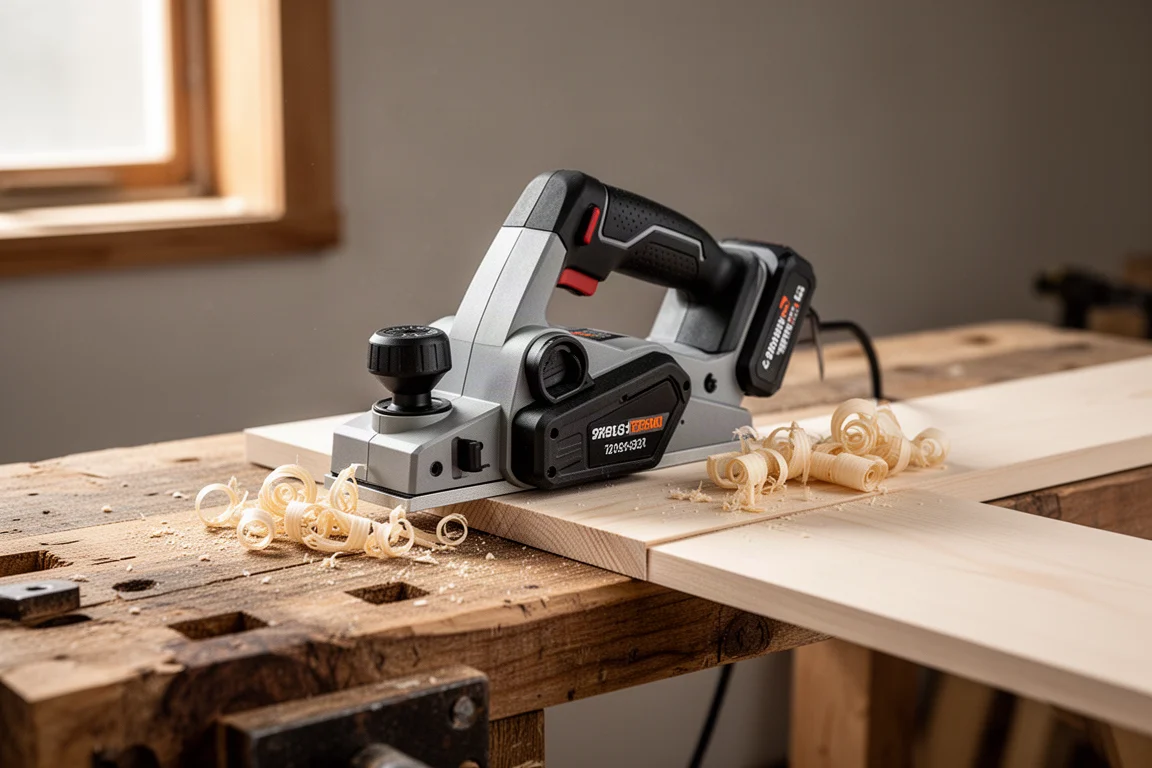
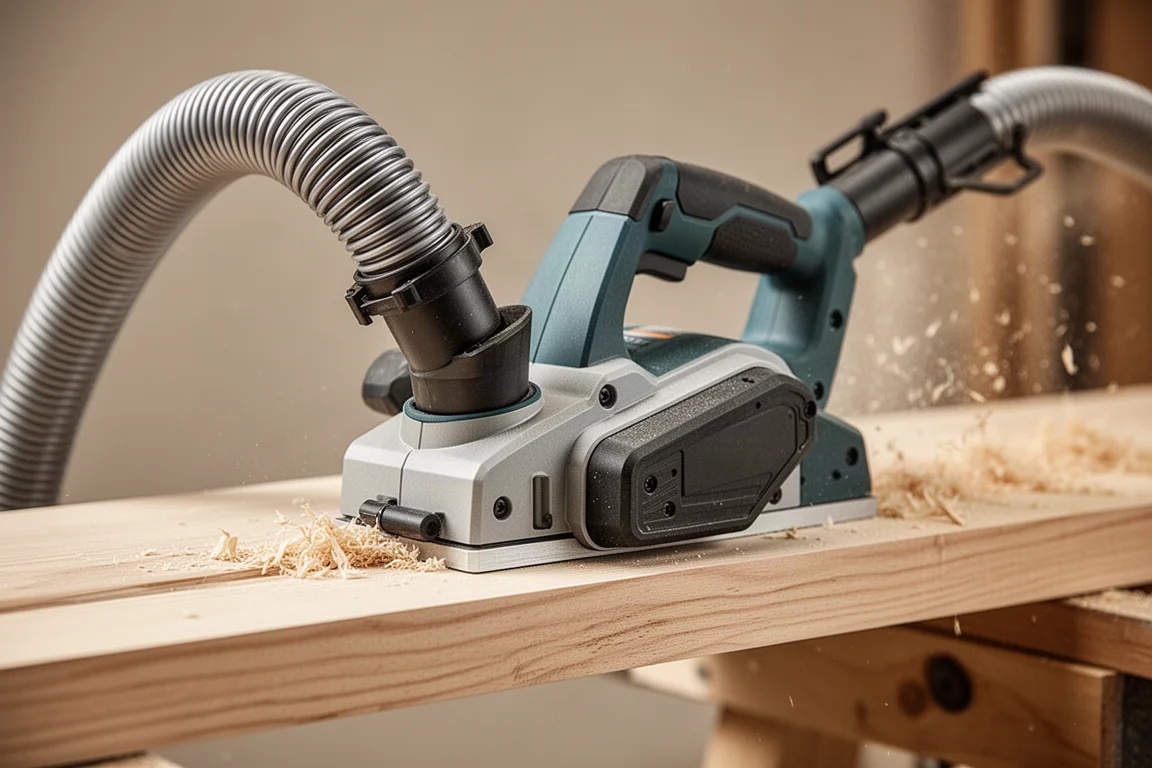
The dust chute can be flicked to either side with a lever, which is a simple and well-executed touch. The catch: at cutting depths over about 1.5 millimeters, the chute clogs up easily. At full 2 millimeter passes you need to work slowly or hook up a vacuum, and with a vac attached the tool handles a 2 millimeter depth of cut against the grain without much trouble.
The extraction attachment clips into a groove on the base, clicks into place, and releases with a small lever. It works on both sides of the tool. It is quick to remove, possibly a little too quick, so there is a chance of misplacing it.
Battery Life and Depth of Cut
Battery draw is the tool’s biggest practical limitation. At a full 2 millimeter depth, a fresh 6 amp-hour pack was drained to half during roughly half a dozen passes on a short piece of timber. Pushed to its maximum, this planer empties a battery fast. At more reasonable settings, around half a millimeter, runtime is much better. The rebate test with a fresh 2 amp-hour battery dropped to a single bar after a single deep 17.8 millimeter pass alongside the drum. If you plan on doing a lot of heavy planing, you will want spare batteries on hand.
Blades and Blade Storage
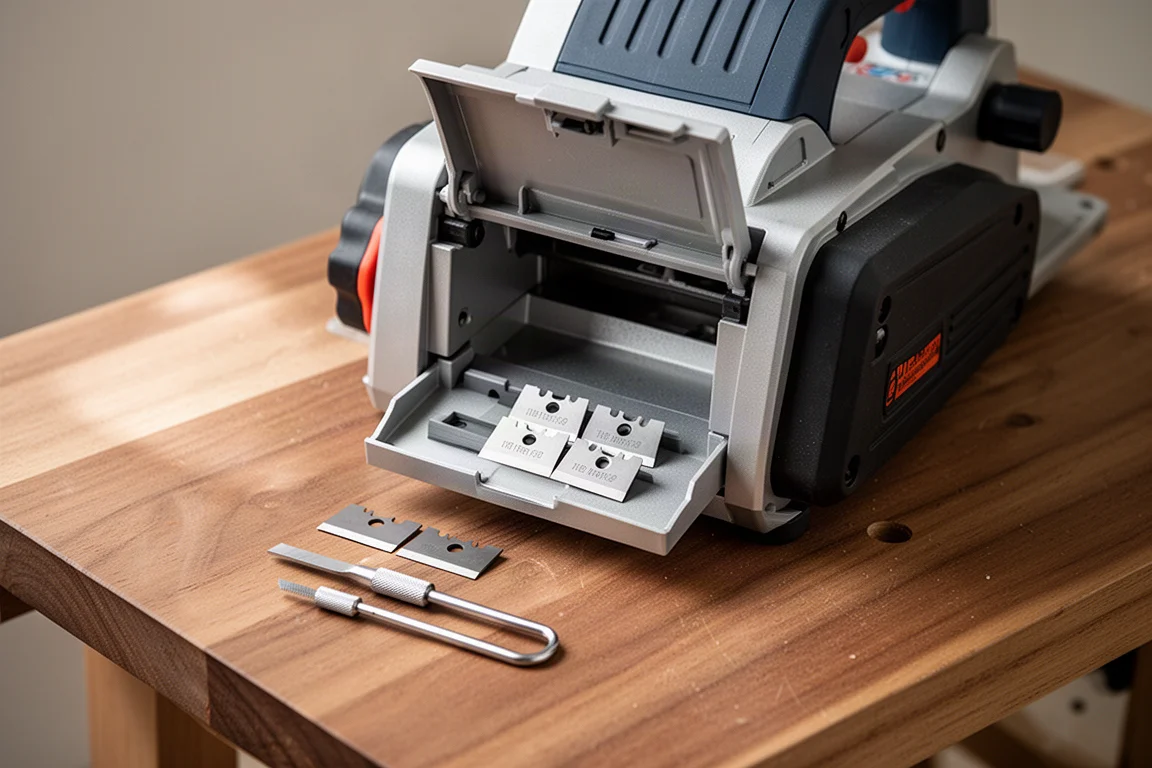
The blades are carbide, so they are meant to hold up better against small nails or staples than standard steel. Because they are double-sided and you get the set on the tool plus a replacement set stored on the back, you effectively have four usable edges. The storage compartment itself is a little loose, though, and there is a real chance the spare blades drop out over time with the vibration of planing work.
Rebates, Chamfers, and Accuracy
Rebate depth is impressive for such a small tool. Many comparable planers only rebate 7 to 9 millimeters; this one manages roughly 17 to 18 millimeters, with a low profile on one side getting within about 10 millimeters of a flush surface. Chamfers work great too. One caution: the blade sticks out slightly past the side of the drum, so rebating hard up against an edge will shave the side of your workpiece thinner each pass. It really needs a fence for that kind of work. Overall accuracy is good, and it is more accurate than the M18 version.
Things to Consider Before Buying
The trigger and handle are the weak points. Like many M12 tools, the handle has a bulbous shape that is thin enough to be tolerable, but the safety switch is awkward: you have to flick a flap before pulling the trigger, and the surrounding area is sharp and uncomfortable on the fingers. A thumb-activated design would be far better. Also worth noting is the spring-loaded kickstand, which is genuinely one of the best implementations around. You can pop it in and lock it back in place, and it avoids the broken, obstructive kickstands that plague other planers. A belt hook would make it even more useful up on rafters.
Buying Advice
If you do not plane often, or you simply do not want to carry a big, heavy 18V or 36V planer, this tool makes light planing accessible. For straightening out whole walls or all-day planing, a larger 82 millimeter planer is the better choice. For deeper passes, treat this as a 1 millimeter or less tool unless you go very slow or keep a good vacuum attached, and keep plenty of batteries charged.
Conclusion
The Milwaukee M12 Planer is a great addition to the M12 lineup: accurate, light, well-featured, and more refined than the M18 in depth adjustment. The trade-offs are fast battery drain under load, a clog-prone dust chute on deep cuts, loose blade storage, and an uncomfortable trigger area. If Milwaukee sorts out the grip and switch design on a future version, this would be close to perfect for its class.
Product link
View more details for Milwaukee M12 Planer
This product is mentioned in the review. Check the specifications, options, and compatibility before buying.
View more details for Milwaukee M12 PlanerFurther reading
Related Reviews
Power Tools
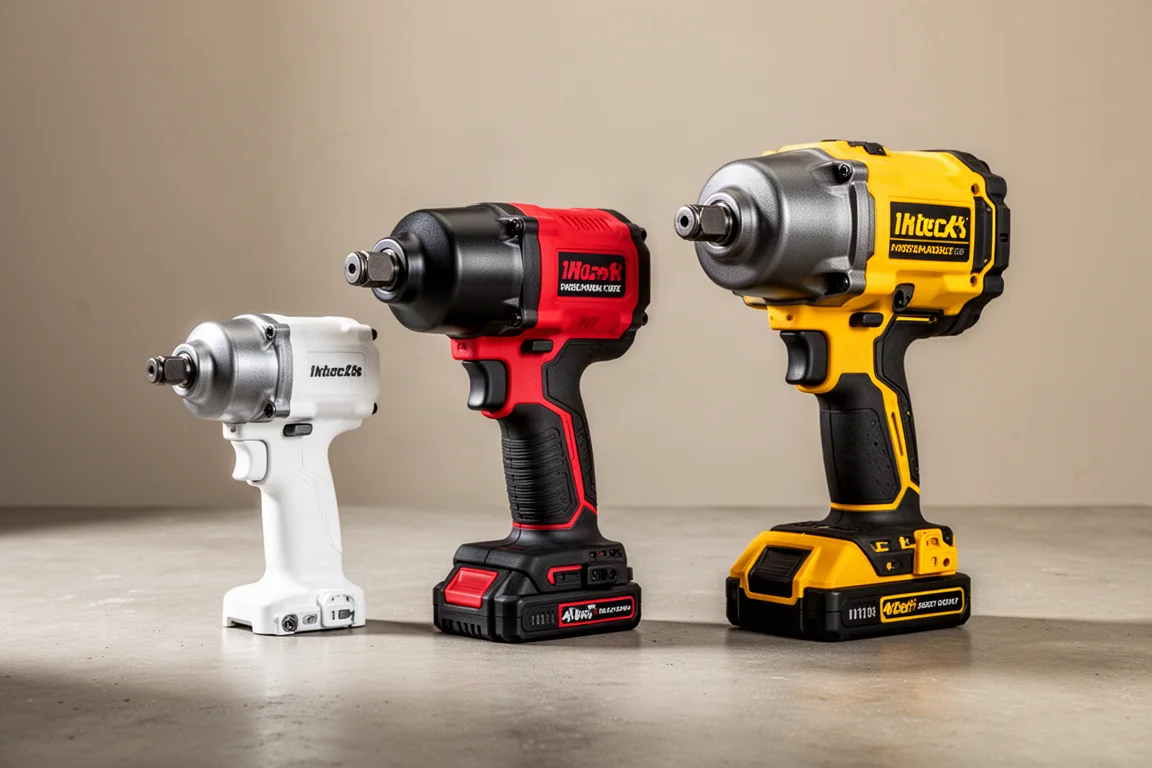
Best 1-Inch Pistol Impact Wrenches: Three Heavy-Duty Options Compared
We compare three 1-inch pistol impact wrenches, from a budget-friendly Harbor Freight model to a premium Caterpillar unit, to help you choose the right one.
Power Tools
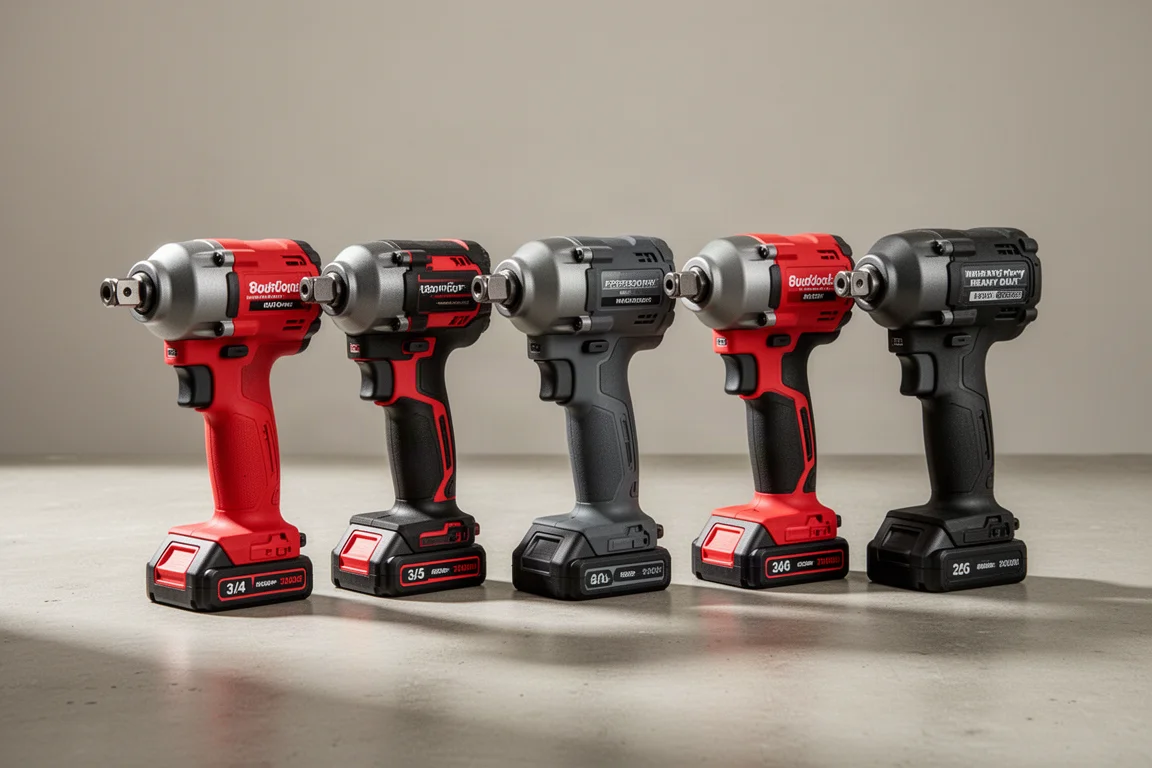
Best 3/4-Inch Impact Wrenches 2026: Five Contenders Compared
We compare five 3/4-inch impact wrenches across price and performance, from a budget Amazon option to Snap-on's most powerful model yet.
Power Tools
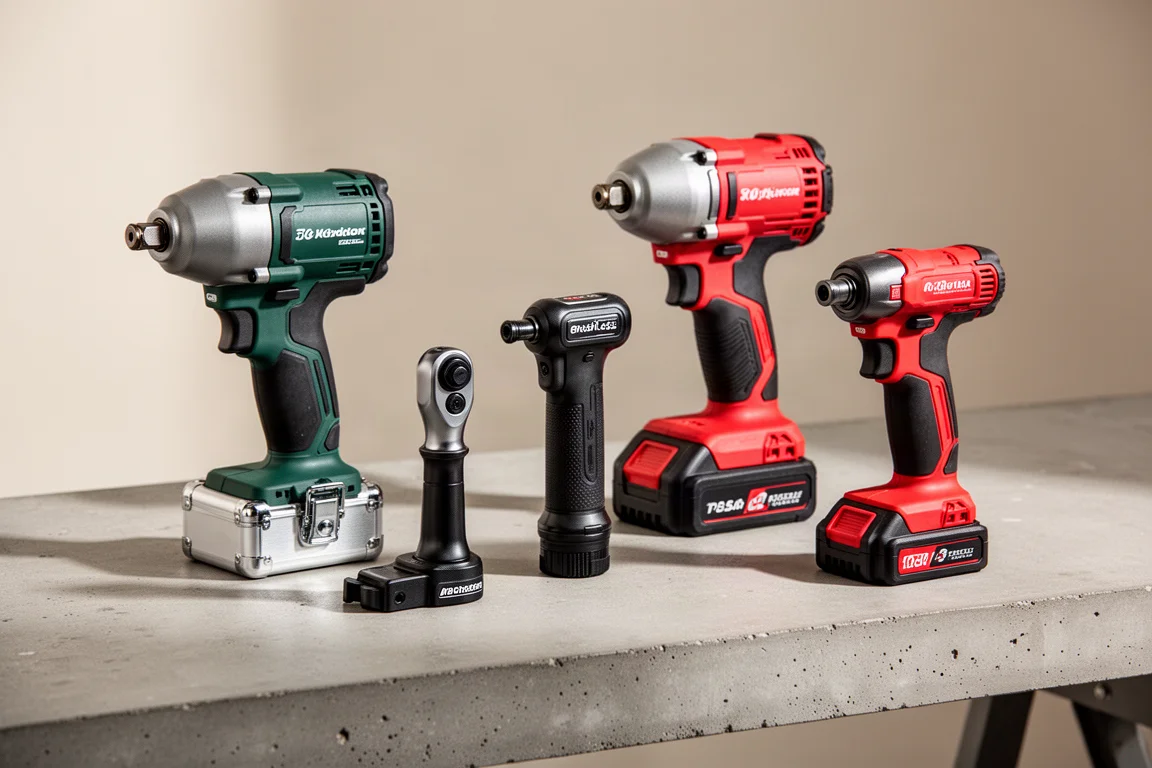
Best Budget Cordless Tools 2026: Walmart Finds That Punch Above Their Price
We tested five cordless tools from Walmart, including a high-torque impact wrench that trades blows with Milwaukee and a $35 duster that outperforms its price class.