Outdoor Power Tools
Milwaukee M12 and M18 Hatchet: Compact Pruning Chainsaws Worth a Serious Look
Two battery-powered pruning saws that deliver surprising cutting power in a small package, with a clear trade-off between size, performance, and price.
Introduction
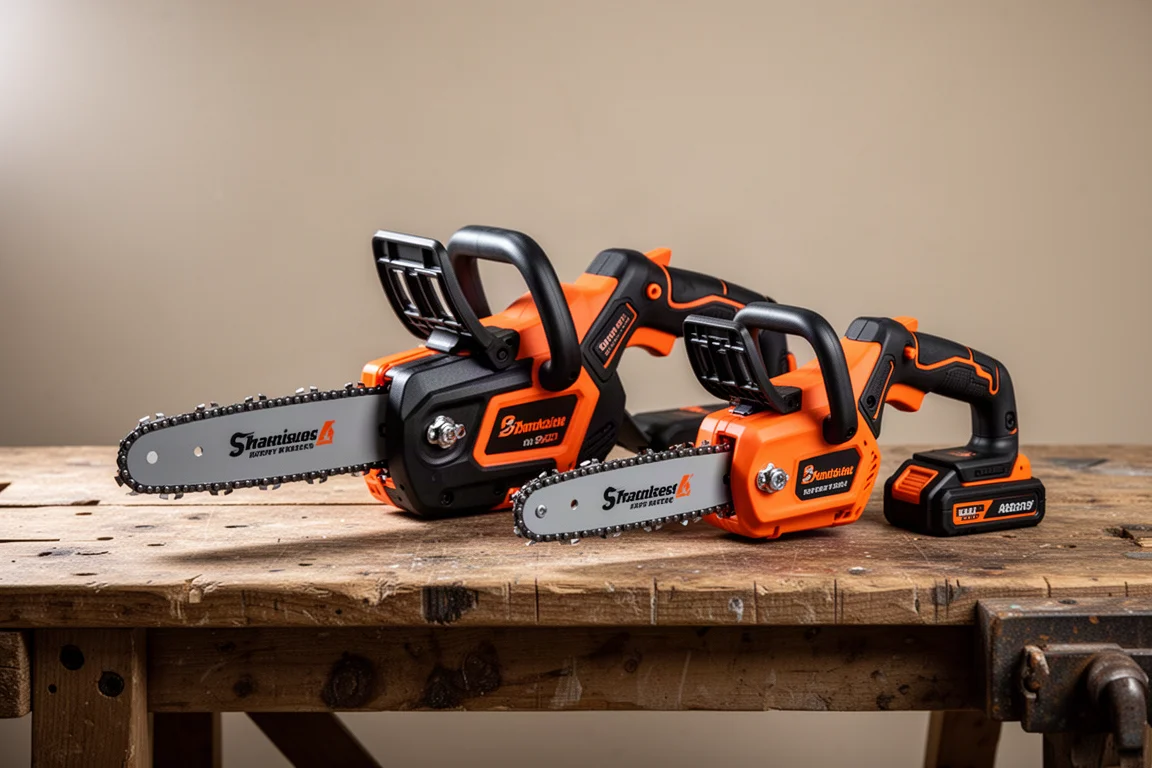
Milwaukee makes a pair of pruning chainsaws it calls Hatchets, one on the M18 battery platform and one on the M12. Both are outstanding in their own way, and they fill a role that many riders of the gas-powered world overlook: fast, clean, quiet pruning and small-clearance cutting around the property.
The M18 is a little bigger, a little more powerful, and offers more battery options for longer life once you are out in the field. The M12 is lighter and more compact, and still impressive for what it is. Either one is a force to be reckoned with, and the differences come down mostly to scale of work and budget.
The Case for a Battery Pruning Saw
For small cutting jobs, the handiness, power, speed, efficiency, and simplicity of a battery-powered saw are honestly shocking. Owners who have switched report not firing up a gas chainsaw in years. It starts instantly, there is no idling saw sitting on the ground or in your hand, and when you stop, it stops dead silent. There is no smell either, just a little chain oil on your hands.
There are still places where gas makes sense: work far from any way to recharge batteries, or really large-diameter cutting. But for routine property work, the gap is small. Even for overlanding and clearing fallen trees off roads, this class of saw can handle it, though it may take a couple of cuts from different sides.
Performance: The M18 Hatchet
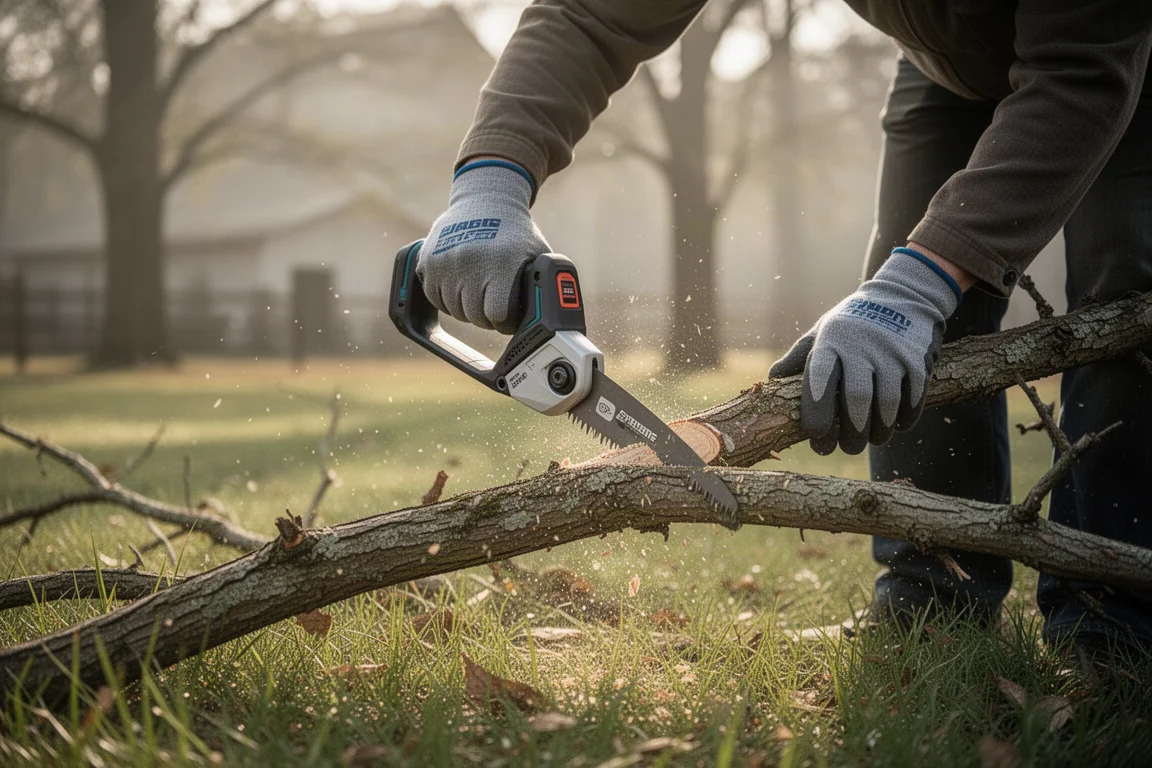
The M18 Hatchet is the stronger of the two. It chews right through just about any wood in its class, and compared to the M12 version, it is a step better in raw performance. The trade-off is price; these tools are not cheap, and your mileage may vary on where you find the best deal.
For general routine fire maintenance, defensible space work, and pruning around the homestead, it is invaluable, especially for speed. It is always ready to go straight out of the battery.
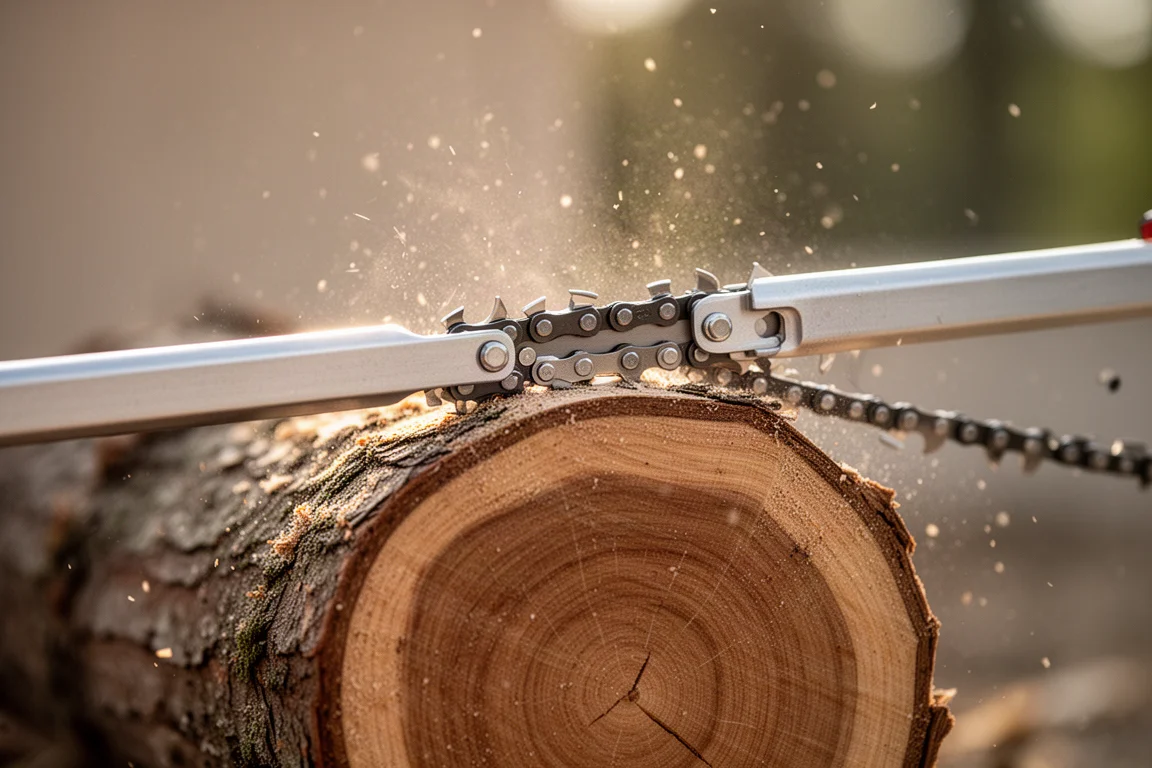
Milwaukee also sells larger double-battery chainsaws for big timber, but there the weight and price really start to add up. For everything short of that, the Hatchet format is the sweet spot.
The M12 Hatchet: Smaller, Still Impressive
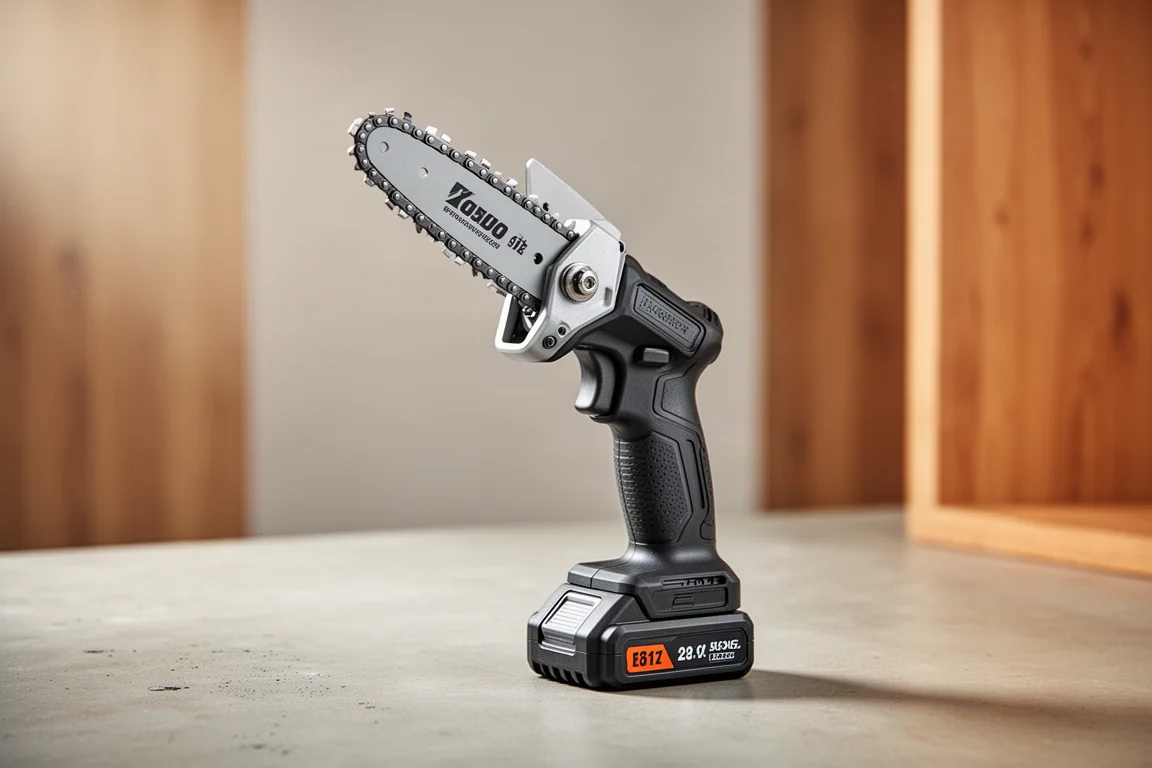
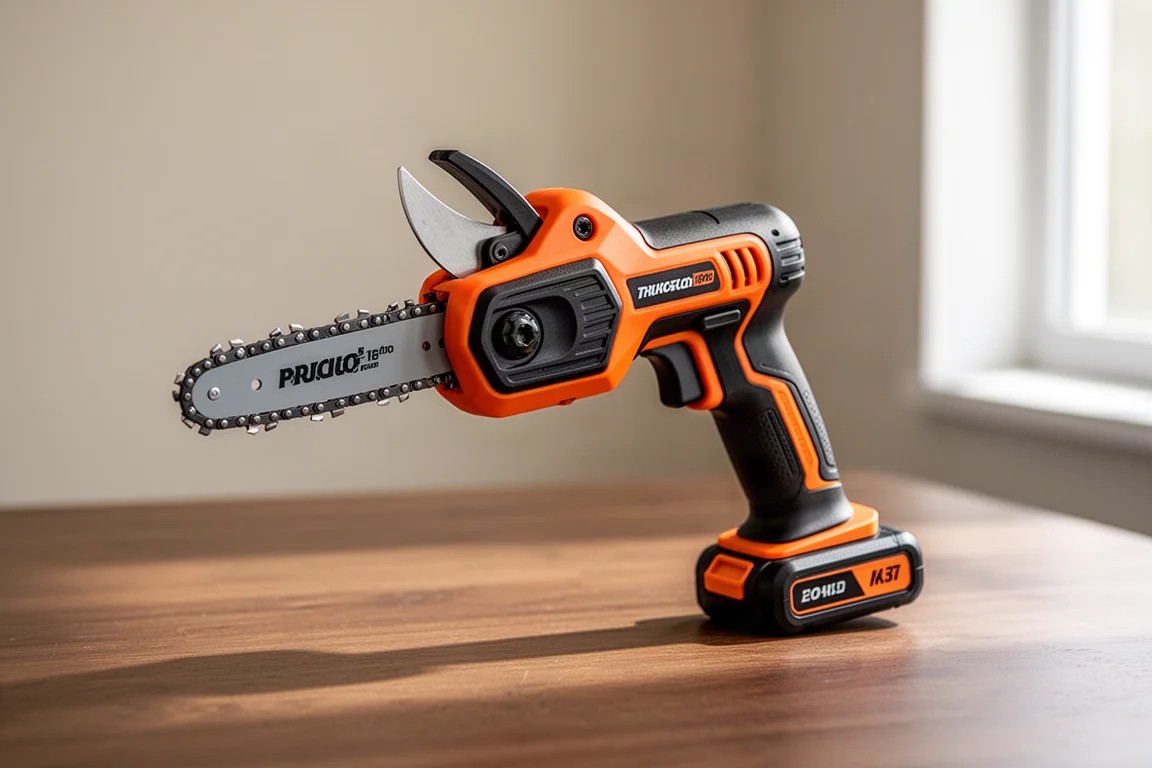
The M12 version is described in one word by people who use both: dynamite. It is noticeably smaller and more nimble, which makes it pleasant for one-handed use during light pruning and quick cleanups.
While it is not as fast as the M18, it is more than capable for small branches and routine trimming. If your cutting needs are modest, or you want a lighter, cheaper entry into the platform, the M12 is a genuinely good choice rather than a compromise.
Batteries and Runtime
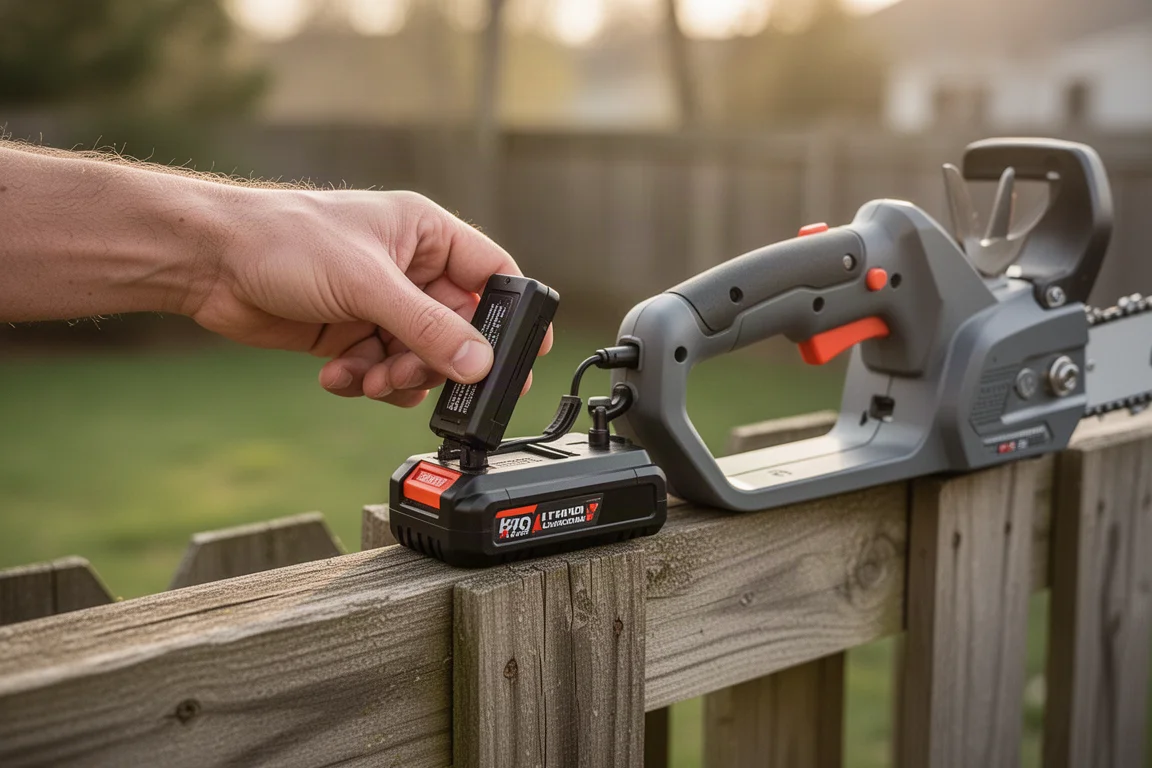
Battery choice matters more than you might expect. The larger capacity packs tend to offer the best balance of charging time versus duty cycle, and they are the pack most users stick with for serious work. Smaller batteries work fine for lighter jobs of an inch or so in diameter, while larger packs make sense when you plan to run the saw for longer stretches.
One practical advantage over gas: you can simply carry a couple of extra batteries. With a gas saw you are stuck with a tank you do not want to run empty just to cut weight, but with a battery saw you can scale the power source to the job.
Cutting Capacity and Handling
The M18 Hatchet uses roughly an 8-inch bar, and with technique it can handle far larger material than the bar suggests. Users report working through a foot-and-a-half diameter log by cutting in from both sides and sectioning it up, finishing with a hatchet or axe if needed. As a rule of thumb, think of it as capable of roughly half again what the bar length implies if you are willing to work at it.
The saw weighs about 4.9 pounds without the battery, so there is a bit of heft to it, but it remains easy to position and control. It is designed for two-handed use, though experienced users often run it one-handed with the other hand on the workpiece.
Maintenance and Safety
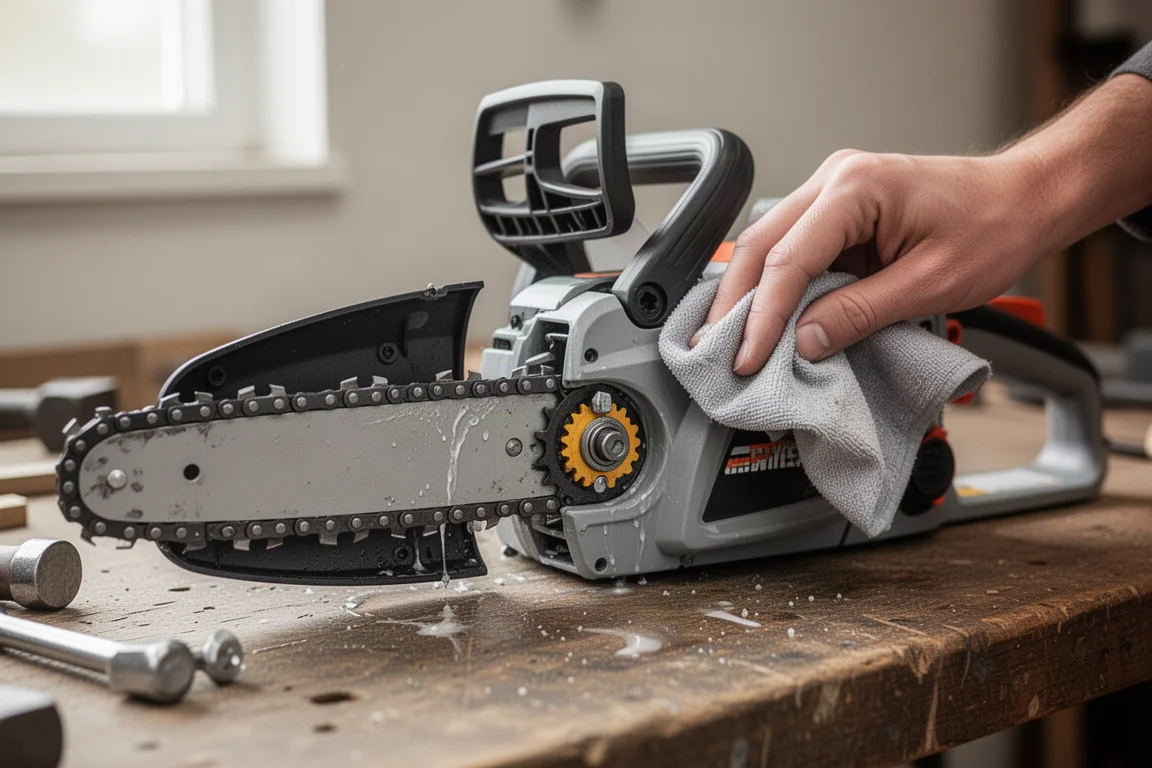
The Hatchet has a few practical features worth knowing about. Replacement chains are readily available, and since sharpening small chains is fiddly, replacing them outright is often cheaper and even better. The saw uses oil, with a reservoir that drips onto the chain to keep the bar lubricated; even a small battery saw can build up heat at the bar otherwise.
There is a locking mechanism you must depress before the trigger will pull, which adds a bit of safety. A side cover lets you quickly pull it off for cleaning when debris clogs up around the gear, and chain tension is adjustable. Cleaning is simple: crack it open, wipe it down, and you are done.
It is still a chainsaw and it can cut you, so wear appropriate protective gear and pay attention to body positioning. That said, it feels safer in many ways than a long-bar saw, especially one running as fast as a gas saw.
Buying Advice
If you do heavier pruning, clear trails, or want more headroom for bigger material, the M18 Hatchet is the better tool and worth the higher price. If your needs are lighter, or you want the most compact and affordable option, the M12 Hatchet delivers remarkably well.
If you already own batteries from either Milwaukee platform, factor that in; the battery ecosystem is a big part of the value here. Neither tool is given away cheap, but both have earned a reputation for reliability, with long-term users reporting not a single issue even under hard use.
Conclusion
Milwaukee’s Hatchet saws are fabulous pruning tools that have genuinely replaced the gas saw for many property owners. The M18 brings more power and battery flexibility, the M12 brings compact lightness at a lower price, and both are amazing examples of how capable small battery saws have become. Pick based on the scale of your cutting jobs, and either one will serve you very well.
Further reading
Related Reviews
Outdoor Power Tools
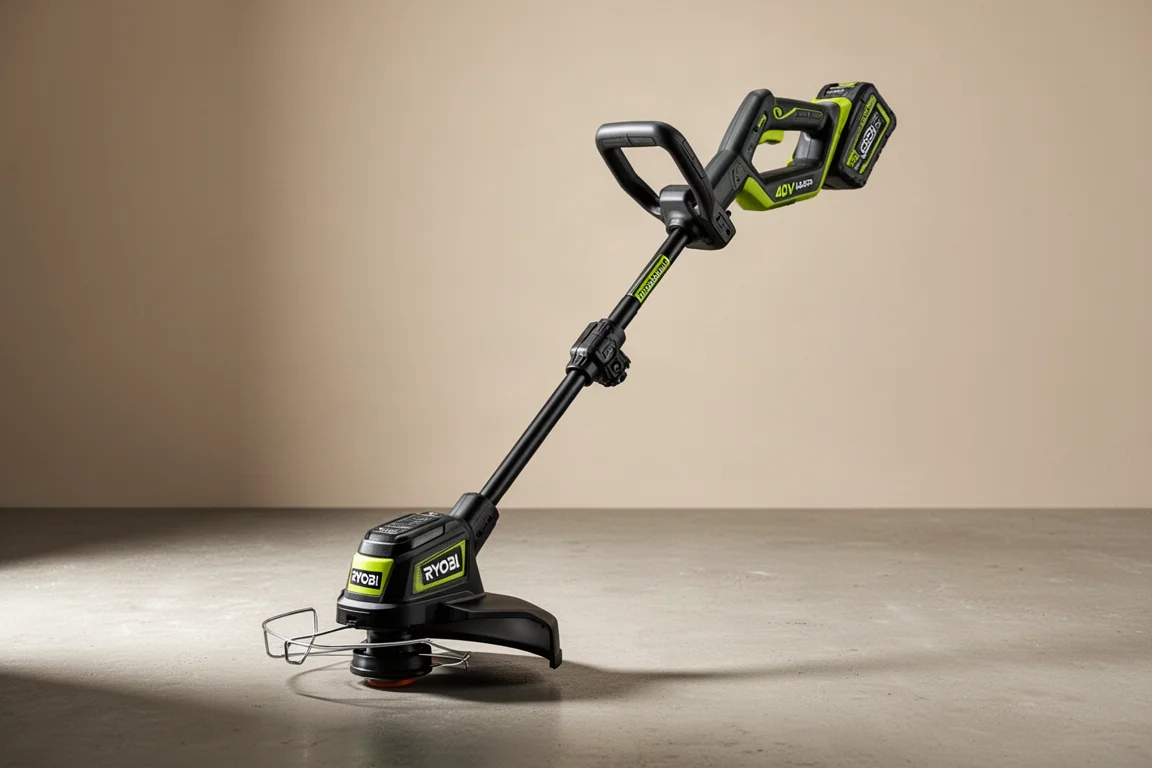
Ryobi 40V HP Attachment-Capable 17" String Trimmer Review
A close look at the Ryobi 40V HP attachment-capable string trimmer, covering power, balance, run time, and value.
Outdoor Power Tools
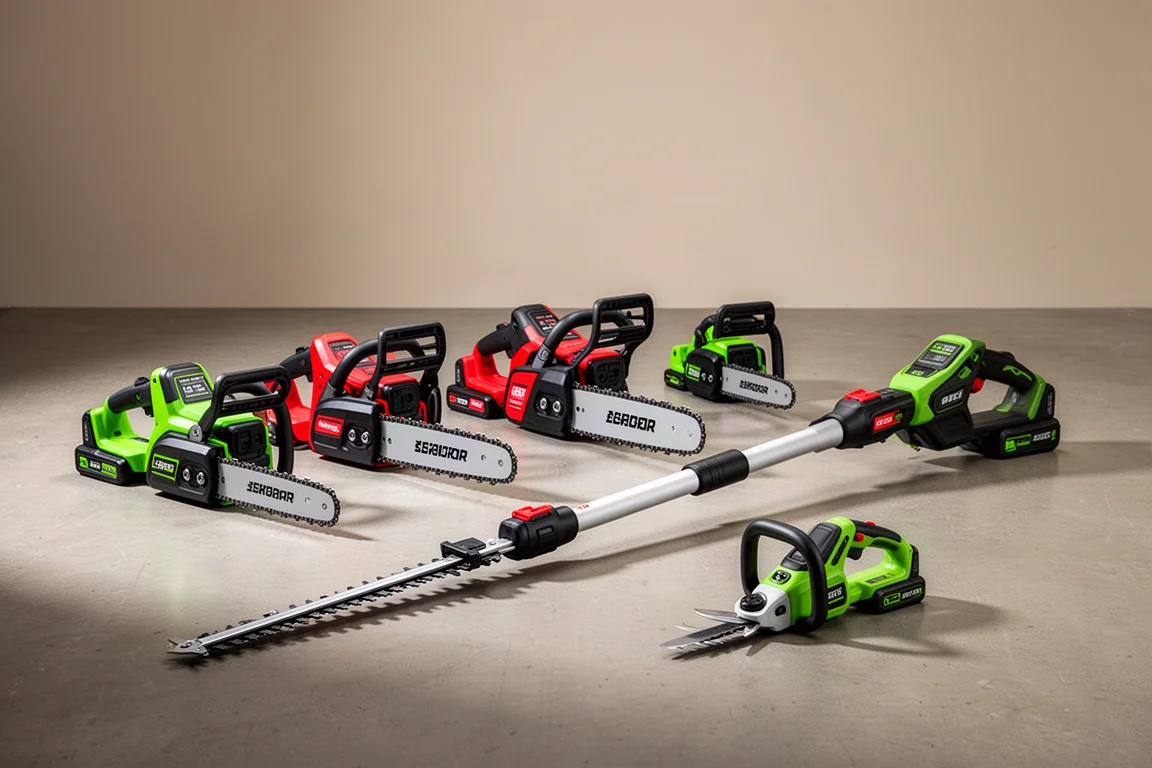
Best Battery Powered Chainsaws: Top Picks for Every Kind of User
From professional top-handle saws to budget-friendly home models, these are the battery chainsaws that stand out right now.
Outdoor Power Tools
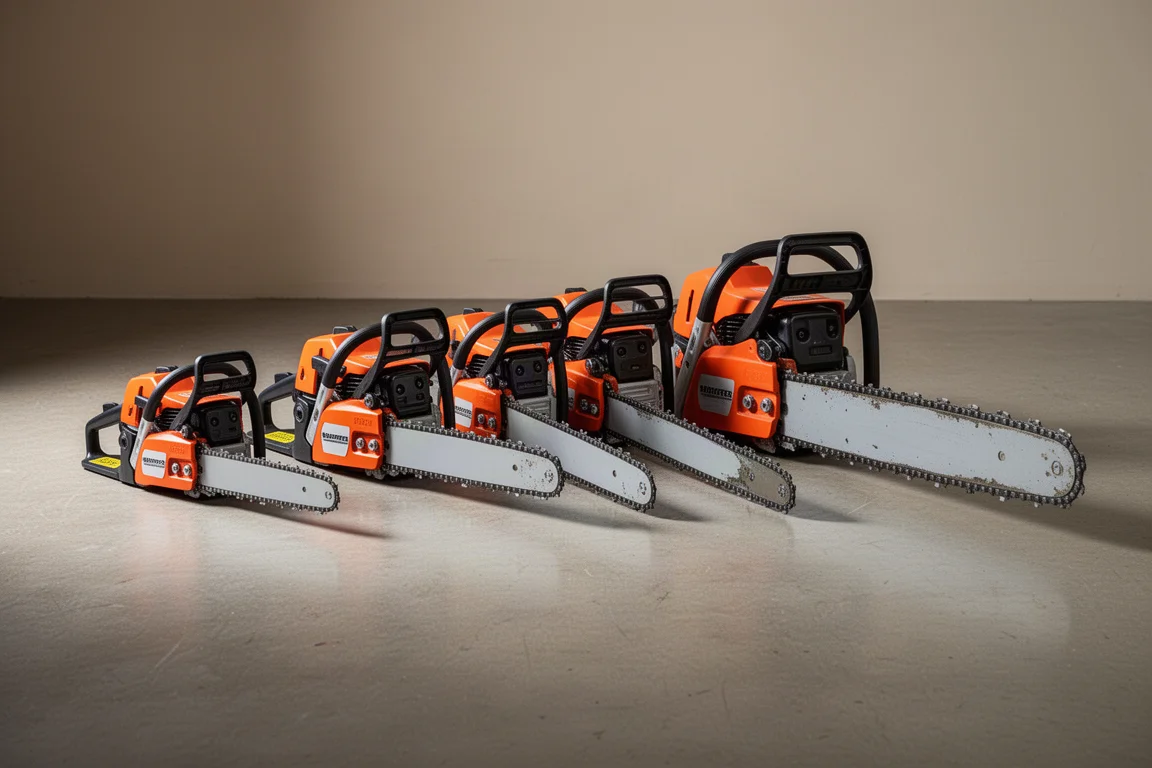
Best Professional Chainsaws 2026: Seven Gas-Powered Picks for Pros
Seven gas chainsaws covering lightweight climbing saws, mid-range workhorses, and the largest milling monsters, chosen for power and run time.