Workwear
Milwaukee M12 Heated Jackets Compared: AXIS vs Tough Shell
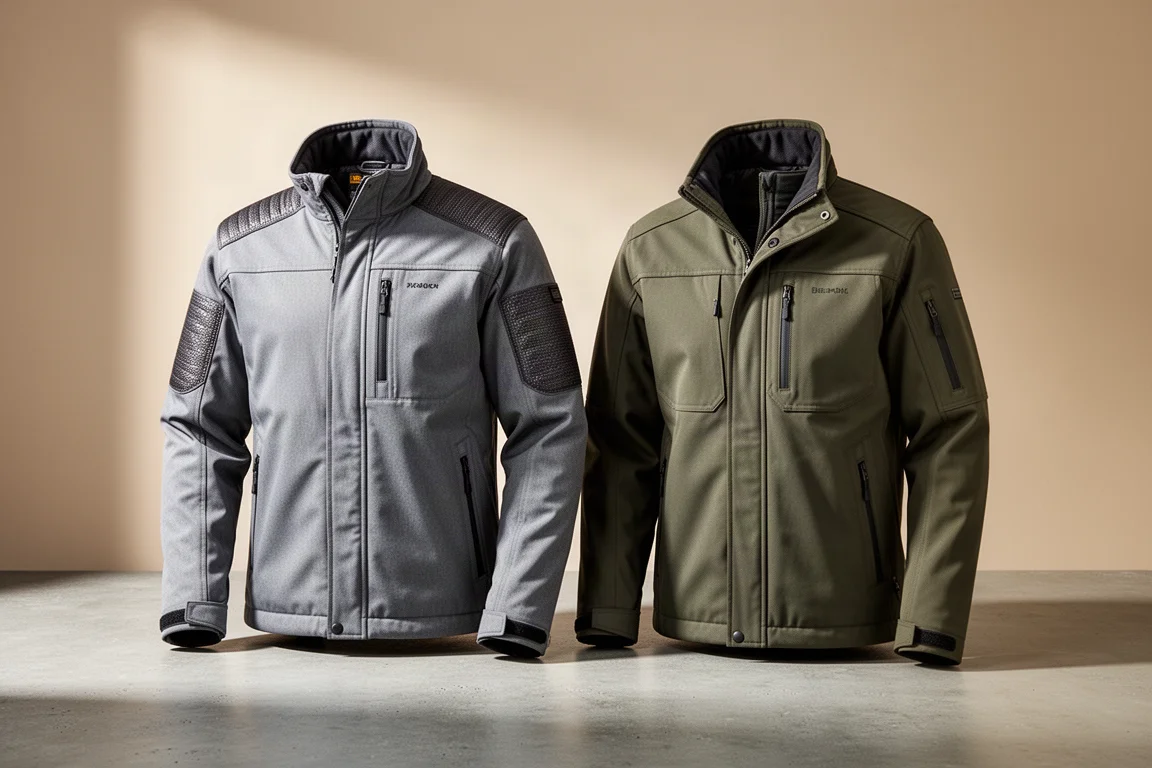
Two Milwaukee M12 heated jackets, one long-term daily wearer and one rugged all-rounder. Here is how they differ and who each one suits.
Introduction
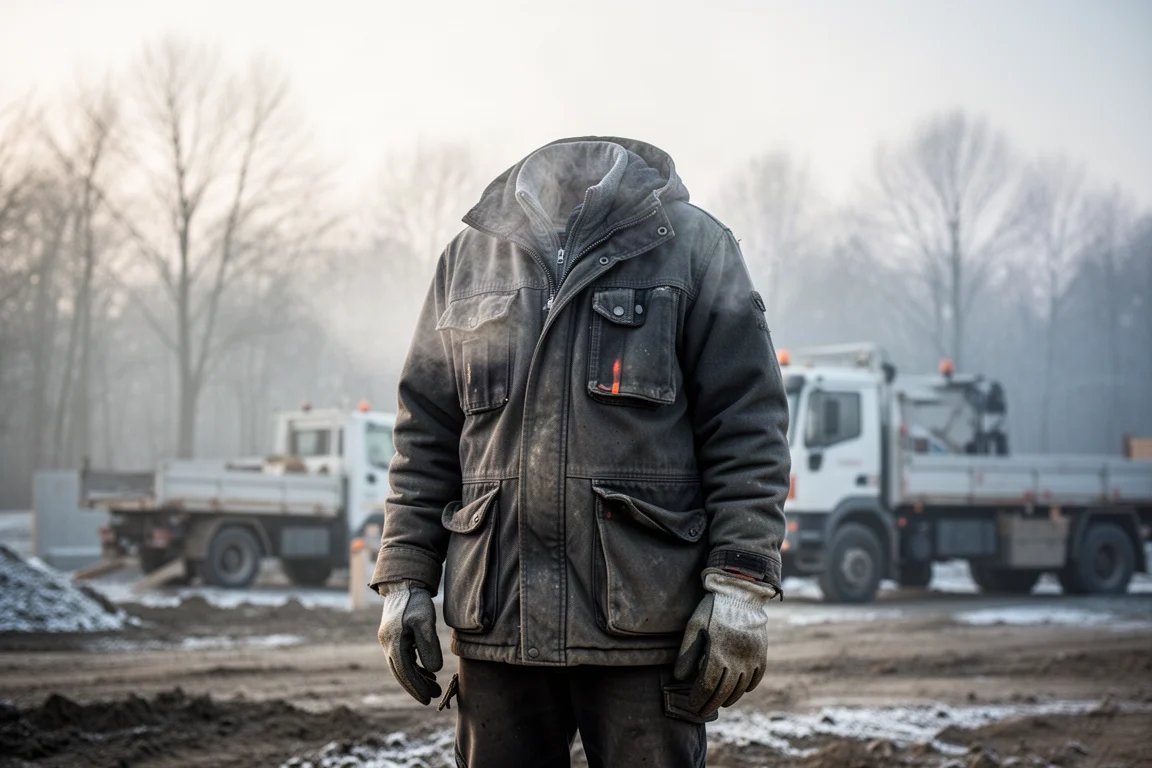
Heated work gear is easy to dismiss until you actually live with it. The usual argument sounds reasonable: if you are already bundled up and moving around outside, extra heat just sounds like a recipe for overheating. In practice, a good heated jacket earns its place as a daily driver, both as workwear and as an everyday winter jacket, because the heat is there when you need it and completely off when you do not.
The two biggest moments where the heat pays off are simple. First thing in the morning, getting into a cold truck with no remote start, a jacket that heats up fast makes the wait far more bearable. And on the job site, when you are standing still waiting for something to happen rather than running around, a little warmth keeps you comfortable without any effort. The key realization for skeptics: a heated jacket does not force you to run the heat. You can wear it like any other jacket and simply leave the heat off.
Here is how the two Milwaukee M12 options compare.
Milwaukee M12 AXIS Heated Jacket
The AXIS is the jacket that converts skeptics. It looks like a handsome piece of workwear first and heated gear second, which is exactly why it ends up worn everywhere: as a work jacket, a dress jacket, a tailgating jacket, the ball game jacket. Over three seasons of daily wear, it has held up as a genuine everyday jacket, not just site gear.
It offers three heat settings with dual zones, so you can warm your back and lower core independently or dial both down to nothing. The value of dual-zone heating is straightforward: keep your core warm and the appendages tend to take care of themselves.
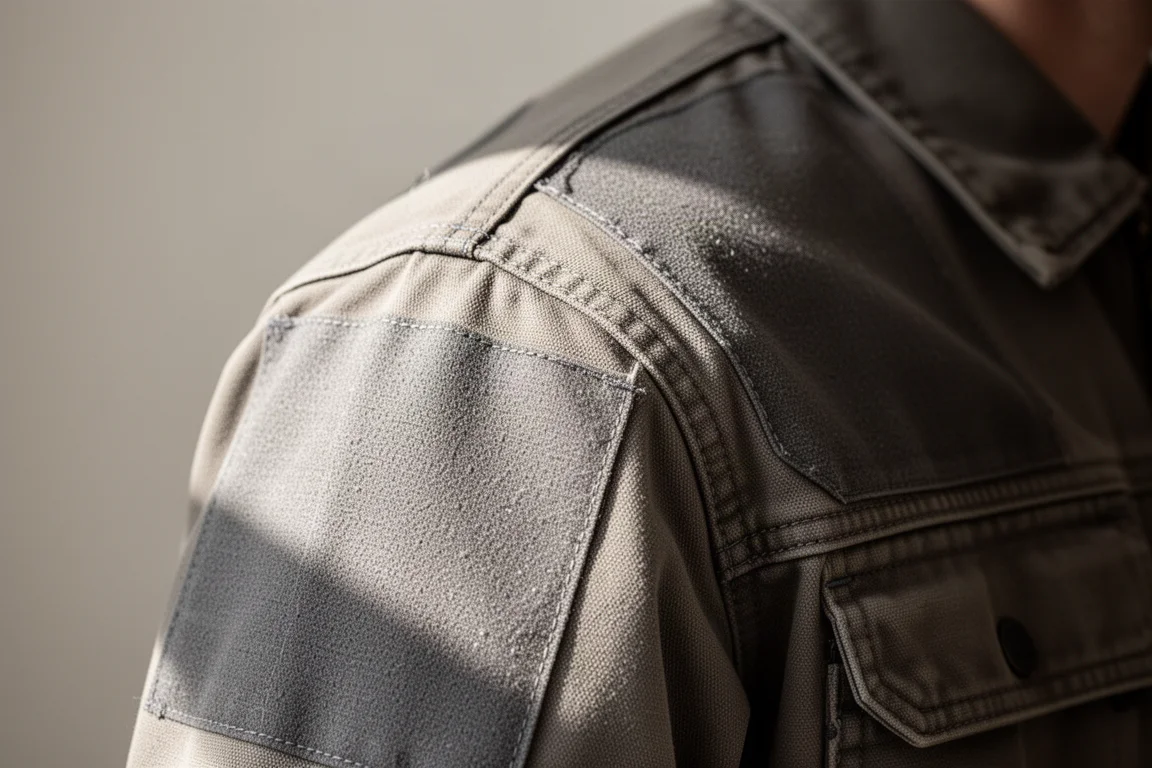
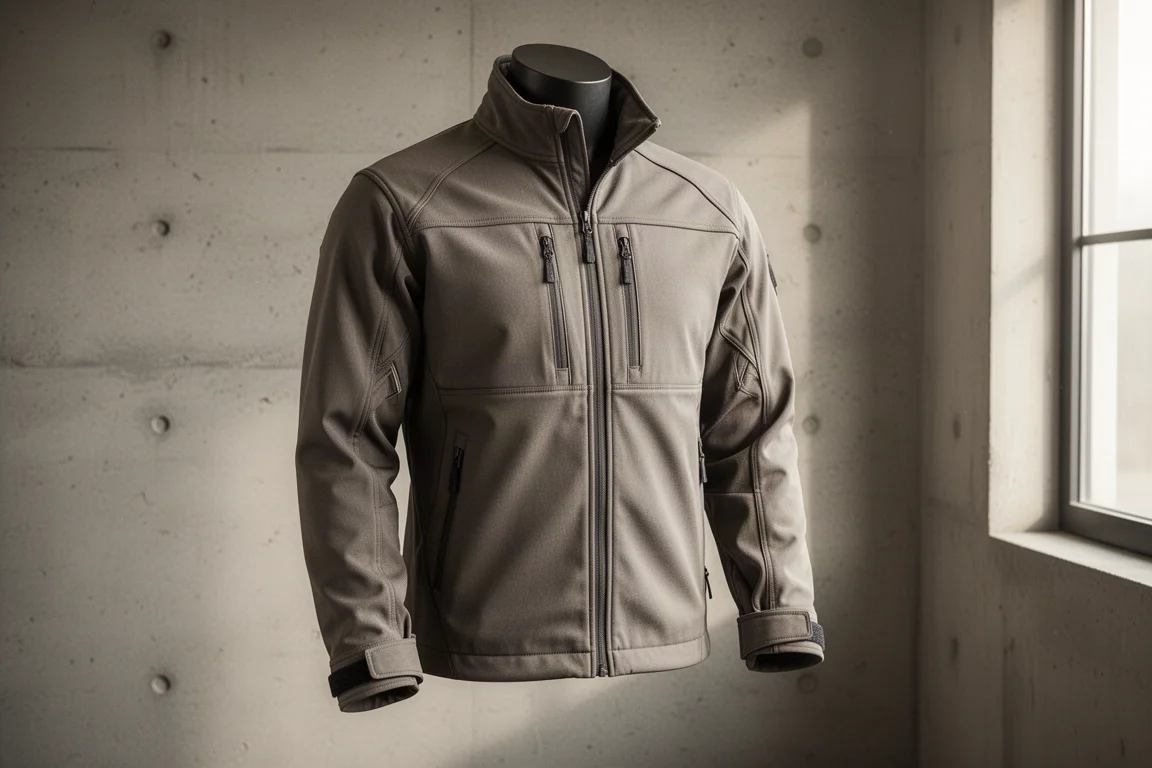
Some owners worried that the softer AXIS-style fabric might not be durable enough for hard use. In practice, the shoulder and sleeve areas are built as dedicated abrasion zones, the places that take the most wear, and they have held up well over extended use. There are pulls and scuffs from real wear, but no tears or rips.
One important fitting note: follow Milwaukee’s sizing chart for chest and waist rather than assuming your usual size. The battery rides in a pocket at the back, and if the jacket is too tight the battery cannot shift in its pocket when you sit down in a vehicle, which leads to an uncomfortable surprise against your lower back. A correctly sized jacket lets the battery move freely.
Milwaukee M12 Tough Shell Heated Jacket
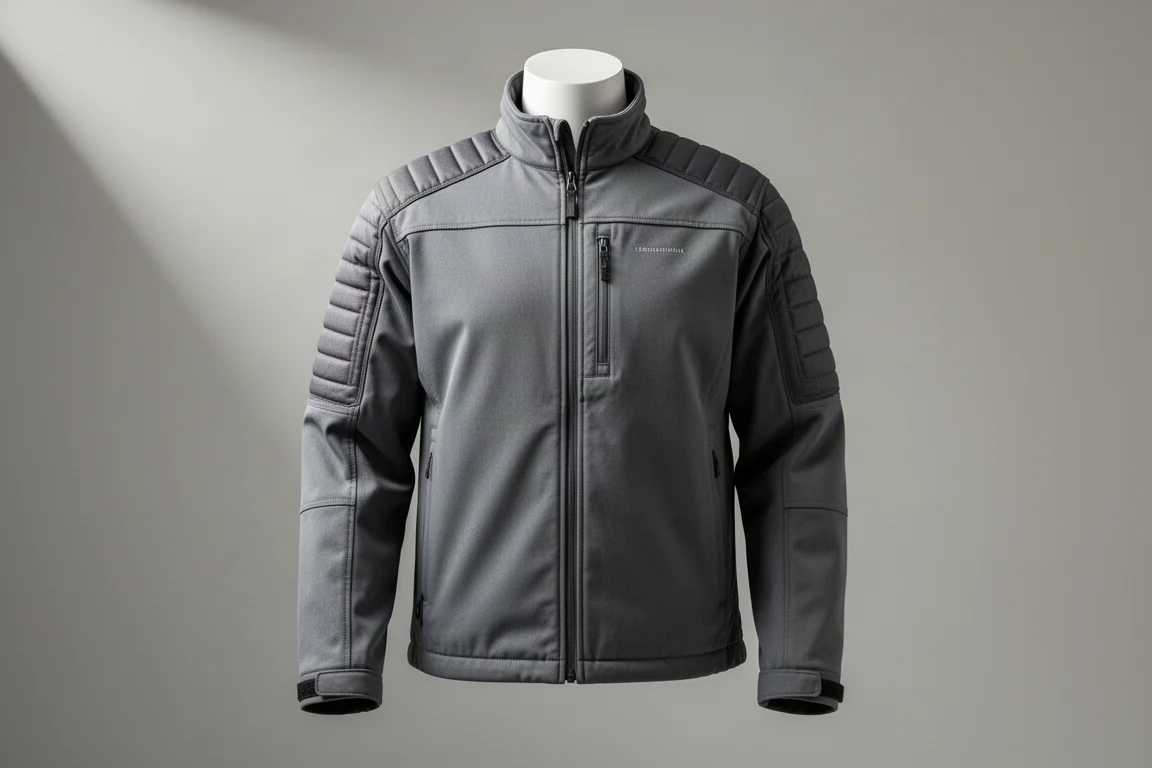
The Tough Shell is the sturdier sibling. Where the AXIS uses softer fabric panels, this jacket is built from a more rugged stretch polyester throughout, and the difference is noticeable the moment you pick it up: it simply feels sturdier while still staying pliable.
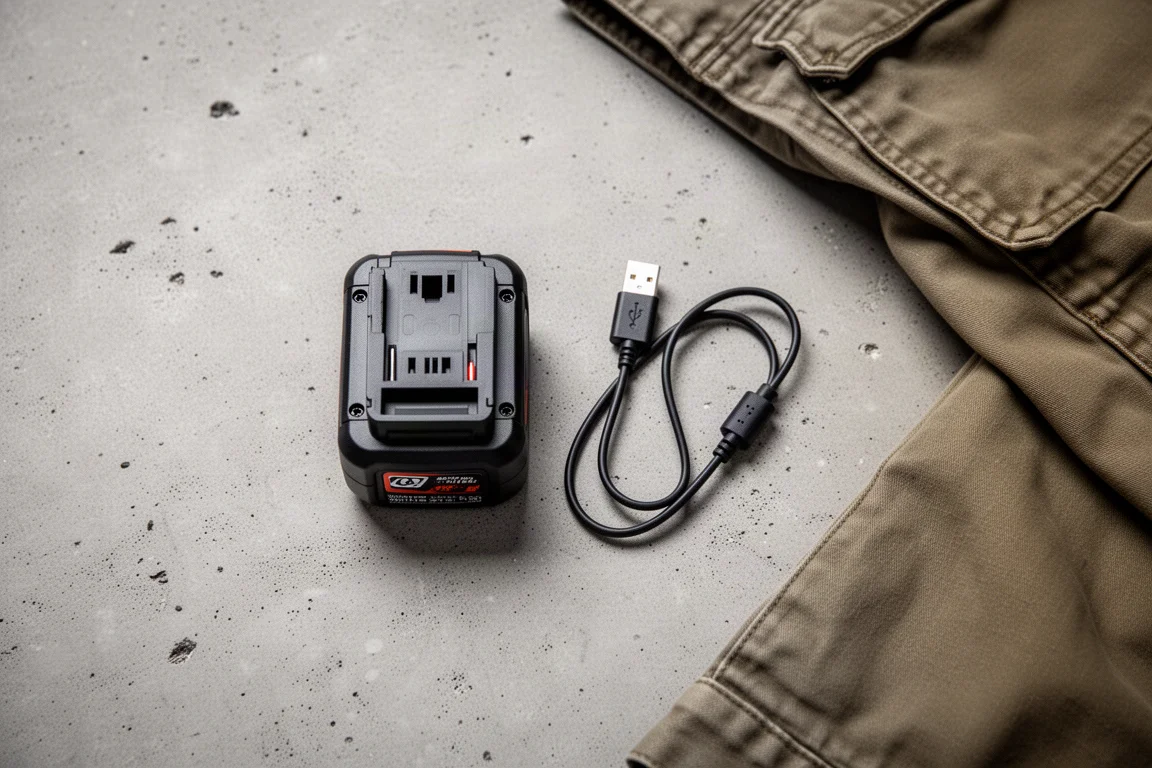
This generation ships with a CP 3.0 battery, which is a meaningful upgrade in convenience. Previously, fitting a 3.0Ah battery meant using the physically larger XC-style pack; the CP 3.0 delivers that capacity in a smaller footprint closer in size to a 2.0. The box also includes an M12 charger and a USB cable for the jacket’s power adapter.
The heat system uses carbon fiber heating coils with an insulation layer designed to trap the heat in, plus an optimized liner layer that transfers it to your body. Quick heat function heats three times faster, and dual zones keep your back and lower core warm with high, medium, and low settings that are independently controllable per zone. You can run high on one zone and low on the other, or hold the button to switch the heat off entirely so you do not overheat while working.
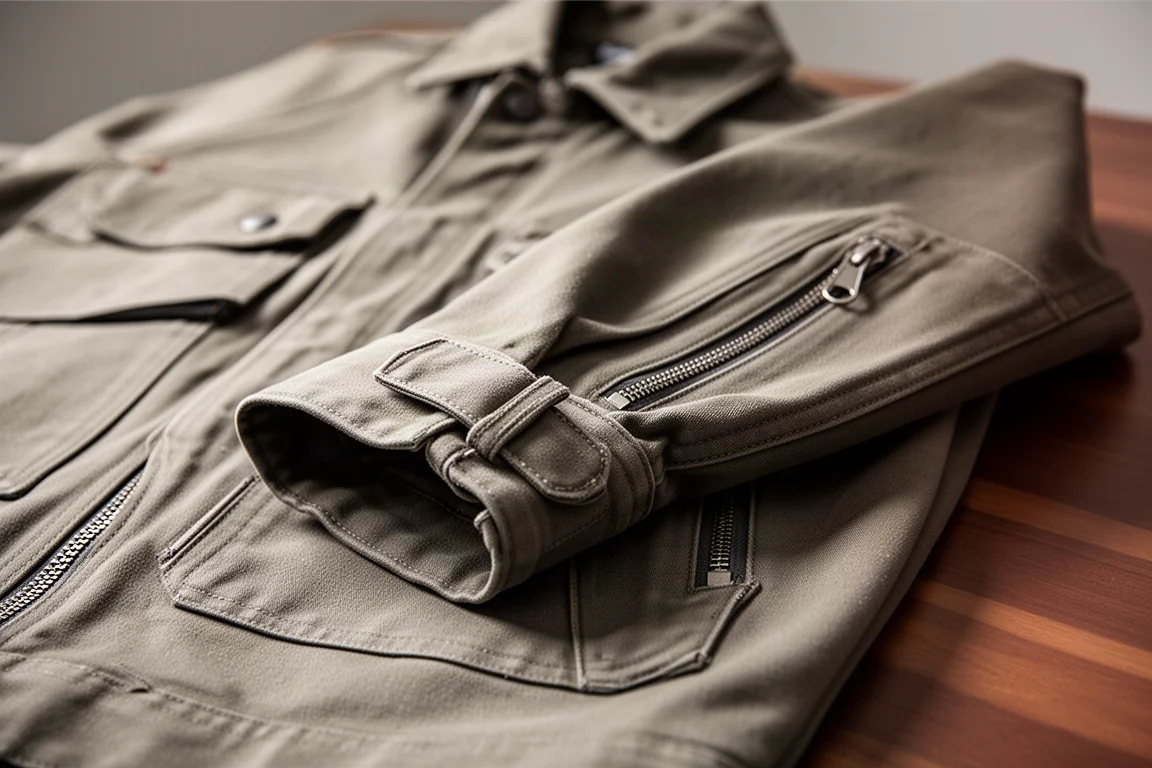
There are some genuinely thoughtful construction details here. Adjustable wrist cuffs clamp down so sleeves do not ride up over your hands while you work. Pockets have zippers, so whatever you stash in them stays put. The design includes free flex mobility with a drop shoulder seam and underarm gussets for improved flexibility, 80 percent more stretch in the fabric, and a claimed all-day runtime of 12 hours on low, 6 hours on medium, or 3 hours on high with the 3.0 battery. You can also choose front or back pocket battery placement, with a pass-through that moves the battery from the rear pocket to a front pocket, which is a real comfort win when you are sitting down.
Even with the heat off, the jacket insulates extremely well on its own, and it is more resistant to rain and snow than softer heated jackets, which makes it the better pick heading into genuinely inclement weather.
Battery, Charging, and Everyday Details
Both jackets run on the M12 battery platform, and older batteries and adapters remain backwards compatible with the newer jackets, which matters if you already own Milwaukee M12 tools. One small gripe on the Tough Shell: the included charging cable uses an older mini/micro-style USB connector rather than USB-C, and no wall power brick is included in the box. The washer and dryer safe label is a nice touch, though you should follow the included care instructions before tossing it in.
A neat extra on the Tough Shell: the USB port on the adapter can charge a phone or other device while the heat is still running. It will drain the jacket battery faster, but on a long cold day it is a handy fallback.
Which One Should You Buy?
If you want one jacket that works everywhere, office to tailgate to job site, the AXIS is the easier daily wear and has a proven multi-season track record. If your winters involve rain, snow, and harder abrasion, the Tough Shell’s sturdier build, CP 3.0 battery, front-pocket battery option, and phone charging pass-through make it the more capable cold-weather work jacket. Both benefit from the same advice: check the sizing chart, and size so the battery can move in its pocket.
Conclusion
Milwaukee’s M12 heated jackets have moved heated gear from novelty to genuine everyday wear. The AXIS wins on versatility and proven daily durability, while the Tough Shell wins on ruggedness, battery convenience, and weather resistance. Pick based on how harsh your winters actually are.
Further reading
Related Reviews
Workwear
1620 Workwear Foundation Series Work Pants: Built Like Armor, Priced Like It Too
Heavy-duty waterproof work pants made in the USA with a tailored fit, thick Cordura-blend fabric, and a few trade-offs worth knowing before you spend around $140.
Workwear
Bamal FR Flame Resistant Shirts and Pants: Fire, Tear, and Water Resistance in One Kit
A hands-on look at Bamal FR's treated cotton workwear, which combines flame resistance with water and tear resistance, plus sizing notes worth knowing before you buy.
Workwear
Brunt Workwear Picks: Three Pieces Worth Considering in 2026
The Marin, the Omen, and McKenna workwear: three Brunt products that hold up to hard use, plus what to know before buying.