Power Tools
Milwaukee M12 Fuel Stubby 3/8 in Impact Wrench Review: Small Size, Serious Torque
A compact 12-V impact wrench with 305 N·m of nut-busting torque, one-handed speed switching, and a feel in the hand that belies its power.
Introduction
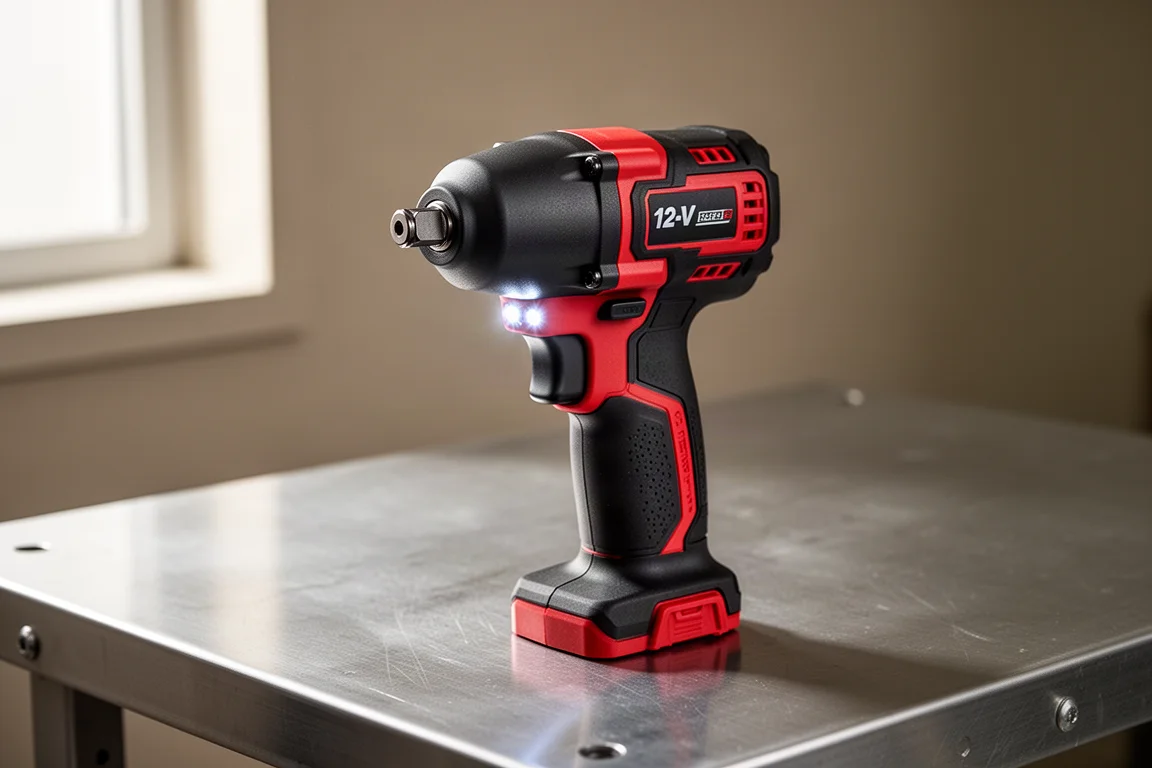
Ten years ago, the idea that a 12-V, 3/8 in drive impact wrench could handle long structural fasteners would have sounded like a joke. The Milwaukee M12 Fuel Stubby 3/8 in Impact Wrench makes that idea entirely reasonable. It arrives in what is genuinely one of the smallest tool boxes around, and what comes out of it is a tool that is dramatically smaller and lighter than the stubby impact wrenches of a few years ago, while giving up remarkably little in real-world power.
A Tiny Box With a Serious Tool Inside
The headline numbers are impressive for the size class. Milwaukee rates it at 305 N·m of nut-busting torque. Compare that with the previous generation 1/2 in Fuel Stubby, which offers 339 N·m: the new 3/8 in model is roughly half the size with a smaller drive, yet only 34 N·m behind on the spec sheet. That is a striking trade-off.
Weight is where the difference really lands. The 3/8 in stubby weighs 733 g, about 230 g lighter than the older 1/2 in model at around 960 g. In the hand, it feels light, compact and genuinely pleasant to use for extended periods, especially in tight spaces like engine bays where every centimetre of clearance counts.
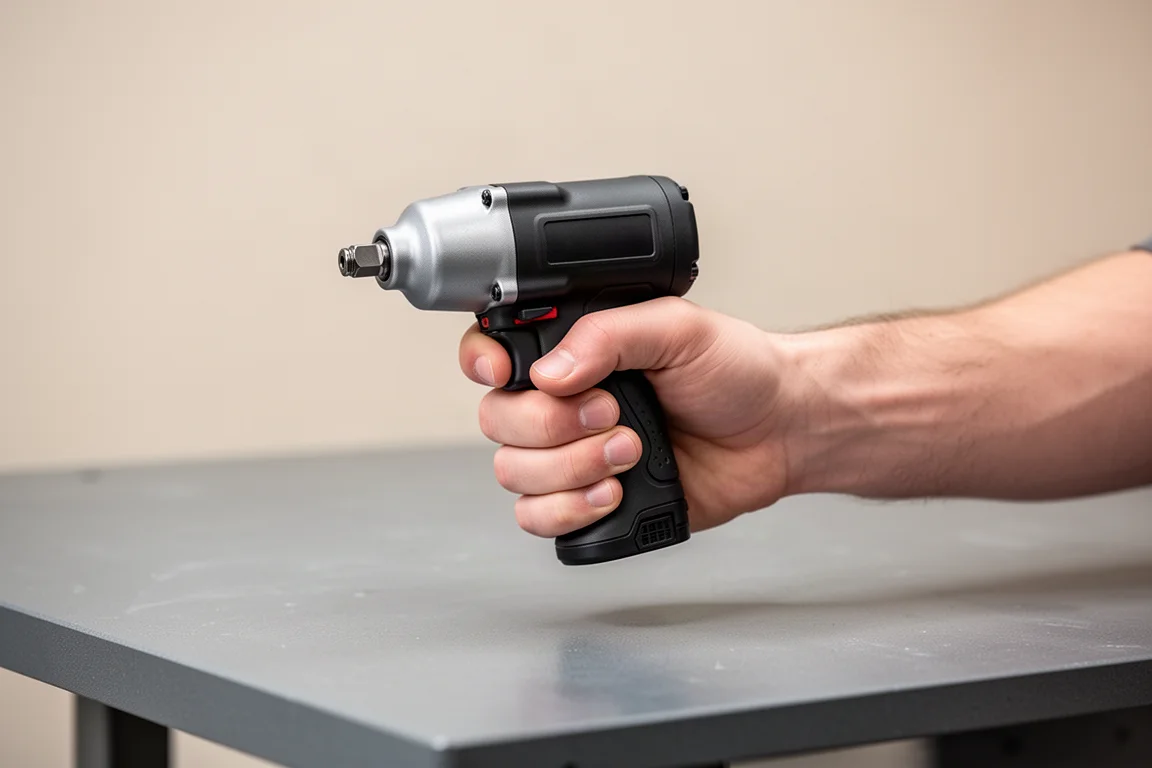
It also keeps the usual M12 details: a four-light battery fuel gauge, a variable speed trigger, and threaded inserts on each side for an optional belt hook.
Three Speeds and One-Handed Mode Switching
The M12 Fuel Stubby 3/8 in offers three speed settings plus a bolt release mode, with impact rates up to 3,600 impacts per minute and a top speed of 3,400 RPM.
The clever part is how you change modes. There is no separate button to hunt for with your free hand. Instead, you flick the selector into what would normally be the lock position, then double-tap the trigger. Each double-tap steps you through speed one, speed two, speed three, bolt release, and back to speed one. It takes a little getting used to, but once it clicks, being able to change power levels with one hand while the tool is buried in an engine bay is genuinely handy.
Lighting and Everyday Handling
Where the newer generation clearly improves on the older models is the lighting. Three LEDs around the nose illuminate the work area far better than the single light on the previous version, which matters when you are working deep inside a chassis or a machine housing.
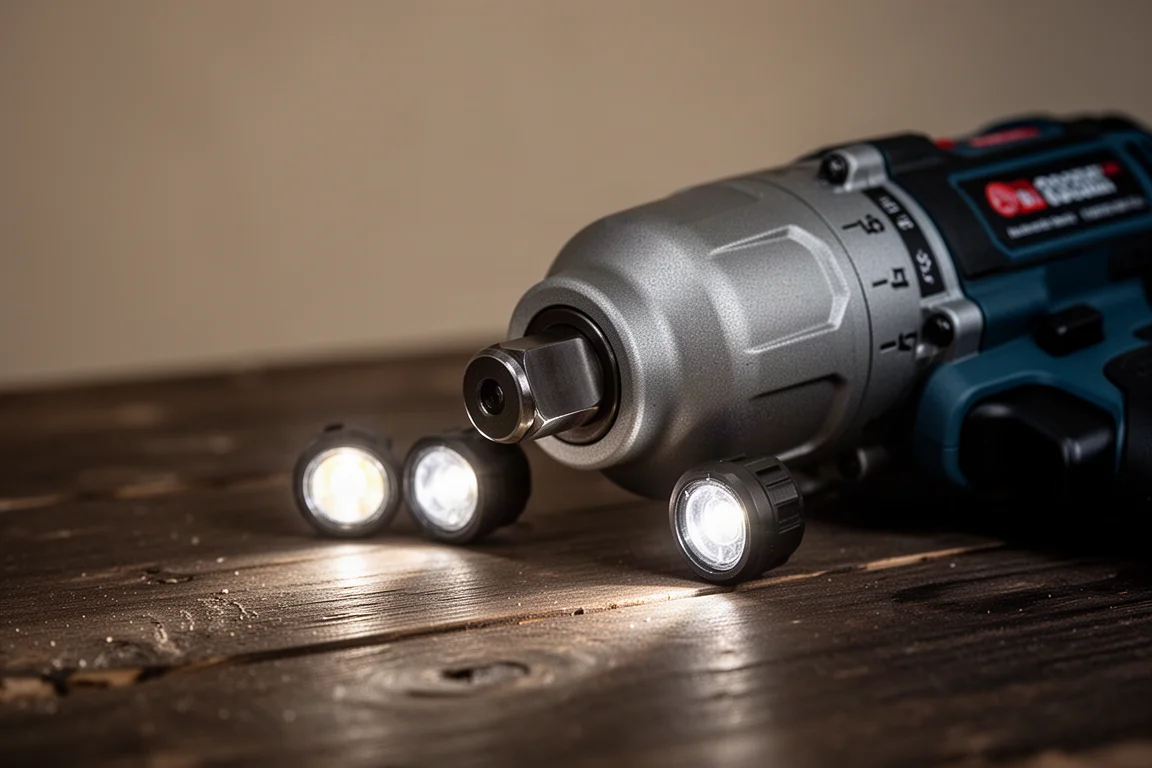
Combined with the lighter body and shorter form factor, the overall experience is one of a tool that gets out of your way. It is a compact impact wrench that does not fight you when the workspace gets awkward.
Real-World Performance and Battery Life
Running it with a 5.0 Ah High Output battery, the tool drove 18 concrete screws measuring 200 mm long and 12 mm in diameter, and the battery lasted until the very last fastener. That is with the same battery being swapped onto a planer in between, so without that shared workload it would have completed the job comfortably. A smaller 6.0 Ah class pack was used to finish off, but the point stands: for a 12-V tool, the runtime is respectable.
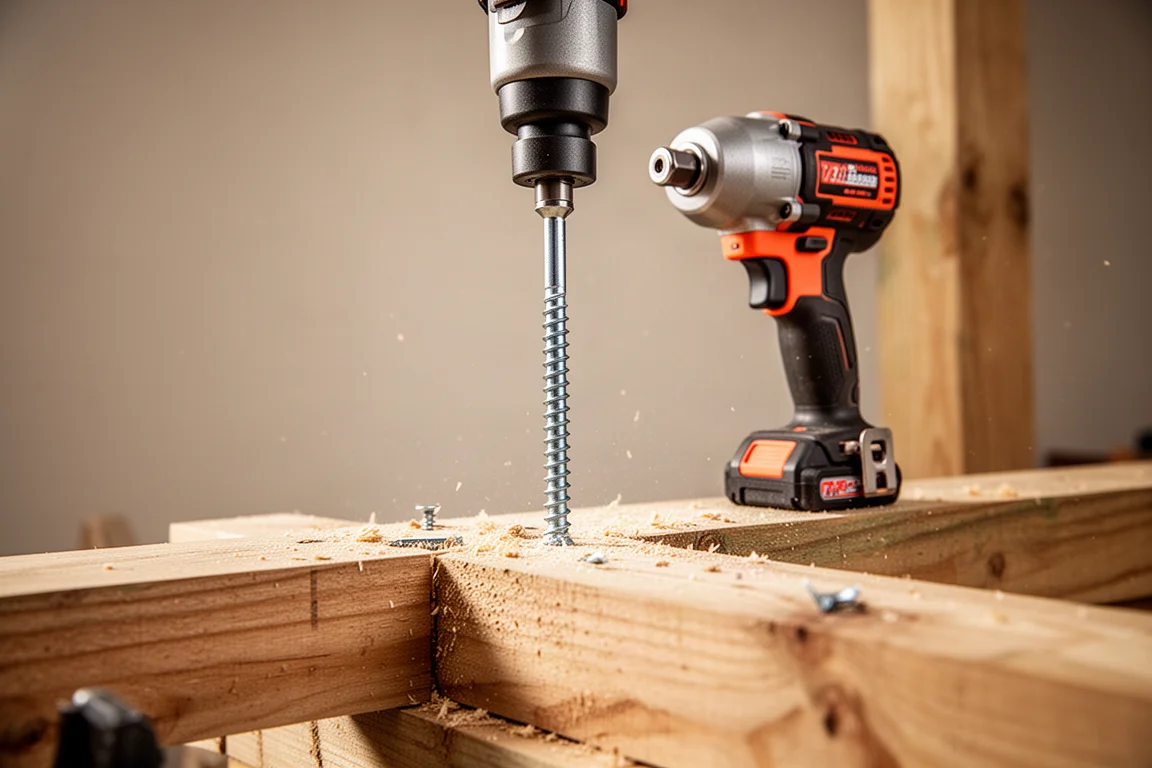
For anyone who uses impact wrenches for construction-style fastening rather than automotive work only, it is a very capable little tool that inspires confidence.
Accessories Worth Considering
Milwaukee has also released matching accessories alongside this tool. There is a set of 3/8 in sockets in both deep and stubby lengths, available in metric and imperial sizes, plus adapters that let you use these sockets in an impact driver if you do not own an impact wrench. One adapter is a toggling design that articulates to roughly a 15-degree angle, which is useful for reaching fasteners that are not perfectly accessible.
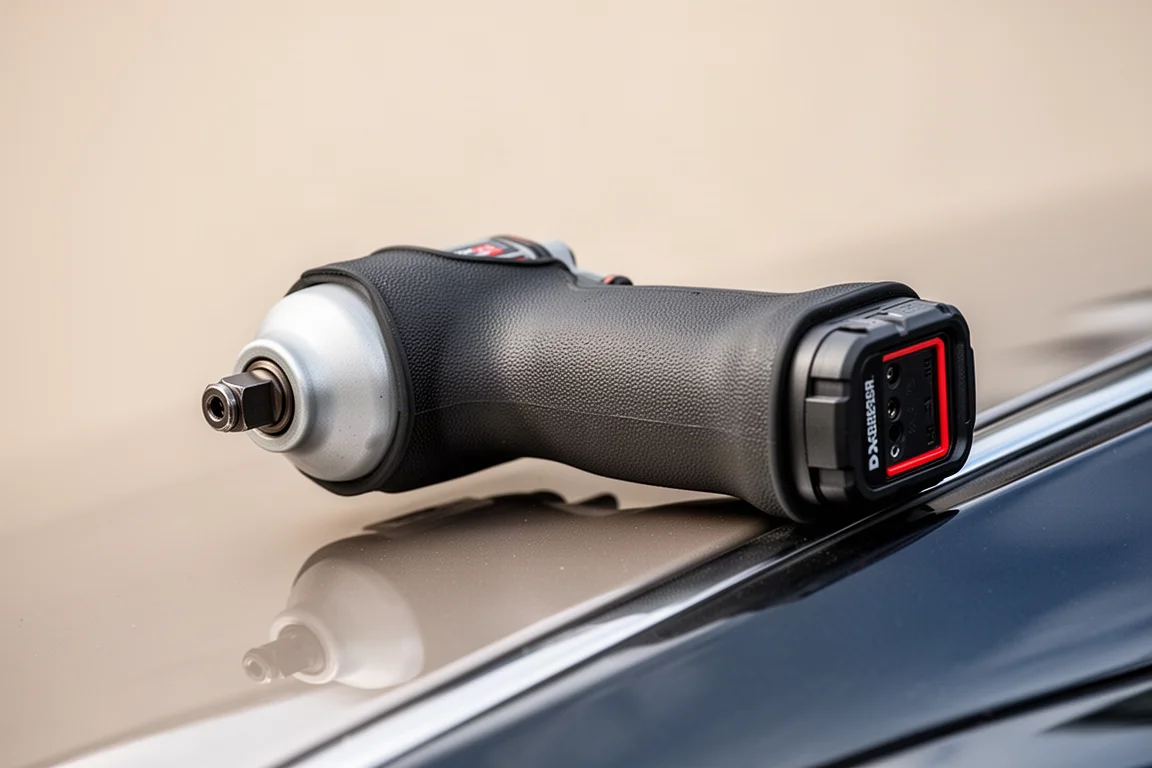
There is also an optional rubber boot that fits over the tool body. It is not really there to protect the tool itself. Its purpose is to protect the paintwork and surfaces you might be working around, such as a customer’s car panels, which makes sense for a tool this compact that gets used in tight automotive spaces.
Buying Advice
If you already own the older 1/2 in Fuel Stubby and it does everything you need, there is no urgent reason to switch. But if you are choosing new, the newer generation is clearly the better buy: smaller, lighter, more powerful in the case of the updated 1/2 in model at 746 N·m, with much better lighting. Milwaukee also makes a 1/4 in version of the stubby if you want something even smaller.
For tight-space fastening, engine bay work, or anyone building out an M12 collection, the 3/8 in Fuel Stubby hits a sweet spot between size and capability.
Conclusion
The Milwaukee M12 Fuel Stubby 3/8 in Impact Wrench shows how far compact cordless tools have come. Half the size of its predecessors, 230 g lighter, within 34 N·m of the larger drive’s nut-busting torque, and with one-handed mode switching that works exactly where you need it. It is an easy tool to recommend for anyone who values reach and control without sacrificing real fastening power.
Product link
View more details for Milwaukee M12 Fuel Stubby 3/8 in Impact Wrench
This product is mentioned in the review. Check the specifications, options, and compatibility before buying.
View more details for Milwaukee M12 Fuel Stubby 3/8 in Impact WrenchFurther reading
Related Reviews
Power Tools
Best 1-Inch Pistol Impact Wrenches: Three Heavy-Duty Options Compared
We compare three 1-inch pistol impact wrenches, from a budget-friendly Harbor Freight model to a premium Caterpillar unit, to help you choose the right one.
Power Tools
Best 3/4-Inch Impact Wrenches 2026: Five Contenders Compared
We compare five 3/4-inch impact wrenches across price and performance, from a budget Amazon option to Snap-on's most powerful model yet.
Power Tools
Best Budget Cordless Tools 2026: Walmart Finds That Punch Above Their Price
We tested five cordless tools from Walmart, including a high-torque impact wrench that trades blows with Milwaukee and a $35 duster that outperforms its price class.