Power Tools
Milwaukee M12 Fuel Jigsaw Review: A Compact Barrel Grip That Feels Right
Light, comfortable, and surprisingly capable, the M12 Fuel jigsaw handles 70 mm wood and 3 mm metal with a strong feature set. Here is what to know before buying.
Introduction
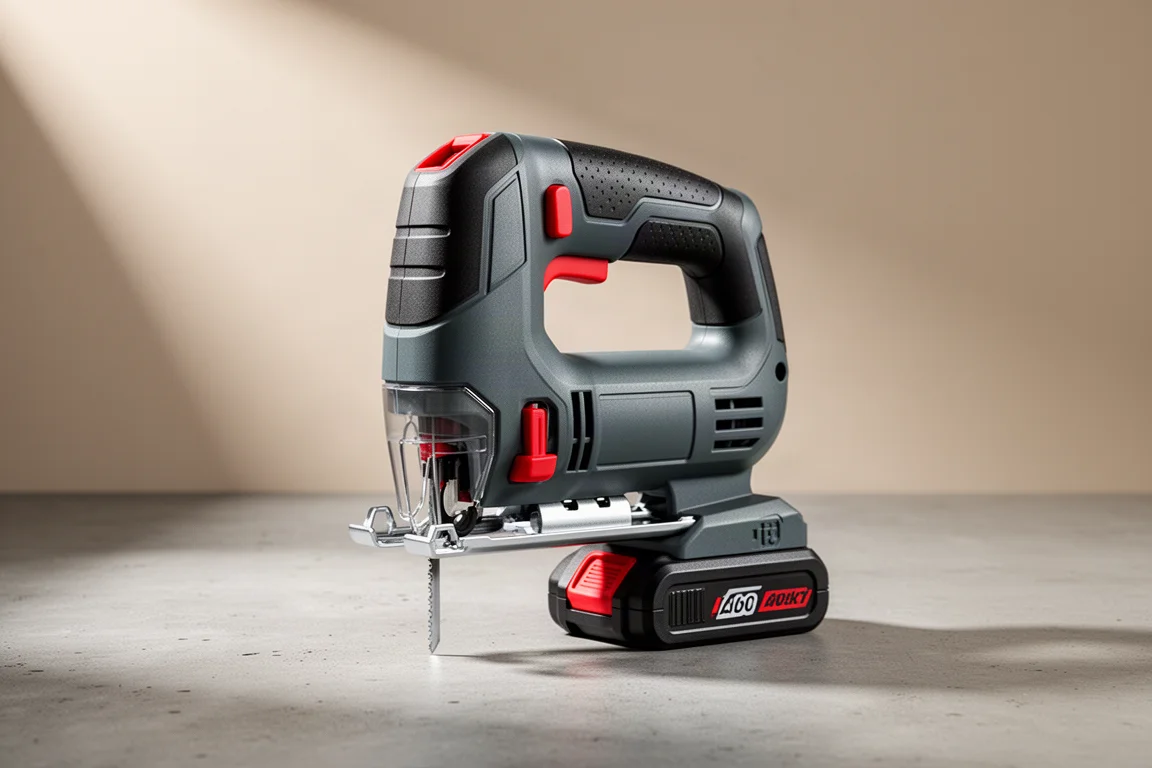
The Milwaukee M12 Fuel jigsaw, known as the M12 FJS and sold as the 2545 in the US, is essentially a compact barrel-grip jigsaw built around Milwaukee’s 12V platform. It promises the maneuverability of a small tool without giving up much cutting ability, and after several weeks of use across timber, aluminium, and steel, it largely delivers on that promise.
First Impressions and Handling
The first thing you notice is how the tool sits in the hand. Unlike many barrel-grip jigsaws that feel fat and leave your hand sort of resting on top, the slim body lets you get your whole hand around it, which makes for a much more natural grip. It is a genuinely compact, ergonomic tool with a longer grip than many rivals.
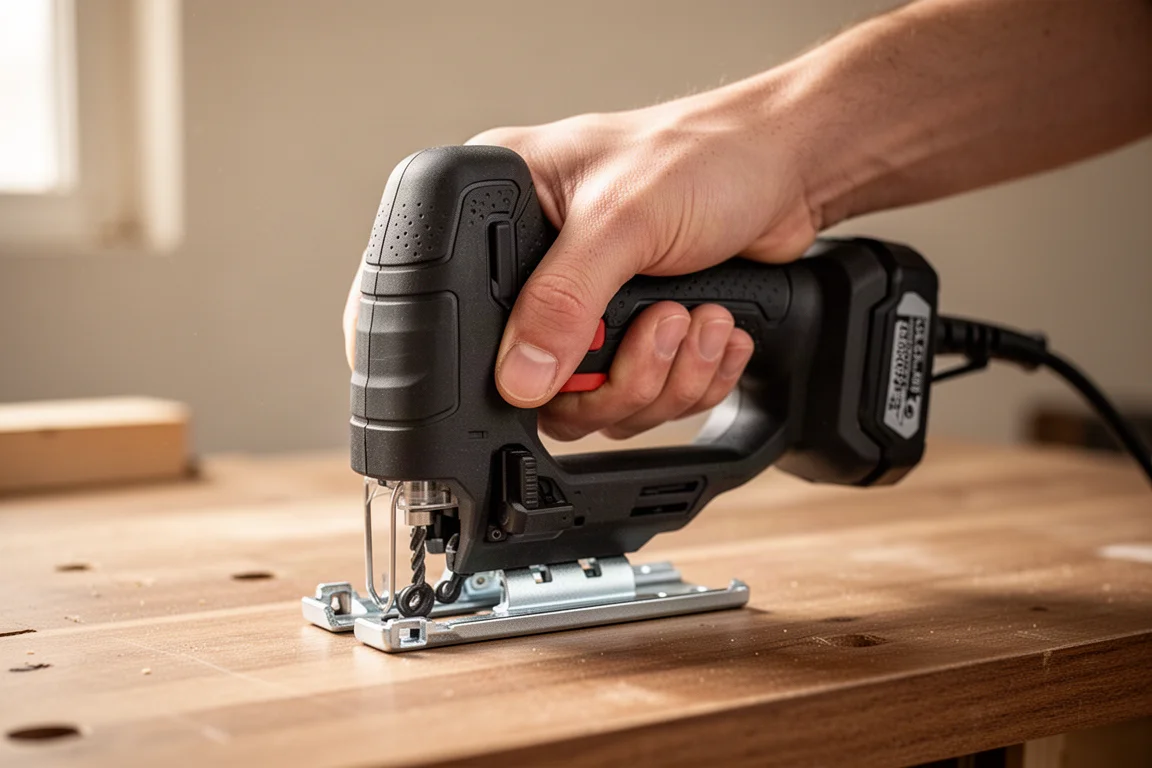
With a 2.0Ah battery fitted, it weighs just 1.75 kg, roughly the same as a small impact driver with a battery attached. Fitted with a larger 6.0Ah pack it comes in just under 2 kg, and it can even stand upright on its battery, which is handy on the bench. It is worth noting this Fuel version is a bit longer than the non-Fuel M12 jigsaw, though the slimmer head and improved grip make it a nicer tool overall.
Key Features and Controls
This being a barrel grip rather than a D-handle design, there is no trigger. You switch it on and it stays on, moving the whole tool to steer the cut. If you prefer trigger control, a D-handle suits working on top of the workpiece, but a barrel grip is the better choice for cutting from underneath, where you can see your cut line directly and let the material support the tool’s light weight.
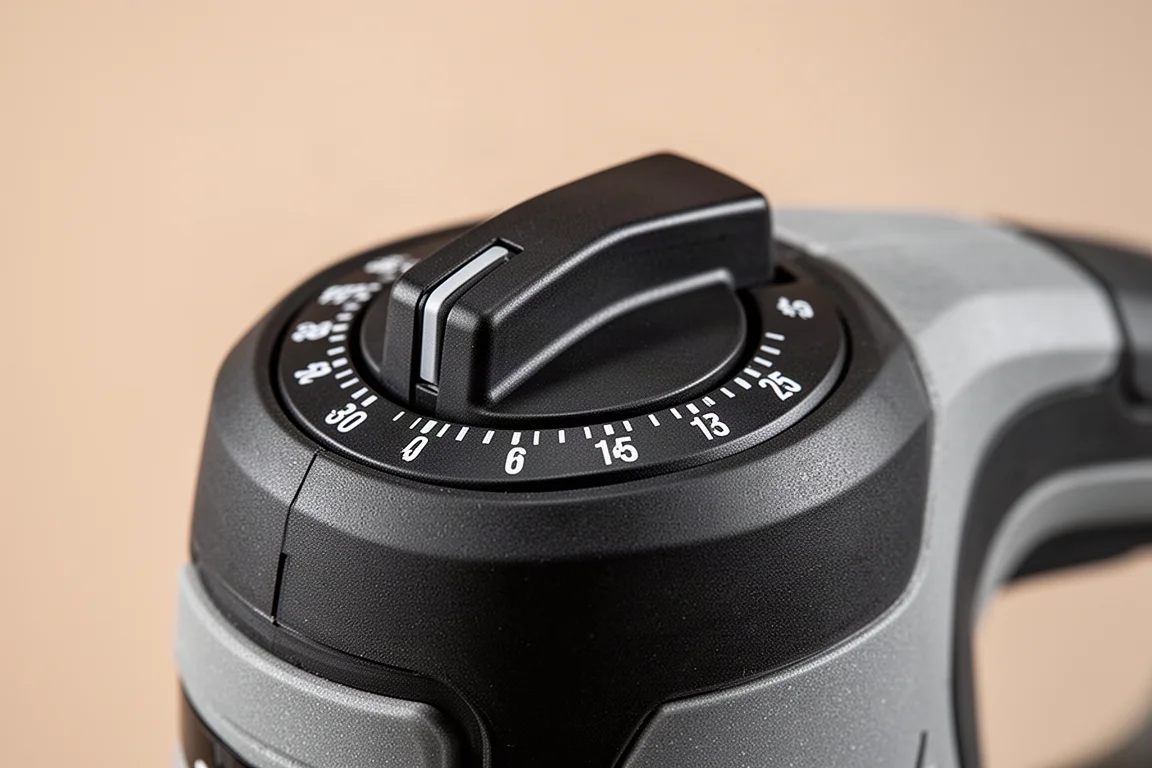
The spec list is solid: a 22 mm stroke length, variable speed from 800 to 3,000 SPM across five settings, and four orbital modes. Orbital action moves the blade in a pendulum-like motion so it cuts faster, but with a rougher finish. Setting zero gives the cleanest, slowest straight cut, and higher orbital settings trade cut quality for speed. An A mode on the dial provides a gentle auto-start that ramps up smoothly, and it is genuinely one of the nicest auto-start implementations around.
Other practical touches include a front work light that can be switched off, a blower to keep the cut line clear, and a thick splinter guard with a centre marker for following your line. The base bevels to 0, 15, 30, and 45 degrees in either direction with clear detents, adjusted via an included Allen key stored in the base. There is even a slot in the removable base cover to store spare blades, so you always have one on hand, plus minimal back-and-forth play in the base plate.
Cutting Performance in Wood
The tool is rated for up to 70 mm of wood, 3 mm of steel, and 3 mm of aluminium. In practice it handled all of that with confidence. In 19 mm pine flooring, the straight cut at full speed was fairly rough, and orbital mode four was quicker but chippier. A slower speed combined with a finer-tooth blade produces a noticeably cleaner finish.
Cutting into framing timber at the maximum depth, just under 70 mm on one axis, the jigsaw powered through on full orbital at top speed with no problem, keeping blade engagement through the bottom of the cut. Switching to a straight cut gave a beautiful, clean edge on both faces, though at a much slower pace. One thing worth knowing: the lowest speed settings are extremely slow. On timber, settings five and four are the practical choices, with the lower dial positions best saved for metal. Curved cuts in deep material caused a little bouncing, but nothing concerning.
Metal Cutting
For aluminium, low speeds and no orbital are the way to go. Speed one was a touch slow, and speed two proved the sweet spot for 3 mm angled aluminium, since going too fast can clog blade teeth. With the auto mode, the gentle ramp-up start then full-speed run worked well too. A 2.5 mm mild steel sheet cut without issue at speed three, though the included blade was a bit thick for tight turns. One minor caution: when the base is removed for metal work, two small plastic lips near the base screws sit slightly below the aluminium base edge and can catch at the start of a plunge, so it is worth checking or lightly sanding them.
Dust Extraction and Long-Term Use
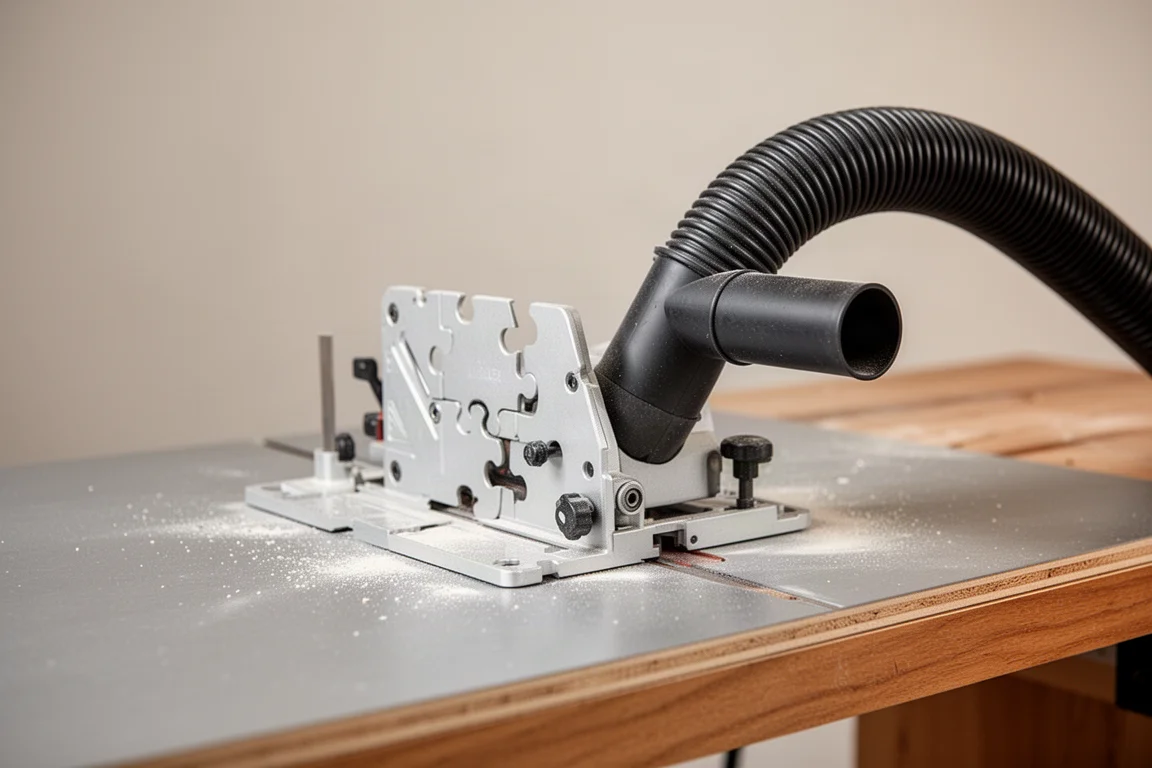
The included dust port slides into a groove at the rear and sticks out a long way, partly to clear a big battery like the 6.0Ah pack. Hooked up to a vacuum on its lowest setting, it removed most of the dust, particularly the fine particles, though some larger chunks jumped ahead of the blade and escaped. No dust extraction catches everything, but this one works well. Just be aware that with the port and a hose attached, the tool becomes far less maneuverable.
A few weeks in, the main habit to learn is blade changes. You cannot simply shove a blade straight in. You must flick the lever fully over, slide the blade all the way in, then release the lever so the spring-loaded clamp grips it. Removing a blade fires it out, so keep a hold of it. It is not a big deal, but it takes some getting used to if your previous jigsaw worked differently.
Buying Advice
Choose this tool if you like barrel-grip handling, want a light and maneuverable 12V jigsaw that still cuts full-depth framing timber and sheet steel, and value useful extras like onboard blade storage, an auto-start mode, and effective dust extraction. If you strongly prefer a D-handle with trigger speed control, or you need the fastest possible cut speeds on every setting, it is worth considering alternatives. In the context of the broader M12 lineup, which includes unusual tools like the nibbler, rivet tool, and planer, this jigsaw fits a platform that keeps earning its place on smaller jobs.
Conclusion
The Milwaukee M12 Fuel jigsaw is a comfortable, compact, and capable cutting tool with very few genuine weaknesses. It cuts to its rated depths in wood and metal, feels excellent in the hand, and packs smart storage and dust features into a lightweight body. Aside from a brief learning curve on blade changes and a slightly long dust port, there is little to complain about, and it stands as a strong addition to the M12 range.
Product link
View more details for Milwaukee M12 Fuel Jigsaw
This product is mentioned in the review. Check the specifications, options, and compatibility before buying.
View more details for Milwaukee M12 Fuel JigsawFurther reading
Related Reviews
Power Tools
Best 1-Inch Pistol Impact Wrenches: Three Heavy-Duty Options Compared
We compare three 1-inch pistol impact wrenches, from a budget-friendly Harbor Freight model to a premium Caterpillar unit, to help you choose the right one.
Power Tools
Best 3/4-Inch Impact Wrenches 2026: Five Contenders Compared
We compare five 3/4-inch impact wrenches across price and performance, from a budget Amazon option to Snap-on's most powerful model yet.
Power Tools
Best Budget Cordless Tools 2026: Walmart Finds That Punch Above Their Price
We tested five cordless tools from Walmart, including a high-torque impact wrench that trades blows with Milwaukee and a $35 duster that outperforms its price class.