Power Tools
Milwaukee M12 FNB16 Nibbler Review: A Small Tool That Earns Its Spot
A compact 12V nibbler that cuts mild steel up to 1.6 mm, catches its own offcuts, and punches well above its size.
Introduction
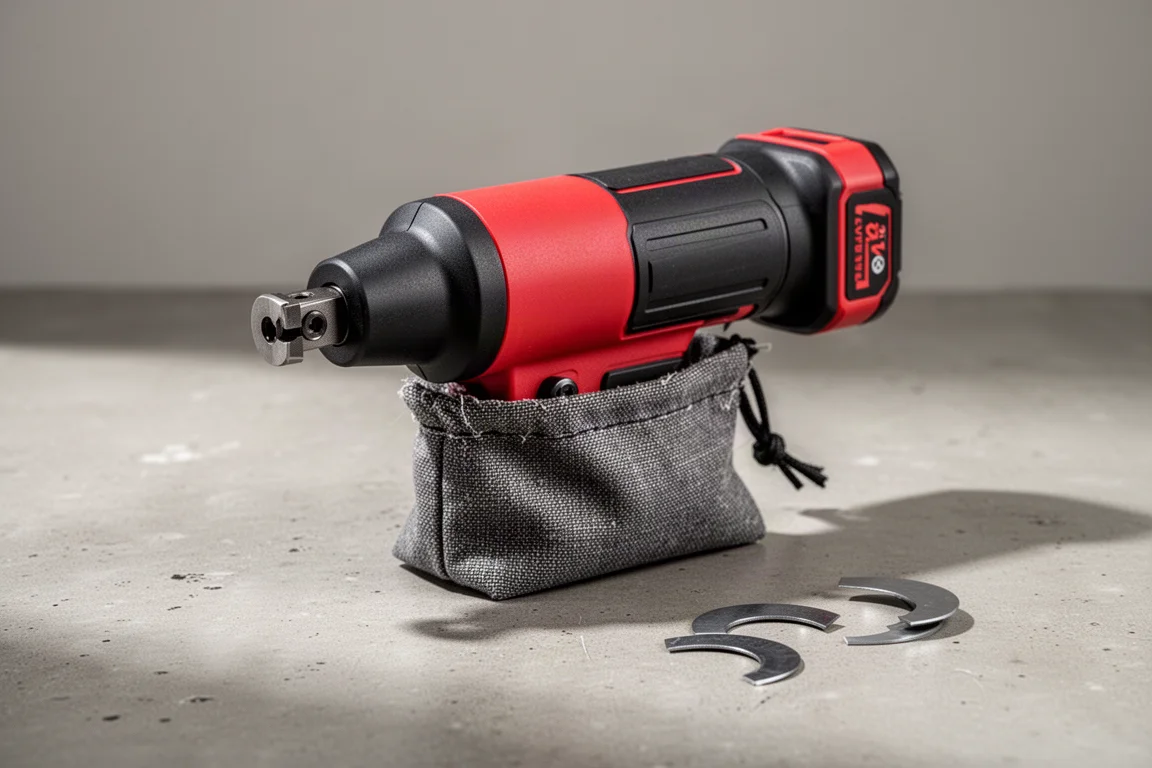
Nibblers are one of those tools most people never think about until they need one. Then they really need one. The Milwaukee M12 FNB16 is a 12V nibbler that cuts up to 16 gauge (1.6 mm) mild steel, and after putting it through sheet metal work including house flashings and roofing, it has earned a permanent place in the toolbox.
What the M12 FNB16 Actually Is
The FNB16 is rated on its mild steel cutting ability, which is the standard way nibblers are measured. In mild steel it handles 16 gauge, or 1.6 mm. Move to stainless steel and the capacity drops to 18 gauge, about 1.2 mm. On softer material like aluminium it cuts up to 12 gauge, roughly 2.6 mm. That 1.6 mm mild steel rating is plenty for a lot of real-world jobs, including flashings on a house.
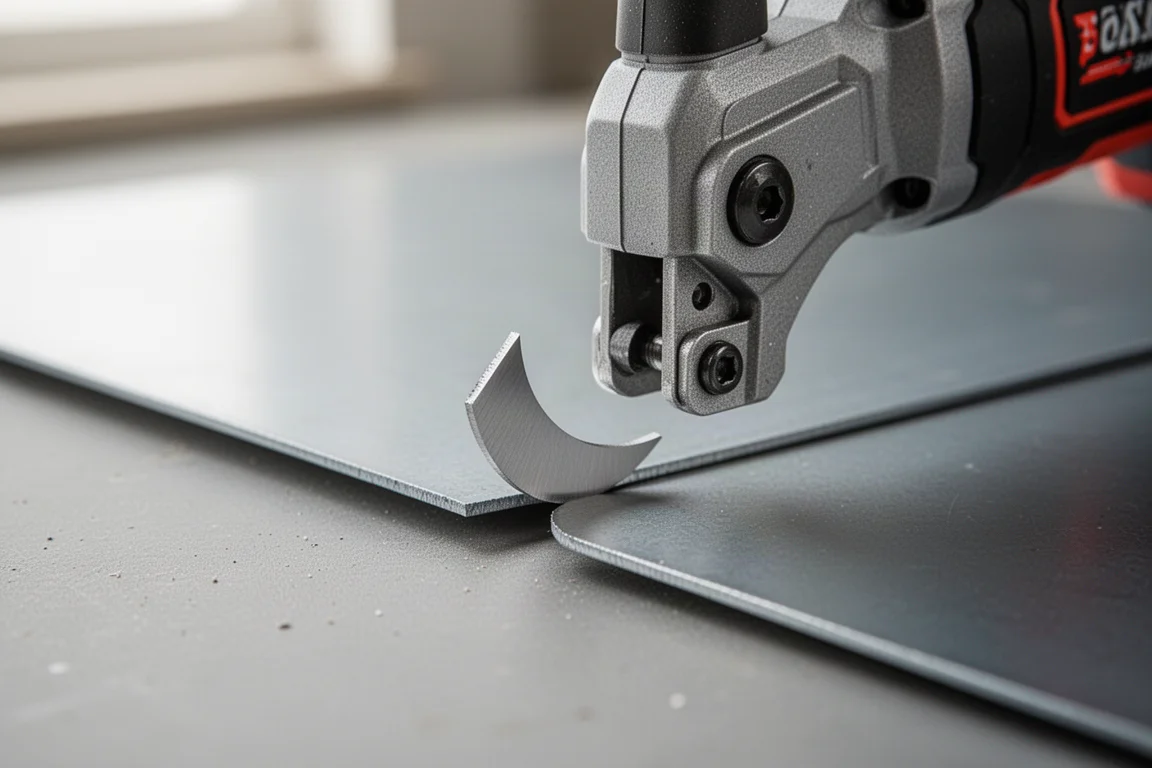
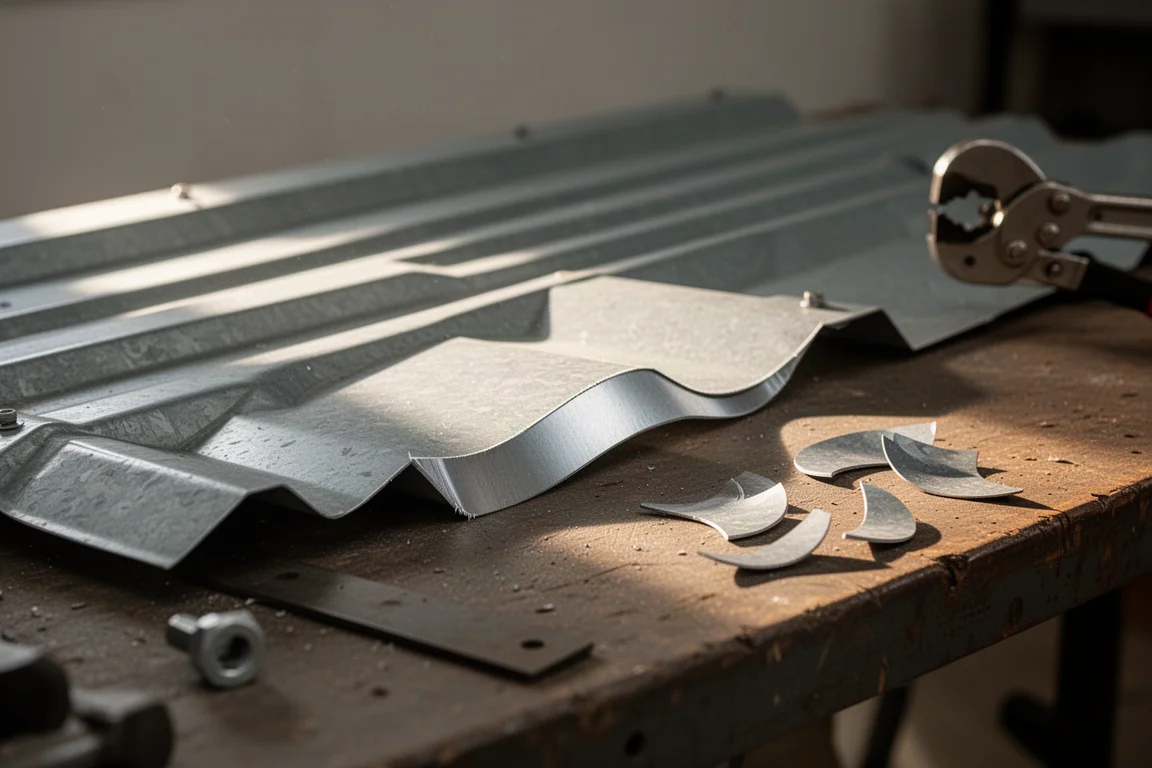
The cut itself is a crescent moon shape, made by a punch that moves up and down through a die at the end of the head. Both are wear parts, so you will eventually need to replace them, but the process is straightforward: a couple of screws on the bottom release the die area, and a small set screw lets the punch pop out for swapping.
The Built-In Offcut Catcher
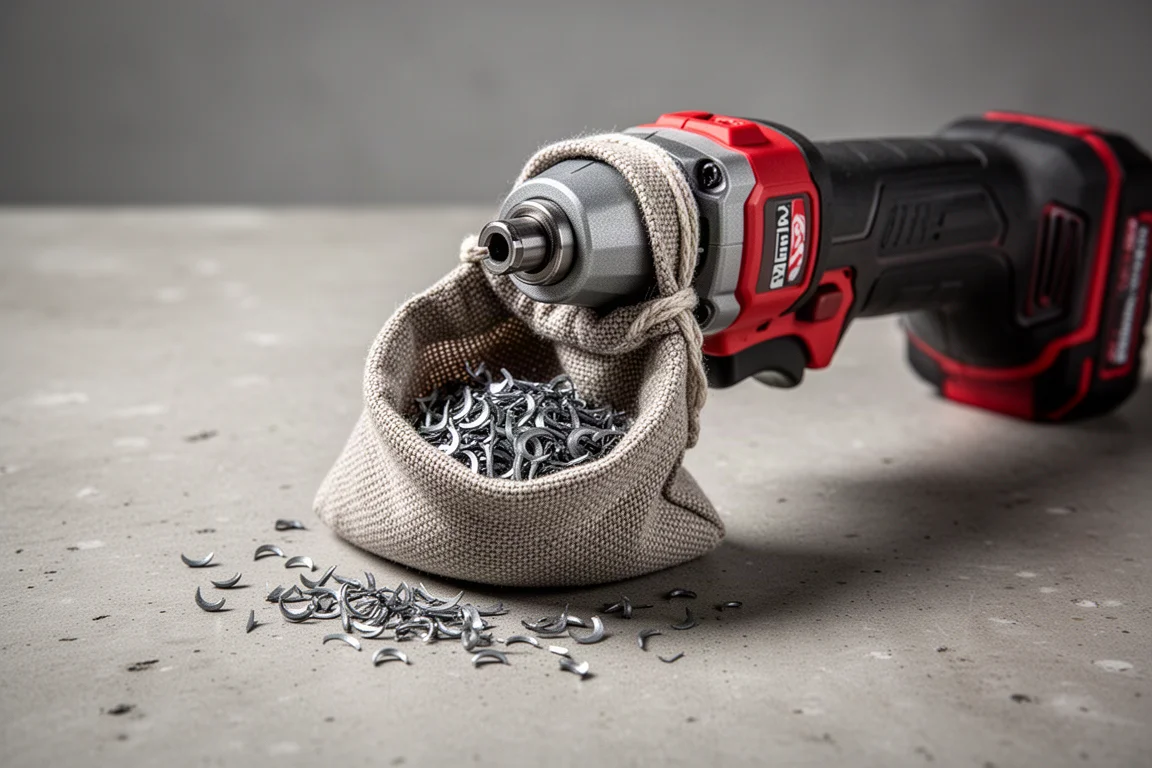
One of the cleverest details here is the attached collection sack. A nibbling job scatters thousands of tiny sharp crescents across the floor, and they famously lodge in shoe soles and follow you indoors. The sack holds a surprising amount of them and empties out when full.
It is a little awkward to empty, to be honest. A zip would help but would probably fail quickly, so the open design makes sense. Even after cutting completely different materials, the offcuts look the same in the sack, with the odd plastic fragment mixed in.
Rotating Head and Variable Speed
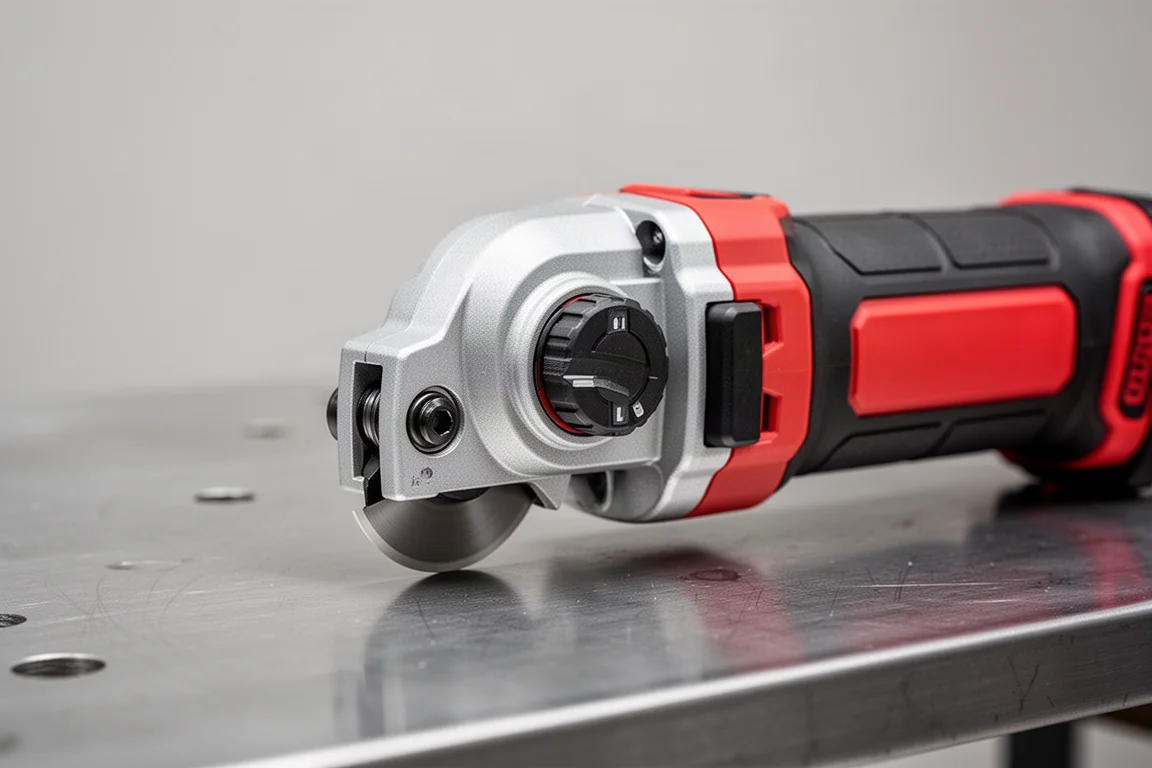
The head can be unlocked and rotated to cut in any direction: forward, sideways, toward you, away from you, or even backwards. Set the angle, tighten it up, and go. This is genuinely useful when you are working around awkward corners like the ribs of corrugated iron.
Speed is variable from 1,400 RPM up to 2,200 RPM, with an auto mode that starts at the low setting and jumps to full speed once it detects you are cutting. There is also a battery gauge, a belt clip, and a slide switch for on and off, so you never have to keep a hand on a trigger, which matters when the tool is held at strange angles.
For a 12V Milwaukee tool, the grip size is unusually good. It is small, light, and comfortable in the hand, with no complaints about the handle area this time.
How It Cuts
Testing covered 1.2 mm stainless, galvanised steel, 2 mm aluminium, and even plastic shower lining. Stainless actually cut better, a touch slower, around speed three to four. Old crusty aluminium cuts too, though the tightest curve you can manage is limited by the width of the head: roughly a 75 to 100 mm diameter circle at the tightest.
Plastic shower lining? Piece of cake.
Things to Consider Before Buying
Two gripes are worth knowing about. First, the auto mode only really works once: it starts slow, speeds up when you start cutting, but does not slow back down when you stop. You have to switch it off and on again to reset, which makes it fairly pointless. Most people will just leave it off.
Second, the locking wing nut for the rotating head is plastic. It is the only part of the tool that feels cheap, and it sits in a vulnerable position where chunks of steel could belt it. It may be plastic deliberately so it does not damage the workpiece if struck, but metal would feel more reassuring.
Also budget for punch and die replacement over time. It is an easy job, but it is a consumable.
Buying Advice
This is a tool that solves a specific problem well. If you regularly cut thin sheet metal, flashings, or roofing iron, it is light, comfortable, and fast, and the offcut catcher alone will save your floors and your feet. It probably will not fully replace tin snips or a metal cutting saw, but it removes most of the misery from curved cuts in sheet steel.
It sits alongside the M12 rivet tool as one of those niche Milwaukee 12V tools nobody else really makes, and the M12 platform as a whole keeps producing handy little tools across trades. If your work involves pulling rivets, the rivet tool remains the more life-changing purchase; if your work involves cutting sheet metal, this is the one to get.
Conclusion
The Milwaukee M12 FNB16 is a genuinely likeable tool: light, comfortable, well-sized for the hand, and capable across mild steel, stainless, aluminium, and even plastic. The plastic wing nut and the one-shot auto mode are minor blemishes on an otherwise excellent package. For anyone cutting thin sheet metal regularly, it is an easy recommendation.
Product link
View more details for Milwaukee M12 FNB16 Nibbler
This product is mentioned in the review. Check the specifications, options, and compatibility before buying.
View more details for Milwaukee M12 FNB16 NibblerFurther reading
Related Reviews
Power Tools
Best 1-Inch Pistol Impact Wrenches: Three Heavy-Duty Options Compared
We compare three 1-inch pistol impact wrenches, from a budget-friendly Harbor Freight model to a premium Caterpillar unit, to help you choose the right one.
Power Tools
Best 3/4-Inch Impact Wrenches 2026: Five Contenders Compared
We compare five 3/4-inch impact wrenches across price and performance, from a budget Amazon option to Snap-on's most powerful model yet.
Power Tools
Best Budget Cordless Tools 2026: Walmart Finds That Punch Above Their Price
We tested five cordless tools from Walmart, including a high-torque impact wrench that trades blows with Milwaukee and a $35 duster that outperforms its price class.