Hand Tools
Milwaukee 1000V Insulated Multi-Bit Screwdriver Sets: Full Look at the Standard and Precision Kits
Two 1000V-rated Milwaukee insulated multi-bit screwdriver sets under the microscope, with slim-profile comparisons against Fluke and Klein alternatives.
Introduction
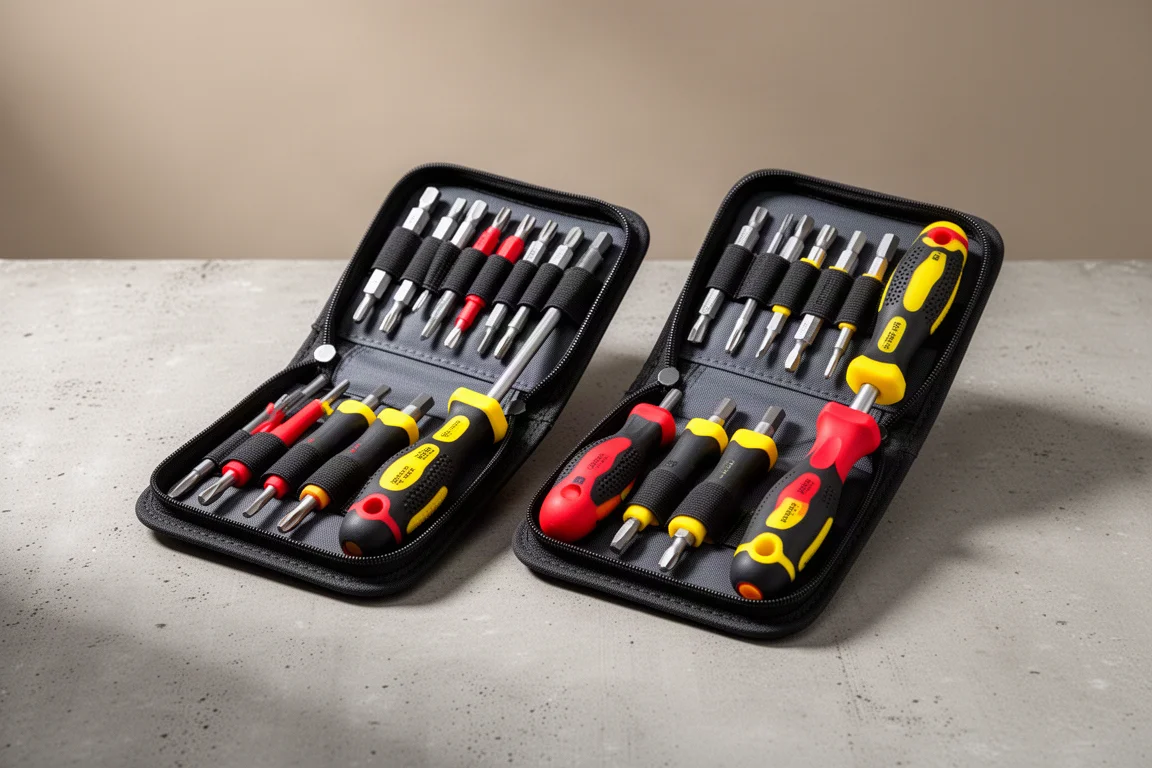
Insulated multi-bit screwdrivers are the kind of tool most electricians carry daily and most people never think twice about, which makes the details matter. Milwaukee has recently put out two 1000V-rated insulated multi-bit screwdriver sets: a standard set and a precision set. Both ship in hook-and-loop wrap cases, both hold eight bits plus a handle, and both are rated for 1000V work.
This article walks through what each set includes, how the bits and handles behave in real use, how the slim profile stacks up against Fluke and Klein options, and what happened when the sets were put in front of a live voltage source.
How These Sets Were Evaluated
The evaluation focused on four practical questions. First, what bits do you actually get, and are they easy to identify? Second, does the bit design work with other drivers you might already own? Third, how does the slim profile near the tip compare with the slim insulated screwdrivers from other brands? Fourth, and most importantly, do they hold up when tested against live voltage well beyond their rating?
What the Milwaukee Insulated Sets Include
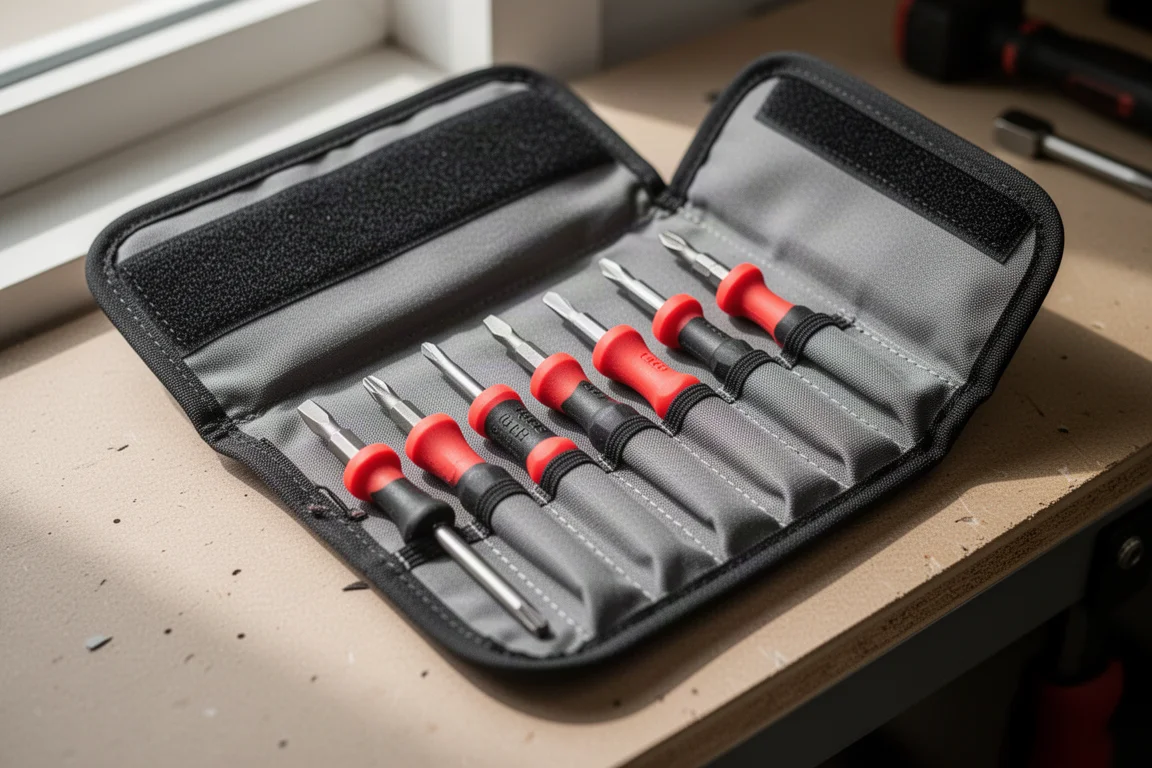
The standard set comes in a fairly substantial wrap-style case with eight bits and a handle. The bit selection covers the common electrical workloads: quarter-inch slotted, 3/16 slotted, ECX1, ECX2, Phillips #1, Phillips #2, square #1, and square #2. The handle is very lightweight with a touch of yellow to signal that it is an insulated multi-bit tool.
One small design annoyance: the hook-and-loop closure sits over the bit size markings, so identifying a bit means sliding it out of the way. The tips are easy to see, so it is not a dealbreaker, just an odd oversight.
The bit shafts themselves are a slightly unusual size at the rear end, measuring roughly 2.56mm. That means they fit securely into the Milwaukee handle, where they snap in nicely, but they will not fit into a traditional quarter-inch bit driver. If you were hoping to use these bits elsewhere, the answer is essentially no, not in anything tested.
The Precision Set: Smaller Bits, Same Design
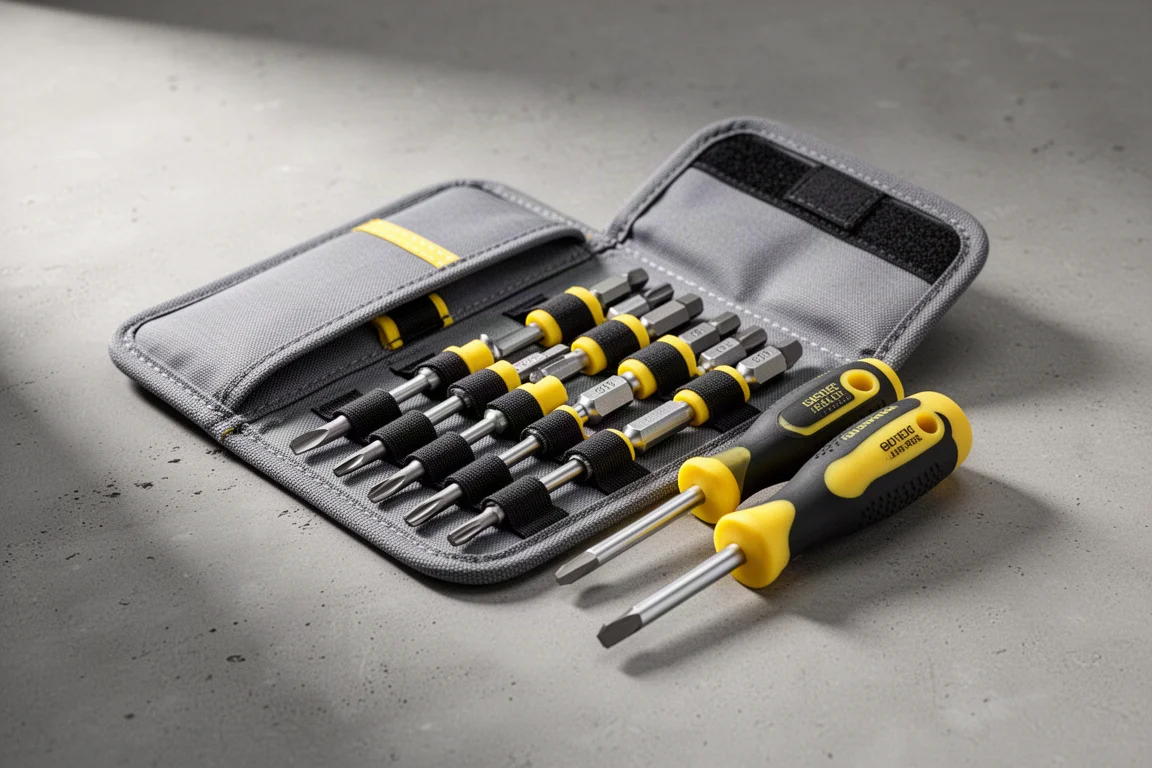
The precision set follows the same formula with a smaller footprint. You get eight bits again, with a more precision-oriented handle. The lineup includes Torx T7, T8, T10, and T15, plus Phillips #0, Phillips #00, and slotted bits at 3/32 and 1/8 inch.
The same marking issue applies here: the bits are covered by the case closure until you slide them out to read them. And just like the standard set, the smaller bit shafts do not fit a normal quarter-inch driver, where they tend to flop around. That is apparently deliberate, so nobody mistakes a standard driver for an insulated tool when the handle itself is not insulated.
For electronics work, panel work, or anything with small fasteners, this set makes more sense than the standard kit. For general electrical installation, the standard set is the better fit.
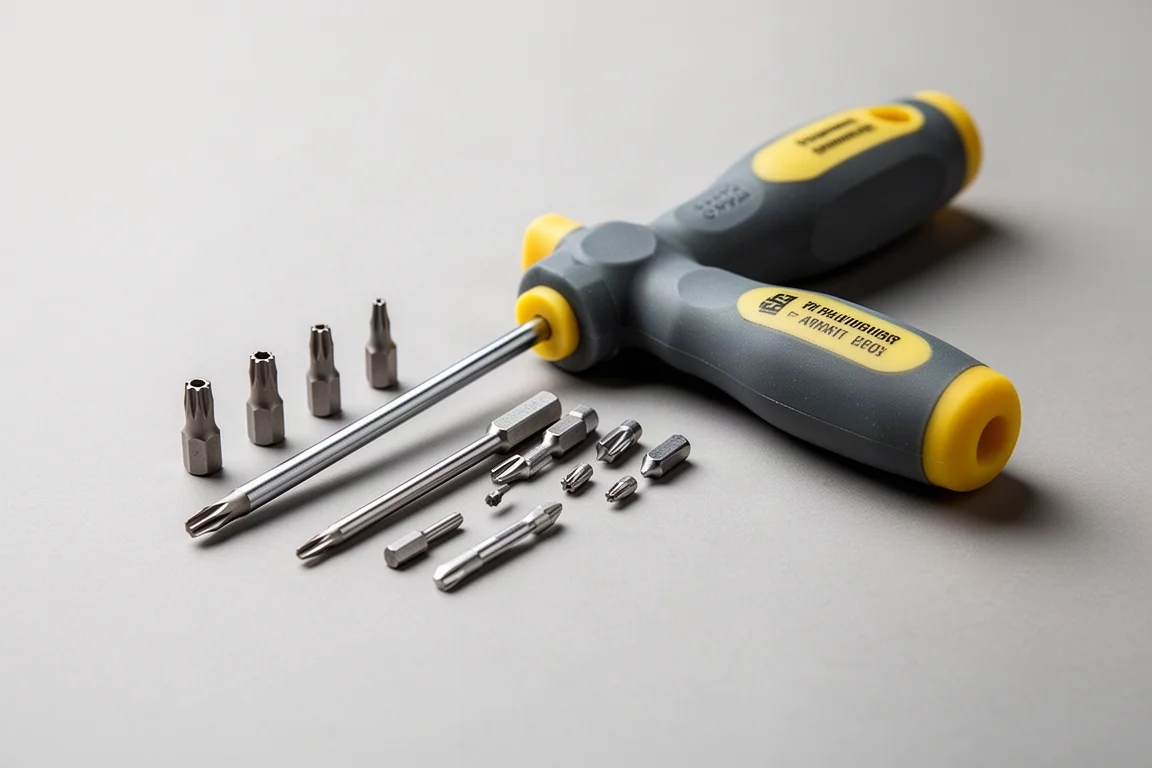
A quick note on cross-compatibility: when tested against a Klein multi-bit stubby, the Milwaukee bit did fit in there with a snug fit and spins. It is not particularly useful in that configuration, but it answers the question for anyone wondering whether the bits work in other handles.
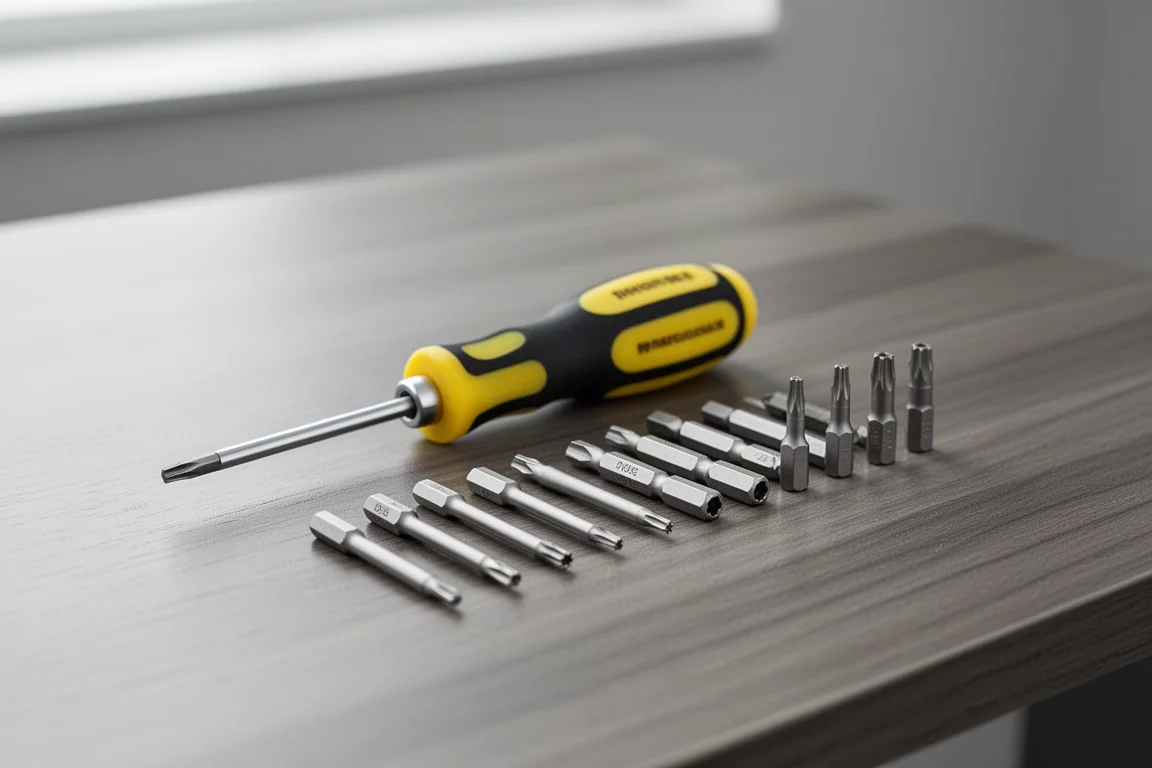
Klein Multi-Bit Stubby Screwdrivers
The Klein stubby multi-bit drivers came up mainly as a compatibility test case, but they are worth a mention on their own. They are compact, familiar, and widely available, though they are not the insulated slim-profile tools being compared here. If you already own them, you know the format: short handle, multi-bit storage, quick access for tight spots.
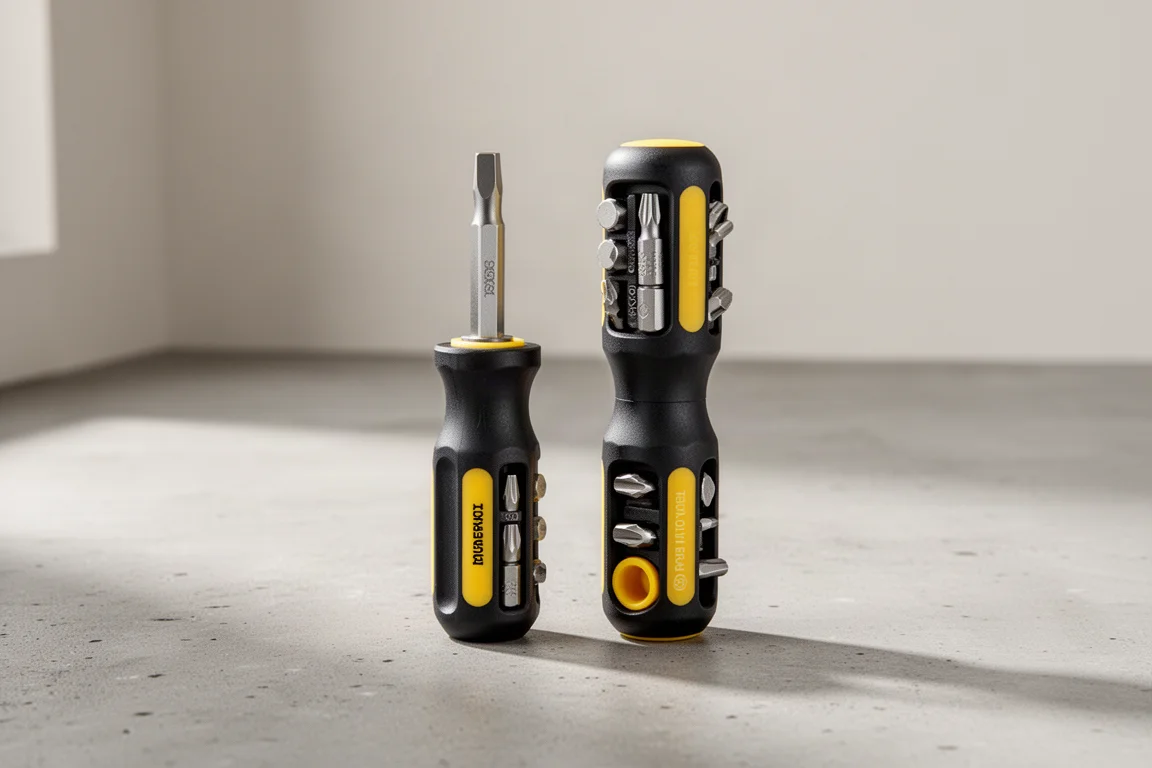
Slim Profile: How They Compare to Fluke and Klein
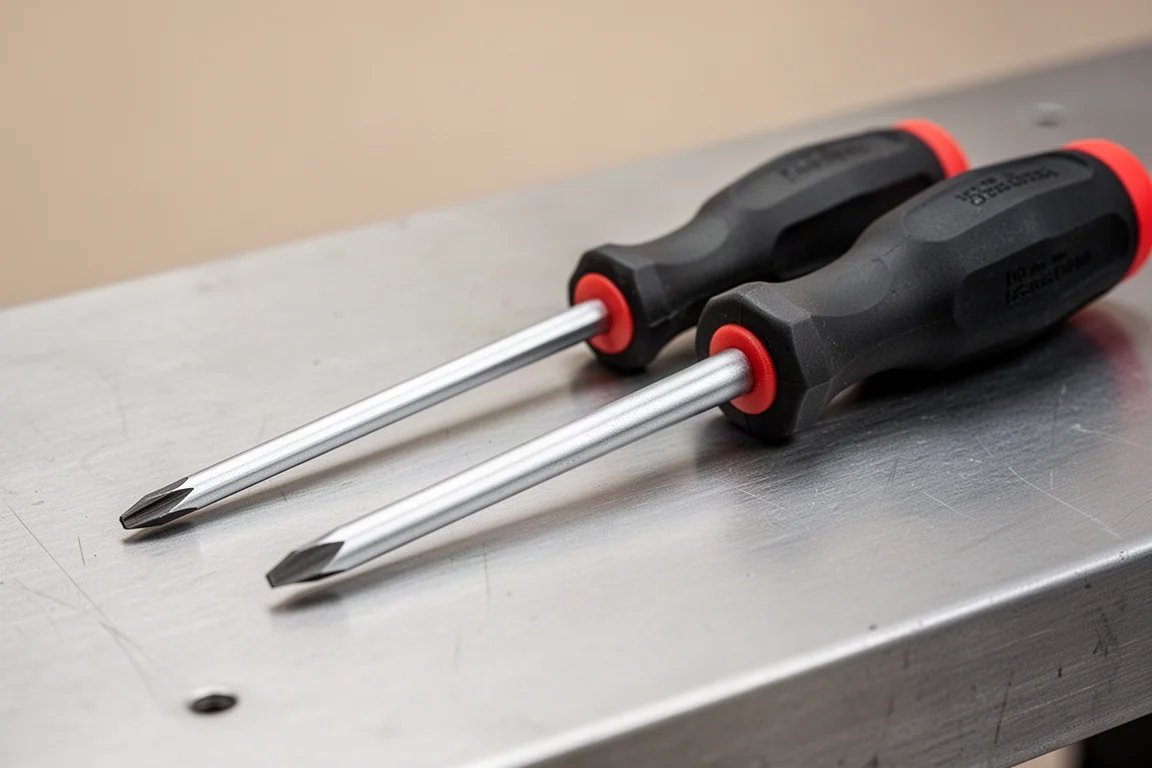
Here is where things get interesting. Many insulated screwdrivers rated at 1000V get quite thick toward the front of the shaft. Milwaukee’s sets, by comparison, stay noticeably slimmer.
Measured with calipers, the Milwaukee slim profile came in at about 6.4mm near the tip, while a standard insulated shaft measured about 7.87mm. That is roughly a millimeter and a half of difference, which matters in deep or tight panels.
Fluke Insulated Screwdriver
The Fluke insulated screwdriver is also a slim design, measuring essentially the same at around 6.4mm. In a head-to-head on slimness, the Fluke arguably gets the nod, since slim is the only format it comes in as far as could be determined. If you want a slim insulated screwdriver and prefer a single dedicated tool, Fluke is a strong pick.
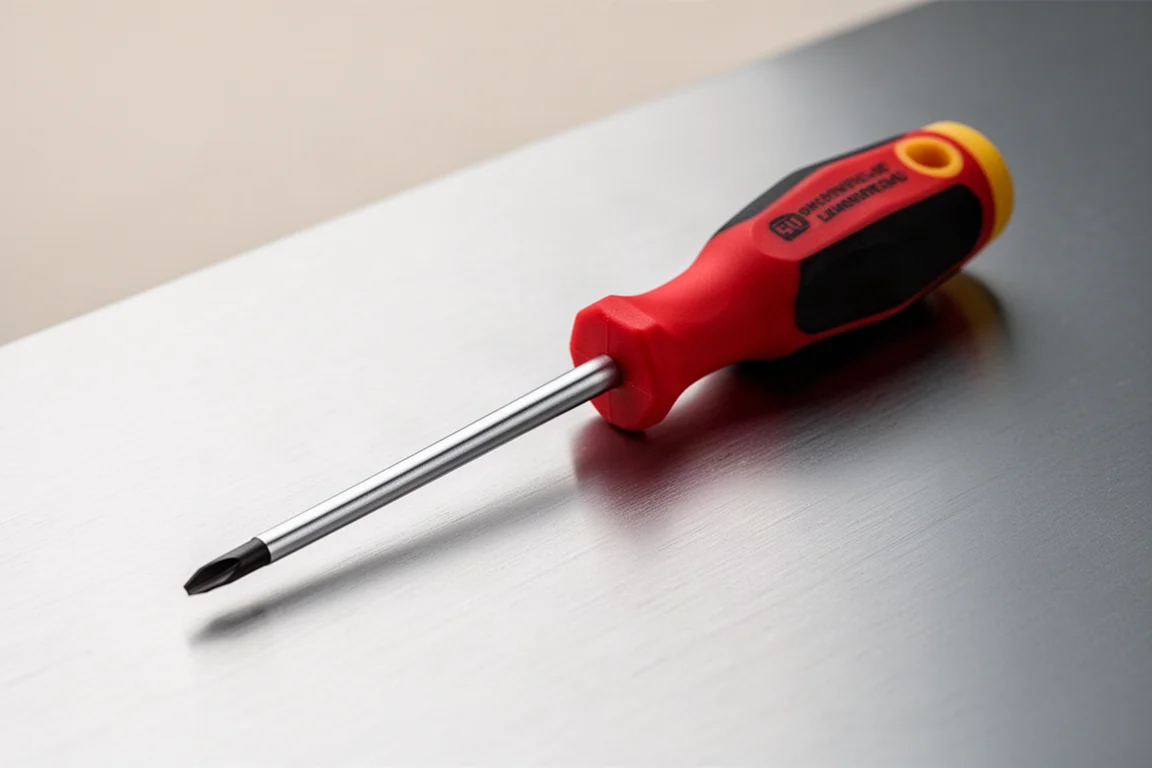
Klein Slimline Insulated Screwdriver Set
Klein’s standard insulated installation drivers remain on the thick side, but the company does offer a slimline insulated set. The catch is price: Klein’s slimline set reportedly costs roughly one and a half to almost twice as much as the Milwaukee sets, and the standard Klein shaft measured a full 8mm. If you want slim insulated performance without the slimline premium, the Milwaukee sets sit in an attractive position.
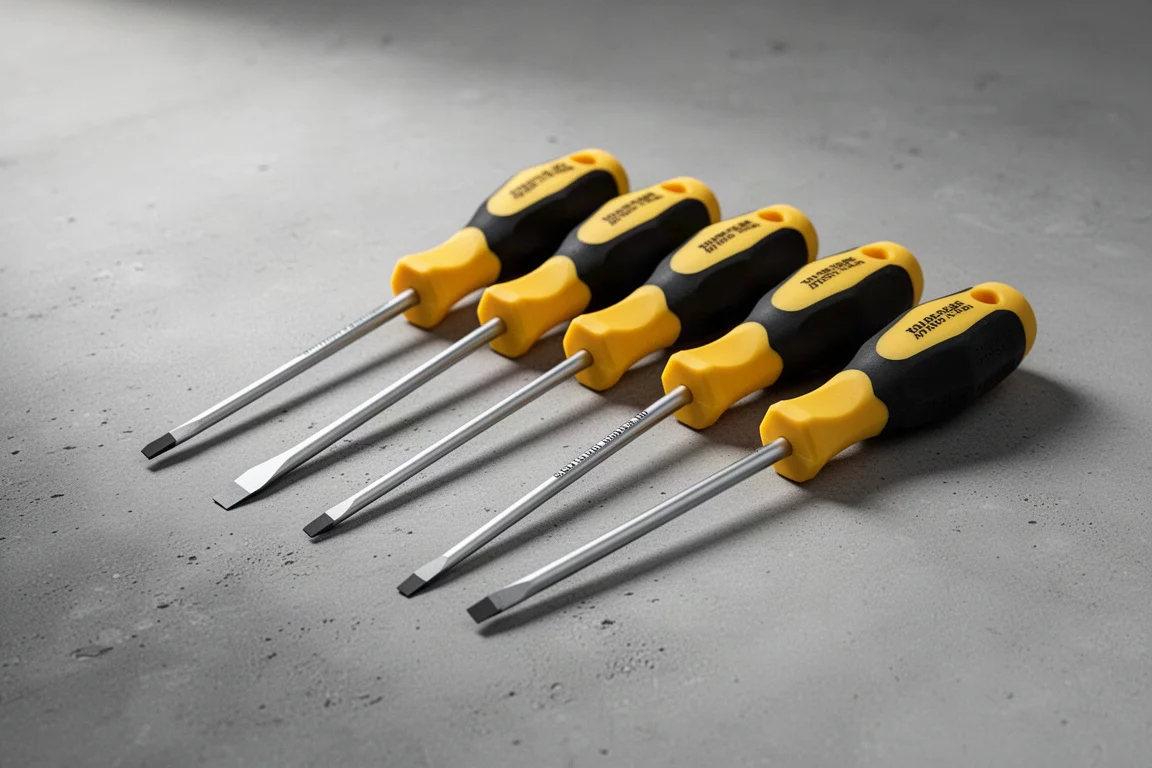
Live Voltage Testing
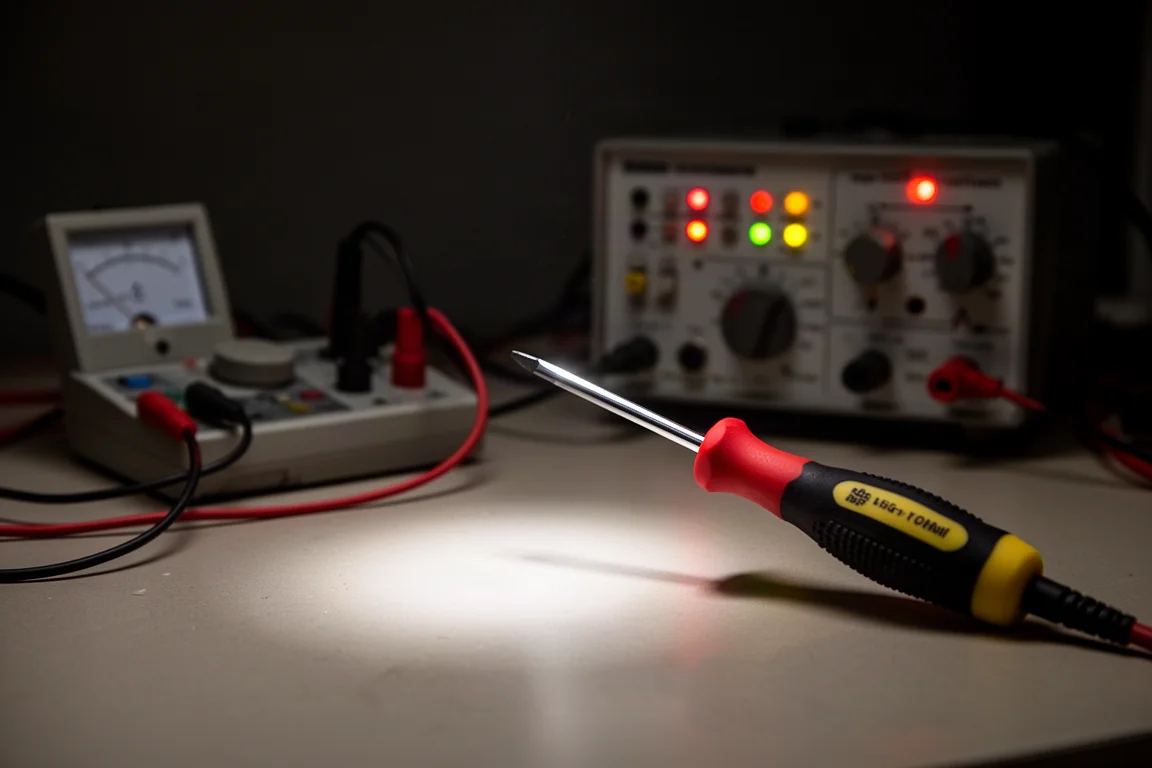
Rating claims are one thing; the bench test is another. The sets were run against a high-voltage source well beyond the 1000V rating, purely on the tool’s own insulation.
At lower settings, holding the handle produced no sensation at all. Popping a bit out and holding bare metal was a different story, with a noticeable buzz felt through the fingers, a useful reminder of what the insulation is actually doing. At higher settings, a faint buzz could be felt inside the handle, and the tester could even make a small arc jump a visible gap through the insulation at voltages far above spec. Given the test was run at a much higher voltage with very little current behind it, that is not a failure of the tool, but it is a good argument for using these sets within their 1000V rating and inspecting the handle as part of normal practice.
Buying Advice
The picture that emerges is straightforward. The Milwaukee standard set makes sense for electricians and installers who want one insulated multi-bit tool covering slotted, ECX, Phillips, and square fasteners. The precision set makes sense for anyone doing panel or electronics work where small Torx and Phillips bits dominate.
If your priority is a slimmest-possible shaft and you are happy buying a dedicated slim insulated screwdriver, the Fluke is excellent. If you are loyal to Klein and want their slimline performance, expect to pay roughly one and a half to two times more. For most people shopping an insulated multi-bit set today, the Milwaukee kits deliver the slim profile at a more approachable position in the market.
Conclusion
Milwaukee’s 1000V insulated multi-bit screwdriver sets are lightweight, well-organized in their wrap cases, and genuinely slim where it counts. The covered bit markings and proprietary bit shaft that refuses to fit standard quarter-inch drivers are minor gripes rather than dealbreakers. With the Fluke and Klein slimline alternatives costing more for similar or less coverage, the Milwaukee sets are an easy recommendation for anyone building out an insulated toolkit.
Further reading
Related Reviews
Hand Tools
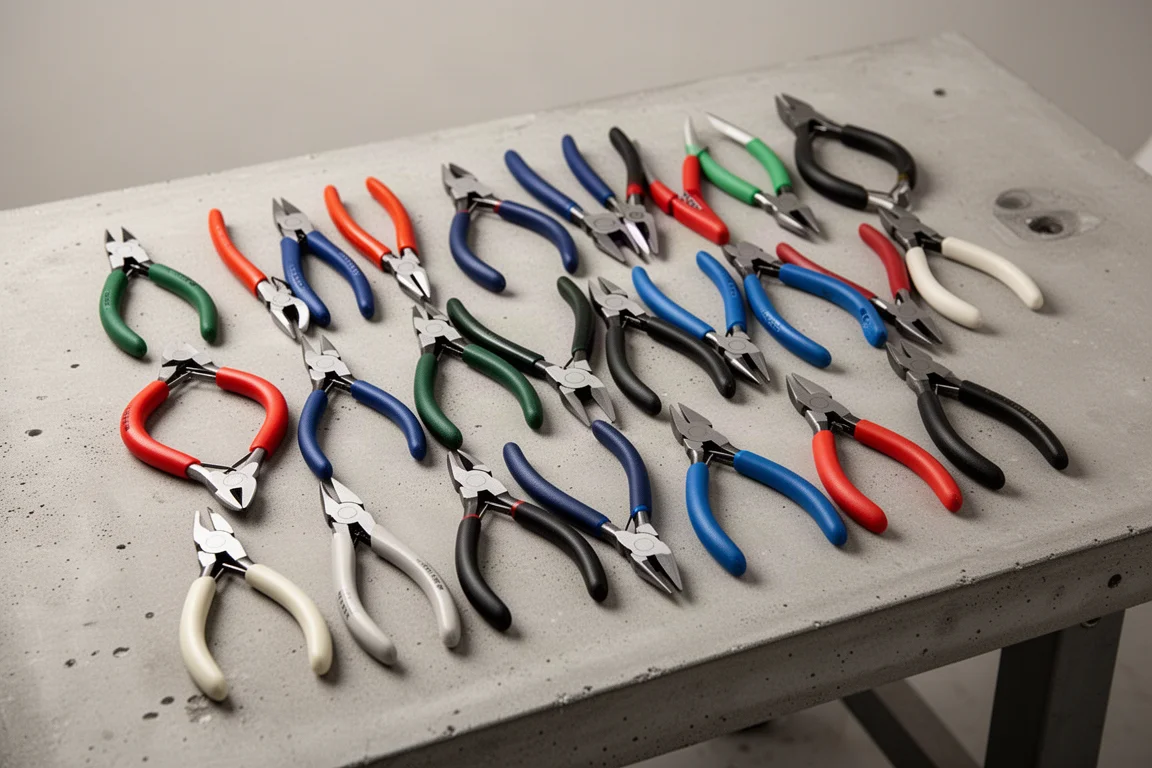
Best Diagonal Cutters 2026: 16 Pliers Tested for Cutting Power and Durability
We put 16 diagonal cutters through nail, screw, drill bit, and hex key tests to find the best value picks for your toolbox.
Hand Tools
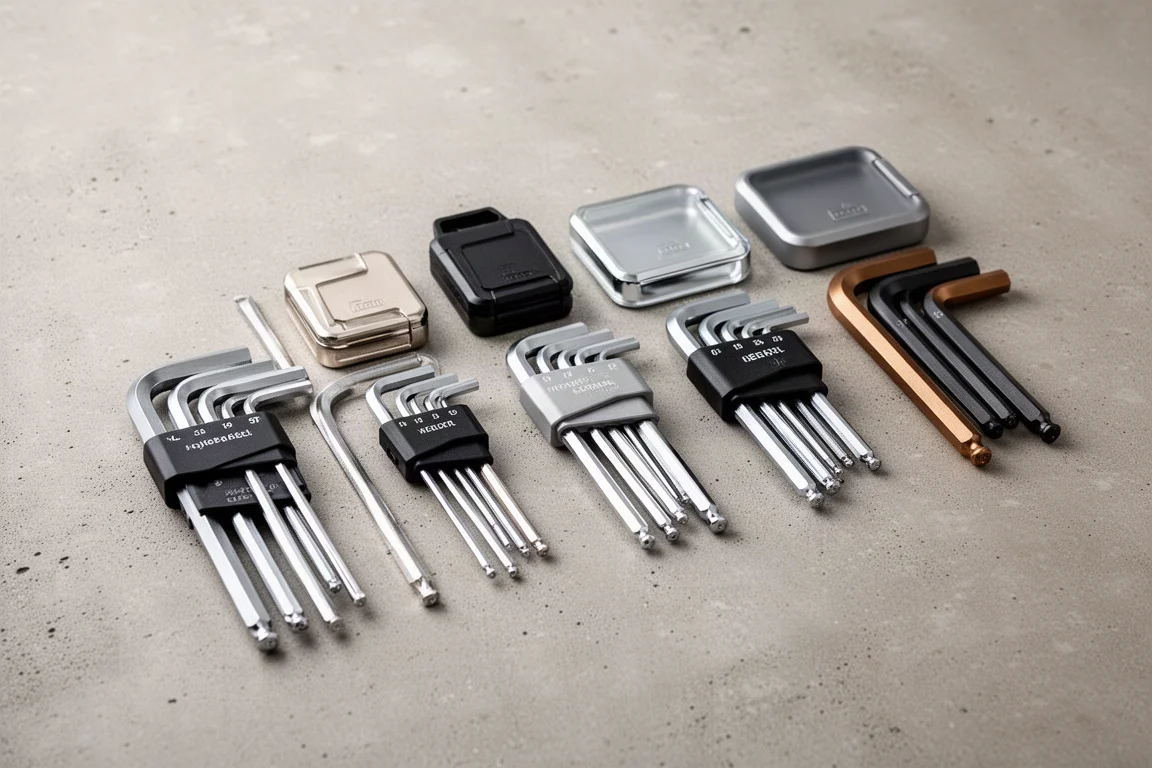
Best Hex L Key Sets 2026: Nine Sets Tested for Real-World Torque
Nine hex L key sets from budget to premium, tested for torque, fit, and durability. See which sets deliver real performance and which ones to skip.
Hand Tools
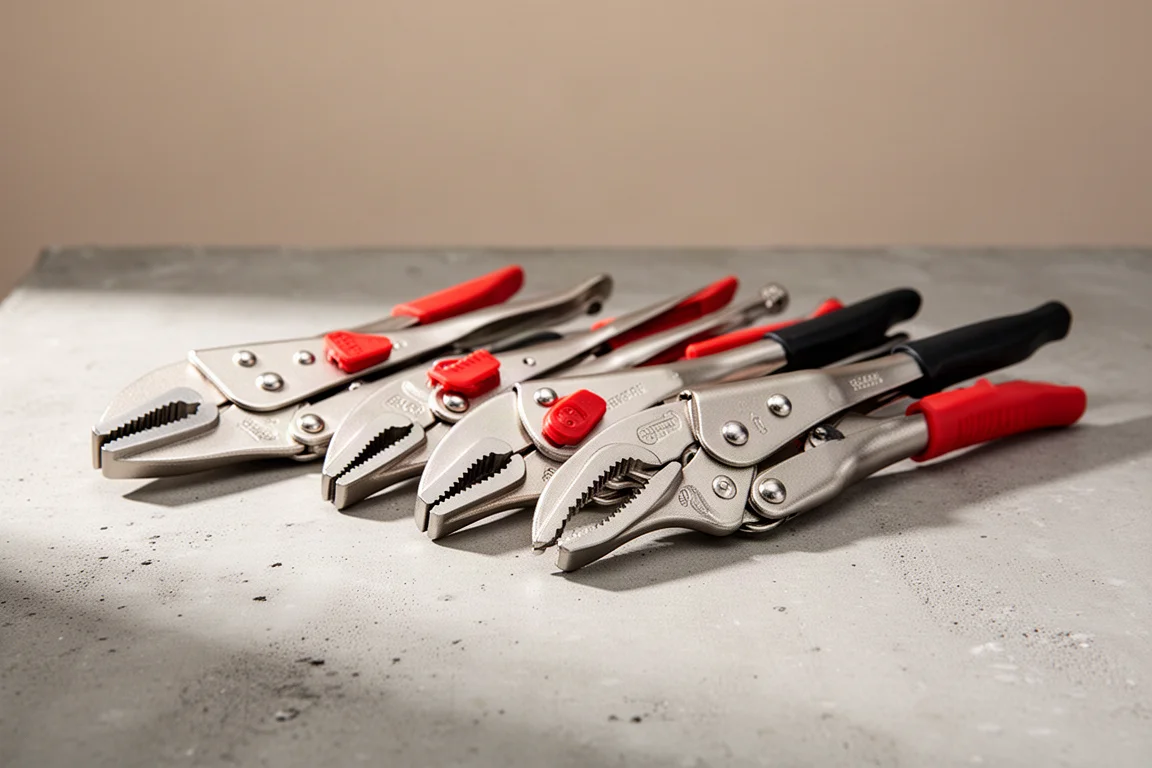
Best Locking Pliers 2026: Top Picks Tested for Grip and Durability
We tested 18 brands of 10-inch locking pliers for grip strength, jaw bite, build quality, and ease of release to find the best options for tough jobs.