Power Tools
Milwaukee Impact Driver Comparison: New M12 Fuel 3453 vs M18 Gen 4 2953 vs Gen 3 2853
Three Milwaukee impact drivers put through real torque testing, with honest notes on power, size, price, and one reliability concern worth knowing about.
Introduction
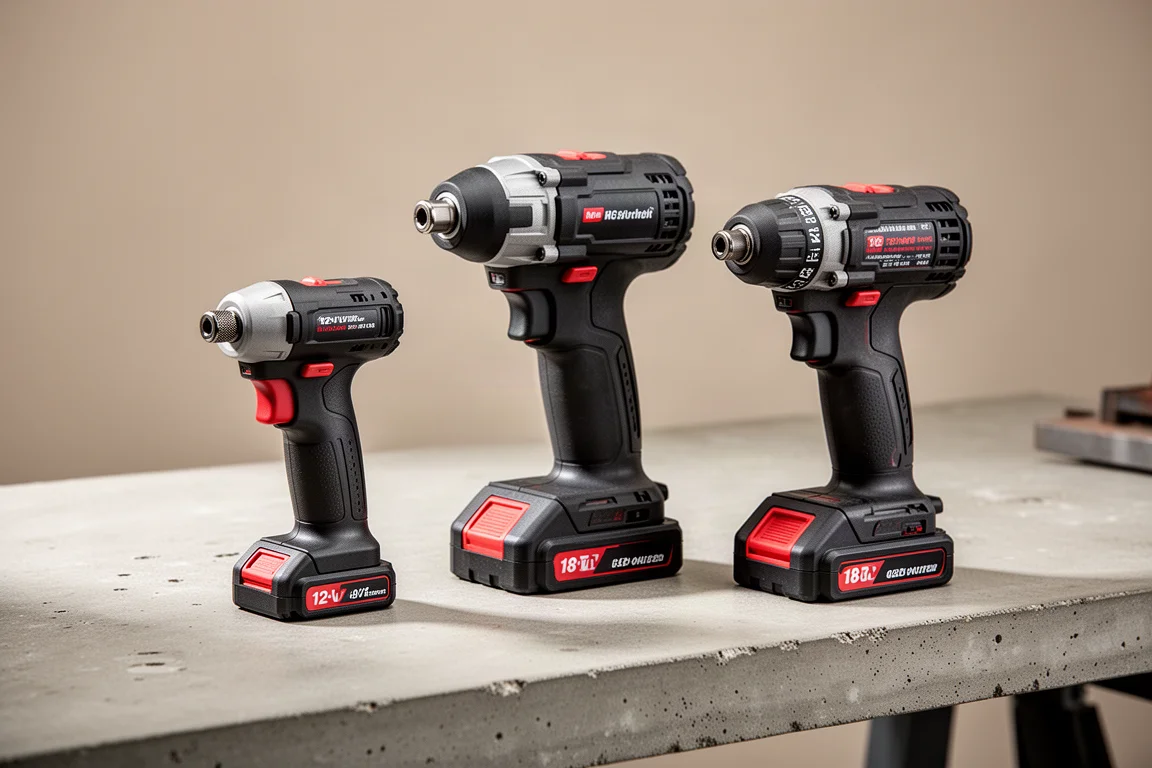
Milwaukee has launched a new generation of impact drivers, and three models are now competing for the same shelf space: the new M12 Fuel 3453, the new M18 Gen 4 2953, and the older M18 Gen 3 2853 that remains on sale alongside them. We tested all three through repeated torque runs to see where the real differences lie, and the results were more complicated than the spec sheets suggest.
Evaluation Criteria
Testing focused on five-second and ten-second forward working torque runs, a ten-second reverse maximum torque test, physical size and weight, and value based on power relative to price. Each test was run multiple times, with median results used for comparison, because impact drivers can vary noticeably from run to run.
Milwaukee M12 Fuel 3453: Small Size, Real Questions
The M12 Fuel 3453 advertises 1,500 inch-pounds, or 125 foot-pounds, which is what longer M18 tools advertised a couple of generations ago. It weighs just 1.6 pounds, and that low weight is the main draw here. The trade-off is a slightly longer body than the M18, but a narrower one.
In our five-second forward test, it produced 83 foot-pounds in its highest mode, well under its advertised figure and roughly half the output of the older M18 rather than the claimed three quarters. The ten-second test made 92 foot-pounds, so the gain was small. In reverse, it made a tiny bit more power than the M18, though not enough to change the overall picture. It scored 76 percent against its own claims in our ranking.
If you drive deck screws and small lags all day, the compact size and weight are still compelling. Just do not expect the spec sheet to translate directly into output.
Milwaukee M18 Gen 4 2953: Faster on Paper, Close in Practice
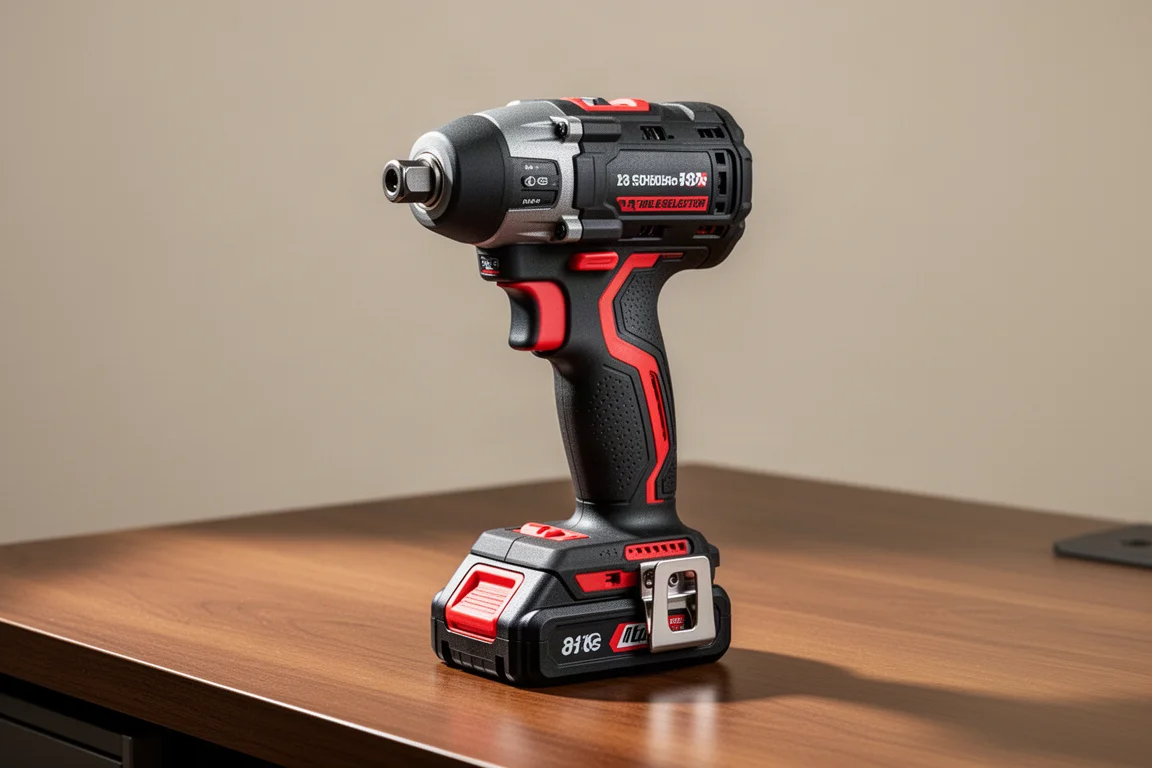
The new 2953 claims 2,000 inch-pounds (167 foot-pounds), 3,900 rpm, and 4,400 impacts per minute. It replaces the popular 2853 workhorse, which makes the same torque figures but runs at a lower 3,600 rpm and 4,300 ipm. The new tool is 0.1 inches shorter.
In the five-second test, the Gen 4 made 162 foot-pounds, just under the Gen 3’s 167, with a typical spread of about five foot-pounds across runs. The ten-second test is where it pulled ahead: 194 foot-pounds, topping the older model, with an unusual torque curve. The higher rpm and impacts-per-minute figures appear to change how the power is delivered, so the two tools likely trade off on what fasteners they can drive fastest rather than one simply winning.
The higher impacts-per-minute rating did have a downside in testing, as it seemed hard on bits and adapters. Still, for raw driving speed on typical fasteners, the Gen 4 has a genuine edge.
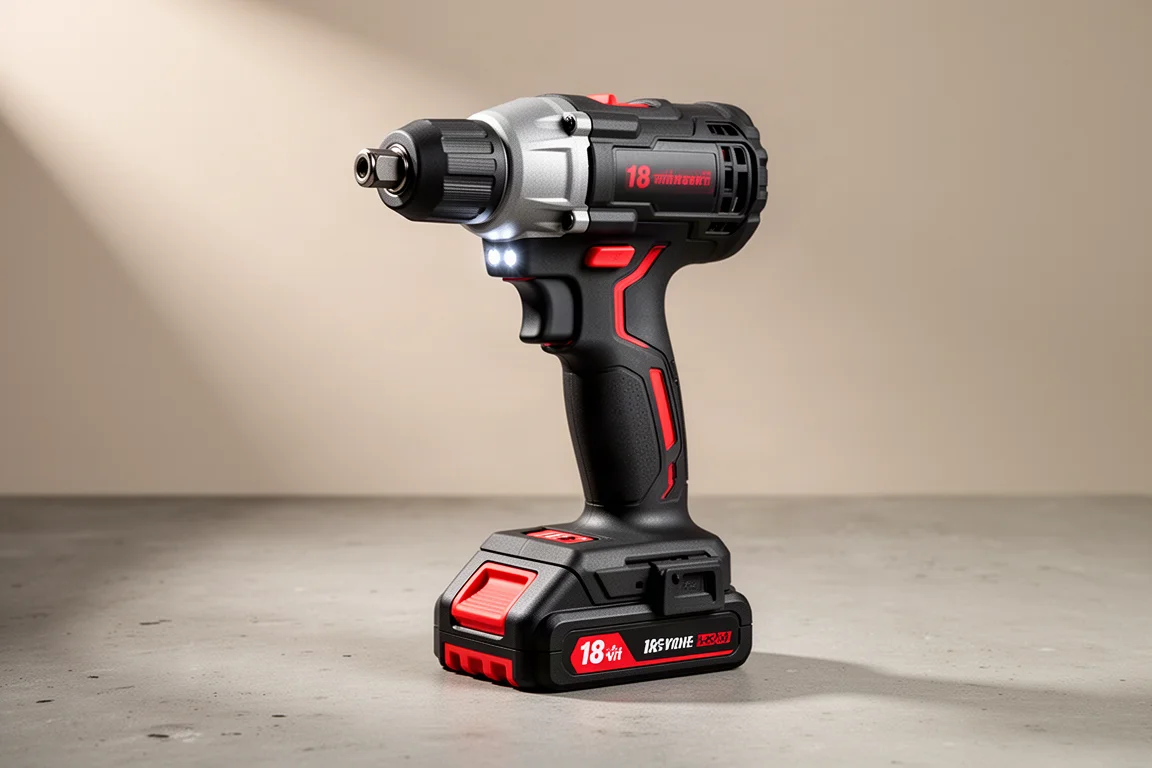
Milwaukee M18 Gen 3 2853: The Proven Workhorse
The 2853 remains the benchmark. It made 167 foot-pounds in the five-second test, matching its 2,000 inch-pound claim exactly, and 194 foot-pounds territory was reachable for the Gen 4 only by edging past it. In our scoring, the new Gen 4 landed just under one point below the Gen 3 overall, and beyond being 0.1 inches shorter, there was little in particular that stood out as better.
Currently, the Gen 3 is on sale for $129 with a CP 3.0 battery, a combination we consider close to ideal for this class of tool. It has also proven durable in our own use, having been taken apart and reassembled and still running, even if it occasionally sounds a bit rough and no longer always hits its original test numbers.
For most buyers, the older model is still the safer, cheaper, and better-proven choice.
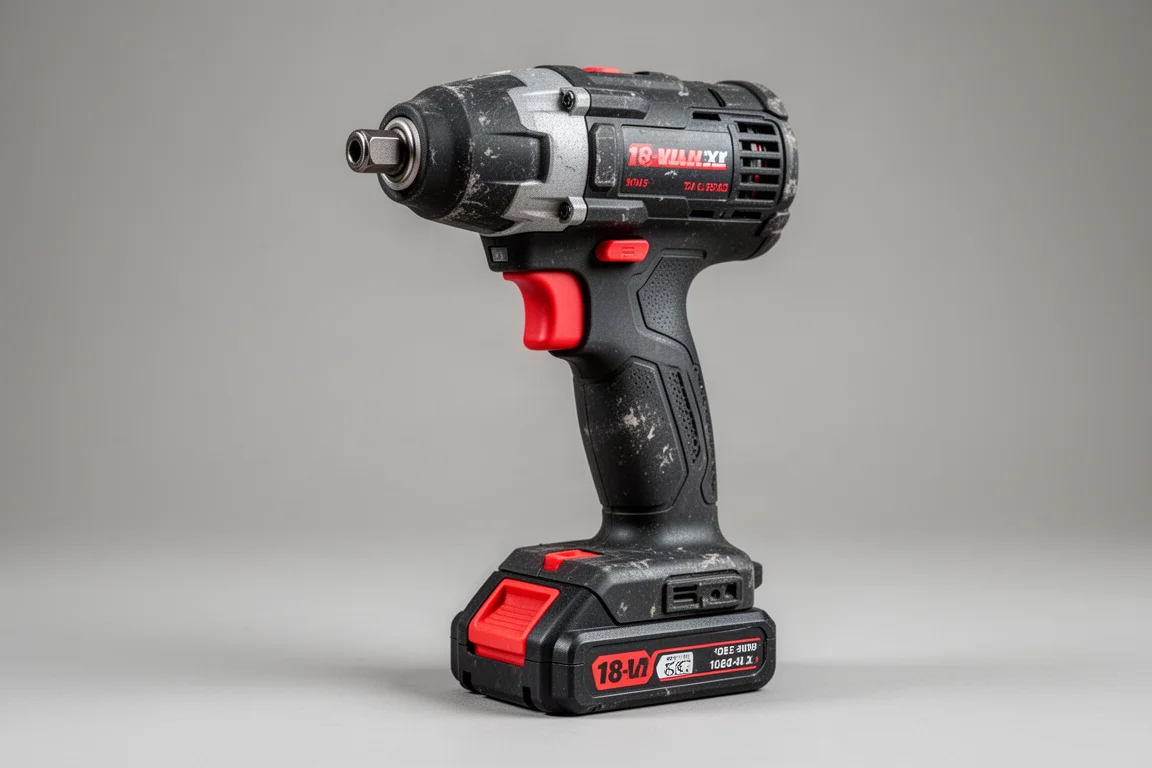
Lighting: A Clear Step Up Across the New Models
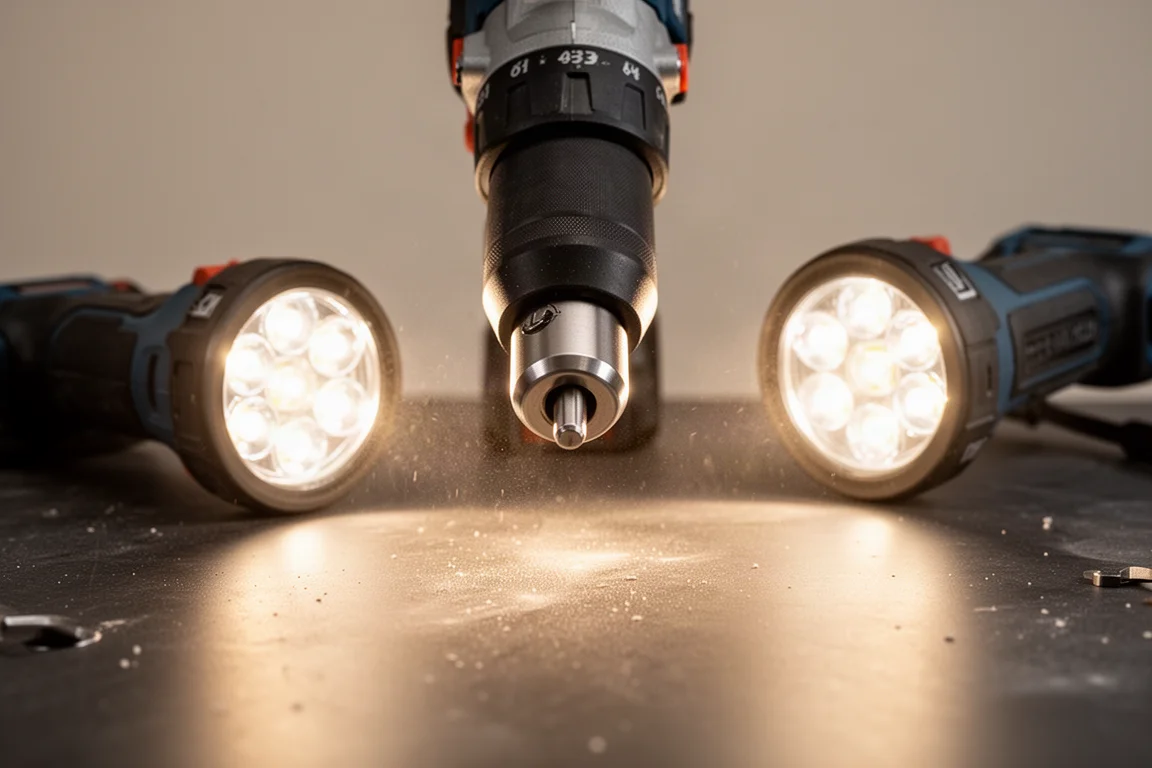
Both new models carry a three-light setup around the chuck that is a considerable improvement. Each individual light is brighter than the Gen 3’s, and the overall tone is warmer, something Milwaukee’s Trueview lighting has gotten consistently good at. If you frequently work in dim corners or inside cabinets, this is a meaningful daily-use improvement on both new tools.
How the Numbers Compared
Summed across tests, the Gen 3 and Gen 4 essentially make power tit for tat: 32, 37, and 39 versus 17, 19, and 18 across the key runs. The Gen 4’s shorter body gave it 43.2 foot-pounds per inch of length, bettered only by the DeWalt DCF-850 in our comparisons, while the M12 scored just 19, near the bottom of that particular metric.
On claims accuracy, the Gen 4 hit a perfect 100 against its advertised numbers, genuinely underrated, while the M12 managed only 76 percent. At $149 and $139 respectively, neither new tool is cheap, and their value scores as a function of power and price were 10.4 and 5.5 points, leaving the M12 near the bottom of the overall ranking at 154.5 versus 261.6 for the Gen 4. The M12’s ranking is partly unfair, as most ranked tools are 18-volt, but we still expected more from the stated specs.
The Reliability Concern You Should Know About
One Gen 4 2953 stopped working during testing. During the reverse test, an adapter twisted inside the hex collet rather than shearing, then the tool began flashing its lights dimly, the trigger stopped responding, and eventually the lights failed entirely across multiple batteries. We disassembled the tool and found no obvious cause.
The warranty process added frustration: the tool was deemed too new for service, the retailer had no stock for exchange, and only a refund was offered. To be fair, we test far harder than typical use, and deck screws and small lags are unlikely to stress the tool this way. Another tester who drove similarly large fasteners with the same model reported no issues. Still, if you rely on a tool daily, it is worth knowing this happened and checking how service is handled in your area.
Buying Advice
If you want the best-proven all-rounder, the Gen 3 2853 at its current sale price with the CP 3.0 battery is the easy recommendation. If you want the newest technology, better lighting, and a slightly shorter body, and you accept some early-generation risk, the Gen 4 is a solid performer that matches or edges the old model depending on the fastener. The M12 3453 is best for users who prioritize weight and compactness above all; just temper expectations relative to its advertised torque, since our testing showed roughly half the real output of the 18-volt tools rather than three quarters.
Conclusion
Milwaukee’s new generation brings brighter lights, a shorter 18-volt body, and genuinely competitive power, but the old Gen 3 remains the value and reliability pick at its current price. The M12 is a niche buy for those who love the compact form factor. As always with early testing, it is worth checking multiple sources before deciding, and we would revisit the Gen 4 once it has proven itself over more time and more tools in the wild.
Further reading
Related Reviews
Power Tools
Best 1-Inch Pistol Impact Wrenches: Three Heavy-Duty Options Compared
We compare three 1-inch pistol impact wrenches, from a budget-friendly Harbor Freight model to a premium Caterpillar unit, to help you choose the right one.
Power Tools
Best 3/4-Inch Impact Wrenches 2026: Five Contenders Compared
We compare five 3/4-inch impact wrenches across price and performance, from a budget Amazon option to Snap-on's most powerful model yet.
Power Tools
Best Budget Cordless Tools 2026: Walmart Finds That Punch Above Their Price
We tested five cordless tools from Walmart, including a high-torque impact wrench that trades blows with Milwaukee and a $35 duster that outperforms its price class.