Workwear
Milwaukee Heated Jacket Review: Smarter Battery Placement Changes Everything
A closer look at Milwaukee's updated heated jacket, from the new moveable battery pocket to the reworked interior lining, plus honest notes on sizing, noise, and runtime.
Introduction
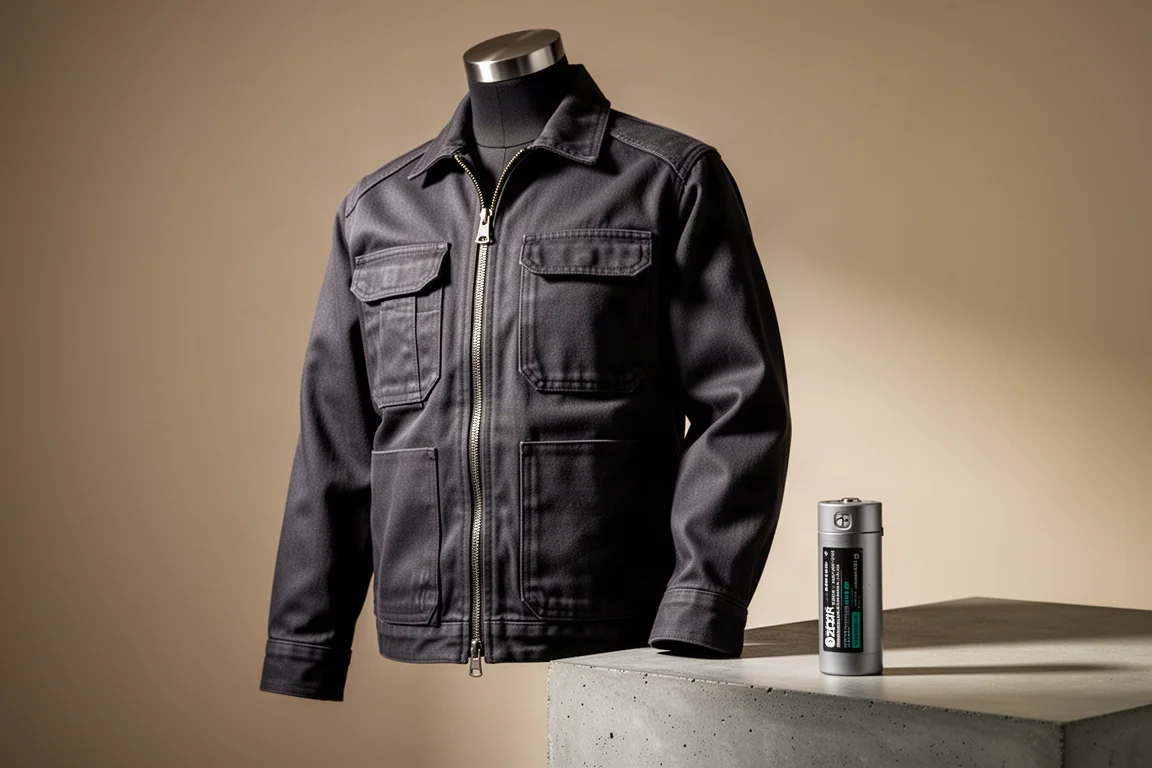
Milwaukee’s heated jacket has been a fixture on cold job sites for years, and the newest version makes changes where it actually matters: where the battery sits and how the inside of the jacket feels against your body. The battery placement is now adjustable, moving from a fixed rear position to a choice of spots including the front pocket, which solves one of the most common complaints about heated jackets in general. Add a quieter, smoother interior lining and the same proven heating layout, and this remains one of the most practical ways to stay warm while working outdoors.
Who This Product Is For
This jacket is aimed at anyone who spends long stretches outside in cool weather: tradespeople, landscapers, farm and property workers, and anyone shoveling, hauling, or standing around a site all morning. It also suits people who found older heated jackets uncomfortable because the battery dug into their back every time they sat in a car, a chair with arms, or a tractor seat. With the new placement options, you can move the battery forward out of the way or tuck it toward the back when you would rather not feel it up front.
Sizing has shifted too. The reviewer’s sample in extra large fits a 6’3” wearer comfortably, where previous generations often required sizing down twice just to get decent arm length. If you normally wear an extra large, that is most likely your size here, though the fit does leave a fair bit of room up front.
Main Strengths
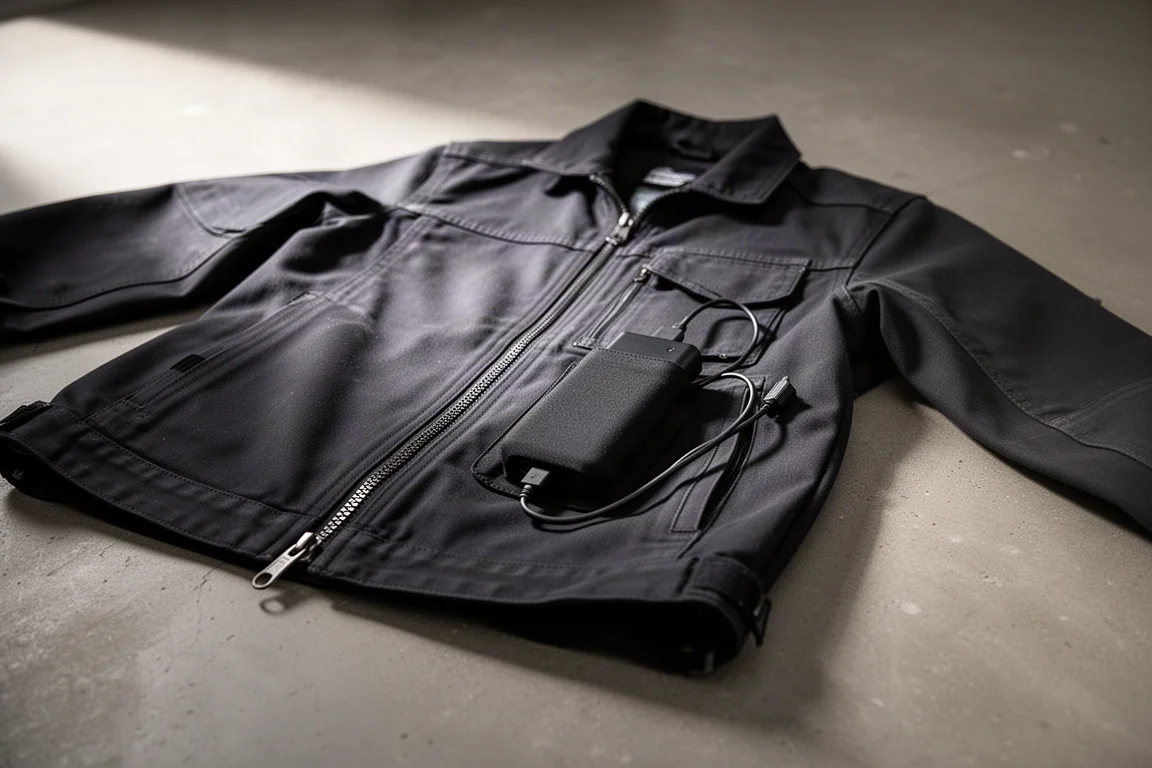
The headline change is the dual zipper system on the side. One zipper runs vertically, and the battery can sit toward the back or pass through up into the front pocket. Out of the box, the connecting cord for the battery holder sits in the front pocket, and you can choose to leave it there or slide the battery back. This flexibility is arguably the single biggest comfort improvement: people who hate a battery pressing into their spine can move it forward, and people who dislike a heavy battery bouncing at the front can move it back.
The interior has been reworked as well. The lining in the body is now a slippery, comfortable material that lets you move freely without the fabric sticking to your base layers, with the cotton-like panel limited to the back where the heating element sits. That back panel presses closer to your shirt and holds heat well, while the front heating pad sits behind a pocket layer. This likely explains why some owners feel more heat on the back than the front: the heat has not changed, but the way the new material sits against your clothing has.
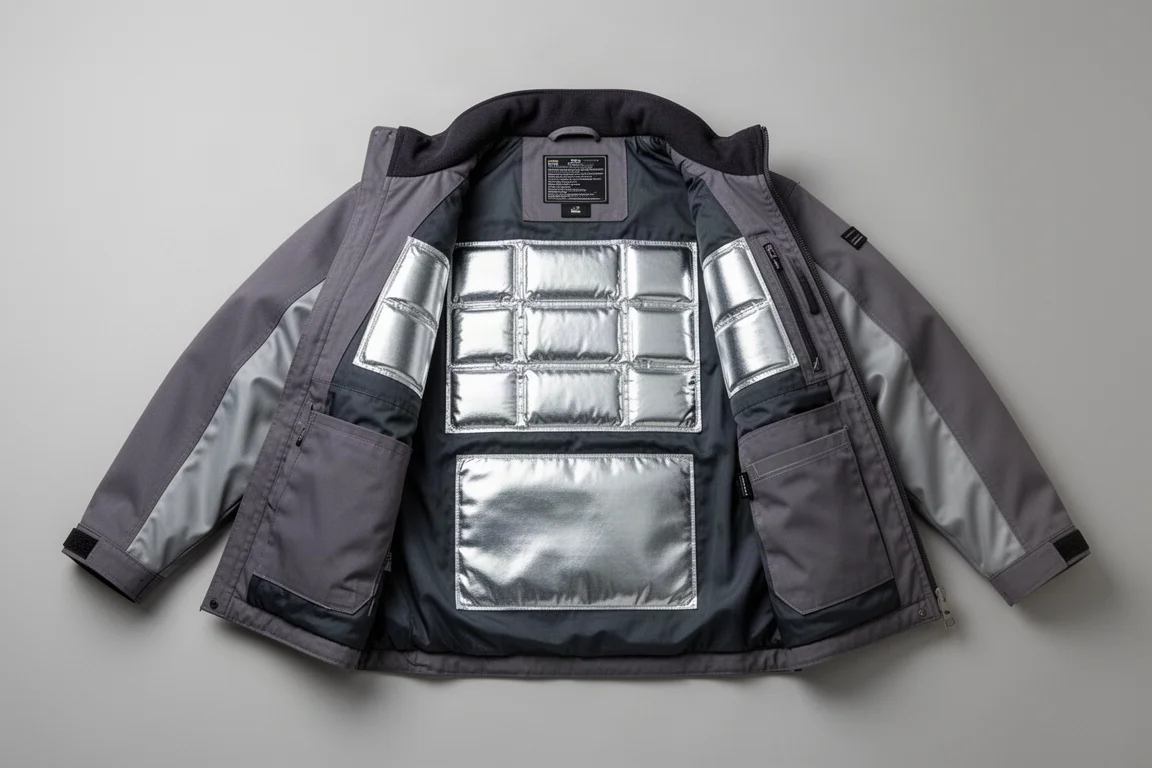
Heating coverage is generous. There is a large carbon fiber heating pad across the back, one on the upper chest, and switchable heated pockets on each side, each independently controlled. The pockets in particular are excellent: hands warm up quickly, and switching the pocket heat off when you do not need it makes a real difference to battery life.
Runtime depends heavily on how you use it. Milwaukee claims up to 12 hours with a 3.0 Ah battery on low, though real-world figures range from roughly 2.5 hours up to that 12-hour ceiling depending on settings and outside temperature, and colder conditions can push the low end even shorter.
Things to Consider Before Buying
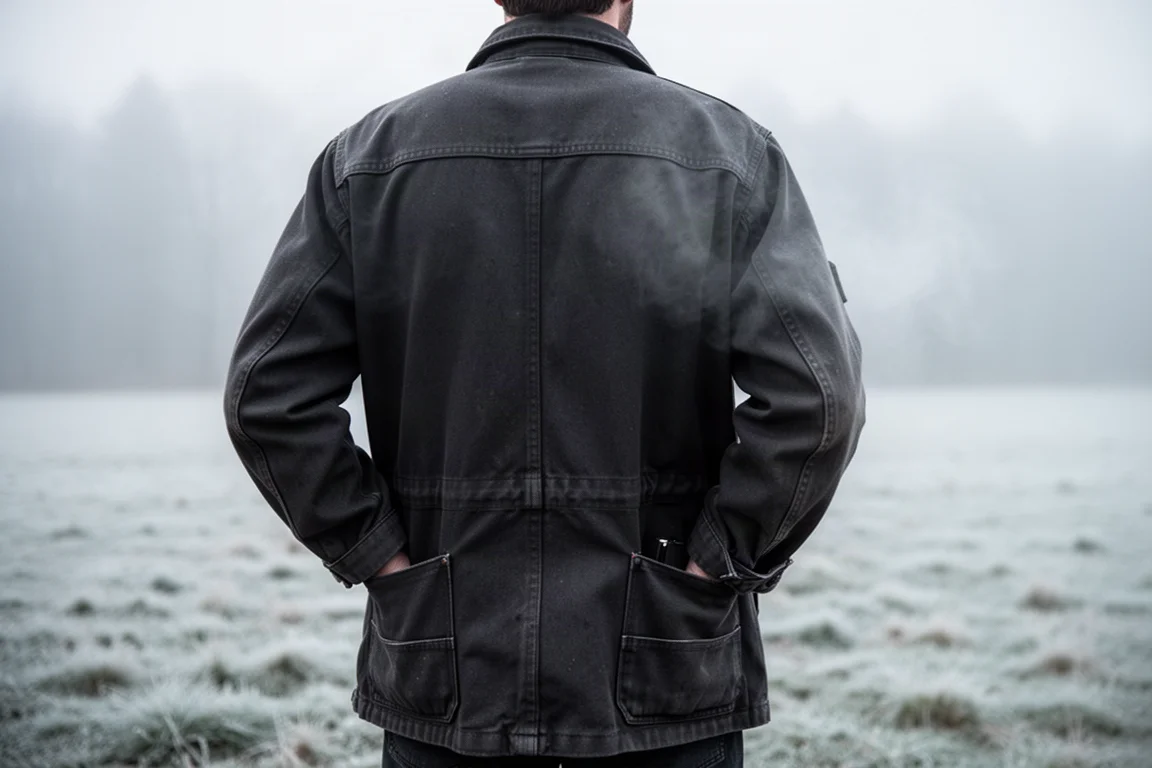
Two things are worth knowing before you order. First, the outer shell is loud. The fabric rustles noticeably, enough that coworkers commented on it during ordinary yard work, and a wash cycle with towels followed by a solo trip through the dryer did not quiet it down. It is no louder than prior generations, and it should hold up well to abrasion, but it is too noisy for hunting. Second, the cinch pulls on the inside, which do a good job sealing out wind, tend to catch on handles as you walk past them, and there is no elastic at the cuffs, so anything you tighten you will need to loosen again when you take the jacket off.
If you need quiet gear, Milwaukee’s own lineup offers alternatives: the AXIS style jacket is a much softer, quieter piece designed to layer underneath something else, and the heated vest is arguably the most versatile option of all, with wonderfully quiet material that fits under nearly any outer layer and works for both hunting and general work.
Buying Advice
Wear this jacket as close to your body as possible. A hoodie sandwiched between you and the jacket puts insulation between your skin and the heating elements, so you will end up running it hotter than necessary and draining the battery faster. A t-shirt or long-sleeve t-shirt underneath, with heavier layers over the top, is how the jacket is designed to work best. Start on the lowest setting and work your way up only if you need to.
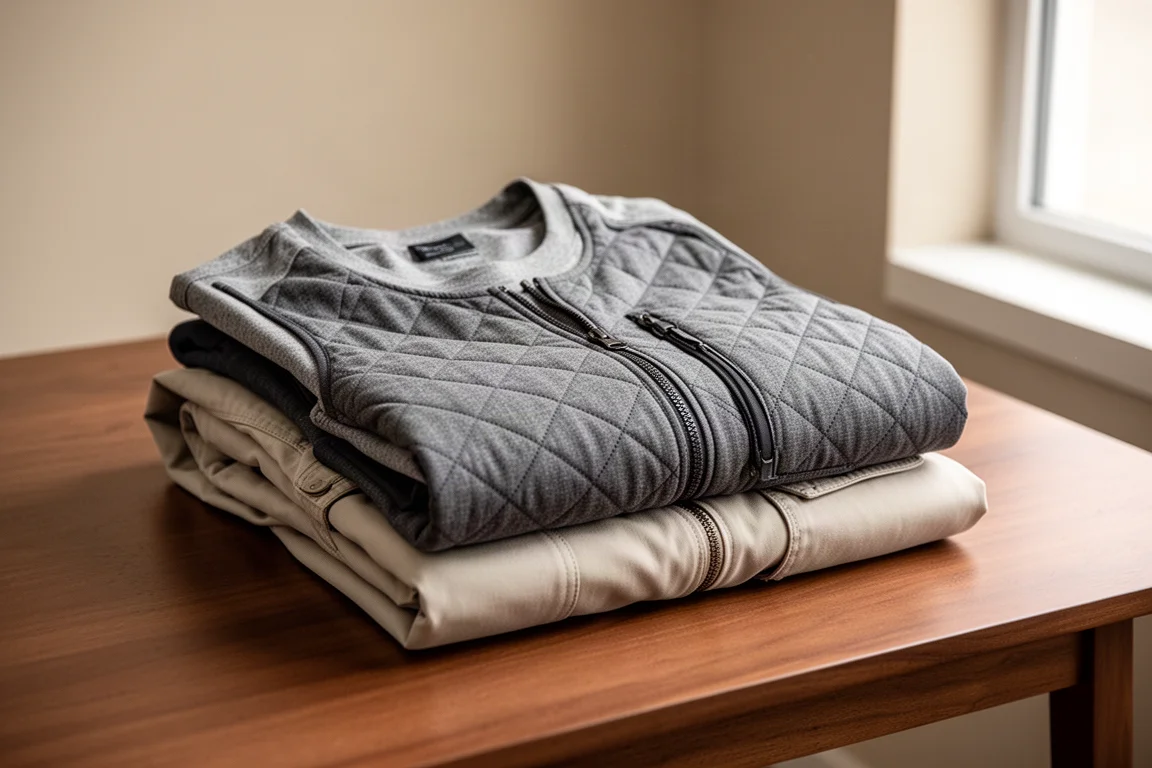
Also keep expectations realistic in deep cold. This is not really designed for 20-degree days on its own; you will want to layer up, and if you do, layer over the heat rather than between the jacket and your body.
Conclusion
Milwaukee’s updated heated jacket refines a formula that already worked. The moveable battery is a genuinely meaningful comfort upgrade, the new interior lining feels better and moves better, and the heating layout with switchable heated pockets remains one of the best in the category. The loud shell keeps it off the hunting shortlist, but for general outdoor work in cool weather, it is an easy recommendation.
Product link
View more details for Milwaukee Heated Jacket
This product is mentioned in the review. Check the specifications, options, and compatibility before buying.
View more details for Milwaukee Heated JacketFurther reading
Related Reviews
Workwear
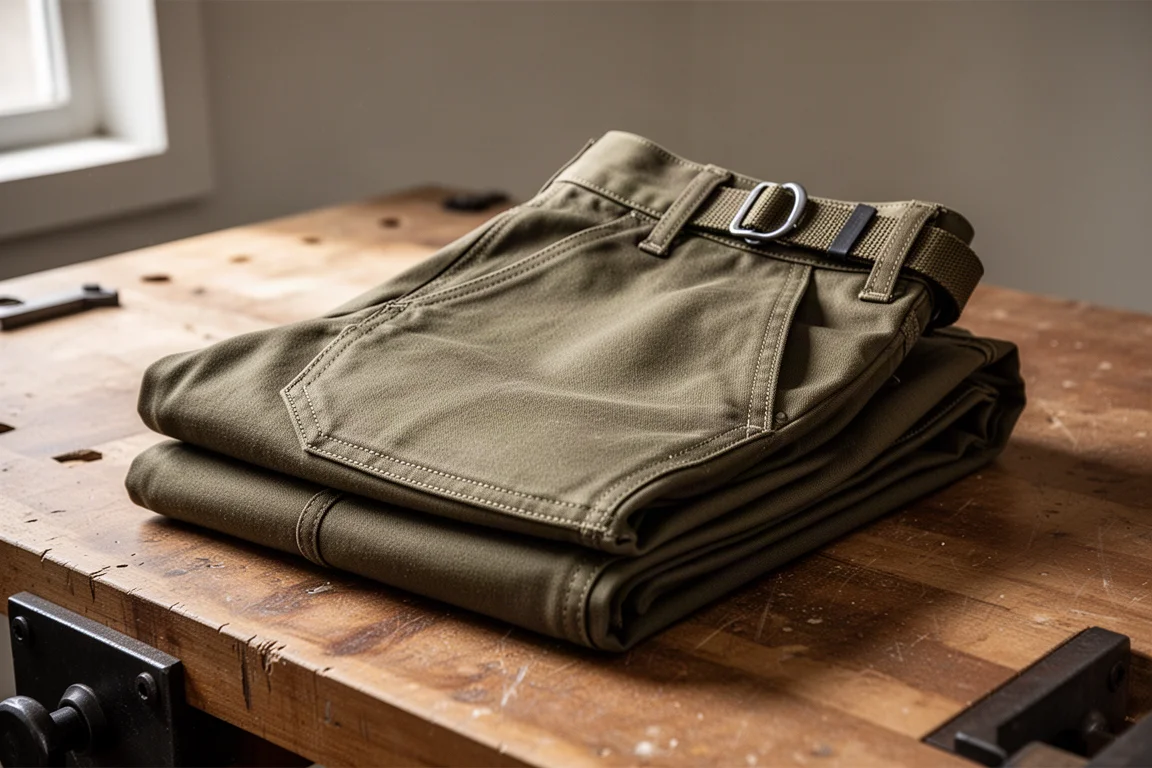
1620 Workwear Foundation Series Work Pants: Built Like Armor, Priced Like It Too
Heavy-duty waterproof work pants made in the USA with a tailored fit, thick Cordura-blend fabric, and a few trade-offs worth knowing before you spend around $140.
Workwear
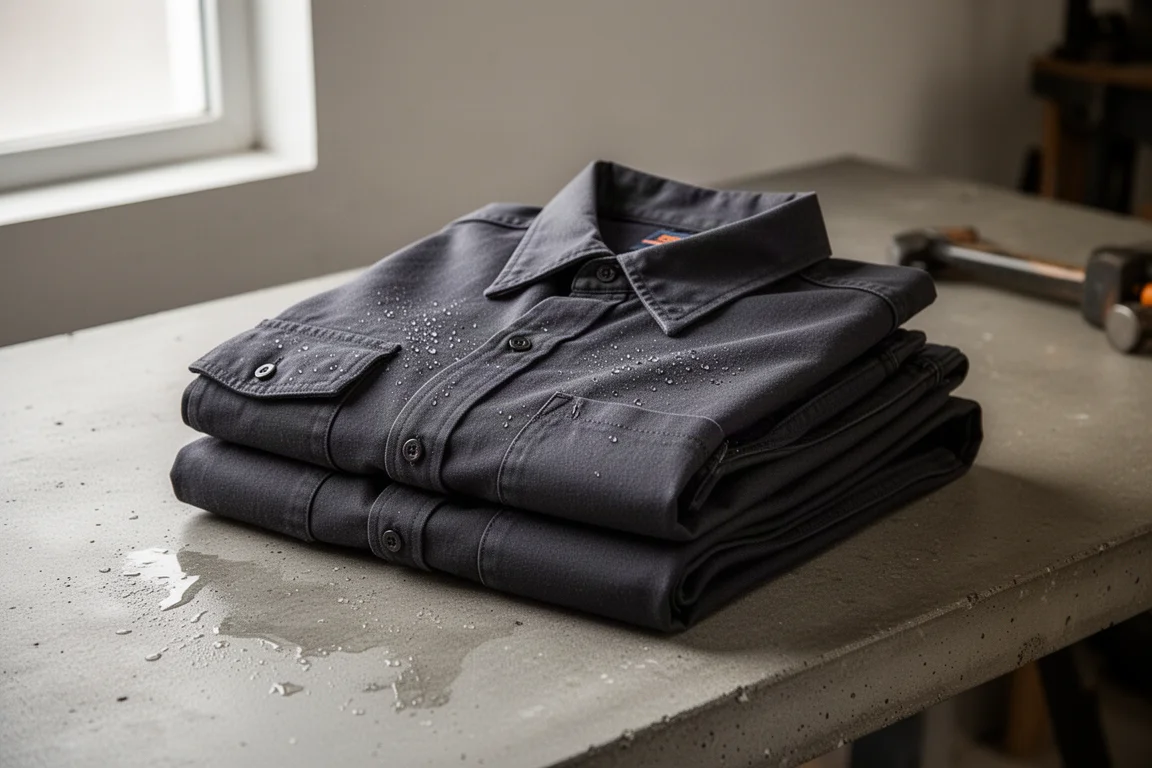
Bamal FR Flame Resistant Shirts and Pants: Fire, Tear, and Water Resistance in One Kit
A hands-on look at Bamal FR's treated cotton workwear, which combines flame resistance with water and tear resistance, plus sizing notes worth knowing before you buy.
Workwear
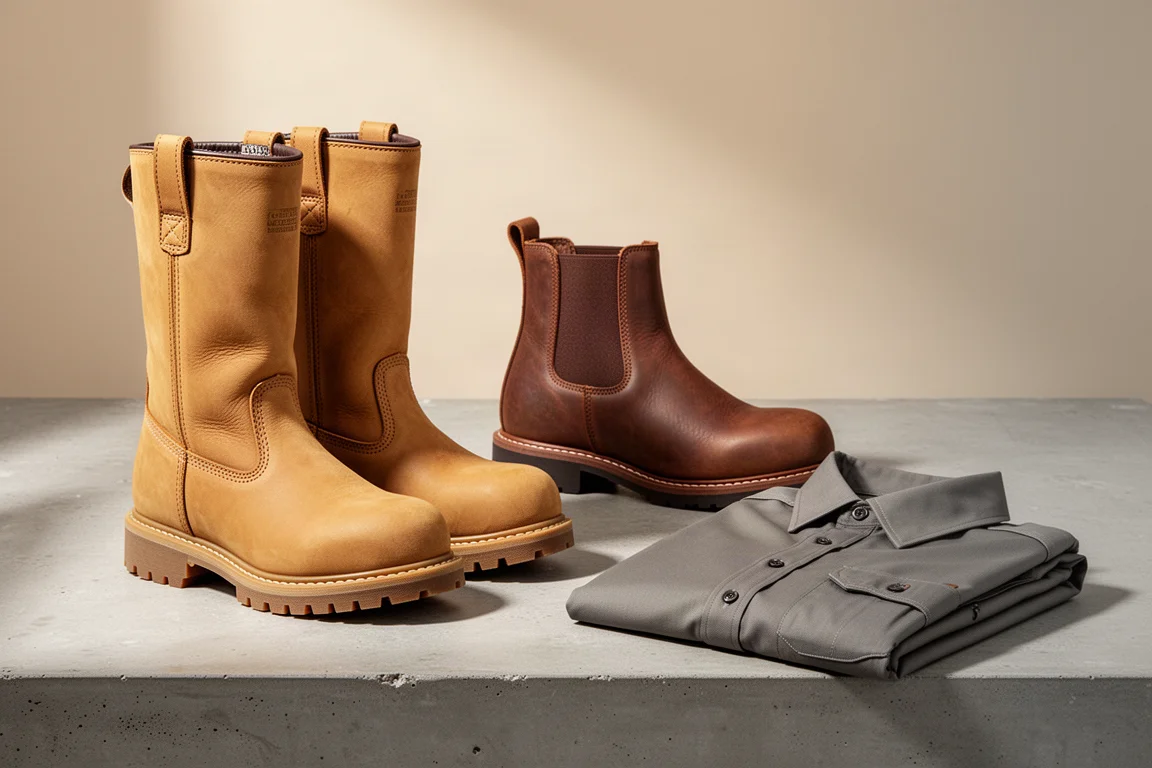
Brunt Workwear Picks: Three Pieces Worth Considering in 2026
The Marin, the Omen, and McKenna workwear: three Brunt products that hold up to hard use, plus what to know before buying.