Power Tools
Milwaukee Forge Batteries Put to the Test: 8.0 and 12.0 vs High Output
Head-to-head testing shows Milwaukee's new Forge 8.0 and 12.0 batteries consistently outpace their High Output counterparts in impact wrench and circular saw work.
Introduction
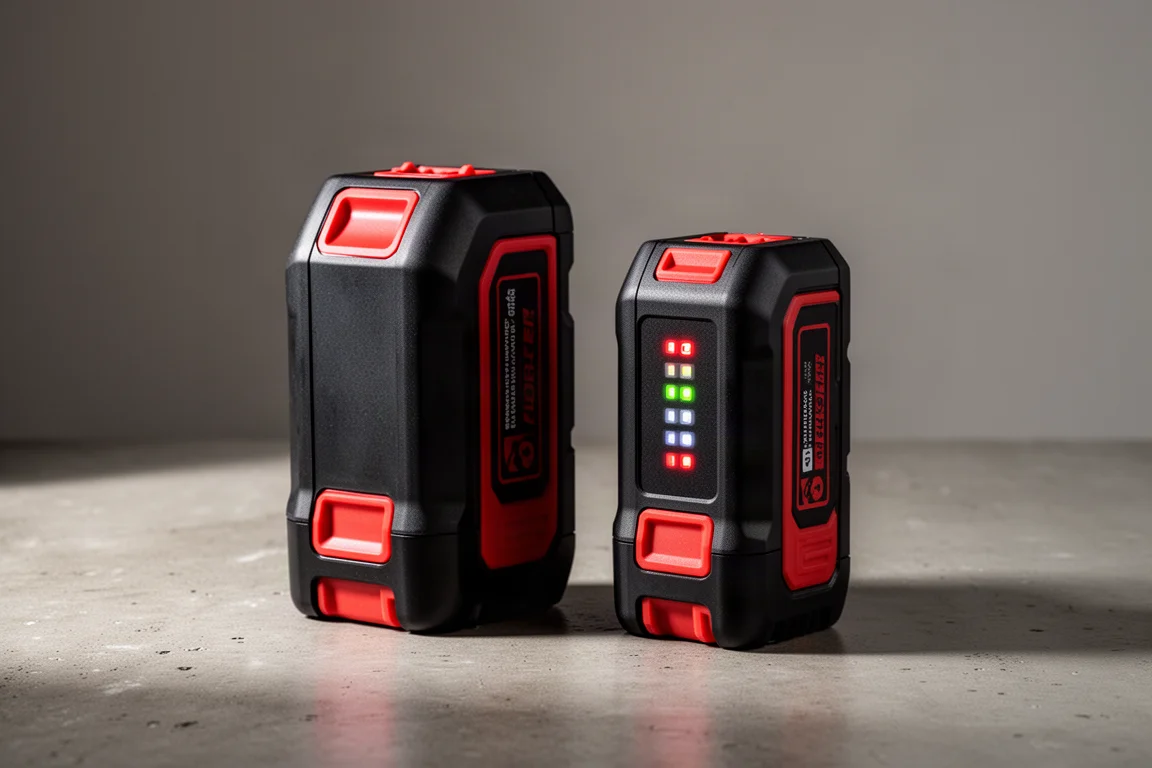
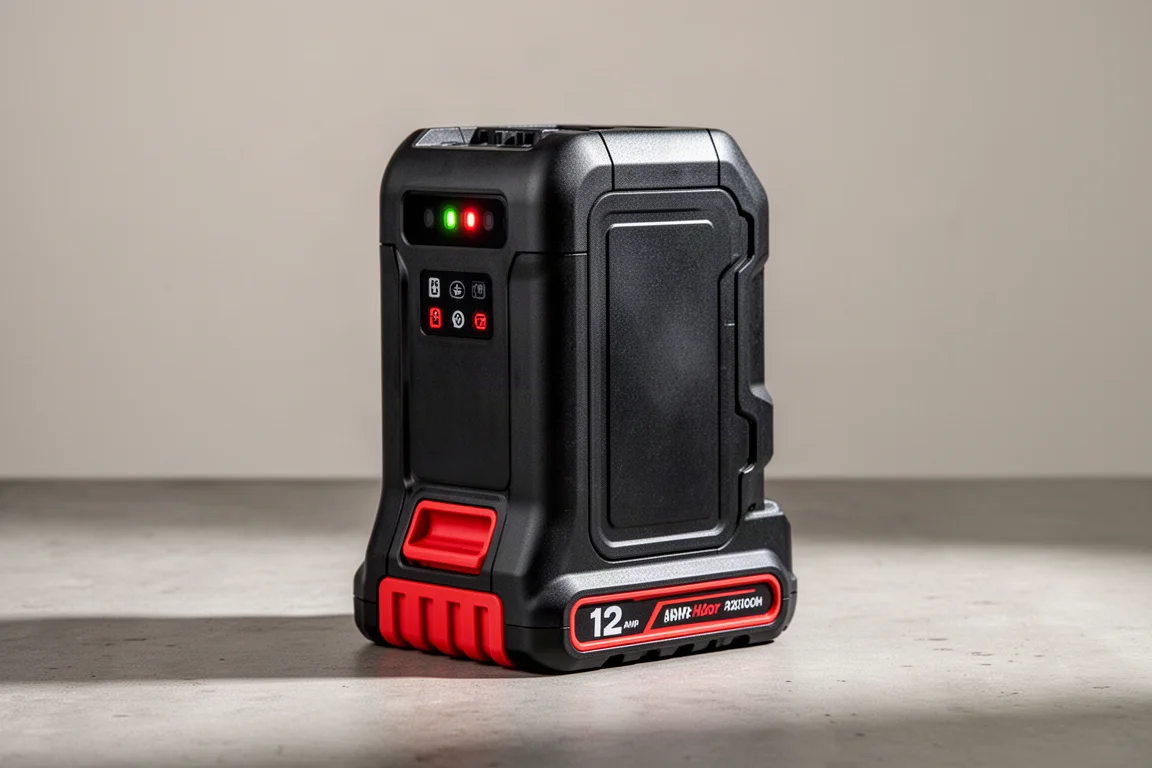
Milwaukee is expanding its Forge battery lineup this fall with two new options: an 8 amp-hour and a 12 amp-hour pack. Both are positioned above the existing High Output batteries in performance, and in head-to-head testing against a high torque impact wrench and the new 7-1/4 in. M2834 circular saw, the difference was not subtle. The Forge packs drove fasteners faster, cut faster, and, perhaps most impressively, the smaller Forge 8.0 repeatedly outpaced the larger High Output 12.0.
The Impact Wrench Test
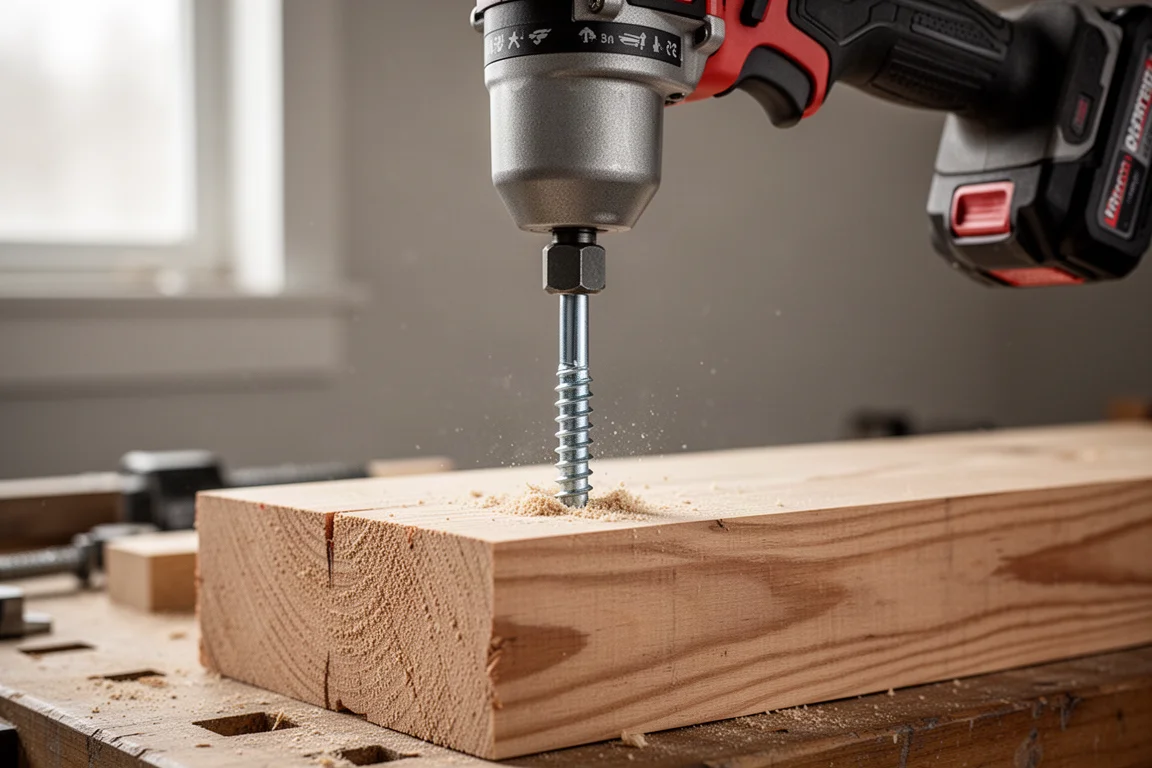
The first round of testing used a high torque impact wrench paired with a 10-1/2 in. lag bolt and a 19 mm bit, a deliberately heavy-duty fastening task. With the High Output 8.0 attached, the bolt took 2.52 seconds to sink in a scaled result; the Forge 8.0 completed the same task roughly 30% faster at an equivalent result of 17.56 seconds.
Beyond the stopwatch, the tool itself felt noticeably better with the Forge battery. The impact ran smoother, delivered more consistent blows, and never slowed down through the drive. That kind of sustained output matters more than a single number on a chart.
The 12 Amp-Hour Round
Moving to the 12 amp-hour packs, the pattern repeated. The Forge 12.0 beat the High Output 12.0 by 37% on the same lag bolt test. The gap between battery generations is consistent across capacities, which suggests this is a genuine platform improvement rather than a one-off tuning result.
The most striking takeaway: if you prefer the lighter weight of an 8 amp-hour pack, the Forge 8.0 still outpaced the High Output 12.0. In other words, you can carry less weight on the tool and still work faster than with the bigger, heavier previous-generation pack.
The Circular Saw Test
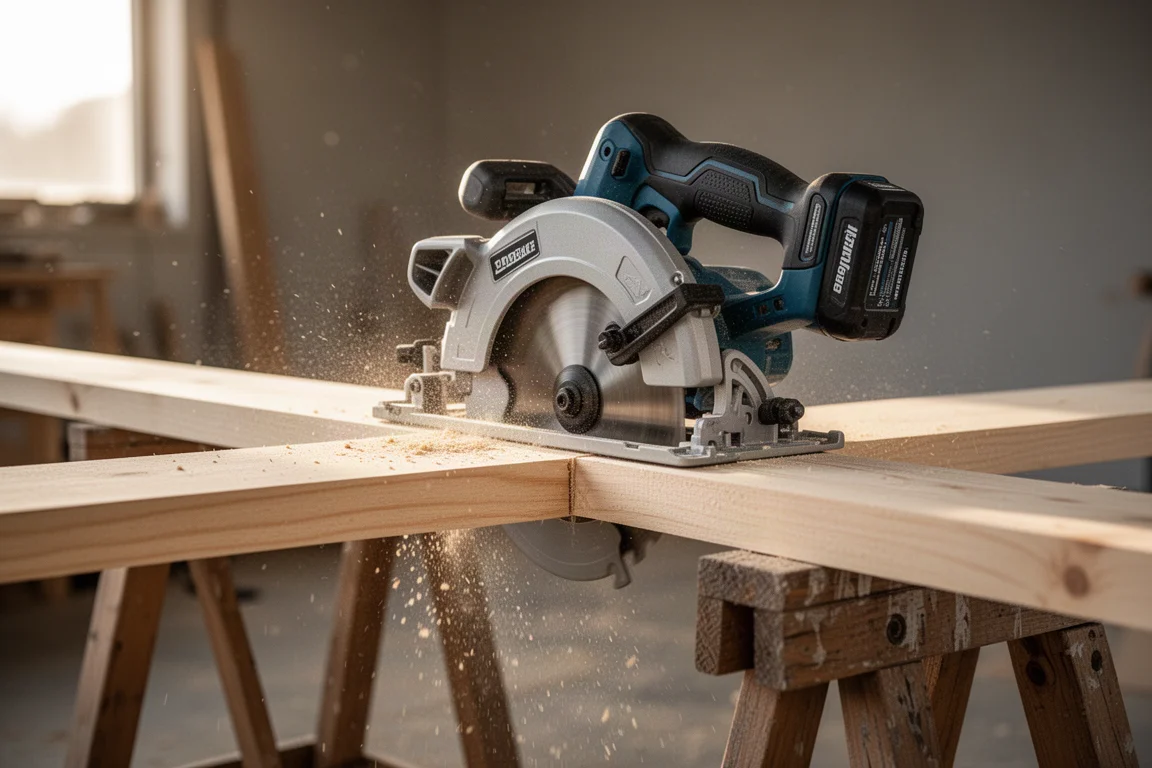
The second battery pairing went into Milwaukee’s new M2834 7-1/4 in. circular saw. With the 8 amp-hour packs, the High Output made the cut in 7.68 seconds while the Forge finished in 6.00 seconds flat, about a 21% improvement. The saw was cutting faster than an operator could realistically move, so real-world benefit here shifts from raw speed to sustained performance.
What the Saw Results Tell You
With the 12 amp-hour packs, the High Output cut in 6.04 seconds and the Forge 12.0 dropped that to 4.24 seconds, again roughly a 30% improvement. The parallels with the impact wrench test are hard to ignore: similar percentage gains across two very different tool types, and once more the Forge 8.0 outpaced the High Output 12.0.
The practical upside for saw users is likely more cuts per charge and a longer working day before swapping packs. The High Output batteries remain capable, but Forge is simply operating at a higher level.
Meet the M2834 Circular Saw
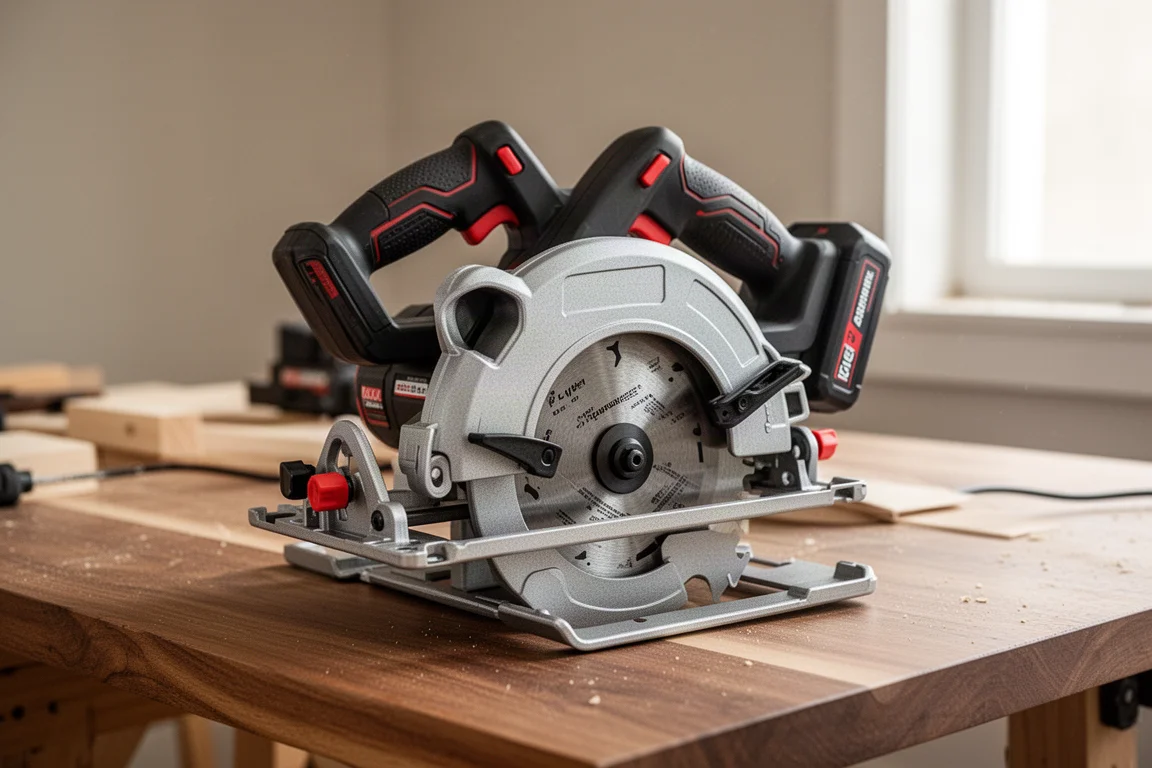
The M2834 7-1/4 in. circular saw is the tool Milwaukee chose to showcase what Forge batteries can do, and it held up well. In every cut it kept pace with the operator’s feed rate, meaning the batteries were the limiting factor, not the saw. Pairing it with a Forge pack is where the combination really shines.
Which Forge Battery Should You Buy?
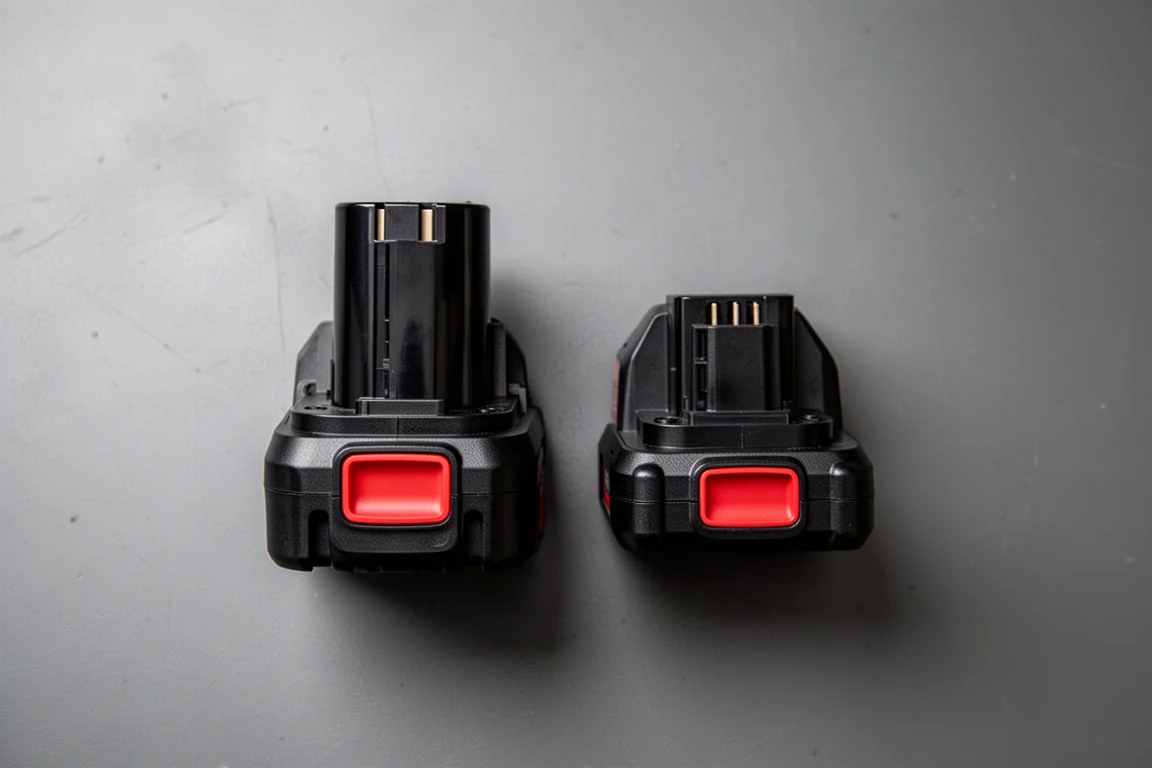
If you want maximum runtime and the strongest sustained output, the Forge 12.0 is the flagship pick. If weight matters more, the Forge 8.0 is remarkable: it delivers performance that beats the previous-generation 12.0 High Output while staying in the lighter 8 amp-hour class. For most users, the 8.0 is the sweet spot.
Availability is expected this fall, with the batteries listed through Milwaukee’s retail channels, including home improvement retailers.
Conclusion
Across two tool types and two capacities, the Forge batteries delivered consistent 30%-plus gains over their High Output equivalents, plus a smoother, more efficient feel in use. If you are already invested in Milwaukee’s platform, the Forge lineup looks like one of the most dominant battery upgrades going.
Further reading
Related Reviews
Power Tools
Best 1-Inch Pistol Impact Wrenches: Three Heavy-Duty Options Compared
We compare three 1-inch pistol impact wrenches, from a budget-friendly Harbor Freight model to a premium Caterpillar unit, to help you choose the right one.
Power Tools
Best 3/4-Inch Impact Wrenches 2026: Five Contenders Compared
We compare five 3/4-inch impact wrenches across price and performance, from a budget Amazon option to Snap-on's most powerful model yet.
Power Tools
Best Budget Cordless Tools 2026: Walmart Finds That Punch Above Their Price
We tested five cordless tools from Walmart, including a high-torque impact wrench that trades blows with Milwaukee and a $35 duster that outperforms its price class.