Hand Tools
Milwaukee Folding Rules: Two Composite Takes on a Classic Tool
A close look at the Milwaukee 6.5 ft folding rule and its engineer-scale sibling, two durable composite folding rules with a clever angle-finding trick built in.
Introduction
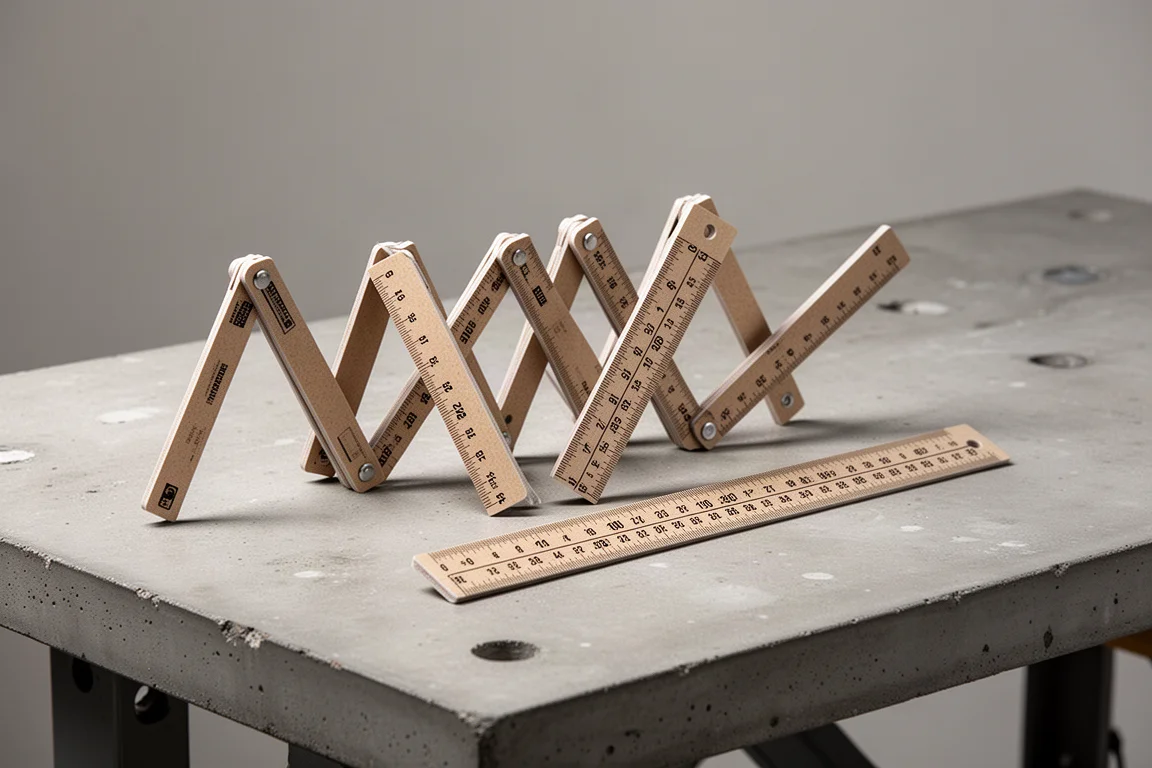
Folding rules are one of the more fun tools to mess around with. They almost defy what you would expect from an object, doubling as a genuine measuring instrument and a surprisingly satisfying fidget tool at the same time. Milwaukee has taken this old-school category and rebuilt it with modern materials, offering two versions: a standard 6.5 ft folding rule and an engineer version with a different scale. Both have been around for a while, but they still stand out for how differently they are designed compared to traditional wooden rules.
Why Old-School Folding Rules Still Appeal
Classic folding rules were mostly made of wood, often fitted with brass fittings, and some vintage examples even had clever sliding extensions for more precise measurements. There is something genuinely enjoyable about handling one: you learn about measurement, mechanics, and how engineers of the past solved the problem of making a long ruler portable.
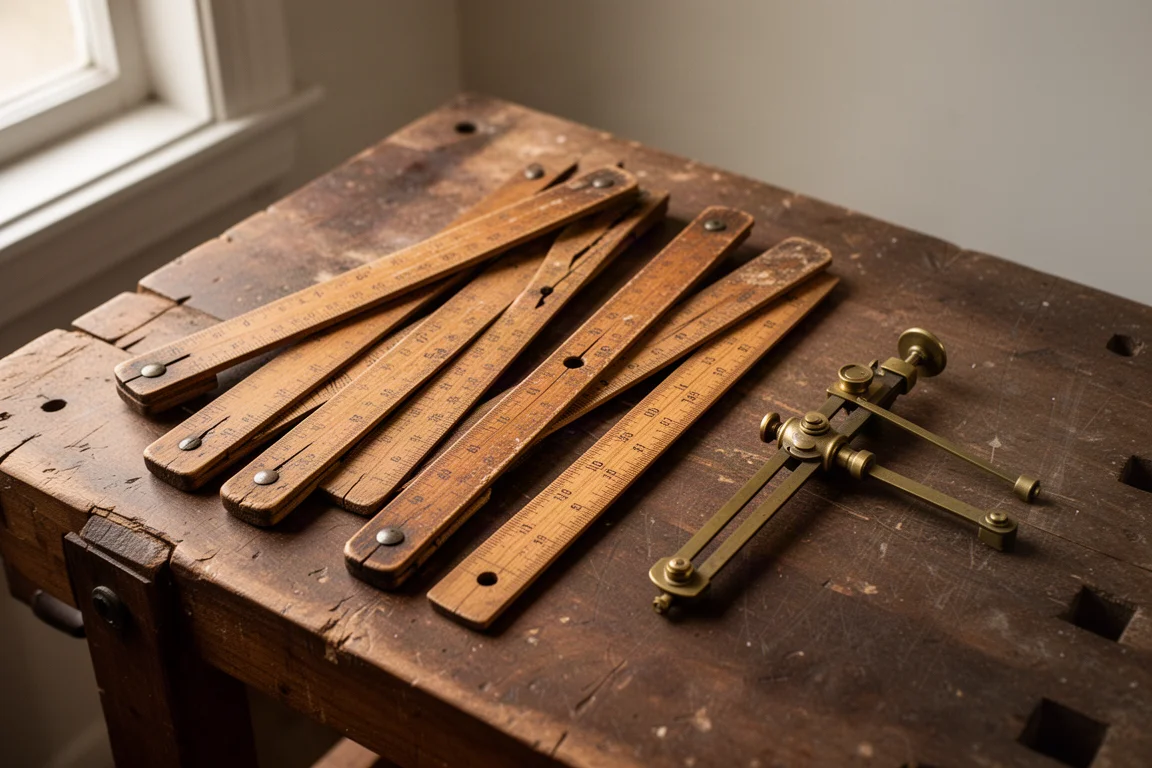
That historical charm is part of what makes the Milwaukee versions interesting. They keep the old way of doing things, the reach-out-and-measure convenience, but swap fragile wood for a material meant to survive decades of jobsite abuse.
Milwaukee 6.5 ft Folding Rule: The Standard Version
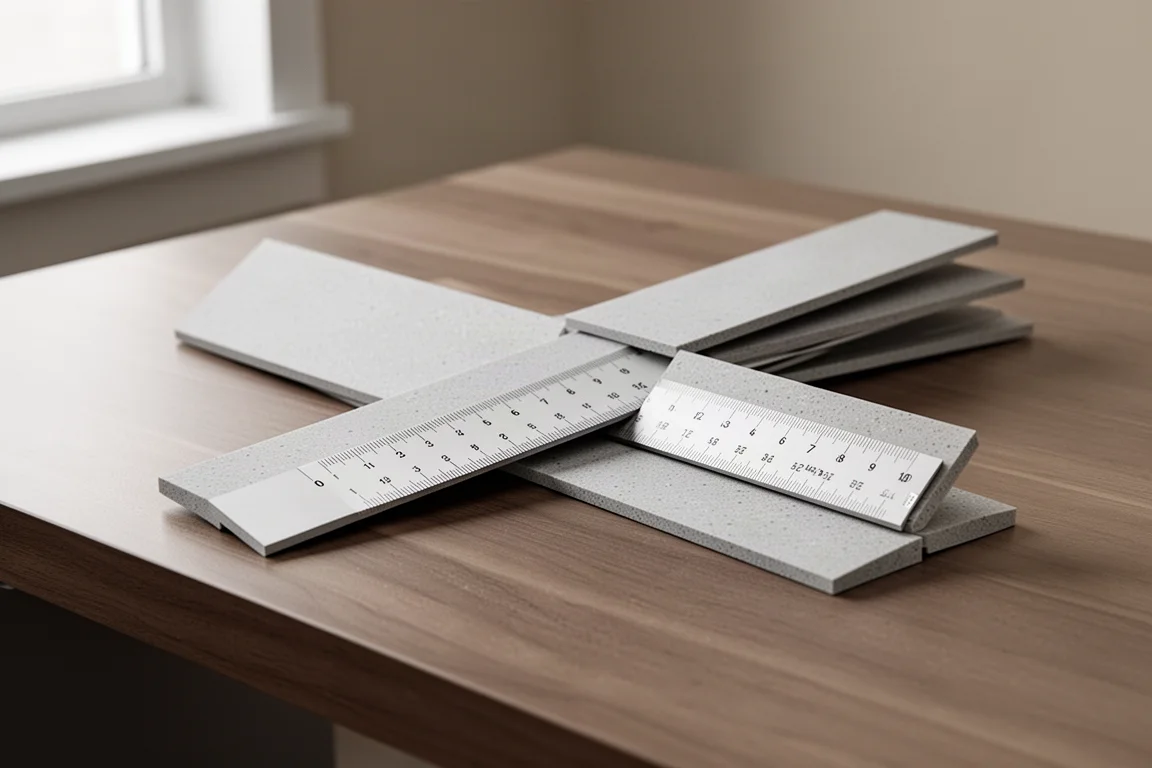
The standard Milwaukee folding rule is made in Switzerland and built from a composite material that feels almost like a laminate, with fiberglass often mentioned as the likely construction. It extends to a little over 78 inches, and the joints stop precisely at 90 degrees thanks to small molded indentations and raised bumps that drop into place.
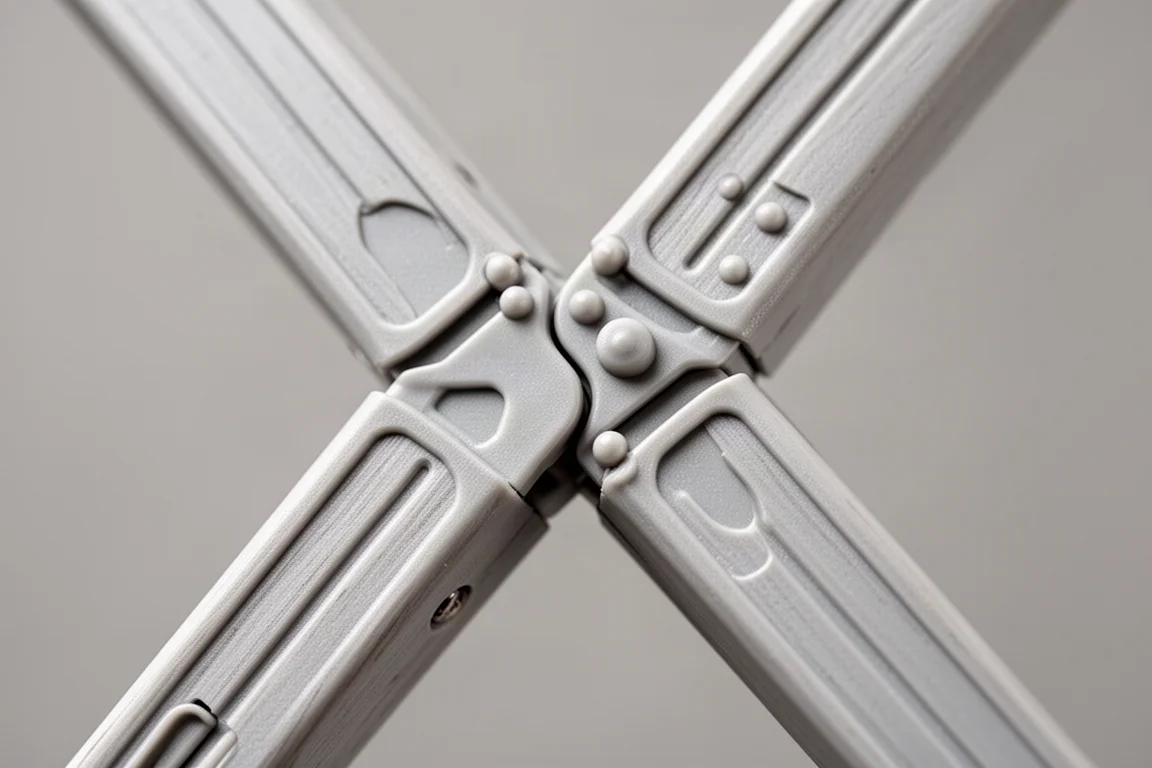
Durability is the headline claim here: the composite is supposed to be impervious to water and far more resistant to dings and dents than wood. One honest caveat: when new, the material has a texture that some owners have complained could give you a sliver-like feel, so it is worth handling one before committing if that bothers you. These sell for around $22, and both versions are meant to last a long time.
The Angle Measurement Trick
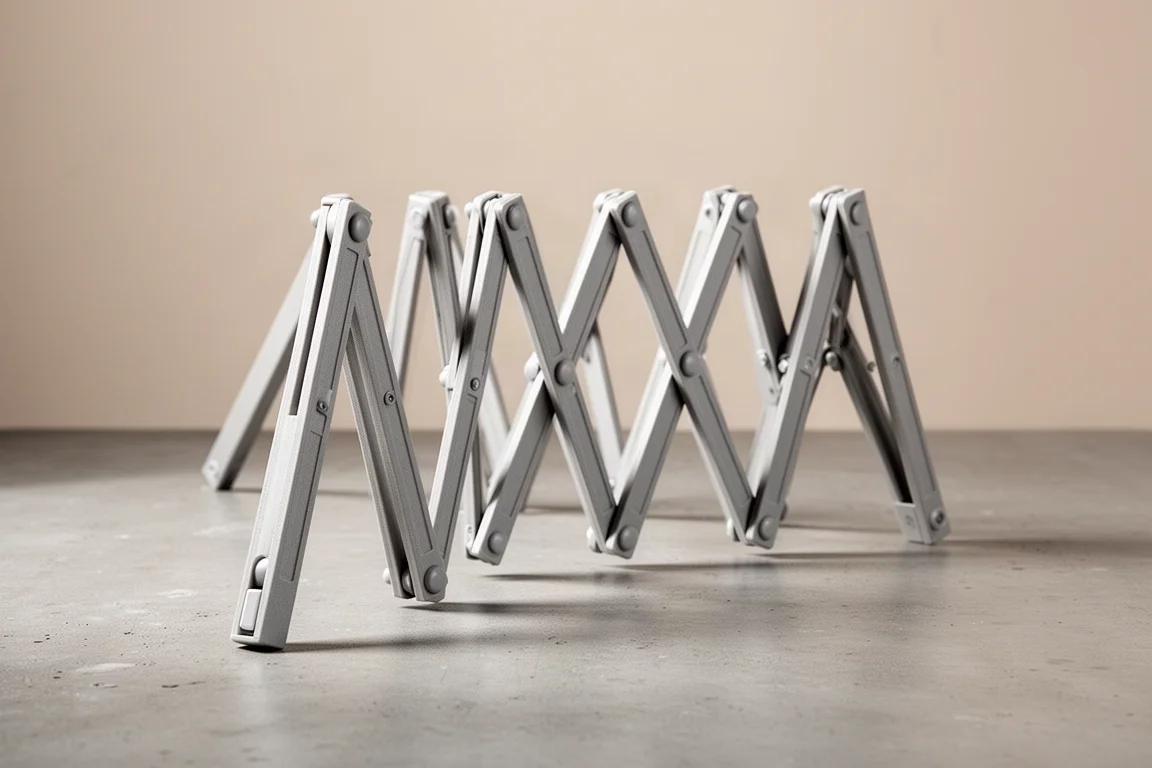
The cleverest feature is one that seems odd at first: the rule can be used to make angle measurements. By opening up a couple of segments and lining up the corner of the rule against marked angles of 60, 45, 30, or 22.5 degrees, you can fold the remaining segments to reproduce that exact angle.
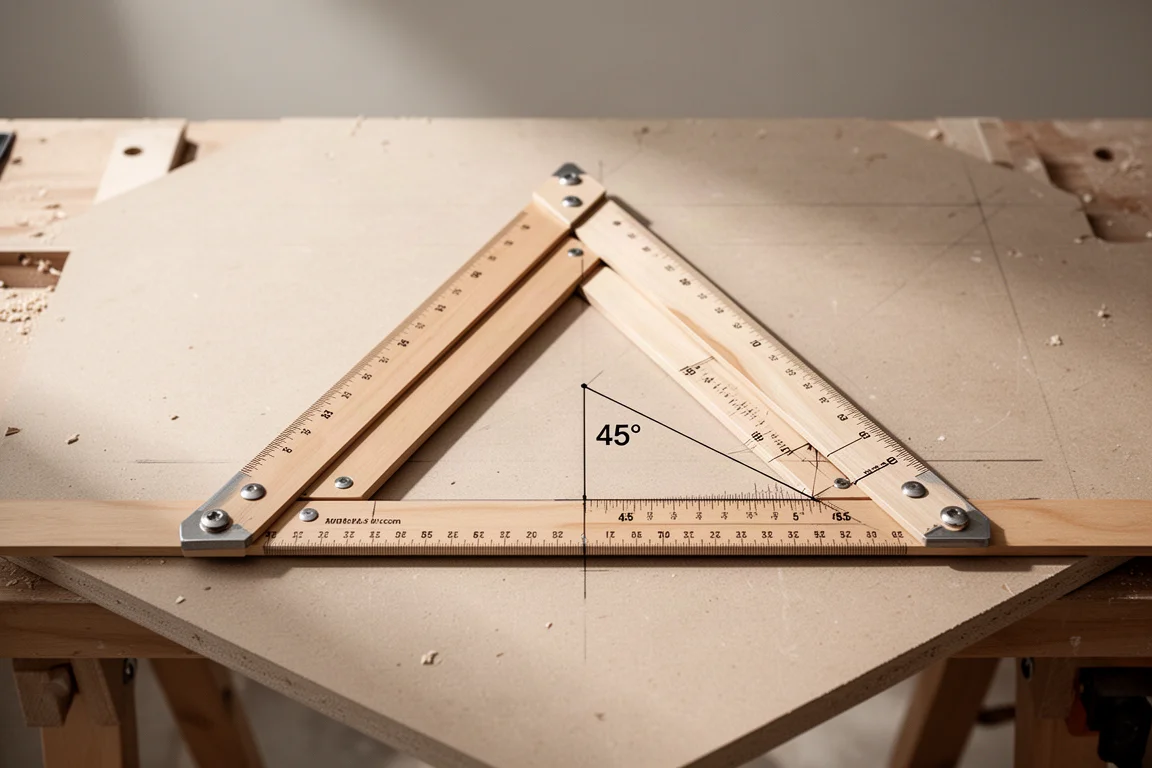
In practice it works well enough to double-check with another angle tool, and a 45-degree setup lands right on the mark. There is one minor annoyance: the raised stop bump protrudes slightly past the edge, which can throw off some measurements and means suspending the rule above the surface when checking angles against other tools.
The Engineer Version: Tenths of an Inch
The second version is the engineer folding rule. It measures in tenths of an inch and uses a different scale intended for comparing measurements against scaled blueprints or similar engineering documents.
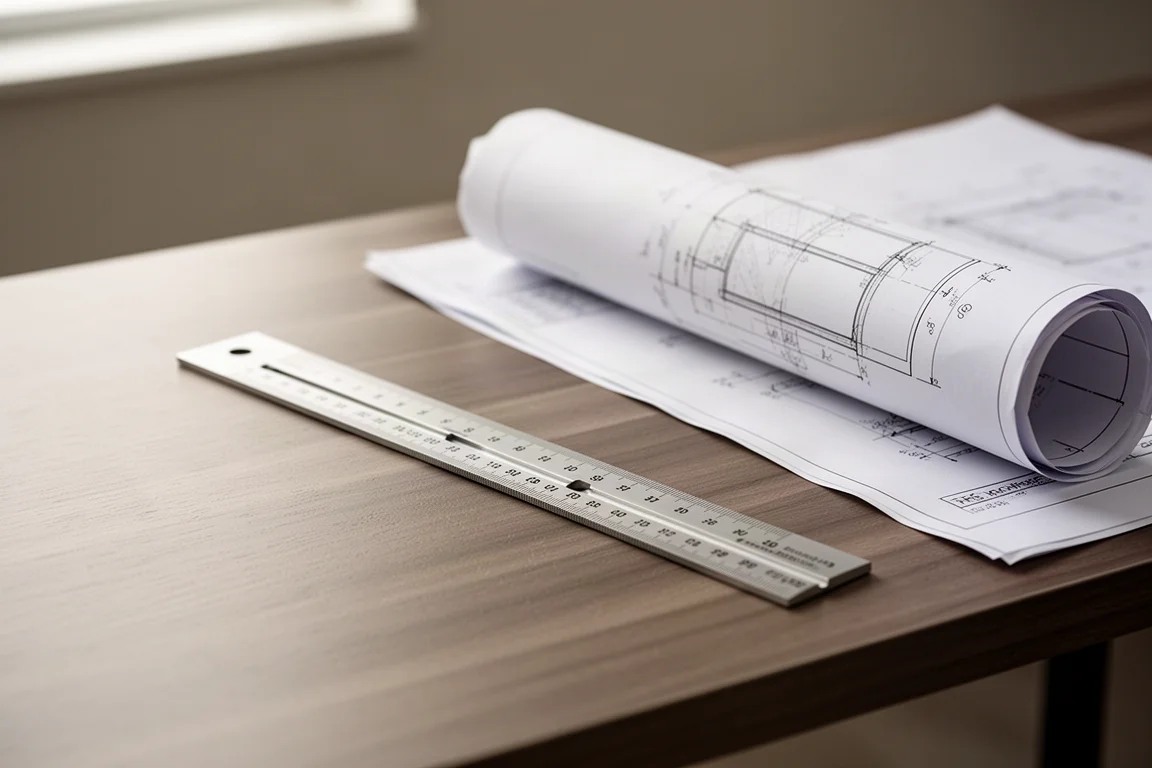
Functionally it shares the same composite construction, joint design, and angle-finding capability as the standard version, so the choice between the two comes down almost entirely to whether your work involves engineer-scale drawings. One wish that remains unfulfilled: a metric version would be welcome, and it was not easy to find one.
Buying Advice
If you mostly take straight measurements and want a durable, water-resistant alternative to a wooden rule, the standard 6.5 ft version is the obvious pick. If you work with scaled drawings in tenths of an inch, the engineer version earns its keep. At roughly $22 each, either one is an affordable way to add an old-school tool with modern durability to the kit, and both double as a genuinely fun fidget object.
Conclusion
Milwaukee’s folding rules take a historic tool category and make it tougher, with composite construction, water resistance, reliable 90-degree joints, and a built-in angle layout trick. Whether you want the standard scale or the engineer version depends on your drawings, but both are affordable, durable, and a lot of fun to handle.
Further reading
Related Reviews
Hand Tools
Best Diagonal Cutters 2026: 16 Pliers Tested for Cutting Power and Durability
We put 16 diagonal cutters through nail, screw, drill bit, and hex key tests to find the best value picks for your toolbox.
Hand Tools
Best Hex L Key Sets 2026: Nine Sets Tested for Real-World Torque
Nine hex L key sets from budget to premium, tested for torque, fit, and durability. See which sets deliver real performance and which ones to skip.
Hand Tools
Best Locking Pliers 2026: Top Picks Tested for Grip and Durability
We tested 18 brands of 10-inch locking pliers for grip strength, jaw bite, build quality, and ease of release to find the best options for tough jobs.