Hand Tools
Four Milwaukee Fiber Optic Tools Worth a Look: Shears, Stripper, Slitter, and Buffer Tube Ringer
A close look at four specialized Milwaukee fiber optic tools, including the Kevlar shears, tri-hole fiber stripper, buffer tube ringer and slitter, and the drop cable slitter.
Introduction
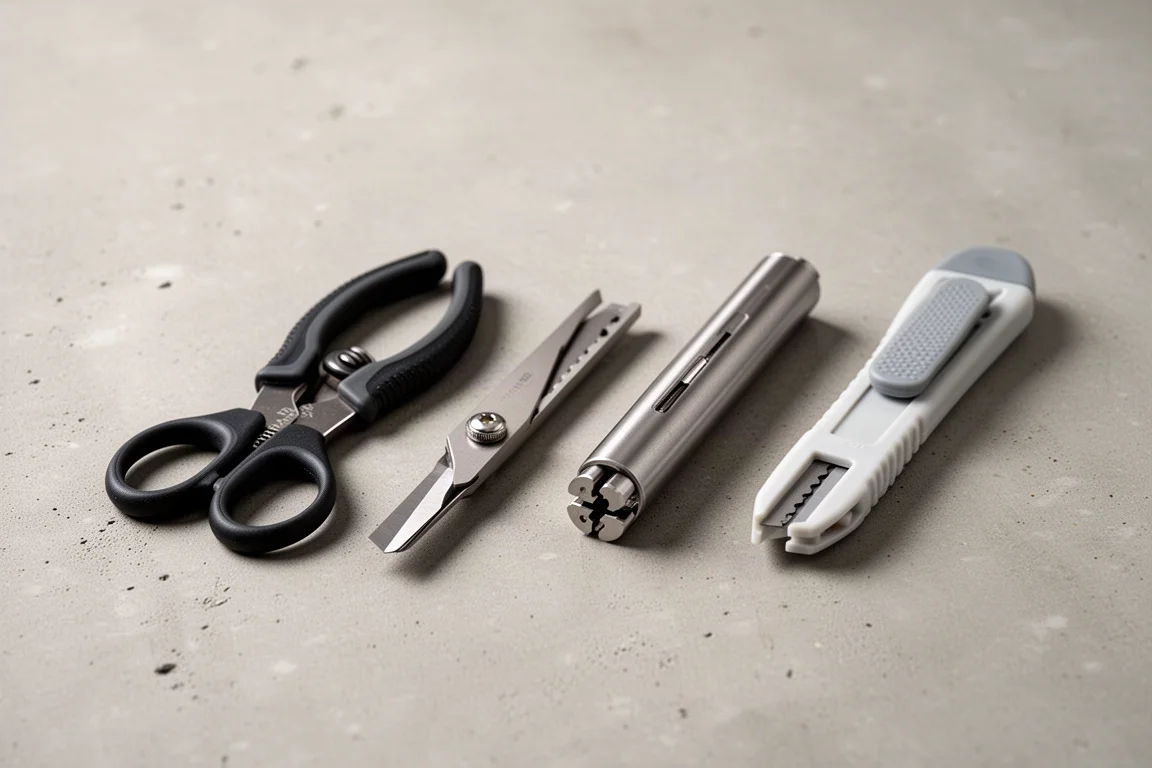
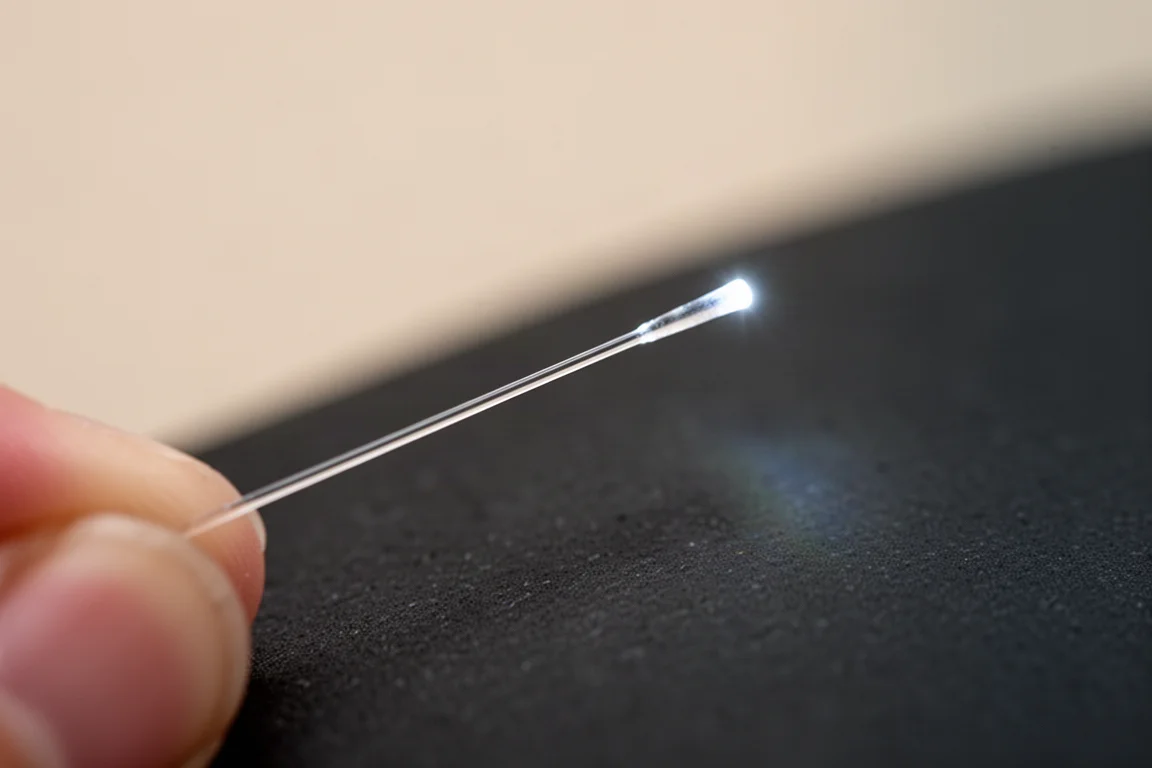
Fiber optic work is a different world from copper. The strands you are cutting and stripping are roughly the thickness of a human hair, and the tools that handle it are small, precise, and highly specialized. Milwaukee has quietly built out a compact line of fiber optic hand tools that cover the most common prep tasks: cutting Kevlar, stripping buffer coatings, ringing and slitting buffer tubes, and opening drop cable sheaths.
This roundup walks through four of those tools, what each one is designed to do, and what to know before buying. All four can be purchased as a set for around $137, or individually for roughly $145 in total, so buying the set saves about eight dollars.
Why Fiber Optic Work Needs Its Own Tools
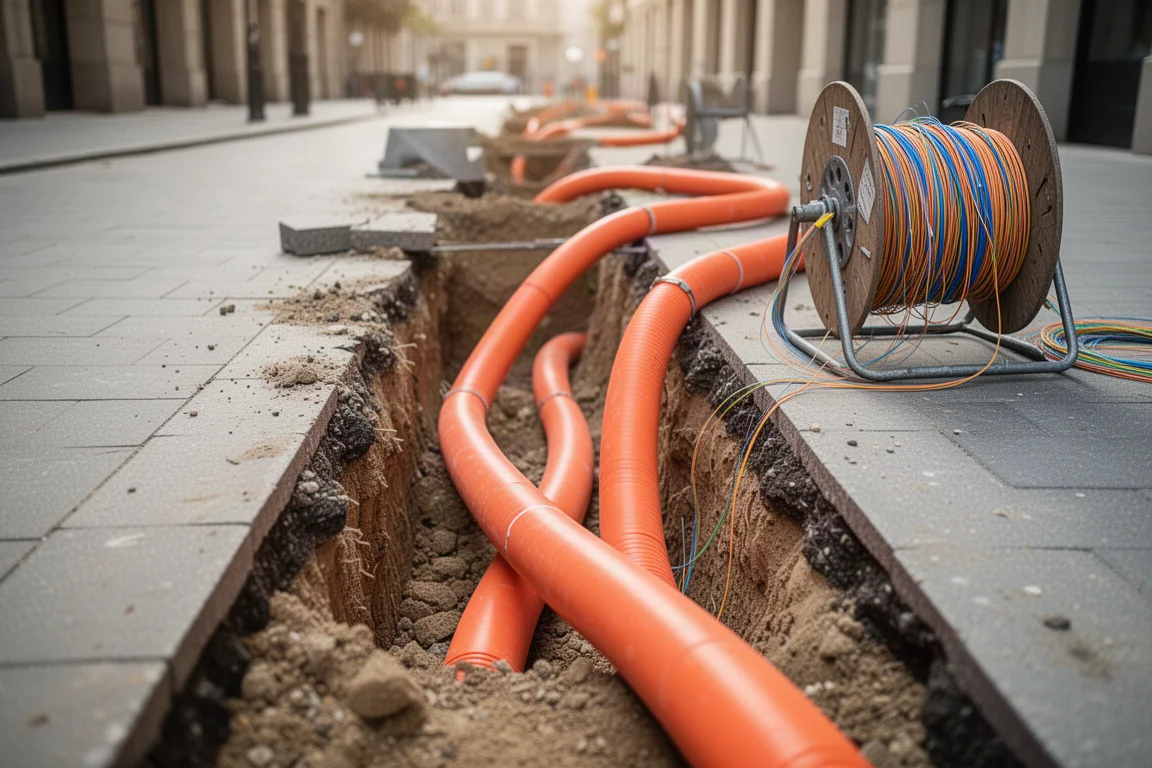
If you have seen those large bright orange plastic spools of tubing being run underground and under streets, the fiber running inside them is what these tools are built for. Getting from the main lines to homes and appliances involves opening housings, cutting Kevlar strength members, and stripping jackets measured in micrometers rather than millimeters.
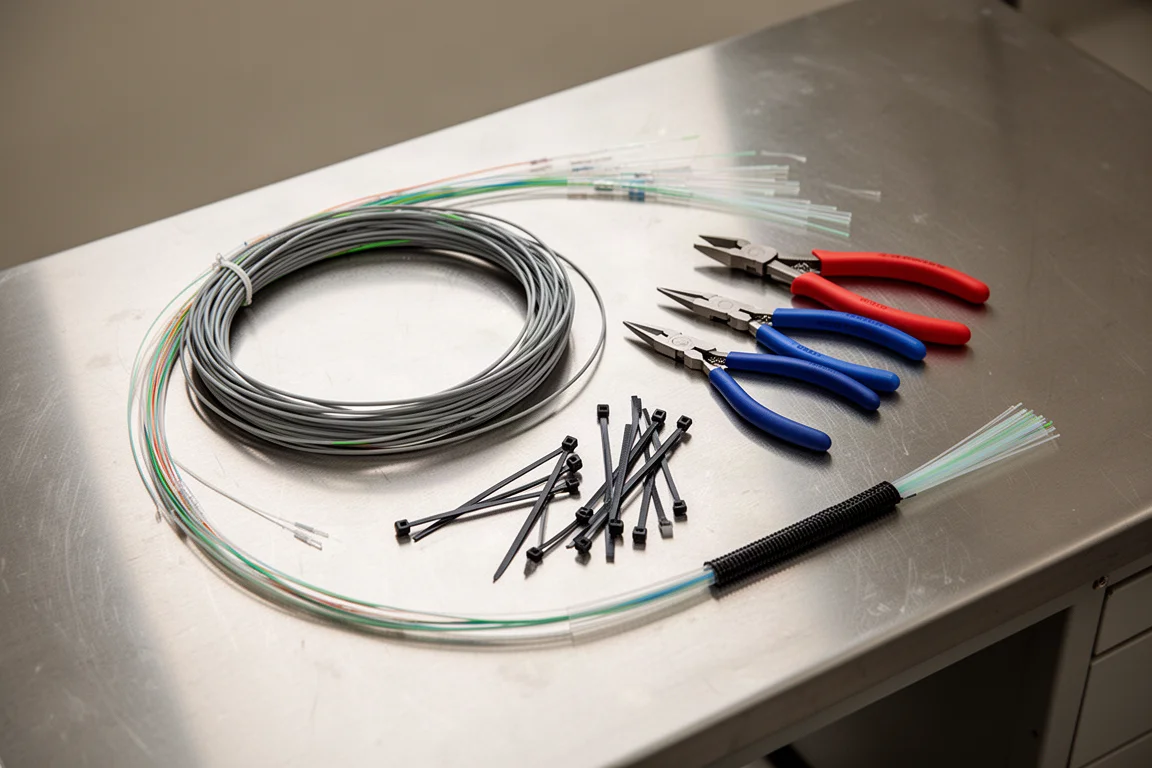
Standard electrician tools are rarely the right fit here. Kevlar in particular is notorious for defeating ordinary shears, and buffer coatings need precisely sized stripping holes to avoid damaging the fiber underneath.
Milwaukee’s answer is a focused four-piece lineup, and each tool has a narrow but important job.
Milwaukee Kevlar Shears 48223017
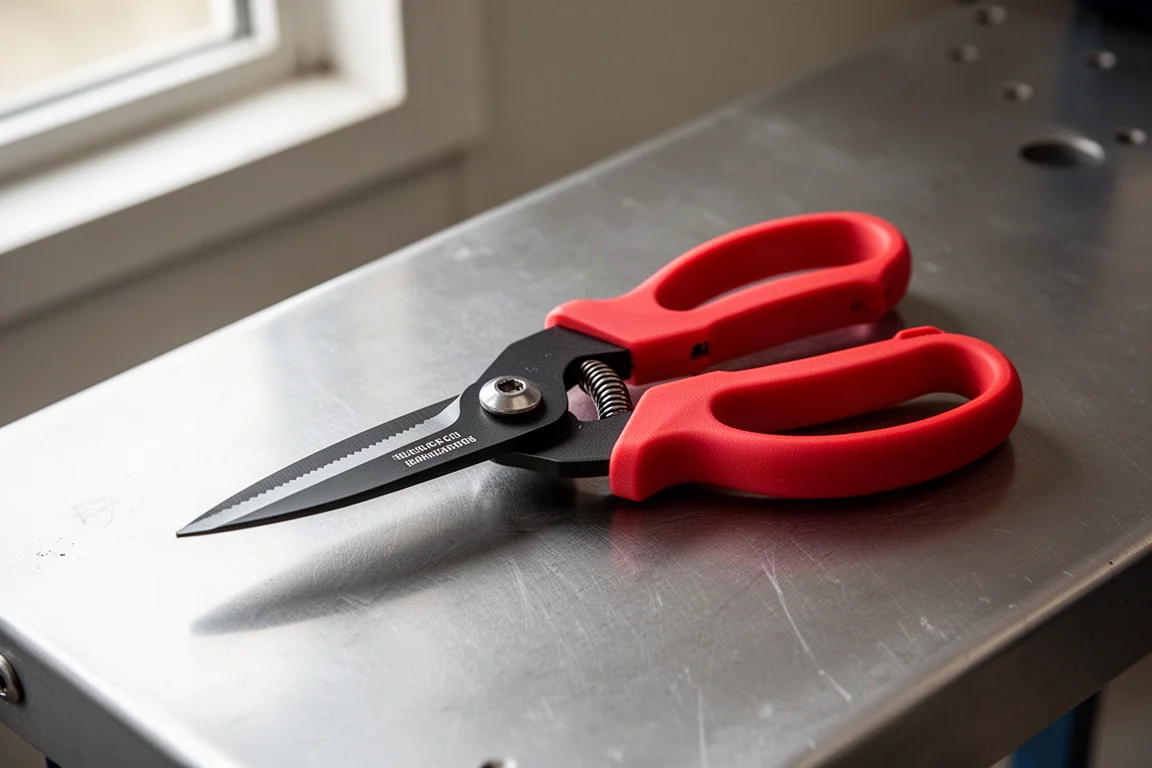
The Milwaukee Kevlar shears are designed for cutting Kevlar and zip ties, and they use what the company calls a micro serration on the blade. The blade itself is high carbon steel rather than stainless, so it carries a black oxide coating to help resist rust. The part number is 48223017.
This is the least expensive of the four tools by quite a margin, at about $25. It functions like an electrician’s shear but tuned for a few very specific tasks, such as getting into fiber optic housings. Depending on the type of fiber optic cable you are working with, it is pretty common to run into materials that other shears struggle with.
If you have other Kevlar cutting needs beyond fiber work, it is not a bad price for a dedicated shear, even setting the fiber use case aside.
Milwaukee Tri-Hole Fiber Stripper
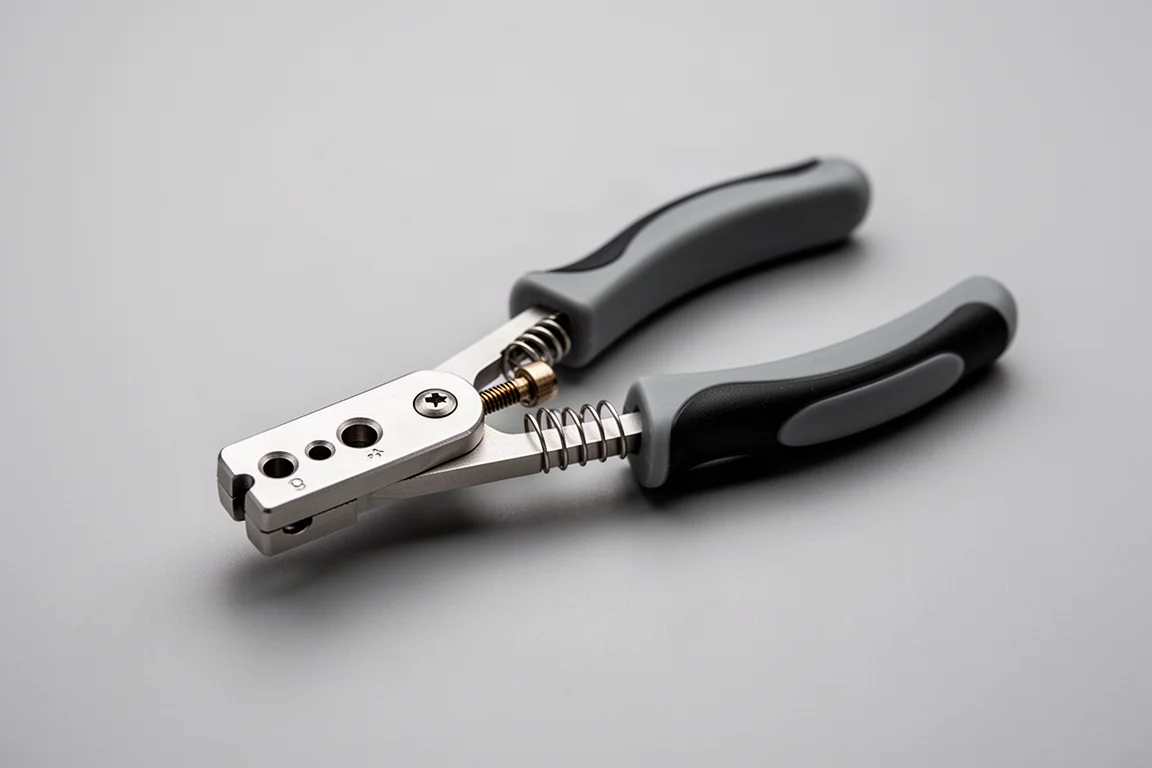
Next up is the tri-hole fiber stripper, and the defining feature is exactly what the name suggests: three very small holes sized for fiber work rather than ordinary wire. The tool arrives factory set with a set screw, and you do have access to that screw, so there may be room to adjust or calibrate the opening. It also includes a lock.
The three holes cover three stripping tasks: one for a 1.6 to 3 mm fiber jacket, one for a 600 to 900 micrometer buffer, and one for the 250 micrometer buffer coating. There is also a small cutter at the bottom of the tool. Spring-loaded action and over-molded grips round out the design.
This one sells for about $35 if you want to buy it on its own.
Milwaukee Buffer Tube Ringer and Slitter 48223014
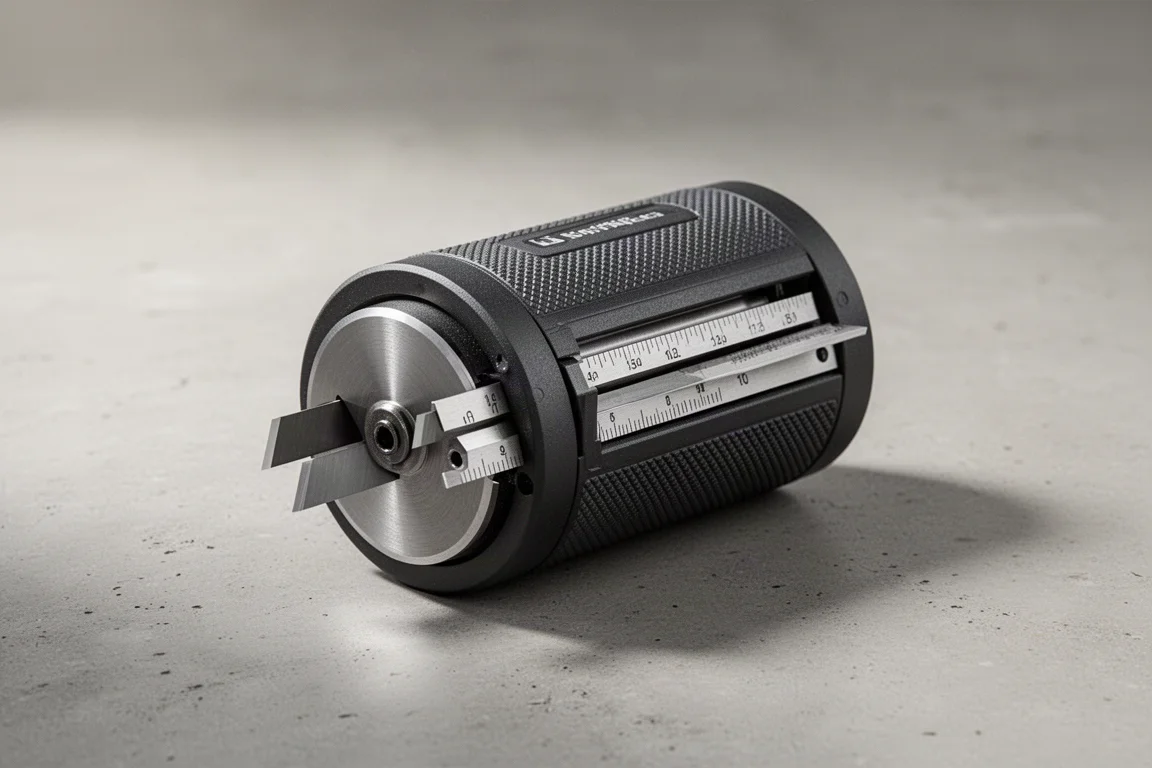
The buffer tube ringer and slitter carries two different kinds of blades, one for ringing and one for slitting. The slitting blade at the bottom can be adjusted deeper or shallower by turning it, and the millimeter depth markings let you set the cut precisely for the sheathing you are opening.
The ringing blade works differently: you place it around the tube and spin the tool to slice open the sheathing evenly, giving you access to the fiber optics inside. The part number is 48223014, and it sells for about $32.
It is a simple, purpose-built tool, but for anyone regularly opening buffer tubes it removes a lot of fiddly knife work.
Milwaukee Fiber Optic Drop Cable Slitter
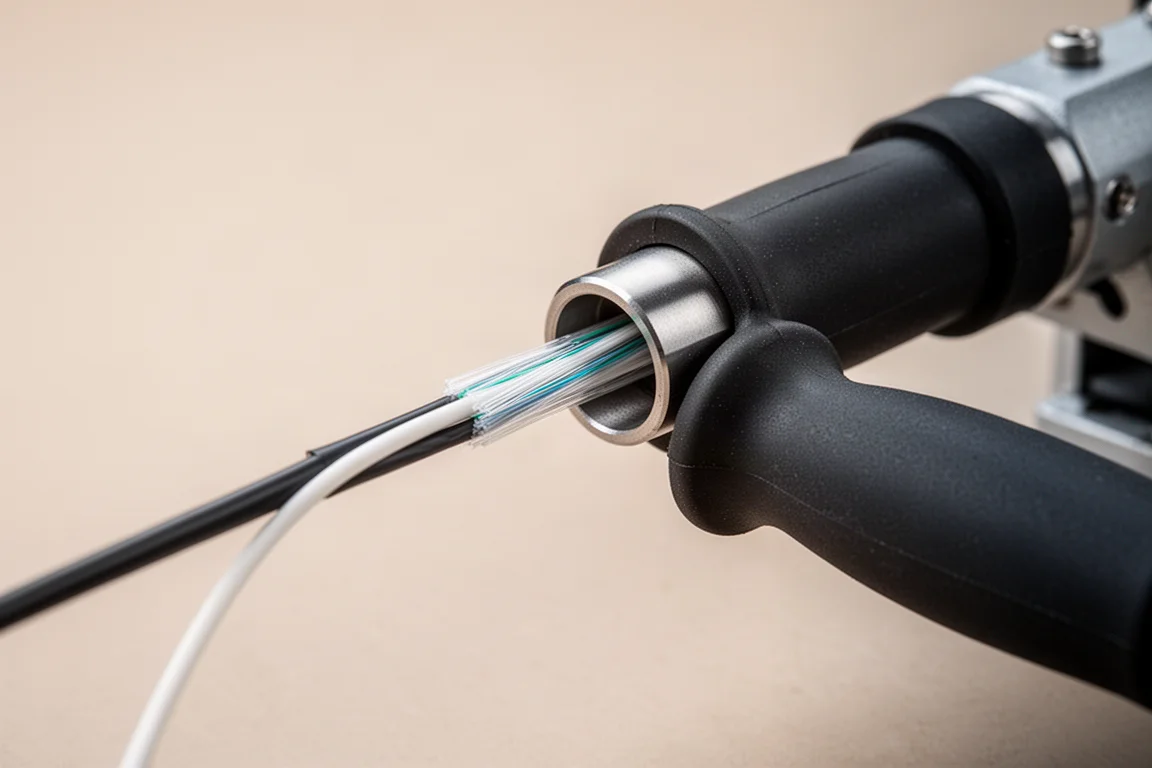
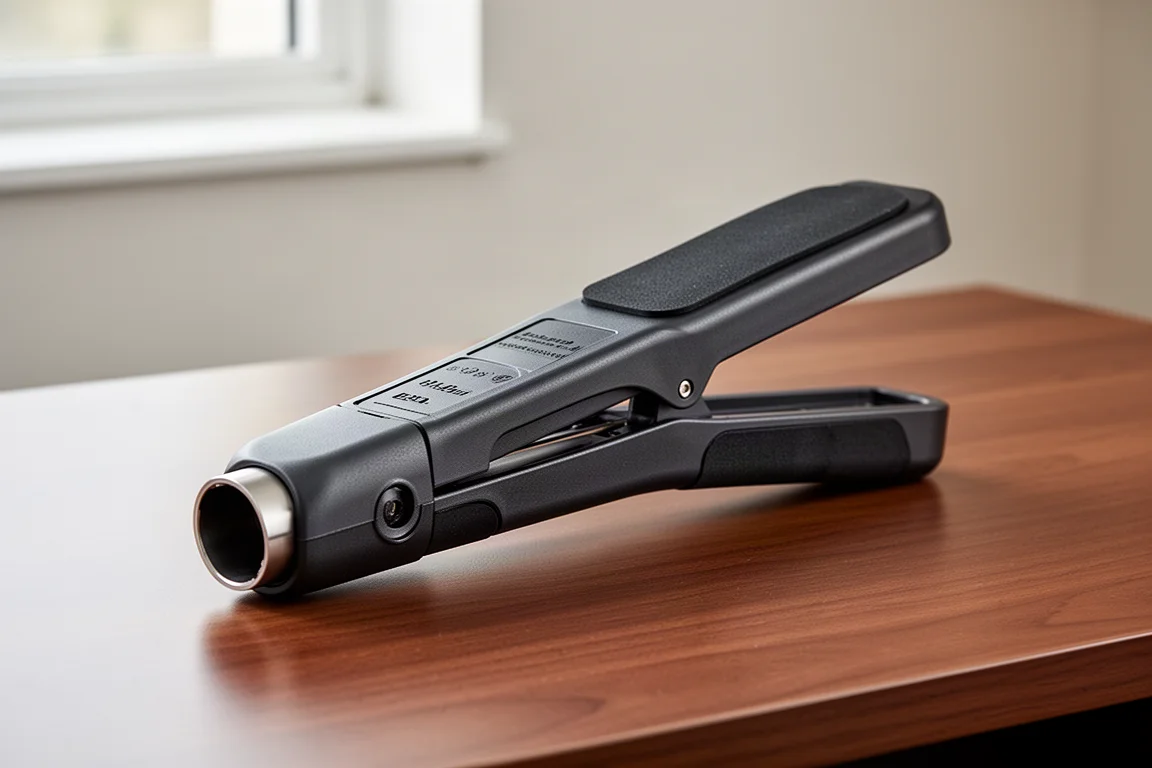
The most expensive of the four at about $53 is the fiber optic drop cable slitter. It is a hinged, clam-style tool with magnets inside that keep it closed, mainly while it sits in your tool bag. Two blades sit inside, one for each side of the cut, and they can be unscrewed and reversed when they start to get dull.
To use it, you seat the cable down the barrel of the tool, grip the rubbery handle, and drag it along the cable. It slices open the top and bottom of the main fiber optic sheath in one pass, and the sheath can then be popped off. The grip is solid and gives you a confident pull along long runs of drop cable.
It is lighter and more plasticky than the metal tools in the lineup, and interestingly the price goes up as the tools get smaller and thinner. Still, for anyone terminating fiber drop cable regularly, it does one job cleanly and quickly.
Overall Buying Advice
Since fiber optic is taking over everywhere, learning to work with it the same way we work with copper is becoming a practical necessity. Milwaukee covers the core prep tasks here: cutting, stripping, ringing, slitting, and opening drop cable sheaths.
On pricing, buying the four tools individually comes to about $145, while the offered set runs around $137, so the set saves you about eight dollars. If you only need one or two tasks covered, the individual tools are easy to buy separately. Home Depot has historically carried these, though not all four were listed there recently, while Acme Tools carries all four individually and as the set.
Conclusion
None of these tools will see daily use for most people, but each solves a specific fiber optic prep problem well. The Kevlar shears are the easiest entry point at around $25, the tri-hole stripper and buffer tube ringer cover precision stripping and tube work in the low thirties, and the drop cable slitter is the priciest but the one most purpose-built for modern fiber installs. If fiber work is becoming part of your regular workload, the full set at around $137 is a tidy, cost-effective way to cover it all.
Further reading
Related Reviews
Hand Tools
Best Diagonal Cutters 2026: 16 Pliers Tested for Cutting Power and Durability
We put 16 diagonal cutters through nail, screw, drill bit, and hex key tests to find the best value picks for your toolbox.
Hand Tools
Best Hex L Key Sets 2026: Nine Sets Tested for Real-World Torque
Nine hex L key sets from budget to premium, tested for torque, fit, and durability. See which sets deliver real performance and which ones to skip.
Hand Tools
Best Locking Pliers 2026: Top Picks Tested for Grip and Durability
We tested 18 brands of 10-inch locking pliers for grip strength, jaw bite, build quality, and ease of release to find the best options for tough jobs.