Power Tools
Milwaukee Drill and Impact Driver Combos: M12 Fuel, M18 Compact Brushless, and M18 Fuel Gen 4 Compared
Three common ways into Milwaukee's battery platform, compared head to head: specs, working weight, One Key features, and who each combo is really for.
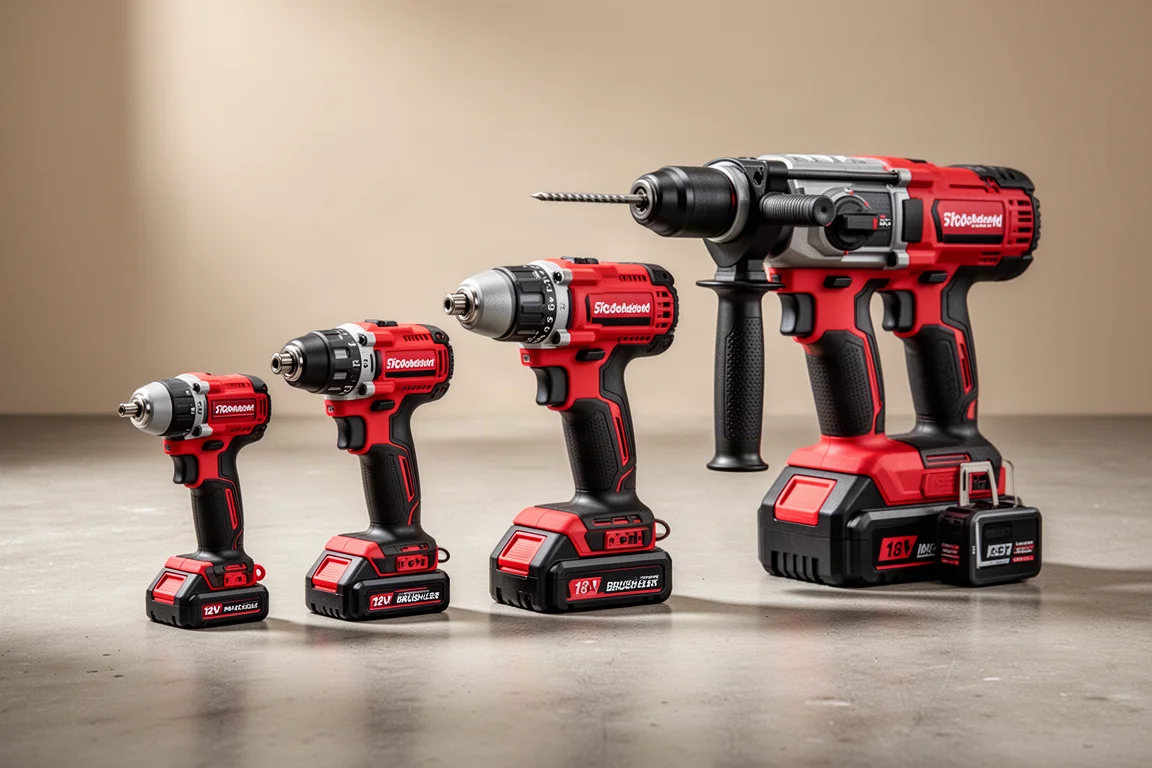
Introduction
Choosing a Milwaukee drill and impact driver combo is less about picking the “best” kit and more about picking the right entry point. Once you buy into a battery platform, you tend to stay there, so it is worth understanding the difference between the M12 and M18 systems before you spend a dime. All three combos here are brushless, all come with a 5-year warranty on the tools, and all are common, sensible ways into the platform. The differences come down to performance, size, working weight, and price.
Milwaukee M12 Fuel Drill and Impact Driver Combo
The word “Fuel” is Milwaukee’s marker for top-of-the-line, and this is the top of the M12 system. The M12 battery runs at 10.8 volts nominal (12V max) with smaller capacity and lighter weight, so adding a battery has less impact on working weight than the larger M18 packs do.
The hammer drill has a compact form factor with a good ergonomic handle, a two-speed gearbox, and a selector that slides between hammer drilling and clutch mode. It turns 450 RPM in low gear with 400 in-lbs of torque, and 1,500 RPM in high gear with a 22,500 BPM blow rate in hammer mode. The head is just 5.9 inches long and the bare tool weighs 2.2 pounds.
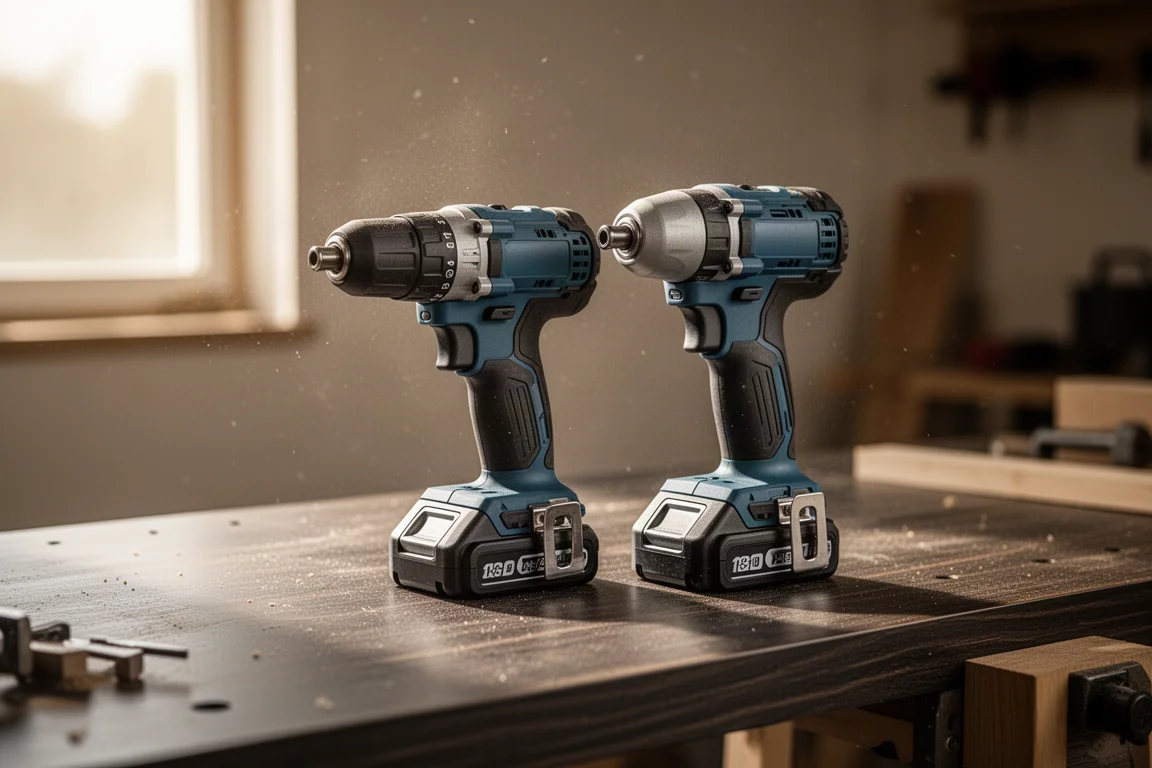
The impact driver is even more compact thanks to the smaller battery. You get three standard modes plus a self-tapping screw mode, and the tri-LED lights at the front do a much better job of eliminating shadows than lights mounted at the foot or above the trigger. Specs: three speeds at 1,700 / 2,900 / 3,600 RPM, 4,000 IPM impact rate, 1,500 in-lbs of torque, 5 inches tip to tail, and 1.6 pounds bare.
Where M12 really shines is the wider platform: cordless ratchets and automotive hand tools, inspection gear like thermal cameras and borescopes, plus plenty of battery-powered versions of Milwaukee’s hand tools. Most people buy into M12 because of those other tools, not raw drilling power. This kit runs $229.
Milwaukee M18 Compact Brushless Drill and Impact Driver Combo
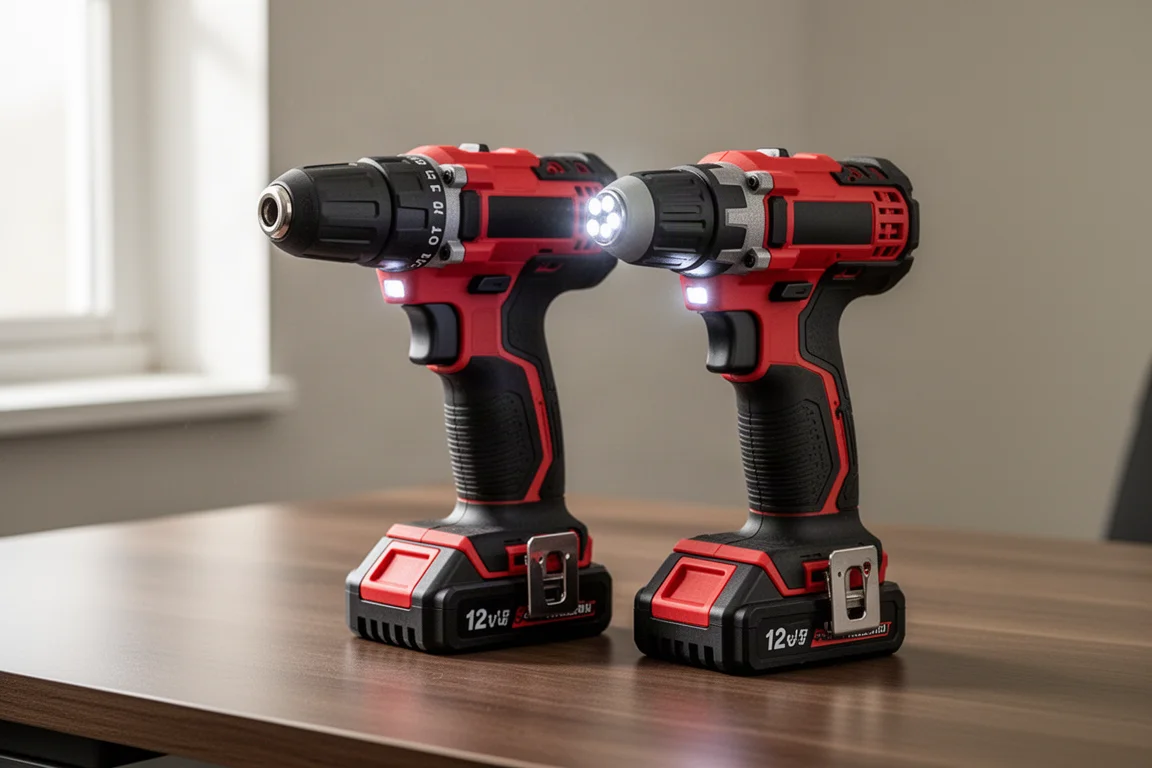
This is the smallest drill and impact driver set in the M18 system, and it is brushless without being a Fuel product. Note that even next to the M12 drill, it is genuinely compact. The drill keeps the two-speed gearbox and clutch/drive selector but skips hammer mode; the hammer drill version is one of the available upgrades rather than the standard kit.
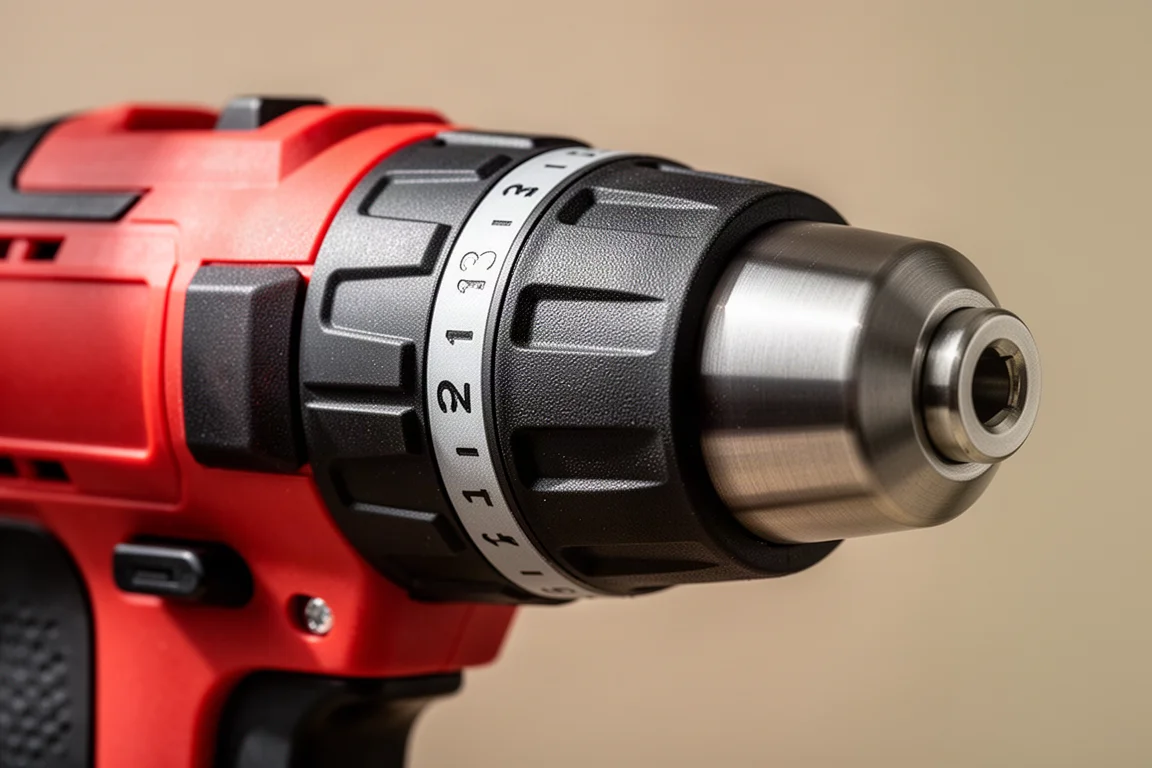
Performance is a clear step up from M12: 550 RPM low with 550 in-lbs of torque, and 1,700 RPM in high gear. The head measures 5.7 inches and the bare tool is 2.3 pounds. Working weight runs a bit higher than M12 because the battery is a larger capacity pack.
The impact driver is where this combo surprises people. It is light, well balanced, and seriously compact: 3,600 RPM top speed, 4,000 IPM impact rate, 1,700 in-lbs of torque, just 4.4 inches across the head (more than half an inch shorter than the M12 version), and 1.7 pounds. This is a performance upgrade over the M12 line and a great middle ground if you don’t need maximum output.
At $239, it is only $10 more than the M12 Fuel kit, which makes it one of the easiest recommendations of the bunch if you want M18 battery compatibility without paying for top-tier performance.
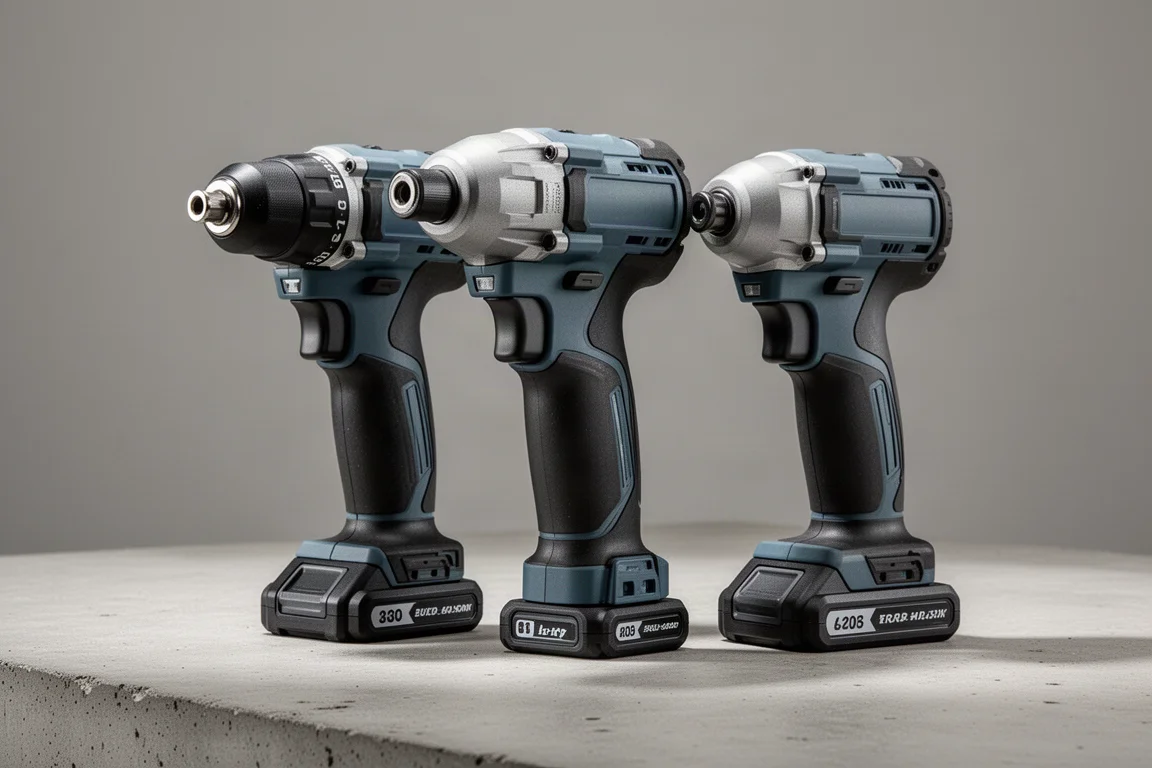
Milwaukee M18 Fuel Gen 4 Drill and Impact Driver Combo
This is the Gen 4 of both tools, visibly larger than the compact sets but with much higher performance. The kit includes the hammer drill with hammer, driving, and clutch modes, and it ships with bigger batteries, so both tool weight and working weight are higher.
The drill does 500 RPM in low gear and 2,100 RPM in high with 33,000 BPM in hammer mode, a far stronger chiseling action than the M12, and 1,400 in-lbs of torque. That is 1,000 in-lbs more than M12 and roughly 850 more than the compact brushless. This is a much stronger tool.
The impact driver is compact for an 18V-class tool and barely longer than the compact brushless at 4.5 inches, though it has a larger diameter and noticeably more heft at 2.2 pounds bare (about half a pound more). Specs run 1,700 / 3,000 / 3,900 RPM, 4,400 IPM, and a hefty 2,000 in-lbs of torque.
Both tools are One Key models. Milwaukee’s One Key smart tool technology connects through Bluetooth and updates a tool’s location in a mesh network whenever another One Key user passes by. For tool crib managers handling hundreds or thousands of tools, it helps with inventory, tracking, and assigning tools to people or jobs. For smaller crews, the real value is customizable controls: set each electronic mode to a specific RPM, tune kickback control behavior on the hammer drill, and adjust trigger response so different operators can tailor the modes for their jobs, whether that is driving large structural screws or drywall screws. The kit is available with or without One Key.
Price and One Key: What You Pay and What You Get
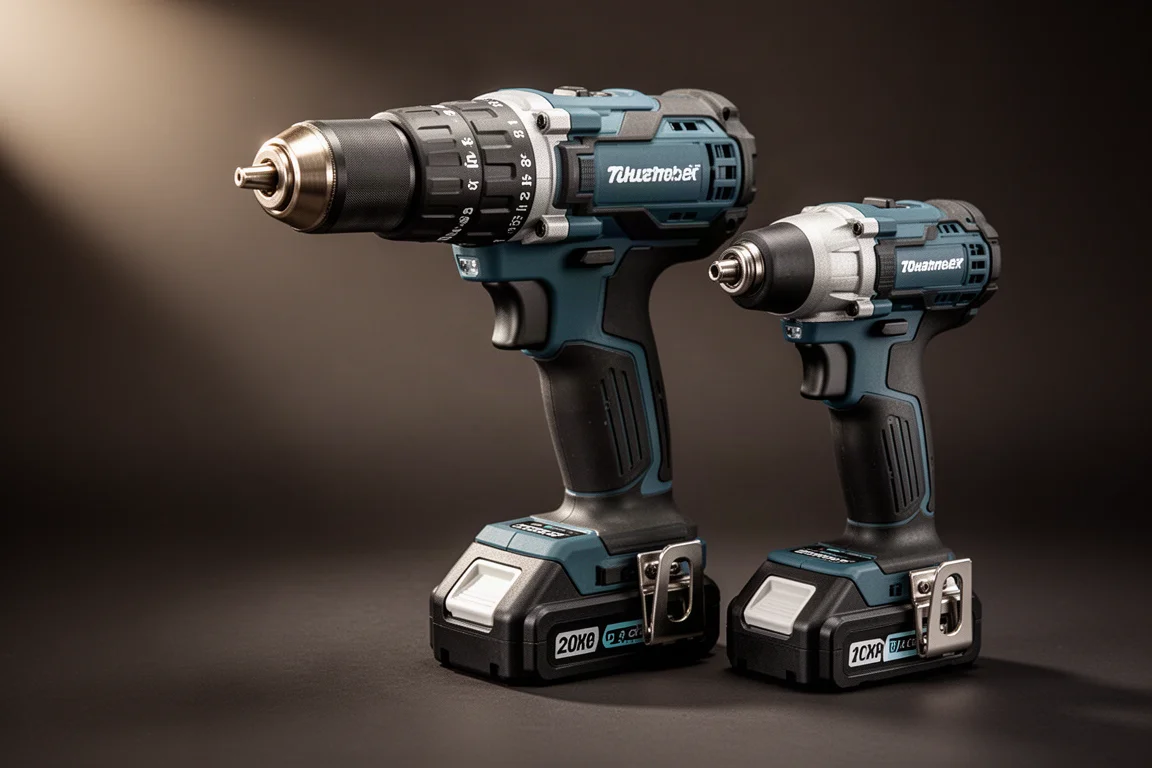
Prices follow the performance levels. The M12 Fuel combo is $229. The M18 compact brushless set is $239, a $10 difference that makes the choice between those two nearly free. The M18 Fuel Gen 4 kit is $379 without One Key or $449 with it. Whichever set you choose, the tools carry a 5-year warranty, plus the value of already owning into the Milwaukee battery ecosystem.
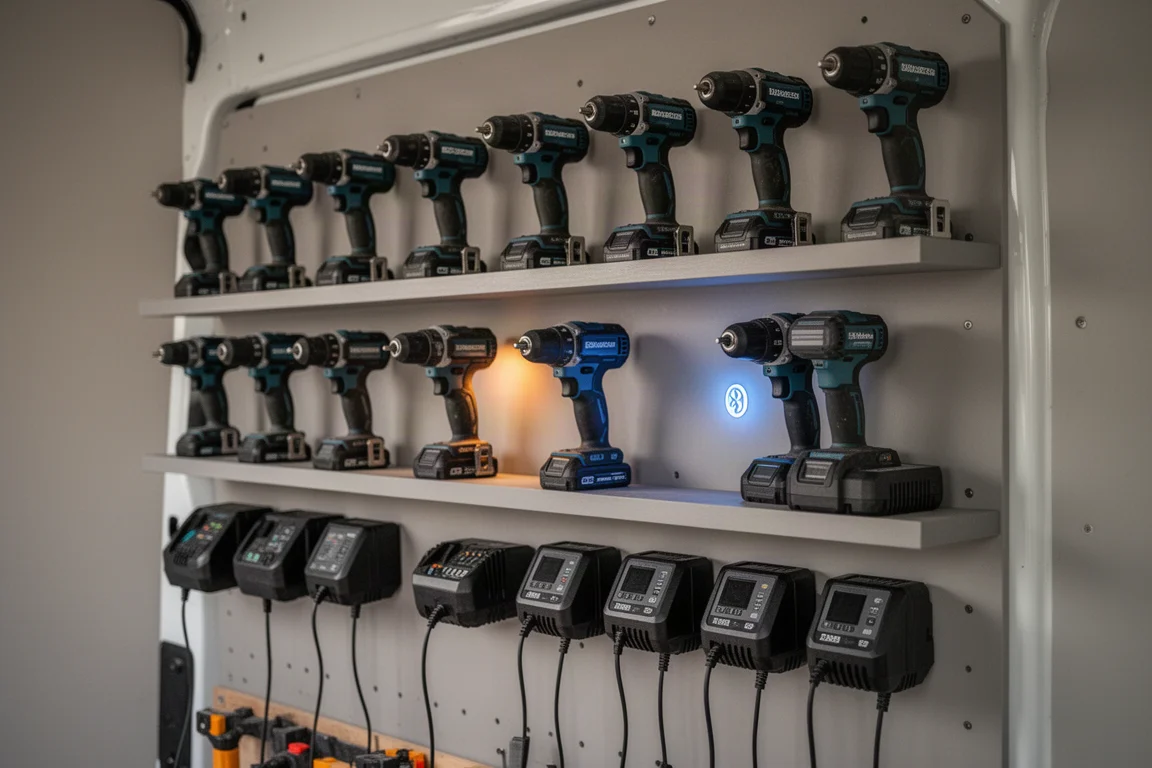
If you already have Milwaukee batteries, buying bare tools or matching kits from the same system will stretch your money further than mixing platforms.
Conclusion
All three combos are solid entry points into Milwaukee’s system. Pick the M12 Fuel combo for compact tools, lighter working weight, and access to a massive platform of specialty tools. Pick the M18 compact brushless set for more performance at nearly the same price. Pick the M18 Fuel Gen 4 if you need the highest output, hammer capability, and One Key customization, and are happy to carry the extra weight and pay the higher price.
Further reading
Related Reviews
Power Tools
Best 1-Inch Pistol Impact Wrenches: Three Heavy-Duty Options Compared
We compare three 1-inch pistol impact wrenches, from a budget-friendly Harbor Freight model to a premium Caterpillar unit, to help you choose the right one.
Power Tools
Best 3/4-Inch Impact Wrenches 2026: Five Contenders Compared
We compare five 3/4-inch impact wrenches across price and performance, from a budget Amazon option to Snap-on's most powerful model yet.
Power Tools
Best Budget Cordless Tools 2026: Walmart Finds That Punch Above Their Price
We tested five cordless tools from Walmart, including a high-torque impact wrench that trades blows with Milwaukee and a $35 duster that outperforms its price class.