Power Tools
Milwaukee Concrete and Masonry Tools Worth a Look: Five Cordless Workhorses Compared
From a compact 9-inch cutoff saw to a battery-powered vibratory screener, five Milwaukee concrete and masonry tools that trade fumes and pull cords for battery convenience.
Introduction
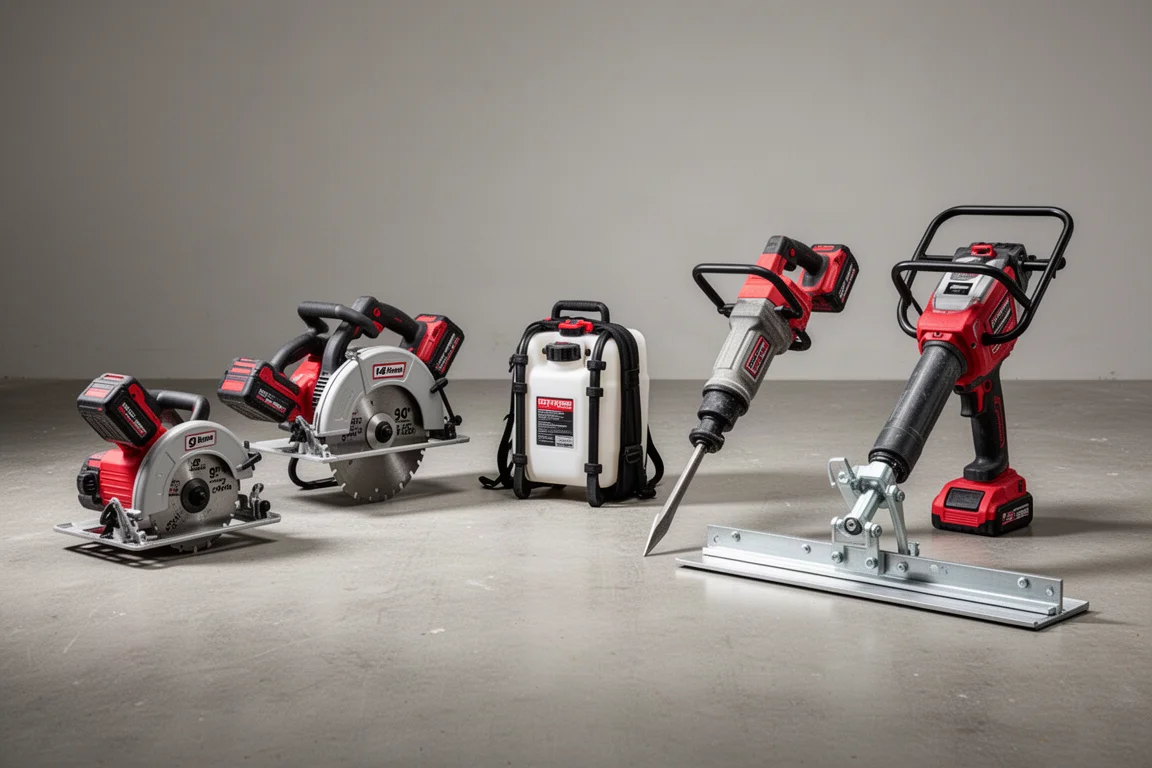
Cordless concrete and masonry tools have reached the point where they can genuinely replace a lot of gas and corded equipment on real job sites, especially indoors where fumes and noise are a problem. This roundup covers five Milwaukee tools aimed squarely at concrete, masonry, and metal work: two cutoff saws, a portable water supply, a demolition breaker, and a battery-powered vibratory screener.
Milwaukee M18 FUEL 9” Cutoff Saw
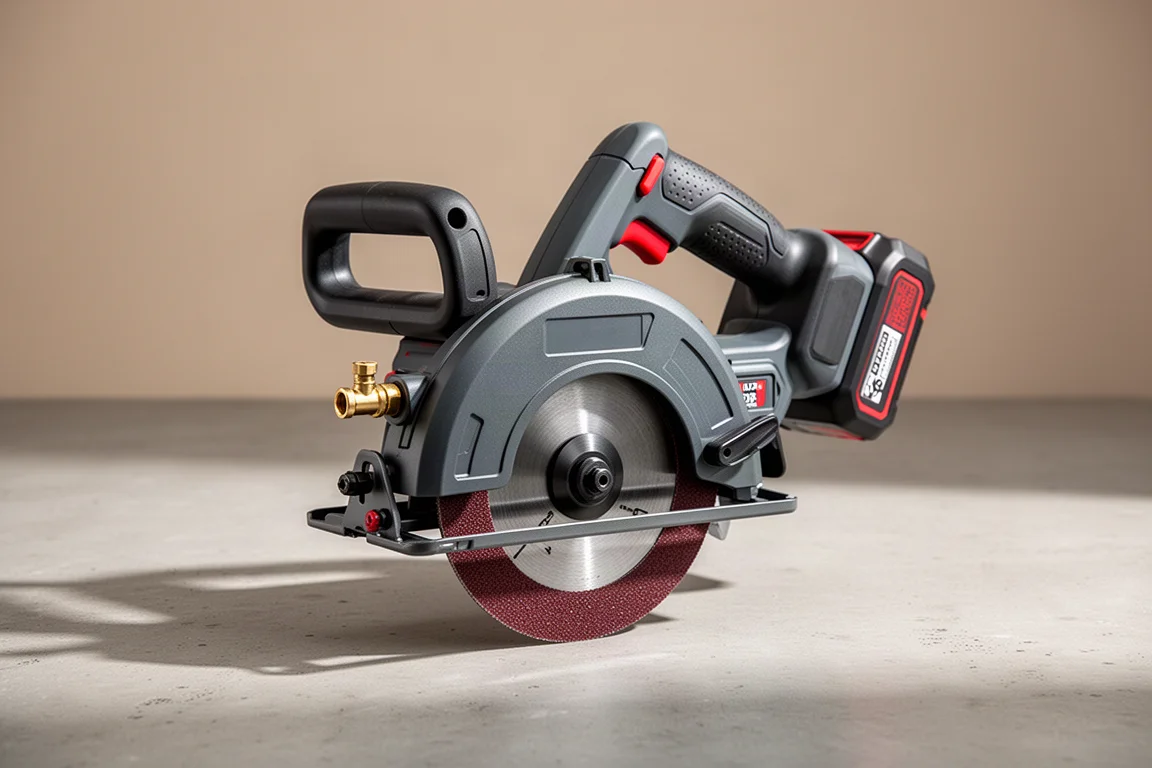
The M18 FUEL 9-inch cutoff saw is the light and compact option in this lineup, and that portability is its main selling point. It is easy to maneuver for overhead work, cutting walls, and cutting brick, making it a genuinely practical portable solution rather than a bench-bound saw.
Feature-wise it is well equipped: a built-in water spigot for dust control and a rapid stop brake that stops the blade in three seconds or less, so you are not left with a spinning blade as a hazard after each cut. Performance covers small concrete cuts, rebar, and metal, which covers the most common day-to-day jobs.
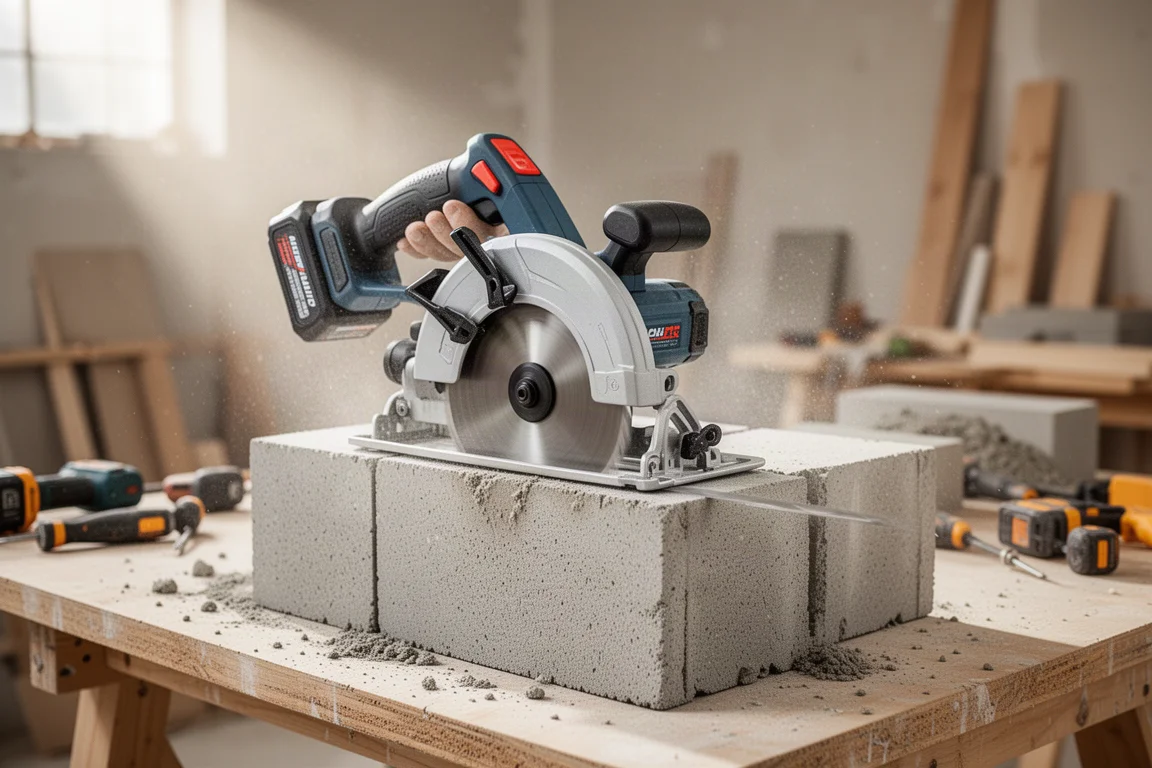
If your cuts are mostly shallow work into block, rebar, or metal, this saw handles them well. Where it runs out of depth is trenching, which is where the next saw steps in.
Milwaukee MX FUEL 14” Cutoff Saw
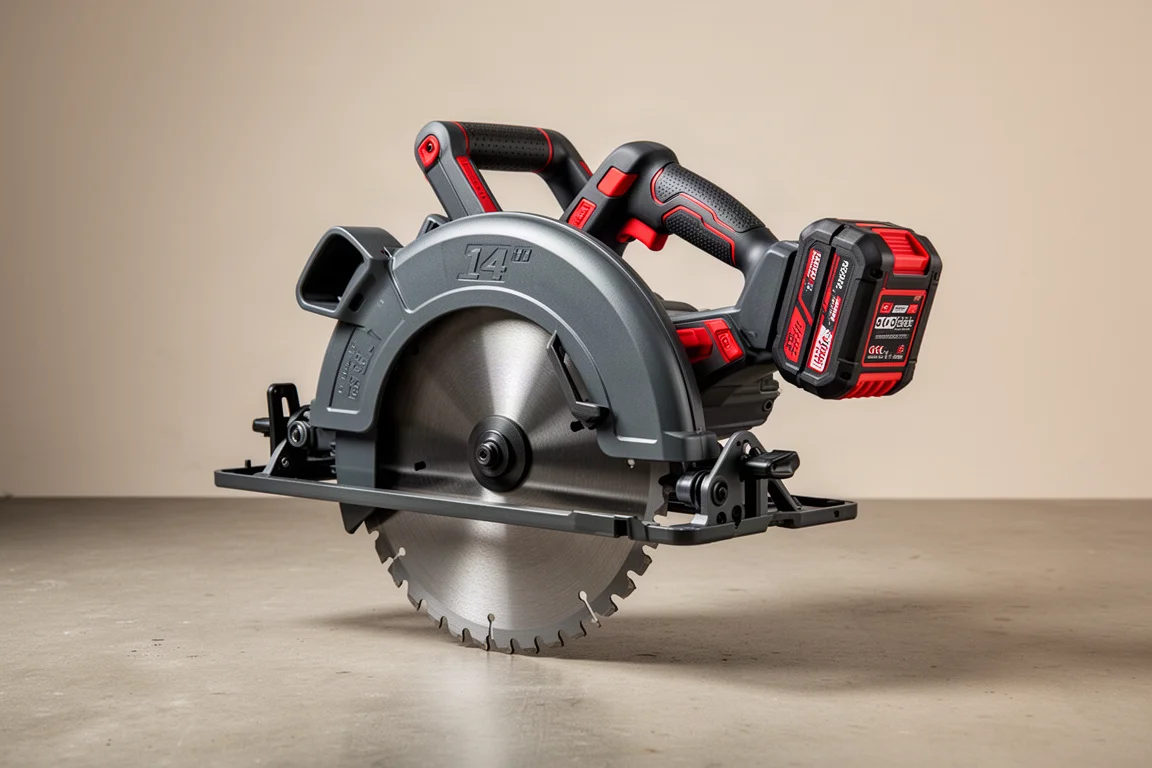
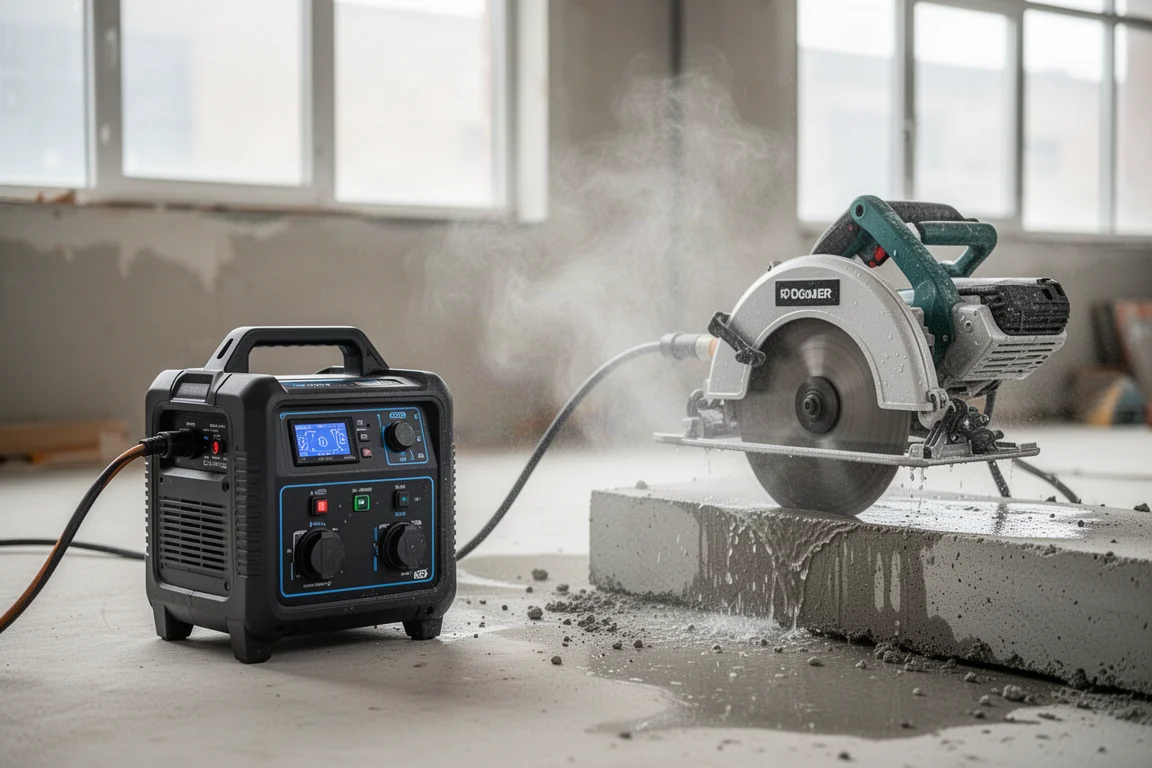
The MX FUEL 14-inch cutoff saw is the big brother, aimed at traditional 14-inch cutoff saw use where you are plunging up to five inches into concrete. It is not positioned as a full replacement for a gas cutoff saw, since the runtime cannot match fuel, but it excels in exactly the situations where gas is off the table.
Indoors, in hospitals, schools, and other environments where fumes are not acceptable, this saw lets you keep working while staying compliant. The 9-inch saw may not give you the trench depth you need, and this one picks up that slack with its full 14-inch blade and deeper cut capacity.
Milwaukee M18 SWITCH TANK
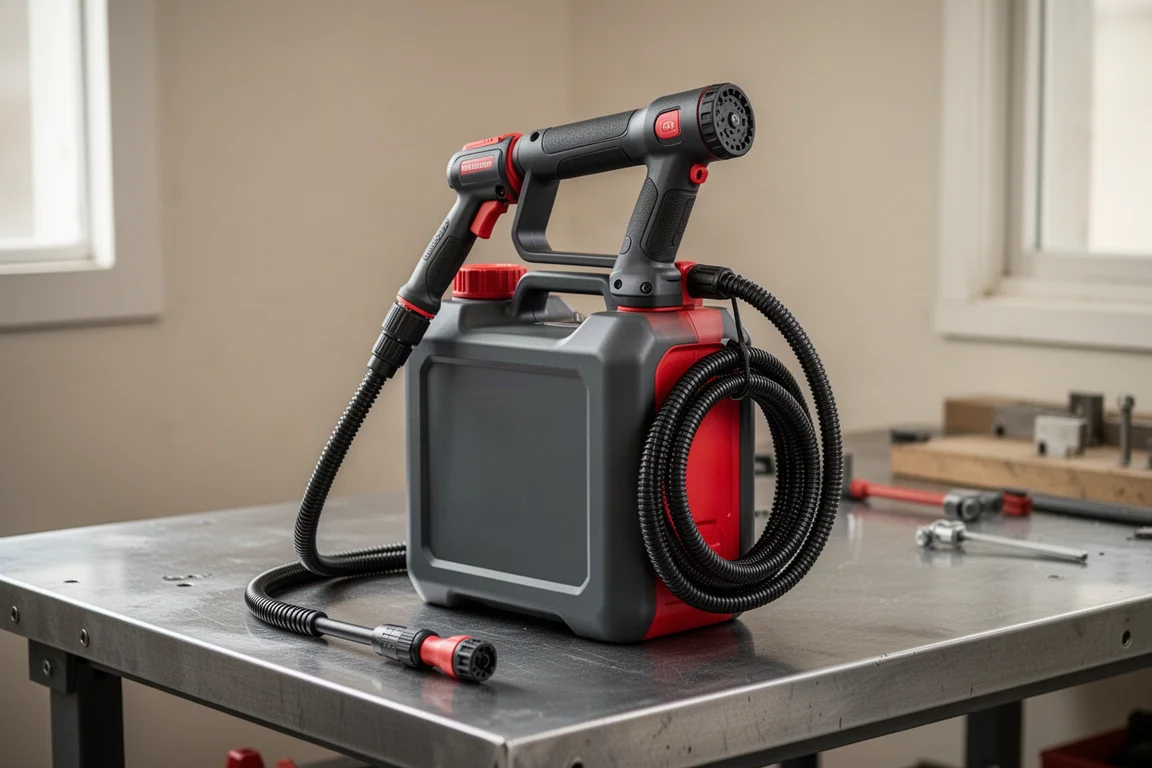
The SWITCH TANK solves a small but persistent annoyance on cutoff saw jobs: water supply. The design gets rid of the pump entirely. You attach the battery arm, turn the nozzle, and you are ready to go, with no pump to maintain or fail.
The portability is the standout. You do not need a spigot close by at all, so you can set up anywhere on site and run the saw with water wherever the work happens. For anyone cutting concrete or masonry regularly with a saw that takes a water feed, this is a simple upgrade that removes a whole category of hassle.
Milwaukee MX FUEL Breaker
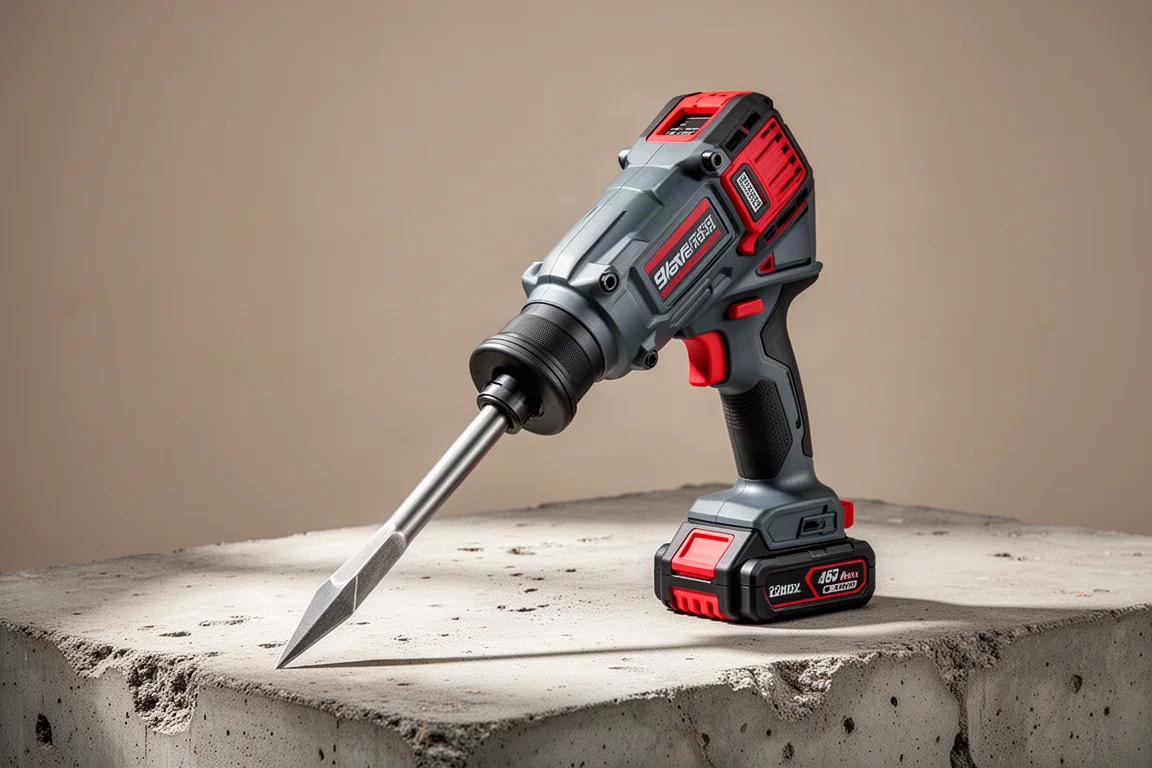
The MX FUEL breaker makes its case on two fronts: weight and vibration. It is two pounds lighter than the closest tool in its class, which sounds minor until you are breaking and lifting it constantly over a full shift. Two pounds adds up.
The floating body design is the more interesting feature. It prevents vibration from being passed to the user because the body floats rather than transmitting the shaking into your arms. In use the difference is noticeable: the vibration you would normally feel up and down the forearms simply is not there, and even the grip feels calmer. Feedback after running it was that it feels like a beast but the arms are fine.
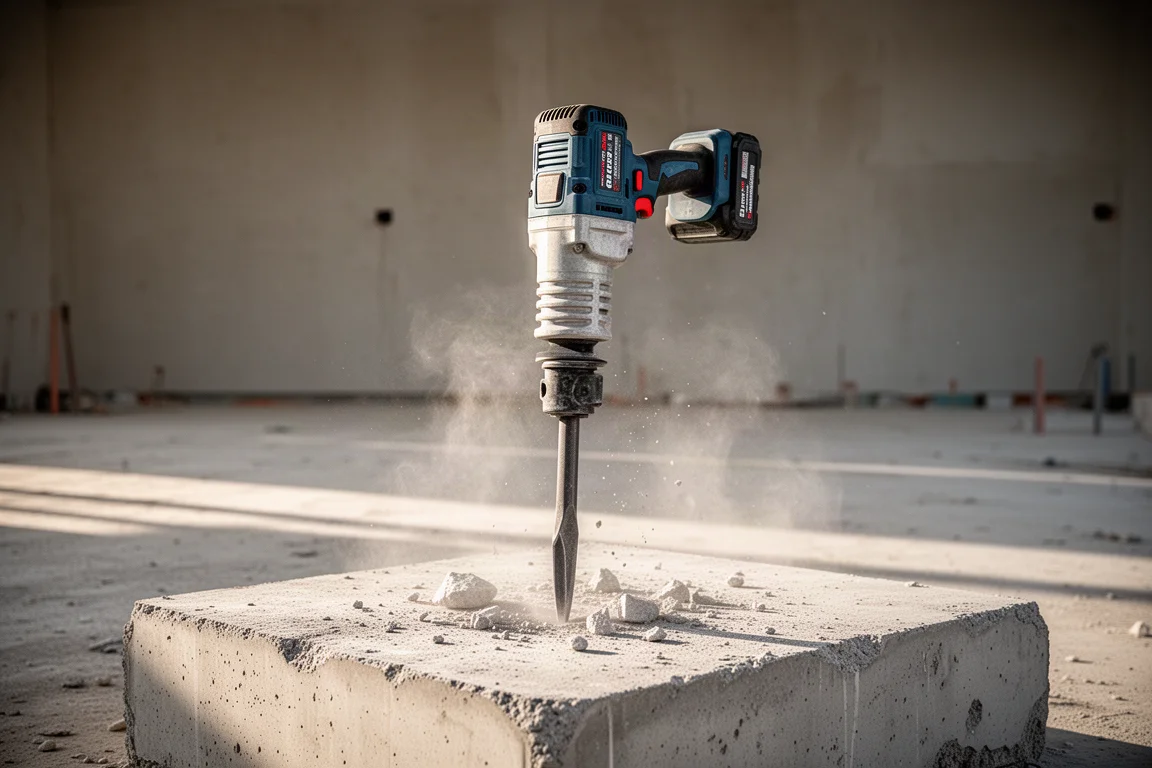
The cleverest feature addresses a classic frustration: a chisel bit buried and stuck in concrete. Normally you bang on it, pry at it, or get a second breaker to free it. With this tool you simply pull the release to the air and lift the breaker off the stuck bit, needing far less clearance underneath. If you bury the chisel, you are not stuck needing space to swing the whole tool around.
Milwaukee MX FUEL Vibratory Screener
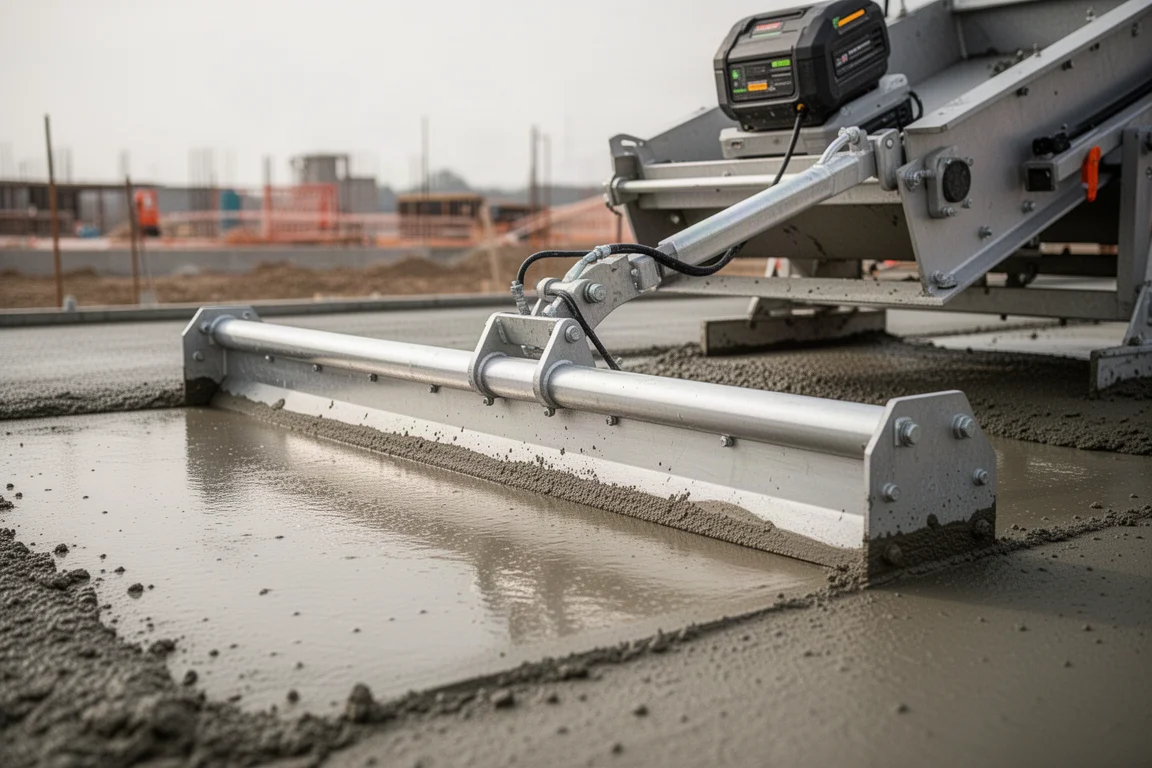
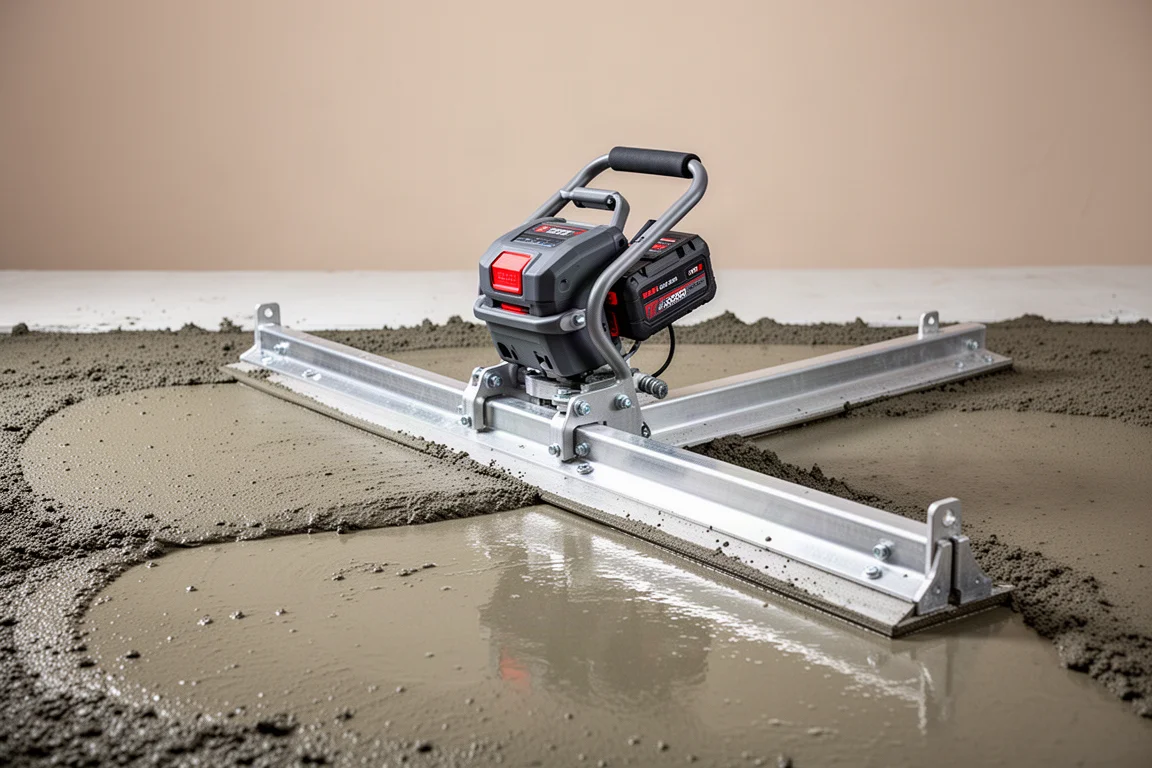
The newest tool here is the MX FUEL vibratory screener, arriving on the market February 1st. It targets the biggest complaint about gas vibratory screens: reliability. Gas units have a reputation for being unreliable, which is why crews often keep three or four on site as backups.
Running on an MX FUEL battery pack, the starting problem largely disappears. With a charged battery you have confidence it will start. Weight is manageable too, around five pounds for the power unit itself, about 20 pounds as a complete package, and the screed bars add roughly two pounds per foot, so a 16-foot magnesium bar lands around 30 pounds total.
Runtime is better than it looks on paper. On a 12-foot bar with the small battery, the claim is up to two hours, and that is two hours of continuously holding the trigger, not a generous estimate. Milwaukee will offer its own bars from 6-foot up to 16-foot, and multiple units can be attached to the same bar for longer pours. A variable speed trigger is another welcome touch, giving control the gas units lack.
Overall Buying Advice
The right pick depends on the job. For shallow cuts, rebar, and metal, the M18 FUEL 9-inch saw is the portable, easy-to-maneuver choice. For deep trench cuts indoors where fumes rule out gas, the MX FUEL 14-inch saw fills that role without pretending to replace a gas saw outright. Pair either with the SWITCH TANK to cut the cord to the spigot.
For demolition, the MX FUEL breaker stands out for its low vibration and the pull-release trick for stuck bits. And for finishing crews tired of temperamental gas screeners, the MX FUEL vibratory screener brings battery reliability and surprisingly long runtime to concrete pours.
Conclusion
Milwaukee’s concrete and masonry line covers the workflow end to end: cutting shallow and deep, supplying water, breaking, and screening. The battery approach consistently trades a little raw capability for a lot of convenience, fewer fumes, and fewer start-up headaches. Match the tool to the depth and duration of your typical jobs, and each of these has a clear case.
Further reading
Related Reviews
Power Tools
Best 1-Inch Pistol Impact Wrenches: Three Heavy-Duty Options Compared
We compare three 1-inch pistol impact wrenches, from a budget-friendly Harbor Freight model to a premium Caterpillar unit, to help you choose the right one.
Power Tools
Best 3/4-Inch Impact Wrenches 2026: Five Contenders Compared
We compare five 3/4-inch impact wrenches across price and performance, from a budget Amazon option to Snap-on's most powerful model yet.
Power Tools
Best Budget Cordless Tools 2026: Walmart Finds That Punch Above Their Price
We tested five cordless tools from Walmart, including a high-torque impact wrench that trades blows with Milwaukee and a $35 duster that outperforms its price class.