Workwear
Milwaukee Axis Heated Jacket Review: New Heat Zones and a Simpler Control System
A lightweight heated jacket with chest, back, and shoulder heat zones, a bar-style battery indicator, and a comfortable casual fit, with a few fit quirks to weigh before buying.
Introduction
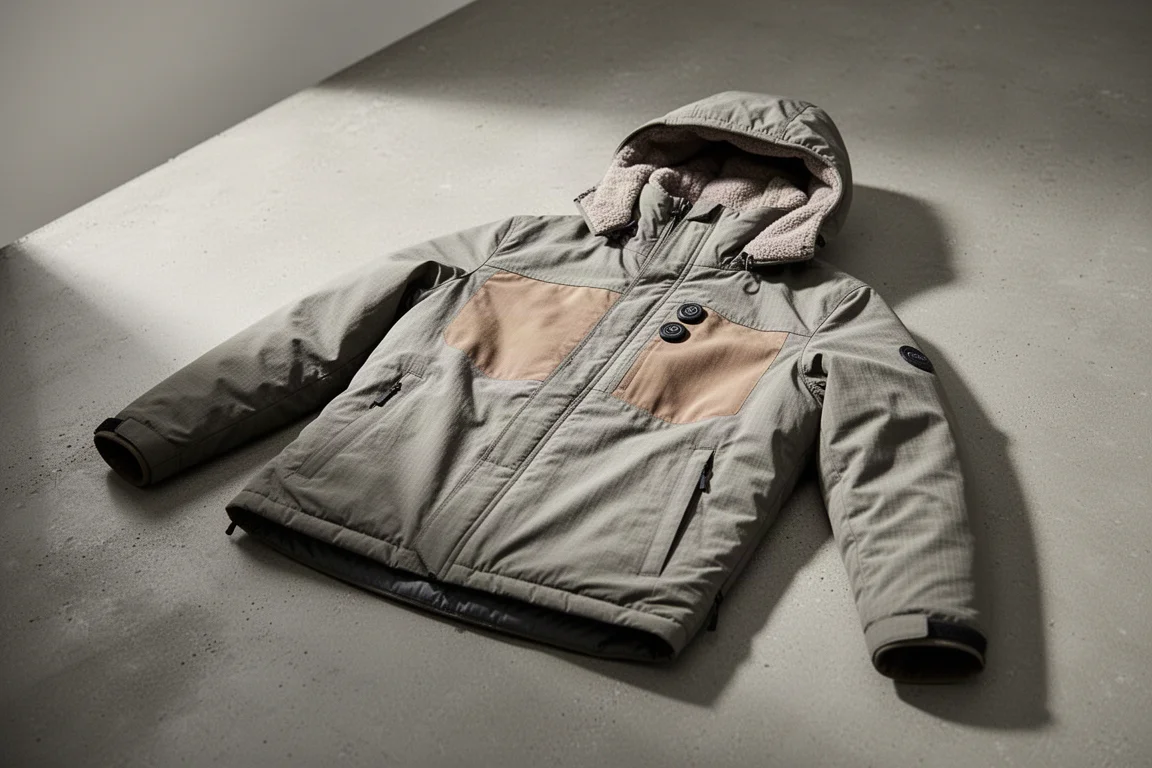
Milwaukee refreshed its heated jacket and vest lineup this year, and the Axis Heated Jacket is one of the more interesting additions. It changes the heated zones, changes how you turn the heat on and off, and keeps the whole thing lightweight enough to wear casually. After spending real time in it, the short version is that the heat placement and control system are genuinely good, while the fit has one quirk that matters more for workers than for casual wearers.
Heating Zones and Controls
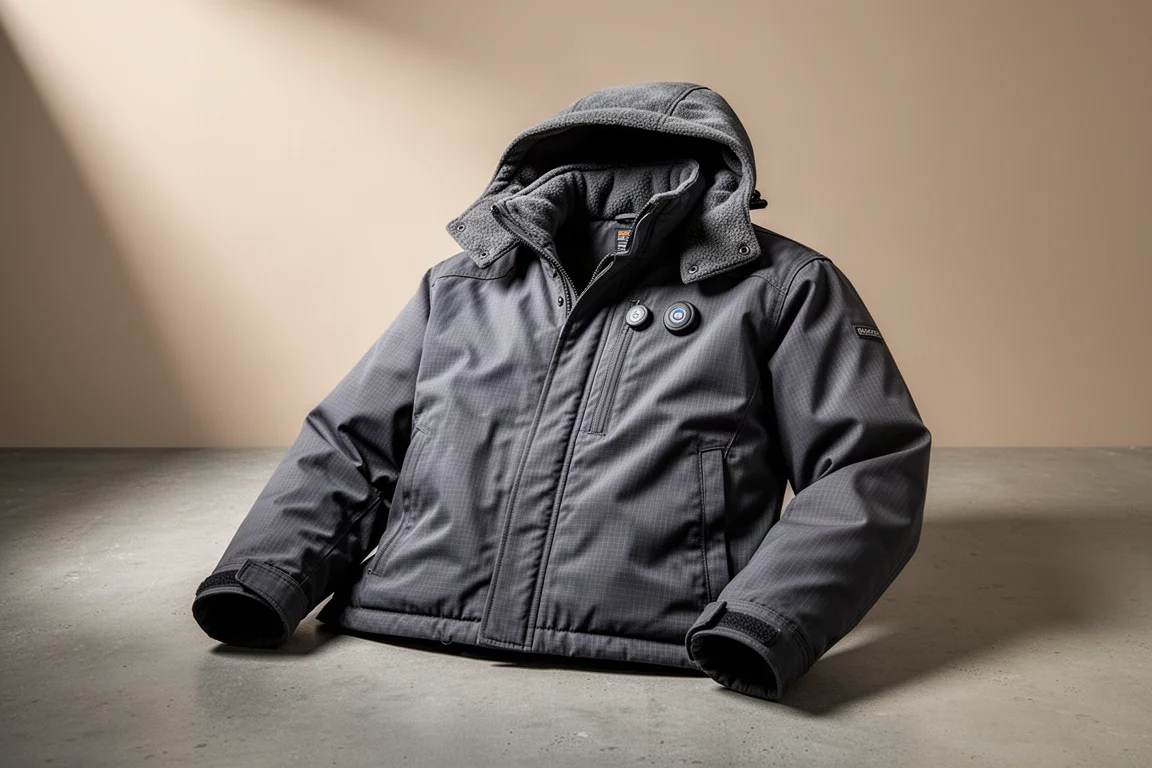
The heating layout is different from what Milwaukee has offered before. The Axis puts heat in the chest, in a single back layer, and up around the shoulders and back of the neck. The shoulder placement stands out: it is an area with a lot of blood flow, so warming it helps heat the rest of your body quickly, and it is one of the first places you feel cold.
Controls are handled with two buttons, and the system is simple. A long push turns the jacket on, single short pushes cycle through the heat levels, and a long push turns it off. Models with two control points require a long push on both buttons to power down.
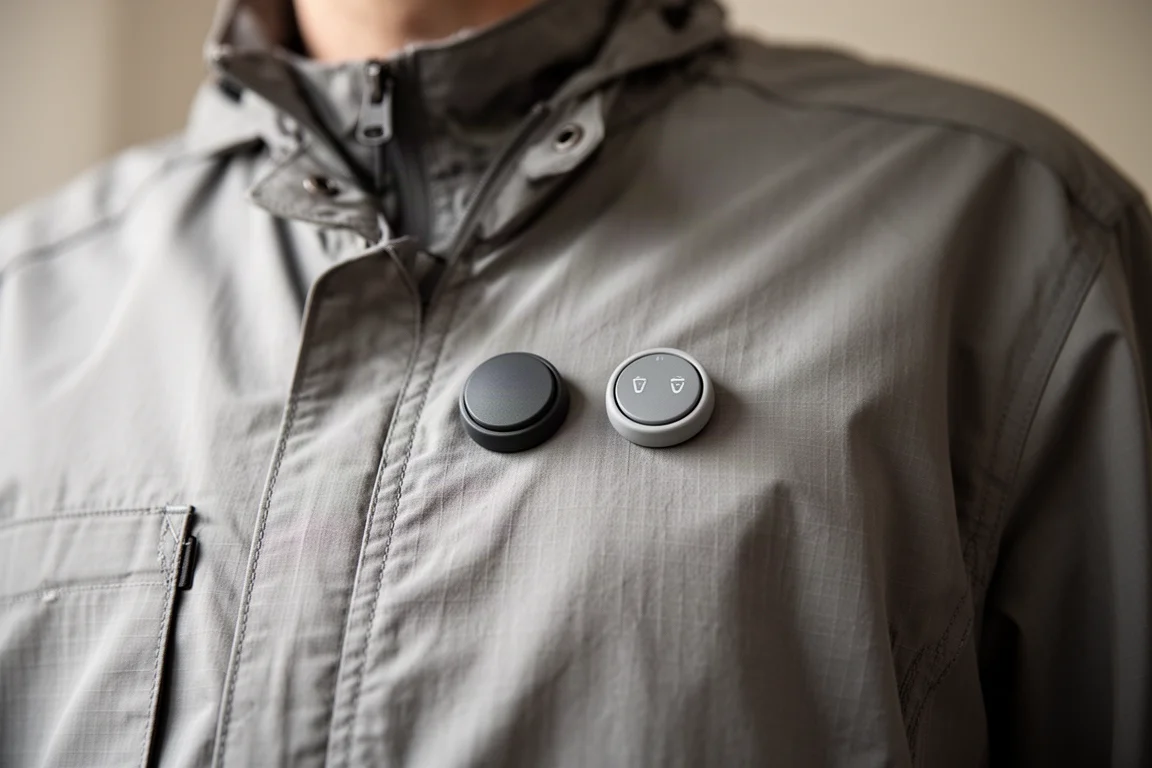
One of the better changes is the new bar-style indicator. Instead of the old red, white, and blue color-coded lights, everything now stays red and functions as a bar that shows how hot the jacket is running. It reads at a glance, which is exactly what you want when wearing gloves on a cold site.
Pockets, Battery, and Materials
The jacket has snap-closure pockets that sit on the outside. They are not deep and there is no heat around the pocket area, so do not expect them to keep your hands warm. The battery compartment, however, is well thought out. It can be positioned forward or toward the back depending on where you want the weight, with a barrier between the two sides so the battery does not drift from front to back. Both pockets run deep, and the front pocket crosses in front of the other one, which makes wearing the battery up front easy. That matters if you sit down often, since a battery in the back digs into the seat.
The fabric varies by wear zone: softer around the hood, a slightly slicker lining inside, and ripstop material overall. That ripstop construction is a real plus on the job site, helping prevent tears from turning into full rips. It is a fairly loud jacket in terms of fabric noise, worth knowing if that bothers you, and it is one of the thinner heated jackets out there, so some heat bleeds outward rather than staying fully against your body.
Fit and Everyday Comfort
Sizing and cut are strong in normal use. The extra large tested here fit well at 6’3”, with sleeves of the right length and enough room to drive or move around comfortably. The only real issue shows up when bending over or reaching across: the back stretches and pulls the sleeves up noticeably. Since the sleeves are not elastic, you have to pull them back down yourself. For work that involves a lot of bending, especially if you have long arms, that can be annoying. For casual wear, it is a non-issue.
How It Fits Over a Hoodie
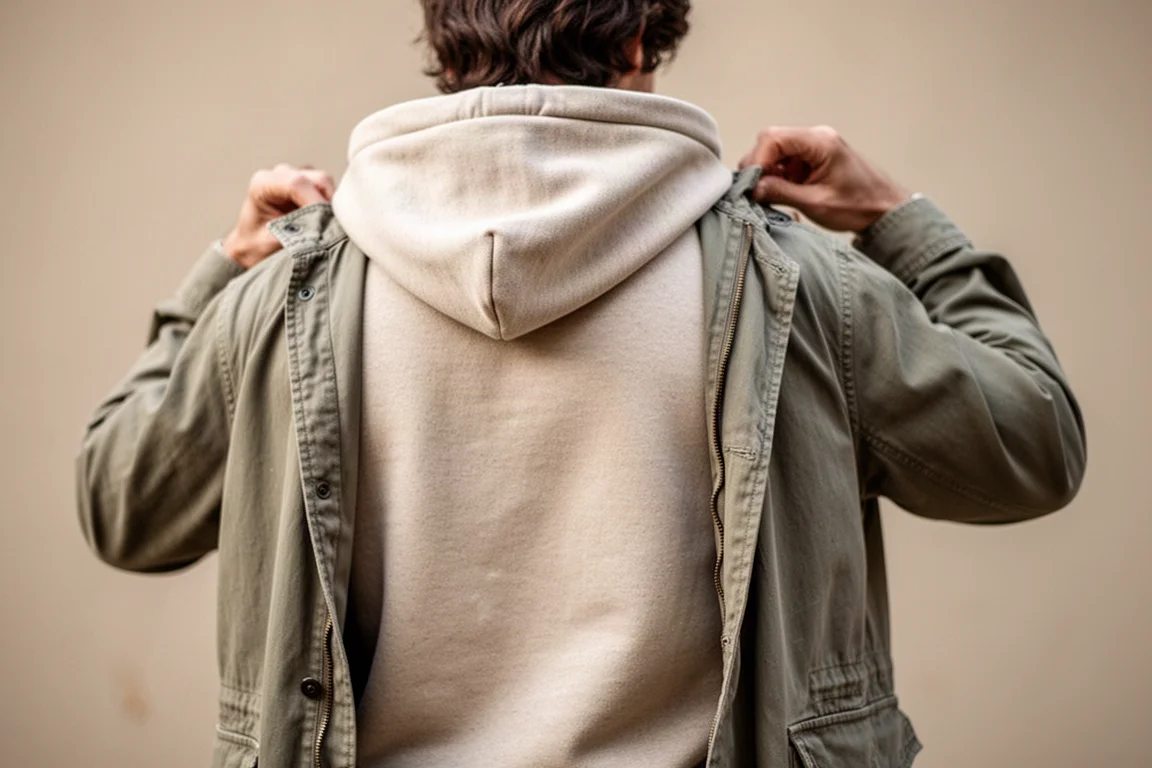
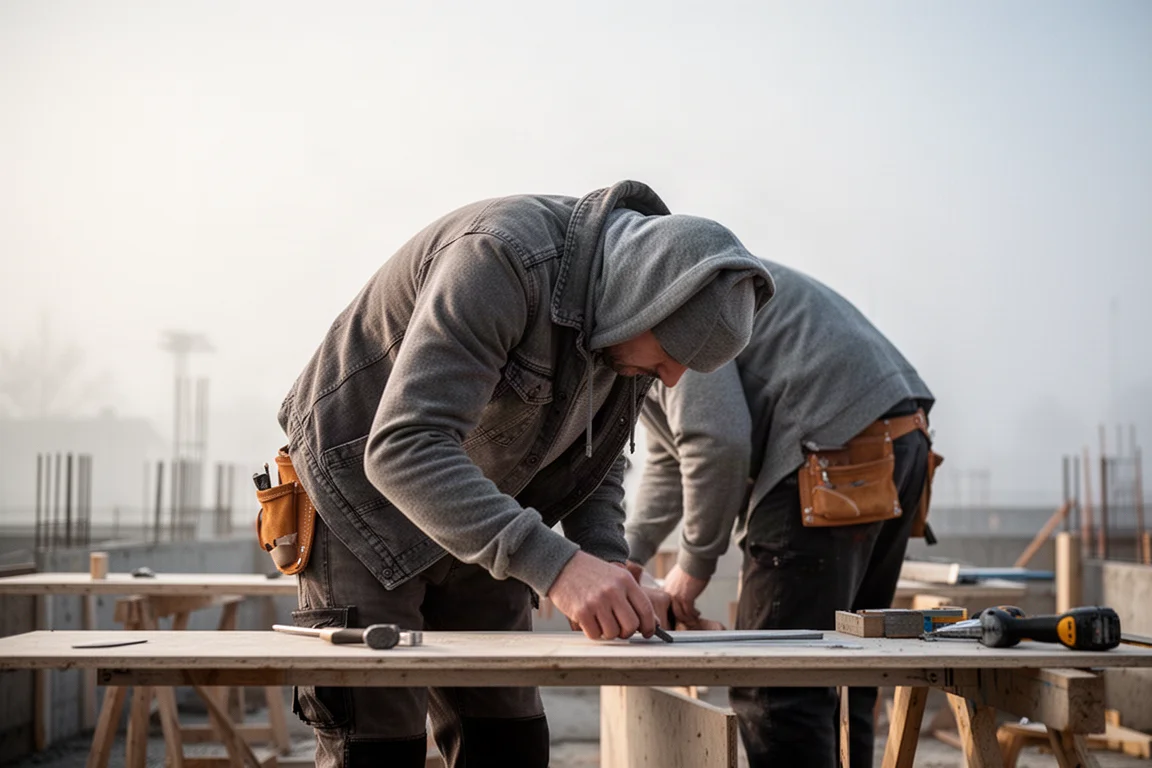
Layering is a common question with heated jackets, since anything thick over the jacket blocks the heat from reaching your body. In practice, the Axis still fits quite well over a hoodie. The fit gets snugger, two hoods stack in the back, and the hoodie tends to peek out below the jacket hem, but movement stays reasonable and the jacket actually rides up less when bending over because the inner layer tightens everything up.
The trade-off is heat. Wearing a hoodie underneath means you stop feeling the internal heat directly, and more warmth escapes through the outer fabric. The jacket works best as the layer closest to your body, which is also why heated vests appeal to many people for the same job.
The Heavy Duty Hoodie Alternative
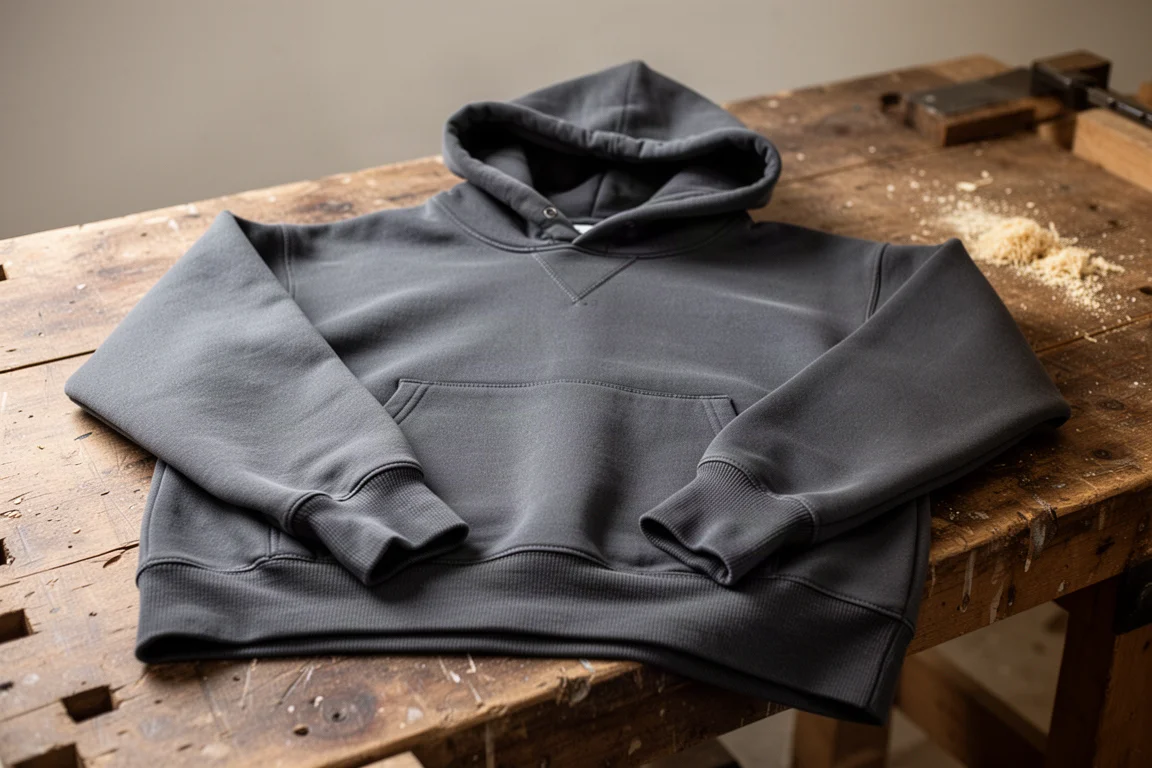
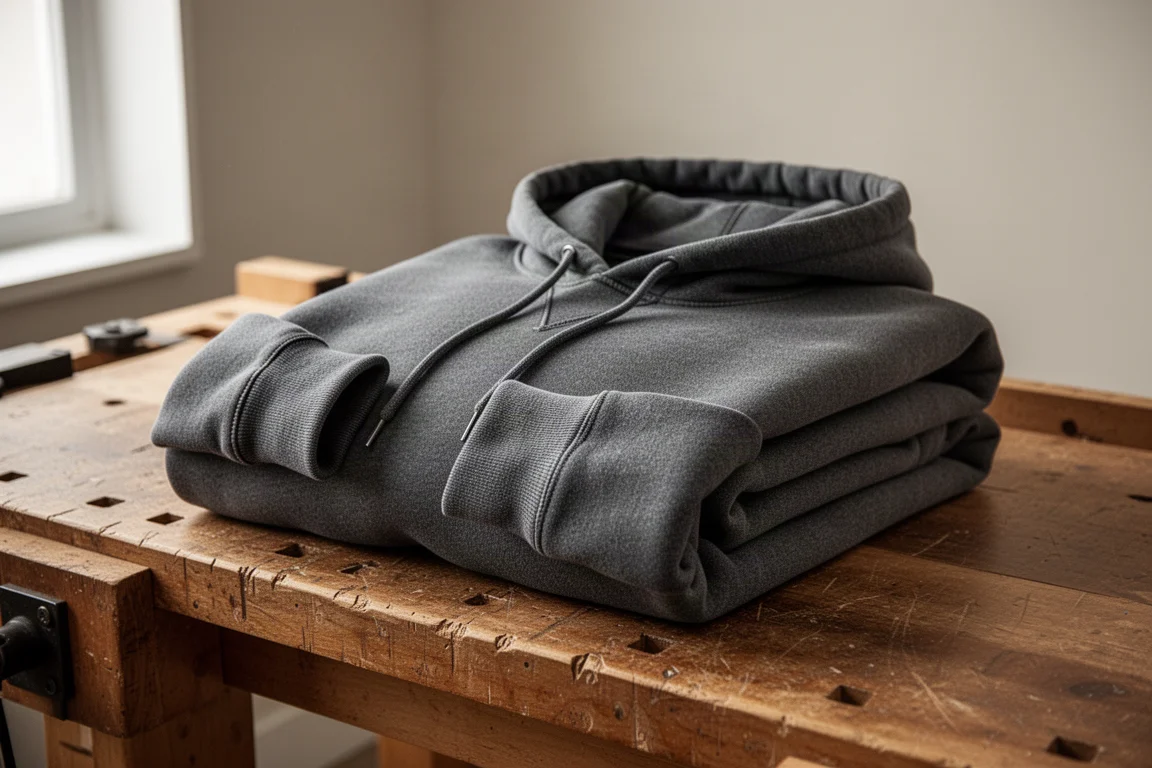
If you do not need active heat, Milwaukee’s Heavy Duty Hoodie remains a favorite. Priced around $59, it is not cheap, but it is warm, comfortable, stretches well, and shrugs off serious abuse. Sawdust and debris do cling to the black version somewhat, so the grey may be the smarter pick if that bothers you. For anyone who loves the hoodie, the Axis is a natural companion for the colder end of the same season.
Buying Advice
Milwaukee claims this jacket heats up three times faster than before. Exact speed is hard to measure by feel, but the warmth arrives quickly, and it concentrates in the top zones: shoulders, back of the neck, chest, and upper back. That is the right placement for how people actually get cold.
Long-term durability on the job site is the open question, though the new buttons feel like a clear improvement. The honest guidance: if you bend over or reach across constantly at work and have long arms, the sleeve ride-up will probably bother you. For roughly 99% of buyers, especially anyone using it for casual wear, cool mornings, or layered fall and spring use, it should work very well.
One practical note: these jackets sell quickly at Home Depot and you generally cannot try them on first. Sizing online takes some guesswork. The tester fit an extra large at 6’3” but could see a 2X adding room in the chest along with extra body length, so reading sizing feedback from other buyers before ordering is genuinely useful.
Conclusion
The Milwaukee Axis Heated Jacket gets the important things right: smart shoulder and neck heat zones, a much clearer bar-style indicator, simple on/off and level controls, a useful front-or-back battery pocket, and lightweight ripstop construction. The main caveat is the sleeve ride-up when bending, which matters most for hands-on work with longer arms. As a casual heated layer, and as a step up from the already excellent Heavy Duty Hoodie, it is an easy jacket to like.
Further reading
Related Reviews
Workwear
1620 Workwear Foundation Series Work Pants: Built Like Armor, Priced Like It Too
Heavy-duty waterproof work pants made in the USA with a tailored fit, thick Cordura-blend fabric, and a few trade-offs worth knowing before you spend around $140.
Workwear
Bamal FR Flame Resistant Shirts and Pants: Fire, Tear, and Water Resistance in One Kit
A hands-on look at Bamal FR's treated cotton workwear, which combines flame resistance with water and tear resistance, plus sizing notes worth knowing before you buy.
Workwear
Brunt Workwear Picks: Three Pieces Worth Considering in 2026
The Marin, the Omen, and McKenna workwear: three Brunt products that hold up to hard use, plus what to know before buying.