Power Tools
Milwaukee 767 Buyers Guide: Which Version to Get and Which to Avoid
A parts revision change on the Milwaukee 767 appears to have introduced reliability issues. Here is how to tell the versions apart and what to do if you already bought one.
Introduction
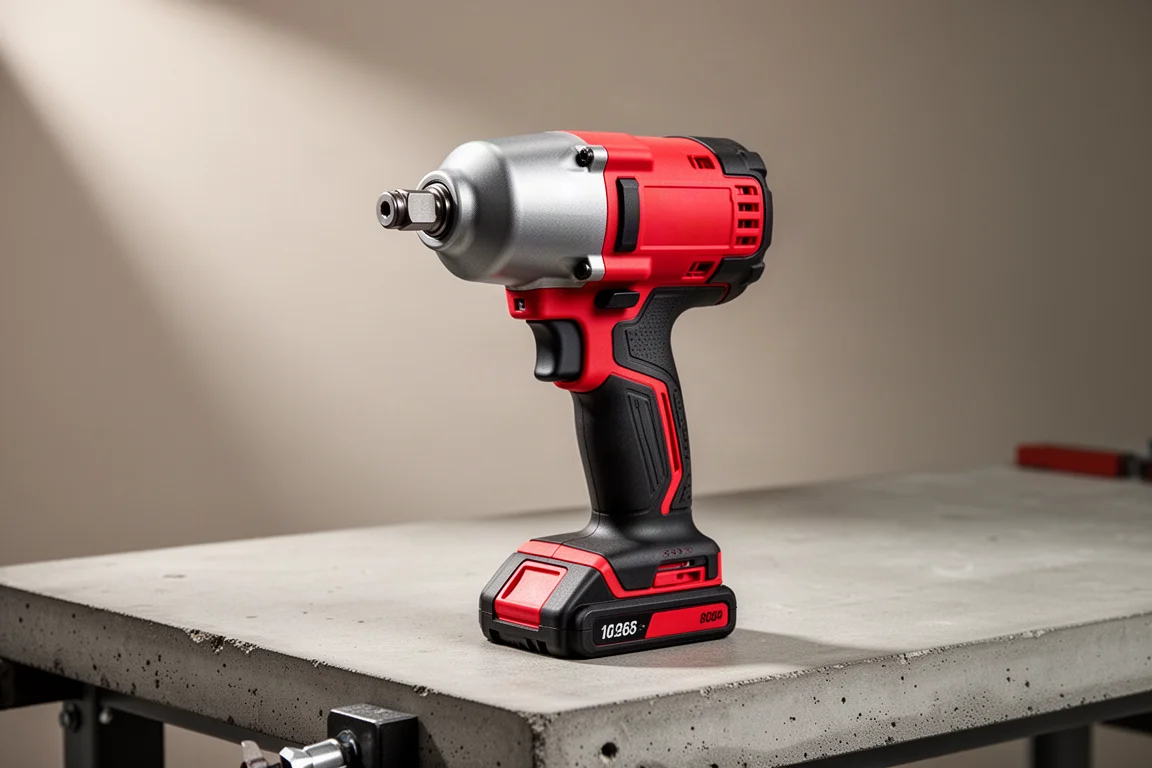
The Milwaukee 767 is a flagship product for the brand and a key part of its push into the mechanics market. That makes recent reports about reliability problems worth taking seriously, especially if you are shopping for one right now.
This guide explains what has changed, how to identify which version you are getting, and the practical steps worth taking if you already own the newer revision.
What Happened to the Milwaukee 767
Reports of unusual noise on the Milwaukee 767 have been growing for about a month, with owners reaching out to describe problems they could not initially pin down. Independent tool testing teams collected more feedback and put the tool through its paces, and the results point to a change Milwaukee made in August.
The change appears to stem from supply chain pressure. To keep the product shipping, Milwaukee substituted slightly different parts and updated the tool, and the workaround does not seem to have worked out well. Owners of the new revision report several issues, apparently related to the trigger and the hammer mechanism.
Milwaukee is generally regarded as being good about service and support, and given how central this tool is to its mechanics-focused lineup, it is reasonable to expect the company to address the problem rather than let it sit.
How to Tell the Versions Apart
The difference comes down to a small marking on the part number. The older, good version ends in 96a. The newer, problematic revision ends in 96b.
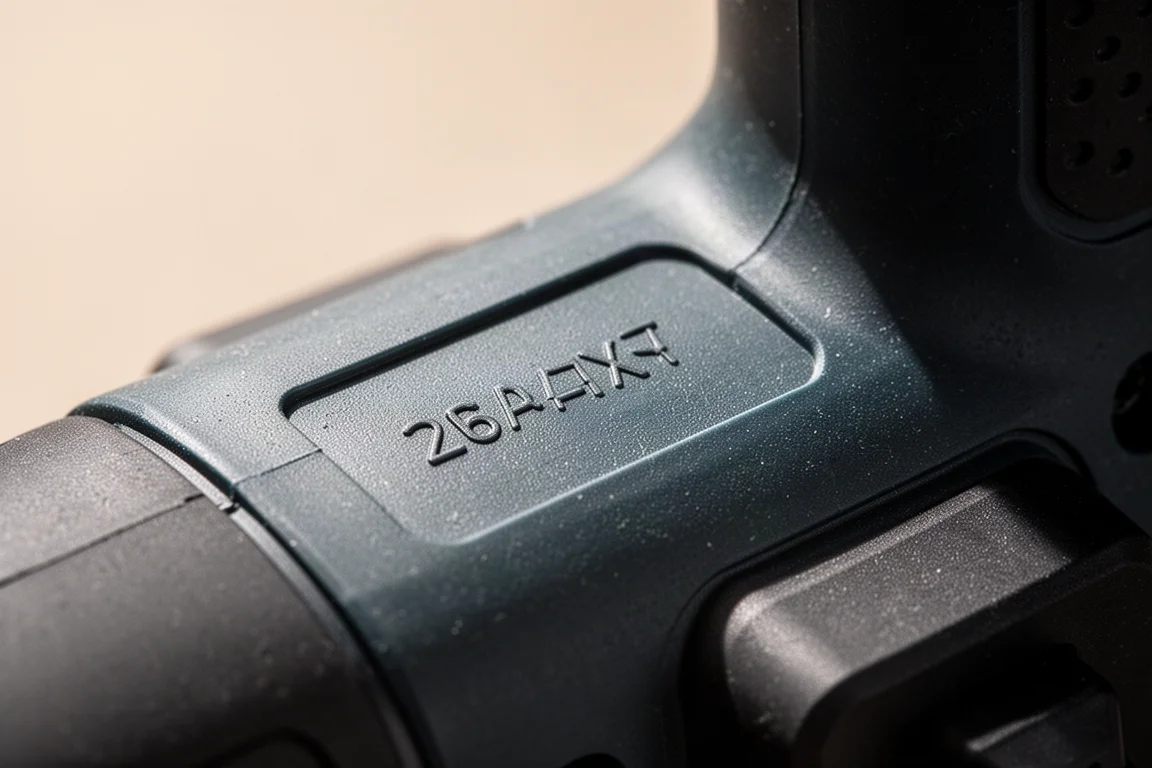
The rule of thumb is simple: A is the old version, B is the bad version. If you are buying in person or can inspect the packaging and part markings before purchase, check for that suffix before committing.
Should You Return a 96b Unit
If you already bought one of the newer 96b units, returning it is the recommended move. Most stores currently offer a 90-day return policy, which should give you enough time to exchange it.
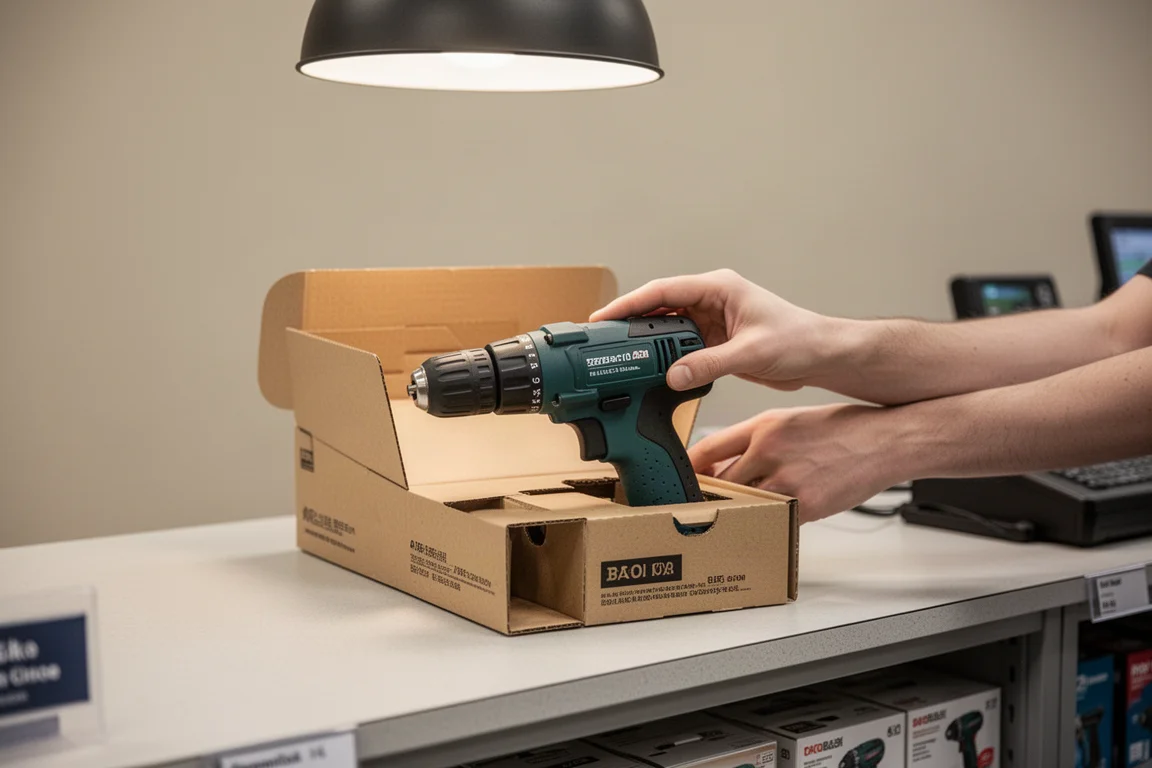
The best outcome is swapping it for old stock of the previous 96a version, which does not exhibit these problems. Until Milwaukee issues a fix, an update, or a recall on the newer revision, sticking with the earlier version is the safest option.
Buying Advice Going Forward
If you are shopping for a Milwaukee 767 now, treat the version check as a required step rather than an optional extra. Confirm the part marking ends in 96a before you buy, and avoid the 96b revision until there is an official fix.
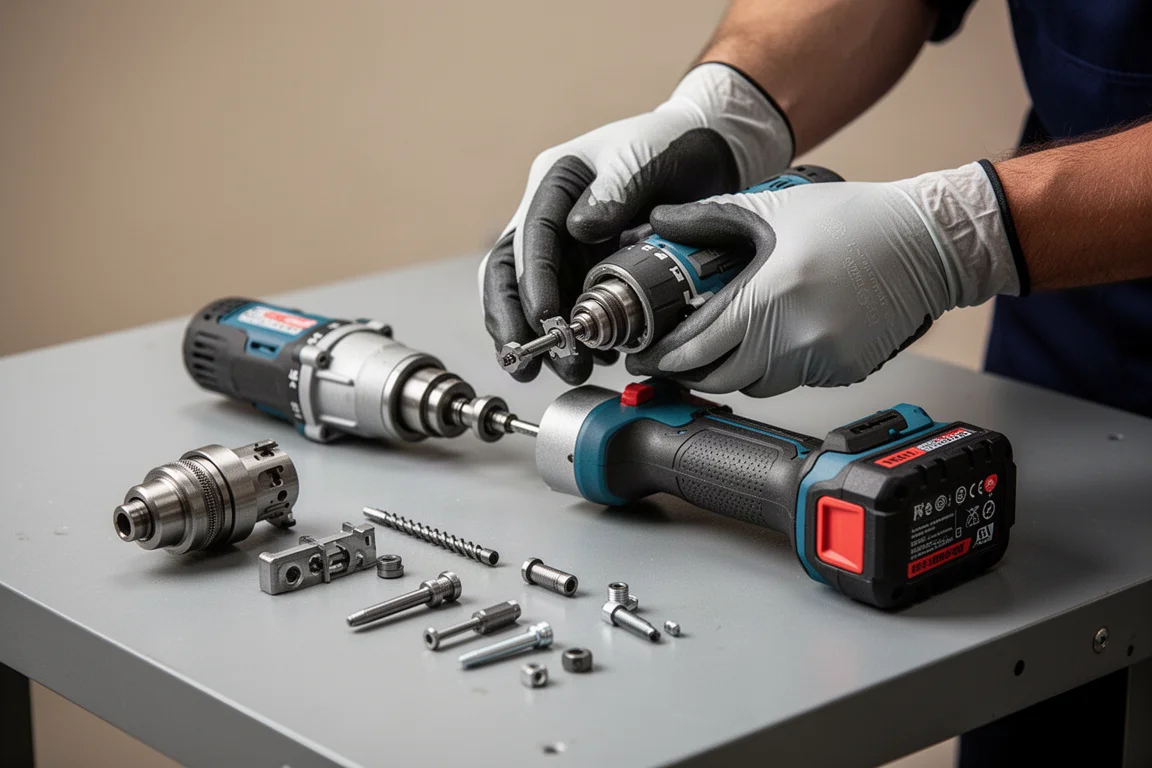
If you already own a 96b unit and are experiencing noise or trigger issues, return it within the store’s return window. Given Milwaukee’s reputation for standing behind its tools, a formal remedy for the newer revision seems likely, but there is no need to wait out the problem with a defective unit in hand.
Conclusion
The Milwaukee 767 remains a strong tool on paper, but the recent parts revision has clearly created problems for owners of the new version. Check the part marking, choose the 96a revision, and return any 96b unit within the return window. A fix from Milwaukee is worth watching for, but until it arrives, the older version is the one to buy.
Product link
View more details for Milwaukee 767
This product is mentioned in the review. Check the specifications, options, and compatibility before buying.
View more details for Milwaukee 767Further reading
Related Reviews

Power Tools
Best 1-Inch Pistol Impact Wrenches: Three Heavy-Duty Options Compared
We compare three 1-inch pistol impact wrenches, from a budget-friendly Harbor Freight model to a premium Caterpillar unit, to help you choose the right one.

Power Tools
Best 3/4-Inch Impact Wrenches 2026: Five Contenders Compared
We compare five 3/4-inch impact wrenches across price and performance, from a budget Amazon option to Snap-on's most powerful model yet.

Power Tools
Best Budget Cordless Tools 2026: Walmart Finds That Punch Above Their Price
We tested five cordless tools from Walmart, including a high-torque impact wrench that trades blows with Milwaukee and a $35 duster that outperforms its price class.