Hand Tools
Milwaukee 48-22-9026 26" Splitting Axe Review: Heavy, Capable, With One Big Question Mark
A 5.9-pound splitting axe from a tool brand better known for power tools. It splits rounds surprisingly well, but the handle design raises durability concerns worth understanding before you buy.
Introduction
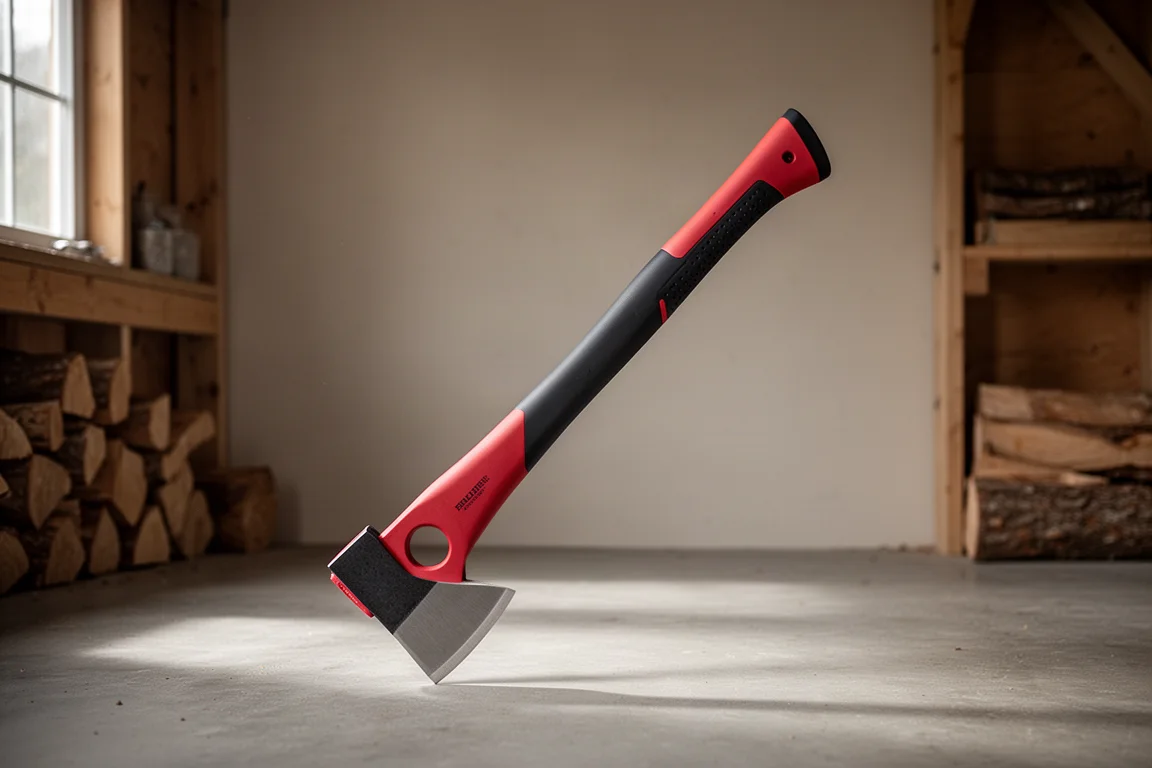
Milwaukee is a name most people associate with power tools, so a hand-built wood-splitting axe from the same brand is an interesting proposition. The 48-22-9026 26-inch Splitting Axe sits in a crowded category alongside long-established forestry brands, and expectations for a newcomer from a power tool company are understandably modest. After working through a pile of rounds with it, the short version is that the head side of this axe performs better than expected, while the handle raises questions that deserve a closer look before spending money.
Who This Product Is For
This is not a trail axe, a felling axe or a kindling hatchet. Milwaukee also offers a shorter splitting hatchet, but the 26-inch model is aimed squarely at one job: splitting rounds that have already been cut to length with a chainsaw, typically around 16 inches, and breaking them down into thirds or quarters. It is a woodshed tool, not something you would strap to a vehicle for general trail clearing or tree work. Buyers who need one tool for many jobs should look elsewhere; buyers who split firewood regularly and want a dedicated round splitter may find this a sensible fit.
First Impressions and Weight
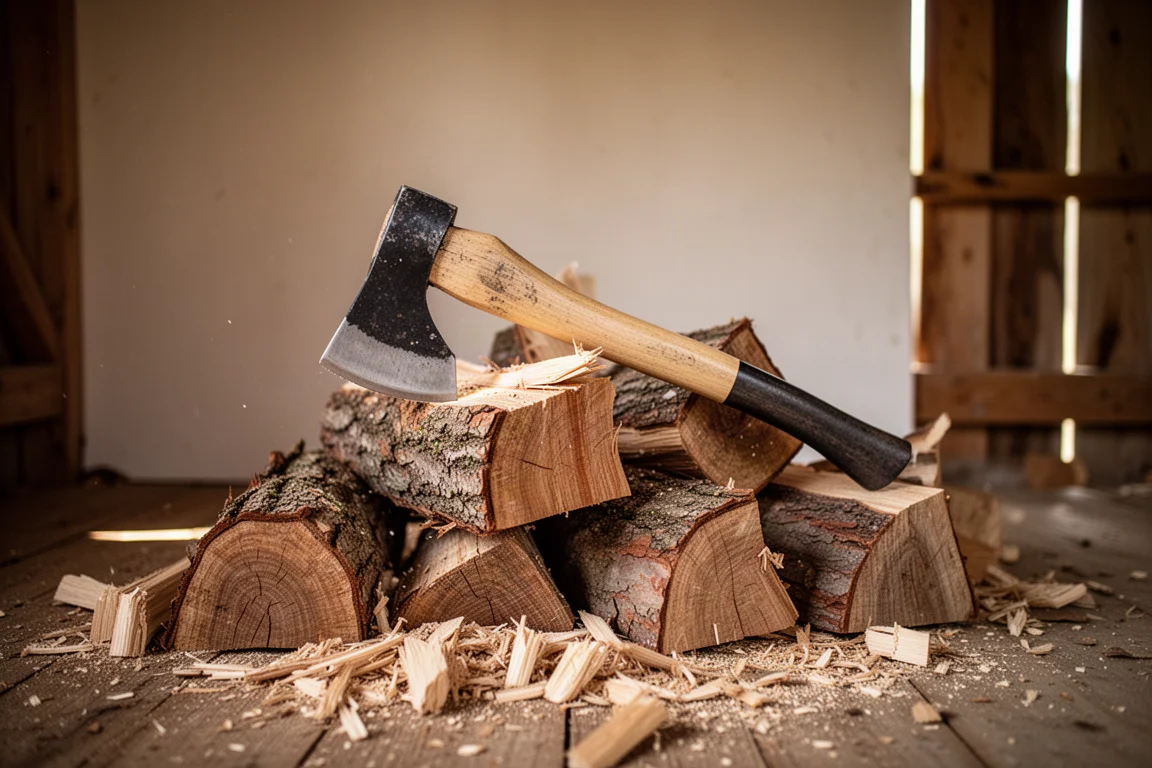
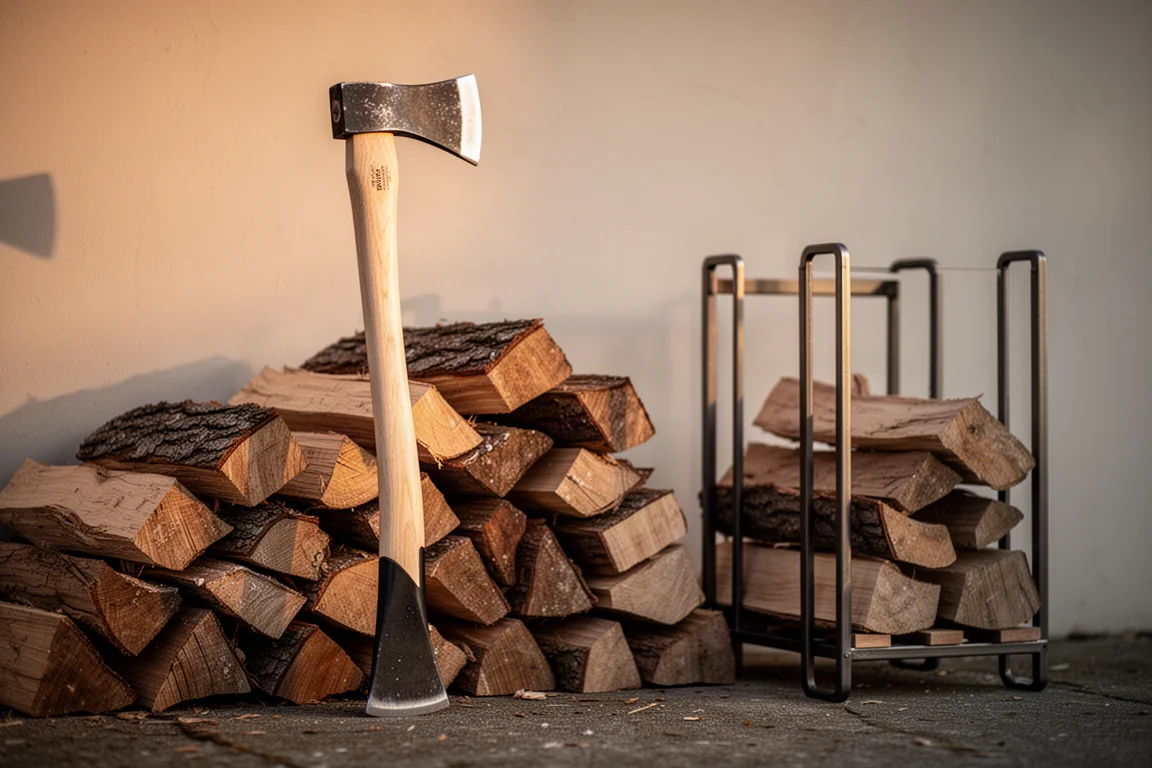
The first thing to know is the weight. At 5.9 pounds, this is a genuinely heavy splitting axe, close to six pounds in hand. For context, comparable tools often sit far lighter: a compact splitting hatchet around 3.3 pounds, a mid-size full-metal forestry axe around 4.7 pounds, and a classic full-metal handled axe around 3.1 pounds. That difference of up to a pound and a half really adds up over a long splitting session, and even lighter-feeling tools can seem heavy by comparison once the swings pile up.
The extra mass does translate into splitting authority, but it also means this is a tool you feel in your shoulders. Anyone with a smaller frame or less splitting experience should factor that in before committing.
How It Splits
Performance on rounds was the pleasant surprise. The blade arrives from the factory reasonably sharp, sharper than expected, and the head geometry does its job. The bit spreads quickly from the narrow front edge to a wide profile behind it, which is exactly what a splitting axe should do: drive wood apart rather than cut it.
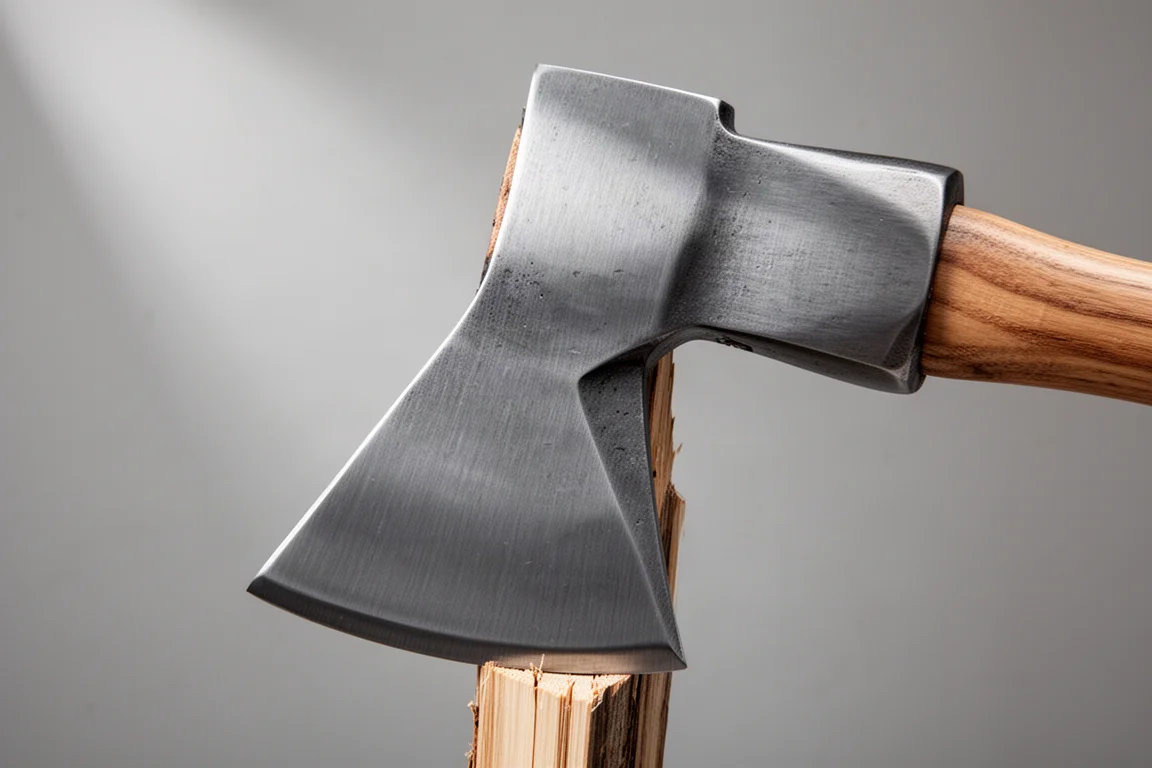
The head uses an unusual trapezoid shape, and there is a large hole in the head of unclear purpose, possibly intended for hanging storage. Neither detail hurts function, though the hole is an odd design choice. There are many valid ways to design a splitting axe, and Milwaukee’s approach works in practice even if it looks unconventional.
Things to Consider Before Buying
Two issues stand out. First, the blade geometry: the bit sits noticeably higher on the head than on many competing axes, where the blade typically comes down a little lower. In practice this produced several overstrikes, where part of the edge landed on the wood and part of the strike hit the axe frame instead. Placement takes more practice than with familiar axes, and that learning curve is worth knowing about upfront.
Second, and more serious, is the handle. The full-length plastic-over-metal handle appears to be built on a strength-through-mass principle, essentially more material equals more strength. That is not the most refined engineering approach, especially since competitors use hollow fiberglass resin composite handles that hold up well. Reports and published images show handles on this style of tool breaking internally, with the underlying structure resembling a pipe. Whether that failure mode is fully resolved here is uncertain, and for a six-pound tool swung repeatedly at wood, handle integrity matters a great deal.
How It Compares
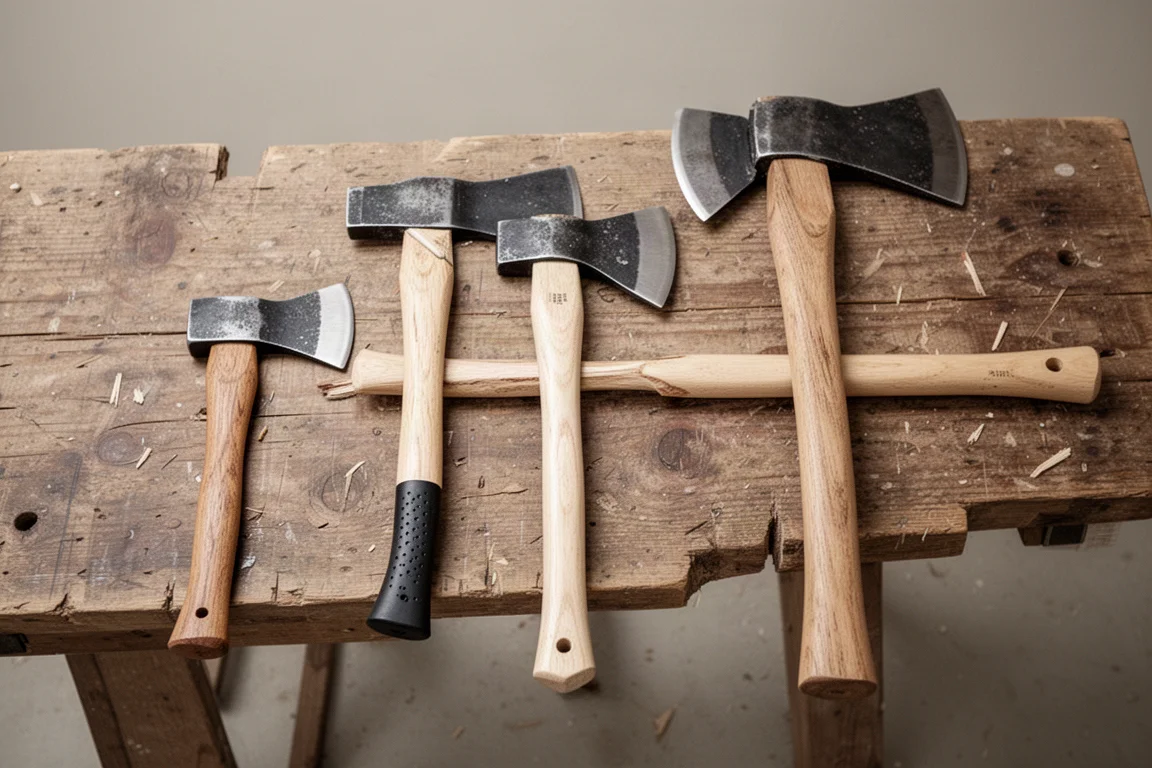
Against a traditional full-metal handled axe of similar length, this tool is nearly half again heavier and is a true splitter rather than an all-purpose axe. Classic full-metal axes stick in wood like a knife blade and can bend under heavy splitting work; a dedicated splitting head with thick cheeks is the right tool for rounds.
Against premium options, the market context matters. A well-regarded premium splitter can easily reach around $100, and top-tier forestry brands can push past $200. A mainstream composite-handle competitor sits around $70 to $80 for its good splitter. At roughly $45 to $46, this Milwaukee undercuts all of them while delivering a genuinely effective head. That price is its strongest argument, as long as the handle holds together.
Buying Advice
If the handle proves durable, there is little wrong with the front end of this tool: the head geometry, factory sharpness and splitting performance are all solid. The realistic way to think about it is simple. It is a low-cost, head-focused round splitter for the woodshed, bought with awareness of the handle question.
For anyone splitting serious volumes of firewood or wanting one tool for multiple tasks, established forestry brands remain the safer spend. For occasional round-splitting duty at a budget price, this Milwaukee makes a defensible case.
Conclusion
The Milwaukee 48-22-9026 26-inch Splitting Axe is a heavy, inexpensive splitter with a surprisingly capable head, decent factory sharpness and effective geometry for breaking down rounds. The trade-offs are significant weight, a blade placement that takes practice, and genuine uncertainty about long-term handle durability. Buy it for what it is: a budget woodshed tool with a strong head, not an all-purpose axe.
Product link
View more details for Milwaukee 48-22-9026 26" Splitting Axe
This product is mentioned in the review. Check the specifications, options, and compatibility before buying.
View more details for Milwaukee 48-22-9026 26" Splitting AxeFurther reading
Related Reviews
Hand Tools
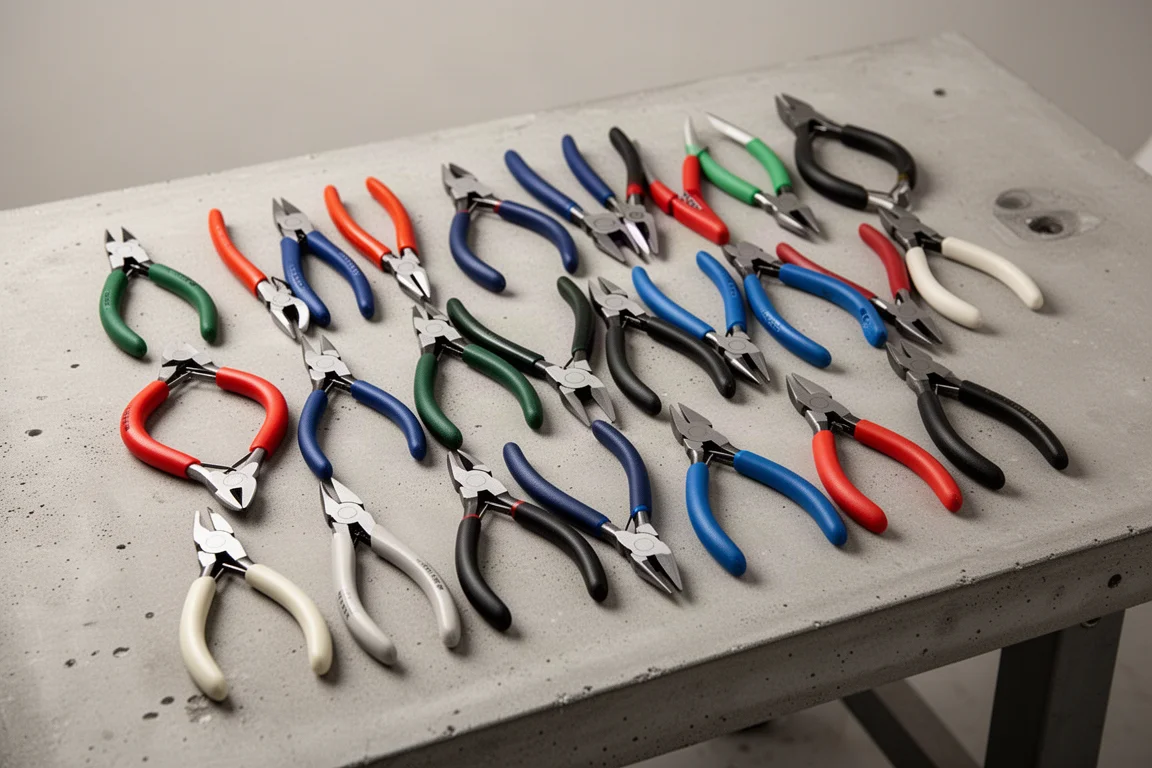
Best Diagonal Cutters 2026: 16 Pliers Tested for Cutting Power and Durability
We put 16 diagonal cutters through nail, screw, drill bit, and hex key tests to find the best value picks for your toolbox.
Hand Tools
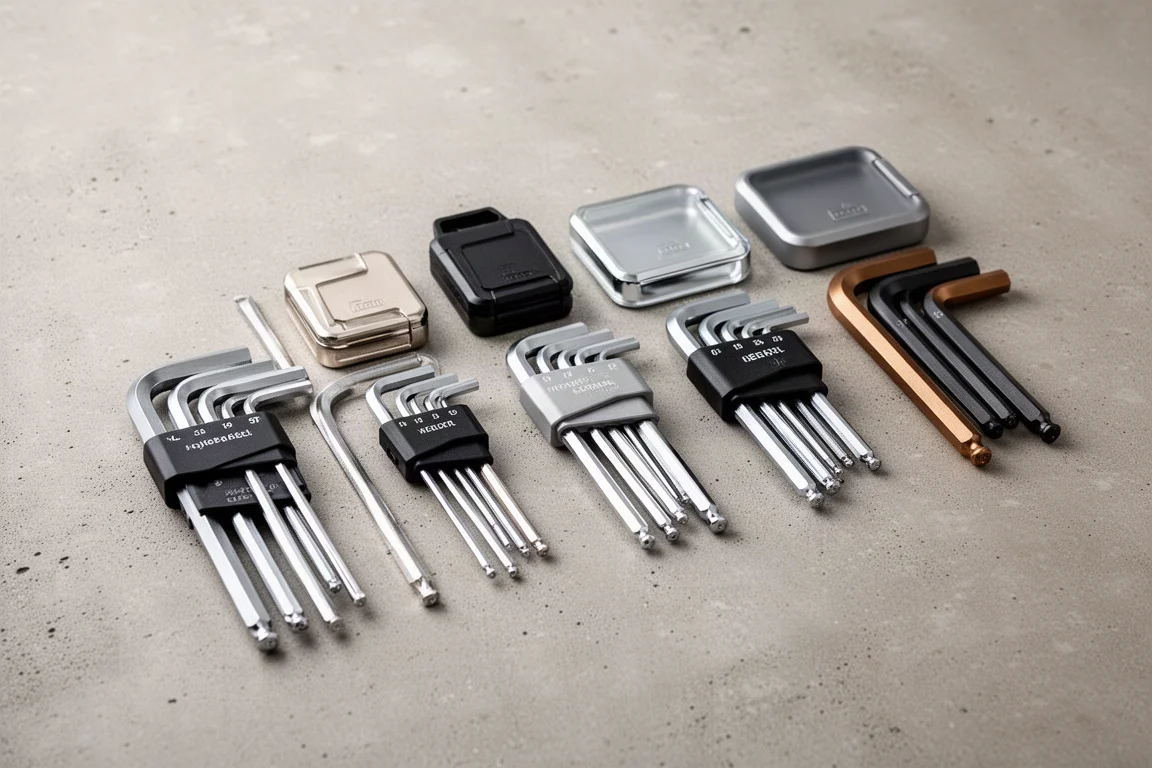
Best Hex L Key Sets 2026: Nine Sets Tested for Real-World Torque
Nine hex L key sets from budget to premium, tested for torque, fit, and durability. See which sets deliver real performance and which ones to skip.
Hand Tools
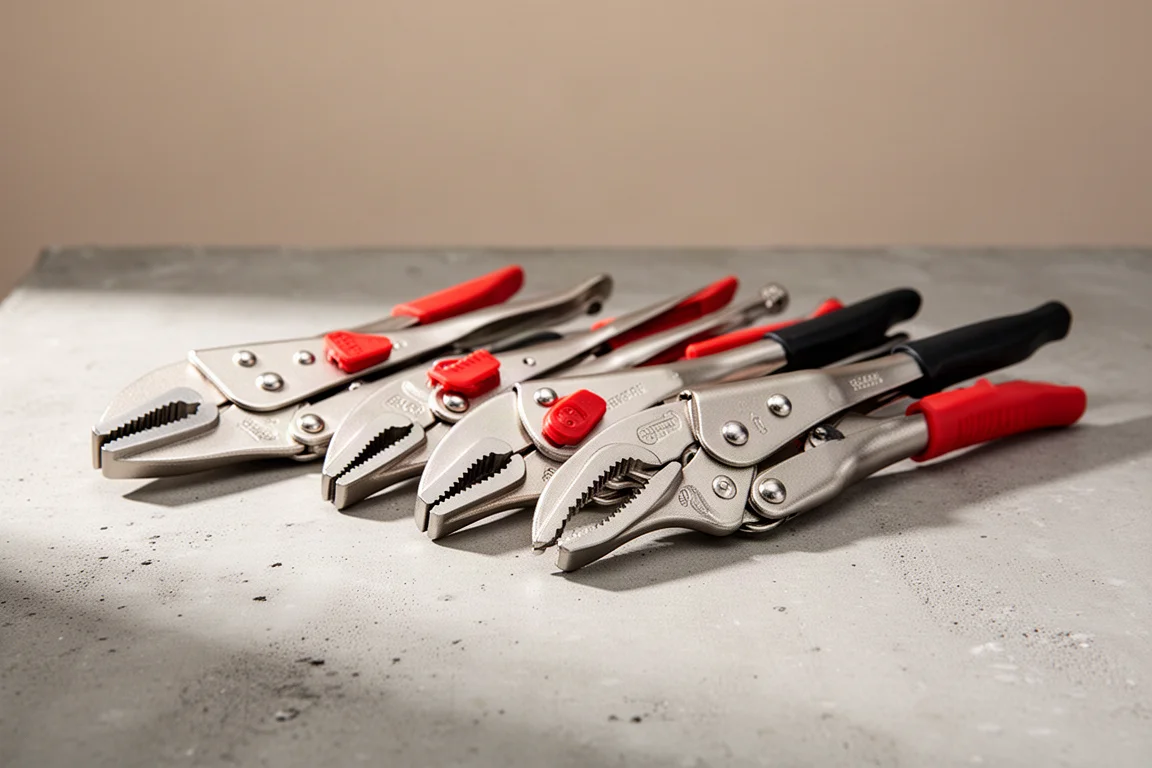
Best Locking Pliers 2026: Top Picks Tested for Grip and Durability
We tested 18 brands of 10-inch locking pliers for grip strength, jaw bite, build quality, and ease of release to find the best options for tough jobs.