Jobsite Audio
Milwaukee 2954-20 Bluetooth Jobsite Speaker Review: Great Sound at Mid Volume, With Limits
A linked-pair test of Milwaukee's Bluetooth jobsite speakers shows excellent mid-level sound quality, IP54 durability, and a few trade-offs you should know about before buying.
Introduction
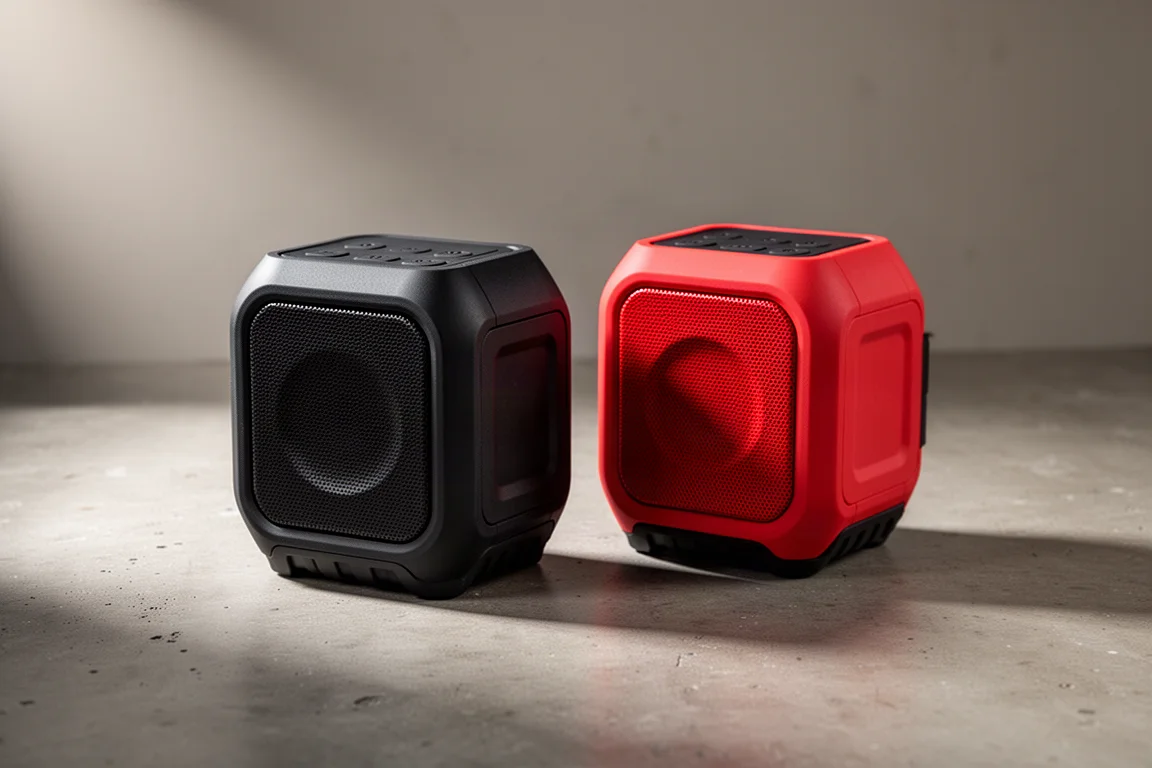
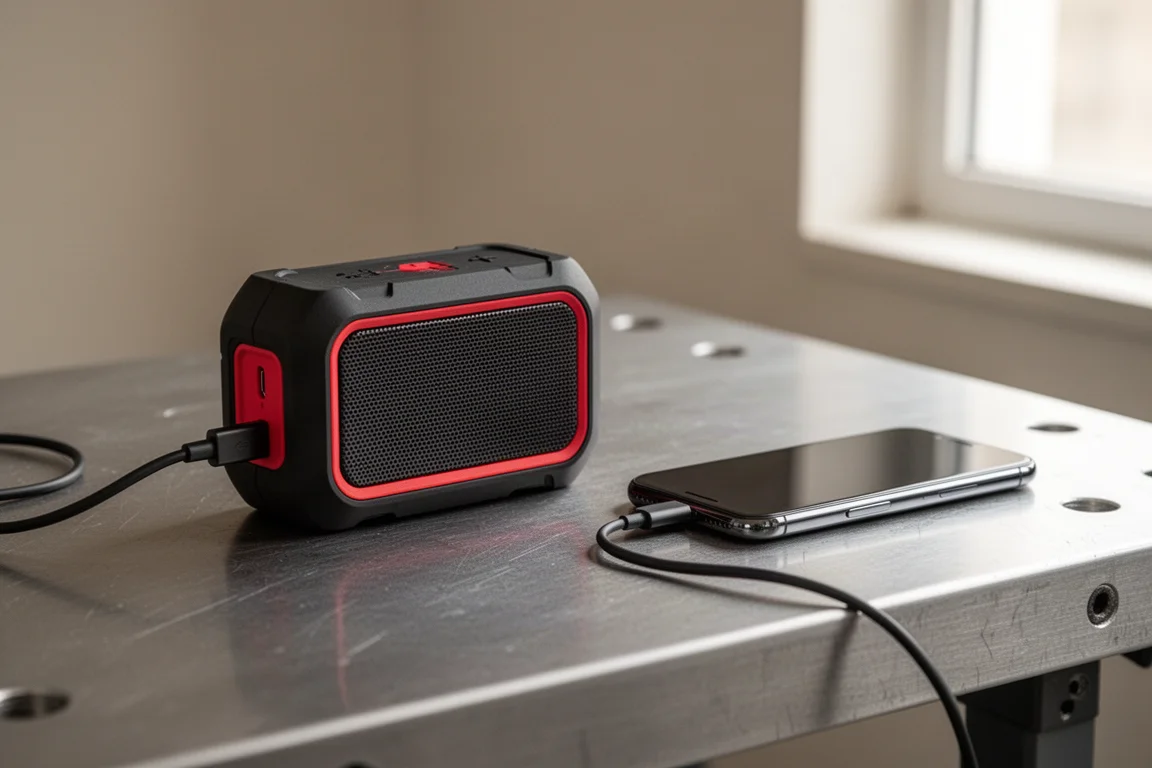
Milwaukee’s 2954-20 Bluetooth jobsite speaker (listed as model 2954-20 / 2954D20) is sold for $159 as a bare tool, and Milwaukee claims it delivers the most versatile sound in its class. After spending time with a pair of them, linked together and tested against Milwaukee’s own Packout jobsite radio and a JBL Charge 5, the short version is this: it sounds genuinely excellent at medium listening volumes, but it is not built to blast a jobsite.
Whether that matters depends entirely on how you listen to music at work. Here is what you need to know.
Who This Speaker Is For
This is a speaker for someone who wants genuinely good sound quality at normal, everyday listening levels rather than maximum loudness. If your idea of jobsite audio is music filling the whole building at high volume, this is not your speaker. If you listen at roughly half to 60% volume on your phone, the sound quality is remarkable.
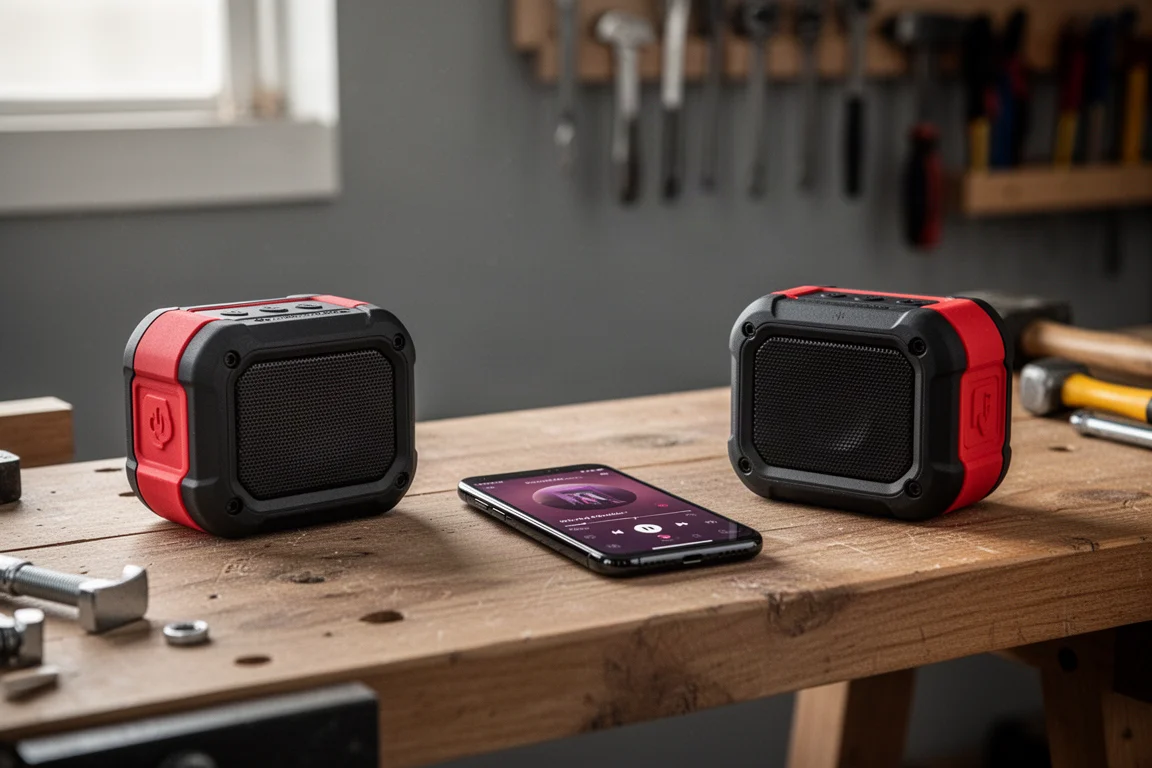
The other audience is anyone who wants to spread audio across a shop or multiple rooms. Milwaukee makes linking multiple speakers simple: there is a link button on the top of each unit. Press it once on each speaker you want to combine, pair your phone with just one of them over Bluetooth, and all of the linked speakers play together with shared volume control.
Main Strengths
The standout quality is the bass. At 50% volume the low end is deep and impressive, and overall sound quality at that level is the best this editor has heard from a speaker in this size class. For comparison, a JBL Charge 5, used daily in the same space, does not sound as good at mid-level volumes as one of these Milwaukee units. The JBL Charge 5 holds up better at high volume, but at the 50 to 60% range where most people actually listen, the Milwaukee pulls well ahead.
Compared directly with the Milwaukee Packout jobsite radio at normalized EQ settings, the difference was striking. The Packout radio is loud, but the 2954-20 at around 65% volume delivered a clearly better quality of sound. The Packout does have its own advantage: it sounds great with talk radio cranked up loud, which the 2954-20 does not handle well at volume.
Other practical strengths worth noting:
- Easy linking. One button press per speaker is all it takes. Volume is shared across the whole chain, and you only need to pair with one speaker.
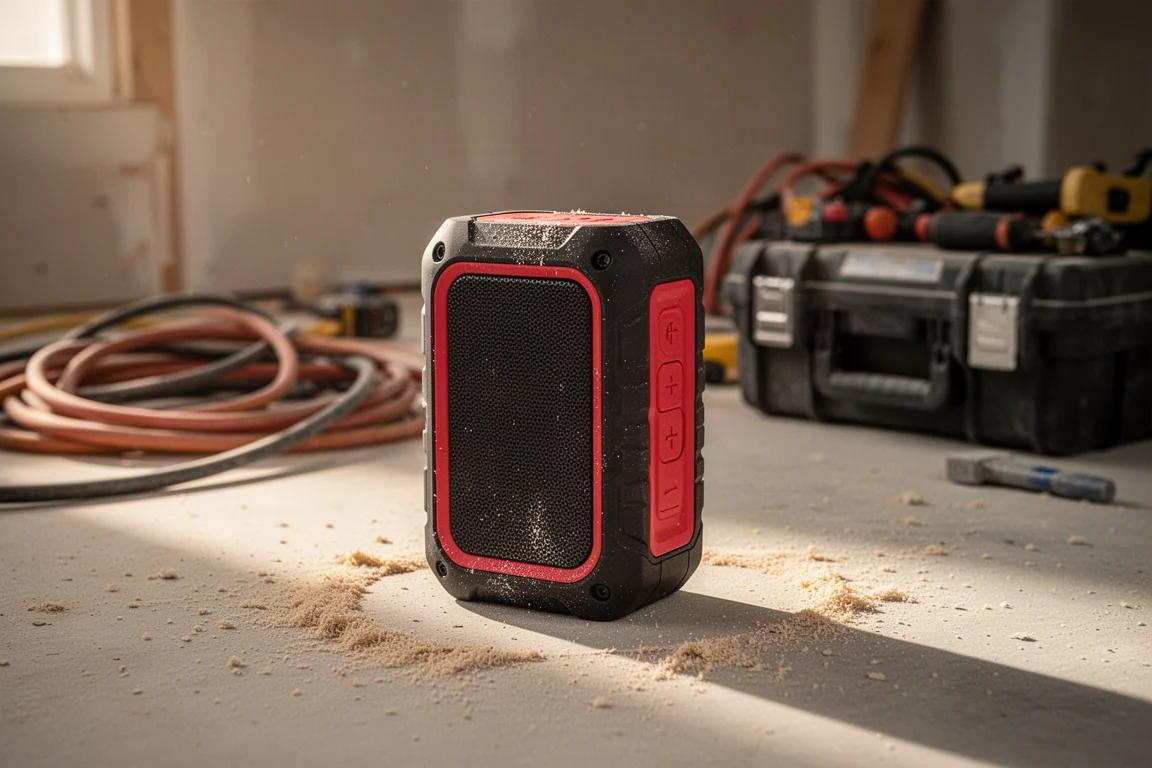
- Rugged build. The top panel is oil resistant, and the unit is IP54 rated, so dust and moisture are non-issues on an active site.
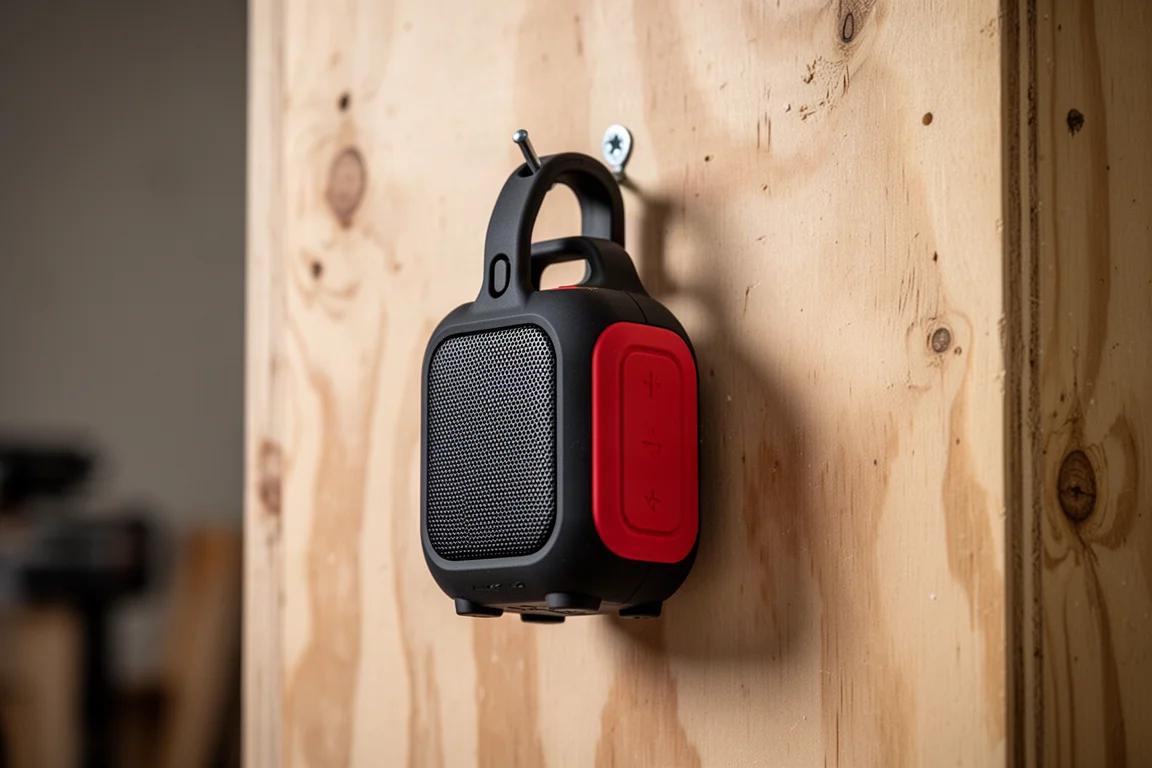
- Flexible placement. Rubber feet keep it planted, there appears to be a magnet inside, and you can hang it on a nail, loop a cable or cord through the hanging point, or just set it on a bench. It is heavier than you would expect, which helps it stay put.
- USB-C 3.0 port. You can plug in and charge your phone directly from the speaker, which is genuinely useful when outlets are scarce.
Things to Consider Before Buying
The biggest caveat is volume behaviour. The bass response is tuned around the lower half of the volume range. Around 70% it starts to fall away, and pushing toward 90% causes the sound to lose its balance entirely. At 90% the speaker is not especially loud, and the clarity that makes it special at mid volumes disappears. If you want to rock out the jobsite, look elsewhere.
There are also quirks with the linking system worth understanding before you buy multiples:
- After powering off and back on, the speakers lose their link. You have to press the link button again and walk between units to reconnect them, which becomes tedious with several speakers spread across different rooms.
- When skipping tracks, there is a slight lag between linked speakers starting playback, similar to how wireless earbuds hand off from one ear to the other.
- The further apart the speakers get, the less reliable the link. Around 60 feet apart with a wall in between, occasional audio dropouts occur, where the sound briefly slows or stutters before recovering. It is not terrible, but it is noticeable because the base sound quality is so high.
None of these are deal-breakers for a single-speaker buyer, but they matter if your plan involves a long chain of units spread across a large space.
Buying Advice
If you just want one speaker for the shop or the job site, one unit at $159 delivers excellent sound quality as long as you keep it at half to 60% volume. That is where this speaker shines, and it is honestly the whole reason to buy it over the alternatives.
If you want a fuller room or audio in a second room, a second speaker fills space noticeably better, and the 35-foot-plus spread between linked units works well in a shop. A linked pair costs over $300 in speakers, so think about whether you genuinely need the coverage.
Going beyond two or three units is where things get messy. Re-linking after every power cycle means walking from speaker to speaker, and the occasional dropouts at longer distances with walls in between become more of a factor. One or two units is the sweet spot.
Conclusion
The Milwaukee 2954-20 is a well-built, IP54-rated jobsite speaker that delivers outstanding bass and overall sound quality at medium listening volumes, plus easy multi-speaker linking, flexible mounting options, and a USB-C port for charging your phone. Its limits are equally clear: it is not built for high-volume playback, linked speakers need re-pairing after every power cycle, and long-distance links can stutter. Buy one or two if great mid-volume sound is the goal; pass on it if you need to fill a loud jobsite.
Product link
View more details for Milwaukee 2954-20 Bluetooth Jobsite Speaker
This product is mentioned in the review. Check the specifications, options, and compatibility before buying.
View more details for Milwaukee 2954-20 Bluetooth Jobsite SpeakerFurther reading
Related Reviews
Jobsite Audio
Best DeWalt Jobsite Audio Options: Which One Fits Your Workday
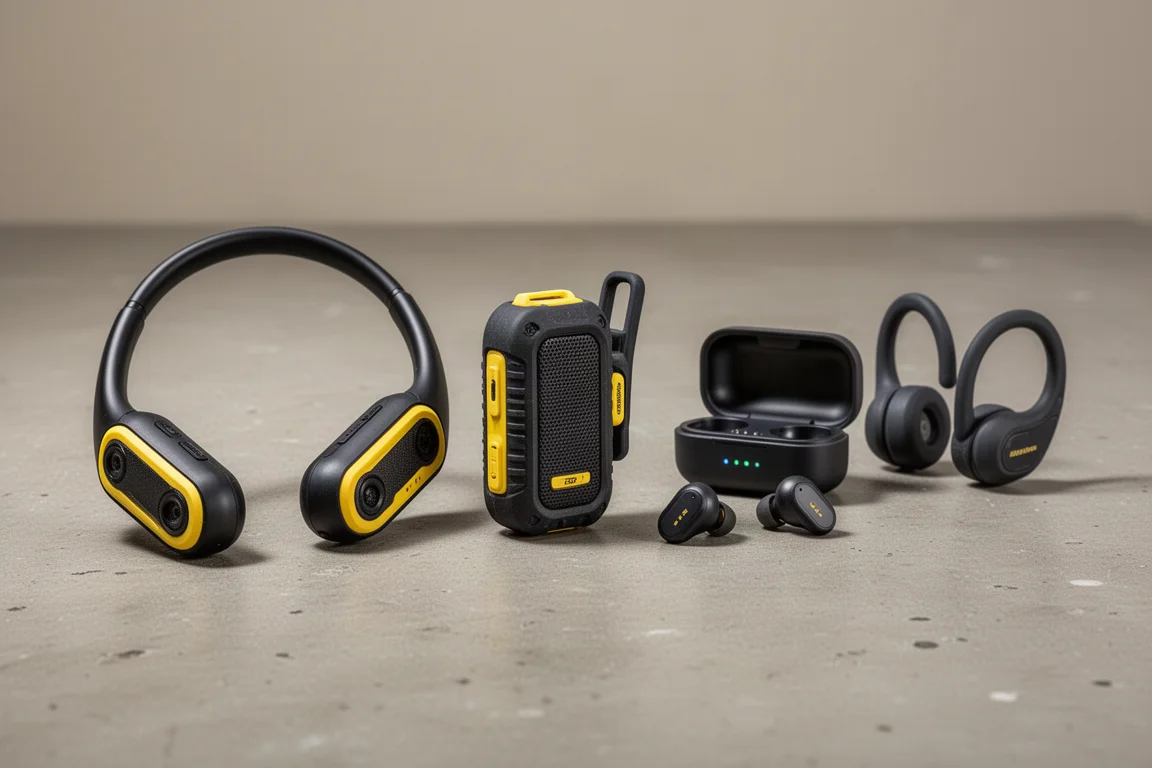
Four rugged DeWalt audio products compared: a neck band system, a clip-on wearable speaker, earbuds with a rechargeable case, and open-ear earbuds that rest on top of the ear.
Jobsite Audio
DeWalt Wearable Audio: Three Jobsite Picks for Music, Calls, and Awareness
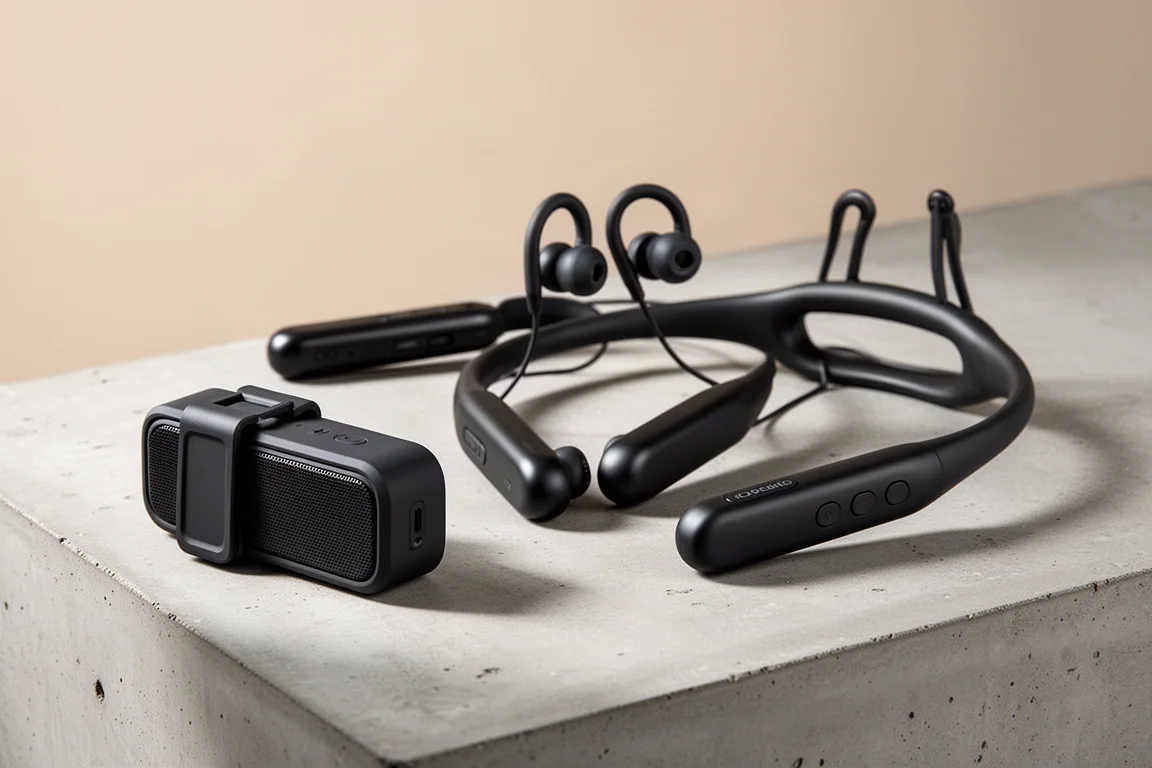
DeWalt's wearable lineup goes beyond power tools: a wearable jobsite speaker, a neckband headset, and the Jobsite Pro Max earphones with built-in speakers, including new Limited Edition Black versions.
Jobsite Audio
DeWalt Tough Sound Pro Bluetooth Speaker: A Small Jobsite Speaker That Punches Above Its Size
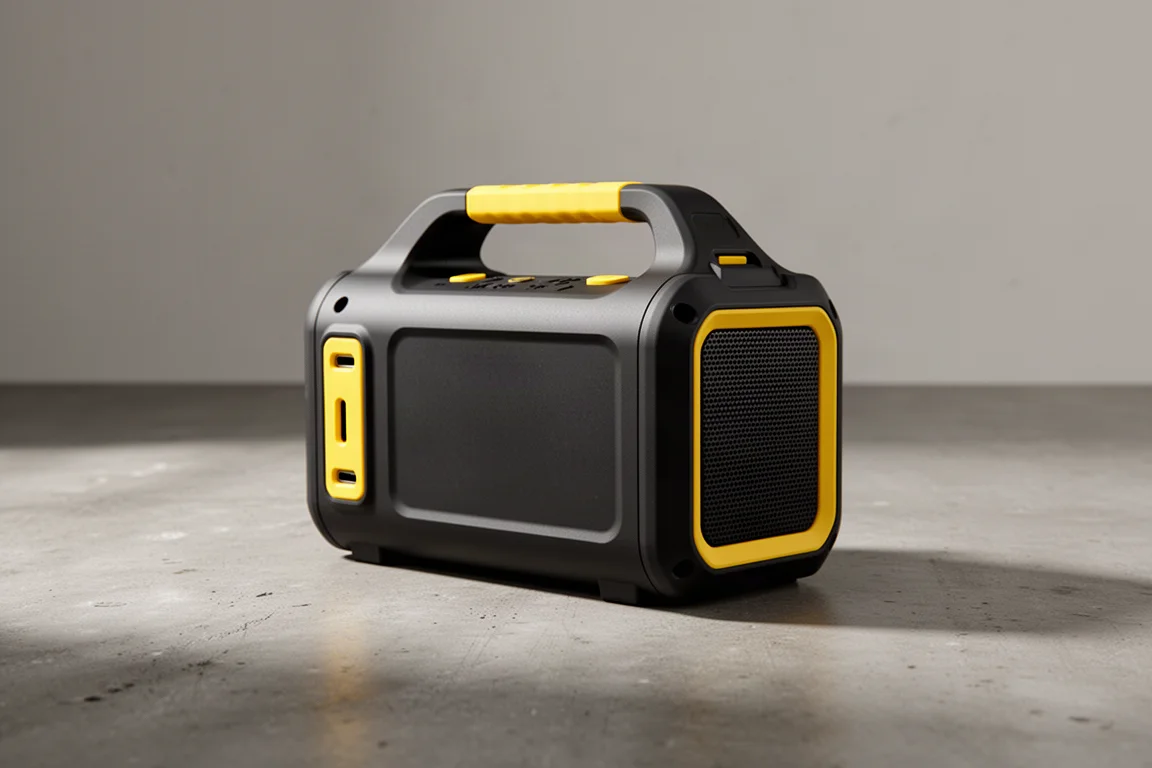
An IP67-rated Bluetooth-only speaker with magnetic mounting, multiple EQ modes, and AuraCast multi-speaker pairing for the workshop.