Power Tools
Milwaukee M18 Fuel 2953 vs Makita 40V XGT GDT01: Head-to-Head Impact Driver Comparison
Two top-tier impact drivers go face to face in specs, hands-on driving tests, price, and warranty, with a clear winner at the end.
Introduction
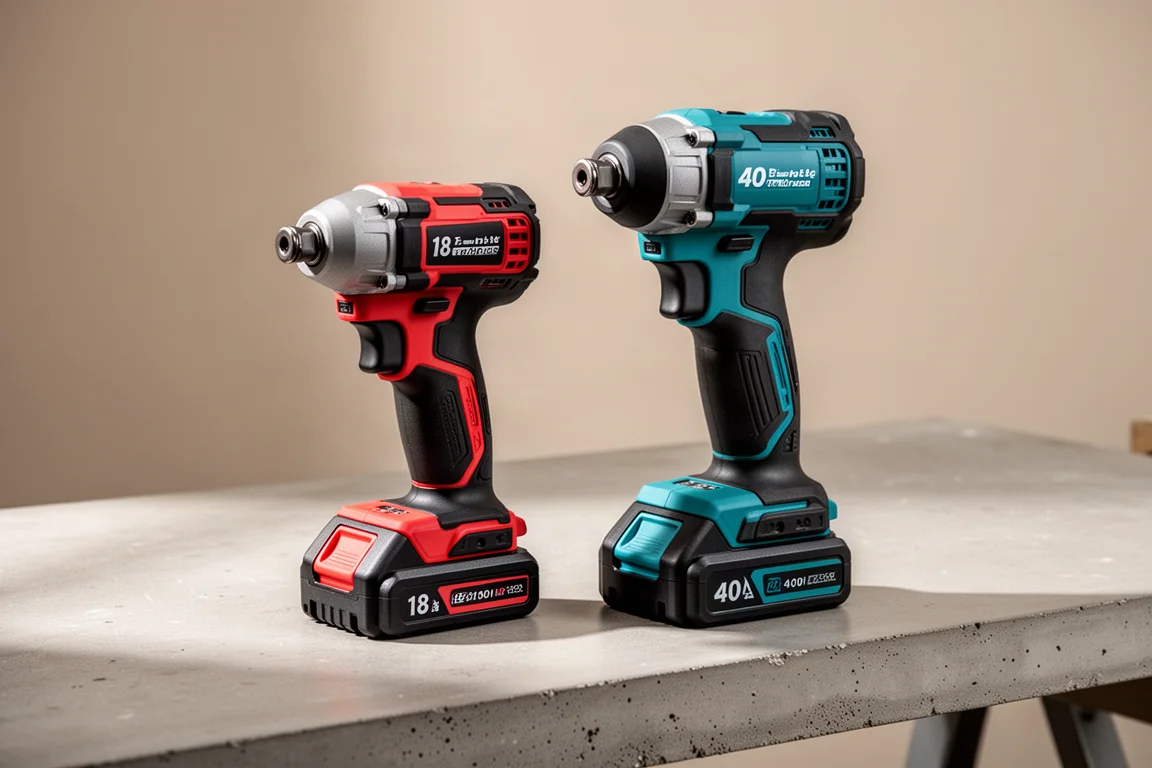
Two of the most capable cordless impact drivers on the market went head to head: the fourth generation Milwaukee M18 Fuel 2953 and Makita’s 40V XGT GDT01. Specs, features, and hands-on test data from custom rigs tell most of the story, and the results turned out to be lopsided in one direction. Here is how each test played out, point by point.
A quick note on the batteries used: all measurements and tests were run with a 5.0Ah M18 battery on the Milwaukee and a 40V max 2.5Ah XGT pack on the Makita. Because this is an 18 volt tool compared with a 36 volt nominal tool, the watt hours on both batteries are effectively the same, which keeps the comparison fair.
How the Specs Stack Up
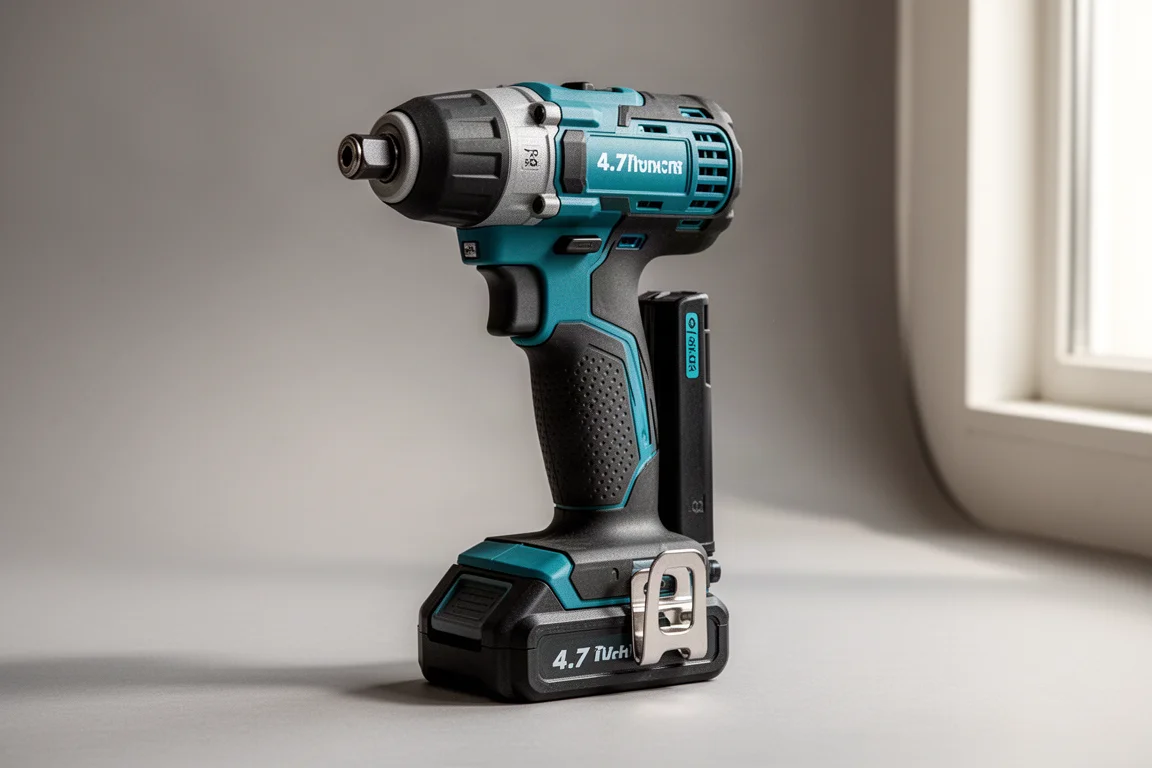
Measuring from tip to tail with a digital caliper, the Milwaukee’s head length comes in at just 4.5 inches, while the Makita is slightly longer at 4.7 inches. Size point: Milwaukee.
On the scale, the story flips. The Milwaukee registered 3.85 pounds, but Makita’s claimed working weight is just 3.73 pounds, handing the weight point to Makita.
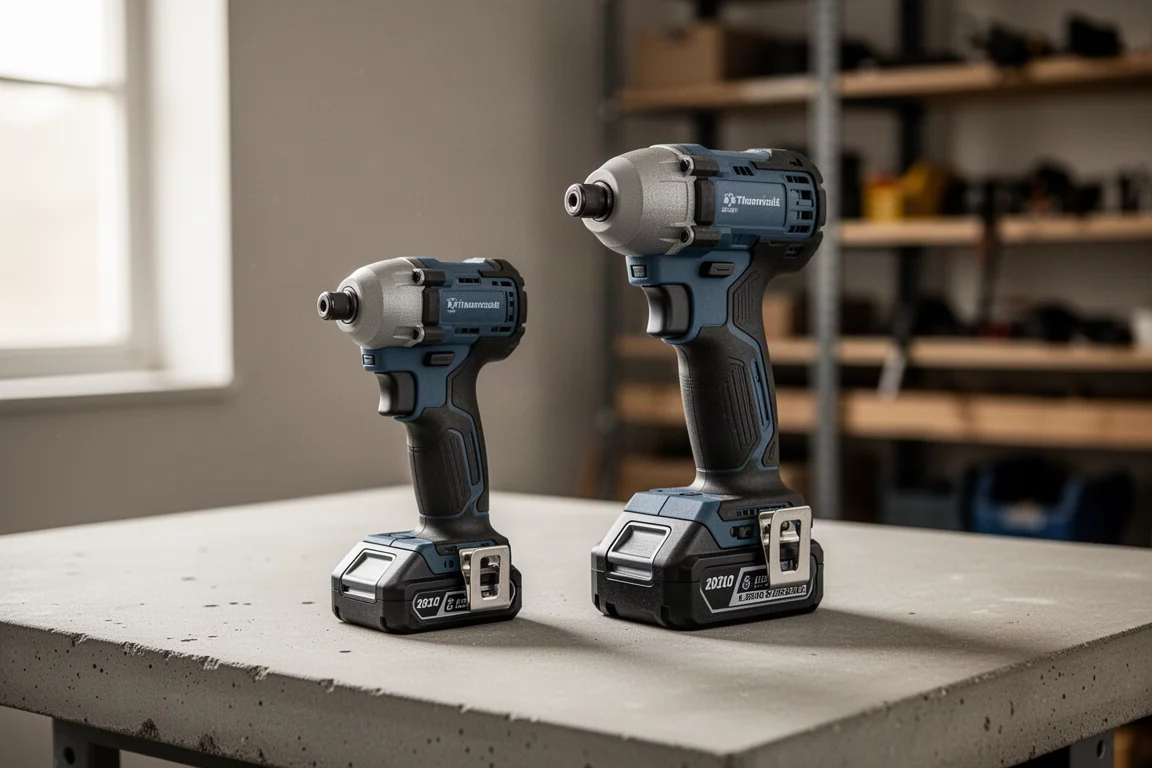
No load speed, measured with a tachometer, showed the Milwaukee running around 3,920 RPM, nearly 500 RPM faster than the Makita’s roughly 3,490 RPM maximum. On torque, manufacturer claims put the Milwaukee at 2,000 inch pounds max versus the Makita’s slightly lower 1,950 inch pounds. Both points go to Milwaukee, which set up an interesting question: would real world performance match the paper numbers?
Medium Load Test: Structural Screws
The first hands-on test involved driving a six inch by quarter inch GRK structural screw into stacked OSB subfloor, with the result averaged over three runs.
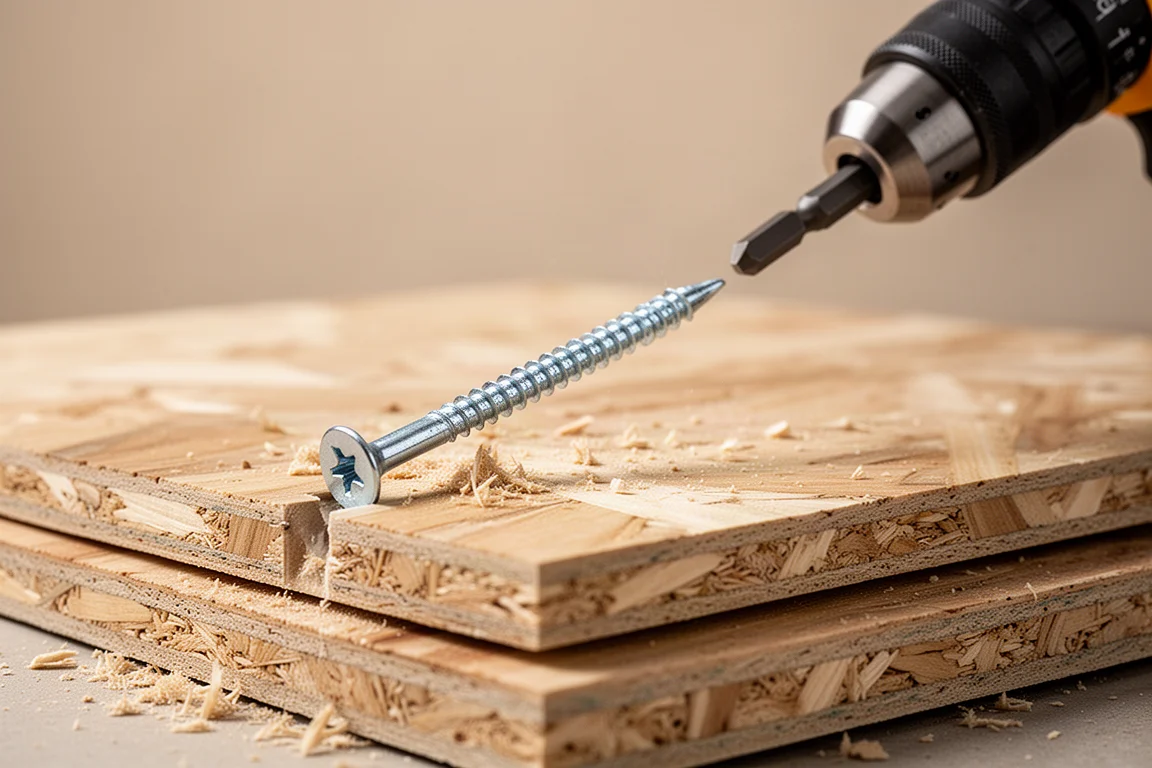
It was not particularly close. The Milwaukee finished all three screws in under 10 seconds each, averaging 8.6 seconds per drive. The Makita landed on the other side of the 10 second mark every time, averaging 12.8 seconds. Point: Milwaukee.
Deep Drive Test: 10-Inch Lag Screws
The second test gave each driver 30 seconds of trigger time to drive a 10 inch by half inch lag screw into the same stacked OSB material, with the deepest drive taking the point.
After 30 seconds, the Milwaukee had just 1.31 inches of bolt left exposed, while the Makita still had 3.5 inches showing. You could fit almost two of Milwaukee’s bolts into the space left by the Makita’s. Another point to Milwaukee.

Breaking Loose a Set Nut
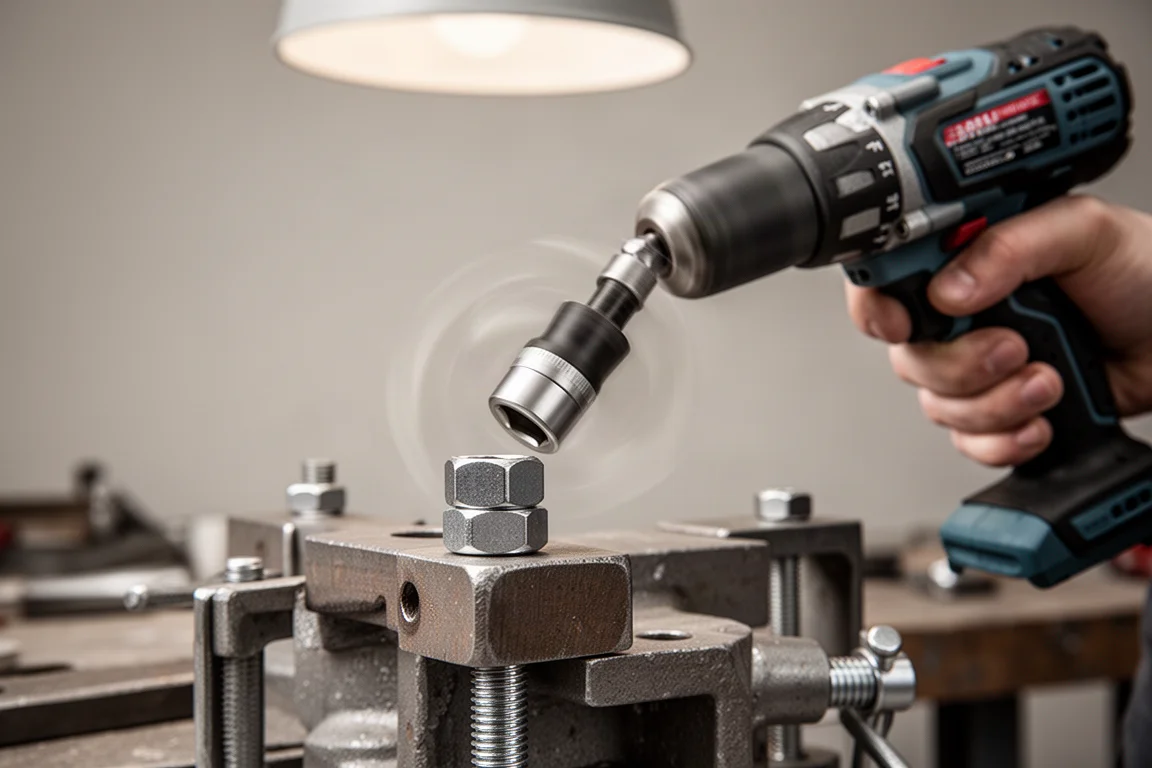
The final performance test measured how long each driver took to break loose a nut set to 150 foot pounds, or 1,800 inch pounds, similar to breaking loose lug nuts on a larger truck. The result was the total time added across five bolts.
The Milwaukee released all five bolts in a combined 2.46 seconds. The Makita GDT01 trailed at 5.97 seconds. The 2953 swept all three hands-on performance tests.
Price and Warranty
Both models are available at The Home Depot and Acme Tools as well as other authorized dealers. The Milwaukee M18 Fuel 2953 costs $149 as a bare tool, or $299 as a kit with two 5.0Ah batteries. The Makita GDT01 has a higher bare tool price of $217, and its kit with two 40V 2.5Ah packs runs $429. Those XGT packs are the 18/20 volt equivalent of two 5.0Ah batteries in energy terms, but the total kit outlay is still significantly higher. Price point: Milwaukee.
Warranty follows the same pattern. Milwaukee backs the impact driver with a five year warranty, while Makita’s coverage comes in at three years.
Final Tally and Buying Advice
The final score was a blowout: eight points to one in favor of the Milwaukee M18 Fuel Gen 4 impact driver. It won on size, speed, torque claims, all three hands-on tests, price, and warranty. Makita’s single point came from its slightly lower working weight.
For most buyers, the Milwaukee is the straightforward pick: it drove everything faster, costs less as a bare tool and as a kit, and carries a longer warranty. The Makita GDT01 still makes sense if you are already invested in the 40V XGT platform or value its marginally lighter working feel, but on pure performance per dollar, the 2953 is the model to beat.
Conclusion
In this head-to-head, the Milwaukee M18 Fuel 2953 proved that strong specs translate directly into real world results, sweeping the driving and nut-breaking tests while undercutting the Makita on price and backing it with a longer warranty. If you want the fastest, best value impact driver of this generation, the 2953 earns the check mark.

Further reading
Related Reviews

Power Tools
Best 1-Inch Pistol Impact Wrenches: Three Heavy-Duty Options Compared
We compare three 1-inch pistol impact wrenches, from a budget-friendly Harbor Freight model to a premium Caterpillar unit, to help you choose the right one.

Power Tools
Best 3/4-Inch Impact Wrenches 2026: Five Contenders Compared
We compare five 3/4-inch impact wrenches across price and performance, from a budget Amazon option to Snap-on's most powerful model yet.

Power Tools
Best Budget Cordless Tools 2026: Walmart Finds That Punch Above Their Price
We tested five cordless tools from Walmart, including a high-torque impact wrench that trades blows with Milwaukee and a $35 duster that outperforms its price class.