Power Tools
Milwaukee M18 2953 Reliability Concerns and Better Impact Driver Alternatives
Extended testing surfaced repeated failures in Milwaukee's Gen 4 impact driver. We look at what breaks inside, how to fix it, and which alternatives held up better.
Introduction
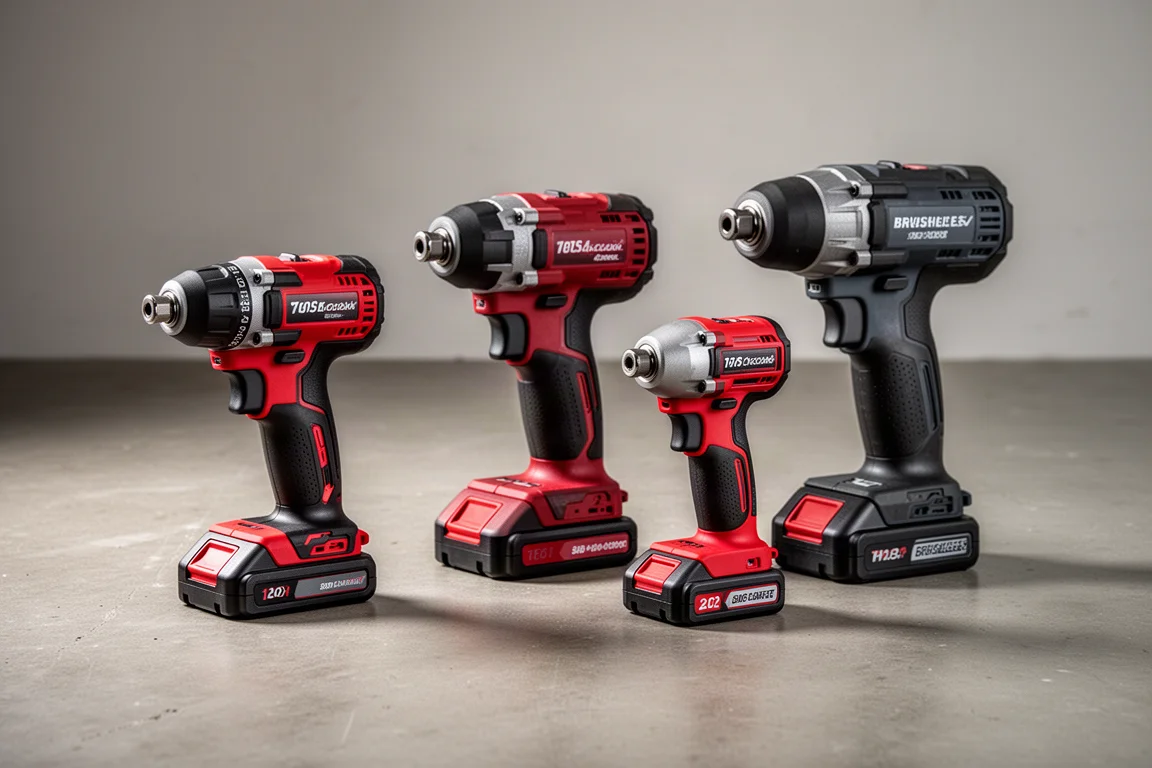
Over hundreds of dynamometer runs and months of real jobsite-style use, one cordless impact driver has produced more warranty returns for us than any other: the Milwaukee M18 2953, the brand’s latest Gen 4 impact driver. Out of roughly two dozen top impact drivers we have used, it has been the least reliable and most failure-prone of its type, by what feels like an order of magnitude. To be clear, plenty of owners use this tool daily with zero complaints. But the pattern of failures we have seen ourselves, and the volume of similar reports from the community, is now hard to ignore.
This article walks through what happened, what is actually breaking inside the tool, what you can do in a pinch, and which alternatives, including Milwaukee’s own previous generation, have proven more dependable in our experience.
What Happened During Testing
Our first M18 2953 was bought new and stopped working during a comparison test against the previous-gen 2853. Not thermal protection, just dead, while the other tools kept going. The service center could not warranty it because it was too new, so it went back to the store for a refund. A second unit sent out for more realistic use later ran hot, occasionally smoked, and eventually locked up mid-task after driving a short run of self-tapping screws.
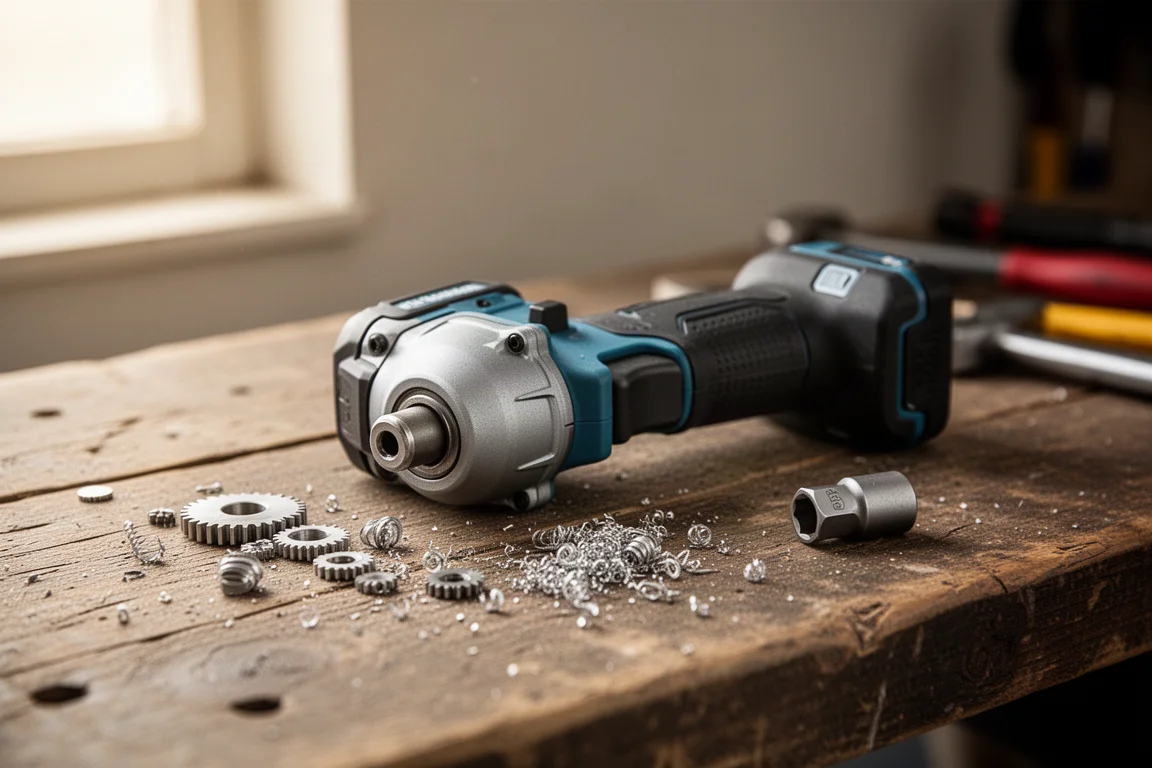
The third unit died halfway through a long impact-driver socket adapter test session. It simply quit, with the hammer assembly and motor seized internally regardless of the battery used. A fourth replacement developed a different fault: after a few seconds, its lights stayed on permanently and drained the battery until it was removed. That same light-drain issue was independently reported by an owner whose tool had already been through one warranty repair. Four purchases, four failures, plus a long list of similar community reports describing seized hammer mechanisms, grinding gears, and sudden lockups after light-to-normal use.
What Is Breaking Inside
Taking a dead unit apart revealed the motor was perfectly fine and happy to spin freely. The failure sits in the hammer mechanism and gearbox. The ring gear showed a loose, broken tooth stuck out at an angle, preventing the gears from rolling past it. Cleaning out the fragments and re-greasing the mechanism freed it up briefly, but there were more broken teeth waiting, and the planetary gears themselves also showed missing teeth.
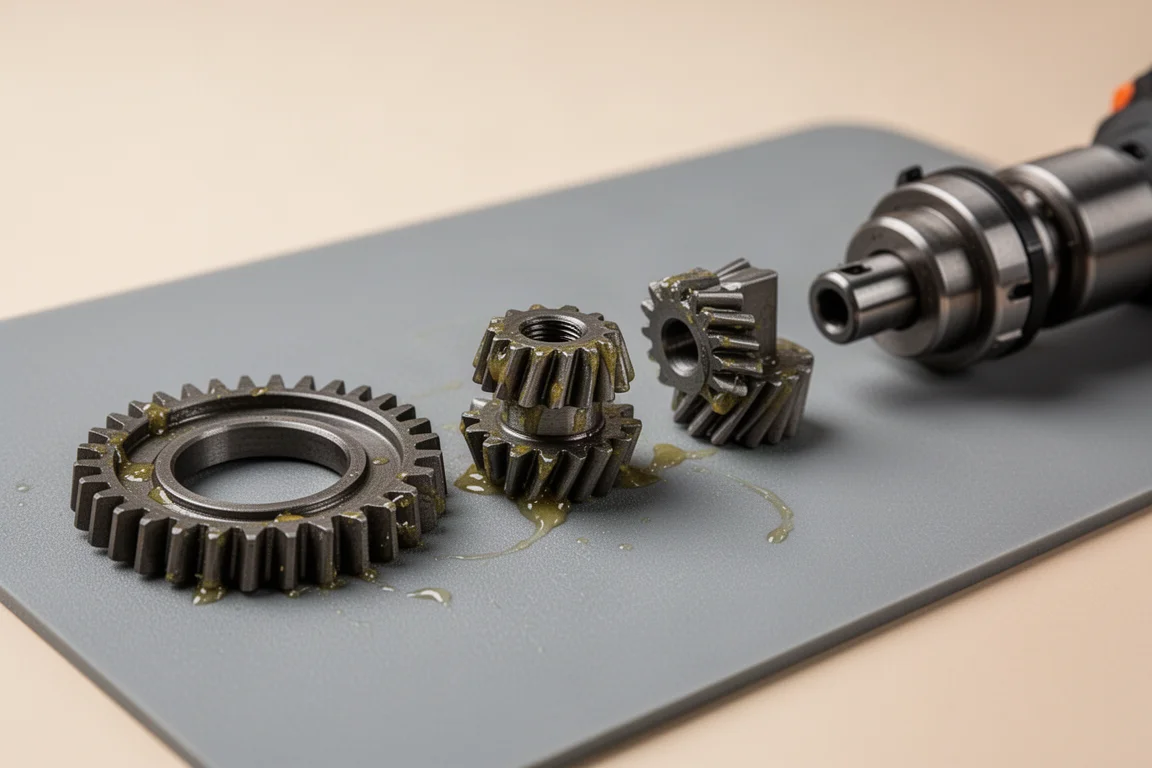
Hardness testing offered a plausible explanation. The ring gear measured 68.7 HRC, harder than most cobalt drill bits, with the planetary gears in the upper 50s at 59 HRC. Comparable parts typically measure in the mid-50s. With a tool this compact and parts this thin, that level of hardness leaves very little ductility, and brittle gear teeth appear to fracture under load rather than wear down.
Fixing It In A Pinch
If your 2953 starts locking up, a temporary fix is possible: open the gearbox, clear out the broken gear fragments, and pack fresh grease into the hammer mechanism. It can restore movement long enough to get through a task, but the broken teeth have a domino effect, so a warranty claim is the real solution. Do it quickly once symptoms appear.
The replacement part is the ring gear, part number ML1 14-30 D2810, commonly sold only as a complete hammer assembly for roughly $50 to $55. Since you only need the gear-toothed components, and Milwaukee apparently repairs these with individual gears, a full warranty service is usually the better route if you are still covered.
Alternatives That Held Up Better
The Milwaukee M18 2853, the previous generation, remains our benchmark. We own three of them, the original is still in regular daily use, and none have failed. If you want to stay in the same battery platform, the 2853 is the safer pick.
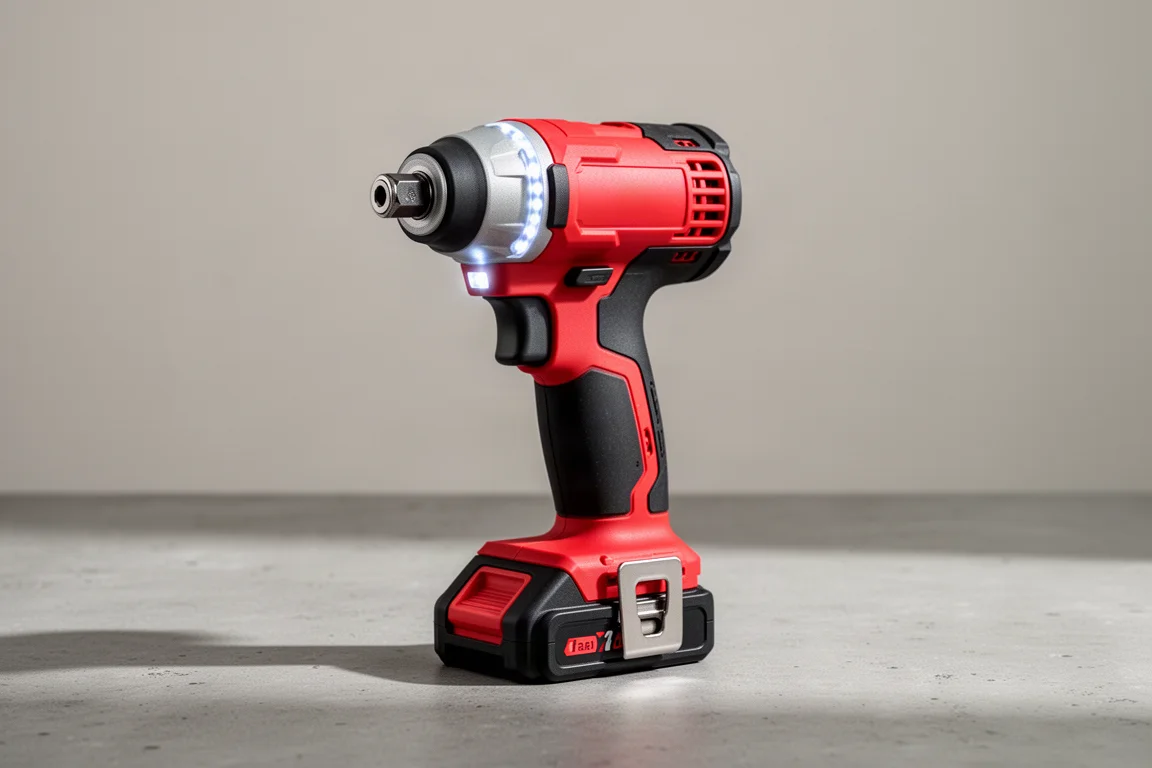
The Milwaukee M12 impact driver has earned a reputation in our shop as effectively unkillable. It is smaller and less powerful, but for driving fasteners in wood, metal, and assembly work, it has survived everything we have thrown at it.
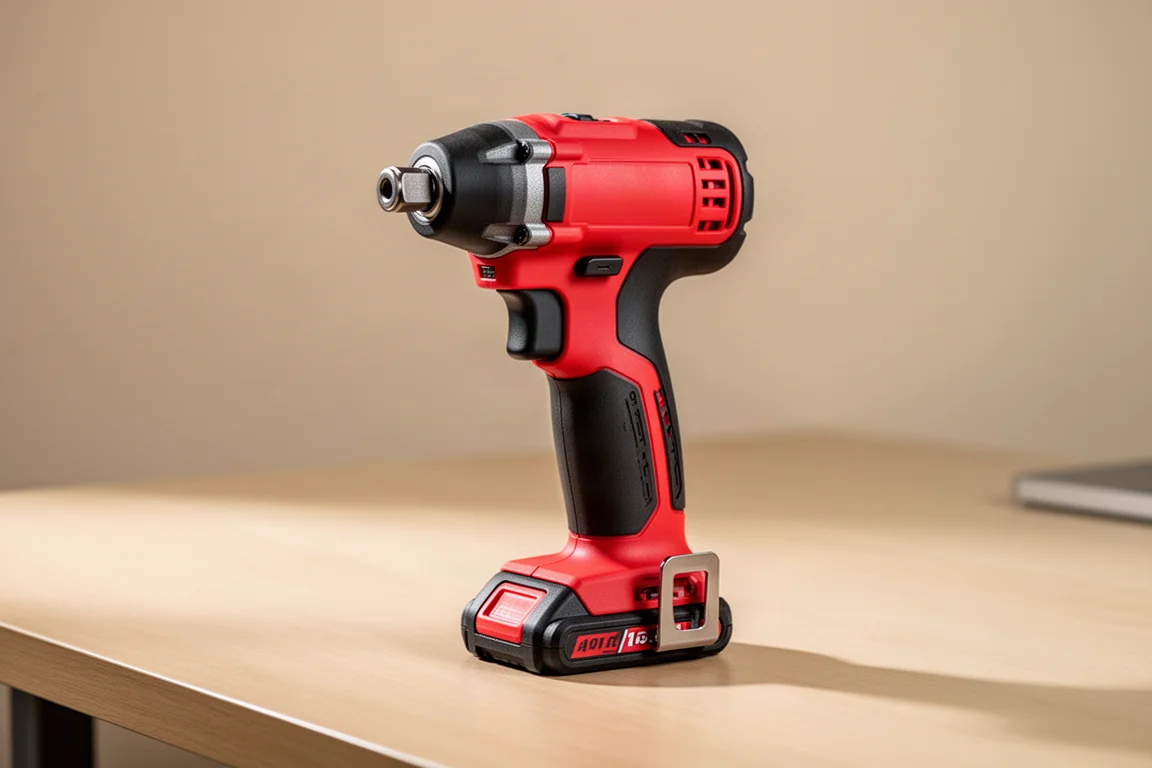
Our Harbor Freight Hercules brushless impact driver also smoked once during the same adapter testing, dropping from around 190-200 ft-lbs to 160-170 and cutting out intermittently, so no brand is immune. However, Harbor Freight’s over-the-counter warranty means an instant replacement with no shipping or waiting, which matters more than most people realize once a tool fails mid-job.
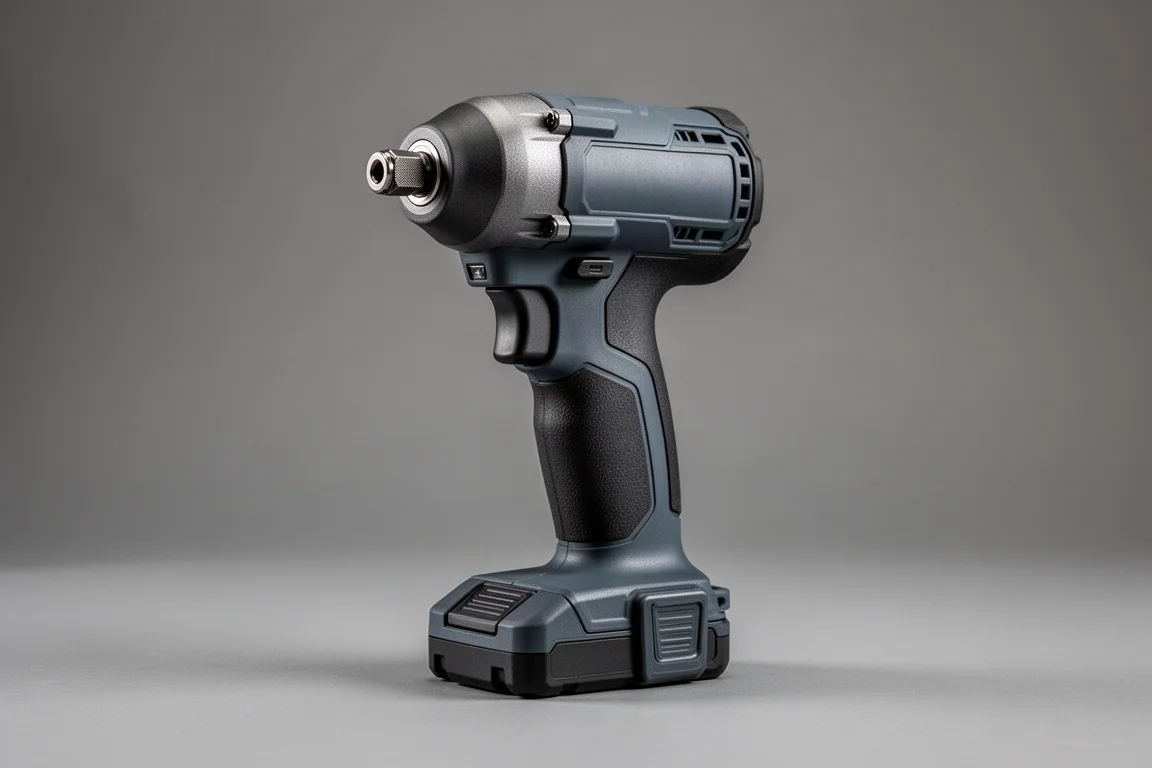
And for completeness: the M18 2953 itself is not a write-off. Many owners report years of trouble-free use. But if you buy one, understand that a meaningful number of units develop gearbox failures under sustained load, and the warranty process, while it exists, costs you downtime.
Buying Advice
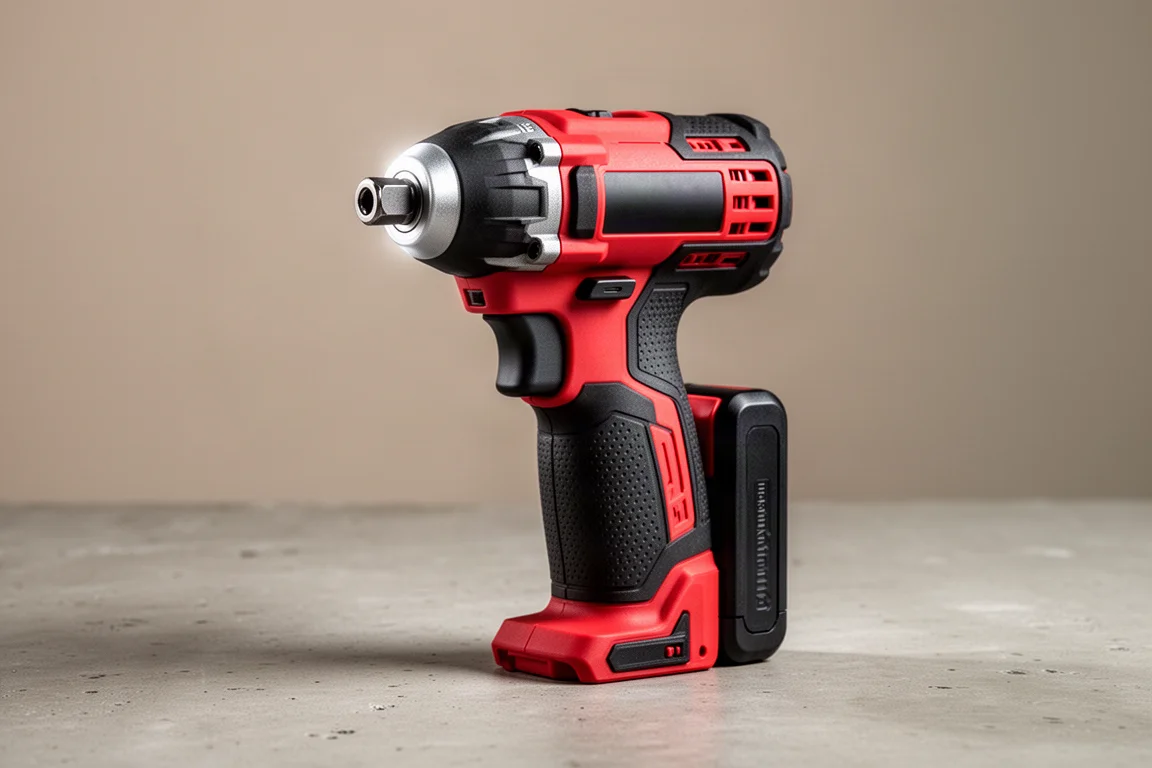
If you are choosing today, our ranking is straightforward. The M18 2853 sets the standard for durability in this class and is the first pick for M18 battery owners. The M12 is the compact, proven alternative for lighter work. The Hercules is a value option whose instant-swap warranty softens the durability risk. The 2953 is fast and compact, but we would only recommend it if you accept the possibility of a warranty ride at some point.
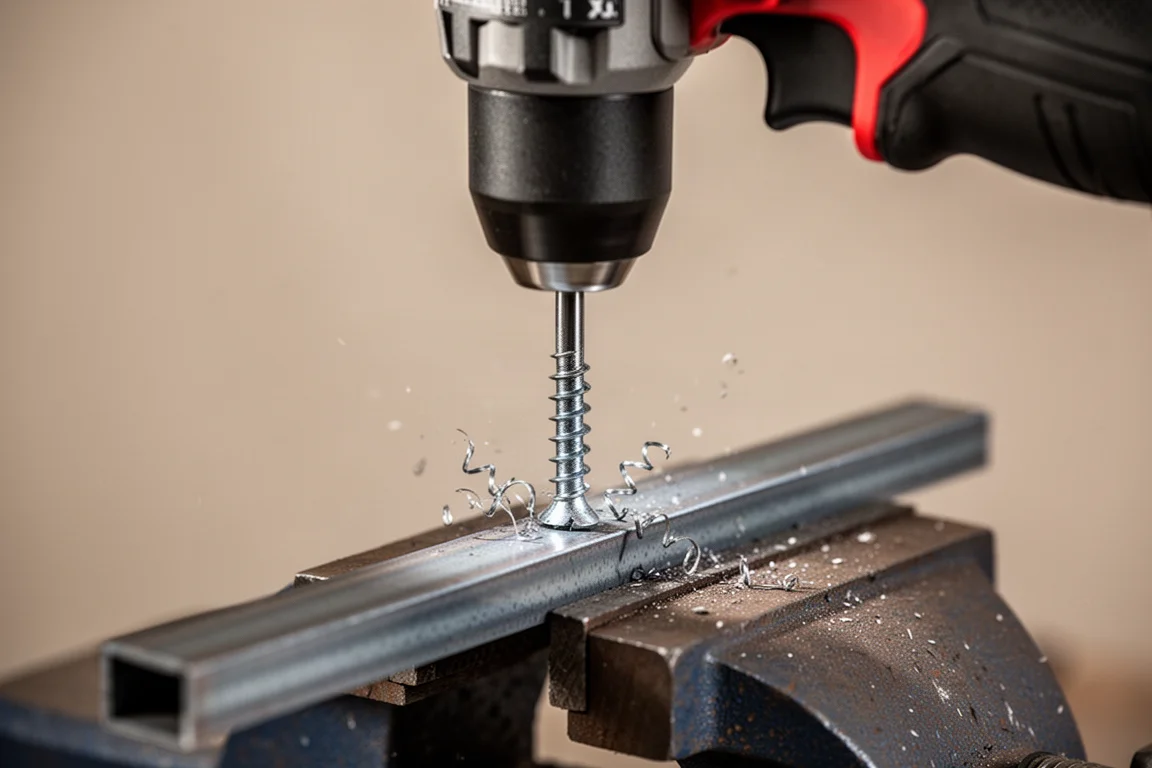
If Milwaukee ever revises the 2953’s gear metallurgy, targeting roughly 58 HRC on the ring gear and 50 on the planetaries would likely add years of life without sacrificing wear resistance. Until then, the previous generation is the more dependable red impact driver.
Conclusion
No impact driver, and no brand, is perfect; even our Hercules stumbled in the same test session. But across five M18 2953 units and hundreds of community reports, the same thin, ultra-hard gearbox parts keep failing, while the older 2853, the M12, and even budget alternatives kept spinning. Spend your money where the odds are better, and if you do own a 2953, keep your receipt handy.
Further reading
Related Reviews
Power Tools
Best 1-Inch Pistol Impact Wrenches: Three Heavy-Duty Options Compared
We compare three 1-inch pistol impact wrenches, from a budget-friendly Harbor Freight model to a premium Caterpillar unit, to help you choose the right one.
Power Tools
Best 3/4-Inch Impact Wrenches 2026: Five Contenders Compared
We compare five 3/4-inch impact wrenches across price and performance, from a budget Amazon option to Snap-on's most powerful model yet.
Power Tools
Best Budget Cordless Tools 2026: Walmart Finds That Punch Above Their Price
We tested five cordless tools from Walmart, including a high-torque impact wrench that trades blows with Milwaukee and a $35 duster that outperforms its price class.