Power Tools
Milwaukee 2767-20 High Torque Impact Wrench: What to Know Before Buying a New One
The classic 2767 has earned a reputation for durability, but a recent internal redesign has raised real concerns for new buyers. Here is what changed and what to check.
Introduction
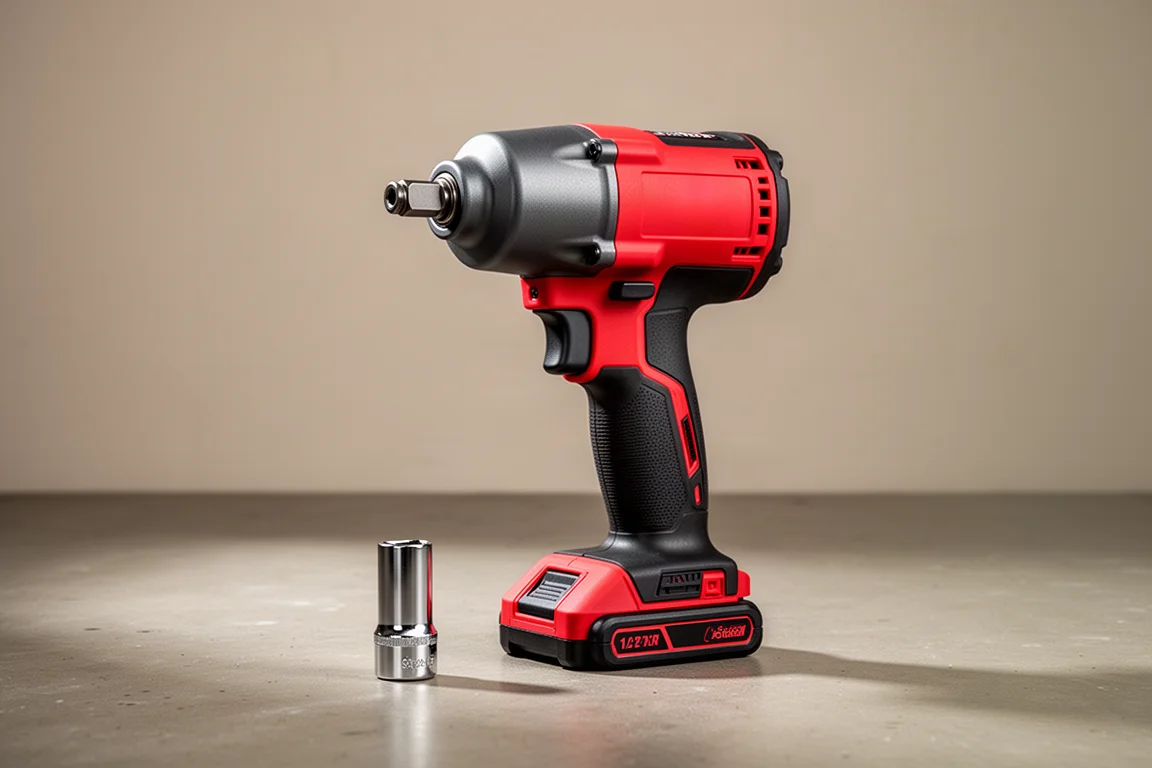
The Milwaukee 2767-20 is a 1/2-inch high torque impact wrench that has spent years at the top of its class, with a long track record of surviving abuse that most tools never face. That reputation is exactly why a recent internal redesign matters: if you are buying a brand-new 2767 today, you may be getting a tool that is not quite the one everyone raved about.
This article breaks down what changed, what users have reported, and how to approach a purchase right now.
Who This Tool Is For
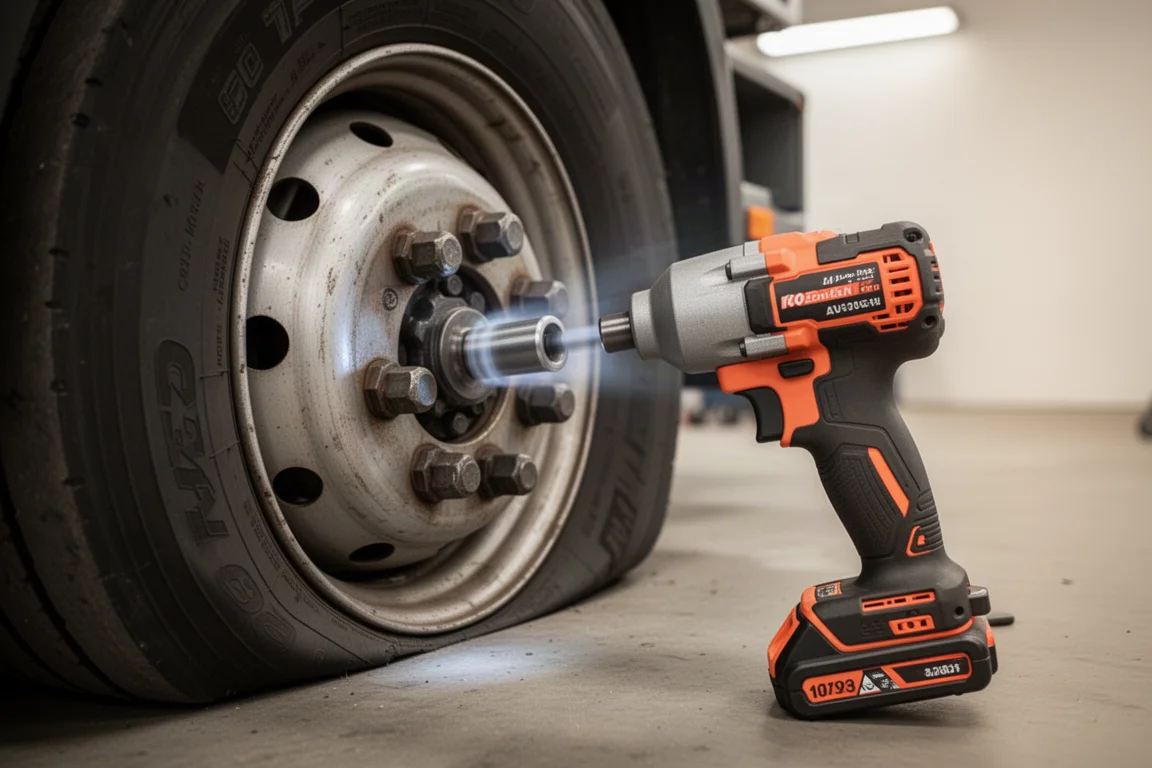
The 2767 is aimed at anyone who needs serious nut-busting power in a cordless format: automotive technicians, tire shops, mobile mechanics, and serious DIYers who work on trucks and heavy fasteners. It is a beefy tool, and its performance on lug nuts and suspension components is the reason it became such a reference point in its category.
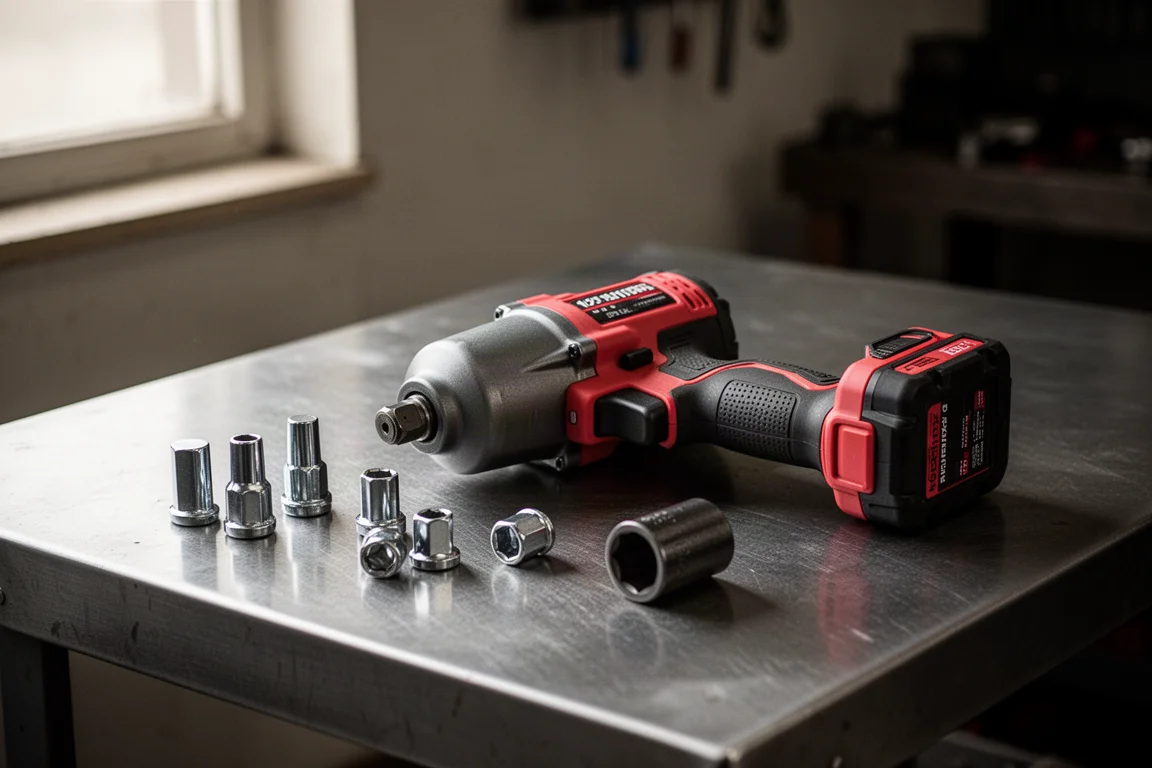
If you mainly work on small passenger cars or need something compact for tight spaces, a mid-torque impact wrench is likely a better fit. The 2767 earns its keep where raw torque matters.
What Changed in the New Version
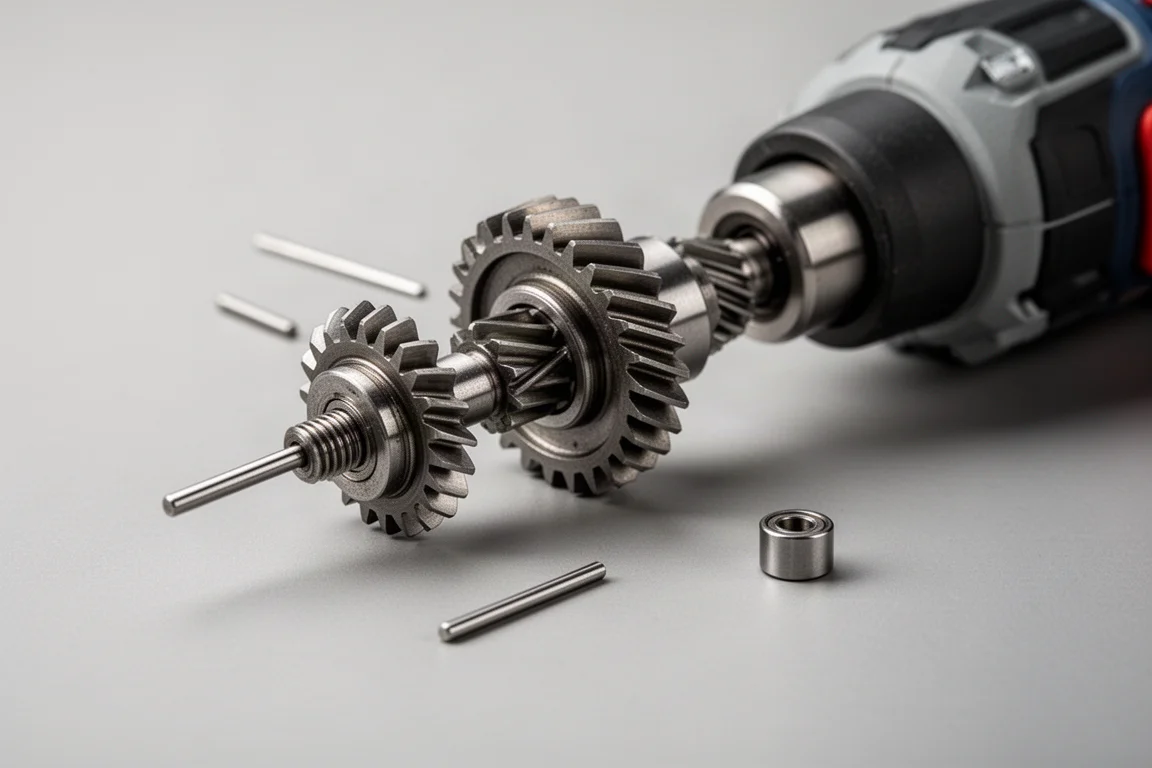
Inside the tool, the impact mechanism assembly has been redesigned. In the earlier design, the planetary gear axle pins were captured in an encasement supported at the top and bottom, with a ball bearing included as a safeguard. In the new design, the ball bearing has been removed entirely, the planetary gears are located in the housing and retained by a collar, and the three axle pins are now pressed in and act as posts that butt up against a washer inside the assembly.
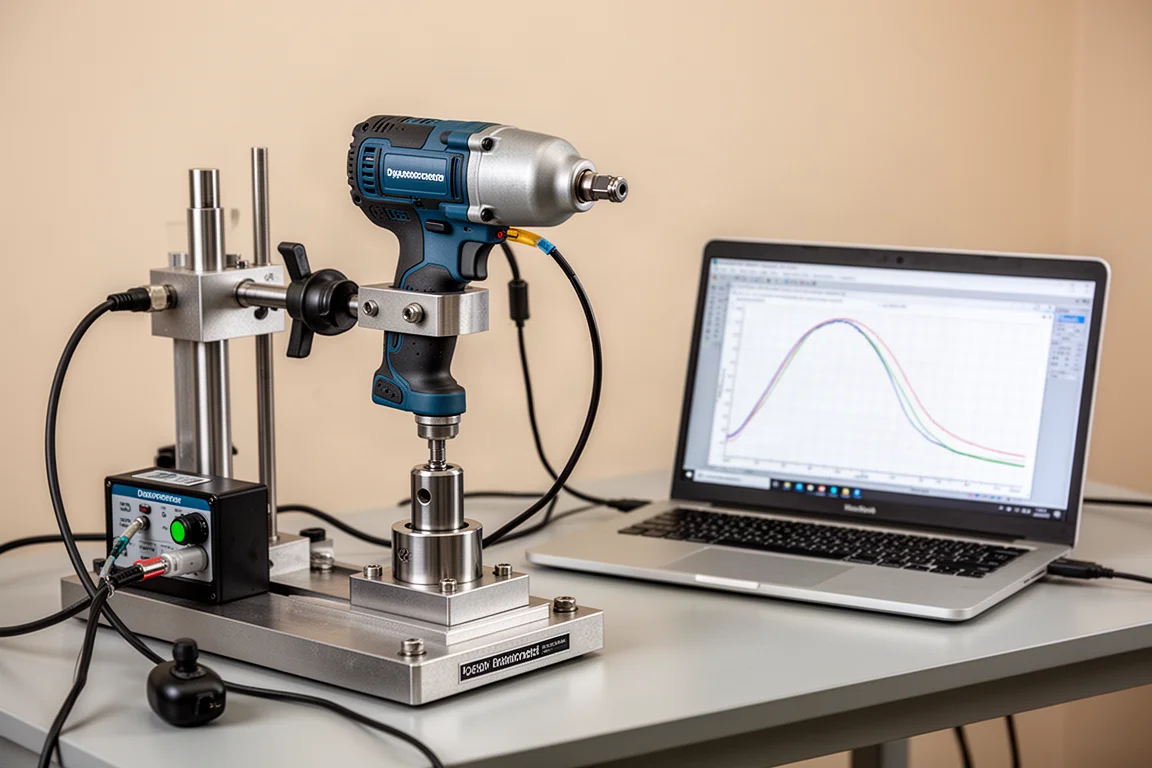
The spring and hammer appear unchanged, which lines up with new units producing the same torque curve as older ones on test runs. The difference is structural, not performance-based on paper, and the parts list inside the tool has shrunk even as the price has gone up at retail.
Real-World Failure Reports
A meaningful number of users with recently purchased units have reported problems. The most commonly described issue is stalling or hesitating on fasteners: the trigger cuts out, hesitates on the first pull, or the tool quits when power is applied. Reports of this behavior span dozens of accounts, and it appears to affect some recent units of the older revision as well.
More serious reports involve outright breakage, with cracked or sheared planetary gear axle pins leaving the anvil with no drive. Descriptions range from a unit dying after two lug nuts to one failing within weeks of purchase. One mobile tool dealer reported back-to-back failures, including a warranty replacement that would not bust lug nuts straight out of the box.
Not every new unit fails. Test units bought at retail have held up through extended high-torque runs without breaking, and some delivered normal torque output. But the volume and consistency of the failure descriptions, particularly at the axle pins, are enough to give new buyers pause.
The manufacturer has been notified with detailed findings, and the appropriate teams are reportedly investigating and looking to make things right if this turns out to be an at-large issue.
Things to Consider Before Buying
- Check the serial number before or shortly after purchase. Earlier units can be identified by their serial prefix, while newer units use a different prefix introduced in late August.
- Test the tool immediately on real fasteners, not just free spins. Stalling or trigger hesitation is the most common early warning sign.
- Buy from a retailer with a straightforward return or warranty process, and register the tool so a warranty swap is painless if needed.
- If you already own a well-used older 2767, there is no reason to replace it. The durability record of the earlier design is exceptional.
Buying Advice
If you need a 1/2-inch high torque impact wrench today, the situation is manageable with a little caution. Buy from a store with easy exchanges, put the tool on lug nuts within the return window, and watch for the trigger hesitation pattern that owners most often report. If it stumbles under load, swap it early rather than waiting for a full failure.
If you can wait, it may be worth seeing how the situation develops, since a fix to the redesigned impact mechanism would resolve the core concern. Related 1-key and 3/4-inch high torque models have not been confirmed as affected, though their service parts documentation does not rule it out either.
Conclusion
The Milwaukee 2767-20 remains one of the most capable 1/2-inch high torque impact wrenches you can buy, and the older revision earned its legendary durability honestly. The recent internal redesign changes that calculus for new buyers: the tool delivers the same torque, but a simplified gear retention design and a pattern of stalling and breakage reports mean it is worth testing carefully and buying with a solid return option in hand.
Product link
View more details for Milwaukee 2767-20 High Torque Impact Wrench
This product is mentioned in the review. Check the specifications, options, and compatibility before buying.
View more details for Milwaukee 2767-20 High Torque Impact WrenchFurther reading
Related Reviews

Power Tools
Best 1-Inch Pistol Impact Wrenches: Three Heavy-Duty Options Compared
We compare three 1-inch pistol impact wrenches, from a budget-friendly Harbor Freight model to a premium Caterpillar unit, to help you choose the right one.

Power Tools
Best 3/4-Inch Impact Wrenches 2026: Five Contenders Compared
We compare five 3/4-inch impact wrenches across price and performance, from a budget Amazon option to Snap-on's most powerful model yet.

Power Tools
Best Budget Cordless Tools 2026: Walmart Finds That Punch Above Their Price
We tested five cordless tools from Walmart, including a high-torque impact wrench that trades blows with Milwaukee and a $35 duster that outperforms its price class.