Power Tools
Milwaukee 2684 vs DeWalt DCM848: Two Cordless Polishers That Are Nearly Identical
A side-by-side look at the Milwaukee 2684 dual action random orbital polisher and the DeWalt DCM848, covering power, ergonomics, vibration, and which one makes sense for your battery lineup.
Introduction
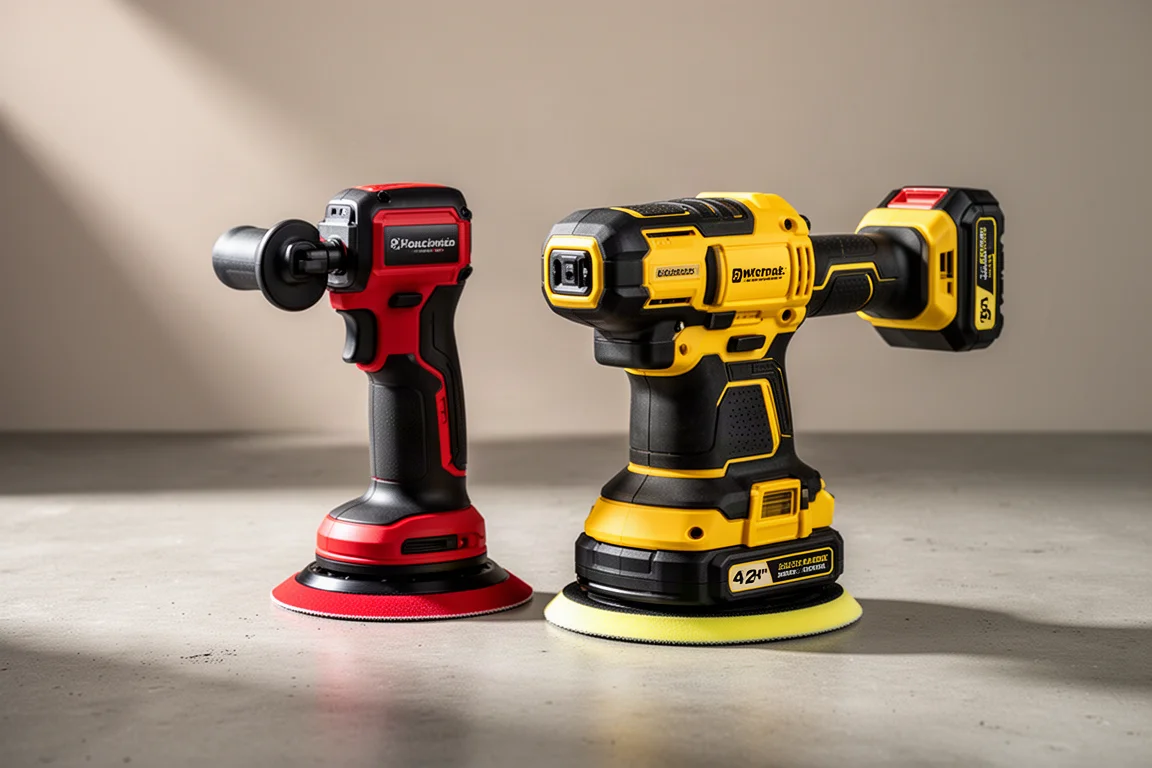
Milwaukee’s 2684 dual action random orbital polisher has drawn plenty of questions about how it stacks up against the DeWalt DCM848. The short answer: these two machines are remarkably close. Nearly identical specs, very similar power delivery, and only small differences in grip, noise, and vibration separate them. Here is how they compare and which one makes sense depending on your situation.
Same Specs on Paper
Both polishers use a 5-inch backing plate with a 15 mm throw, and both rely on two-finger variable speed triggers. Each runs on a battery twisted onto the end of the body, which keeps the overall footprint compact for a cordless design.
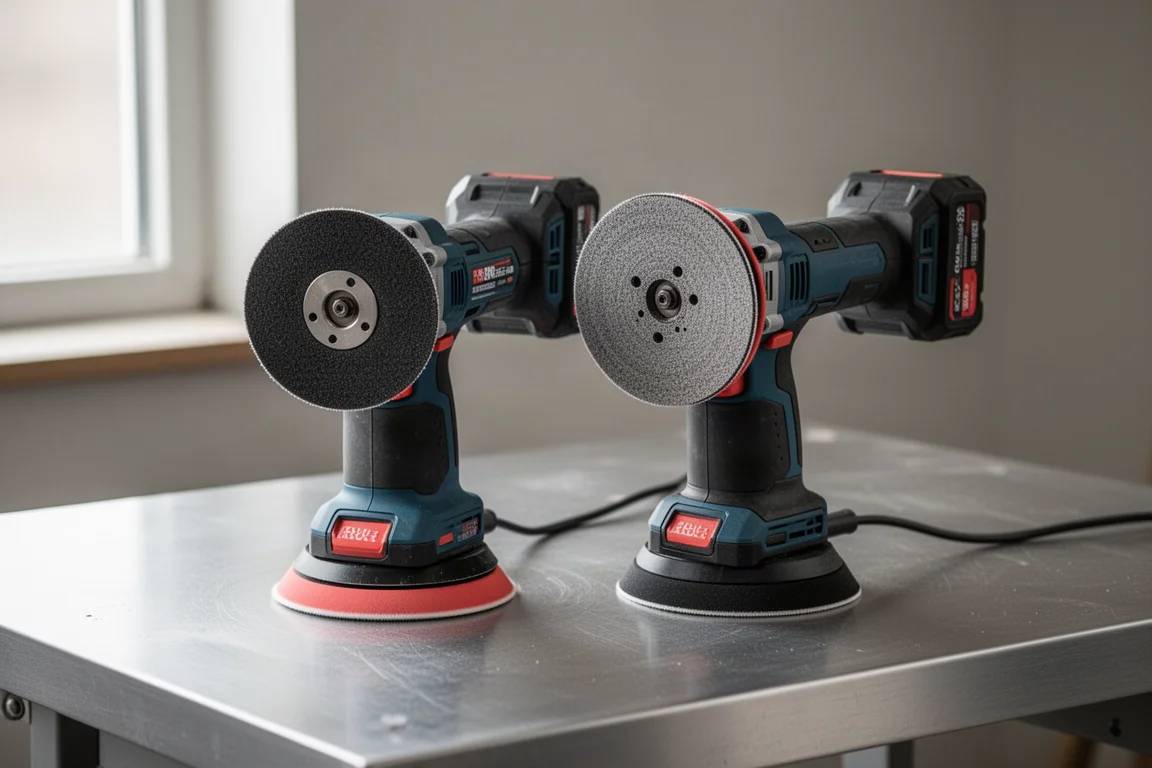
They are also almost the same length and height, with the Milwaukee built just slightly slimmer. If you lined them up on a bench without labels, you would struggle to tell much apart at a glance.
Speed Range and Adjustment
Both machines use an almost identical knob to set maximum RPM. The DeWalt’s range runs from 2,000 up to 5,500, though there is little noticeable increase between 5,000 and 5,500. The Milwaukee covers 2,650 to 5,100. In practice, both ranges cover the same working territory for polishing.
Power, Noise, and Trigger Feel
When it comes down to it, both share very similar power, and while using them you likely would not feel a difference between the two. The variable speed triggers on both are easy to use and behave much the same way.
The one audible difference is tone: the DeWalt runs a little louder, with a more pronounced motor sound, even if the actual decibel difference may be small. Perceived noise is where the Milwaukee feels slightly more refined.
Ergonomics and Handling
The biggest practical difference is up front. The Milwaukee has a smaller front grip nub that is easier to hang onto; you can get two fingers around it, place your whole hand, and grip from different angles. It is not designed for downward pressure, just for holding the machine steady. The DeWalt’s front grip is larger, which makes two-finger use slightly more awkward, but it still sits comfortably in the palm if you use it that way.
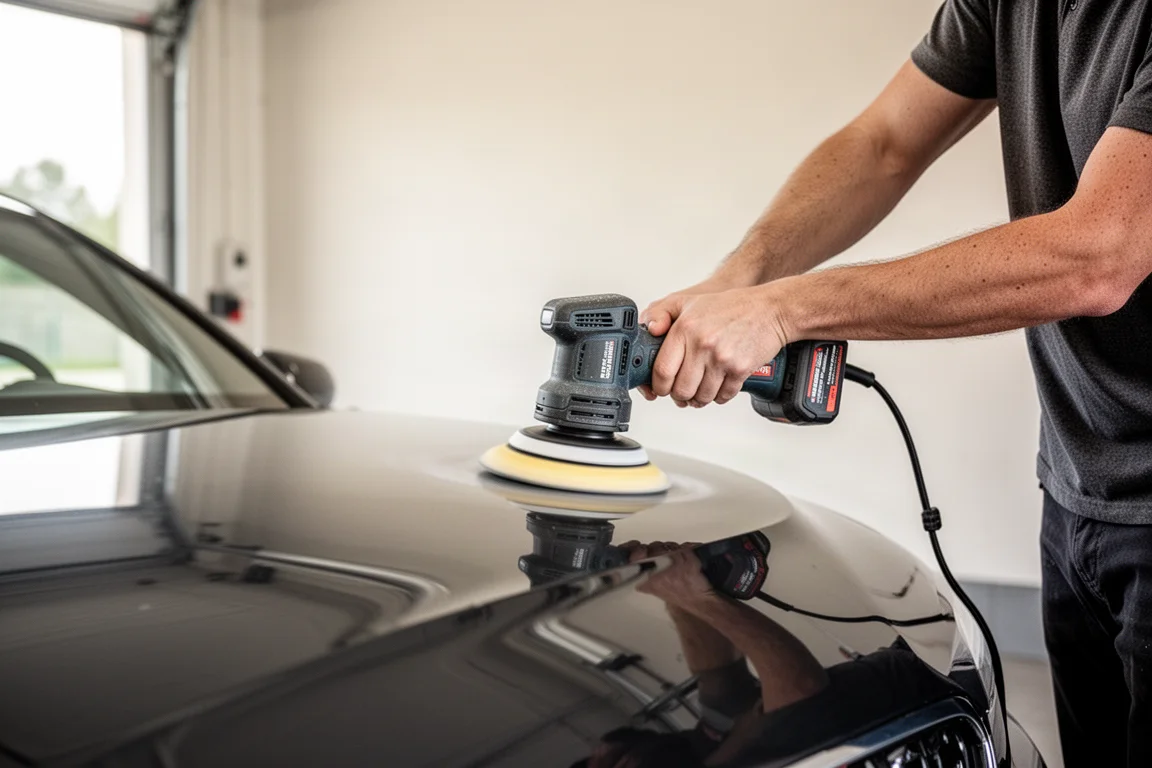
DeWalt also offers a side handle, though most users probably will not use it. Because both machines are long and the batteries stick out at the rear, both can contact body panels in tight or curved areas of a vehicle. Neither is immune to that.
Vibration and Refinement
There is a touch more vibration felt in the DeWalt than the Milwaukee, though not enough that you would notice a difference over a full day of use. It is worth noting the DeWalt unit in this comparison was purchased in 2019 while the Milwaukee was brand new, so unit age could play a role.
Overall, the Milwaukee feels slightly more refined, closer to the feel of a corded polisher, while the DeWalt is just a touch less refined with slightly more vibration.
Batteries and Runtime
Both work well on battery power. The DeWalt runs nicely on a 5 Ah battery, which keeps things a bit slimmer. The Milwaukee ships with a 6 Ah battery, and it would likely run fine on a 5 Ah too, since the extra capacity is not needed to power either machine. The 6 Ah pack simply lasts a very long time.
Which One Should You Buy
If you are choosing on availability and price right now, the Milwaukee is currently less expensive at $299 versus the DeWalt’s $329, and it is also easier to find in stock. But if you are already invested in the DeWalt battery line, do not hesitate: the DCM848 is every bit as good a polisher, with very little real difference between the two.
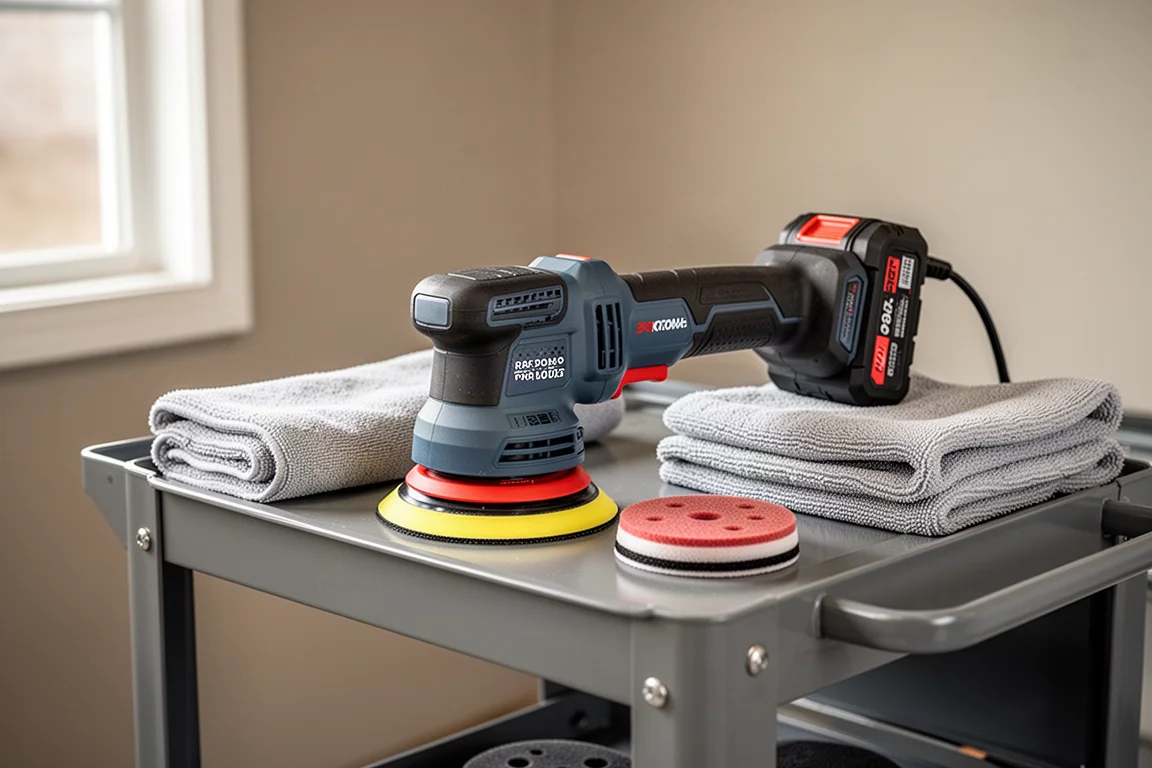
It is rare to see two tools this close, separated only by slight grip differences and a small perceived vibration difference. You cannot go wrong with either. Both are great tools worth picking up if you are in the market.
Conclusion
The Milwaukee 2684 and DeWalt DCM848 are about as close to identical as two polishers get: same 5-inch plate, same 15 mm throw, similar power, and comparable ergonomics. Choose the Milwaukee for its lower current price and easier availability, or the DeWalt if you want to stay in its battery platform. Either way, both rock.
Product link
View more details for Milwaukee 2684 Dual Action Random Orbital Polisher
This product is mentioned in the review. Check the specifications, options, and compatibility before buying.
View more details for Milwaukee 2684 Dual Action Random Orbital PolisherFurther reading
Related Reviews
Power Tools
Best 1-Inch Pistol Impact Wrenches: Three Heavy-Duty Options Compared
We compare three 1-inch pistol impact wrenches, from a budget-friendly Harbor Freight model to a premium Caterpillar unit, to help you choose the right one.
Power Tools
Best 3/4-Inch Impact Wrenches 2026: Five Contenders Compared
We compare five 3/4-inch impact wrenches across price and performance, from a budget Amazon option to Snap-on's most powerful model yet.
Power Tools
Best Budget Cordless Tools 2026: Walmart Finds That Punch Above Their Price
We tested five cordless tools from Walmart, including a high-torque impact wrench that trades blows with Milwaukee and a $35 duster that outperforms its price class.