Workshop Tools
Milwaukee 0920-20 Dual Battery Wet/Dry Vacuum: Bare Tool or Full Kit?
A 9 gallon cordless wet/dry vacuum with strong suction, smart design, and a price that deserves careful thought before you buy.
Introduction
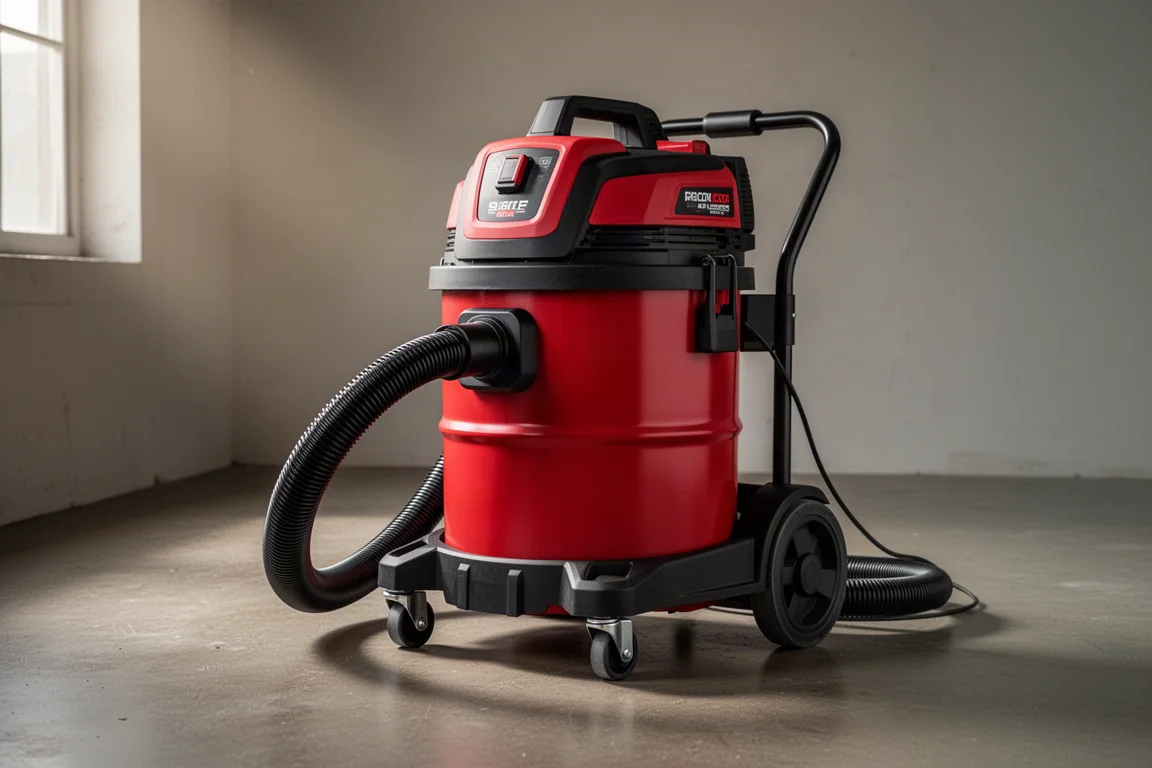
Milwaukee’s dual battery 9 gallon wet/dry vacuum is an interesting entry into the cordless shop vacuum space. It needs two batteries to run, which effectively makes it a 36V unit, and runtime depends on whichever battery is smaller or less charged. Once one battery dies, the whole unit stops.
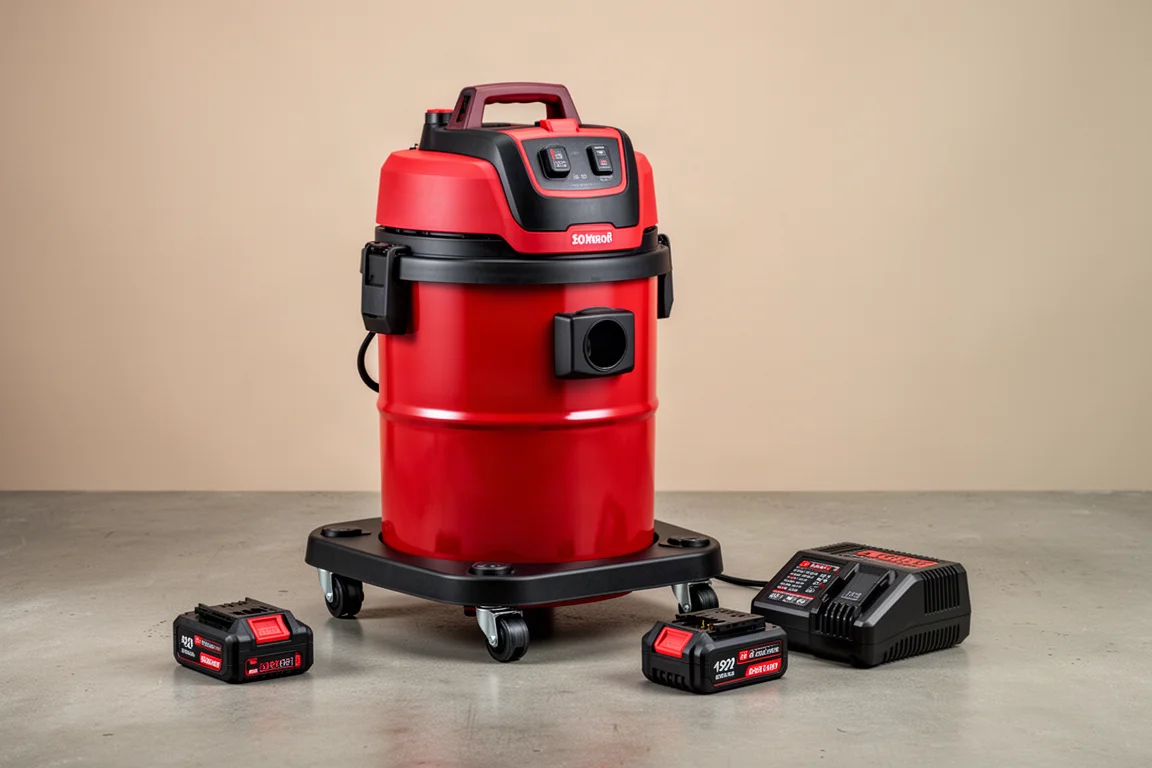
There are two ways to buy it: the bare vacuum (model 0920-20) at $299, or the 0920-22HD kit at $699, which adds two 8Ah batteries and a dual charger. That is a lot of money either way, but this is a versatile, well-built vacuum made in the USA with global materials, and it earns a closer look.
How It Performs
Suction is the headline. The vacuum moves 109 CFM, and Milwaukee compares it to a 4.25 peak horsepower corded vacuum. Peak horsepower ratings on corded vacuums are a marketing convention more than a hard measurement, but in practical use the suction here genuinely impresses.
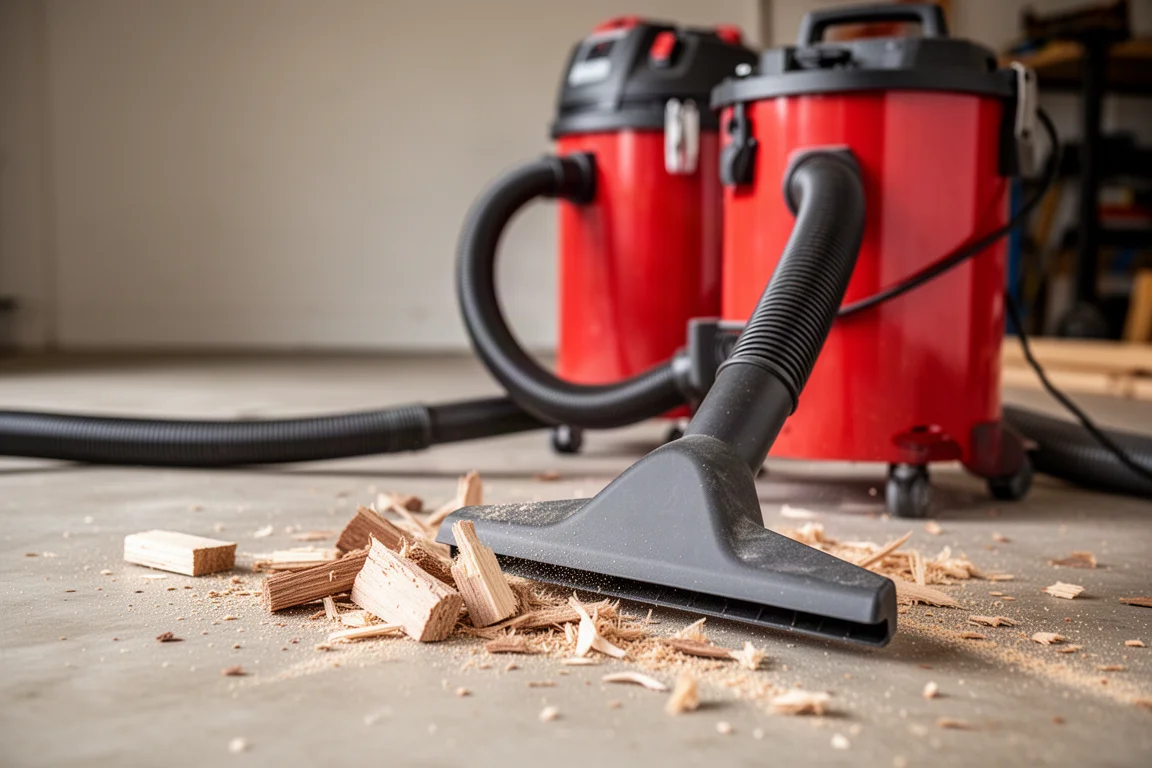
Testing with large debris from a 3-inch auger bit showed the vacuum pulling most of it through the 1-7/8 inch hose, though occasional clogs required stopping to clear. Wood, rocks, screws, and nails all got picked up with essentially zero issue. Critically, the internal filter stayed remarkably clean even with heavy debris, which matters a lot for a battery vacuum because clean filters preserve suction efficiency.
Noise levels measured around 70 dB on low and 73 dB on high, which is reasonably quiet for the power on offer.
Design and Versatility
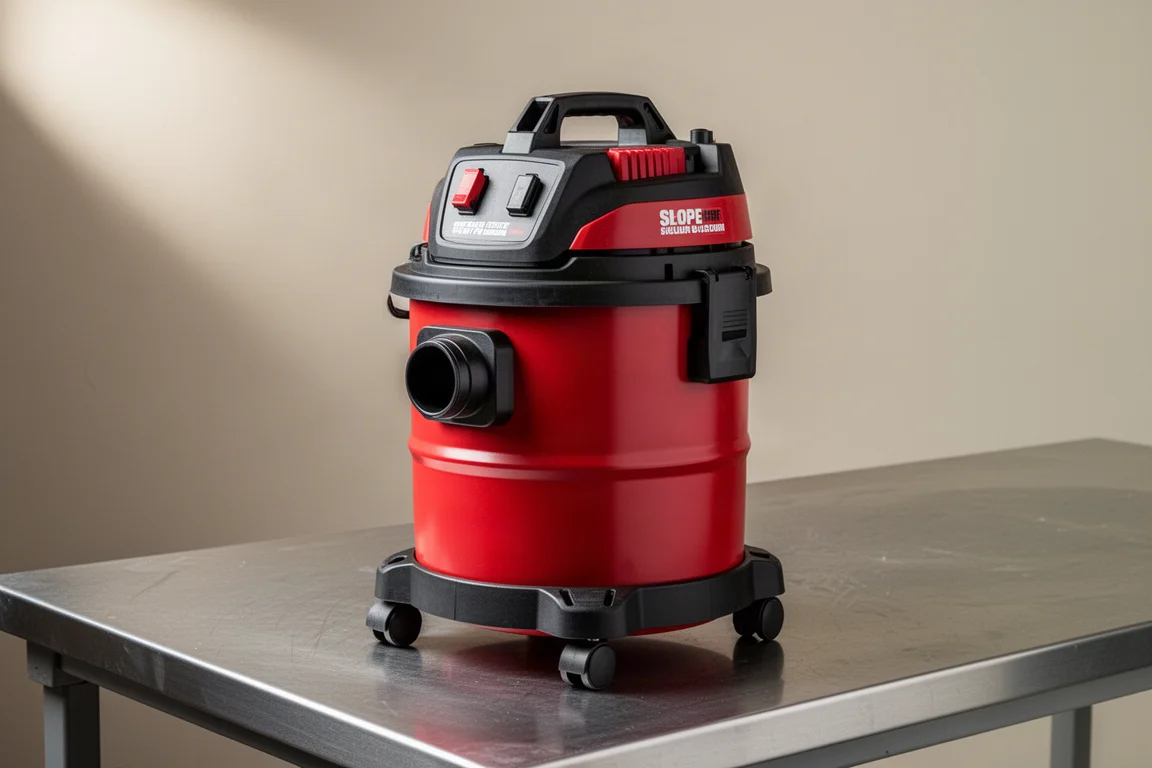
This is where the vacuum really stands out. Out of the box you get a large number of parts, and most of them are interchangeable. The 9 gallon red drum can be swapped for 6 gallon or 12 gallon drums, and the rolling caster base can be exchanged for a larger version with a handle.
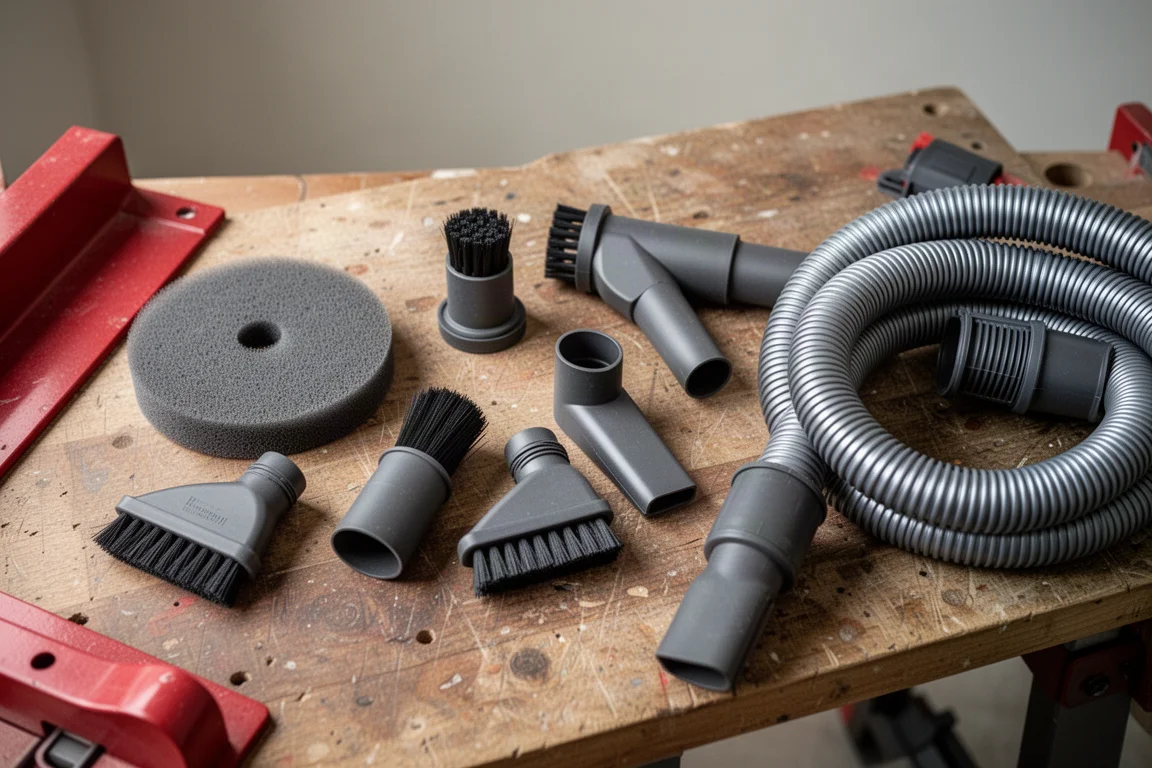
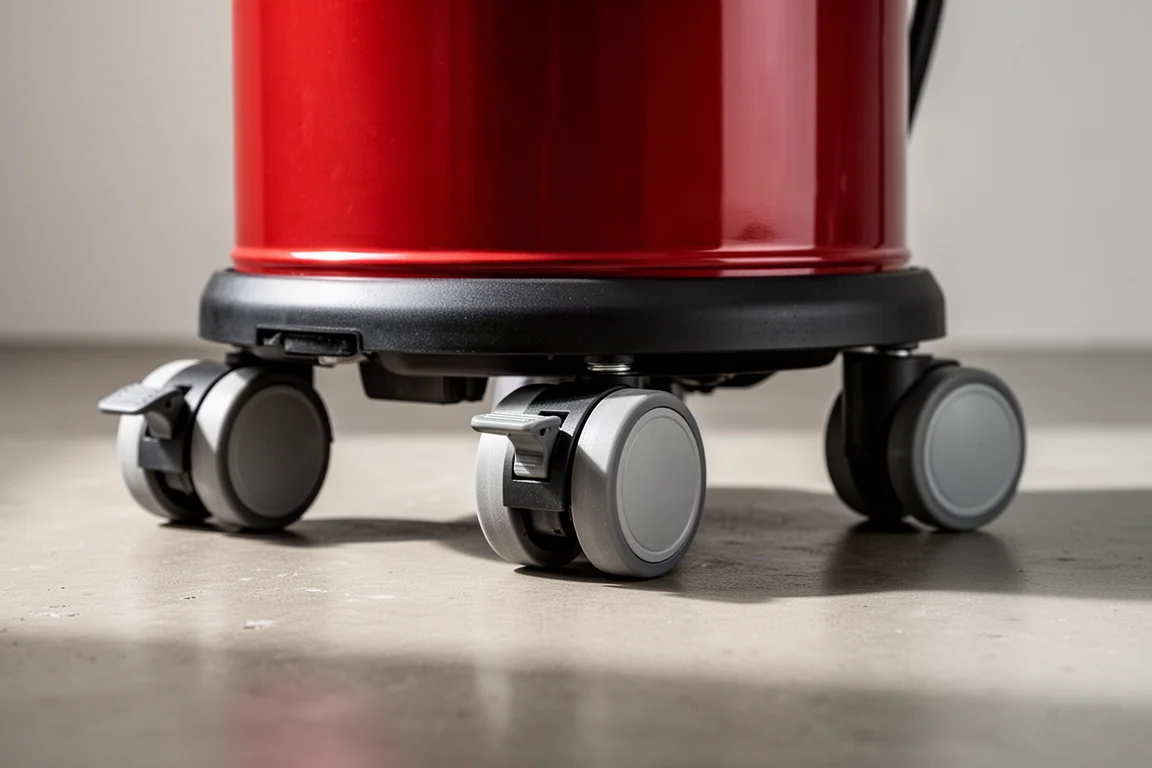
The casters themselves are some of the best seen on any rolling cart, with a locking system so they stay put when you want them to. If you want even more flexibility, separate power heads are available: a single-battery head, this dual-battery head, and an AC power head. Milwaukee also makes a range of air tip nozzles that fit this vacuum and most others, including rubber scrubbers for carpet, brushes, and nozzles for just about any task.
The hose connection uses a quarter-turn nozzle lock that holds firmly. It survived being dragged against a lift and pulled through a door without coming loose, yet releases easily when you want it off. Remove the wheeled base and rubber feet let you use the canister on its own, trading a bit of storage for a more compact footprint.
One puzzling omission: the top accessory storage clips in nicely, but it is not a PACKOUT system. A PACKOUT-compatible top, letting you stack a box where the carry handle sits, would have been the perfect finishing touch.
Wet Pickup and Runtime
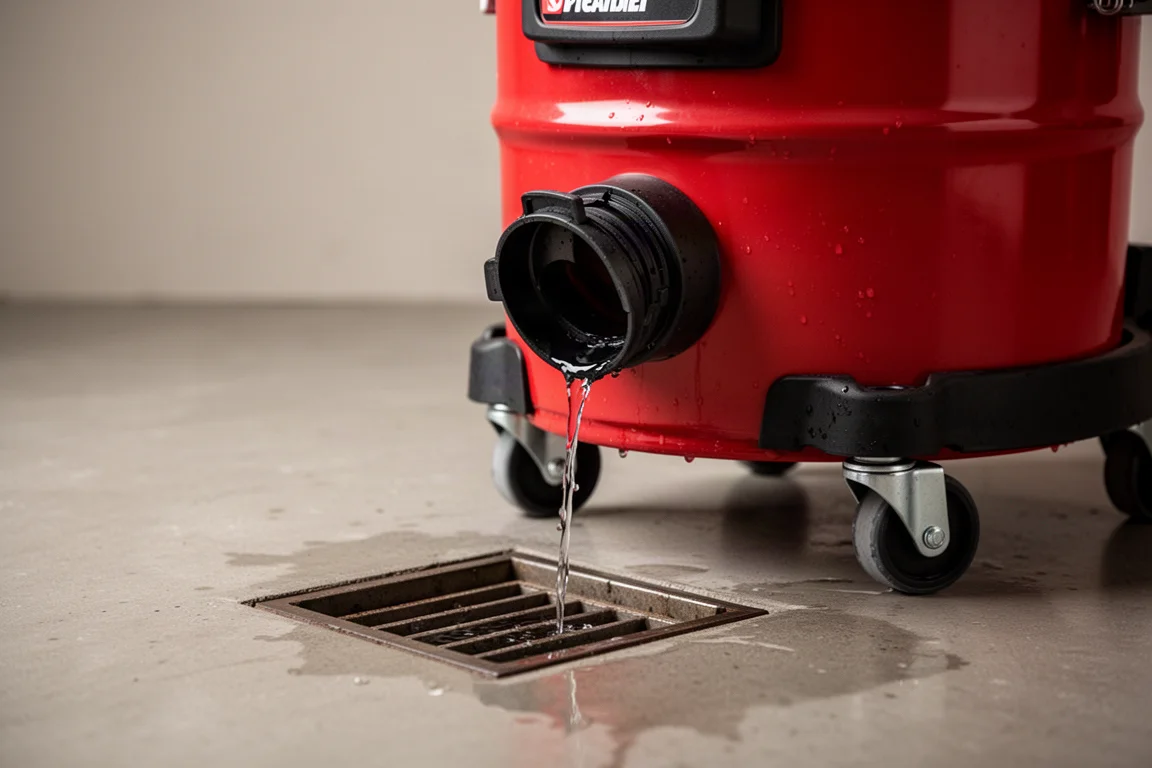
For wet work, swap the high-efficiency filter for a foam filter, which you may need to buy separately. Running two fresh 8Ah batteries on high, the vacuum pulled roughly 10 gallons of water and handled it impressively: no water came out of the exhaust port thanks to an internal shutoff, about three gallons were left in the bucket when it stopped, and the 9 gallon drum ended up nearly full. A side drain lets you empty the drum easily, though it leaves about a quarter inch of water behind, so a slightly lower drain placement would have been better.
Runtime came out to roughly 24 minutes on high and 40 minutes on low. On high, that works out to about 3 minutes per amp-hour, so pairing a 4Ah battery with an 8Ah battery would give you only about 12 minutes, because the smaller battery dictates when the unit stops. On low you get about 5 minutes per amp-hour. You can fit 12Ah batteries if you need more, but if your workload demands long continuous runs, corded (or the AC power head) remains the better option.
Pricing: Bare Tool or Kit?
The $299 bare vacuum is expensive for a shop vacuum, and many people will balk. That premium partly reflects the US manufacturing, and buyers who prefer domestically made products will have to accept the cost. The weak point is that the bare tool comes with no batteries at all, so you need to already own a pair of compatible packs.
The $699 kit is where the value argument lives. You get two 8Ah batteries, not the big 12Ah packs but still very useful batteries to have around, plus a dual charger that is genuinely worth owning on its own. Spending $700 on a wet/dry vacuum is still a hard pill to swallow, but as a package the kit is actually a pretty good deal compared to buying batteries separately.
Buying Advice
If you already own several Milwaukee batteries, the bare 0920-20 at $299 can make sense, keeping in mind it needs two batteries and runtime follows the smallest one. If you do not, the kit is the more rational purchase, since the batteries and dual charger account for the $400 difference.
Backing all of this is Milwaukee’s warranty and e-service, which has a strong reputation for standing behind its tools.
The 1-7/8 inch hose is the main practical limitation for large debris, with occasional clogs, but for most users it will be fine. If you need long uninterrupted runtime, plan on the AC power head or a corded vacuum instead.
Conclusion
This vacuum exceeded expectations across the board: suction, usability, hose quality, and how easily it rolls around without a cord. The lack of a PACKOUT-compatible top is the one baffling design choice, but it does not diminish what is otherwise an exceptionally flexible, well-made cordless shop vacuum. Choose the kit if you need batteries, and the bare tool only if you are already invested in the platform.
Further reading
Related Reviews

Workshop Tools
Best Drill Tap Sets 2026: Top Picks Tested for Speed and Strength
We tested 17 drill tap sets to find the fastest drilling, strongest threading, and most durable options for your workshop.

Workshop Tools
Cool Shop Tools 2026: Five Clever Upgrades Worth a Closer Look
A practical look at five workshop tools that solve real problems, from smarter drill bits to a safer table saw guard.

Workshop Tools
Cool Tools for the Workshop: Five Smart Upgrades Worth Trying
A practical look at five workshop tools that make measuring, drilling, marking, and sawing easier, from a clever square to a top-tier bandsaw fence.