Kitchen Knives
Mikura VG5 Chef Knife Line Review: A Durable Workhorse for Professional Kitchens
The Mikura line is built for daily professional use, with forgiving VG5 steel, a thoughtful shape selection, and sharp edges straight from the box.
Introduction
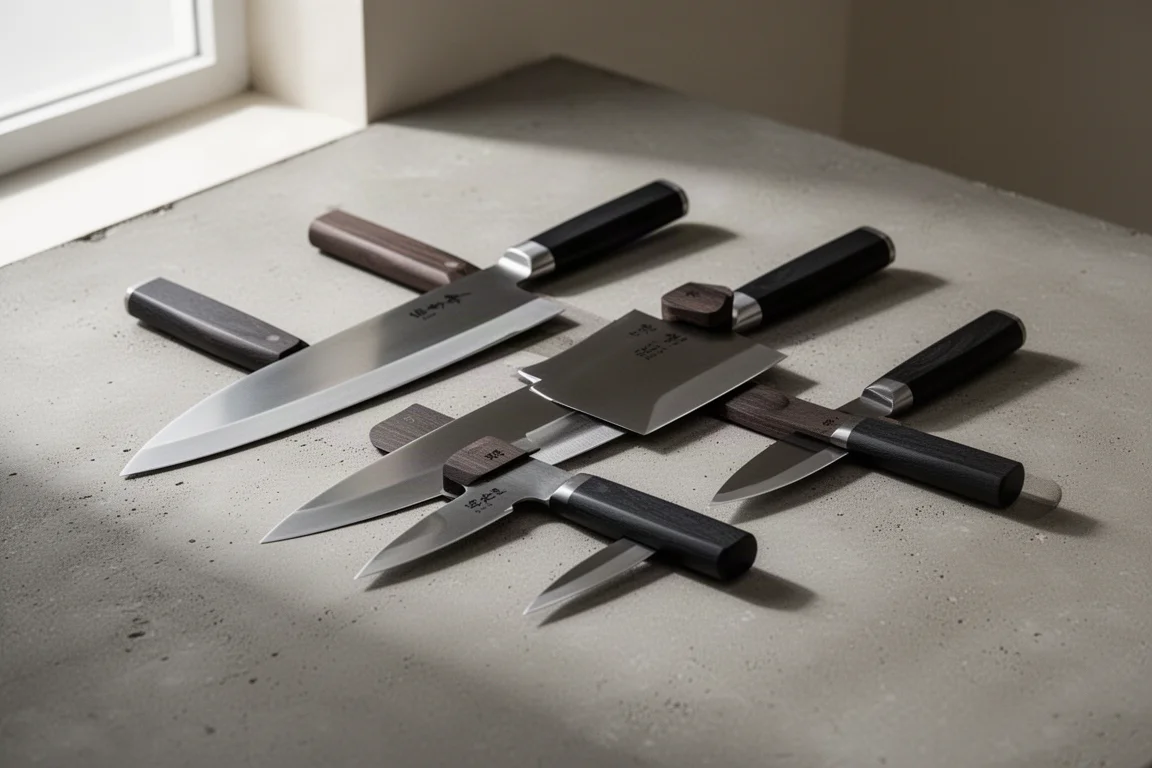
The Mikura line is designed to be the trusty workhorse in your knife bag: the knife you can cut with all day, on practically anything. The name comes from an older Japanese word for kitchen, and the series is built with professional cooks in mind. Rather than chasing the most popular steels, this line chooses practicality: a little softer, a little more forgiving, and much easier to live with under daily kitchen pressure.
The idea is simple. Many working chefs carry one good chef knife that is not their finest blade. It is the knife they would trust to an enthusiastic dishwasher to cut a bag of onions. It will not hold its edge as long as harder steel, but it will not chip easily, and a ceramic honing rod pops the edge right back into shape. Mikura fills exactly that role in a kit.
Steel Choice: Why VG5 Makes Sense Here
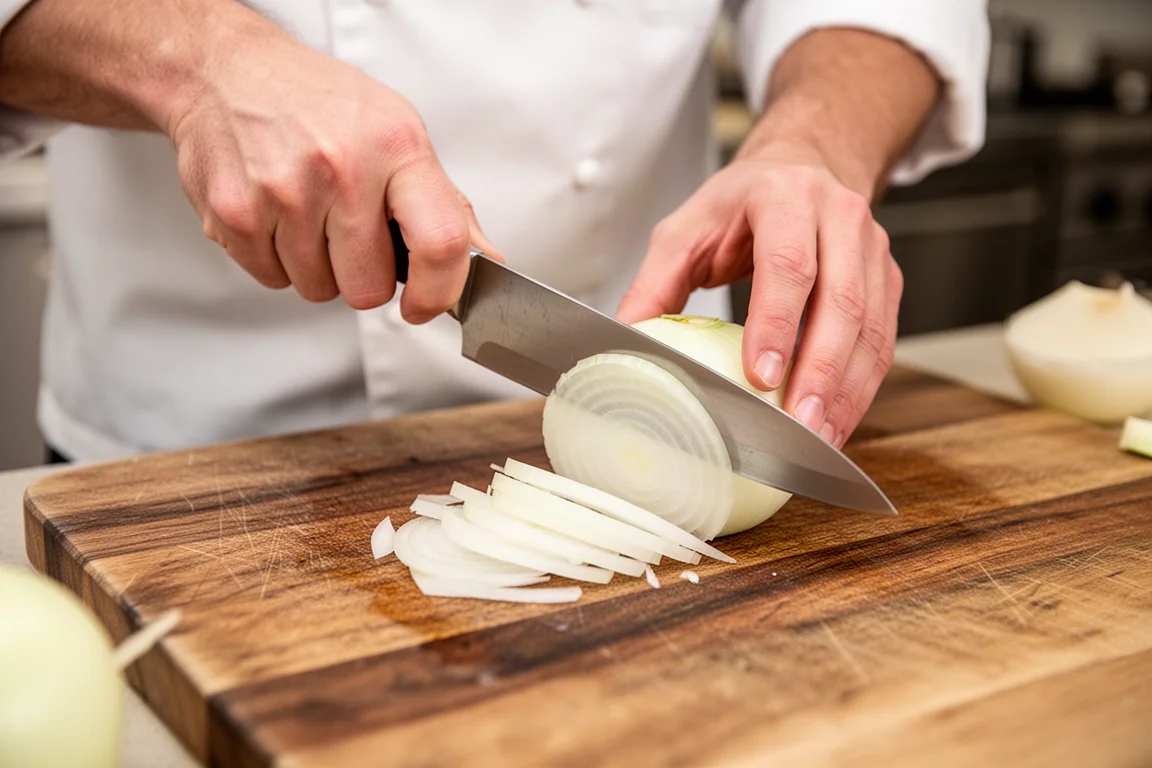
Instead of the widely praised VG10 or SG2 steels, Mikura uses VG5. Some people consider VG10 and SG2 the better steels, and they are not wrong when it comes to edge retention. But VG5 does a fantastic job in its own right: it keeps its edge reasonably well, it is far less likely to chip, and it puts an edge back very easily with minimal effort.
That trade-off is the whole point of the line. Harder, more brittle steel rewards careful technique. VG5 rewards volume: powering through service prep, lending the knife to a colleague, and honing it back to sharpness without ceremony. For young cooks building their first serious kit, this is a genuinely sensible entry point before stepping up to super high-performance steel.
The Line-Up and Steel Split
The shape selection is deliberately focused rather than sprawling, and interestingly the line uses two different steels, chosen by how each knife is actually used in a working kitchen.
The sujihiki (slicing knife), the petties in the 135mm to 150mm range, and the bread knife are made from a one-piece mono-steel stainless construction. Mono-steel blades have a slight give to them. That is not an invitation to flex them deliberately, but it does mean you can apply a bit more pressure, for example when skinning with a sujihiki, without worrying the way you would with a more brittle blade.
The guto (chef knife) in 240mm, available with a Western-style handle, along with a 120mm petty and an 80mm petty, round out the practical core of the line. The 80mm petty deserves a special mention: its handle is not much smaller than the 120mm version, which means you can choke up on it comfortably with far less chance of cutting yourself on the heel.
Build Quality and Handle Comfort
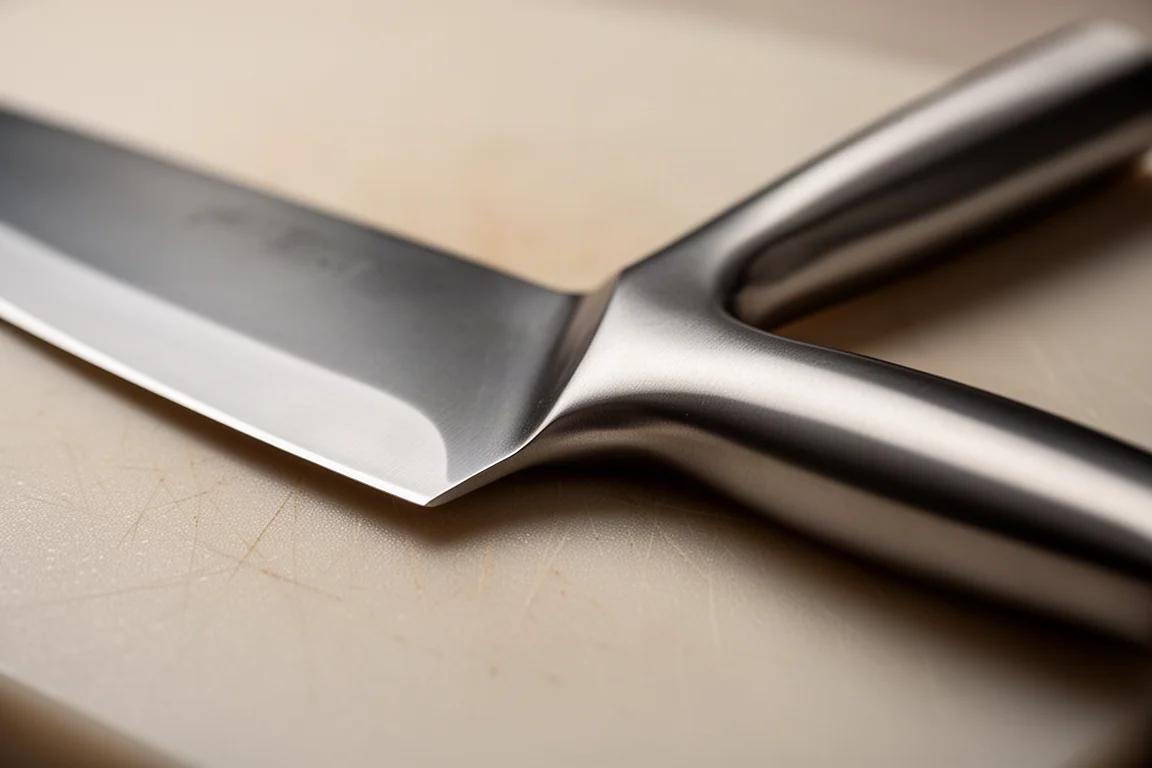
The small details show who these knives are for. The spine and the heel side of the handles are rounded over, so during long prep sessions the hard edges will not dig into your hand. It is the kind of refinement you only notice after an hour on the board, and it matters enormously in a professional setting.
All the knives are made in the city of Seki, a place famous for kitchen knife making. Production there is notably specialised: separate workshops and factories focus on heat treating, thinning, and sharpening, and the best workshop for each stage handles each knife. That structure shows in the finished product.
Performance Out of the Box
The first test, a peeled onion with the 80mm petty, went straight through. The knives arrive sharp right out of the box, with no touching up needed beforehand. The finish from the sharpening workshops is immediately noticeable: smooth, clean cuts with very little effort.
The small petty is described as the knife you do not always reach for, but when you need it, it is perfect. Its performance is everything it needs to be and nothing more, which is exactly right for a knife this size. It is also a knife many home buyers skip when ordering from Japan, which makes a well-built, well-priced example especially appealing.
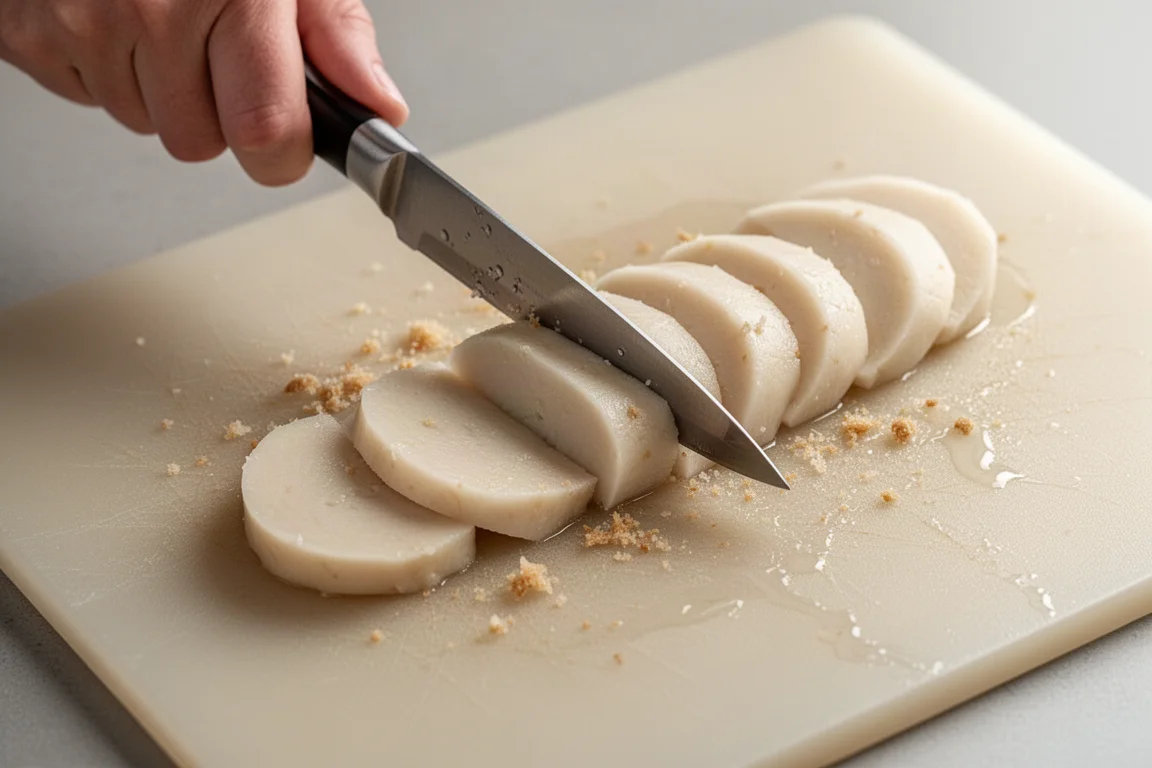
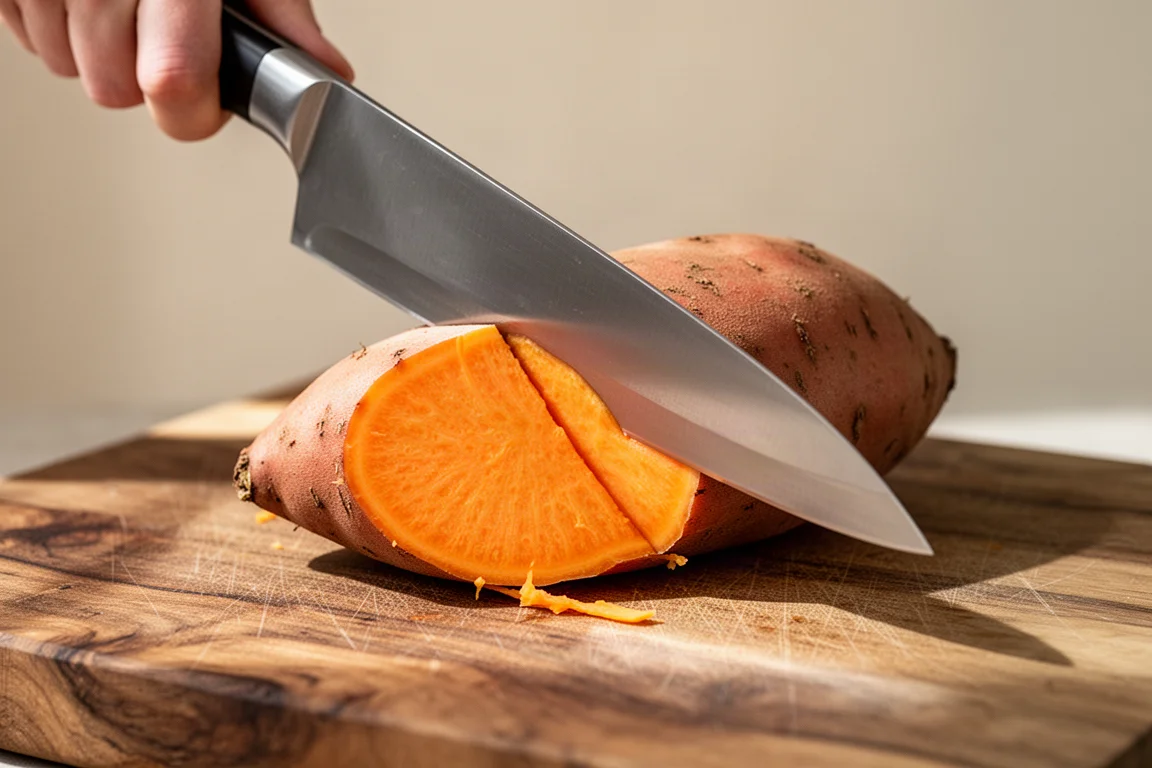
The 240mm guto is the one-and-done size for a professional kitchen. It handles everything from breaking down salmon and portioning steaks to dicing onions and general vegetable prep. It has a pleasant weight and a nice rocking feel, and the heft lets it travel through dense produce like sweet potatoes or beets without you having to push. Even for home use, it earns its spot for bigger batch work.
Things to Consider Before Buying
These are not the hardest or longest-edge-holding knives available. They are a little softer, a little more forgiving, and that is a deliberate design decision, not a compromise you are sneaking past you. If your priority is maximum edge retention above all else, harder steel lines will suit you better.
If, however, you want a knife you can use hard, hone back quickly, and lend without anxiety, this line is very compelling. Availability is broad: the knives are sold through physical stores in Vancouver, Edmonton, Calgary, Ottawa, and Toronto, where you can try sample knives in person, as well as through the online store.
Buying Advice
This series fills a real gap in most knife kits. High-performing hard-steel Japanese knives keep their edge a long time but demand care. Mikura sits below that tier on purpose: sturdy, durable, and ideal for younger cooks powering through kitchen work before stepping up to premium steel. It is the kind of knife you will keep for years, and the kind you can hand to the colleague who forgot theirs at home without a second thought.
If you are choosing one, the 240mm guto is the most versatile all-rounder, the small petty is an outstanding value pick, and the sujihiki or bread knife make great specialist additions. Pick the shape that matches the work you do most, and let the forgiving VG5 steel do the rest.
Conclusion
The Mikura line does exactly what it sets out to do: deliver sharp, well-made Seki-built knives that handle professional daily use without fuss. The VG5 steel, rounded handle details, and focused shape selection make this an easy recommendation for working cooks and ambitious home kitchens alike.
Product link
View more details for Mikura VG5 Chef Knife Line
This product is mentioned in the review. Check the specifications, options, and compatibility before buying.
View more details for Mikura VG5 Chef Knife LineFurther reading
Related Reviews

Kitchen Knives
Best Chef's Knives 2026: 27 Popular Options Tested and Ranked
A comprehensive review of 27 chef's knives ranging from $18 to $380, with honest assessments of handle comfort, blade balance, and real-world performance.

Kitchen Knives
Best Chef's Knives Under $75: Two Tested Recommendations
Two practical 8-inch chef's knives that balance sharpness, comfort, and durability without premium pricing.

Kitchen Knives
Best Chef's Knives 2026: 27 Options Tested and Ranked
A comprehensive review of 27 chef's knives ranging from $18 to $380, with honest assessments of handle design, balance, blade profile, and real-world performance.