Kitchen Knives
Middleton Made Knives Okua 8-Inch San Mai Review: A Chef Knife With a Story
The Okua pairs a striking San Mai blade with dyed maple burl and a fitted leather sheath. Here is how it performs across tomatoes, onions, sweet potato and more.
Introduction
Quentin Middleton has been making knives for over two decades, and his latest release, the Okua 8-inch San Mai chef knife, feels like a deliberate return to his roots. The blade profile and handle shape echo his early work, and the knife arrives with the kind of thoughtful packaging and small extras that have become his signature. After cutting through the same lineup of ingredients used in previous Middleton Made Knives tests, the big question is simple: does the Okua dethrone the Nakiri as the favorite? Short answer: it comes close, but it plays a different game.
First Impressions: Design and Craftsmanship
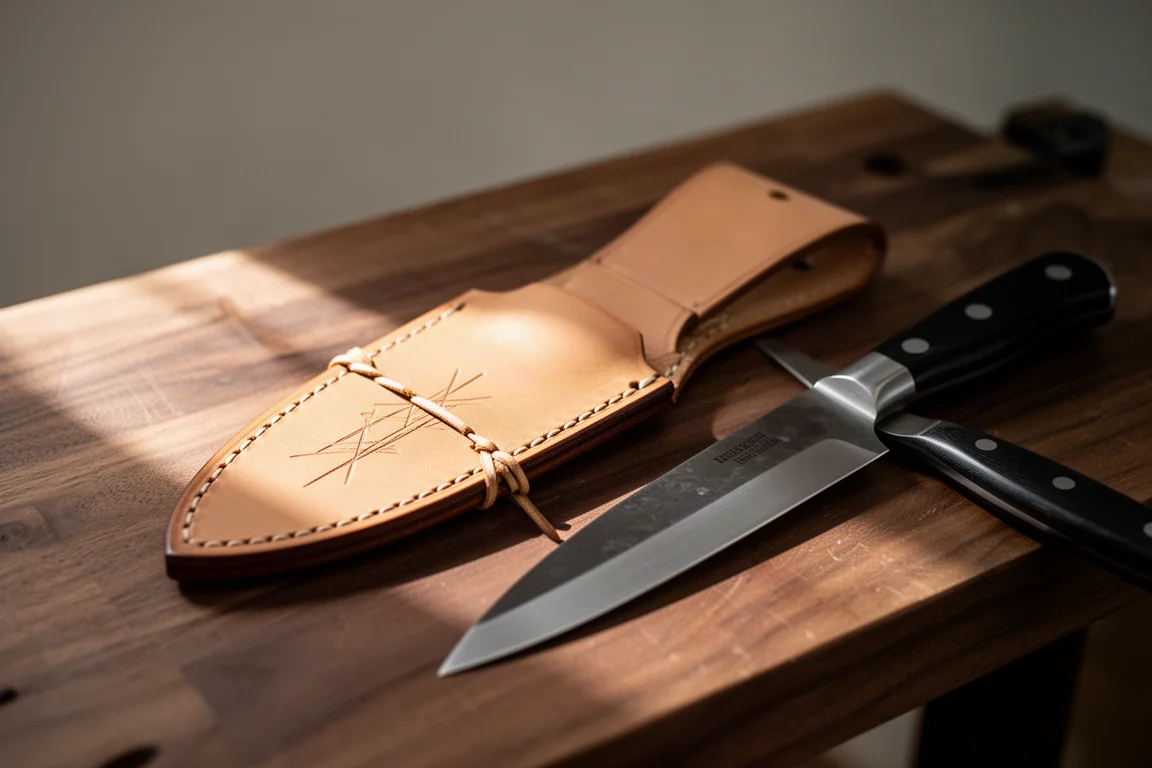
The unboxing is consistent, thoughtful and familiar. Quentin also protects his tips properly, which matters more than most buyers realize. The tip is usually the most fragile part of a blade, and nothing is more deflating than receiving a knife you saved for only to find it chipped. As a bonus, the Okua includes a fitted leather sheath trimmed to shape, real added value at the same price point as the Nakiri.
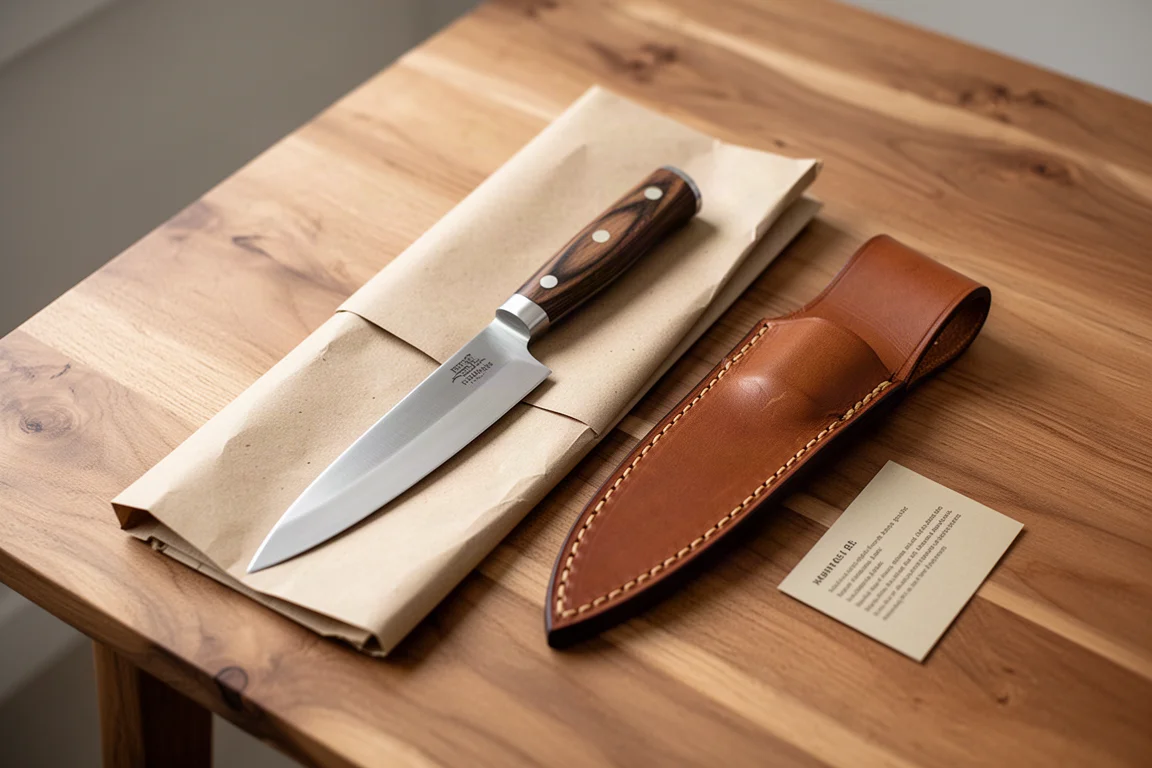
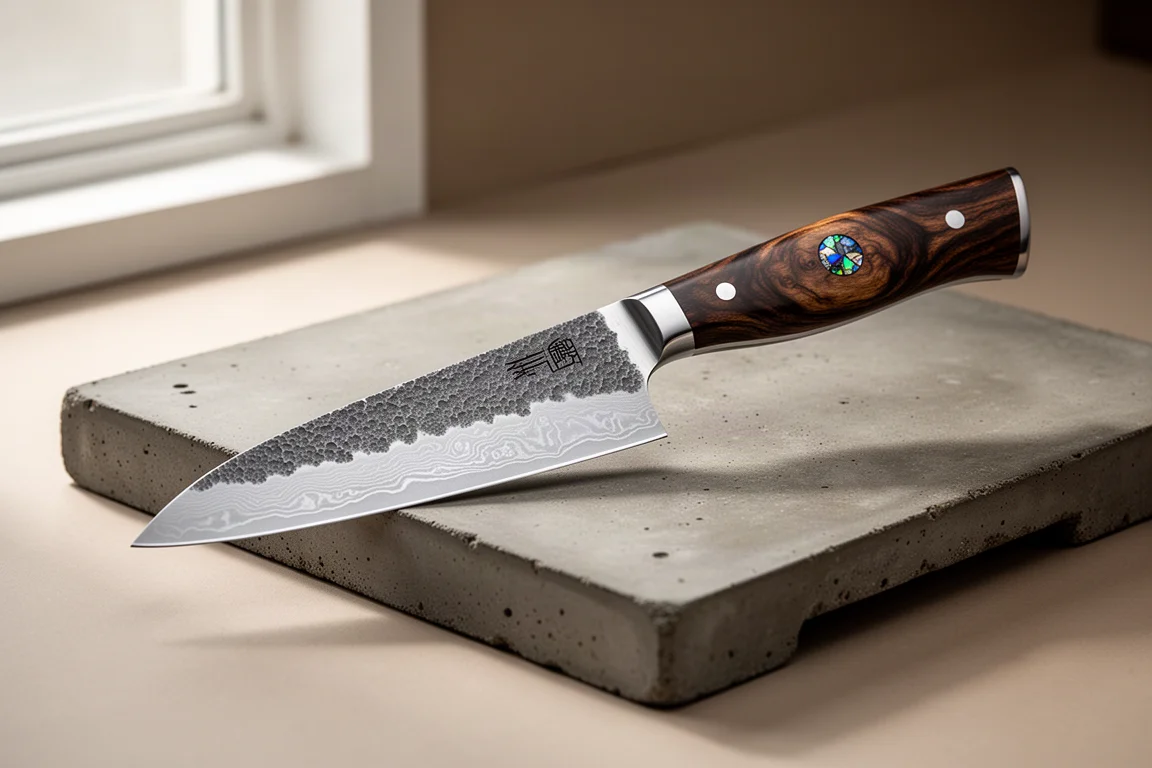
The details stack up quickly. The handle is dyed maple burl with three pins, including a mosaic pin, set on full tang construction with genuinely excellent contouring. The blade pairs textured flats with sandblasted bevels and a high polished edge, and the cladding delineation is beautiful. The profile is an ode to Quentin’s earlier work.
The tip design deserves special mention. It is subtly rounded, but the angle where the edge meets the tip makes it appear aggressive. It is smart, intentional design: a tip that is not actually pointy but feels pointy, which greatly improves longevity for users who do not treat handmade knives as fragile objects. In hand, the knife has noticeable heft, and it settles. It sinks and contours into the palm and stays comfortable through long prep sessions.
Cutting Performance: The Kitchen Test
The first three ingredients mirror the Nakiri test: cherry tomato, red onion and garlic. Despite a more resilient secondary bevel, the blade is thin enough with a polished edge to perform beautifully. A touch of pressure to start the cut, then the knife does the rest. Classic Middleton performance.
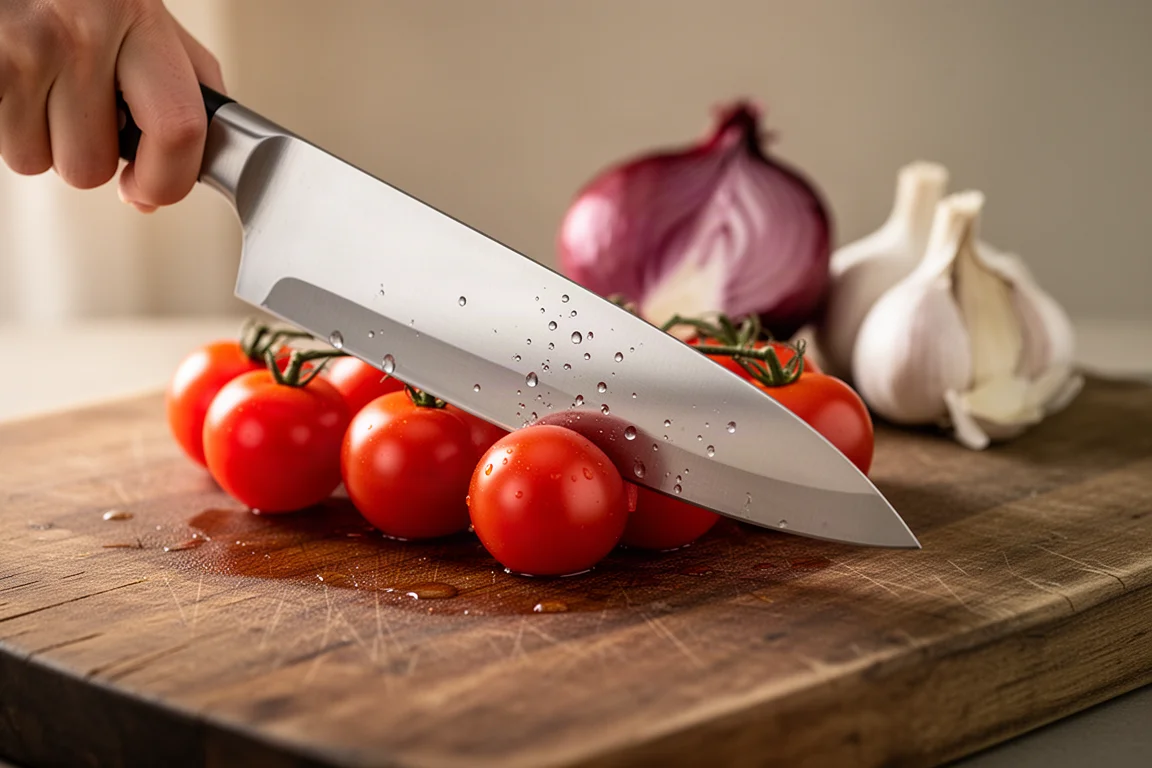
The belly profile changes the technique, though. With a high tip and a long curve, this is not a knife you instinctively rock chop with. Rock chopping works, but it is less fluid, closer to a sweeping push motion. Push cutting is where the Okua really shines. Think of it as a hybrid of a German-French chef knife and a gyuto.
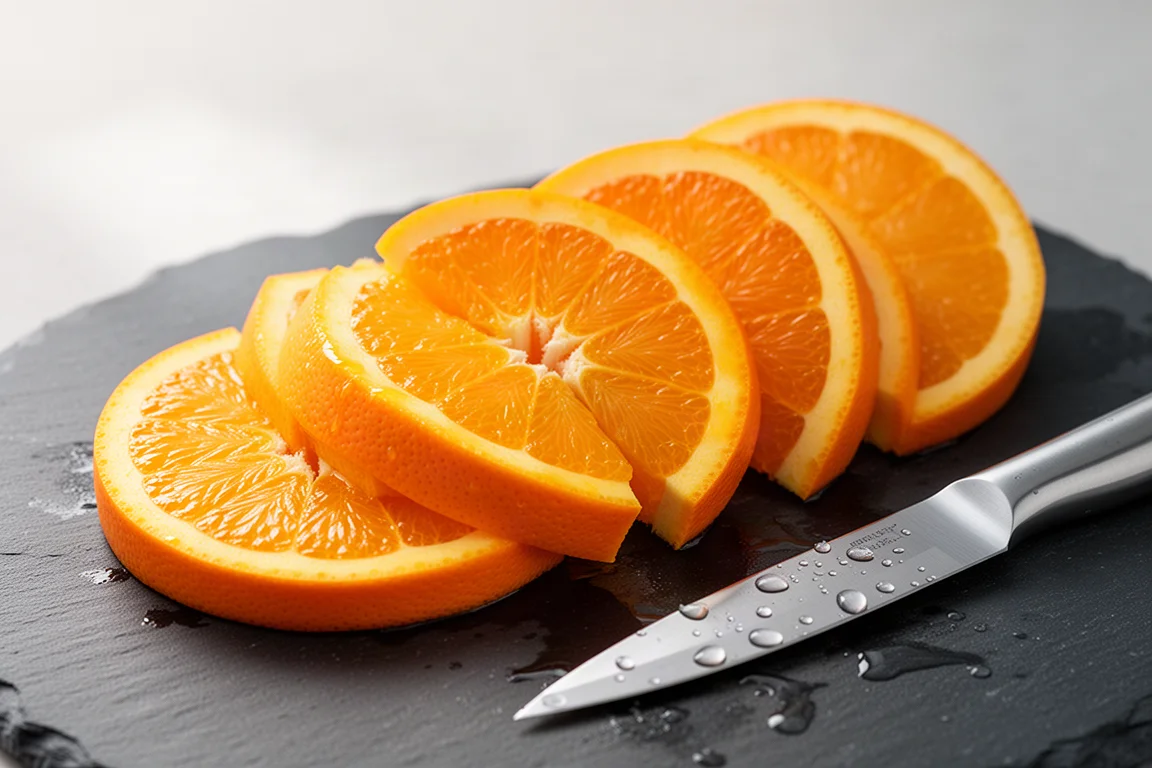
Ginger mincing was easy work, but cubing salami was not this blade’s first choice. For cured meats or sticky foods, a long, low-belly blade minimizes drag better. Then came the moment of clarity: the orange. After a supreming cut at the tip felt awkward, thick pull slices became the favorite way to use the Okua. That motion simply works here.
Where the Okua Shines, and Where It Doesn’t
Carrots and sweet potato revealed the geometry limits. Thinness behind the edge helps prevent carrot cracking, but for dense foods like sweet potato, geometry matters more than edge sharpness. The Okua sits between extremes, not convex and not ultra thin, so it shows some resistance in the densest produce.
The red potato was the highlight of the whole test. Less starch means less board stick, and suddenly everything clicked: edge, weight and profile working together. It was a genuine joy to use.
The leather sheath is a great bonus, but it collapses slightly, making reinsertion less smooth. Nothing major, and easily fixed by molding it to the blade over time.
How It Compares to the Nakiri
Honestly, cutting with the Nakiri is still more enjoyable overall. The Okua’s belly makes it a more niche knife, while the Nakiri remains the more versatile everyday option. That said, the Okua’s handle might actually be more comfortable, and the craftsmanship and finish are on the same high level. The dream combination would be a Nakiri blade with the Okua’s finish and handle, plus Damascus options.
Who Is This Knife For?
Any Quentin Middleton fan will appreciate the craftsmanship, materials and signature handle. If you love stainless performance, easy maintenance, aggressive profiles, and supporting a maker who has been innovating for over 20 years, the Okua lives in the signature series on his website and is worth a serious look.
Conclusion
The Okua is a characterful, beautifully finished chef knife that rewards pull slicing and push cutting rather than rocking. It does not replace the Nakiri as the all-rounder of choice, but its handle comfort, tip-smart design and included leather sheath make it a compelling addition for anyone who values handmade craftsmanship with a story behind it.
Product link
View more details for Middleton Made Knives Okua 8-Inch San Mai Chef Knife
This product is mentioned in the review. Check the specifications, options, and compatibility before buying.
View more details for Middleton Made Knives Okua 8-Inch San Mai Chef KnifeFurther reading
Related Reviews

Kitchen Knives
Best Chef's Knives 2026: 27 Popular Options Tested and Ranked
A comprehensive review of 27 chef's knives ranging from $18 to $380, with honest assessments of handle comfort, blade balance, and real-world performance.

Kitchen Knives
Best Chef's Knives Under $75: Two Tested Recommendations
Two practical 8-inch chef's knives that balance sharpness, comfort, and durability without premium pricing.

Kitchen Knives
Best Chef's Knives 2026: 27 Options Tested and Ranked
A comprehensive review of 27 chef's knives ranging from $18 to $380, with honest assessments of handle design, balance, blade profile, and real-world performance.