Power Tools
Metabo HPT WR18DH vs WR18DBDL2: Which 18V Impact Wrench Should You Buy?
Metabo HPT's new WR18DH impact wrench goes up against the long-running WR18DBDL2. Same fastening torque, similar size, but one is easier to recommend.
Introduction
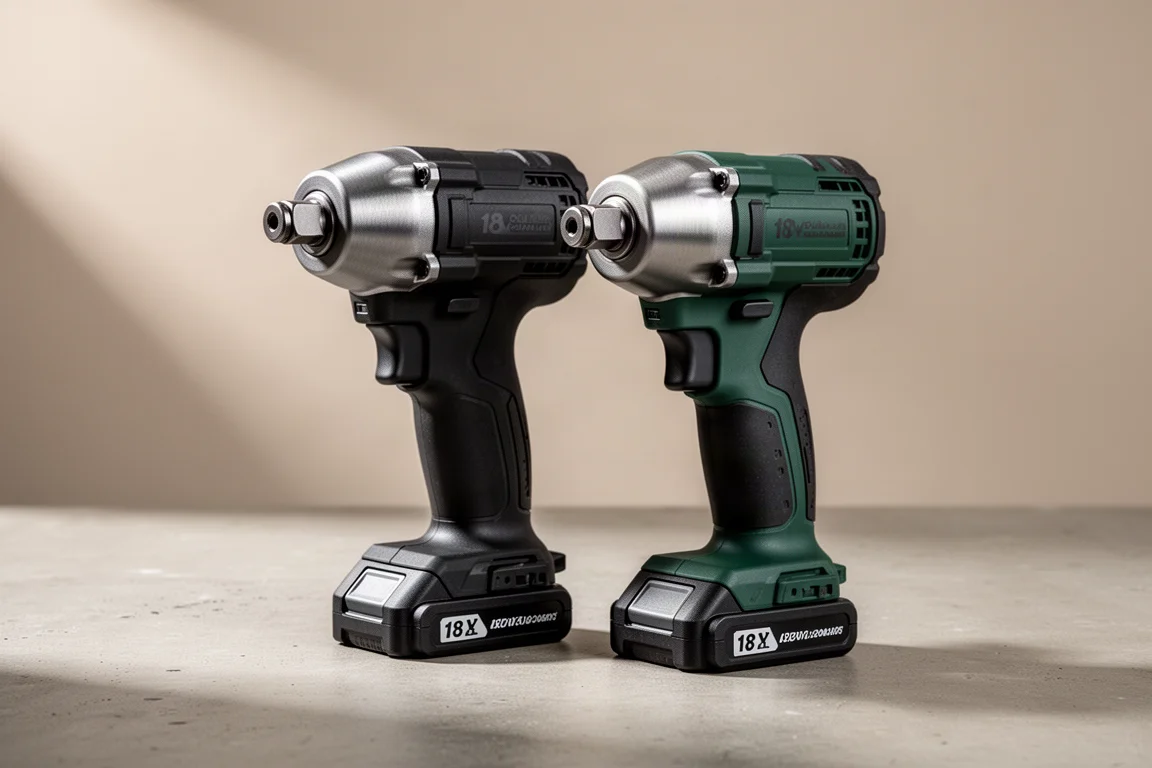
Metabo HPT has refreshed its compact 18V impact wrench line with the WR18DH, replacing the long-running WR18DBDL2. On paper, this looks like a routine update. In practice, it is a genuinely confusing one: the new model weighs more, costs more, and does not deliver a noticeable power gain over its predecessor. After comparing the two side by side, the older WR18DBDL2 remains the easier recommendation for most buyers.
Specs: Close on Paper, Different in the Hand
Both tools are rated for roughly 225 ft-lbs of fastening torque. Metabo HPT does not publish a loosening or nut-busting figure for the older WR18DBDL2, but the new WR18DH does list a nut-busting torque, which suggests the new model may have more raw breaking power. In real use, however, that extra power is hard to detect.
Both impact wrenches carry an IP56 rating for dust and water resistance, and both measure close to six inches in length with nearly identical height. The key difference is in the head: the older WR18DBDL2 has a noticeably thinner, more compact front end, while the WR18DH carries a larger head without a corresponding power advantage.
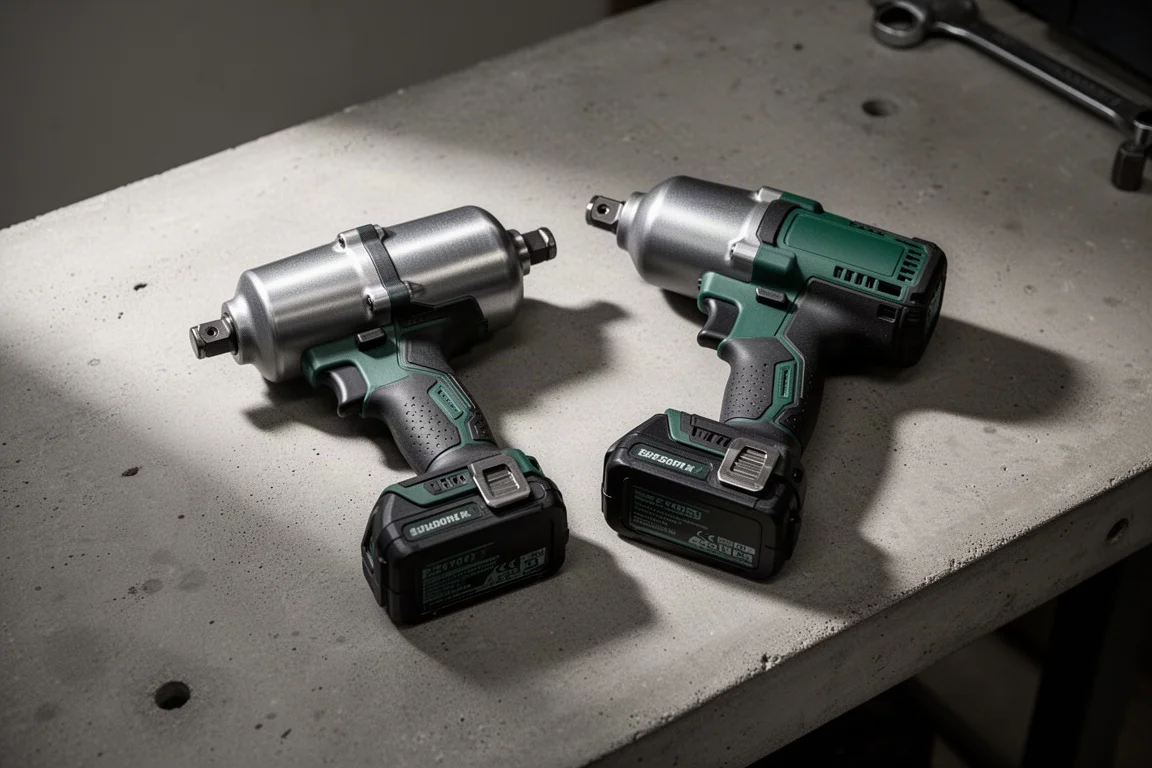
In the hand, the new model feels heavier, even though the weighed difference between the two is small. Where the WR18DH pulls ahead is in its controls: it offers four speed mode settings plus an auto-stop mode, which stops rotation once a fastener breaks loose so the bolt does not go flying. The older model has speed modes too, though they are arranged in a less intuitive layout.
Real-World Lug Nut Testing
On trailer lug nuts that had been tightened with a mid-torque wrench, both compact impact wrenches initially struggled, which is expected for tools in this class against mid-torque-tightened fasteners. Both eventually broke the nuts free, and neither showed a meaningful advantage over the other.
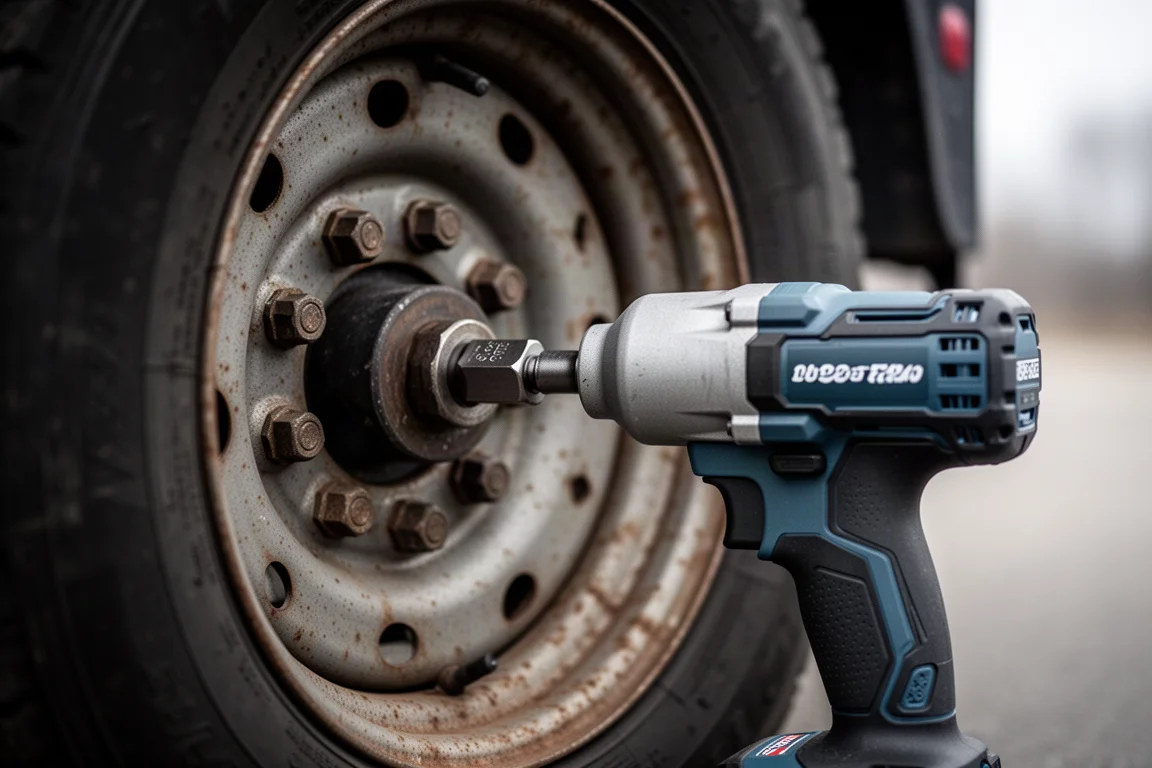
The one difference that stood out during testing was weight: the WR18DH felt heavier to swing around during repeated lug work. Trigger control on the new model was pleasant, with a nice amount of fine control at low speed, but that alone does not offset the added bulk.
Batteries: The 4.0Ah Packs Make a Real Difference
The WR18DH kit ships with new 4.0Ah batteries, and these packs are one of the genuinely bright spots. Compared with the older 2.0Ah packs, the 4.0Ah batteries deliver a noticeably higher RPM under load, and the difference is immediately audible and felt. They also feature a rubberized coating on the base for better grip and skid protection, where the older 2.0Ah packs are plain hard plastic.
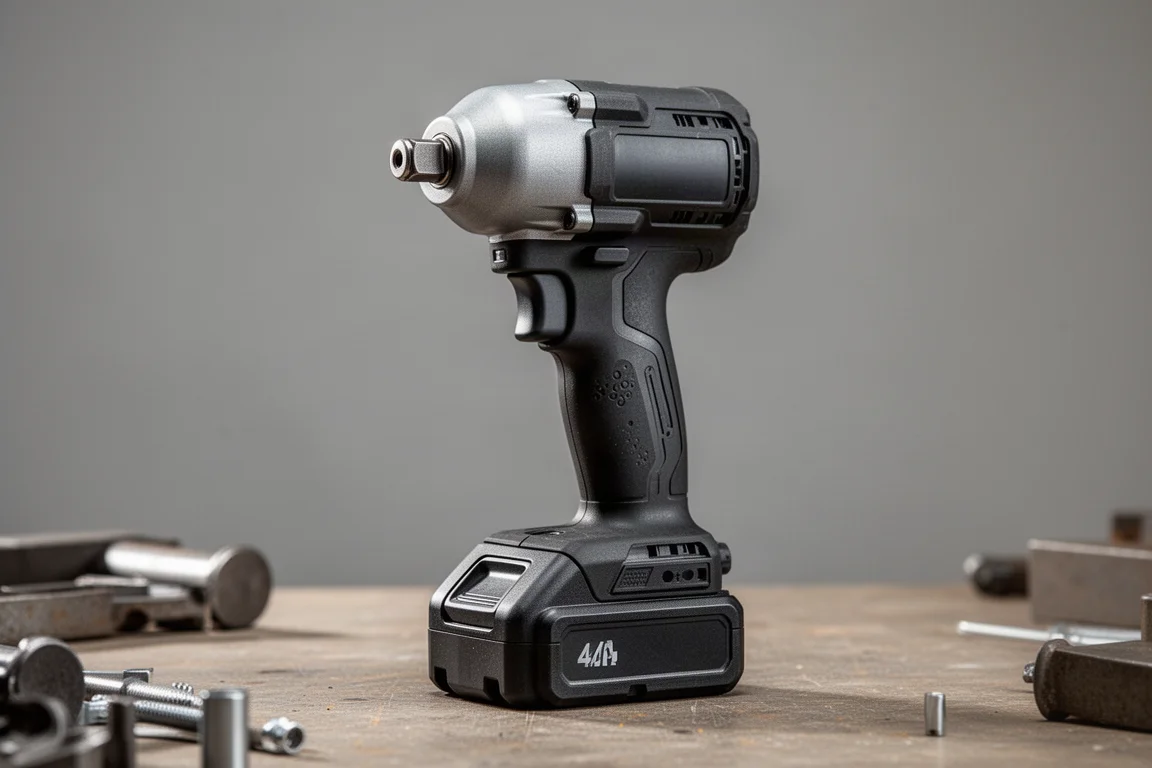
The trade-off is size. The 4.0Ah pack protrudes nearly as far as the anvil, and with the smaller 2.0Ah battery attached, the tool looks and sits noticeably better balanced and more compact.
Which One Should You Buy: WR18DH
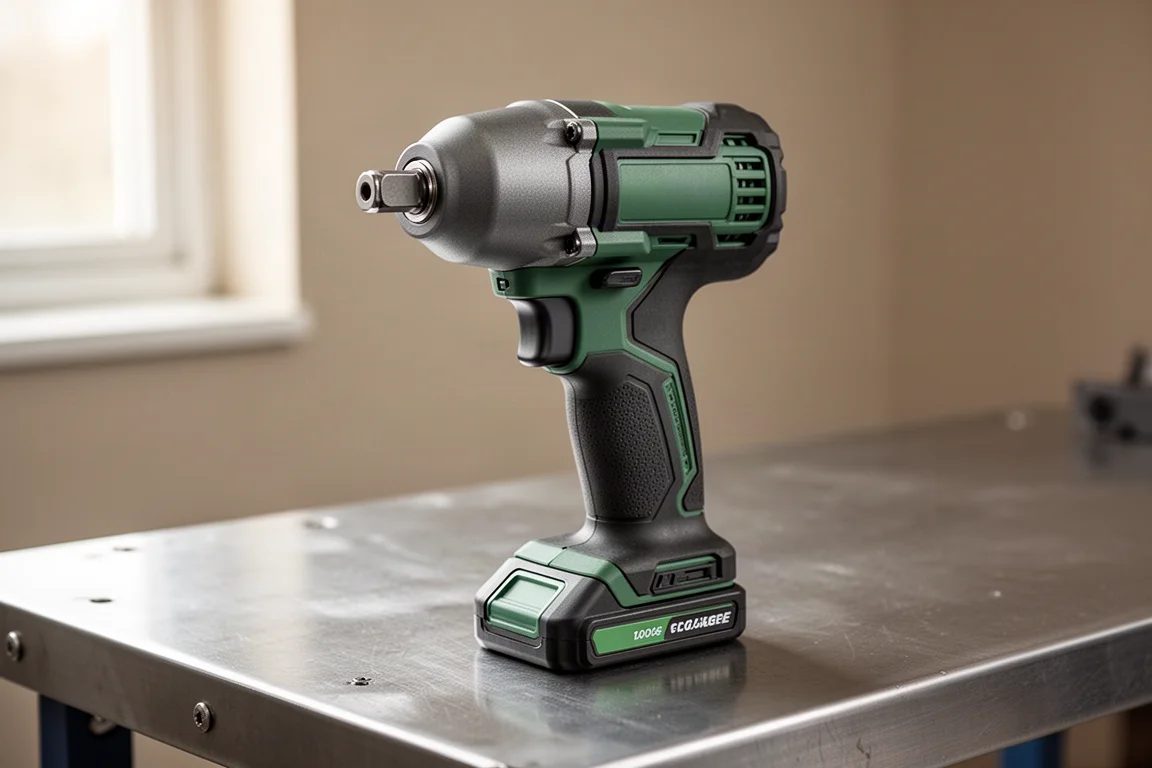
The WR18DH is not a bad tool. It has four well-organized speed modes, a useful auto-stop function, IP56 durability, and the kit’s 4.0Ah batteries are a genuine upgrade. It also happens to resemble a much more expensive competitor’s flagship compact impact wrench in design. The problem is that it is heavier, generally more expensive, and offers no perceptible power gain over the tool it replaces. It is currently sold mostly as a kit, with tool-only availability difficult to find.
Which One Should You Buy: WR18DBDL2
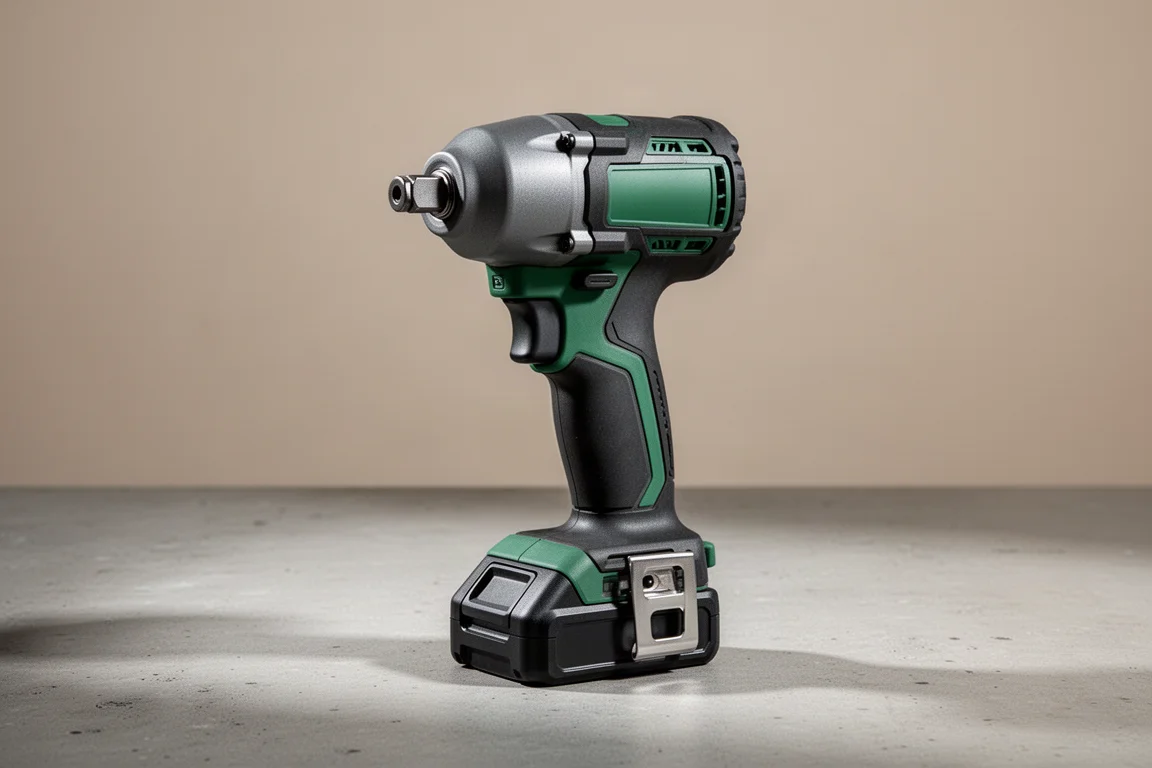
The older WR18DBDL2 delivers the same roughly 225 ft-lbs of fastening torque in a thinner, smaller, lighter-feeling package, and it carries the same IP56 rating. Because it has been on the market for a while, it can be found on clearance at very attractive prices, making it the clear value pick. Unless the new model’s four speed modes and auto-stop are must-haves for you, the older tool is the smarter purchase.
Buying Advice
If you already own the WR18DBDL2, there is no reason to upgrade; keep using it. If you are buying new, look for the older WR18DBDL2 first: it is more compact, cheaper, and performs identically in the work that matters. The WR18DH only makes sense if you find it at a steep discount, as some buyers have on third-party marketplaces, or if the auto-stop feature and the bundled 4.0Ah batteries are exactly what you need.
Conclusion
Metabo HPT’s WR18DH is a rare case of a refresh that arguably regresses: more weight, a bigger head, and a higher price without a noticeable power bump. The WR18DBDL2 remains the better all-around buy, especially on clearance. Unless the new model’s extra modes and batteries sway you specifically, the older compact impact wrench is the one to get.
Further reading
Related Reviews

Power Tools
Best 1-Inch Pistol Impact Wrenches: Three Heavy-Duty Options Compared
We compare three 1-inch pistol impact wrenches, from a budget-friendly Harbor Freight model to a premium Caterpillar unit, to help you choose the right one.

Power Tools
Best 3/4-Inch Impact Wrenches 2026: Five Contenders Compared
We compare five 3/4-inch impact wrenches across price and performance, from a budget Amazon option to Snap-on's most powerful model yet.

Power Tools
Best Budget Cordless Tools 2026: Walmart Finds That Punch Above Their Price
We tested five cordless tools from Walmart, including a high-torque impact wrench that trades blows with Milwaukee and a $35 duster that outperforms its price class.