Power Tools
Metabo HPT WH36DC vs Makita XDT19: Which Impact Driver Comes Out on Top?
Two closely matched flagship impact drivers go head to head on power, control, durability, and price, with clear advice on which one fits your work.
Introduction
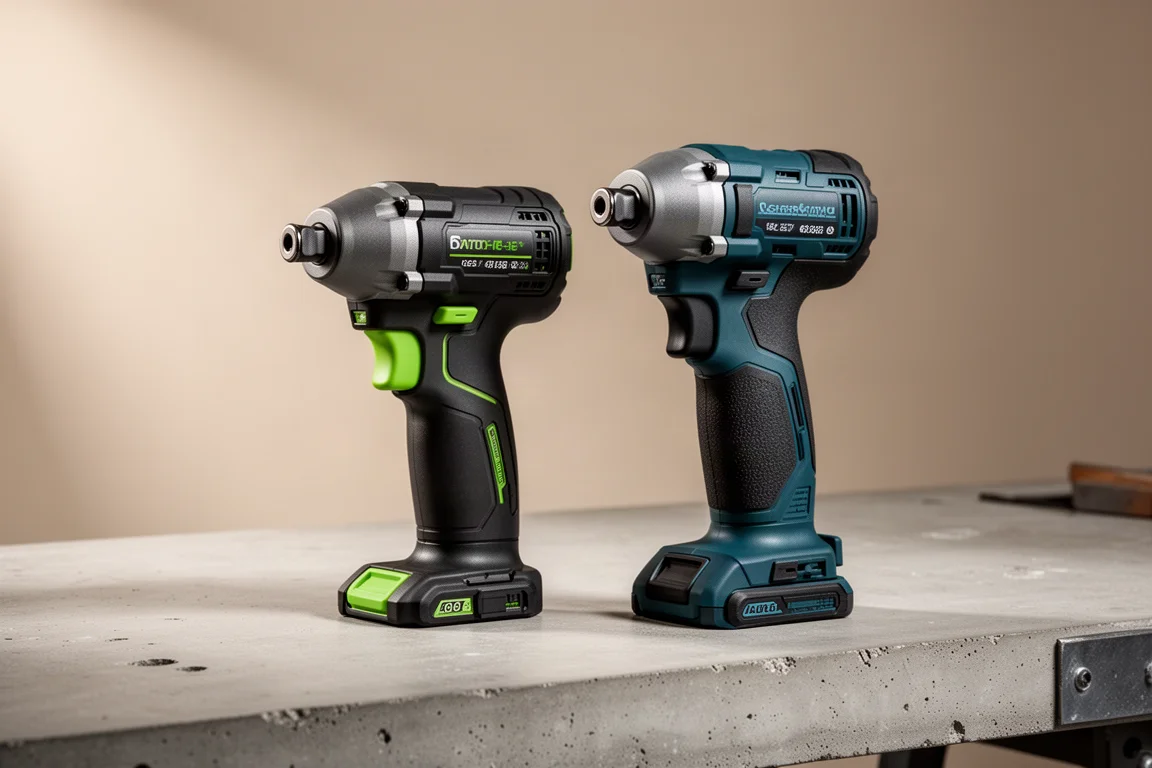
Two flagship impact drivers landed at roughly the same time, and they are about as evenly matched as tools get. The Metabo HPT WH36DC, known in some markets as the HiKoki WH36DC, is a 36V MultiVolt triple-hammer impact driver. The Makita XDT19 is the newest entry in Makita’s 18V LXT line. After running both through fastener tests, weight checks, and everyday handling, the picture that emerges is remarkably close, with each tool holding a clear advantage in a few specific areas.
Size, Weight, and Raw Numbers
On paper, these drivers are nearly identical. The HiKoki measures about 4.6 inches head to tail, while the Makita edges it out at 4.56 inches. Both are extremely compact. Weight is similarly tight: the HiKoki comes in at 1 pound 14.4 ounces tool only, and the Makita is marginally lighter at 1 pound 14.1 ounces. With batteries attached, the HiKoki weighs 3 pounds 6.7 ounces against the Makita’s 3 pounds 4.8 ounces, so Makita wins both the size and weight checks, if only barely.
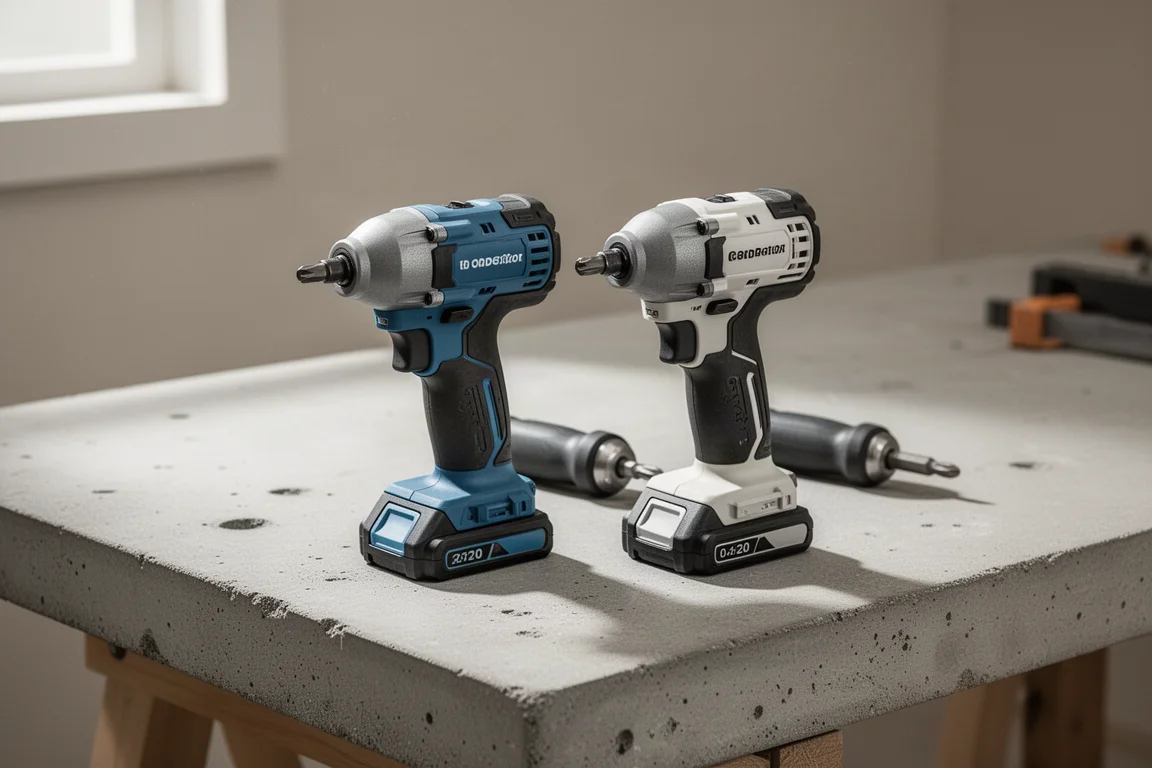
It is worth remembering that the HiKoki achieves this with a 36V MultiVolt platform, using a 2.5Ah battery that runs as 5Ah at 18V, while the Makita runs a standard 5Ah 18V pack. Balancing on roughly equal battery capacity makes the comparison unusually fair.
Metabo HPT WH36DC: Power and Durability First
The WH36DC is the more powerful of the two by a clear margin, with a rated 1,903 inch-pounds of torque versus 1,590 for the Makita. That extra muscle shows up when driving large fasteners. It also carries an IP56 rating, which is close to full dust and water resistance. It is not fully waterproof, but it is built to shrug off rain, dust, and a rough wash-out, making it a strong candidate for outdoor work like fencing and decking.
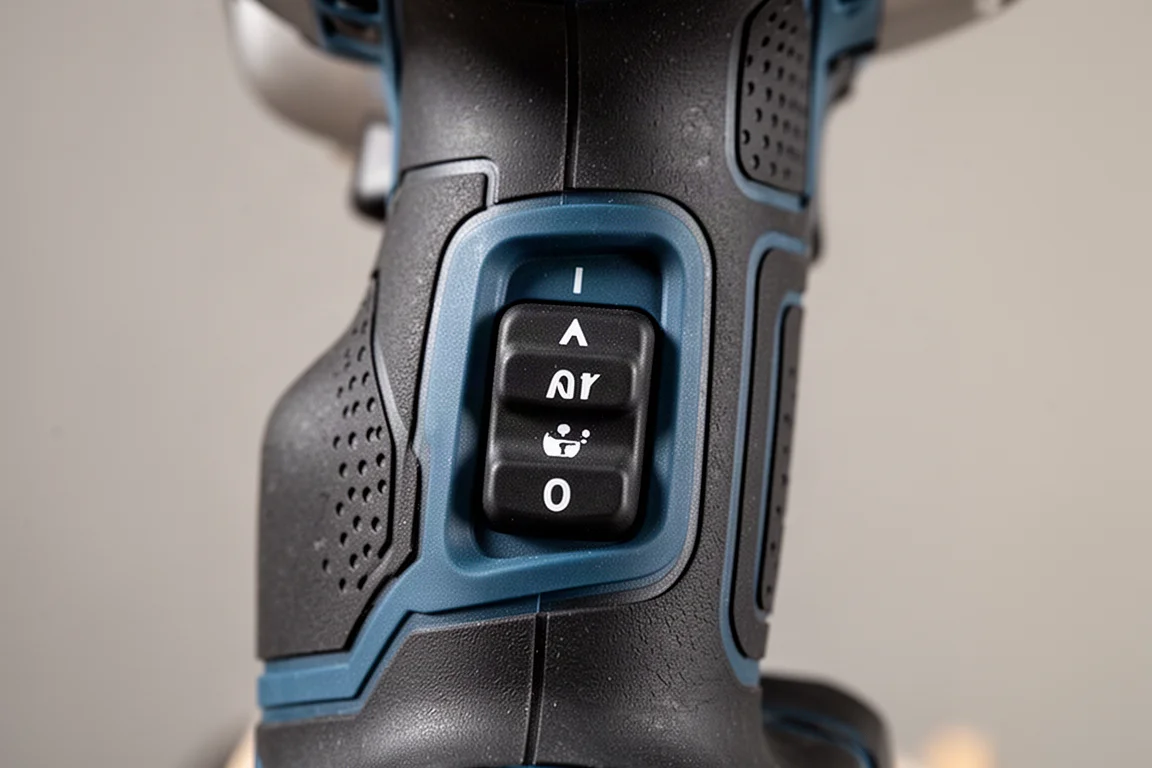
Mode selection covers small screw, long screw, bolt mode, and a self-tapping mode with a ramp-up behavior, plus a flashing bolt mode that helpfully stops the driver from overdriving a fastener. Lighting is handled by a tri-LED array that puts out more light than the Makita’s dual LEDs, though the LEDs sit slightly proud of the body and look easier to damage. One quirk: the collet requires pulling it out, pushing it back, and then pulling the bit to lock it in, which is fiddly compared to a standard chuck. Also note that some excess grease from manufacturing may wipe out of the collet early on.

Makita XDT19: Control and Refinement
The XDT19’s biggest win is control. A speed selection button near the trigger lets you change between four speeds with one hand, which is genuinely useful when bouncing between large and small fasteners. The trigger itself feels lighter and easier to modulate, making it easier to stop a screw before it goes too far. The bolt removal mode stops the fastener so it does not fly off when loosening, a very handy touch.
Spec for spec, the Makita offers a higher max RPM at 3,600 versus 3,400, but a slower impact rate at 3,800 IPM versus 4,100. Interestingly, its torque rating is a step down from the previous XDT16 model. The design details are thoughtful: a glow-in-the-dark ring around the front acts as a bumper, protects the recessed dual LEDs, and helps you find the tool in the dark. The double-hammer mechanism also delivers a faster-feeling, more controllable driving experience if you prefer that character over the triple-hammer action.
Real-World Performance
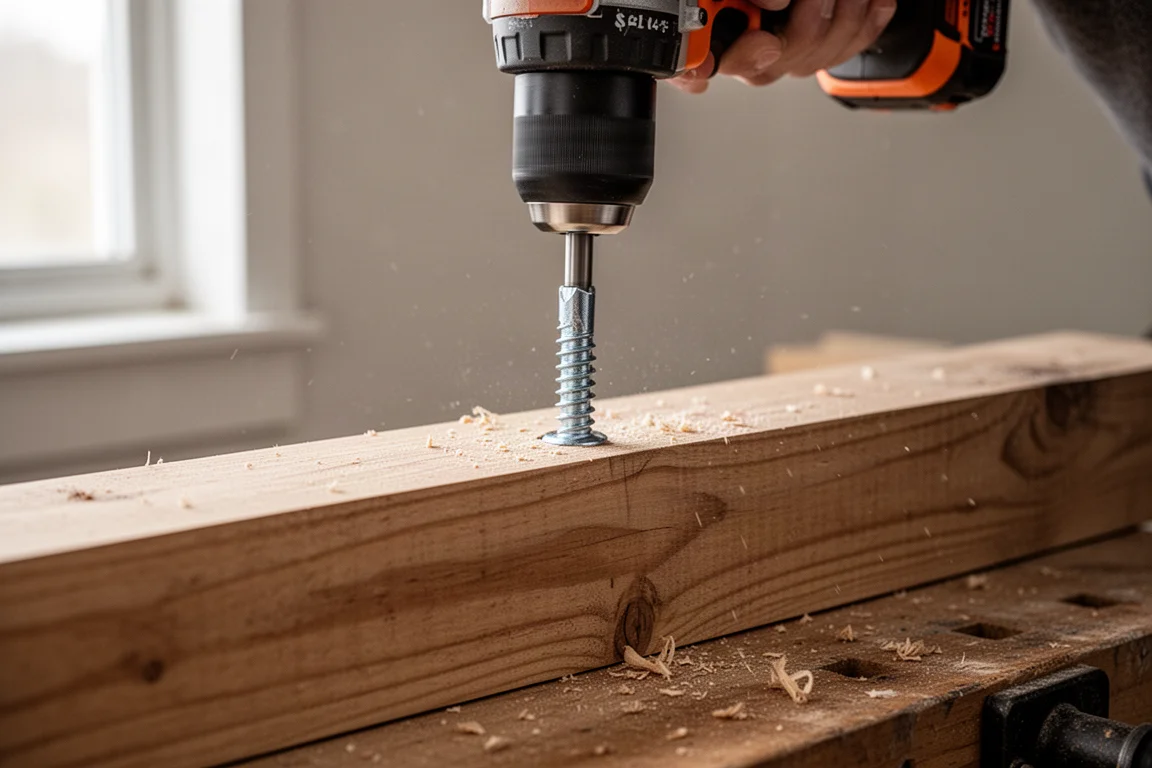
Driving drywall screws, the two are effectively indistinguishable, finishing on the same level without a meaningful difference in speed. The gap opens with large lag bolts. With both set to maximum speed and fresh batteries, both sank a thick lag bolt fully home, but the HiKoki clearly felt more powerful, holding a steady pace no matter how deep the bolt went, while the Makita bogged down noticeably in the final stretch.
If you are driving a lot of fine screws or smaller fasteners, the Makita’s higher RPM and superior trigger control pull it ahead. For heavy fasteners, the HiKoki’s extra torque is the difference.
Pricing and Availability
This is where both tools share the same frustrating weakness: neither is available tool-only with a warranty at a sensible price. The Metabo HPT WH36DC must be bought in a kit in the US, at around $300, one of the priciest impact driver packages available. The Makita XDT19 kit with two 5Ah batteries runs about $380 on Amazon, and it also appears in larger combo kits. Without a warranty route, gray-market options exist: the HiKoki can be found from Japan for roughly $120 to $130 shipped, and the Makita around $90 to $120 from open-box sellers, but those come with no warranty.
Which One Should You Buy?
For everyday work, the Makita XDT19 earns the nod thanks to its one-handed speed switching and lighter trigger feel, which add up to a smoother, faster workflow. For anything outdoor, the HiKoki’s IP56 rating and 36V power platform make it the stronger pick, and its tri-LED lighting is a bonus for dim job sites. Both are excellent; the right choice comes down to where and how you drive fasteners.
Conclusion
This is about as close as a head-to-head gets. The HiKoki wins on power and durability, the Makita wins on control and design refinement, and both share the same awkward buying situation. Pick the WH36DC for outdoor and heavy fastener work, the XDT19 for indoor versatility and handling, and you will not regret either one.
Further reading
Related Reviews

Power Tools
Best 1-Inch Pistol Impact Wrenches: Three Heavy-Duty Options Compared
We compare three 1-inch pistol impact wrenches, from a budget-friendly Harbor Freight model to a premium Caterpillar unit, to help you choose the right one.

Power Tools
Best 3/4-Inch Impact Wrenches 2026: Five Contenders Compared
We compare five 3/4-inch impact wrenches across price and performance, from a budget Amazon option to Snap-on's most powerful model yet.

Power Tools
Best Budget Cordless Tools 2026: Walmart Finds That Punch Above Their Price
We tested five cordless tools from Walmart, including a high-torque impact wrench that trades blows with Milwaukee and a $35 duster that outperforms its price class.