Power Tools
Metabo HPT WH36DC Triple Hammer Bolt Review: The Fastest-Hitting Impact Driver, Put Under the Microscope
A close look at the Metabo HPT WH36DC Triple Hammer Bolt impact driver, including its 4,100 impacts per second hammer design, real torque results, and the quirks worth knowing before buying.
Introduction
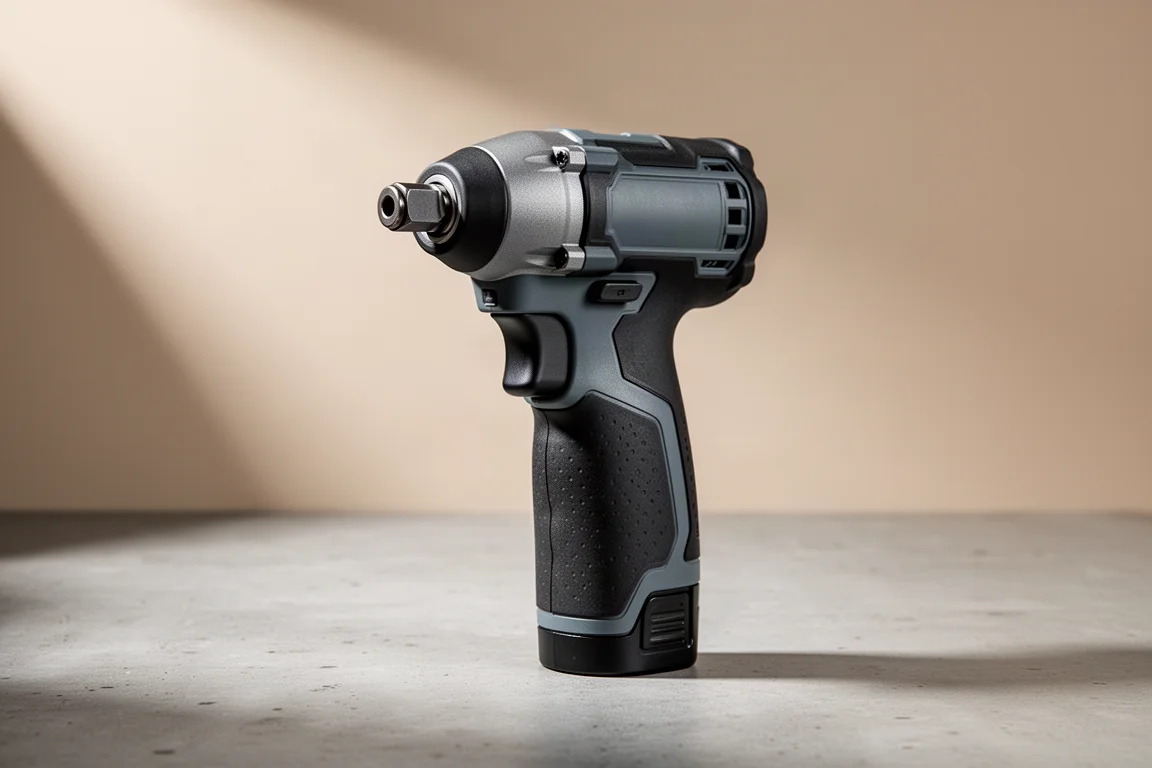
The Metabo HPT WH36DC Triple Hammer Bolt is the latest version of what the brand markets as the fastest-hitting impact driver on the market, delivering around 4,100 impacts per second thanks to its unusual three-hammer mechanism. It also carries an IP water resistance rating, something rarely seen in this category. On paper, that combination sounds like a leap forward for anyone driving lots of screws and bolts quickly. But the triple-hammer approach has a history of odd behavior, and the new model promised several changes worth examining closely: increased torque output, simplified buttons and modes, and dedicated modes suited for working with bolts.
What You Get and What It Costs
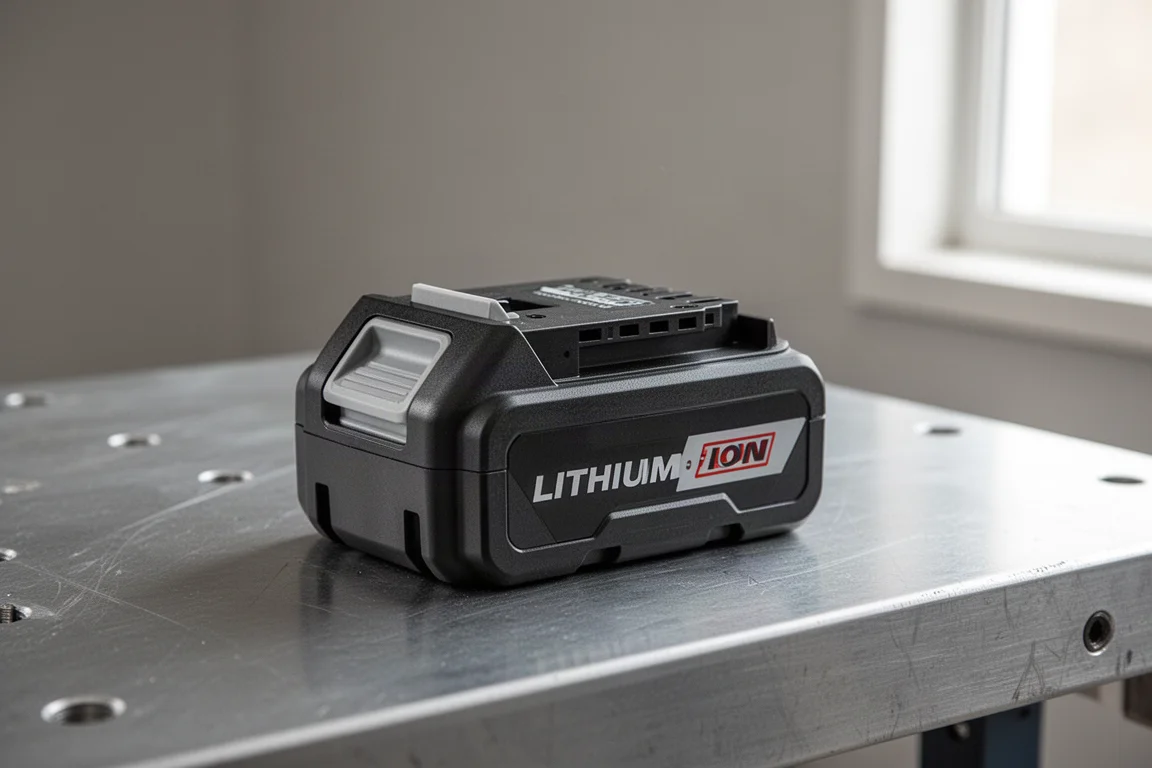
So far, the WH36DC has been available only as a kit priced at $299 rather than as a bare tool. That is a mild annoyance for anyone already invested in Metabo HPT’s 36V battery platform, since you end up paying for a battery and charger you may not need. The included case is also fairly large and generic, feeling more like one case the brand fits everything into than a snug custom fit. Still, the kit pricing puts it in a reasonable range for a premium compact impact driver, and it keeps the tool accessible to buyers who have not yet committed to the platform.
How the Triple Hammer Design Works
Unlike nearly all impact drivers, which use two hammers striking every 180 degrees, this three-pronged design hits every 120 degrees. The theory behind the “Bolt” naming is that the hammers can skip over an anvil dog to build additional rotational inertia before delivering a blow, and an earlier manual from the Japanese arm of the company described this hitting one and a half times per rotation. In practice, high-speed footage of the previous model showed the hammers skimming, sliding, and scraping past the next dog rather than gliding cleanly over it, wasting energy that should have been converted into a single sharp hammer blow. The new model’s assembly is even more compact and cramped than before, which appears to ask even more of that hammer-every-360-degrees behavior.
Real-World Torque Results
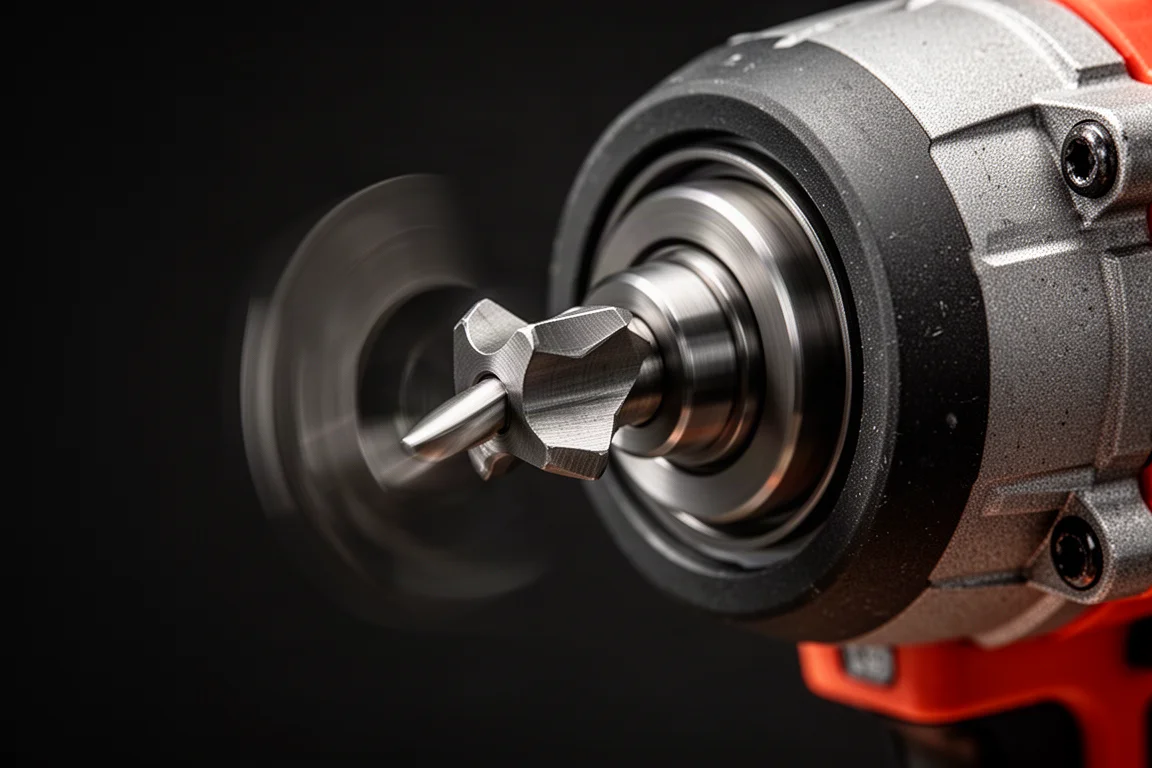
In a five-second working torque test against the previous model and a Milwaukee Gen 3 rated at 94 foot-pounds, the WH36DC trailed the Milwaukee, which is rated roughly 7 to 8 foot-pounds higher. All modes were tried, including Bolt mode, and every one of them produced less torque than the top mode. In the ten-second max torque test, the tool posted a median around 138 foot-pounds, but with wildly inconsistent individual results ranging from 165 down to 110 foot-pounds, regardless of temperature or charge state. In its final testing series, the best forward result reached 110 foot-pounds, meaning the Bolt model delivered less overall than the previous version on the same rig.
What High-Speed Footage Revealed
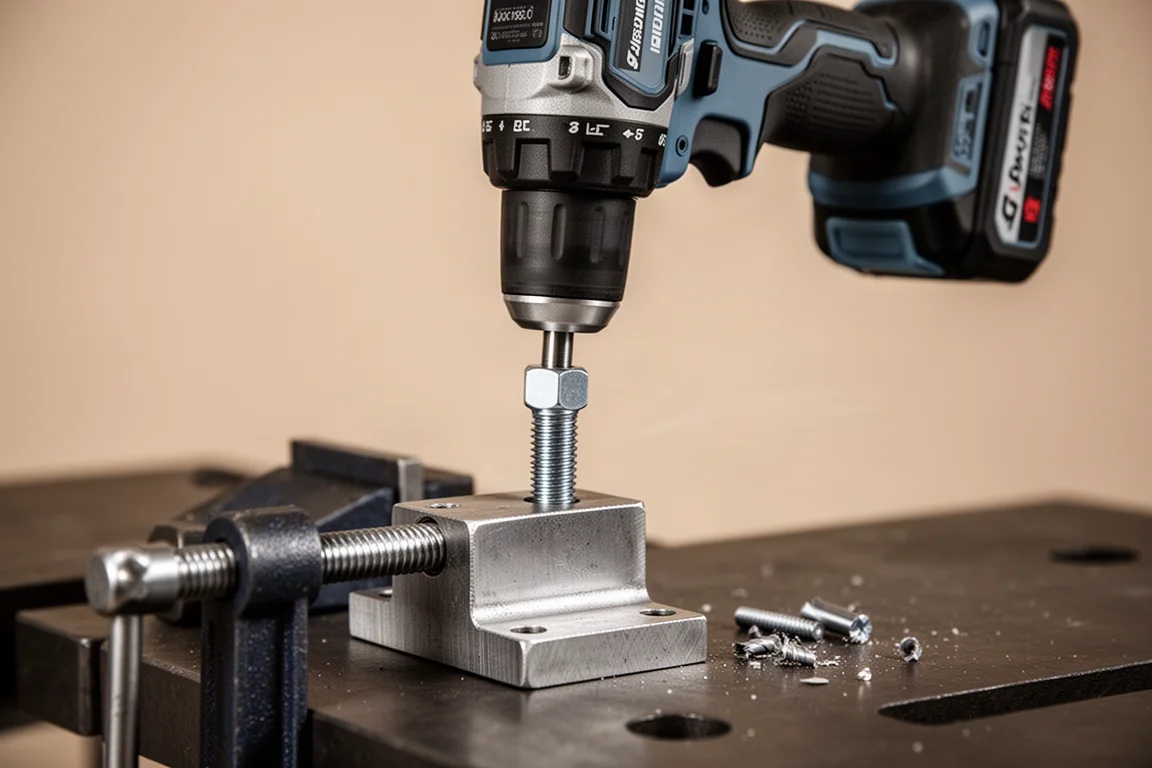
Filmed at frame rates approaching 10,000 FPS, the new model shows the same erratic pattern as its predecessor: sometimes the hammer cleanly skips the next dog, sometimes it strikes the next wing two or three times in a row, and just as often it whacks the top of the next dog, causing the collet to jump forward with forces impact drivers do not normally apply to a fastener. Frame counting shows a 10% to 25% reduction in rotational hammer speed whenever a skip goes wrong. The behavior changes entirely once a fastener starts to loosen, and when the mechanism works as intended, it genuinely works beautifully, hammering 33% more often than other drivers.
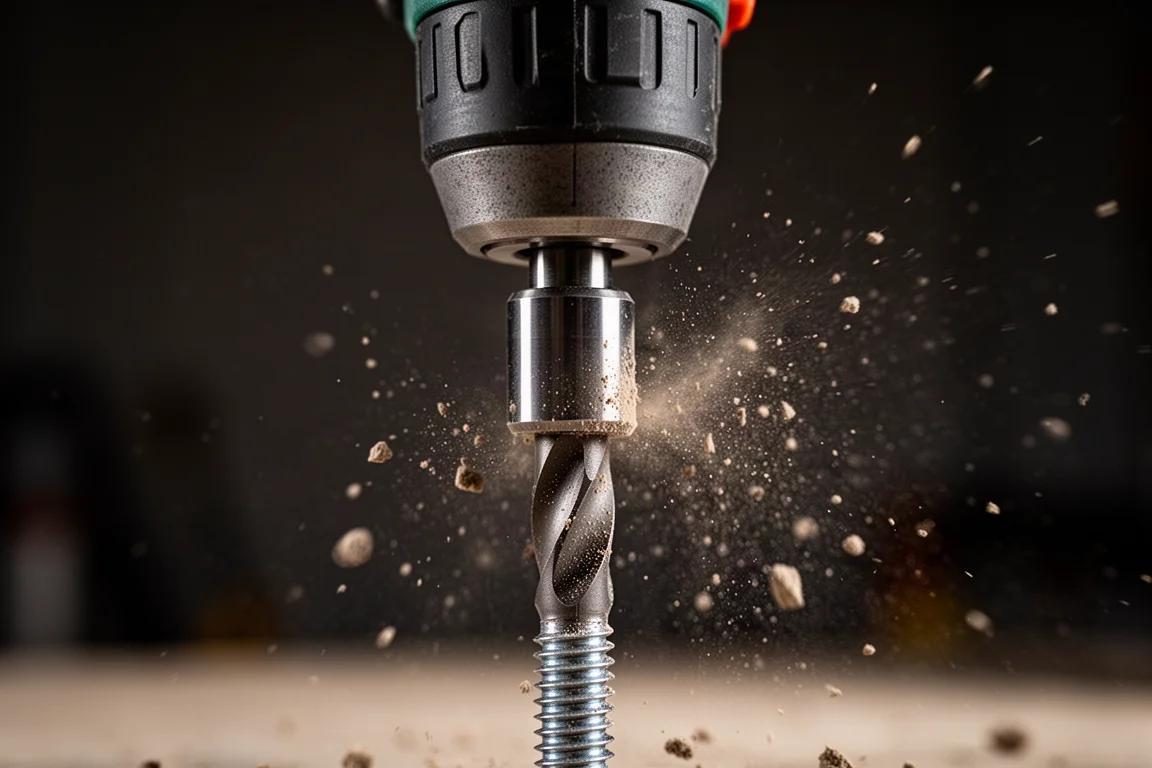
One genuinely fascinating finding: at high hammer speeds, the impacting generates enough concentrated heat to vaporize the petroleum-based grease inside the hammer housing, turning it into visible smoke. That vaporization likely builds positive pressure in the sealed hammer case, venting oil out the front, which matches grease leakage observed by long-term users. On the upside, the tool kept working through all of this, including being operated fully submerged, where each hammer blow produced cavitation and shock waves. The tool survived the experience; the batteries needed time to dry out before working again.
Who This Impact Driver Is For
For large lags around half an inch and stubborn bolts, this may not be the best choice compared with competitors rated for more consistent torque. But for tons and tons of screws that need sinking quickly, the relentless 4,100-impacts-per-second rate makes it a winner, and smaller fasteners are where this design clearly shines. If your work is mostly repetitive screw driving with occasional heavy bolts, the speed advantage is real; if your days are full of oversized fasteners, a more conventional, consistent driver is the safer bet.
Things to Consider Before Buying
The inconsistent torque results are the biggest caveat, and the erratic hammer behavior is audible in person as a changing rhythm of clicking and clacking. The IP water resistance rating applies to the tool itself, not necessarily the batteries, so keep that in mind for wet jobsites. Bolt mode and the other modes all produced less torque than the top setting in testing, so most heavy work will happen in that highest mode anyway. Finally, the kit-only availability at $299 means platform owners pay extra for accessories they may already own.
Buying Advice
Buy the WH36DC if you value sheer fastener-driving speed on screws and appreciate a compact, water-resistant tool, and you can accept variable results on the biggest bolts. Skip it if you need maximum, repeatable torque on large lags and hardware, where rivals rated higher and behaving more predictably make more sense.
Conclusion
The Metabo HPT WH36DC Triple Hammer Bolt is not a terrible impact driver, but it is a specialized one. Its record-breaking impact rate makes it excellent at quickly sinking screws, while its triple-hammer mechanism remains inconsistent under heavy bolt load, delivering less overall torque than the model it replaced in testing. Match it to the right workload and it impresses; match it to the wrong one and its quirks show.
Product link
View more details for Metabo HPT WH36DC Triple Hammer Bolt
This product is mentioned in the review. Check the specifications, options, and compatibility before buying.
View more details for Metabo HPT WH36DC Triple Hammer BoltFurther reading
Related Reviews
Power Tools
Best 1-Inch Pistol Impact Wrenches: Three Heavy-Duty Options Compared
We compare three 1-inch pistol impact wrenches, from a budget-friendly Harbor Freight model to a premium Caterpillar unit, to help you choose the right one.
Power Tools
Best 3/4-Inch Impact Wrenches 2026: Five Contenders Compared
We compare five 3/4-inch impact wrenches across price and performance, from a budget Amazon option to Snap-on's most powerful model yet.
Power Tools
Best Budget Cordless Tools 2026: Walmart Finds That Punch Above Their Price
We tested five cordless tools from Walmart, including a high-torque impact wrench that trades blows with Milwaukee and a $35 duster that outperforms its price class.