Power Tools
Metabo HPT vs Milwaukee Gen 2 Brad Nailer: Which Cordless Brad Nailer Wins?
A hands-on comparison of the two most popular Gen 2 cordless brad nailers, covering weight, build quality, firing modes, dry-fire protection, and nail-seating performance.
Introduction
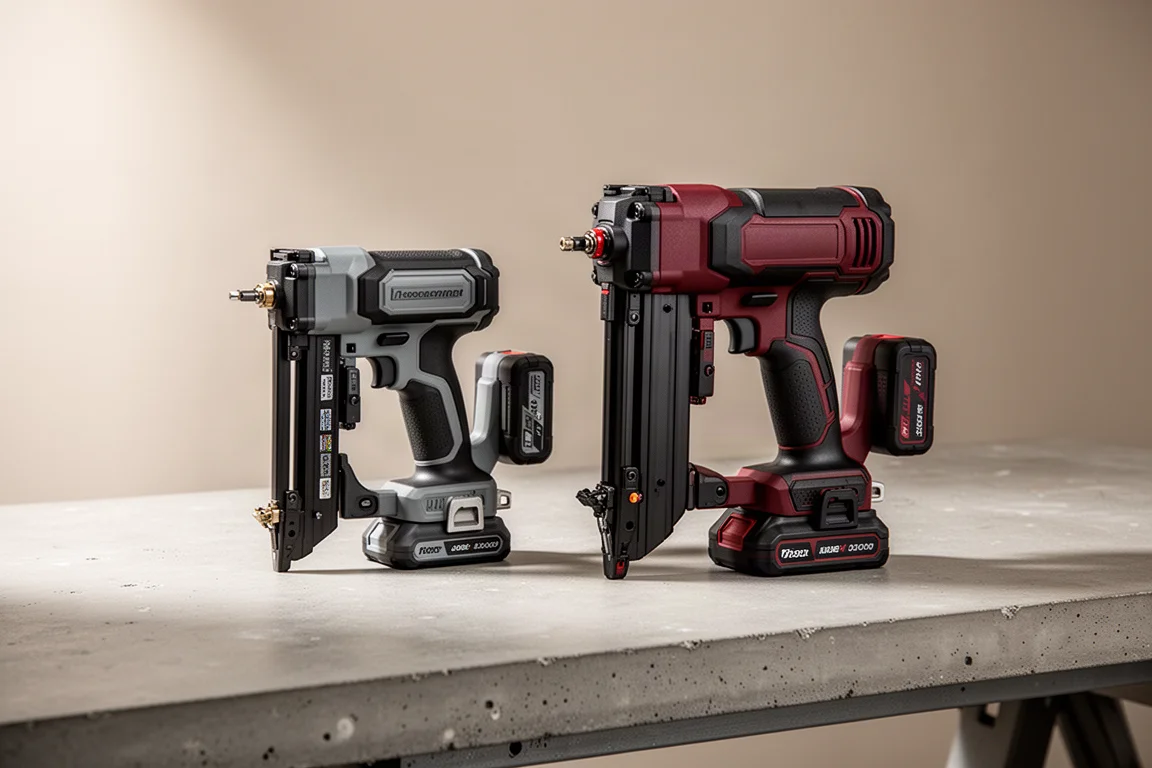
When it comes to cordless brad nailers, two brands keep coming up at the top of nearly every comparison: Metabo HPT and Milwaukee. Both now offer second-generation models, and both have loyal followings that swear by them. To settle the debate, this comparison puts both Gen 2 brad nailers side by side and looks at weight, build quality, features, and actual firing performance.
The short version: they are very close, and the right choice depends on what you value most. Lighter weight, better warranty, and a quieter firing sound favor the Metabo HPT. Heavier-duty build, cleaner nail holes, and easier jam clearing favor the Milwaukee.
First Look: Weight and Handling
Weight is where the differences show up immediately. With batteries removed for a fair comparison, the Milwaukee comes in at 5 pounds 7 ounces, while the Metabo HPT weighs 4 pounds 8.2 ounces. That is almost a full pound lighter, and it is genuinely noticeable the moment you pick both tools up.
The Milwaukee does feel a bit more solid in hand, but for overhead work or anything above chest height, the lighter Metabo HPT has a clear advantage. If long days of trimming or ceiling work are part of your plans, weight should be a major factor.
Metabo HPT Gen 2 Brad Nailer: Features and Design
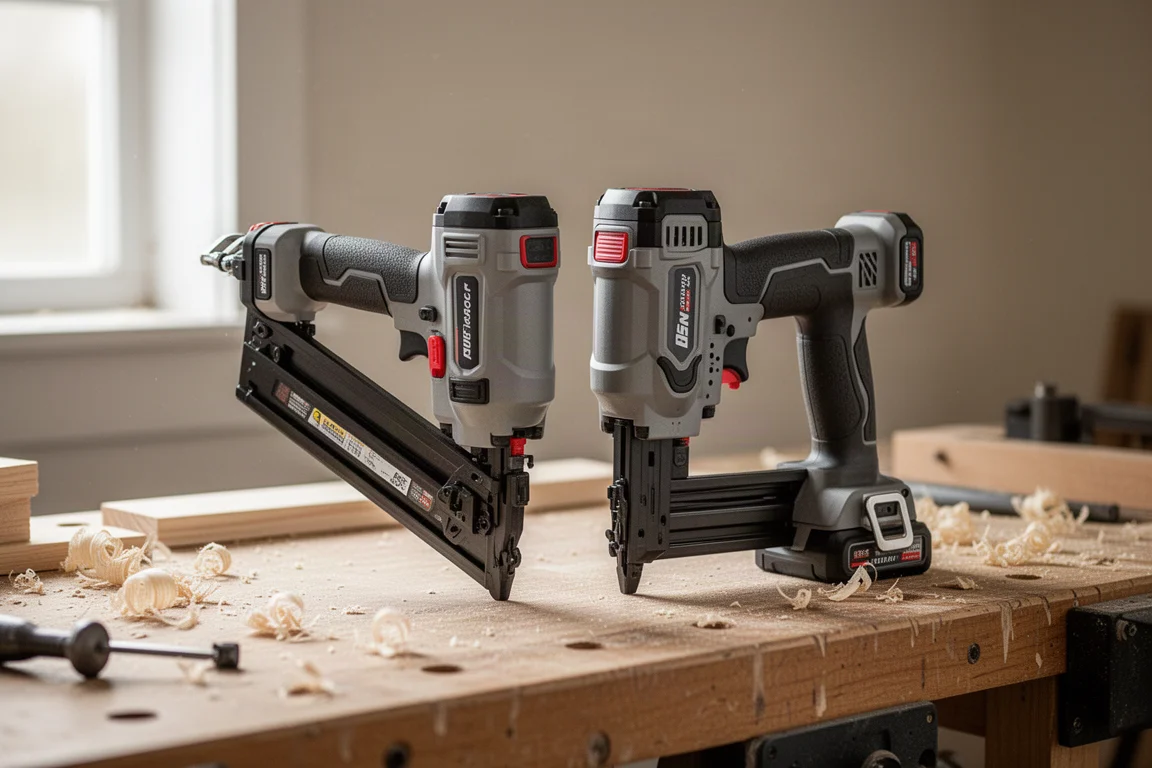
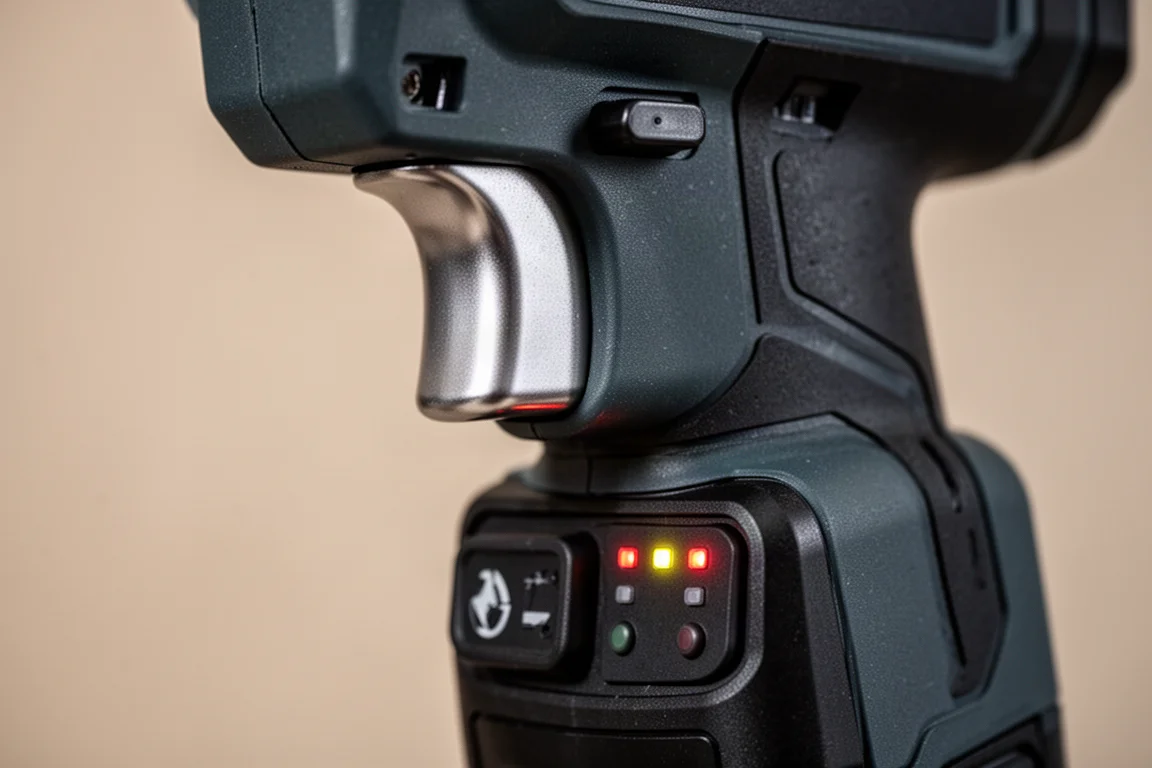
The Metabo HPT includes a safety lockout switch that the Milwaukee lacks: slide it down and the tool turns on, which prevents accidental firing. The lower control area has two indicator lights: solid means single fire mode, and pressing the mode button switches to flashing, which is bump fire mode. There is also a heat indicator and a low battery light that warns when you are firing too fast or running the battery down.
The Metabo HPT uses MultiVolt batteries, in this case a 2.5Ah pack at 36V or 5Ah at 18V. That technology gives it an edge in flexibility over the Milwaukee, though the exact battery configurations are not directly comparable.
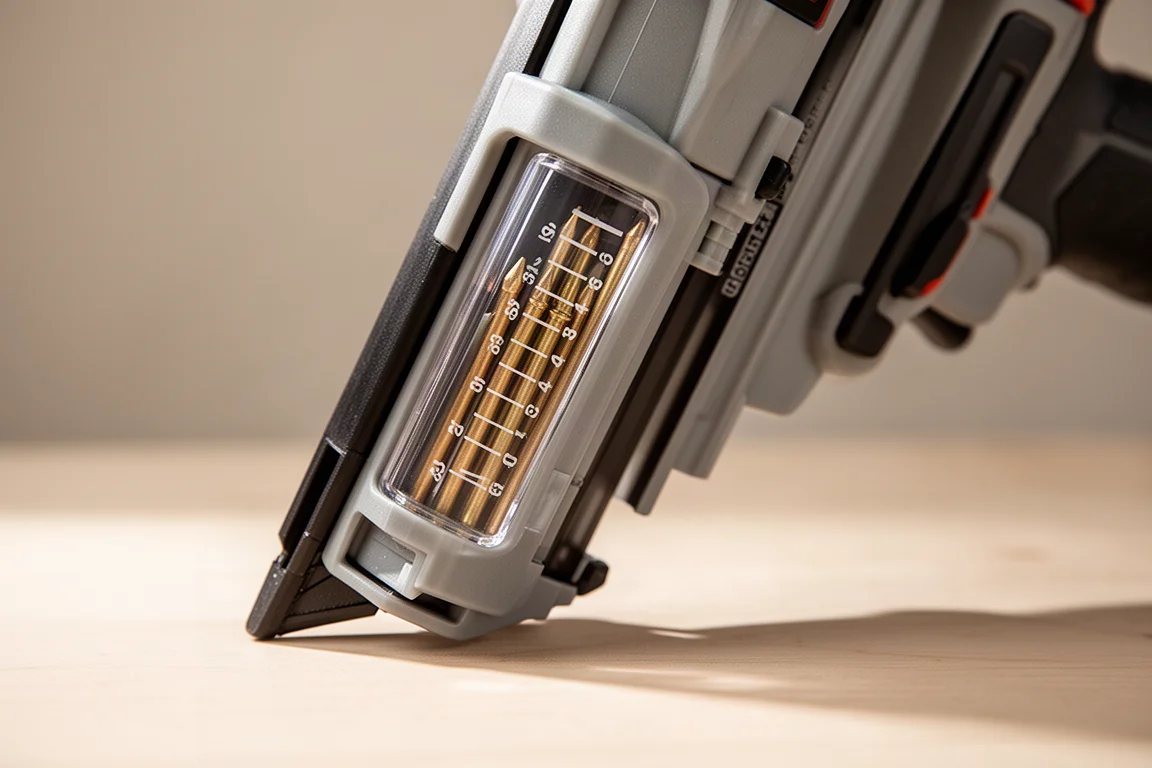
Saving weight comes at a cost in the magazine area, which is mostly plastic. Still, the design works well: a yellow slide reveals a window showing remaining nails, and dry-fire protection stops the tool when nails run out, protecting the nailer itself. One frustration is the depth adjustment: the diagram is minimal, with no indication of how many clicks equal how much depth change, which makes finding the right setting slower than it should be. Build quality is otherwise solid, and the lifetime warranty, valid for as long as Metabo HPT makes the tool, is excellent.
Milwaukee Gen 2 Brad Nailer: Features and Design
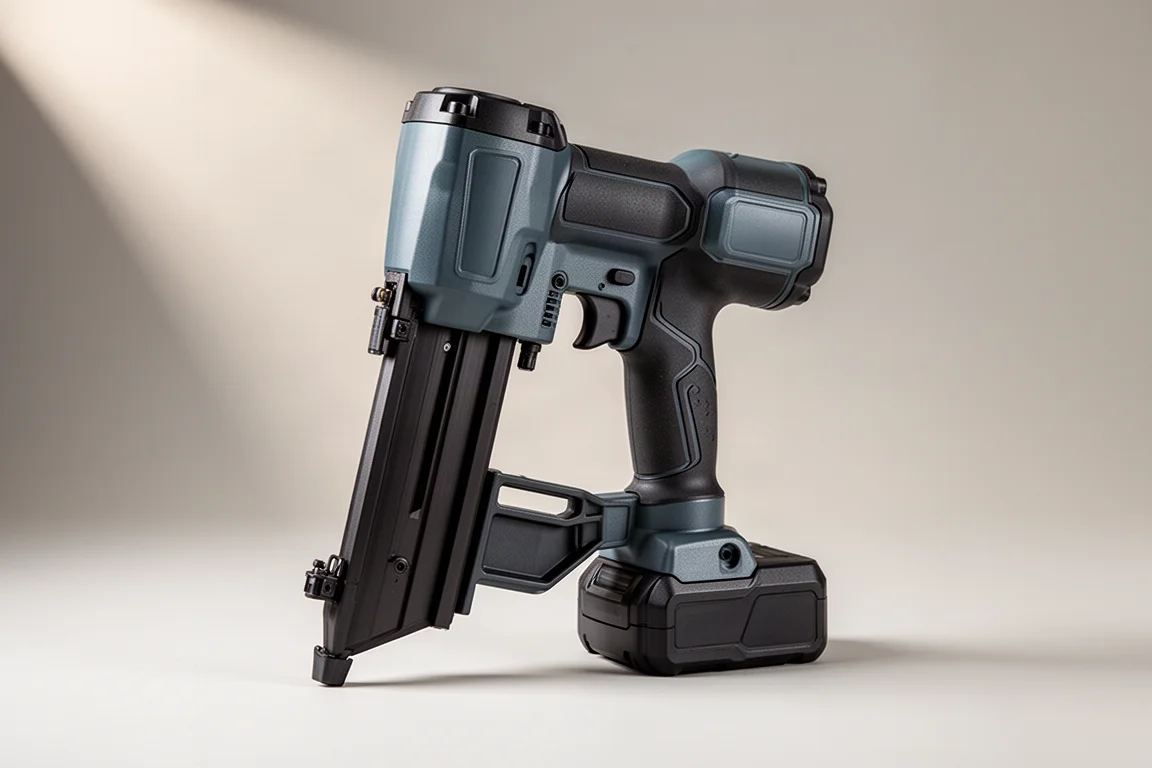
The Milwaukee skips the safety lockout switch but still requires you to turn the tool on. Its mode indicator is much easier to read than the Metabo’s small lights: hold the mode button to switch from single fire to rapid fire, and the indicator turns red when the battery is low, prompting you to swap batteries.
Build quality is a clear step up from the Metabo HPT. Everything feels more solid, there is noticeably more metal, and the trigger is rock solid with no wiggle and a satisfying click. Side bumpers are bigger too. These small details add up for long-term durability, and the Milwaukee is also the bigger tool of the two, so if overall toughness is your priority, it has the edge.
It is worth noting that one Milwaukee unit developed a dry-fire reset fault, repeatedly triggering the dry-fire reset even with nails loaded. After about five weeks of repair time, the tool was replaced with a brand-new unit. Service ended well, but the turnaround was slow. One practical advantage: the tool-less jam-clearing latch is easier to open and close on the Milwaukee than on the Metabo HPT.
Firing Test: Nail Seating and Surface Quality
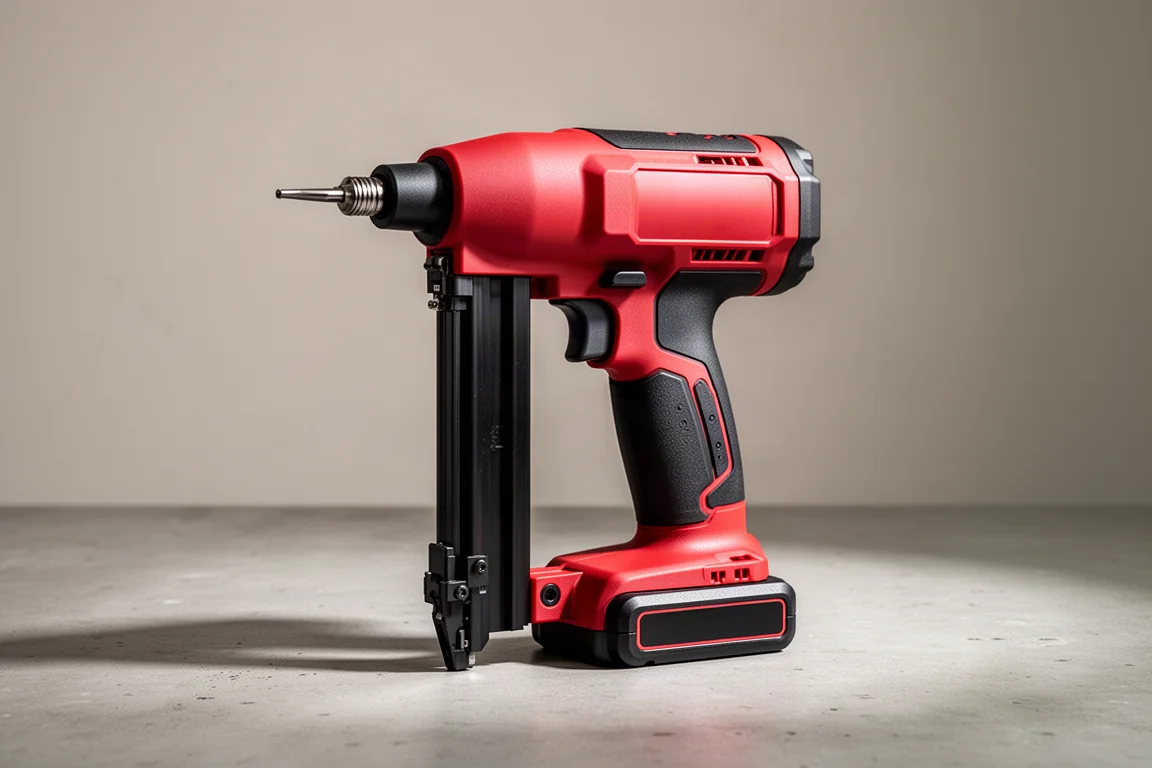
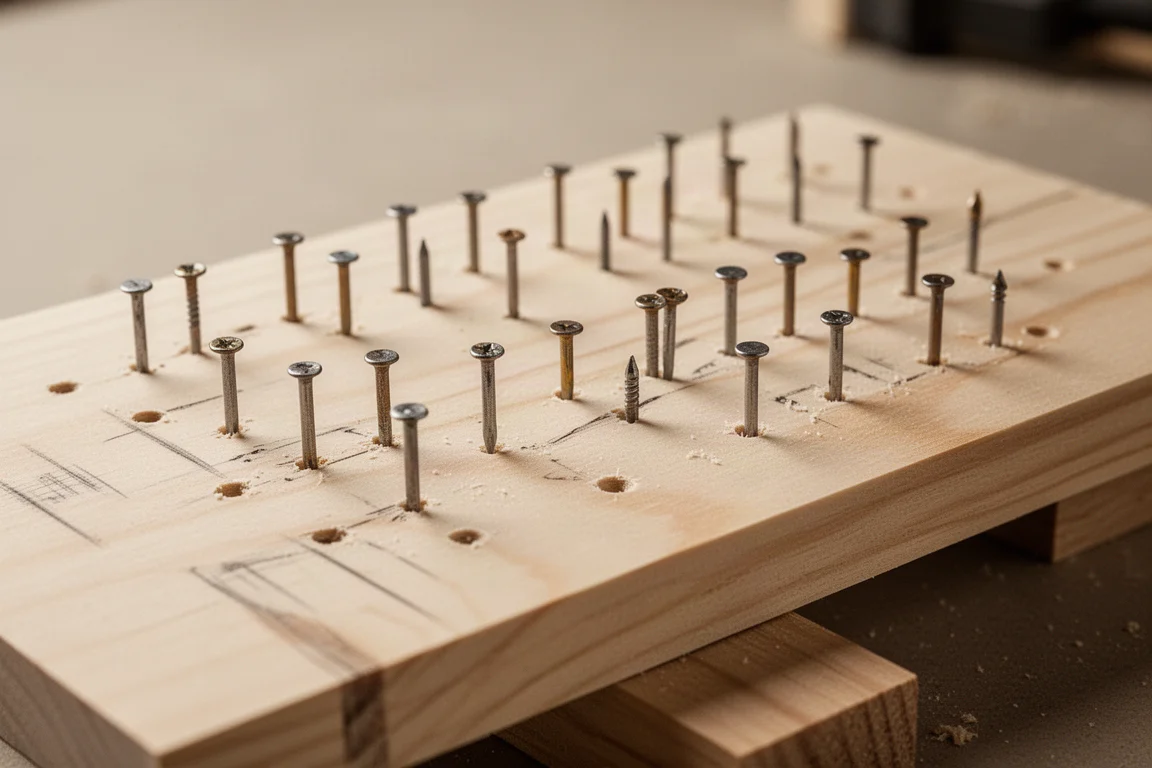
Both nailers were loaded with the same fresh brad nails, freshly charged batteries, and set to bump fire mode for a direct comparison. The results were one-sided. The Milwaukee seated nearly everything flush, with only one nail head sitting just above the surface. The Metabo HPT left roughly fourteen nails, around half to two-thirds of the test group, not fully seated into the wood.
In single fire mode, the gap narrowed: both performed about the same, but the Milwaukee produced cleaner nail holes with less surface marring, while the Metabo HPT showed more punch-down around the nails. One area where the Metabo HPT wins: it is noticeably quieter than the Milwaukee during firing.
Which One Should You Buy?
Price leans toward the Metabo HPT. The Milwaukee runs around $279 tool only, before battery and charger, and tends to be pricey, while Metabo HPT tools see frequent sales. The Metabo HPT is also the better pick if you want the lightest tool, a quieter firing sound, and a lifetime warranty. Choose the Milwaukee if you prioritize tougher build quality, easier jam clearing, and the cleanest possible nail holes, and you are willing to pay more for it.
Conclusion
Neither nailer is an outright winner; they are that close. The Metabo HPT Gen 2 is the lighter, quieter, more affordable option with an excellent warranty. The Milwaukee Gen 2 is the more solidly built tool that delivers better nail seating and finish quality. Match the tool to your priorities and either one will serve you well.
Further reading
Related Reviews
Power Tools
Best 1-Inch Pistol Impact Wrenches: Three Heavy-Duty Options Compared
We compare three 1-inch pistol impact wrenches, from a budget-friendly Harbor Freight model to a premium Caterpillar unit, to help you choose the right one.
Power Tools
Best 3/4-Inch Impact Wrenches 2026: Five Contenders Compared
We compare five 3/4-inch impact wrenches across price and performance, from a budget Amazon option to Snap-on's most powerful model yet.
Power Tools
Best Budget Cordless Tools 2026: Walmart Finds That Punch Above Their Price
We tested five cordless tools from Walmart, including a high-torque impact wrench that trades blows with Milwaukee and a $35 duster that outperforms its price class.