Power Tools
Metabo HPT 36V MultiVolt vs Makita XGT 40V Reciprocating Saw: Cutting Test Results
Two 36V-class reciprocating saws go head to head on treated 4x4 cuts, battery capacity, and price. The results are closer than you might expect.
Introduction
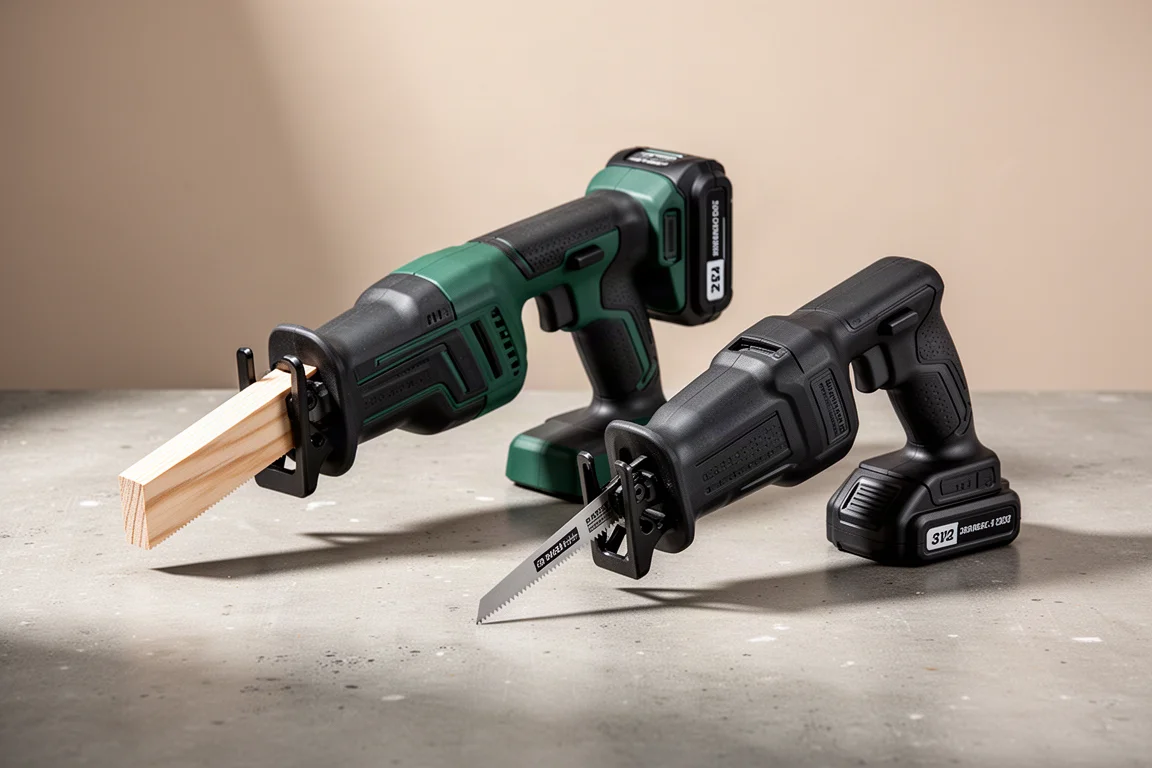
The 36V-class reciprocating saw market is small, and two tools dominate the conversation: the Metabo HPT 36V MultiVolt reciprocating saw with orbital action, and the Makita XGT 40V reciprocating saw. On paper they look similar. In practice, the price gap is dramatic, so we ran a controlled cutting test to see whether the Makita’s premium is earned.
The Two Contenders
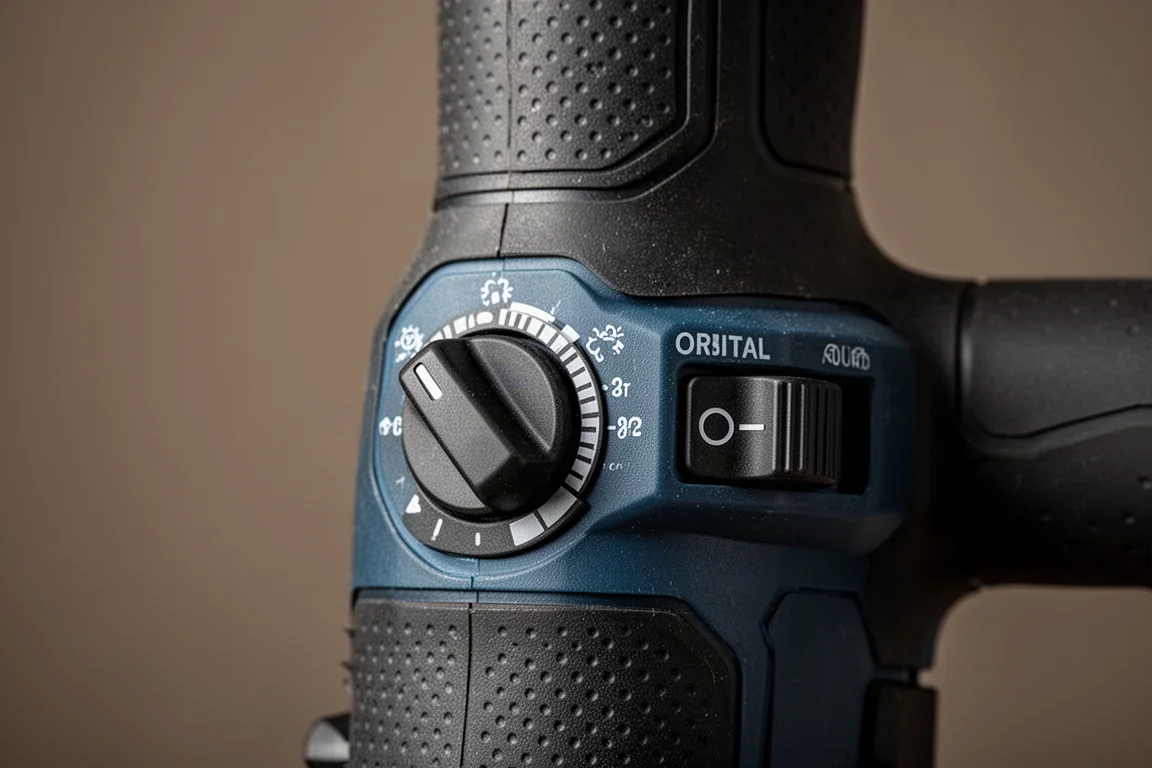
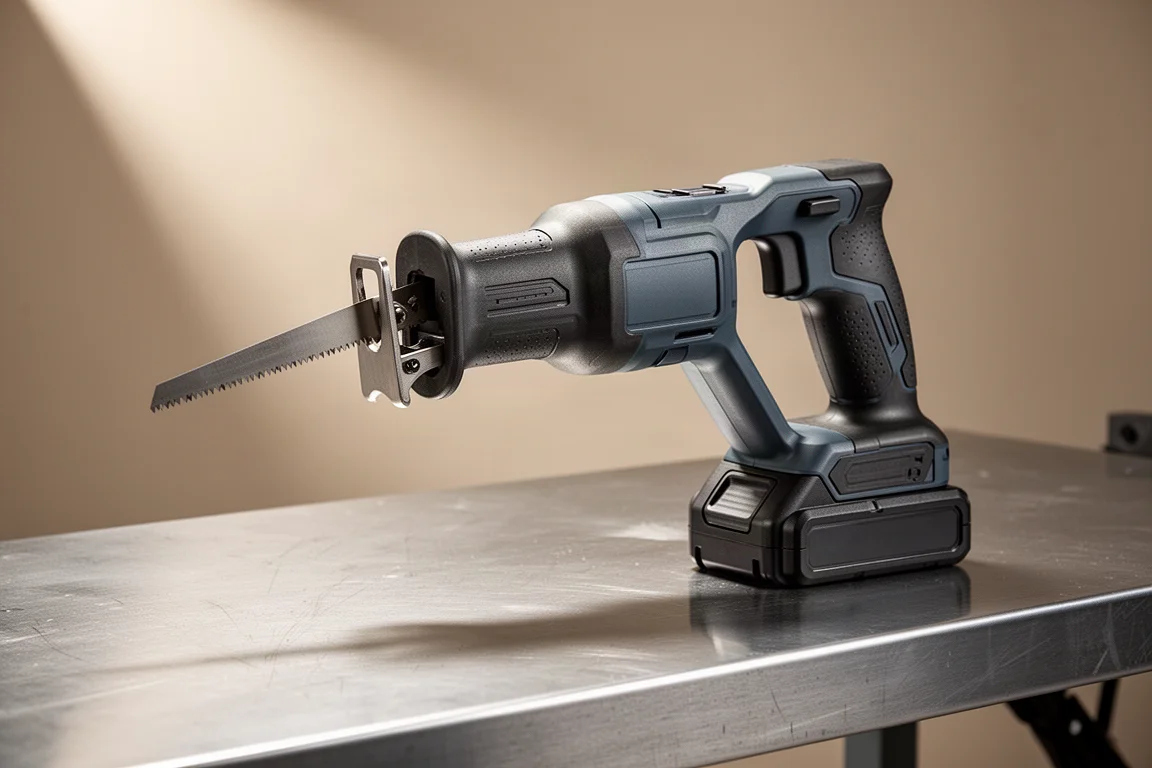
The Metabo HPT 36V MultiVolt recip saw arrived with orbital action and a large MultiVolt battery: 8 amp hours at 18V, or 4 amp hours at 36V. That works out to 144 watt hours of total capacity. The saw also offers four selectable speed settings, with the orbital mode engaged for testing.
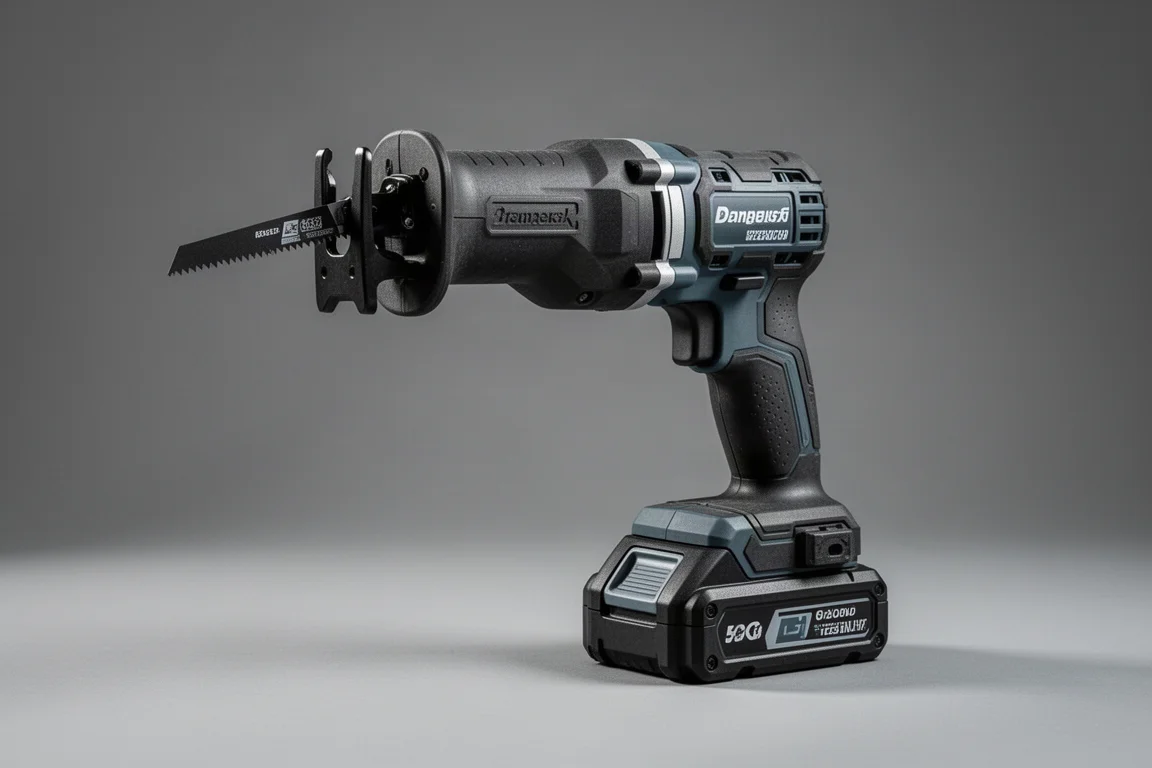
The Makita XGT saw was purchased as a kit with a charger for around $340. Its battery, officially branded 40V, reads as a nominal 36V on the pack itself, also at 144 watt hours. Despite the different voltage marketing, the two packs are practically equivalent in energy content.
Batteries: More Alike Than the Labels Suggest
The headline numbers matter here. The Metabo MultiVolt battery totals 144Wh (72Wh x 2), and the Makita XGT battery also totals 144Wh at a nominal 36V. They are rated for the same voltage and the same watt hours, which makes the comparison unusually fair for a cross-brand test.
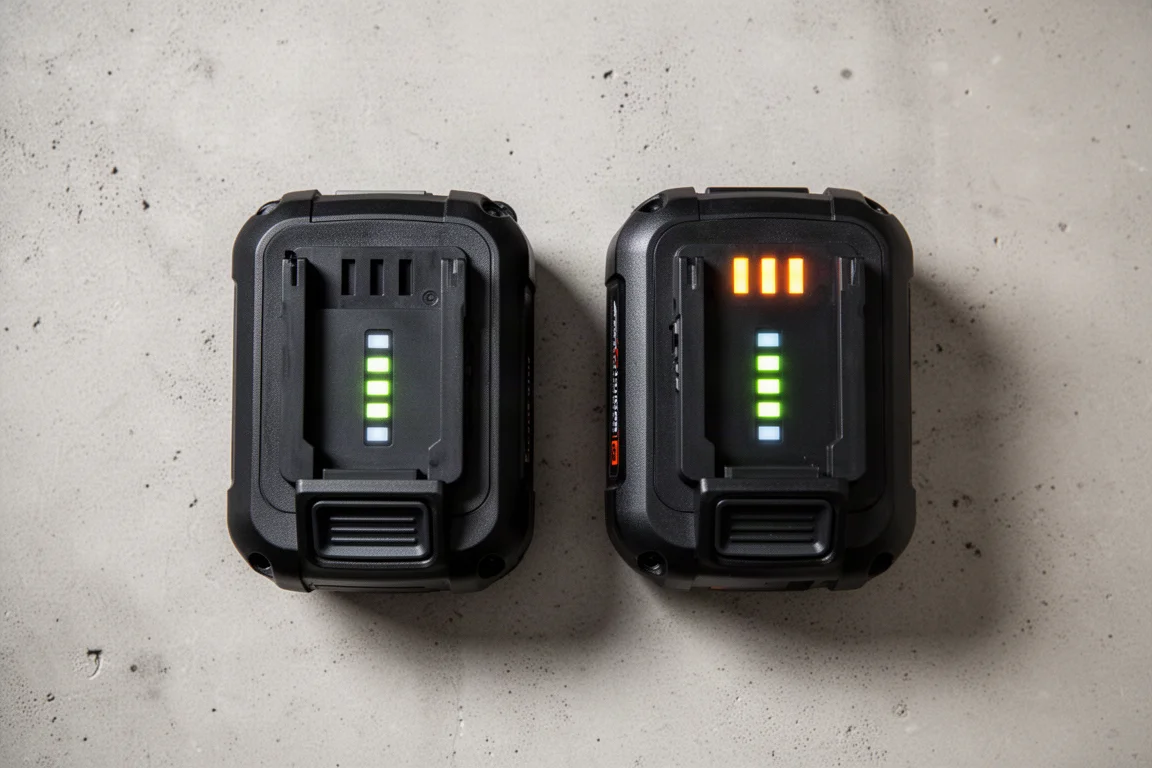
Where they diverge is cost and availability. MultiVolt batteries can generally be found cheap, and there is a modest used market: one was picked up for about $50 shipped. The XGT line, by contrast, has no meaningful used market and commands roughly two to two and a half times the price of the equivalent Metabo gear.
The Cutting Test
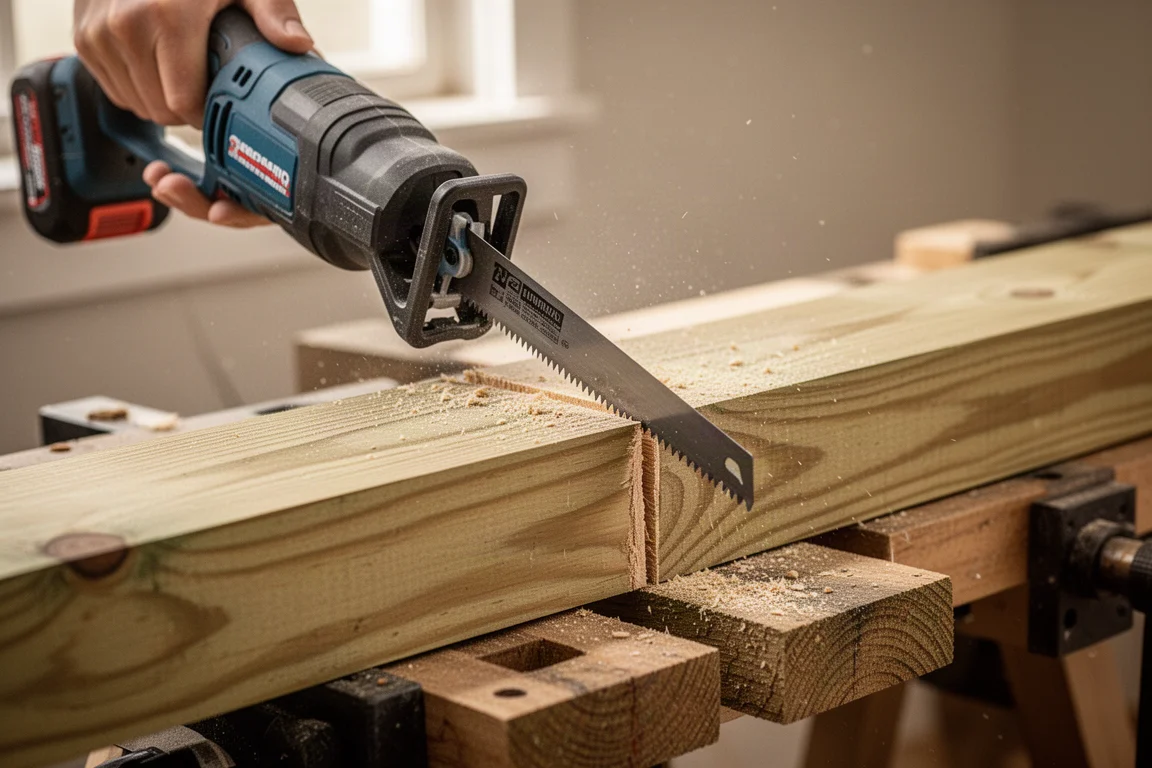
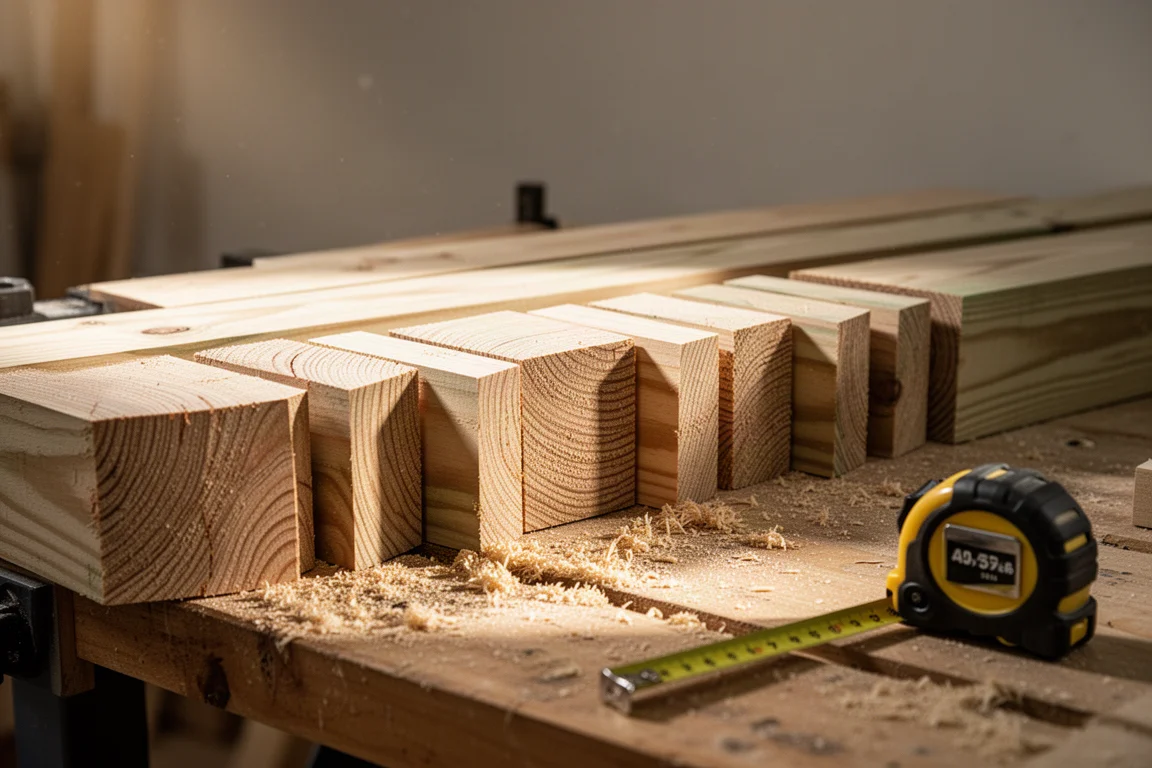
Each saw ran a fresh Diablo wood blade, with both batteries set at four charge bars and the Metabo set to speed 4 with orbital action enabled. Leaving orbital on was a deliberate choice: there is no reason to handicap a tool simply because its competitor omits the feature. If anything, the more expensive saw should carry it. The test material was a treated 4x4, with three cuts per saw averaged.
The Makita went first, followed by the Metabo. Impressively, the Metabo felt faster during testing, which set up a closer finish than expected.
What the Numbers Say
The averages settled it: the Makita came in at about 7.9 seconds per cut, while the Metabo finished at 7.1 seconds. That is nearly a full second in the Metabo’s favor, a decisive margin on identical cuts.
Factor in the price gap, with the Makita kit around $350 and the Metabo saw around $100 on sale, and the value picture becomes lopsided. At times the Metabo has been bundled with a free grinder, making the deal even stronger. The main caveat is that the exact cell types inside each battery are unknown, so buyers should weigh battery quality on their own judgment.
Buying Advice
For most buyers, the Metabo HPT 36V MultiVolt reciprocating saw is the easier recommendation. It cut faster in testing, costs a fraction of the Makita kit, and benefits from a wider supply of affordable batteries, including used ones. It suits anyone building out a MultiVolt platform or simply wanting a capable recip saw without overspending.
The Makita XGT saw makes sense mainly if you are already committed to the XGT battery platform, since buying into that line costs two to two and a half times more for equivalent capacity. Note also that Makita has a new recip saw with orbital action coming, first in Japan, which could change the calculus once it reaches wider availability.
Conclusion
The Metabo HPT 36V MultiVolt reciprocating saw delivered the faster cuts in this comparison and does so at roughly a third of the Makita’s price. Makita’s XGT line remains premium, well-built territory, but for raw cutting value the Metabo is the standout, and it is a brand worth watching closely.
Further reading
Related Reviews
Power Tools
Best 1-Inch Pistol Impact Wrenches: Three Heavy-Duty Options Compared
We compare three 1-inch pistol impact wrenches, from a budget-friendly Harbor Freight model to a premium Caterpillar unit, to help you choose the right one.
Power Tools
Best 3/4-Inch Impact Wrenches 2026: Five Contenders Compared
We compare five 3/4-inch impact wrenches across price and performance, from a budget Amazon option to Snap-on's most powerful model yet.
Power Tools
Best Budget Cordless Tools 2026: Walmart Finds That Punch Above Their Price
We tested five cordless tools from Walmart, including a high-torque impact wrench that trades blows with Milwaukee and a $35 duster that outperforms its price class.