Power Tools
Metabo HPT Triple Hammer Impact Drivers: What Testing Revealed About the 36V and 18V Models
We put the 36V and 18V Triple Hammer impact drivers on the dyno, took one apart, and found an unusual hammer behavior worth knowing before you buy.
Introduction
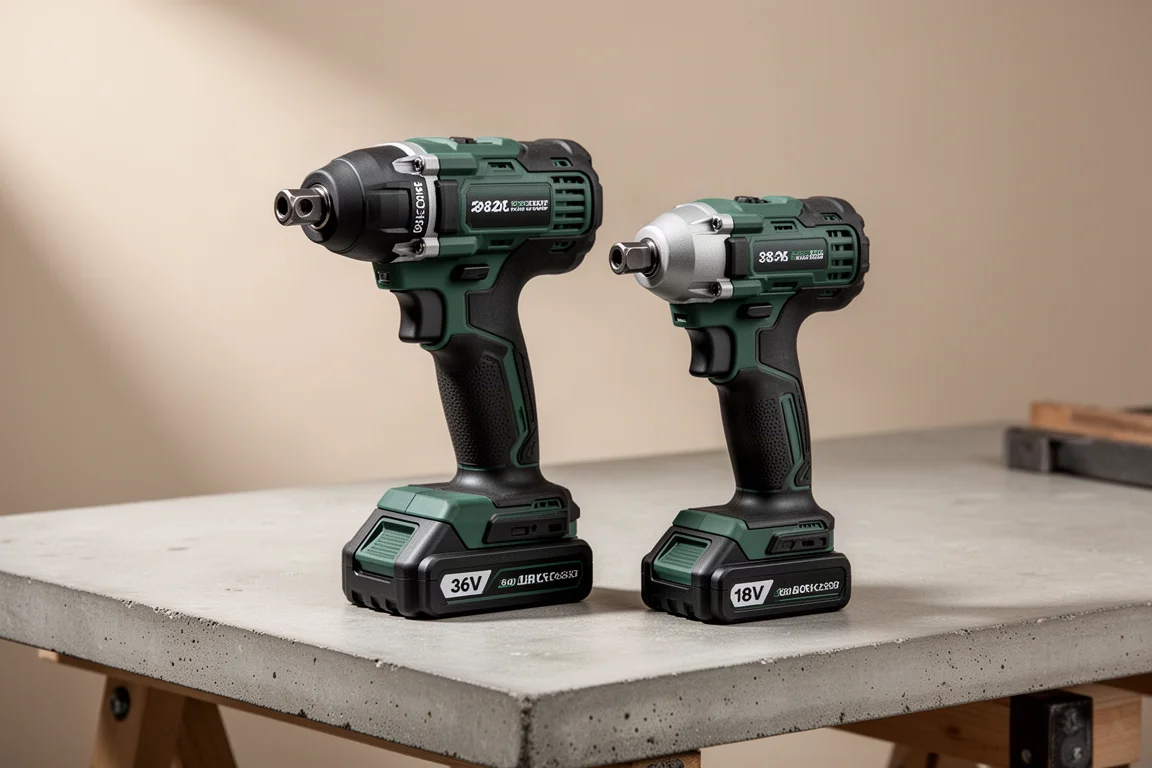
The Metabo HPT Triple Hammer impact driver has built a genuine following, and the 36V version sits at the top of the lineup as a pricier, higher-voltage take on the popular 18V model. The 36V advertises 1,859 in-lbs (about 155 ft-lbs), while the 18V claims 1,832 in-lbs (roughly 153 ft-lbs). Those numbers are close enough to raise an obvious question: what does the extra voltage actually buy you? To find out, both models went through standardized torque testing, and the 18V was taken apart to see whether the Triple Hammer design really is what the name promises.
How the Two Models Compare on the Dyno
On a five-second working-torque test in forward two, the setting most users would run, the 18V reached 95 ft-lbs and the 36V managed 87 ft-lbs. Those are median runs out of three, and the two drivers performed about the same overall, with the 36V slightly lower on average. Only older generations of the Bosch Freak scored lower in this test.
Moving into the ten-second max torque test, the 18V hit 148 ft-lbs, roughly average across the impact drivers tested, while the 36V scored 165 ft-lbs, putting it near DeWalt DCF850 numbers. But the torque curves told a stranger story: the 18V flat-lined dramatically and its displayed torque actually fell during the run, while the 36V showed a noticeable power drop toward the end of its pull. Both tools ramp up and then fall off soon after, even on their highest settings, and repeated attempts on multiple settings made no difference.
Inside the Triple Hammer Mechanism
Triple hammer, or three-draw, mechanisms are not new. They have been used for years on large one-and-a-half-inch square drive two-person impact wrenches and on F1 wheel guns. In those designs, the motor rotates a housing containing hammers, and the three hammer dogs strike the anvil simultaneously once per revolution. On a standard two-hammer impact driver, you get two impacts per 360 degrees; a triple hammer hits every 120 degrees, which means higher impacts per minute.
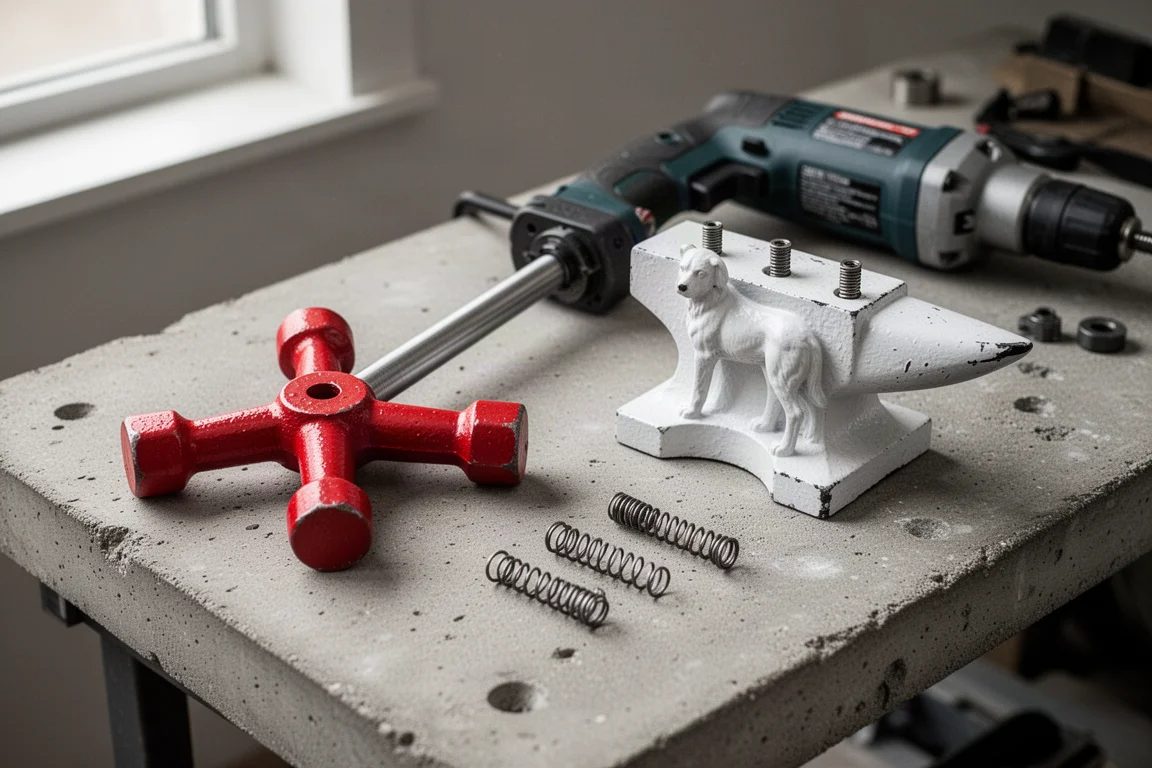
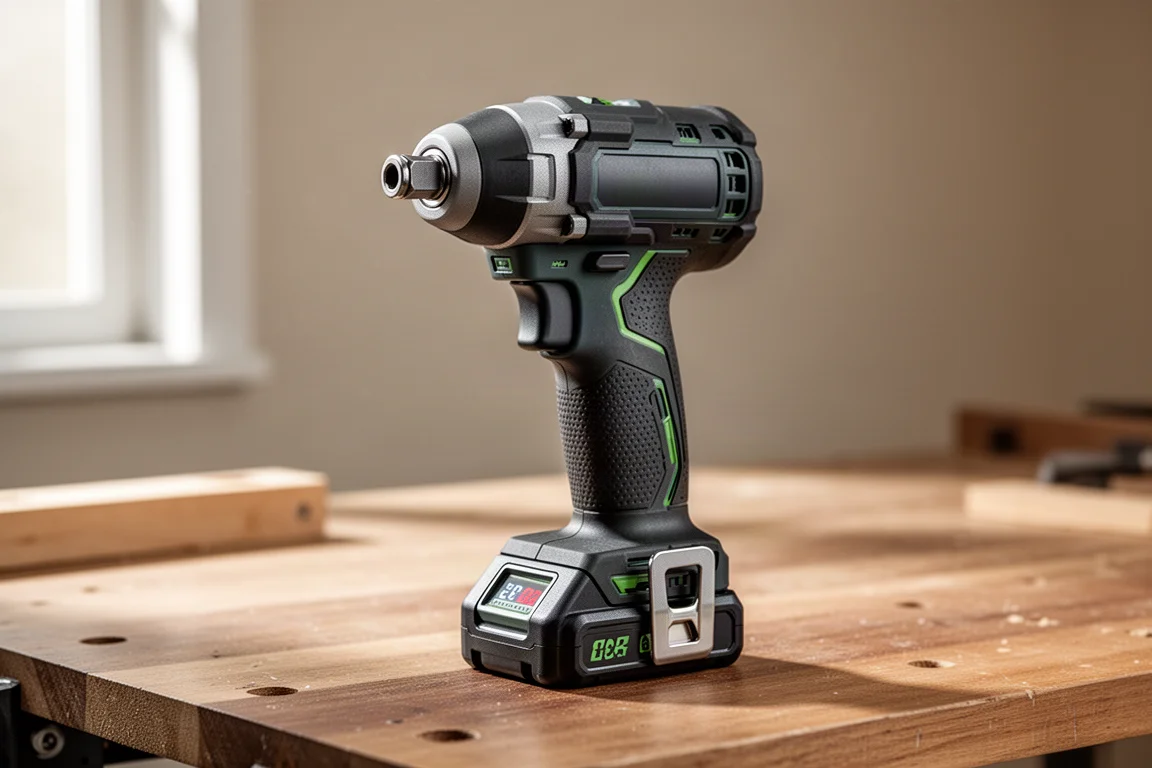
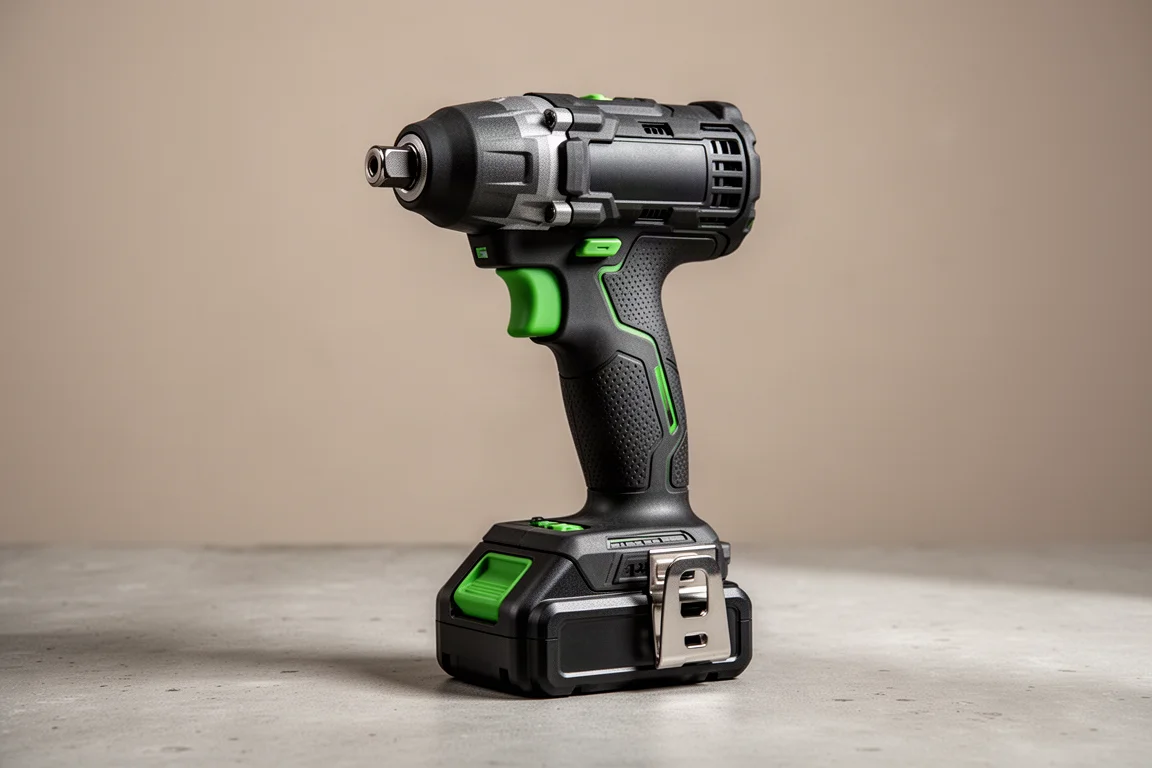
Cutting into the 18V confirmed Metabo HPT is not exaggerating: this really is a triple hammer, or as close as a cordless driver can be. The hammer has three lobes, the anvil has three dogs with an unusual three-spoke shape, and because electric motors dislike being stalled, the tool keeps progressing and hits three times per revolution instead of one combined strike.
What High-Speed Footage Showed
Slow-motion footage at 60 and 100 frames per second showed the mechanism working at low power, but the interesting behavior happens at full power, far too fast to see with normal cameras. High-speed footage captured at 500 and 1,000 frames per second, where 20 to 40 seconds of recording equals a single second of real use, revealed the problem. At low and medium power, the three-lobed hammer strikes each 120-degree anvil dog as expected. At high power, it starts hitting only two dogs per rotation, skipping over and landing on top of the next anvil dog every one or two blows. At absolute maximum trigger squeeze, it can get worse still, with possibly only one in three blows landing properly and the majority of impacts riding on top of the next dog instead of striking its side.
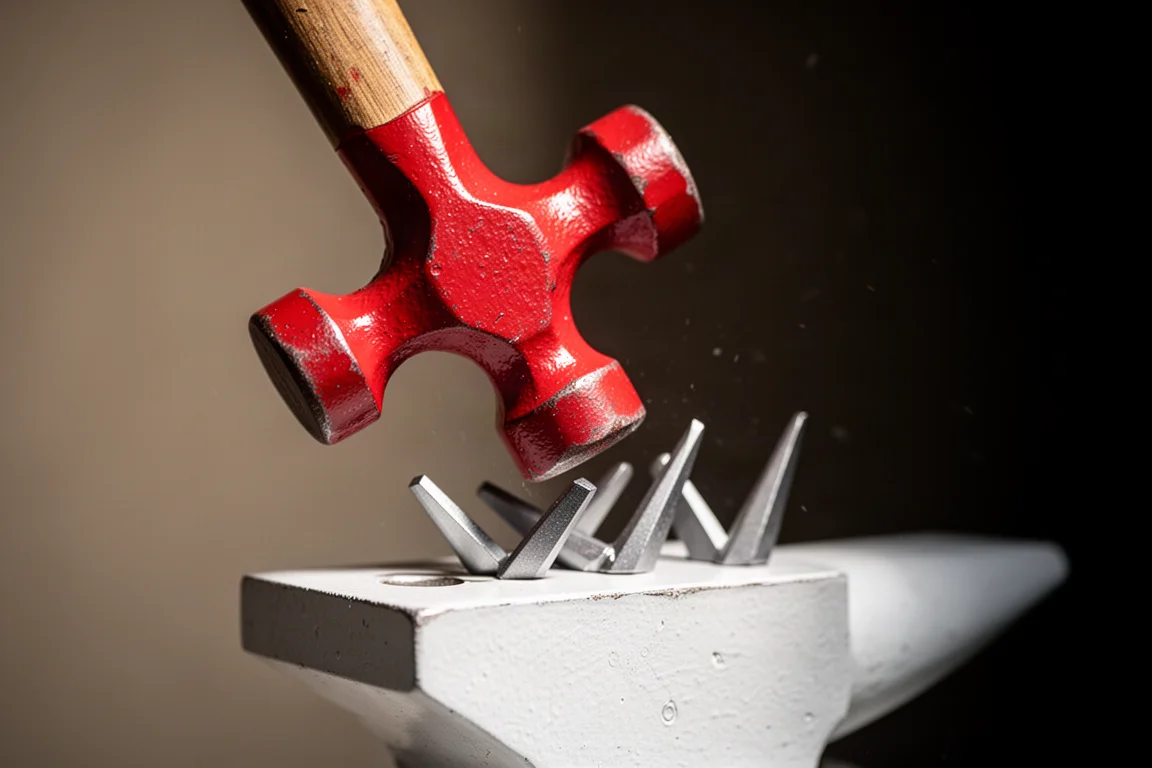
When a blow lands on top of a dog rather than its face, it pushes the collet forward without delivering a radial impact, which is what actually drives the fastener. That also explains a quirk seen only on these drivers: the forward impact temporarily releases the hex collet, knocking it forward before its spring pulls it back. The fix would be a stiffer spring to force the hammer down faster, but overcoming that spring would need more motor power or a different gear set, which would reduce RPM and impacts per minute, working against the design’s purpose. Everything observed suggests this happens on both the 18V and 36V models.
Importantly, this behavior only appears on very tight fasteners like lug nuts or large lag screws. When driving something that turns easily with each impact, like a small screw, the tool behaves as it does at medium power even with the trigger fully pulled, because the moving fastener provides extra angular travel and the hammer never has to hop over a practically stationary anvil dog.
Should You Buy the 36V or the 18V?
For everyday driving, cabinet assembly, and general screwdriving, the 18V is as much tool as the 36V, and it can usually be found for around $100, roughly half the 36V’s $189 price. That makes the 18V the easy recommendation for most buyers, since the 36V’s extra voltage did not translate into better working-torque performance in testing.
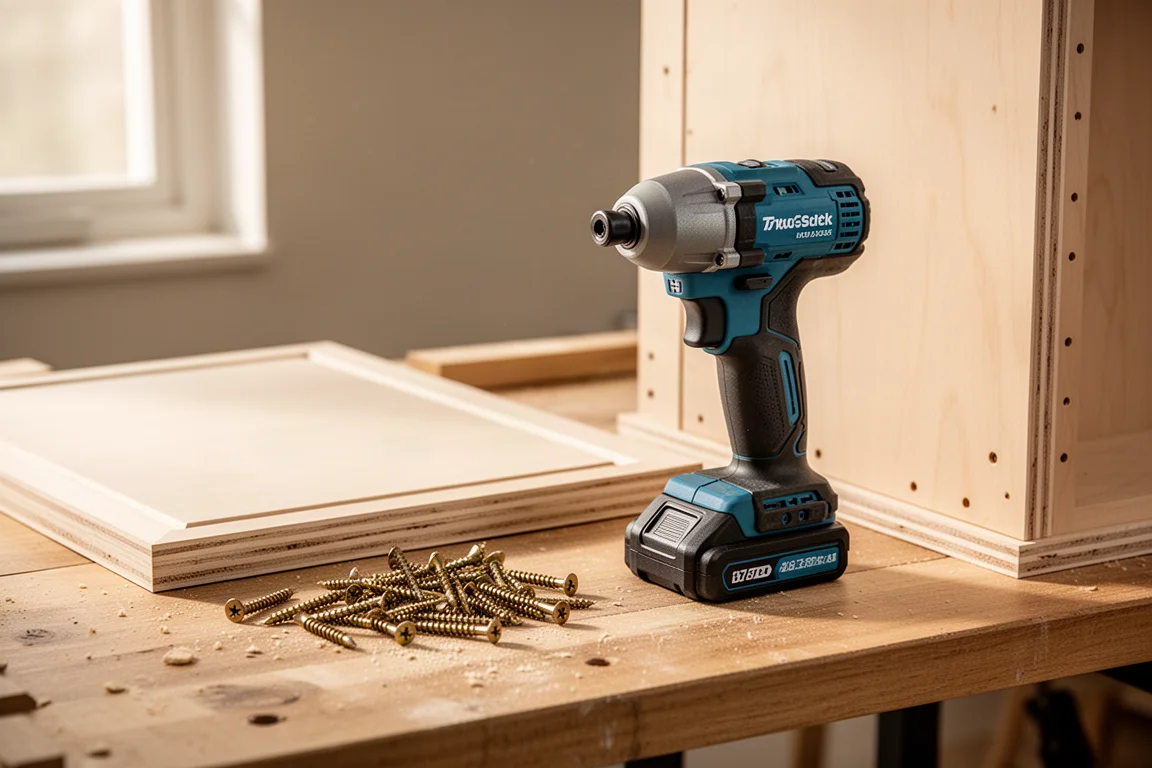
That said, Metabo HPT clearly has a strong driver here. The brushless motor and hammer design are good, and for many jobs it will work about as well as anything else on the market. Enthusiasts following the brand should also note that a next-generation Triple Hammer has already launched in Japan under the Hikoki name, with a US release rumored to be imminent, so it will be worth watching whether the new generation addresses the high-power hammer skip.
Conclusion
The Triple Hammer design is real, clever, and genuinely interesting, delivering more impacts per minute than a standard two-hammer driver. The trade-off is a measurable power drop on very tight fasteners at full power, a phenomenon that appears on both the 18V and 36V models. If you drive mostly screws and mid-size fasteners, the 18V delivers nearly everything the 36V does for half the price. If your work is dominated by stubborn lug nuts and heavy lags, it is worth understanding what the mechanism does under maximum load before committing.
Further reading
Related Reviews
Power Tools
Best 1-Inch Pistol Impact Wrenches: Three Heavy-Duty Options Compared
We compare three 1-inch pistol impact wrenches, from a budget-friendly Harbor Freight model to a premium Caterpillar unit, to help you choose the right one.
Power Tools
Best 3/4-Inch Impact Wrenches 2026: Five Contenders Compared
We compare five 3/4-inch impact wrenches across price and performance, from a budget Amazon option to Snap-on's most powerful model yet.
Power Tools
Best Budget Cordless Tools 2026: Walmart Finds That Punch Above Their Price
We tested five cordless tools from Walmart, including a high-torque impact wrench that trades blows with Milwaukee and a $35 duster that outperforms its price class.