Power Tools
Metabo HPT Power Tools Worth Buying: Five Standouts From the Line
A closer look at Metabo HPT's strongest tools, from the MultiVolt reciprocating saw to its well-regarded nailers, plus what to know before committing to the platform.
Introduction
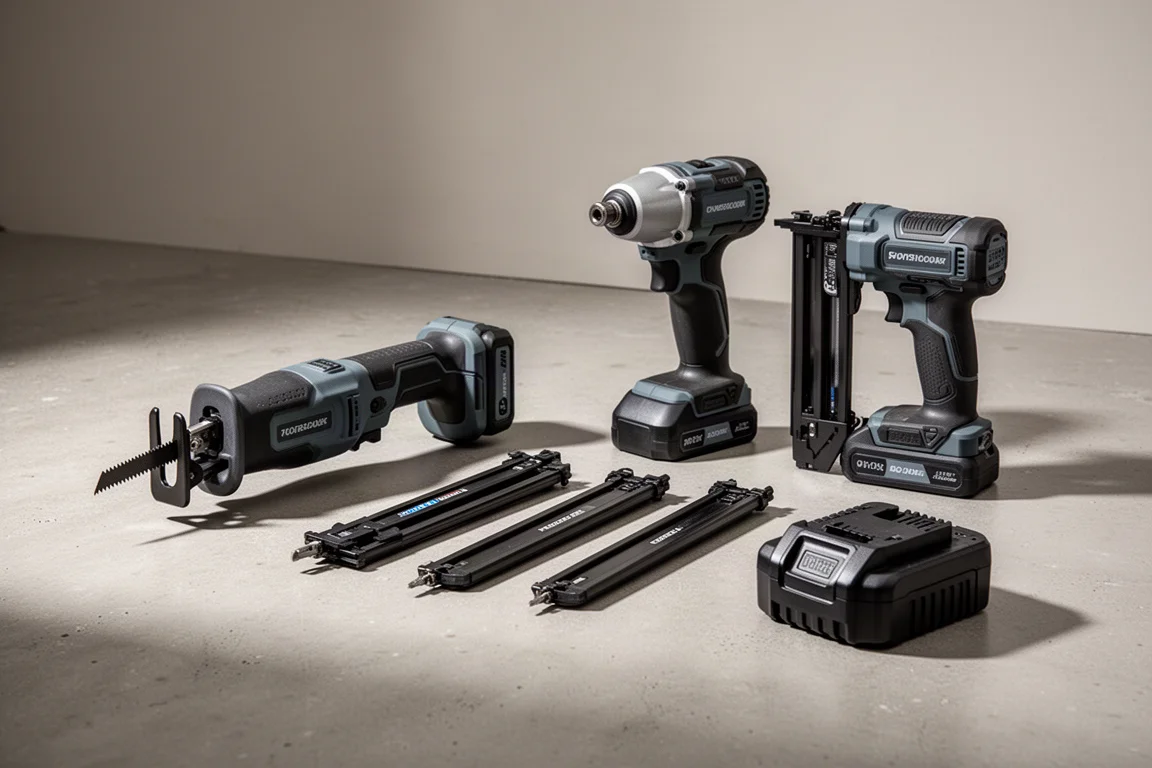
Metabo HPT, the brand many contractors still know as Hitachi Power Tools, has a smaller footprint in North America than its reputation suggests. The lineup available in stores, mostly through Lowe’s, covers the core tools most people need: drills, impacts, saws, and a widely respected range of nailers. The selection is limited, and you will not find outdoor power equipment from this brand in the US, but what is on the shelf is generally well built and competitively priced.
This guide walks through five products that consistently earn their keep: the MultiVolt reciprocating saw, the Triple Hammer impact driver, the pin nailer, the brad nailer, and the MultiVolt battery packs that tie the platform together.
Why Metabo HPT Stands Out
The brand has a long history of firsts. It introduced the first cordless impact driver, the first sliding miter saw, and the Triple Hammer impact mechanism that still anchors its impact lineup. The MultiVolt battery system is another genuine innovation: the same pack runs at 36V on high-demand tools and at 18V on standard tools, a dual-voltage approach that only DeWalt matches with a comparable platform.
Pricing is a real strength. Tools that cost $3,400-class money from some competitors can be found for around $100 brand new in this lineup, and kits regularly include free battery rebates. The warranty structure is also unusual: coverage lasts as long as parts remain available for the tool, which can stretch well beyond the three-year windows many rivals offer, though it does depend on the tool staying in production.
MultiVolt Reciprocating Saw
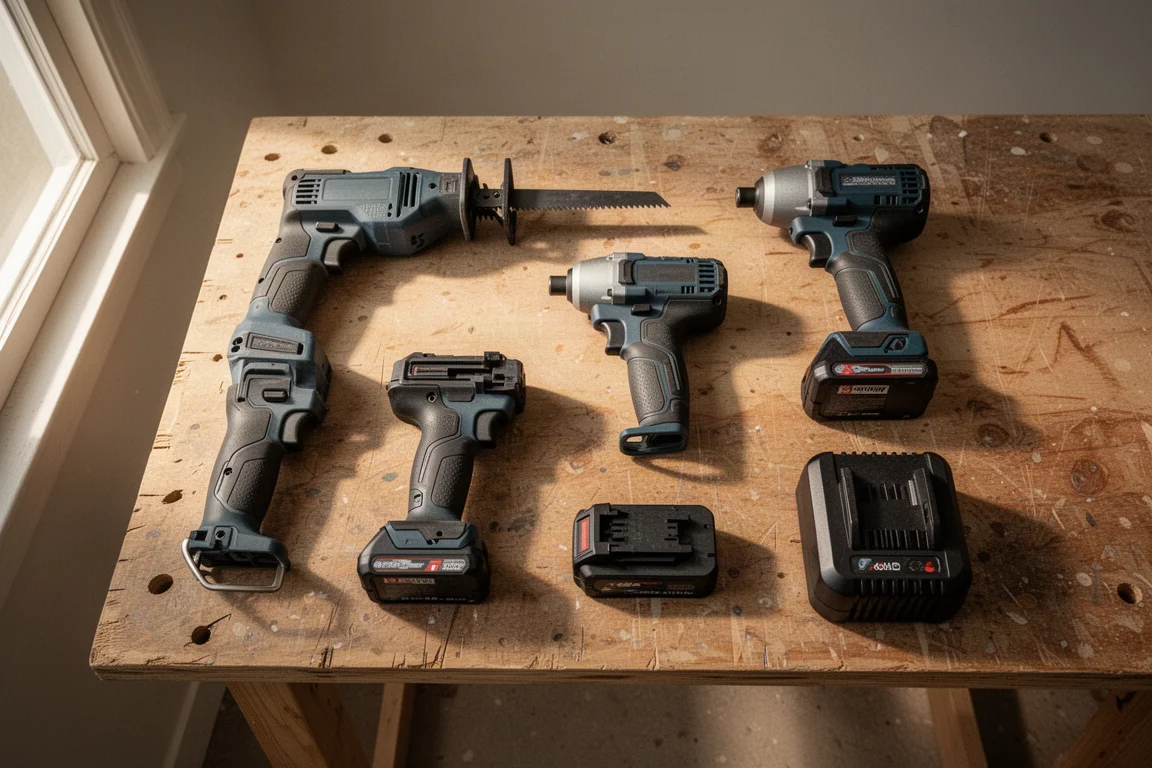
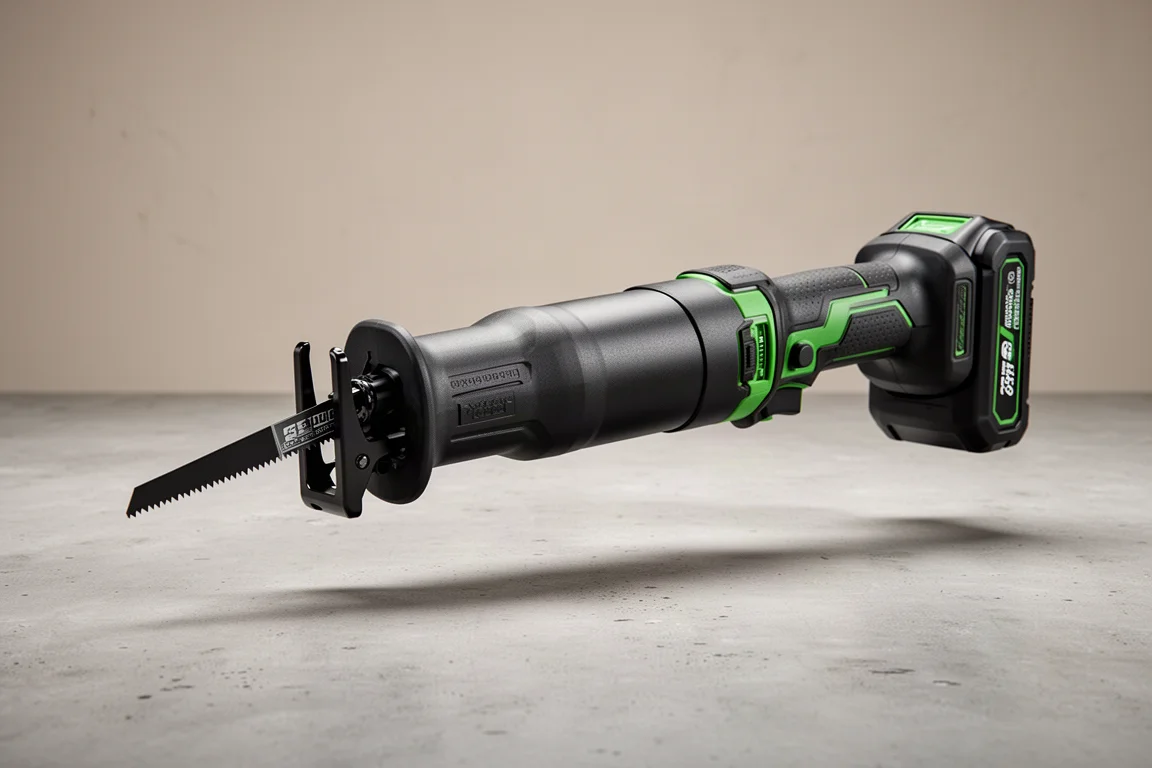
This is arguably the best tool in the lineup. In comparisons against top-tier competition, the MultiVolt reciprocating saw ranks among the most powerful and fastest cutting recip saws available, and it does so at a fraction of the price of its closest rivals. It has been found on sale brand new for around the $100 mark, which is remarkable for a tool in this class.
It runs on the larger MultiVolt pack (8Ah at 18V or 4Ah at 36V), giving it serious runtime for demolition work. For anyone who uses a recip saw daily, this is the tool that makes the strongest case for the platform.
Triple Hammer Impact Driver
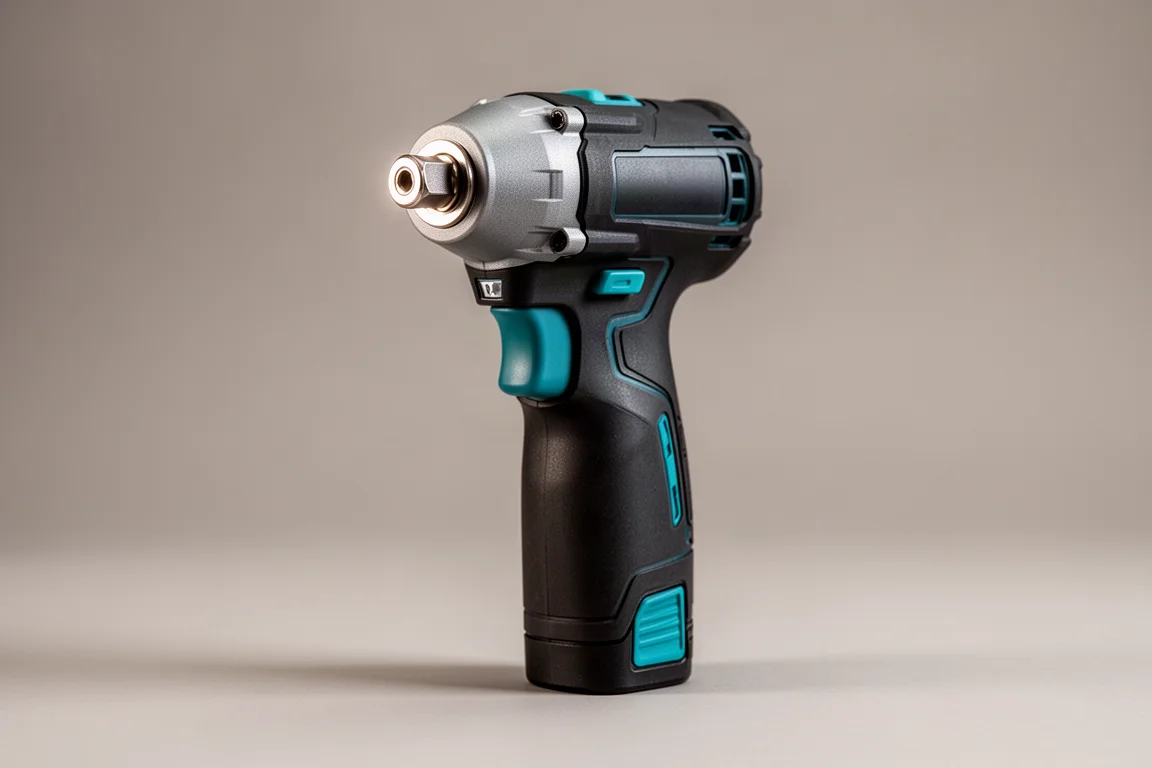
Metabo HPT’s Triple Hammer impacts are the brand’s signature impact drivers, using a three-anvil mechanism for smoother power delivery. The newer generation pushes close to 1,900 inch-pounds of torque, putting it in striking distance of the strongest competitors on the market, which top out around 2,000.
These tools are well built and competitively priced, often around $70 to $80 bare or in kit form with batteries, a charger, and a hard case. Worth noting: the Triple Hammer design favors more impacts per minute over raw single-hit strength, so it suits fastening tasks where speed and smoothness matter more than maximum torque.
Pin Nailer and Brad Nailer
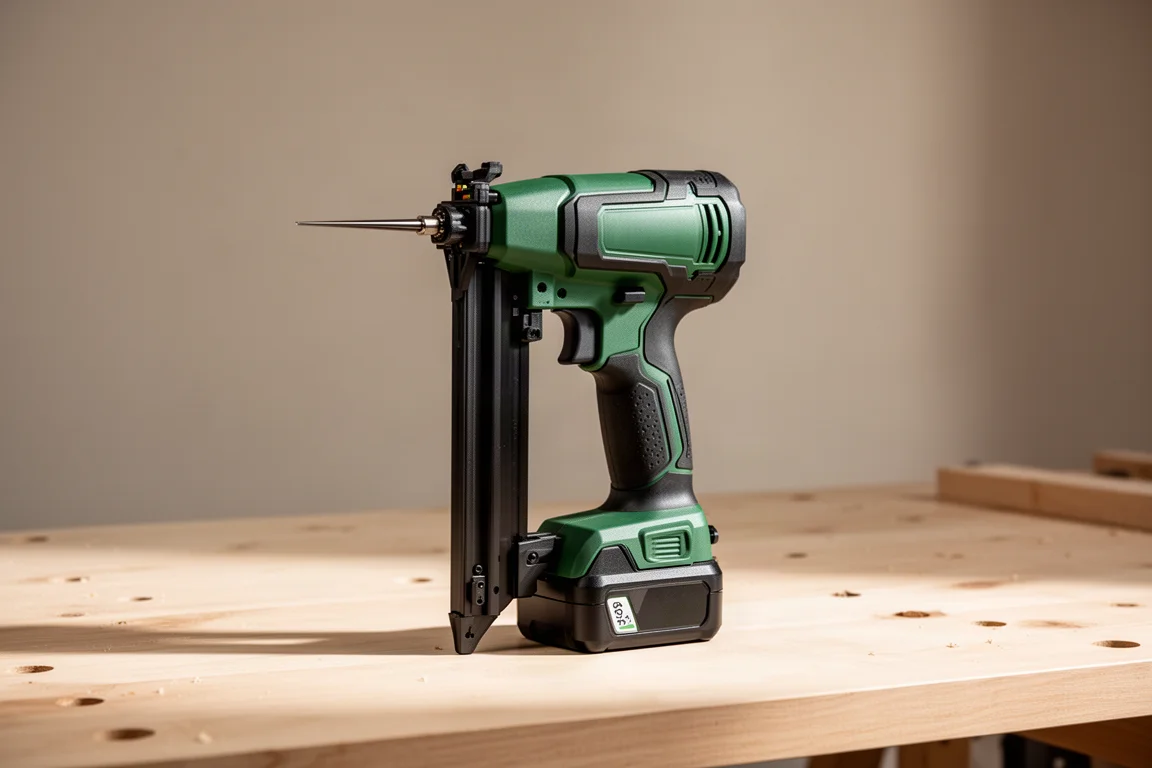
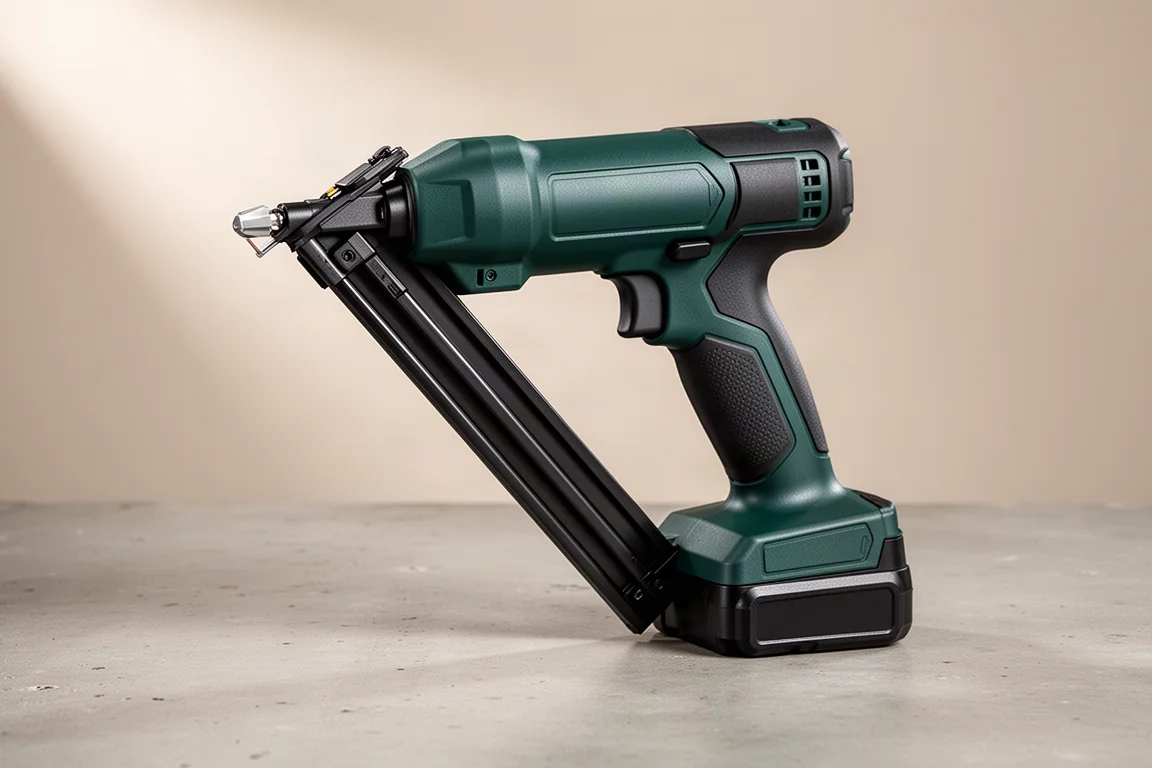
Nailers are where Metabo HPT built its reputation. Walk onto most job sites and you will find a Hitachi or Metabo HPT nailer in use, often one that is five, ten, or more years old and still running strong. That durability record is why the brand remains a default choice for trim carpenters.
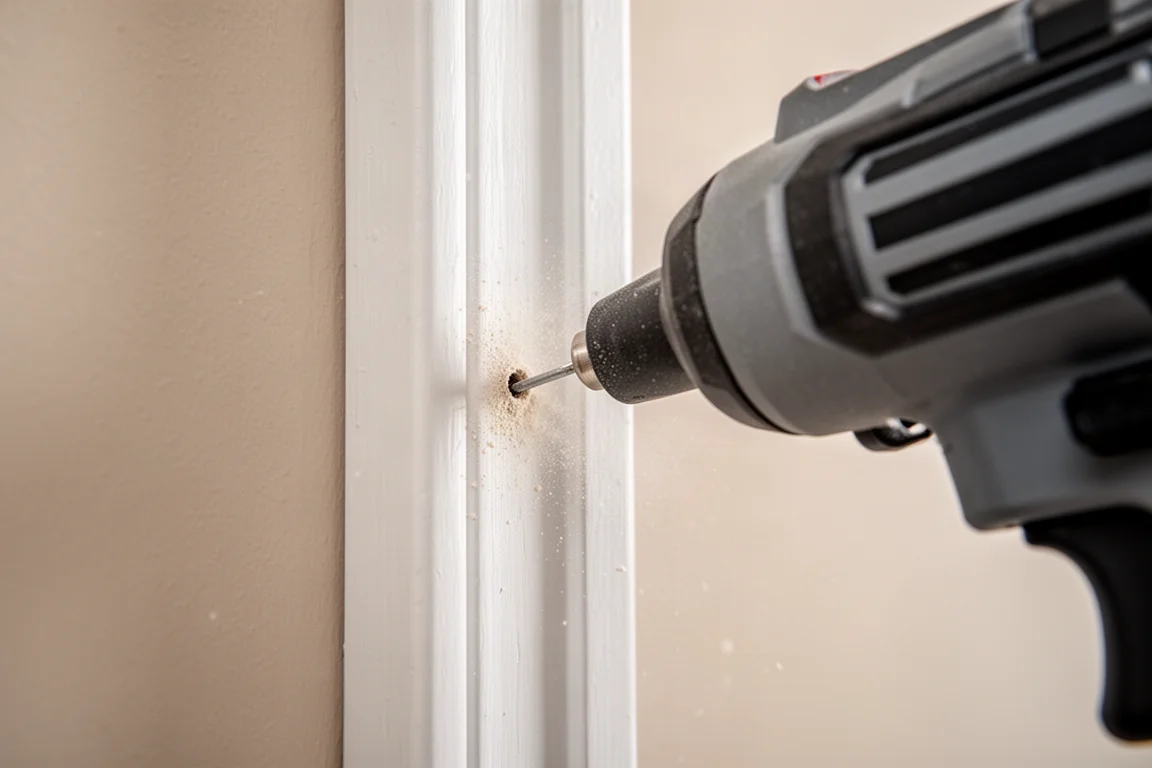
The pin nailer sells for around $150, well below comparable models from DeWalt or Makita that typically run $200 and up. The brad nailer kit has seen recent price cuts, sitting around $269 to $279, which is uncommon in an industry where kit prices usually only climb. Both tools are lightweight, rugged, and hard to fault on build quality.
MultiVolt Battery System
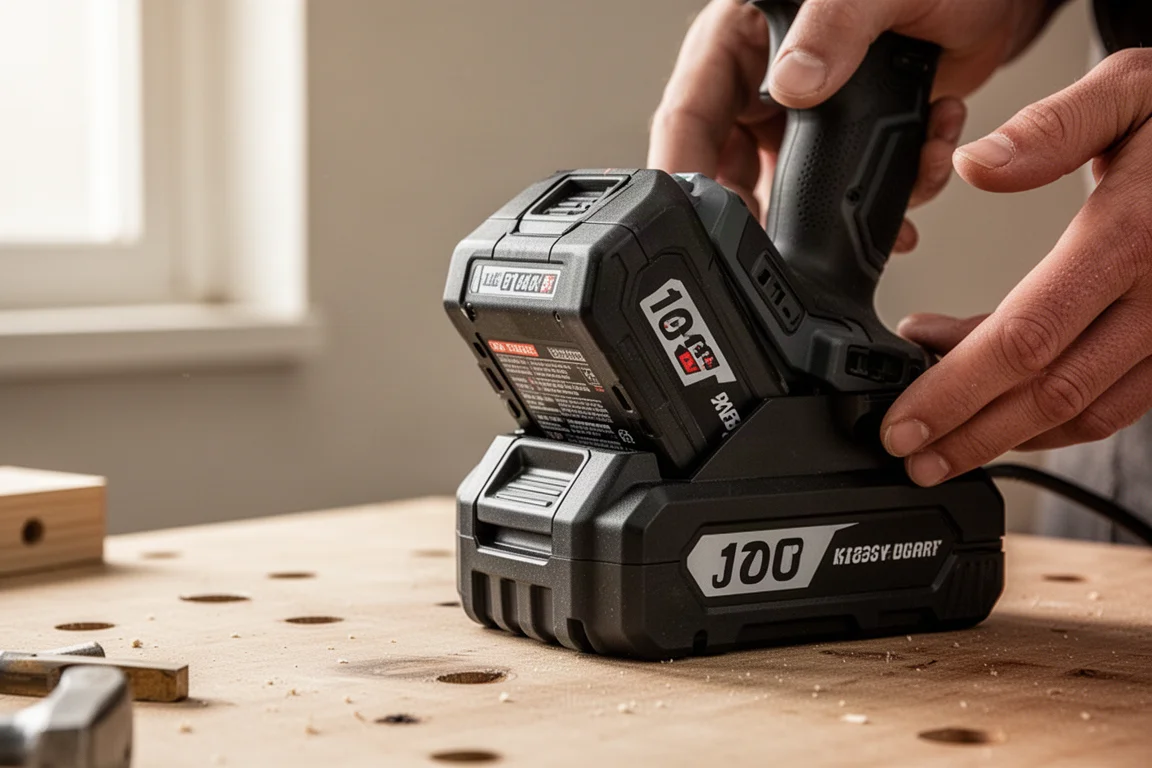
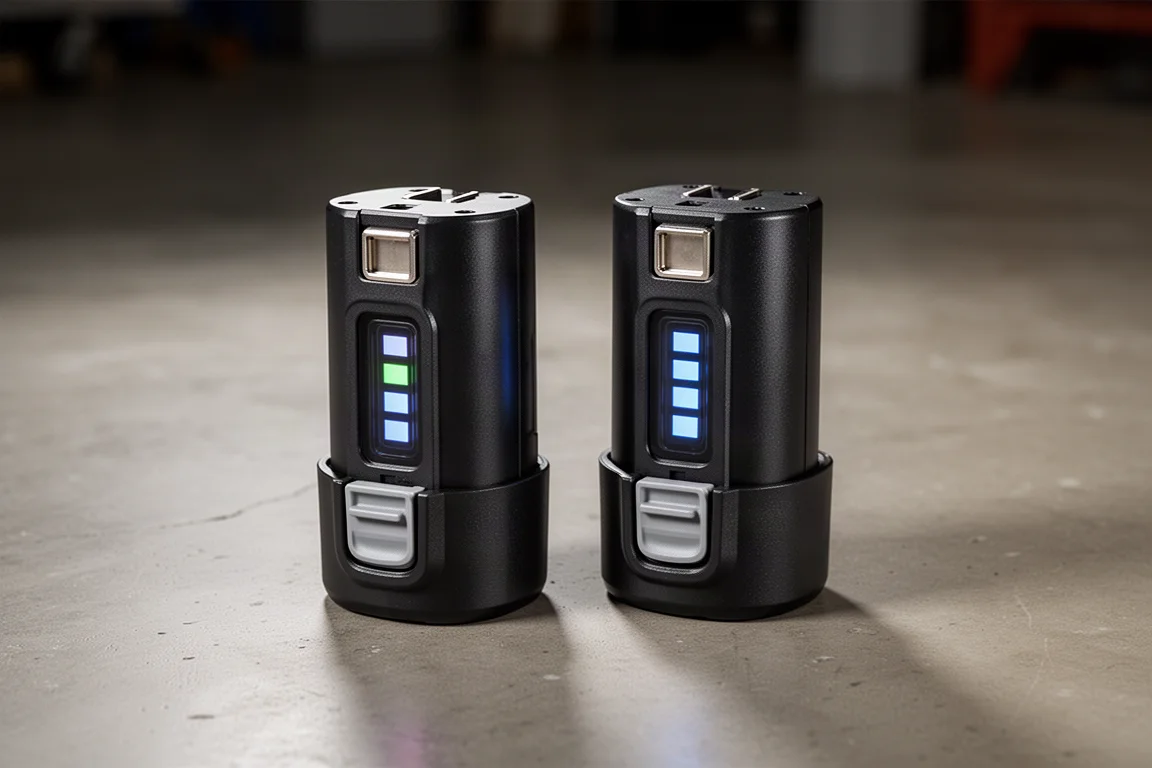
The MultiVolt batteries are what make the whole platform flexible. The smaller pack delivers 2.5Ah at 36V or 5Ah at 18V, while the larger pack runs 4Ah at 36V or 8Ah at 18V. Every MultiVolt pack is backward compatible with the brand’s 18V tools, so one battery covers the entire cordless lineup.
There is one limitation worth knowing: 36V-class tools have no small battery option, since the pack needs a relatively large cell count to deliver the higher voltage. If you buy a 36V drill or driver, expect a heavier battery on the tool. That said, the dual-voltage flexibility remains a genuine advantage over most competitors.
Things to Know Before Buying
Not every tool in the lineup is a winner. Some Metabo HPT products, such as the multi-tool and the one-handed reciprocating saw, rank poorly in independent comparisons, often finishing near the bottom of their class. The one-handed recip saw is an interesting case: it also accepts jigsaw blades, and some owners consider it a better jigsaw than a reciprocating saw. Still, check recent comparisons before buying anything outside the categories covered here.
The warranty deserves a careful read. Because coverage lasts only as long as the tool remains in production with parts available, a discontinued tool can lose warranty support quickly. A long-running tool like the MultiVolt recip saw, however, effectively carries years of extra coverage compared with fixed three-year warranties elsewhere.
Conclusion
Metabo HPT is a brand of strong individual tools rather than a uniformly dominant lineup. The MultiVolt reciprocating saw is the standout, the nailers are proven job-site workhorses, and the Triple Hammer impact driver holds its own on torque. Pair those with the flexible MultiVolt batteries and competitive pricing, and the platform makes real sense, as long as you verify the specific tools you need rather than assuming the whole catalog is top tier.
Further reading
Related Reviews
Power Tools
Best 1-Inch Pistol Impact Wrenches: Three Heavy-Duty Options Compared
We compare three 1-inch pistol impact wrenches, from a budget-friendly Harbor Freight model to a premium Caterpillar unit, to help you choose the right one.
Power Tools
Best 3/4-Inch Impact Wrenches 2026: Five Contenders Compared
We compare five 3/4-inch impact wrenches across price and performance, from a budget Amazon option to Snap-on's most powerful model yet.
Power Tools
Best Budget Cordless Tools 2026: Walmart Finds That Punch Above Their Price
We tested five cordless tools from Walmart, including a high-torque impact wrench that trades blows with Milwaukee and a $35 duster that outperforms its price class.