Power Tools
Metabo HPT Impact Drivers Compared: WH18DEX 18V vs MultiVolt 36V Triple Hammer
Two Metabo HPT impact drivers with very different personalities: the new compact WH18DEX and the powerful MultiVolt Triple Hammer. Here is how they stack up on speed, torque, and control.
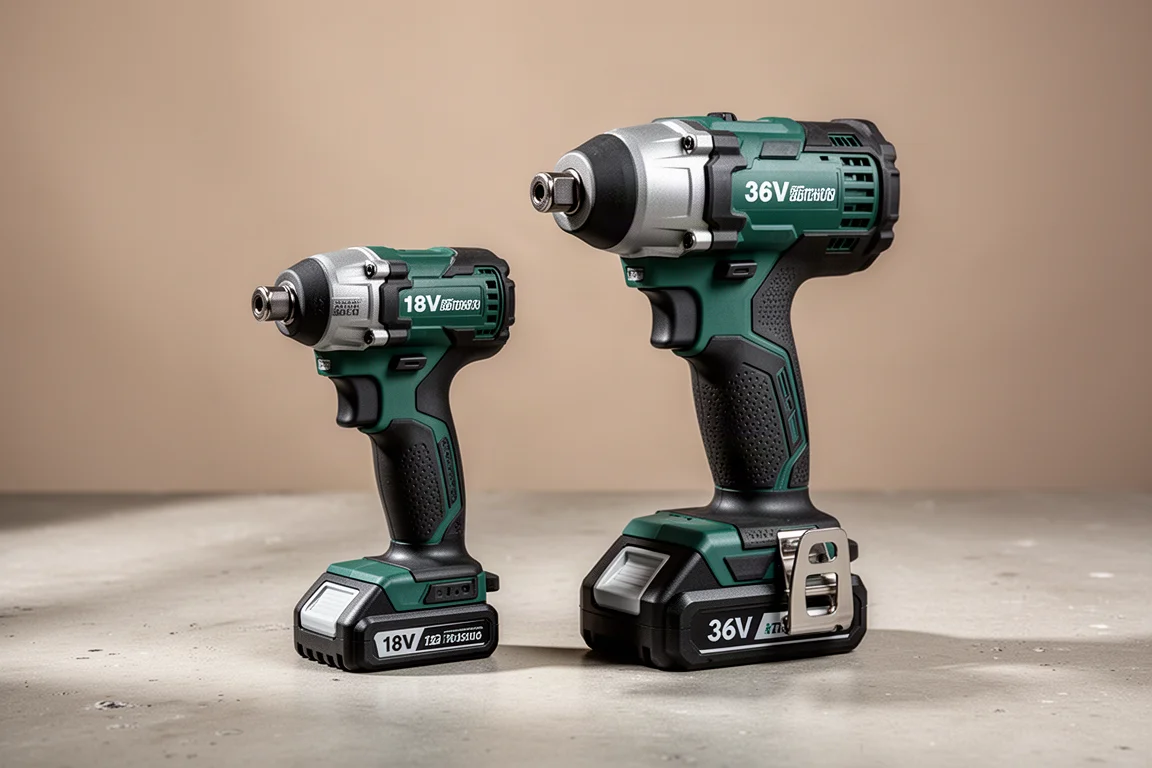
Introduction
Metabo HPT has refreshed its 18V impact driver lineup with a new model that replaces the older WH18DDX, and it sits at an interesting price point in a brand that also sells one of the most powerful impact drivers on the market. That creates a genuine choice for buyers: a compact, affordable 18V driver, or the heavier 36V MultiVolt Triple Hammer that has long been considered a benchmark for speed and power.
Two Impact Drivers, Two Different Answers
The two tools are closer in size than you might expect. The new 18V model is slightly smaller overall, while the older DDX it replaces was slimmer and a bit longer, which some cabinet builders still prefer for tight spots. The 36V Triple Hammer is the larger, heavier tool of the pair, built around a triple-hammer mechanism that delivers its distinctive fast striking action.
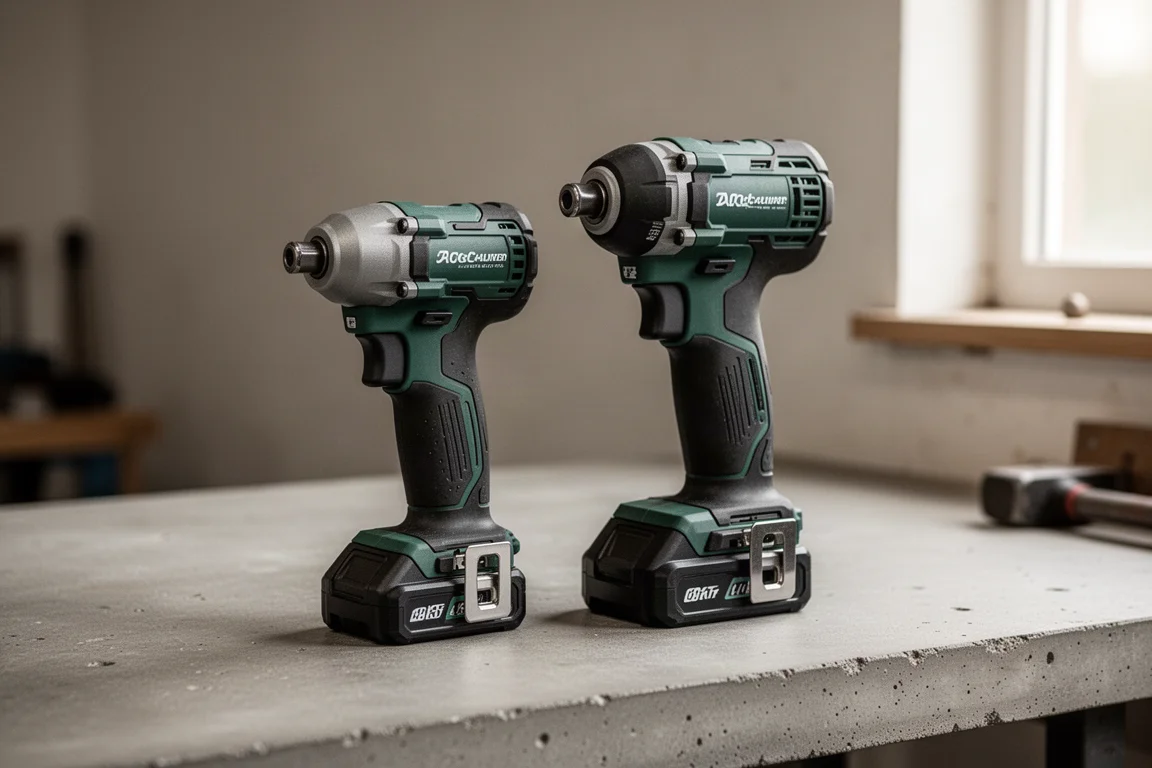
On paper, the differences come down to how each tool delivers its power. The 36V Triple Hammer runs at 2,900 RPM and 4,100 IPM with 1,850 in-lbs of torque. The new 18V model pushes higher RPM at 3,100, but fewer impacts per minute at 3,400 and 1,550 in-lbs of torque. In practice, the 36V feels stronger and punchier, while the 18V spins faster but strikes less often.
Power and Speed: The 36V Triple Hammer
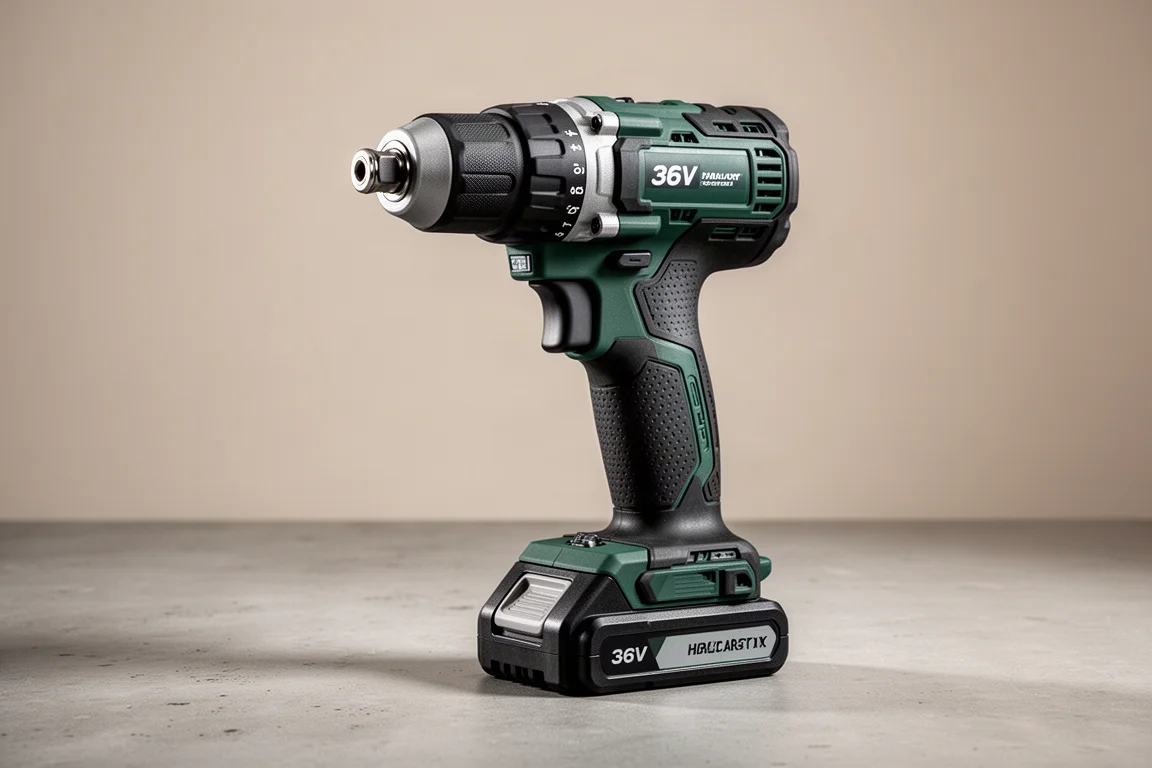
The Triple Hammer remains, in our view, the king of this category for a long time running. It is a multi-speed unit, and on high it delivers a fast, satisfying driving experience with a higher impact rate and strong sustained power. It is genuinely enjoyable to use and the size feels right in the hand.
One limitation worth knowing: the 36V tool only accepts MultiVolt batteries or the MultiVolt AC adapter. That adapter capability is a real advantage, because it lets you run the tool corded when a wall outlet is nearby, effectively removing battery concerns entirely. Some users have reported issues with larger lag bolts bending, but for general driving work the Triple Hammer’s combination of speed, power, and AC adapter flexibility keeps it at the top of the class.
Control and Trigger Feel on the WH18DEX
The new 18V driver is a single-speed tool, which places a lot of pressure on its variable speed trigger. The good news is that the trigger performs well. Starting a 3-inch decking screw slowly for control and then sinking it smoothly is easy, and stopping precisely at the right depth is simple even when working quickly.
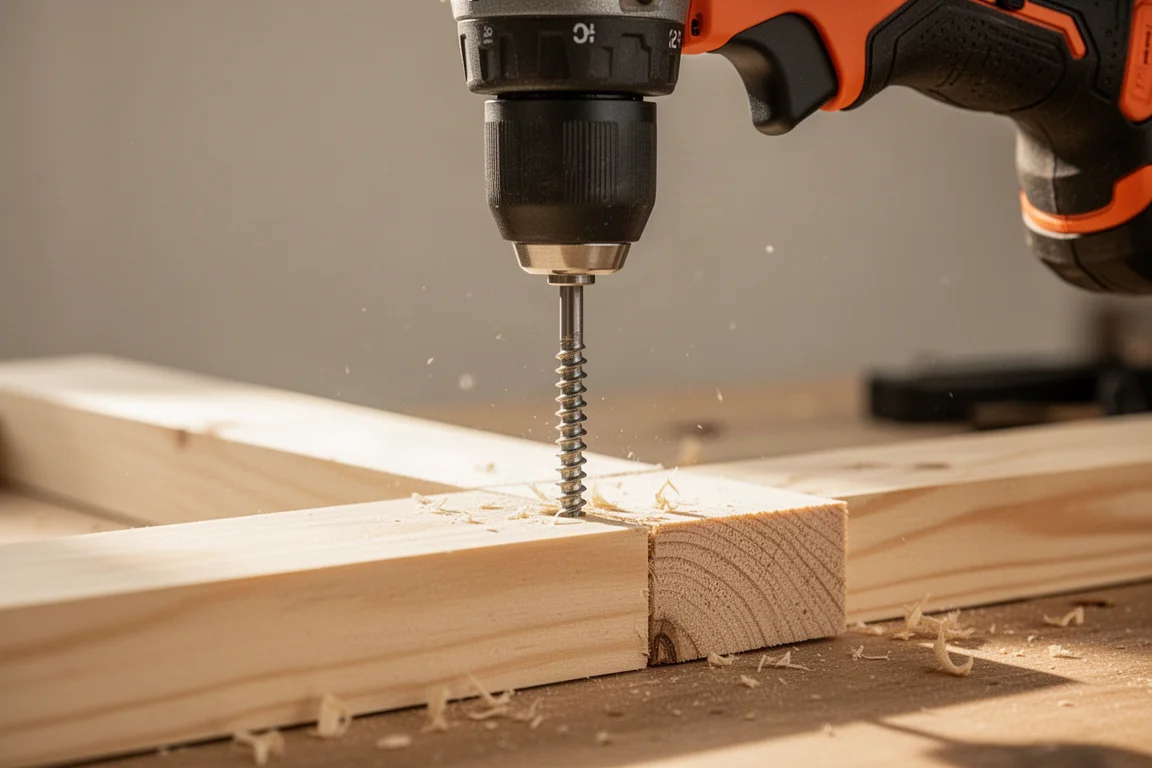
There is one small quirk: when you floor the trigger, there is a slight, noticeable soft-start lag before the tool reaches full speed. It is subtle and arguably adds a touch of precision, but it is there. The long trigger travel before any speed builds also works well for smaller, more delicate fastening tasks, including light electrical work with a driver bit.
Battery Choices Make a Real Difference
One of the most interesting findings with the 18V tool is how much battery selection affects performance. It can use 18V batteries and MultiVolt batteries, but not the 36V AC adapter, since that runs at 36 volts.
Moving from a 2Ah pack to a 4Ah pack produces a very noticeable speed difference, and stepping up to a MultiVolt battery changes performance significantly again. The cells inside the pack, and their output capability, matter far more than the amp-hour rating alone. If you are in the 18V line and want the most power from this driver, the MultiVolt battery is the one to use.
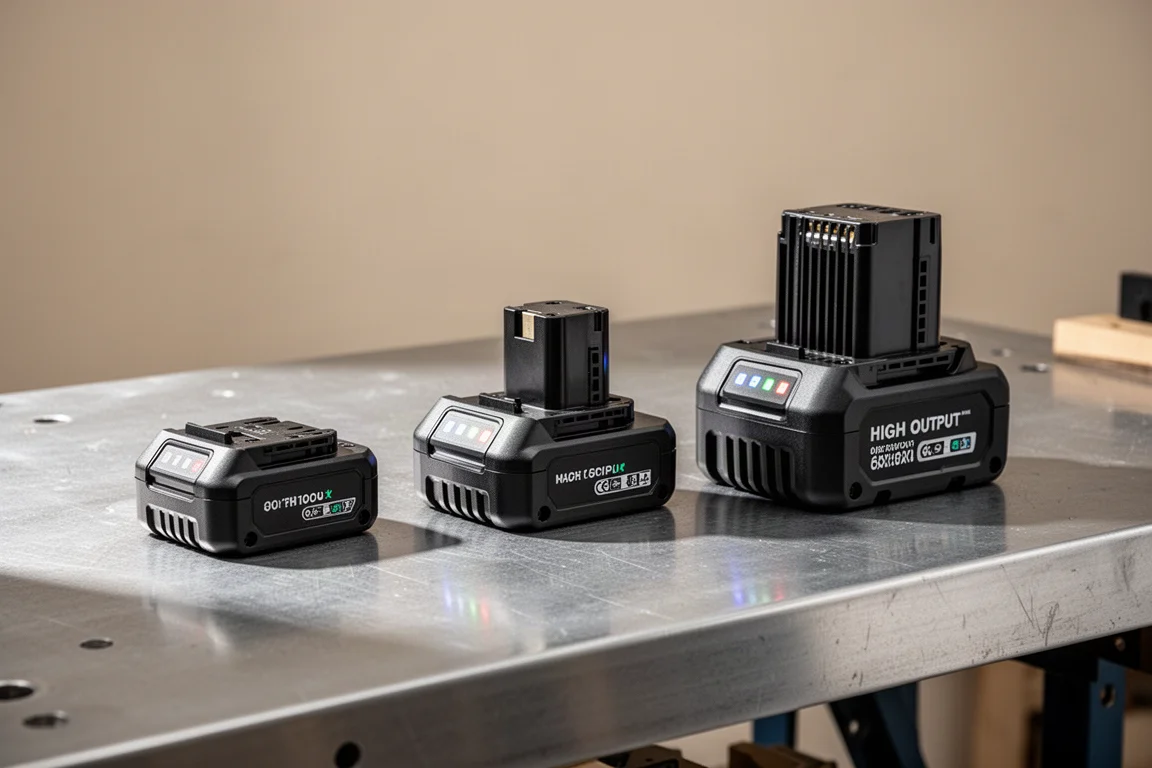
That raises a fair question: if you need a MultiVolt battery to extract maximum speed from an 18V tool, does it make more sense to spend a little more on the 36V tool and get the speed, power, and AC adapter option outright?
Which One Should You Buy?
For many buyers this comes down to budget and what batteries you already own. Metabo HPT still supports its long-time users, including those with older Hitachi packs, with tools that fit those systems at reasonable prices, backed by a lifetime tool warranty.
If you want maximum speed and are willing to pay for it, the 36V Triple Hammer is the clear choice. If the Triple Hammer’s aggressive hammering action is giving you too much of a good thing, such as bending screws, and you want to step down while staying in the same battery ecosystem, the new 18V driver is a very viable option. It is slightly slower but still compares well against many other brands, and in our view it is built better than most tools priced in the same range.
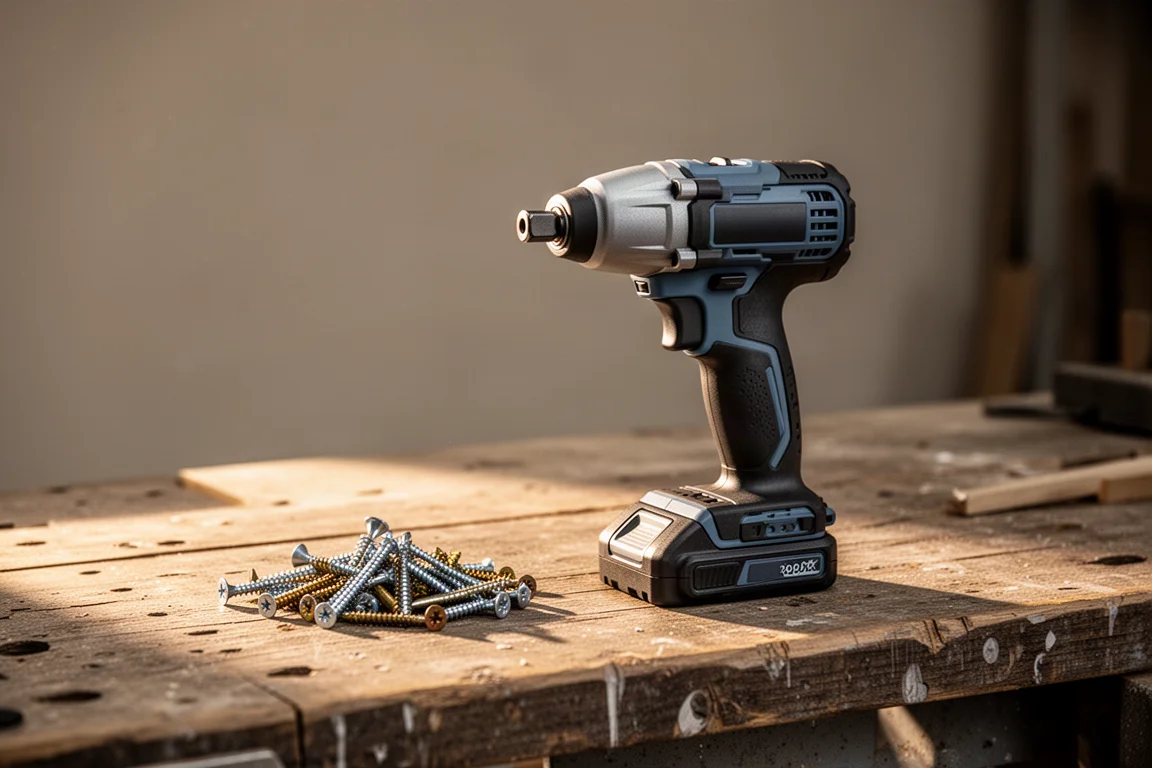
If you prefer a tiny, skinny, longer tool for cabinet work and tight spaces, the older DDX-style form factor may still suit you better. It all comes down to your preferences and the work you do.
Conclusion
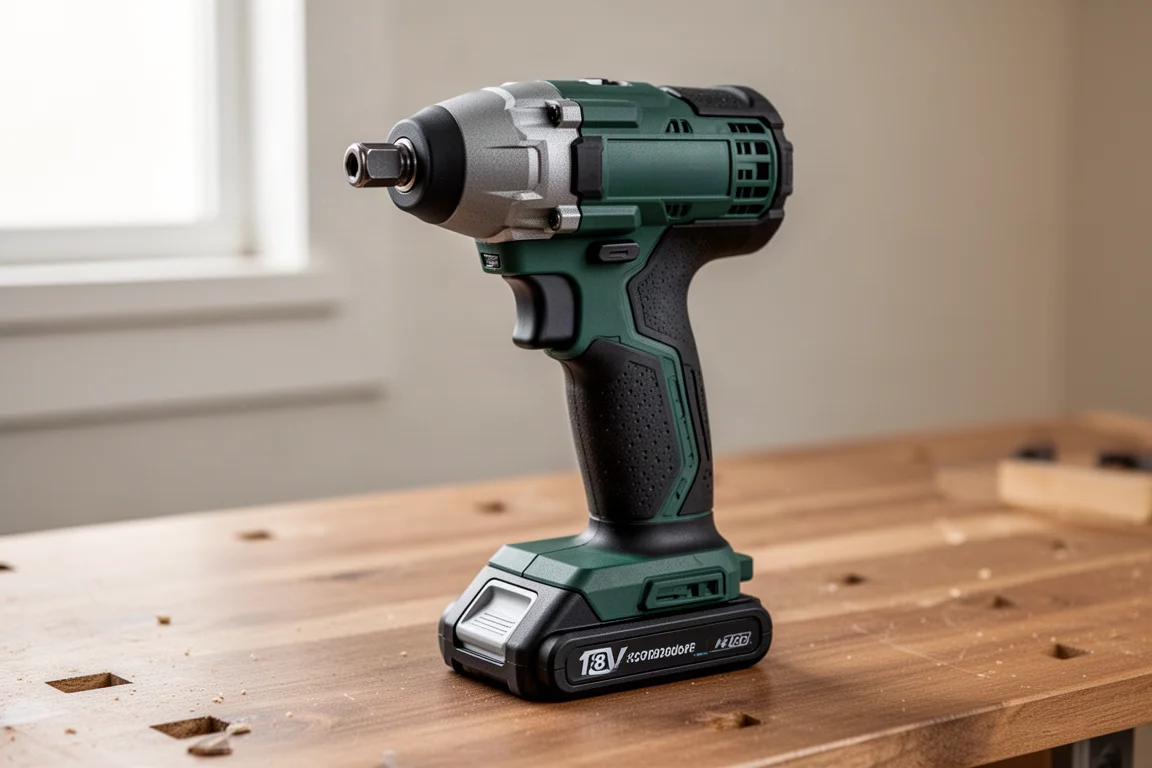
The new 18V model is a genuine improvement over its predecessor, with strong power, an excellent variable speed trigger, and flexibility to run high-output MultiVolt batteries. The 36V Triple Hammer remains the performance benchmark with more torque, more impacts per minute, and AC adapter capability. Pick the 18V for value, control, and a lighter tool, and the Triple Hammer when nothing less than top-tier speed and power will do.
Further reading
Related Reviews

Power Tools
Best 1-Inch Pistol Impact Wrenches: Three Heavy-Duty Options Compared
We compare three 1-inch pistol impact wrenches, from a budget-friendly Harbor Freight model to a premium Caterpillar unit, to help you choose the right one.

Power Tools
Best 3/4-Inch Impact Wrenches 2026: Five Contenders Compared
We compare five 3/4-inch impact wrenches across price and performance, from a budget Amazon option to Snap-on's most powerful model yet.

Power Tools
Best Budget Cordless Tools 2026: Walmart Finds That Punch Above Their Price
We tested five cordless tools from Walmart, including a high-torque impact wrench that trades blows with Milwaukee and a $35 duster that outperforms its price class.