Power Tools
Metabo HPT DV36DA vs Makita XPH14: 36V Hammer Drill Comparison
A head-to-head look at two capable hammer drills, covering size, weight, noise, control, and where each one makes the most sense for your money.
Introduction
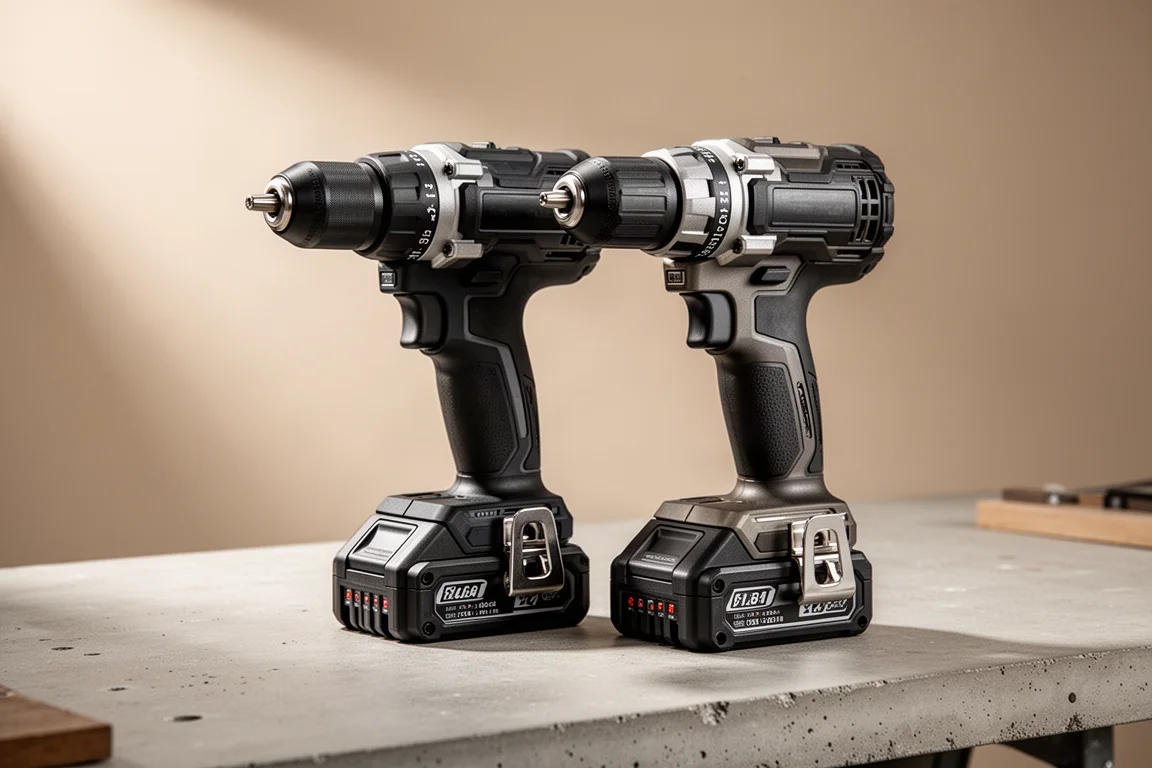
If you have been shopping for a higher-voltage hammer drill, two names keep coming up: the Metabo HPT DV36DA and the Makita XPH14. These are not same-voltage rivals on paper, so the Makita really deserves to be compared against Metabo HPT’s 40V-class XGT offering. But if you already own Metabo HPT batteries and want a capable 36V-class hammer drill without paying XGT money, the DV36DA becomes a very interesting proposition.
One of these drills stands out on raw power and refinement, while the other wins hard on value and control. Here is how they compare in the areas that actually matter when you pull a drill out of the bag on a job site.
Size, Weight, and Handling
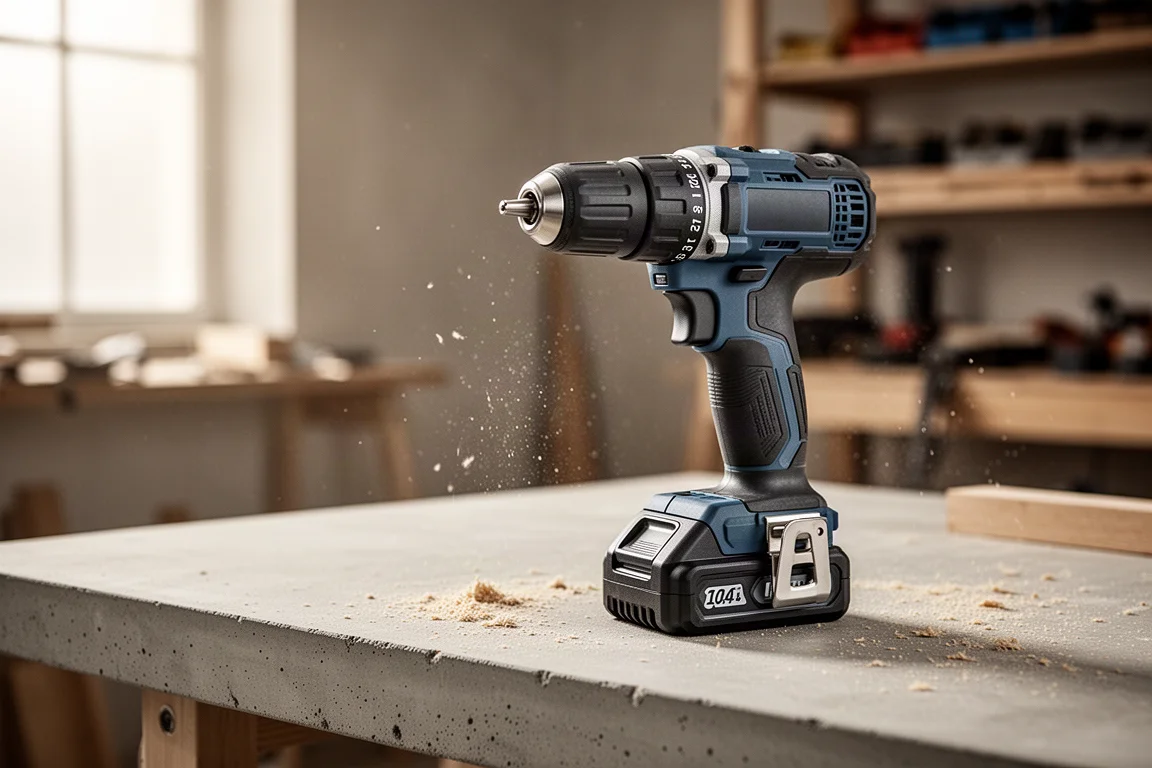
Put them back to back and the difference is immediately visible. The Metabo HPT DV36DA measures about 8.25 inches head to tail, while the Makita XPH14 comes in at roughly 7.25 inches, so the Makita is about a full inch more compact.
Without batteries, the two are almost identical: the Metabo HPT weighs 3 pounds 10.10 ounces and the Makita 3 pounds 10.2 ounces. Both were tested with a 5.0Ah 18V pack (or 2.5Ah at 36V on the Metabo HPT’s MultiVolt system), so real-world battery weight is effectively a wash. The compact Makita is simply easier to tuck into tight spots, while the slightly longer Metabo HPT is not awkward enough to rule out.
Drilling Performance and Control
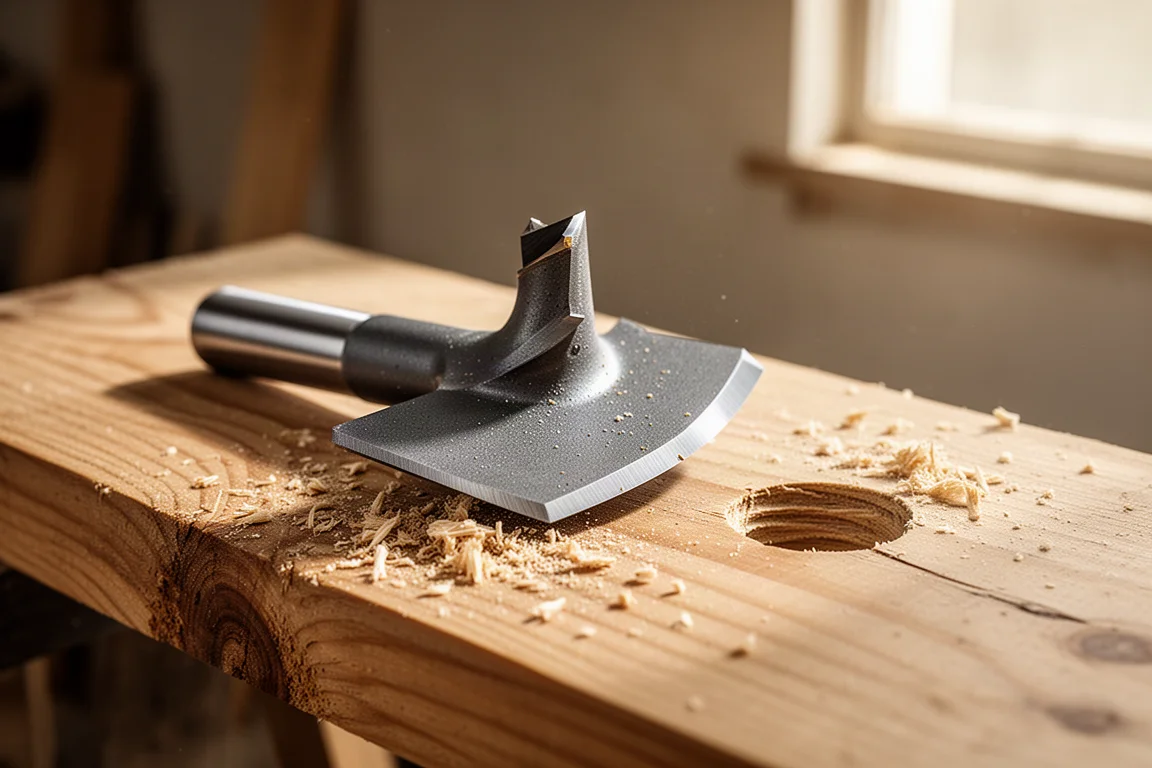
Neither drill is short on muscle. The Makita does carry a higher torque rating, roughly 30 to 40 inch-pounds more, and in side-by-side boring tests with a one-inch spade bit in drill mode, the Makita felt like it had slightly more raw power. It is not a dramatic difference, but you can feel it.
Where the Metabo HPT fights back is control. Its trigger is noticeably more sensitive at the low end, letting you feather the motor down to an impressively slow crawl. It also features Reactive Force Control (RFC), which stops the drill from wrenching out of your hands if the bit catches. This is the same idea as the over-torque safety on newer flagship drills from other brands, but Metabo HPT has offered it for quite a while.
That reactive-force management gives the Metabo HPT a controlled, almost self-damping feel under load. It is comfortable enough to run one-handed with confidence, whereas the Makita makes you want both hands on it to keep it from twisting free. If you value a drill that pulls less out of your grip, the Metabo HPT has a real edge here.
Build Quality and Everyday Details
The Makita feels like the more refined tool overall, and the comparison confirms it has a better-built character. The Metabo HPT has not let anything down either, but the fit and finish go to Makita.
Noise is a genuine difference too. In second (high) speed, the Makita sounds like a normal drill, while the Metabo HPT’s motor has a louder, slightly annoying pitch. It will not affect performance, but be aware that the DV36DA is noticeably louder in use.
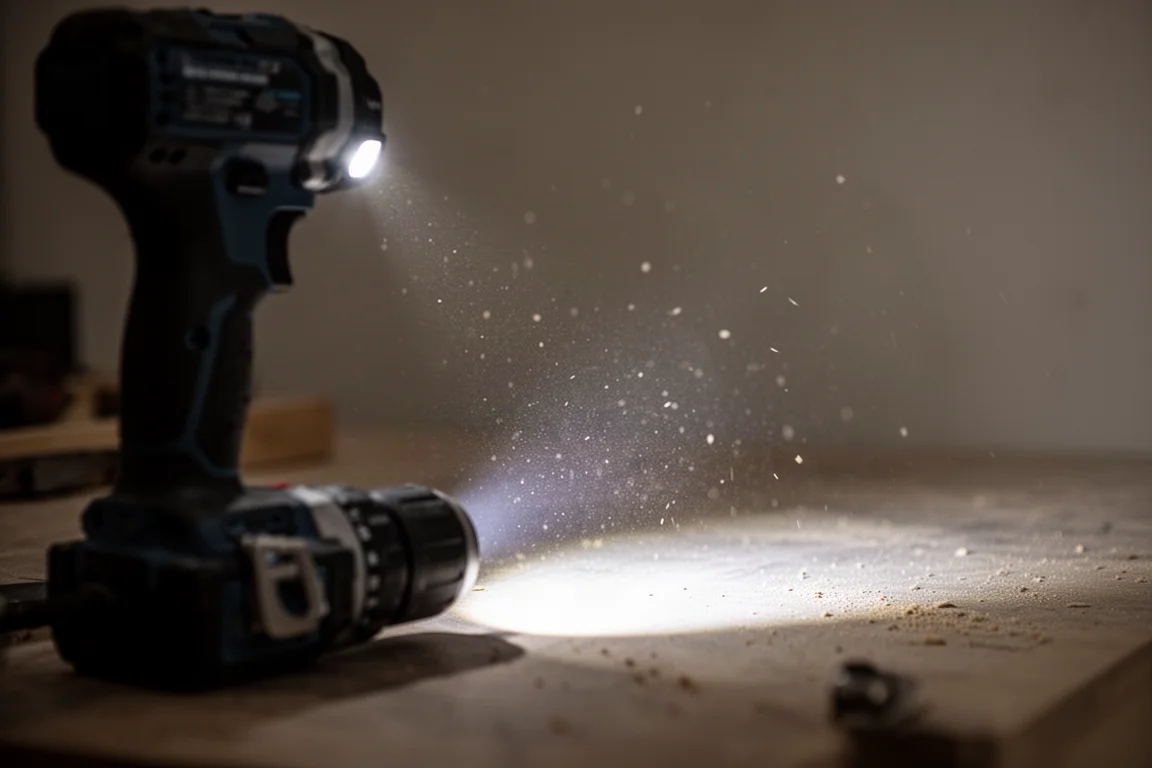
Lighting placement is another small but daily annoyance. Makita positions its LED just below the chuck, which is exactly where it should be. Metabo HPT puts its light lower on the body, which shines directly into your eyes when you glance down at the tool. It sounds minor until you work under a sink or inside a cabinet.
One more thing worth knowing: the DV36DA is not IP56 rated, even though some of Metabo HPT’s impact drivers carry that protection. Do not buy it expecting dust-and-water sealing.
Value: Where the Metabo HPT Shines
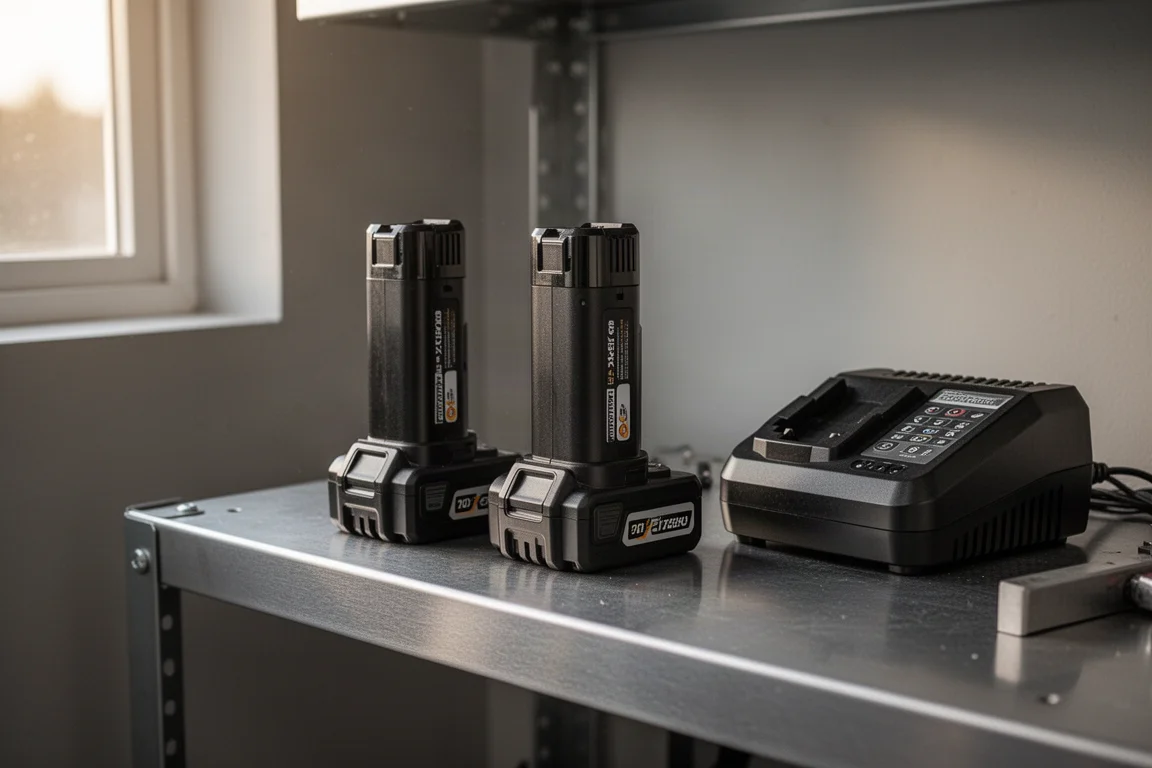
This is where the comparison tilts. At full retail with two MultiVolt batteries, the Metabo HPT kit runs around $200, and the drill alone is not cheap. But because Metabo HPT tools do not hold resale value well, the second-hand market is full of bargains. Brand-new open-box DV36DA units regularly show up for $60 to $80, and it is easy to find these deals on Amazon or eBay.
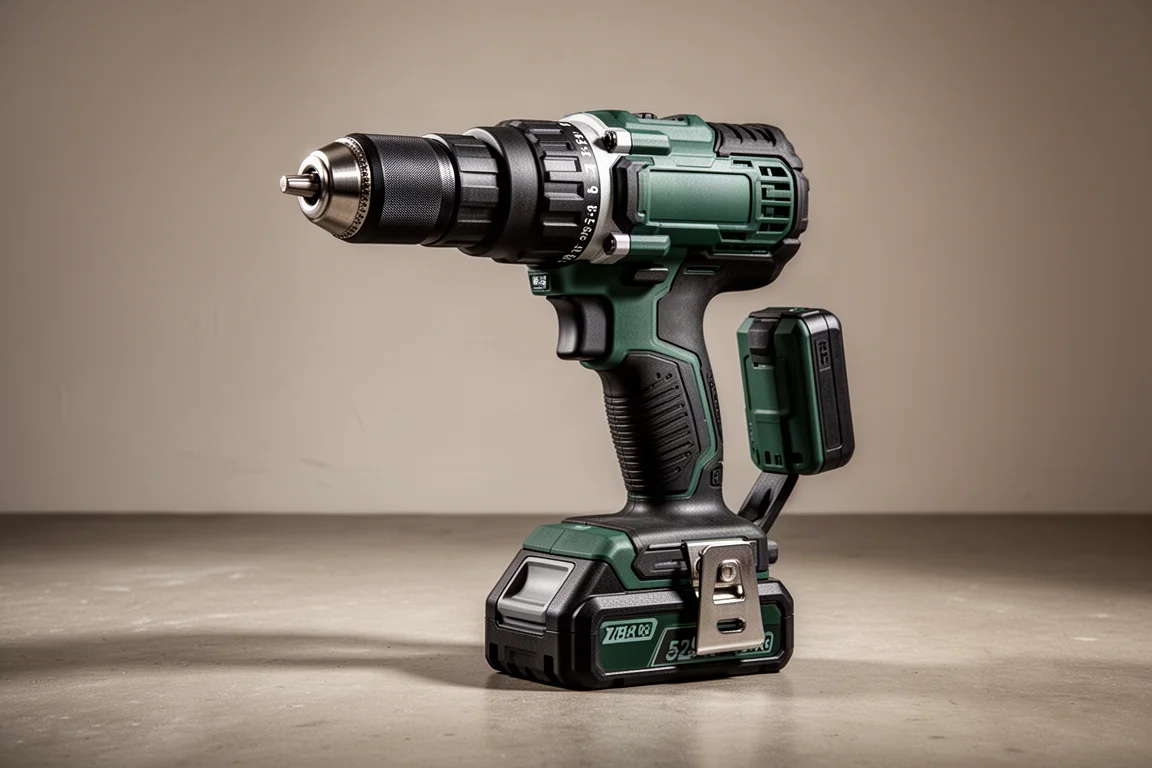
Makita XPH14
The XPH14 is the drill you buy when you want the more powerful, more compact, better-built tool and are willing to pay for it. The extra torque, tighter footprint, ideal LED placement, and quieter motor all add up to a clear step up from the Metabo HPT.
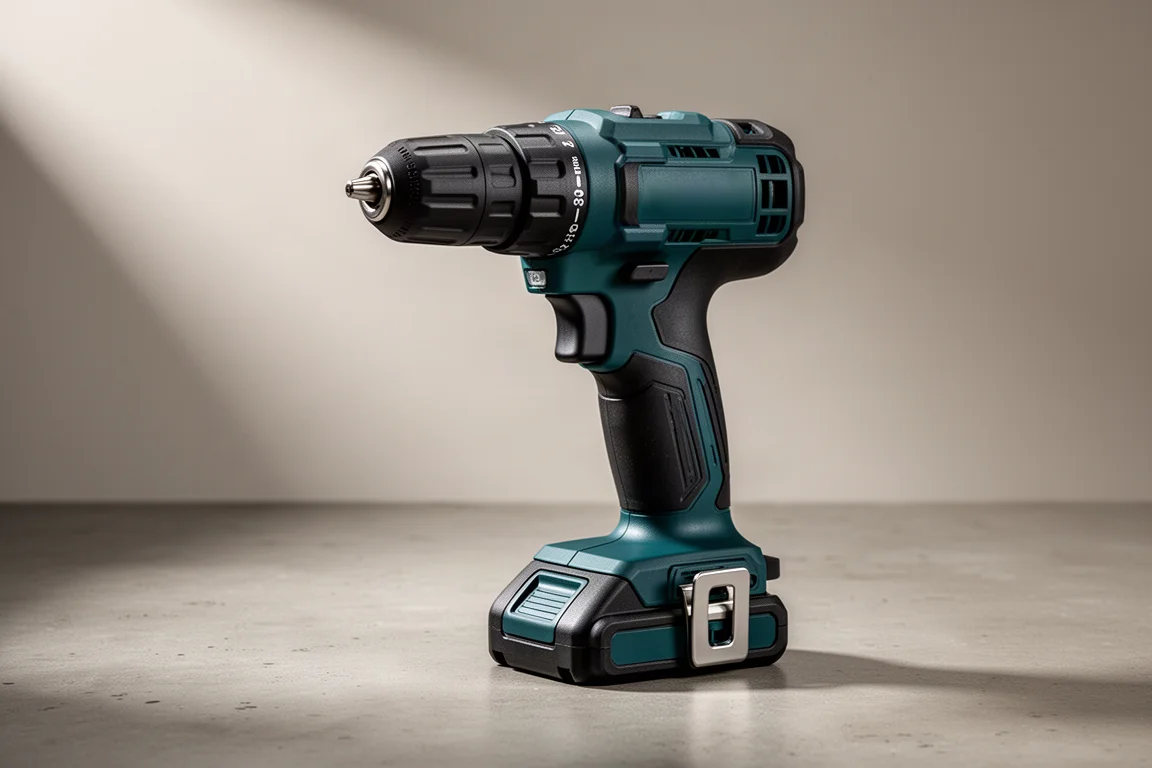
Which One Should You Buy?
The Makita XPH14 is the better drill on pure merit: more compact, more torque, quieter, and more refined. If you are starting fresh and want the stronger tool, it is the safer pick.
The Metabo HPT DV36DA is the smarter buy for a different kind of buyer. If you already have MultiVolt batteries sitting around, picking up a discounted DV36DA lets you add a capable hammer drill for very little money. It is a great candidate for a dedicated masonry or jobsite beater: mixing concrete, drilling plaster, and the kind of grunt work you would rather not do with a premium drill.
Conclusion
Between the Metabo HPT DV36DA and the Makita XPH14, the Makita is a genuine step up in power, size, and build. But the Metabo HPT counters with superb trigger control, reactive force protection, and prices on the used market that make it one of the best value hammer drills around. Match the tool to your situation: refined performance for the Makita, unbeatable value for the Metabo HPT.
Further reading
Related Reviews
Power Tools
Best 1-Inch Pistol Impact Wrenches: Three Heavy-Duty Options Compared
We compare three 1-inch pistol impact wrenches, from a budget-friendly Harbor Freight model to a premium Caterpillar unit, to help you choose the right one.
Power Tools
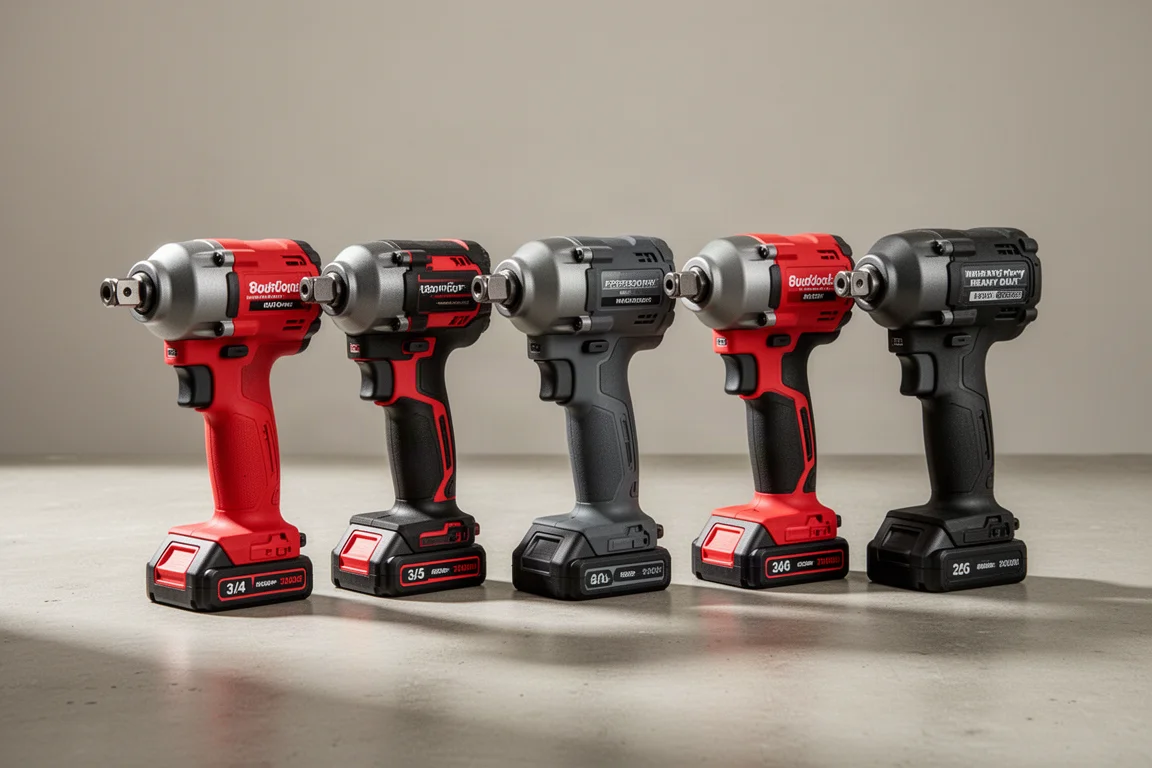
Best 3/4-Inch Impact Wrenches 2026: Five Contenders Compared
We compare five 3/4-inch impact wrenches across price and performance, from a budget Amazon option to Snap-on's most powerful model yet.
Power Tools
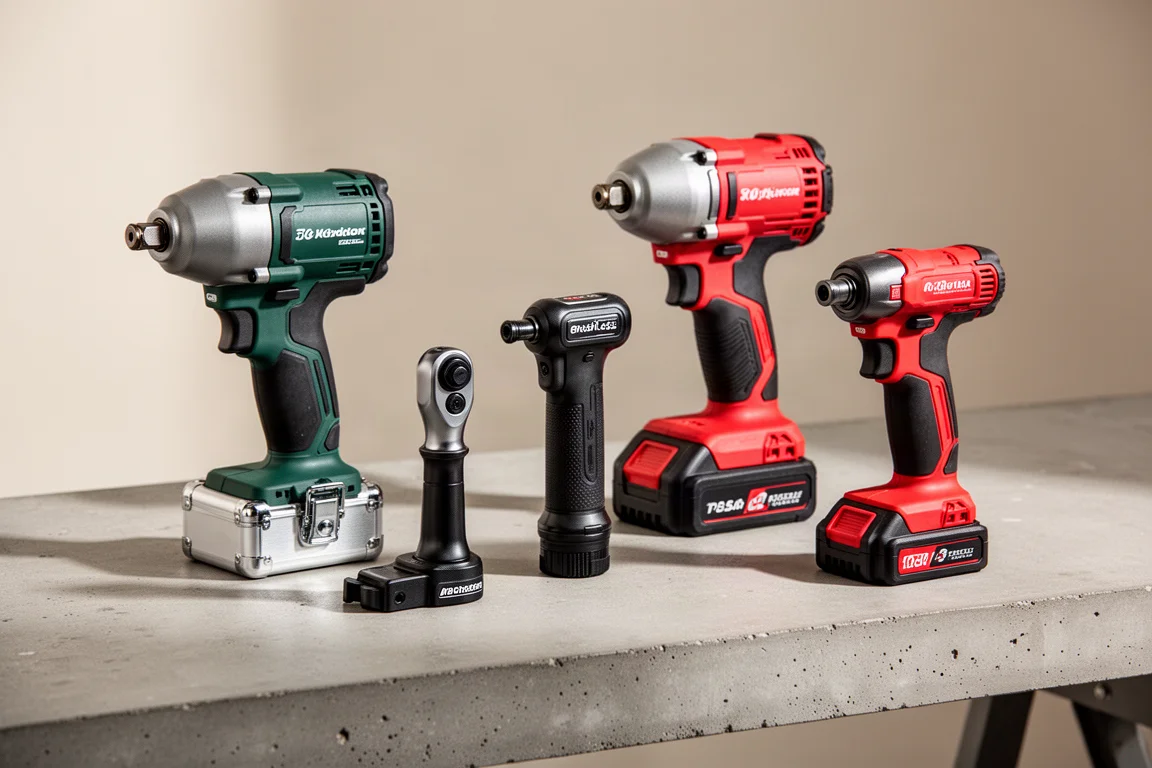
Best Budget Cordless Tools 2026: Walmart Finds That Punch Above Their Price
We tested five cordless tools from Walmart, including a high-torque impact wrench that trades blows with Milwaukee and a $35 duster that outperforms its price class.