Power Tools
Metabo HPT Drill Comparison: Sub-Compact vs Compact vs Heavy Duty Hammer Drill
Three Metabo HPT drills covering every job site need. Here is how to pick the right size instead of defaulting to the most powerful one.
Introduction
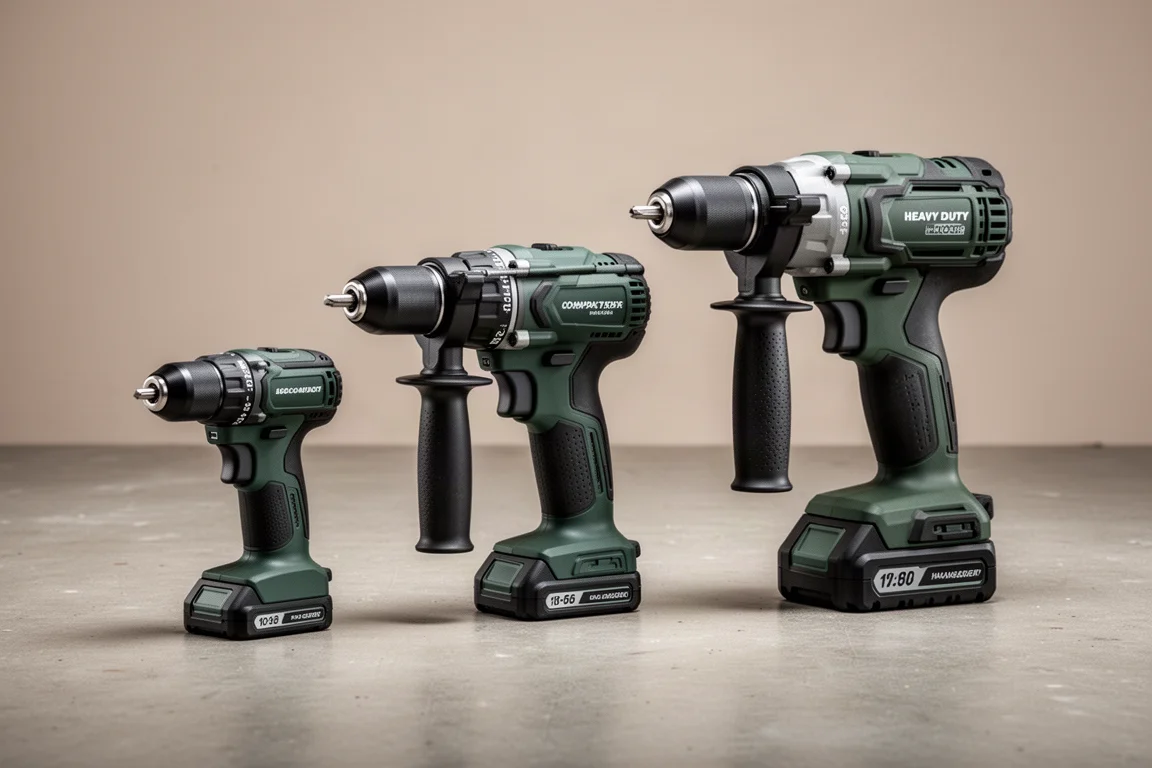
Metabo HPT offers three drills that can look almost identical on a spec sheet: a sub-compact drill, a compact hammer drill, and a heavy duty hammer drill. The easy mistake is assuming the most powerful option is always the best buy. In practice, each of these drills is the right tool for a different kind of work, and choosing by job rather than by muscle matters more than most people expect.
A useful way to picture the lineup is in truck terms: the sub-compact is the nimble pickup for daily errands, the compact hammer drill is the all-rounder F-150 style middle option, and the heavy duty hammer drill is the F-250 class workhorse built for sustained loads.
Do You Actually Need a Hammer Drill?
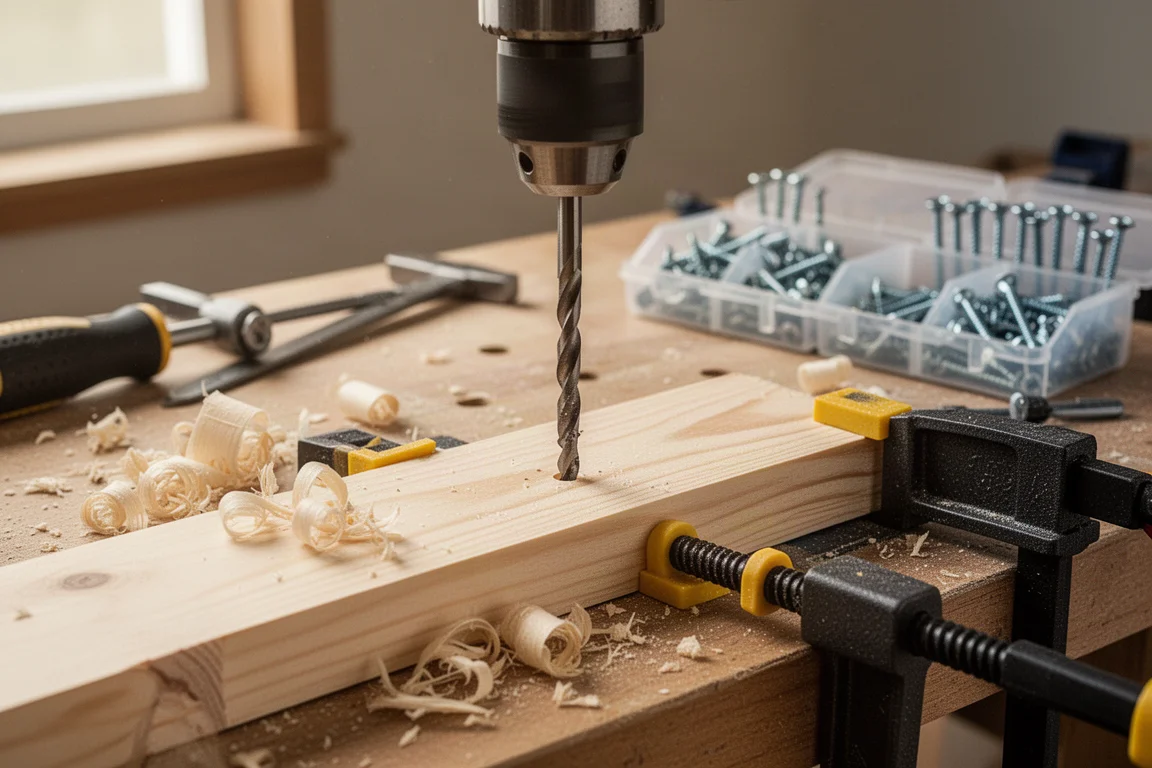
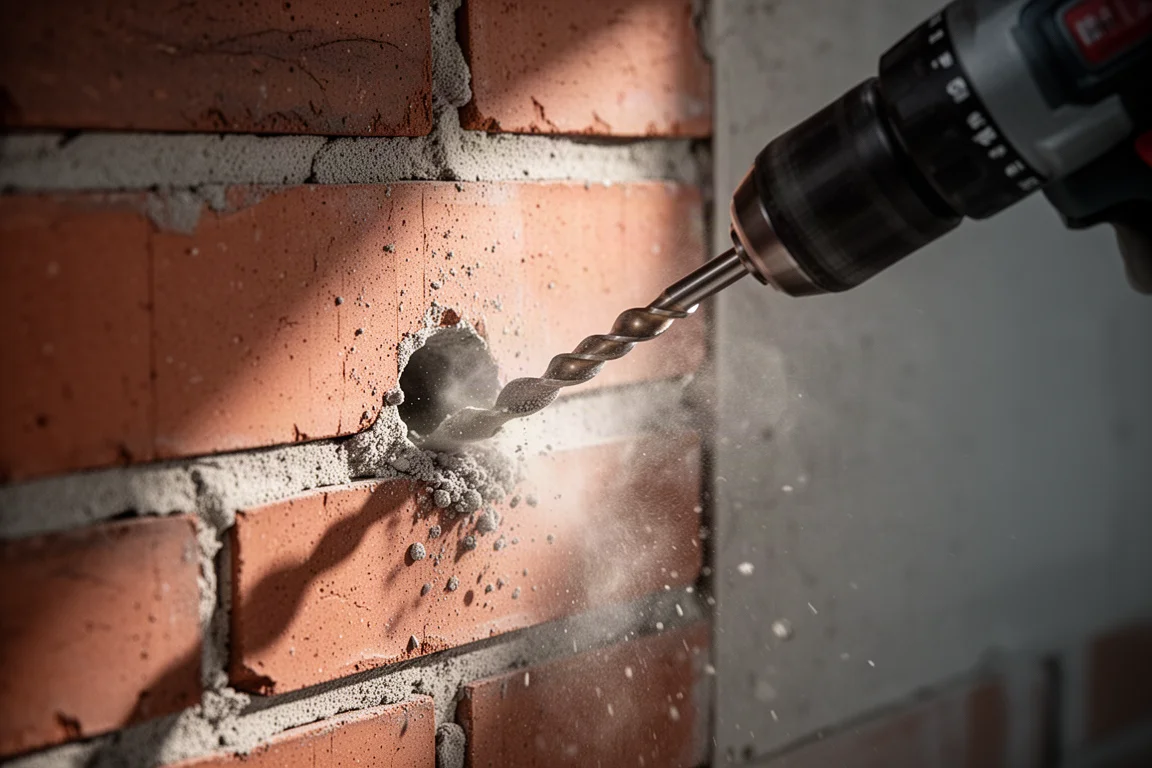
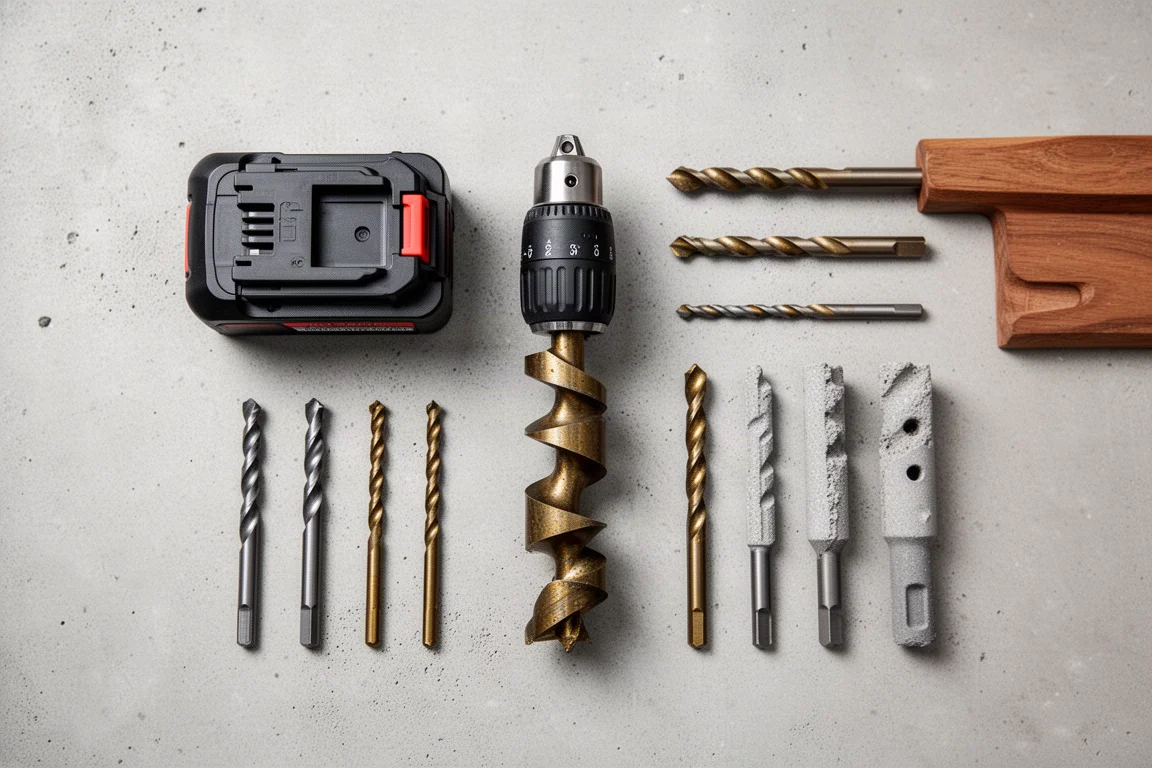
Before comparing sizes, it helps to clear up what a hammer drill actually does. The hammer function pushes the drill bit forward and backward rapidly while it spins, which helps the bit chew through masonry such as concrete and brick faster. It is not a requirement for most buyers. You can absolutely drill masonry holes with a plain sub-compact drill. It is slower and less efficient, but it works, especially for occasional small holes.
The hammer function earns its keep when you are drilling larger holes, or drilling a lot of them. If your projects regularly involve anchoring into concrete or brick, the time and effort savings are significant.
Why Smaller Drills Earn Their Place
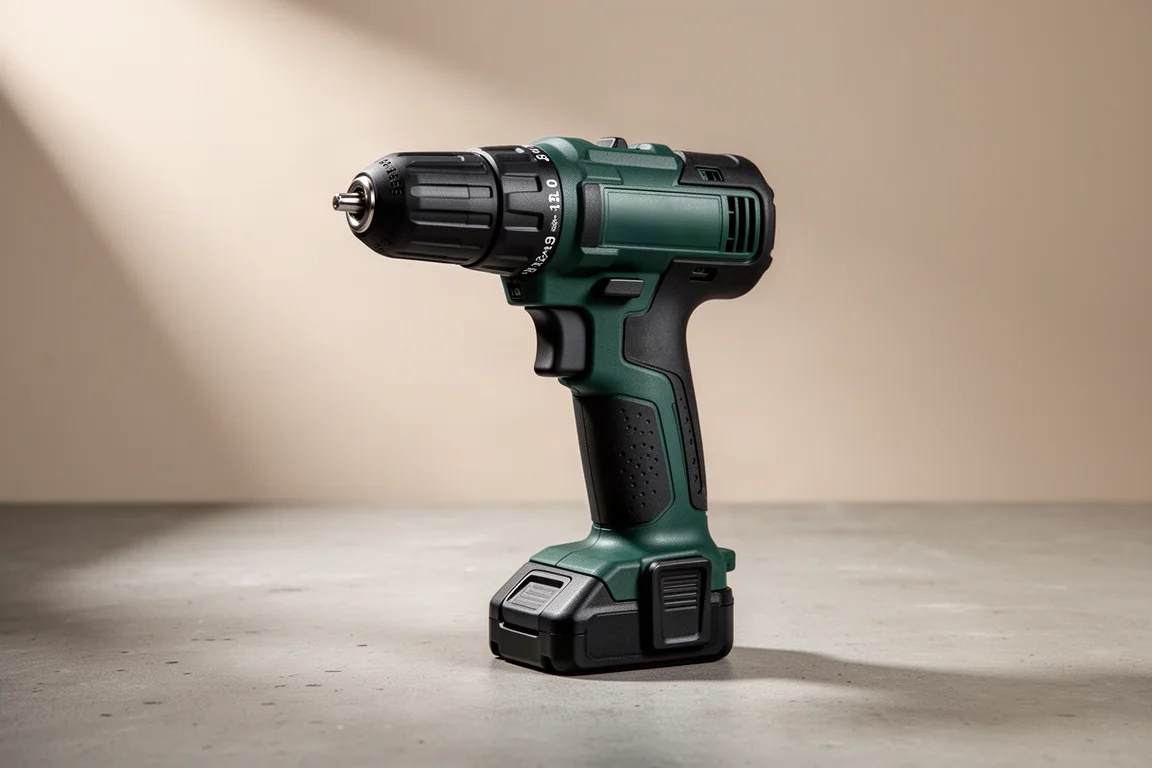
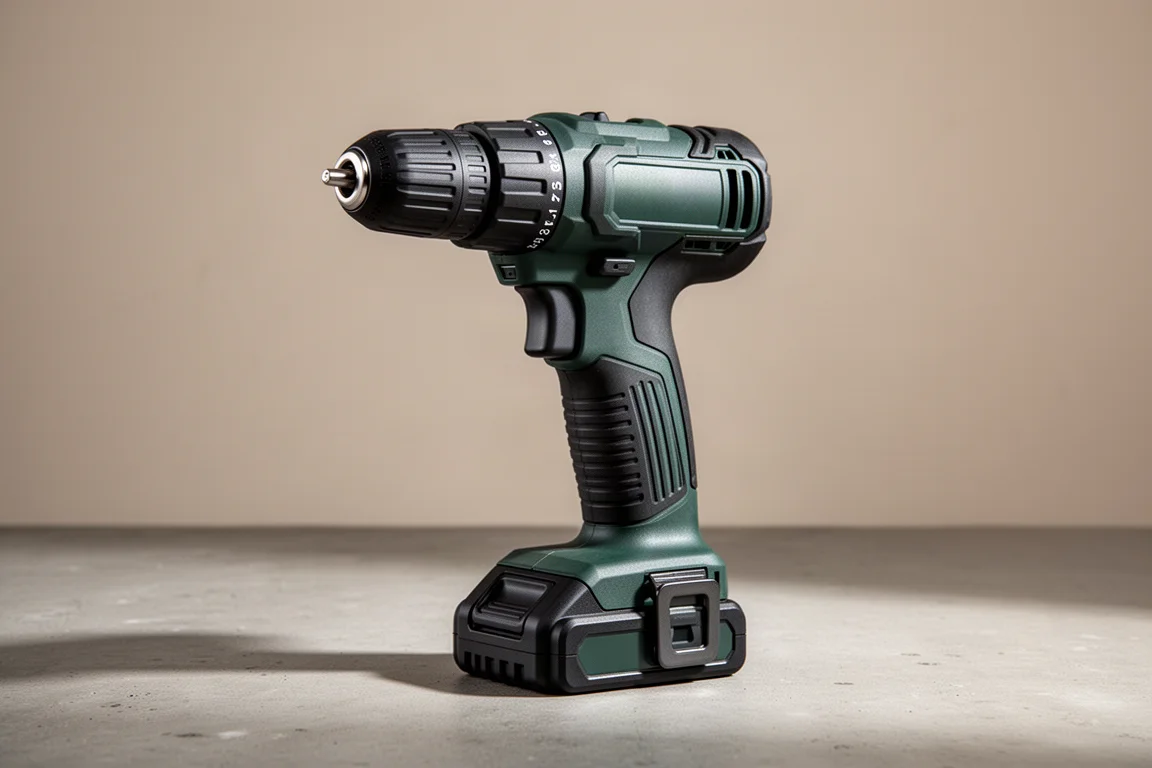
The counterintuitive lesson from spending time with all three: the smaller drills become surprisingly hard to put down. A sub-compact drill fits naturally in the hand, almost feeling like an extension of it, and for tasks like drilling pilot holes in wood or small pieces of metal, the bigger and heavier options add nothing but fatigue.
For woodworking, go-kart and mini bike projects involving small metal parts, and general home DIY, a sub-compact handles the job without strain. The sub-compact is the drill that tends to get picked up most often, simply because it is the lightest and most comfortable for everyday work.
The Middle Option: Compact Hammer Drill
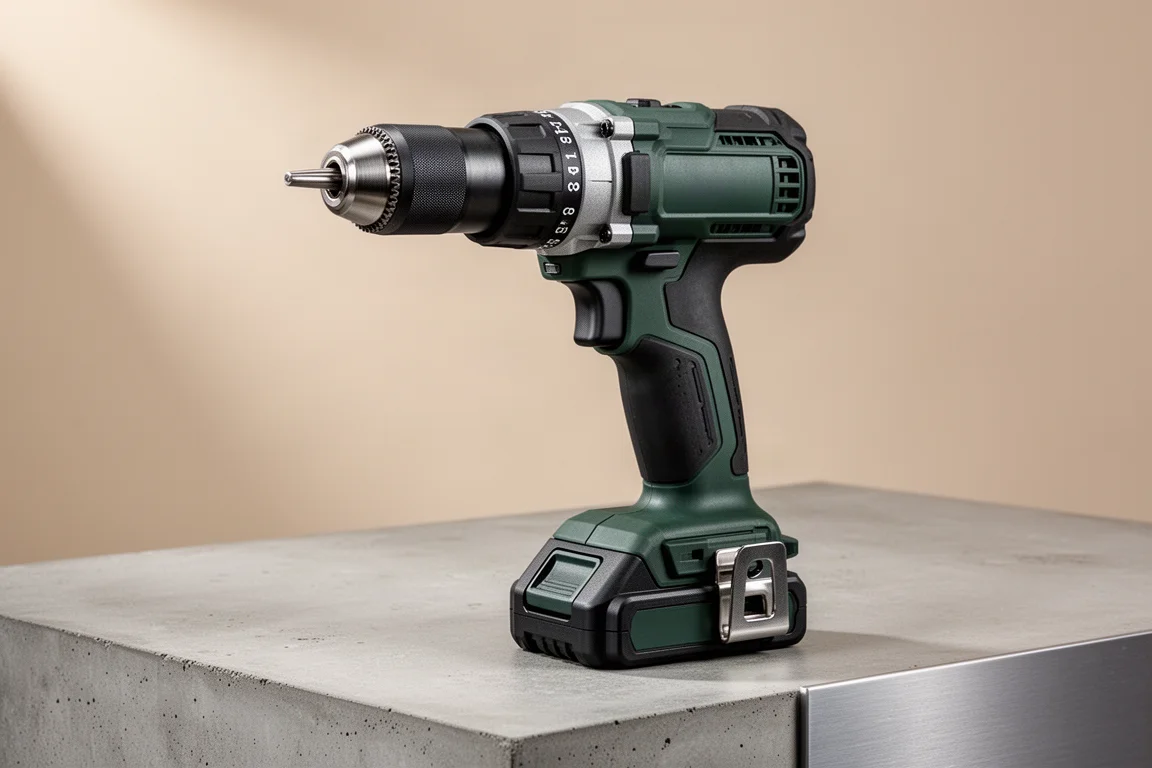
The compact hammer drill sits between the two extremes. It is more compact and capable than the heavy duty model but more powerful than the sub-compact, and it adds the hammer function for occasional masonry. That sounds ideal on paper, but it also means it is not the best at any single task. The sub-compact is lighter and nimbler; the heavy duty drill is stronger. Think of it as a Swiss army knife: it can do everything, but for any one specific job there is usually a better-suited tool.
That said, if you can only buy one drill from this lineup, the compact hammer drill is the sensible default because it covers the widest range of situations.
The Heavy Duty Option: When Power Pays
The heavy duty hammer drill is the pro-grade pick. When the job calls for a batch of masonry anchors, it saves a serious amount of time and physical effort compared with pushing a smaller drill through every hole by hand. For anyone splitting their work evenly between wood pilot holes and masonry, keeping a heavy duty hammer drill on hand is simply the practical choice.
The trade-off is weight and bulk, which is exactly why many people end up carrying both a heavy duty drill and a sub-compact: use each where it performs best.
Buying Advice: Pick the Drill That Matches Your Work
The decision framework is straightforward. If you will never touch masonry, go for the smaller drill. If masonry work is a regular part of your projects, go for the larger hammer drill. If you want one drill that can handle a bit of everything and this is your only purchase, the compact hammer drill is probably your best bet.
Also worth knowing: nearly every major brand follows this same three-size structure, though some brands skip the sub-compact tier at their main voltage and only offer small drills in their compact 12-volt-style lines.
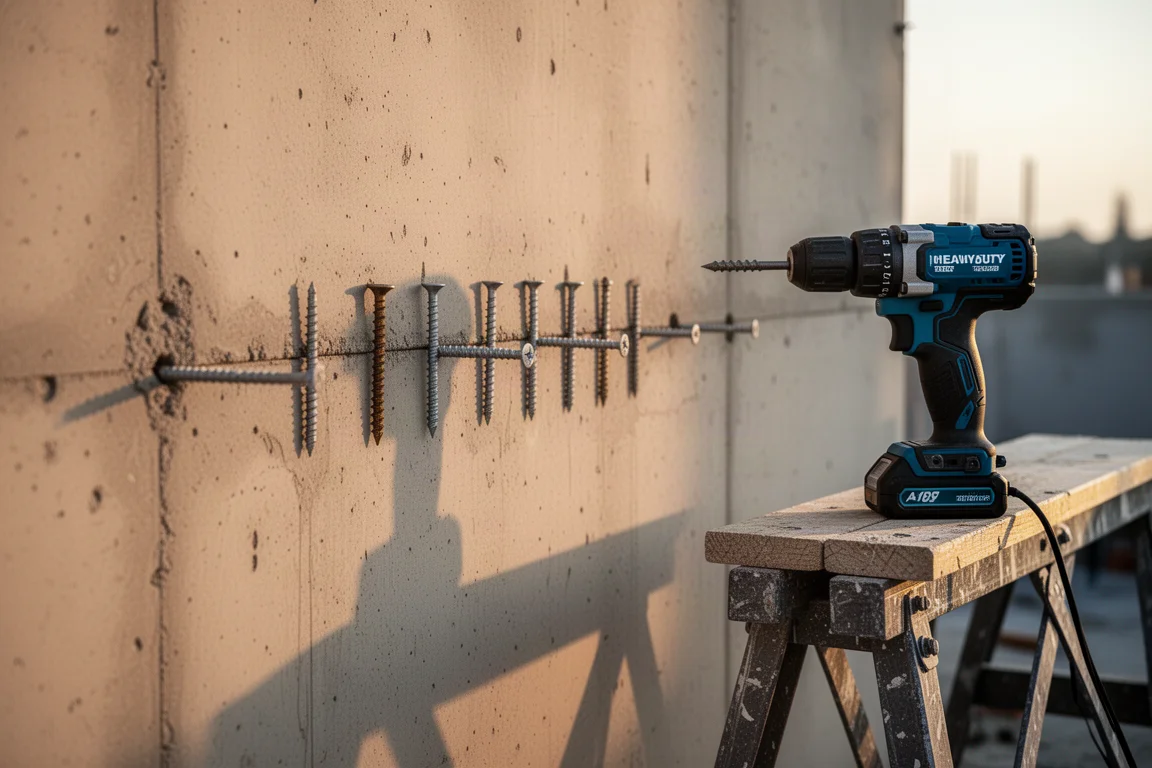
Owning two drills, one heavy duty and one sub-compact, is a setup worth considering if your work spans both light DIY and demanding masonry. It costs more up front, but it means you always have the best tool for the job in hand.
Conclusion
All three Metabo HPT drills share the same core feature set, so the choice comes down to size and the hammer function. The sub-compact wins on comfort and everyday convenience, the heavy duty hammer drill wins on power and masonry speed, and the compact hammer drill is the do-everything compromise. Match the drill to the work you actually do, and none of these will disappoint.
Further reading
Related Reviews
Power Tools
Best 1-Inch Pistol Impact Wrenches: Three Heavy-Duty Options Compared
We compare three 1-inch pistol impact wrenches, from a budget-friendly Harbor Freight model to a premium Caterpillar unit, to help you choose the right one.
Power Tools
Best 3/4-Inch Impact Wrenches 2026: Five Contenders Compared
We compare five 3/4-inch impact wrenches across price and performance, from a budget Amazon option to Snap-on's most powerful model yet.
Power Tools
Best Budget Cordless Tools 2026: Walmart Finds That Punch Above Their Price
We tested five cordless tools from Walmart, including a high-torque impact wrench that trades blows with Milwaukee and a $35 duster that outperforms its price class.