Power Tools
Metabo HPT CV18DA vs Makita XMT03: Two Cordless Oscillating Multi-Tools Compared
A practical comparison of the Metabo HPT CV18DA and Makita XMT03 oscillating multi-tools, covering power, vibration, blade changes, and warranty to help you pick the right one.
Introduction
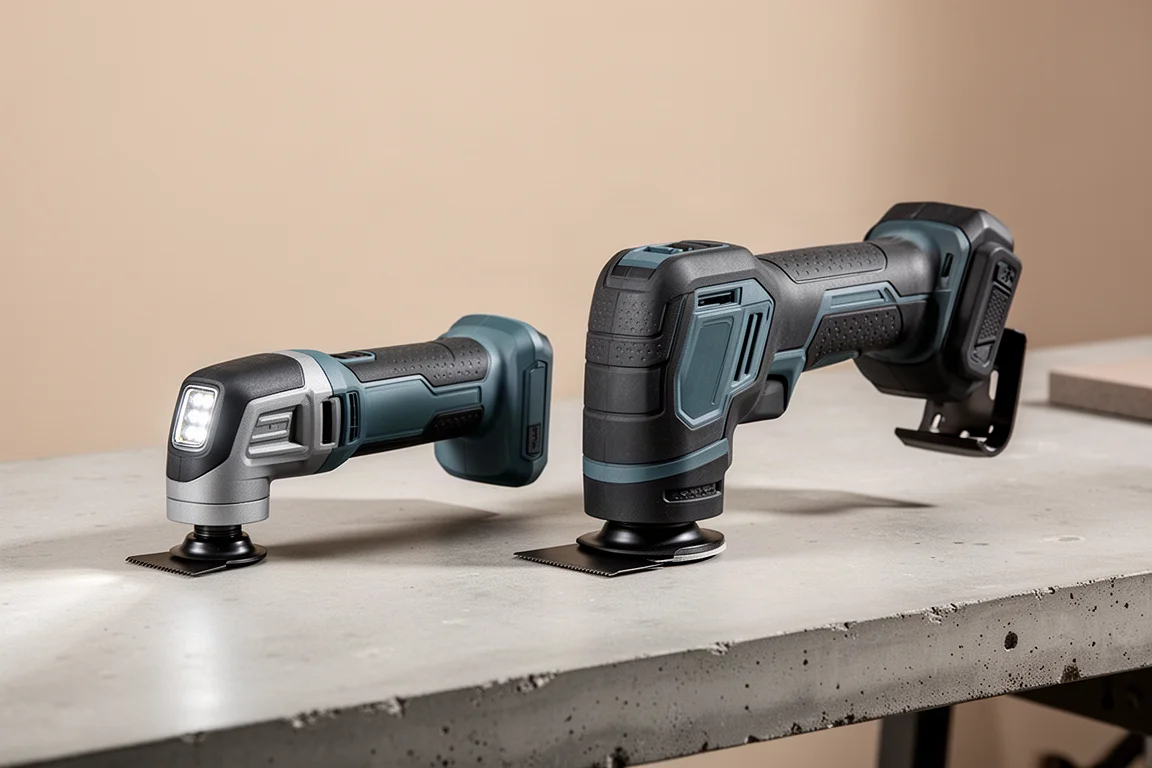
Oscillating multi-tools are the kind of tool most of us only reach for when nothing else will do the job. That is exactly why it matters to pick one that is comfortable, quiet, and quick to change blades. Two cordless options worth comparing right now are the Metabo HPT CV18DA and the Makita XMT03, and after putting both through the same cutting tasks, one clearly comes out ahead for most buyers.
Two Multi-Tools, One Clear Pick
The Metabo HPT CV18DA is the newer of the two, priced around $99 at launch and still on sale at the time of testing. That puts it in the same territory as entry-level brands, but from a more mid-range tool maker. It also carries Metabo HPT’s lifetime limited warranty on the tool itself, though note the fine print: batteries carry a two-year warranty, chargers a one-year warranty, and grinders are covered for one year as well. The warranty structure is a little confusing, but the tool coverage is genuinely generous.
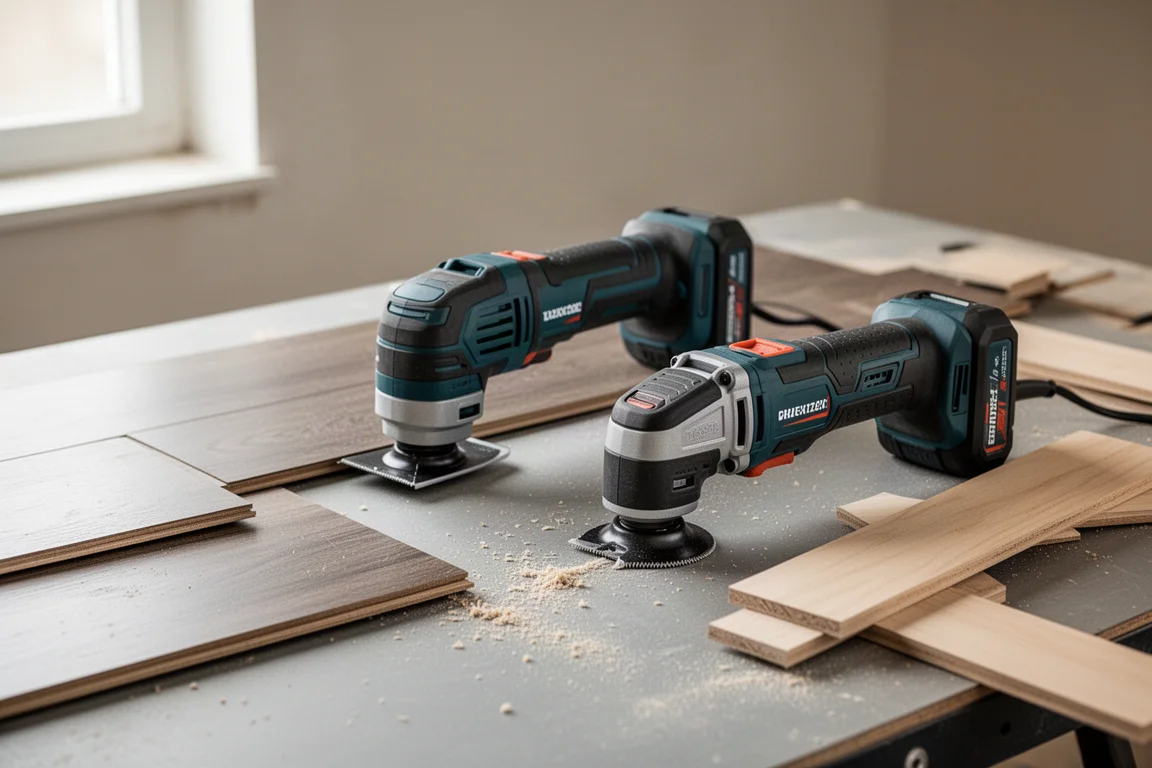
The Makita XMT03 is the 18V option here, a step up in price and a tool Makita owners will already be familiar with. Makita is well known for ergonomic, reliable tools, which makes what follows all the more surprising. Anyone who prefers a one-brand battery system may still lean Makita, but the comparison shows a clear gap in design and performance.
Blade Changes: The Makita Starlock Lever Problem
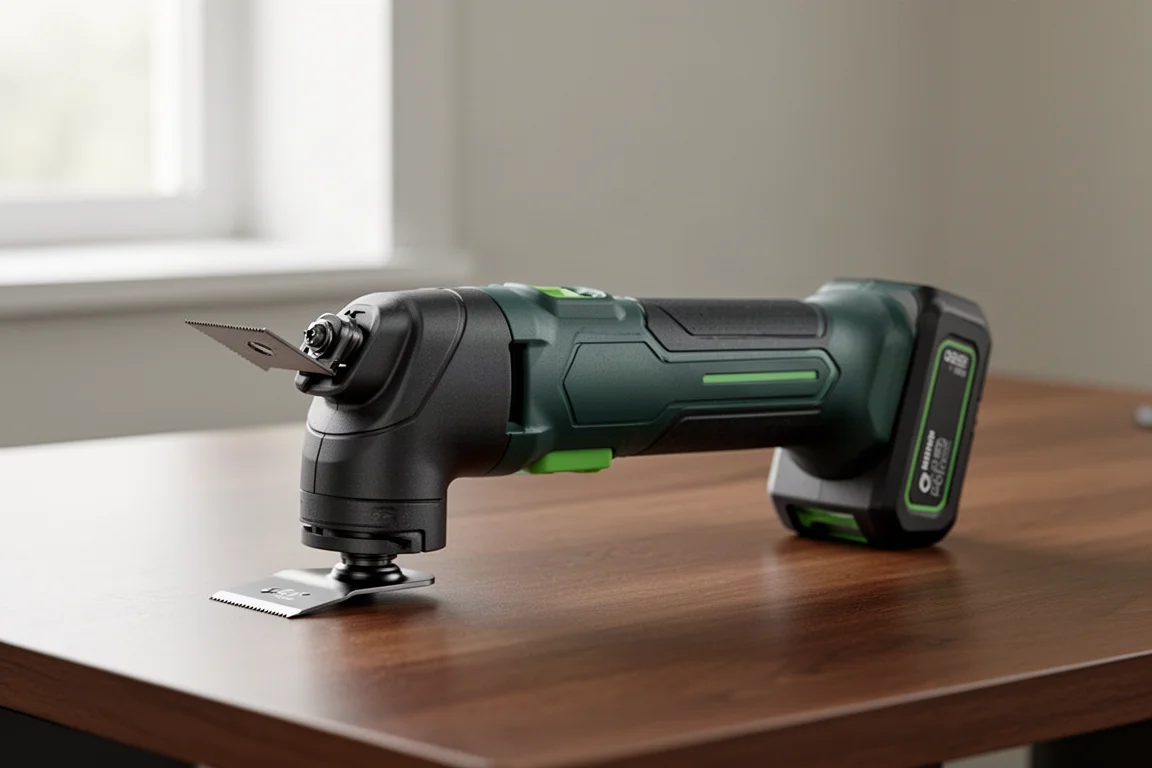
Blade changes are where the two tools differ most dramatically. The Makita uses a lever system built around its Starlock approach: you pull the lever down, the blade comes out (sometimes stubbornly), you fit the new blade, then lock everything back down. It is a slow, fussy process, and the lever takes a lot of motion to operate. Even a dedicated Makita fan would struggle to call this a great design.
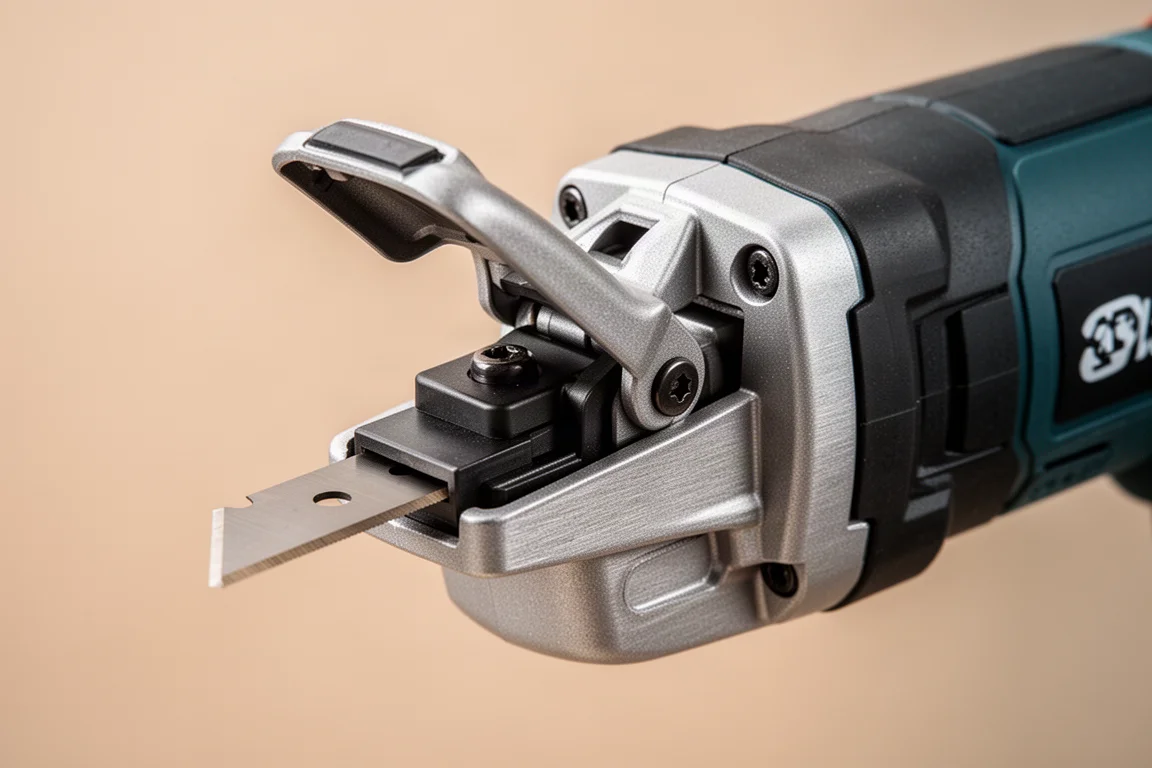
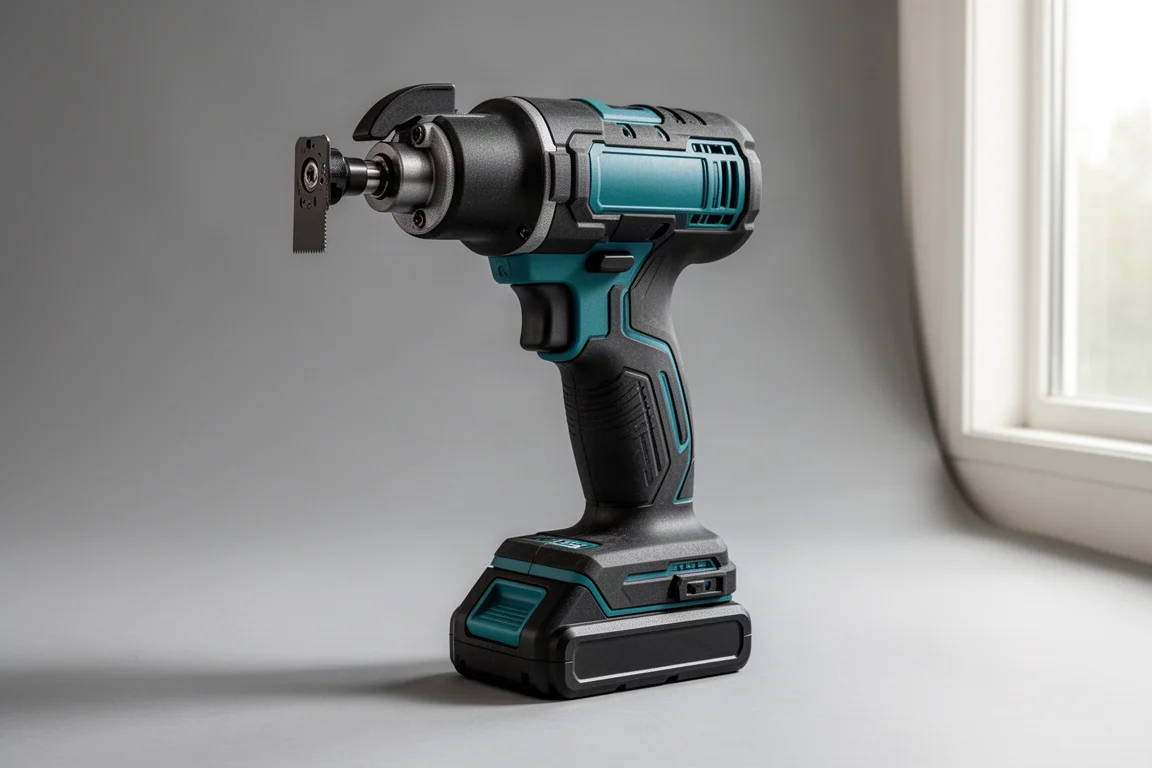
Metabo HPT improves on this idea noticeably. The CV18DA’s lever opens easily with far less travel, and it does not need to swing all the way up like the Makita’s. Any blade with an opening in the back slides straight on. The included blade is slightly different because it lacks that rear opening: you rotate a small piece, the holder pops out, fit the blade, rotate it back clockwise, and snap it into place. It is still simpler and faster than the Makita’s procedure.
Cutting Performance and Vibration
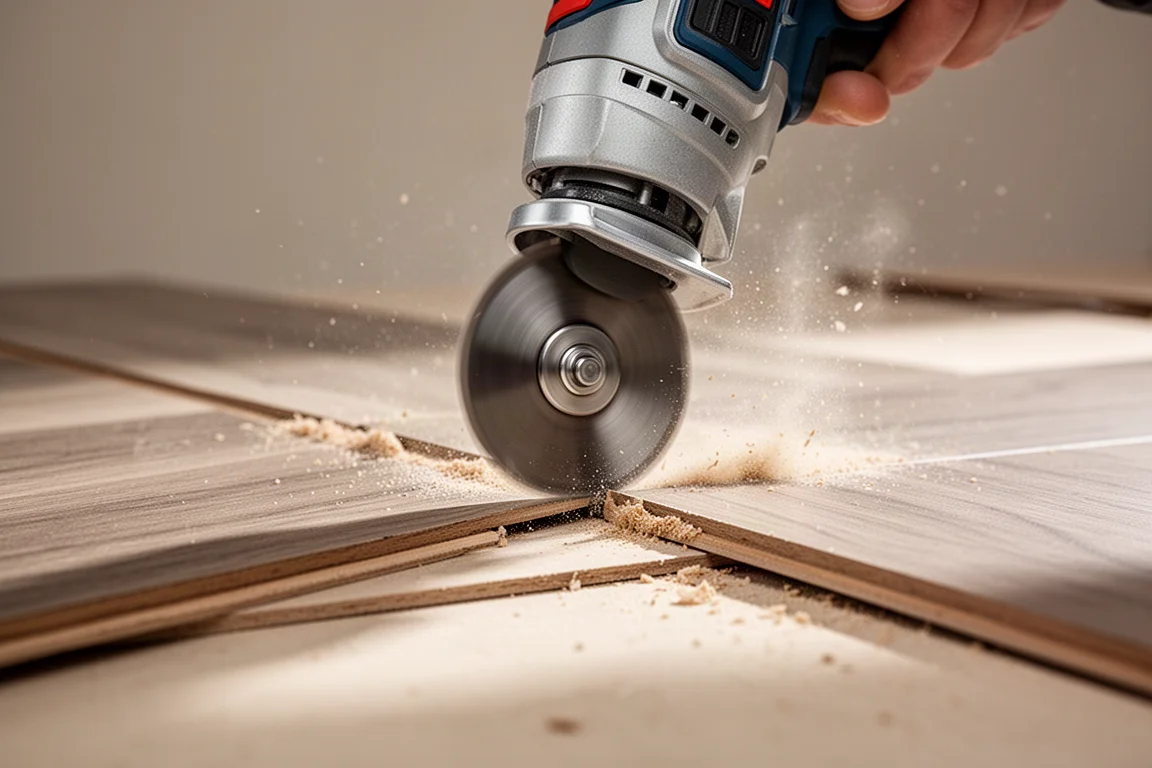
Both tools offer six speed settings, so the head-to-head test was straightforward: the same blade, both tools at speed six, cutting through laminate flooring. The Metabo HPT finished noticeably quicker and felt very smooth throughout.
The Makita, by contrast, produced much more noticeable vibration. After cutting, the hand felt a little tingly, and the tool tended to shake itself off the cutting surface, making it harder to keep the blade where you wanted it. Interestingly, when it comes to vibration alone in hand, the two actually feel fairly close, with the Metabo having a slight edge, but under real cutting load the difference becomes obvious.
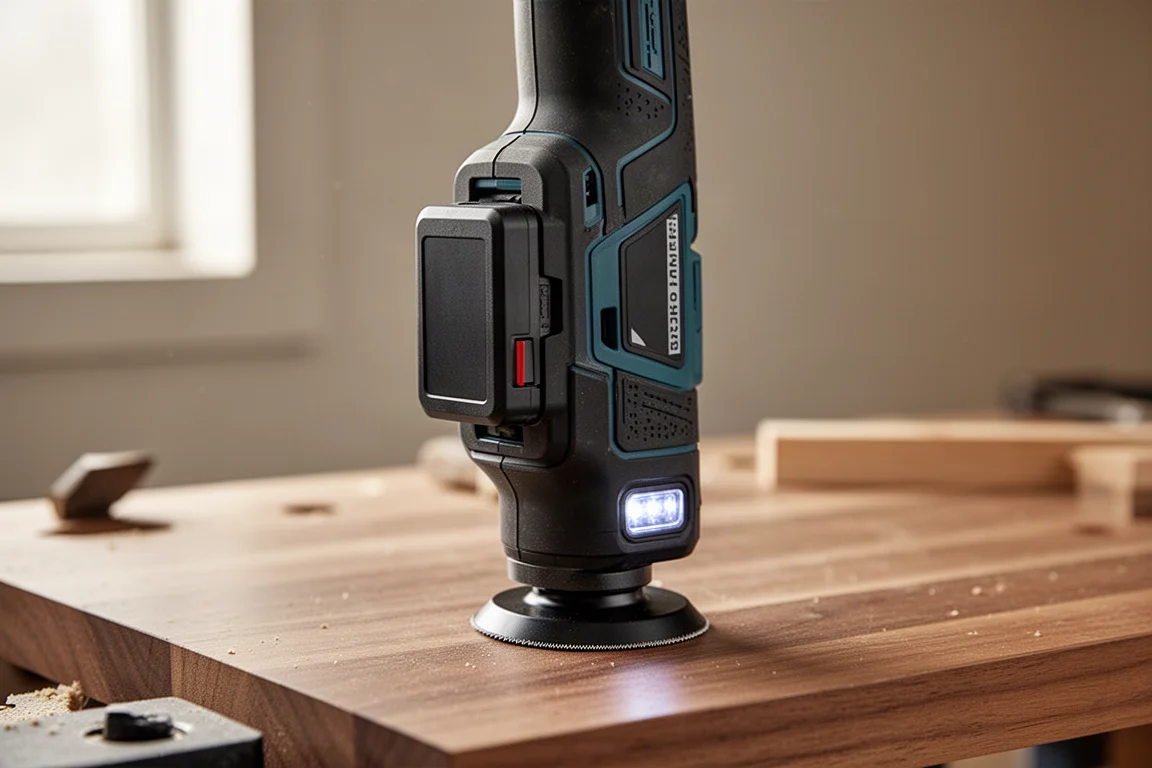
Noise is another clear win for the Metabo HPT. At the same speed six setting, it is definitely quieter than the Makita, quiet enough to hold a conversation over. It also has a practical front-mounted LED light, and unlike the tiny, hard-to-use lights on some tools, this one is genuinely useful and worth having. The Makita has no light when in use, which is a real drawback when cutting in dim corners.
One Design Quirk to Know Before Buying
The one real complaint about the CV18DA is a small battery protection overhang at the front of the tool. If you run a 2Ah battery, which is really all this tool needs, the overhang hangs over the battery and makes it a little less stable than it should be. The Makita sits directly on its battery and feels more planted. Metabo HPT appears to have shortened the foot to protect larger batteries while keeping the smaller 1.5Ah and 2Ah packs workable, but the trade-off is a slightly odd fit with compact batteries.
There is also a grip difference worth stressing. The Makita XMT03 is almost comically thick, with no obvious comfortable place to grab it beyond some grippy patches, and it is genuinely too bulky to hold comfortably. The Metabo HPT is slimmer, has a comfortable grip, and is simply easier to control. On top of that, it is cheaper and carries a longer warranty on the tool itself.
Buying Advice
For most buyers, the Metabo HPT CV18DA is the easy recommendation. It is faster, quieter, smoother, easier on the hands, has a much better blade-change system, includes a genuinely useful work light, and comes in at around $99 with a lifetime limited tool warranty. Metabo HPT has clearly stepped up its game here compared to some earlier first-generation tools that fared poorly in other reviews. The Makita XMT03 only makes sense if you are already invested in Makita’s battery platform and cannot leave it behind, and even then, the thick body and clunky lever system are hard to defend.
Conclusion
The Metabo HPT CV18DA wins this comparison in every meaningful way: price, warranty, cutting speed, vibration, noise, grip comfort, and blade changes. Its only real flaw is the small battery overhang with compact packs, which is a minor issue in an otherwise excellent tool. If you are choosing between these two oscillating multi-tools, the CV18DA is the one to buy.
Further reading
Related Reviews

Power Tools
Best 1-Inch Pistol Impact Wrenches: Three Heavy-Duty Options Compared
We compare three 1-inch pistol impact wrenches, from a budget-friendly Harbor Freight model to a premium Caterpillar unit, to help you choose the right one.

Power Tools
Best 3/4-Inch Impact Wrenches 2026: Five Contenders Compared
We compare five 3/4-inch impact wrenches across price and performance, from a budget Amazon option to Snap-on's most powerful model yet.

Power Tools
Best Budget Cordless Tools 2026: Walmart Finds That Punch Above Their Price
We tested five cordless tools from Walmart, including a high-torque impact wrench that trades blows with Milwaukee and a $35 duster that outperforms its price class.