Power Tools
Metabo HPT C12RSH3 vs Makita 36V 10-Inch Miter Saw: Corded Power Meets Cordless Convenience
A 12-inch corded Metabo HPT against a 36V cordless Makita: where each saw wins on power, adjustments, build quality, and value.
Introduction
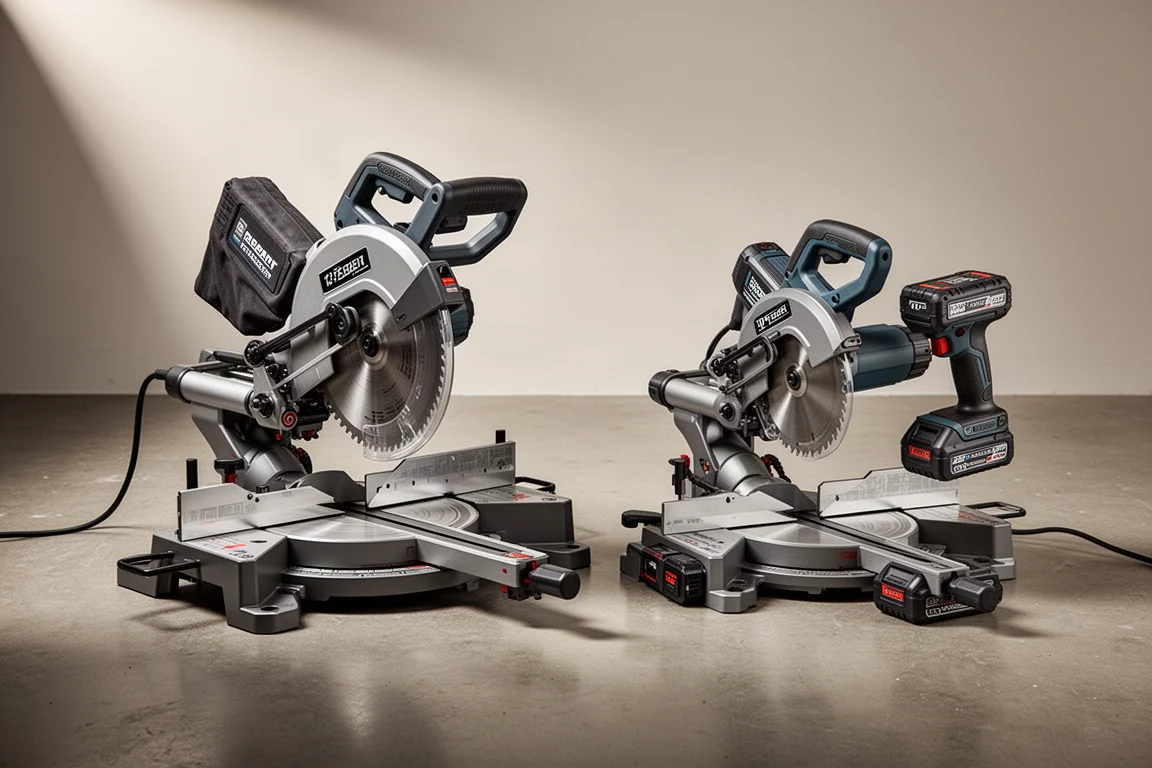
If you are shopping for a serious miter saw right now, two very different paths sit in front of you: a big corded 12-inch saw that prioritizes raw power and value, or a 36V cordless 10-inch saw that prioritizes convenience. This comparison looks at the Metabo HPT C12RSH3, a corded 12-inch double bevel sliding saw, against the Makita 36V 10-inch cordless miter saw, based on hands-on use with both machines side by side.
The short version: the Metabo HPT delivers noticeably more cutting power for roughly half the price, while the Makita earns its premium with smoother slide bearings, better build details, and the freedom of running on two 18V batteries.
Why Corded Still Wins on Power
Miter saws remain one of the categories where cordless tools have not fully caught up. If you want maximum power, faster cutting, and noticeably higher RPM, a corded miter saw is still the way to go. That is not true everywhere; reciprocating saws, for example, can match or beat corded performance on battery. Miter saws are simply not there yet.
The flip side is cost. Anything running on batteries will always cost more, and the Makita kit with two batteries and a charger sits around $1,200, an expensive tool for the job. The corded Metabo HPT comes in at almost half that price while offering a larger 12-inch blade.
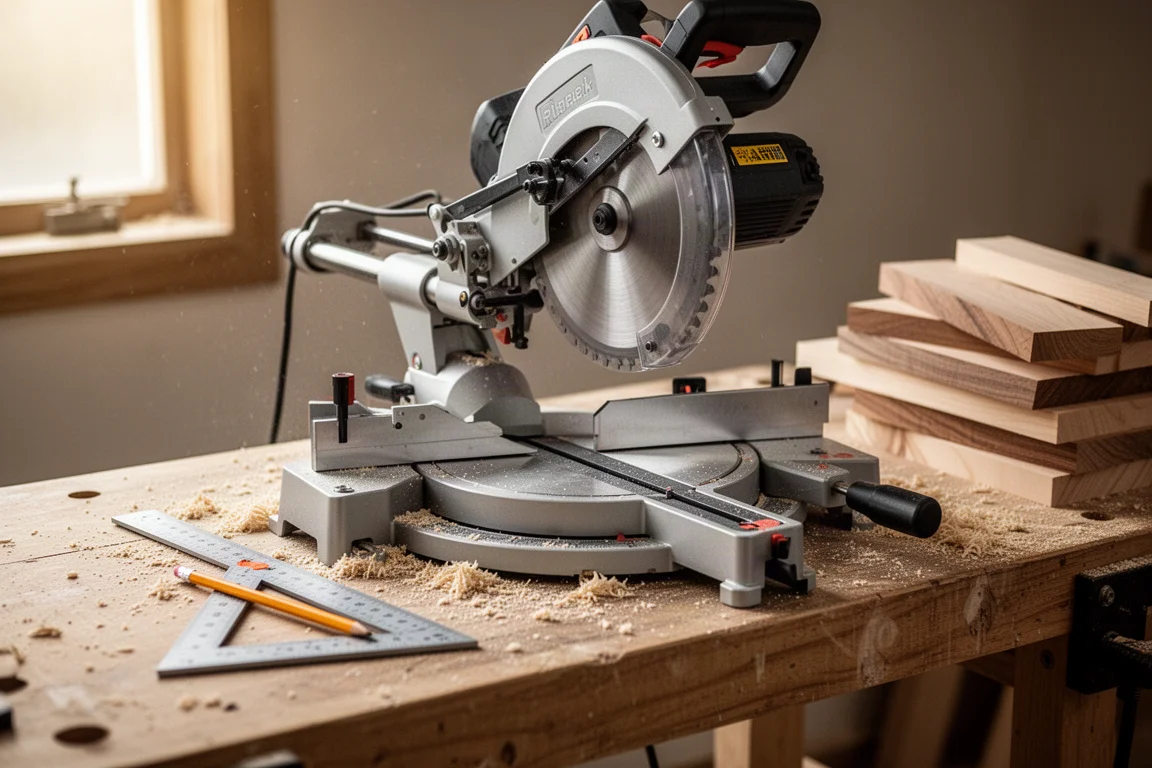
The practical difference shows up under load. A 36V cordless saw can bog down on cuts you would not expect given the material thickness, while the corded saw with its more powerful motor does not bog down at all. It cuts through everything like butter with smooth, clean results every time.
Metabo HPT C12RSH3: What Stands Out
The C12RSH3 arrived with very little fanfare, and after a couple of months of small projects with it, the overall impression is that Metabo HPT hit the sweet spot on value. Out of the box, the fence was square within about half a degree on one side without any adjustment, which is very good factory performance.
The X LED exact cut shadow line is a highlight. Unlike a laser that sits slightly off to the side, the shadow line shows exactly where the blade will cut. It also stays easy to see in bright daylight, which matters if you work outdoors or in sunny conditions where a laser line can wash out.
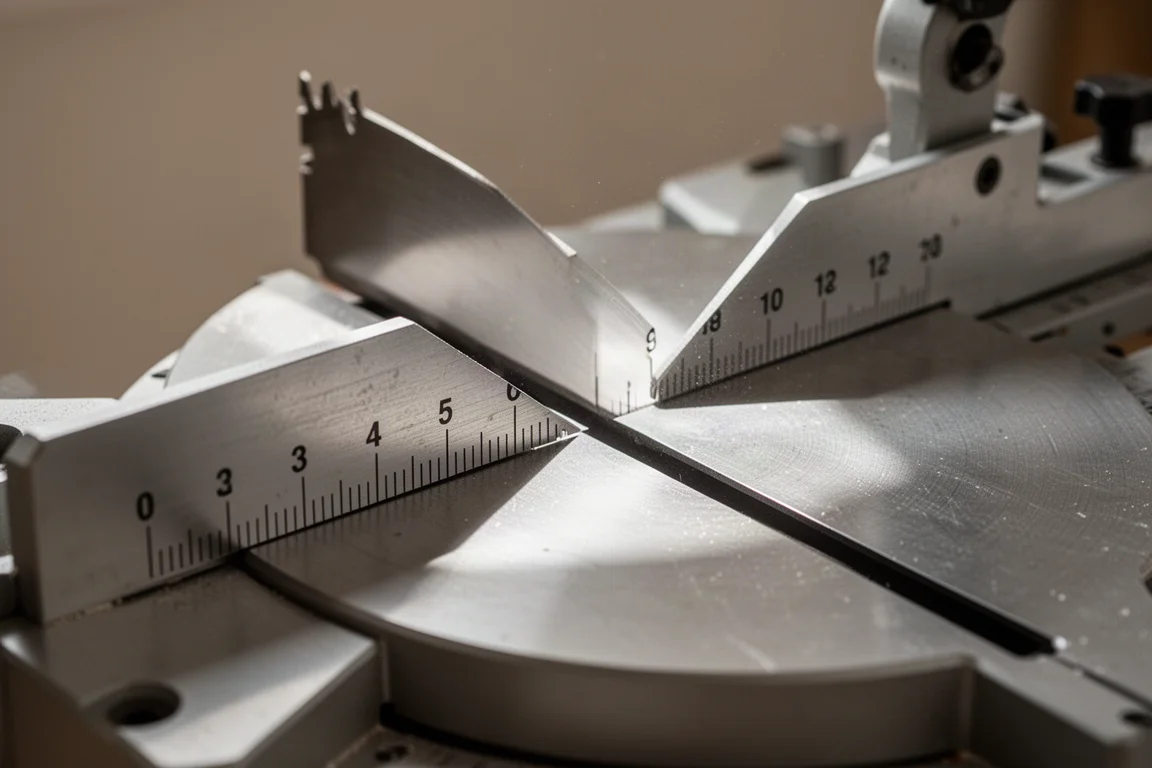
Adjustments are genuinely well thought out. Setting the miter angle is as simple as lifting a lever, sweeping to your angle, and hitting a stop at zero. The angle scale sits right in front of you and is easy to read, unlike some competitors where the dust cover blocks the view. The arm design also keeps the saw positioned farther back and higher up relative to the work surface, a smart layout for this class.
Two nits worth knowing about before you buy. The electric brake takes noticeably longer to stop the blade than some competing saws, roughly double the stop time of faster saws. And the blade guard feels a little loose and cheap compared to the rest of the saw, moving around more than it should when pulled down. The saw is also quite heavy, and moving it between bevel stops takes a firm hand, with a good chunk of weight hanging off the back on a double bevel design. The base is on the small side, likely a weight-saving choice for a 12-inch saw.
Dust collection is handled well too: a large port at the rear accepts a shop vac directly, no adapter needed. It is a brushed motor, so brushes sit on top for eventual servicing.
Makita 36V 10-Inch Miter Saw: What Stands Out
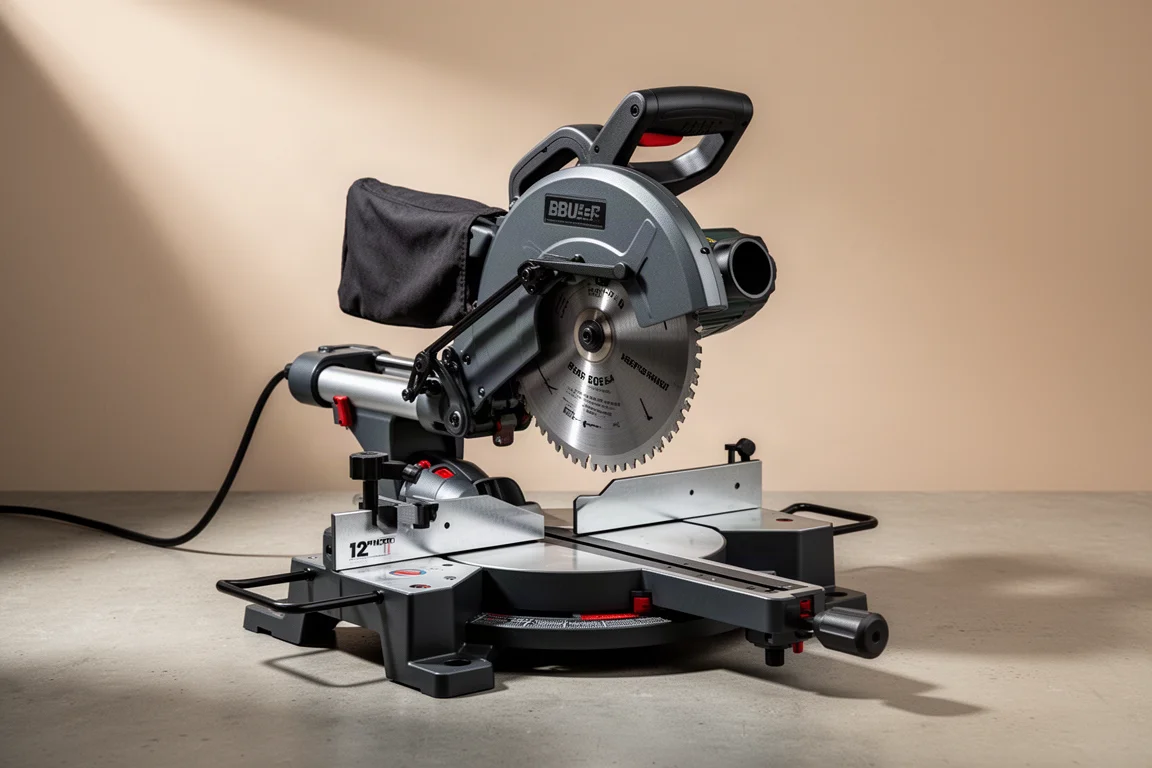
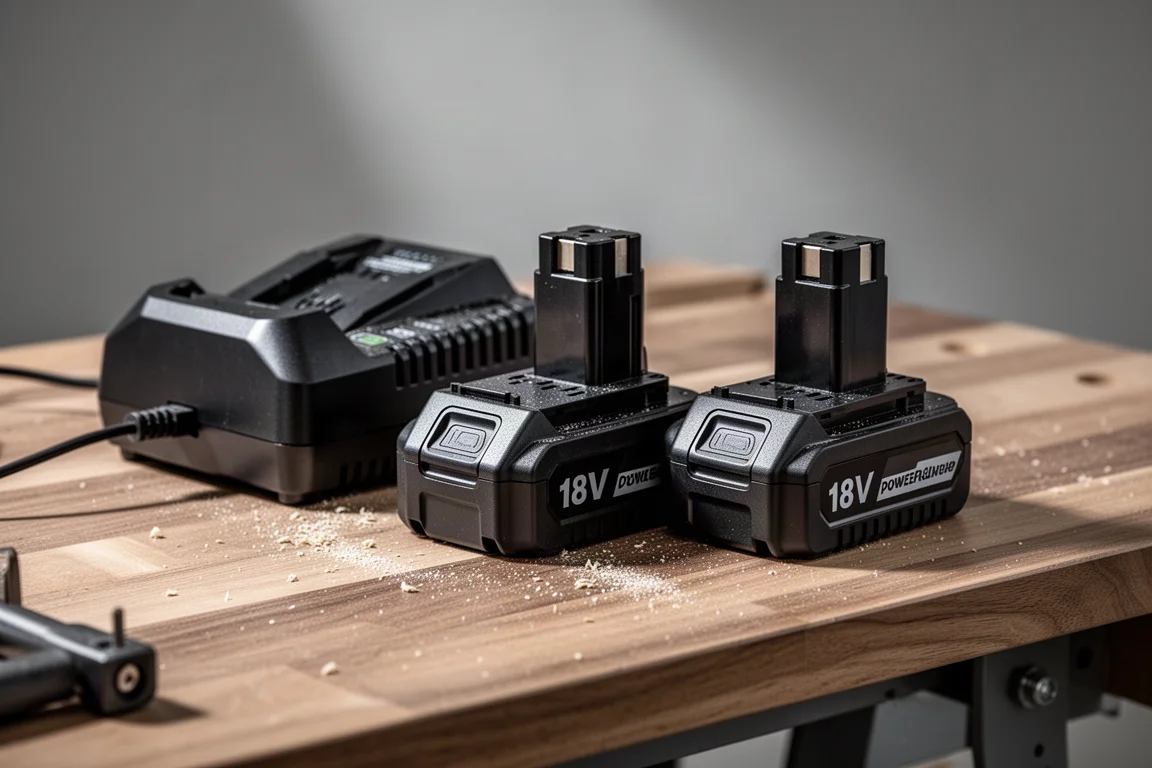
The Makita’s biggest weapon is convenience. Snap in two 18V batteries and you are ready to go, no extension cord to drag across the shop. On decent-sized projects, battery swaps happened about once a day, which never became a real problem.
Build quality is where the Makita justifies its price. The slide bearings feel clearly smoother when pushing the saw head forward and back, easily beating the Metabo HPT in that respect. The blade guard also feels much more solid and better designed. The base is significantly larger than the Metabo’s, giving more support for wider workpieces.
It is not perfect either. The angle adjustment is harder to see and use because the dust cover gets in the way, and the saw sits farther out over the work surface when fully back and up. The safety switch is bigger and easier to press than the Metabo’s, which is a small but appreciated touch. If you prefer lasers over shadow lines, the Makita’s laser is easy to work with once you learn which side of the line it cuts on, and it remains visible in bright sun.
Buying Advice: Which One Fits Your Shop
Choose the Metabo HPT C12RSH3 if you want the most power per dollar, a large 12-inch blade, easy angle adjustments, and you do not mind running an extension cord. As a rough durability signal, a family member has run a Metabo HPT corded miter saw for 15 to 20 years without issues, while other brands in this comparison have historically needed replacement in five years or less, with rust, broken parts, and motor failures showing up.
Choose the Makita if cordless freedom is non-negotiable, or if you value the smoother slide action, more solid blade guard, larger base, and easier-to-press safety switch, and the roughly $1,200 kit price fits your budget.
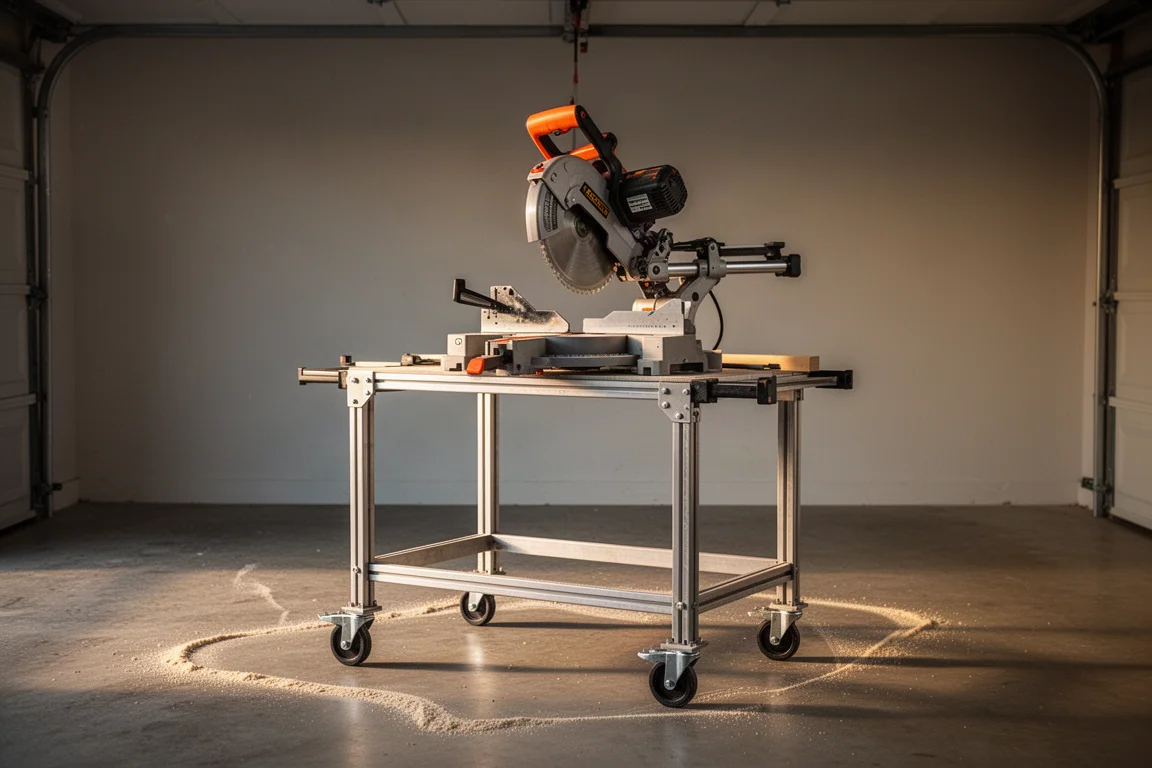
A few things to weigh regardless of brand: confirm the handle style suits you, since both designs have pros and cons and the two saws are honestly so similar in feel that telling them apart is hard. Also think about your stand setup, because the Metabo HPT is notably back heavy and you want a stable miter saw stand under it.
Conclusion
The Metabo HPT C12RSH3 is an excellent value for a 12-inch corded miter saw: powerful, smooth cutting, easy to adjust, with only minor gripes about brake speed and blade guard feel. The Makita 36V 10-inch costs roughly double but buys you cordless convenience and a slightly more refined build. If maximum power and value drive your decision, the corded Metabo HPT is the easy call; if cutting the cord matters more, the Makita remains a strong premium option.
Further reading
Related Reviews
Power Tools
Best 1-Inch Pistol Impact Wrenches: Three Heavy-Duty Options Compared
We compare three 1-inch pistol impact wrenches, from a budget-friendly Harbor Freight model to a premium Caterpillar unit, to help you choose the right one.
Power Tools
Best 3/4-Inch Impact Wrenches 2026: Five Contenders Compared
We compare five 3/4-inch impact wrenches across price and performance, from a budget Amazon option to Snap-on's most powerful model yet.
Power Tools
Best Budget Cordless Tools 2026: Walmart Finds That Punch Above Their Price
We tested five cordless tools from Walmart, including a high-torque impact wrench that trades blows with Milwaukee and a $35 duster that outperforms its price class.