Power Tools
Metabo HPT 36V Triple Hammer vs Makita XDT14: Which Impact Driver Deserves Your Money
A hands-on comparison of the Metabo HPT 36V Triple Hammer impact driver against the Makita XDT14, covering real driving performance, battery advantages, and what to check before buying.
Introduction
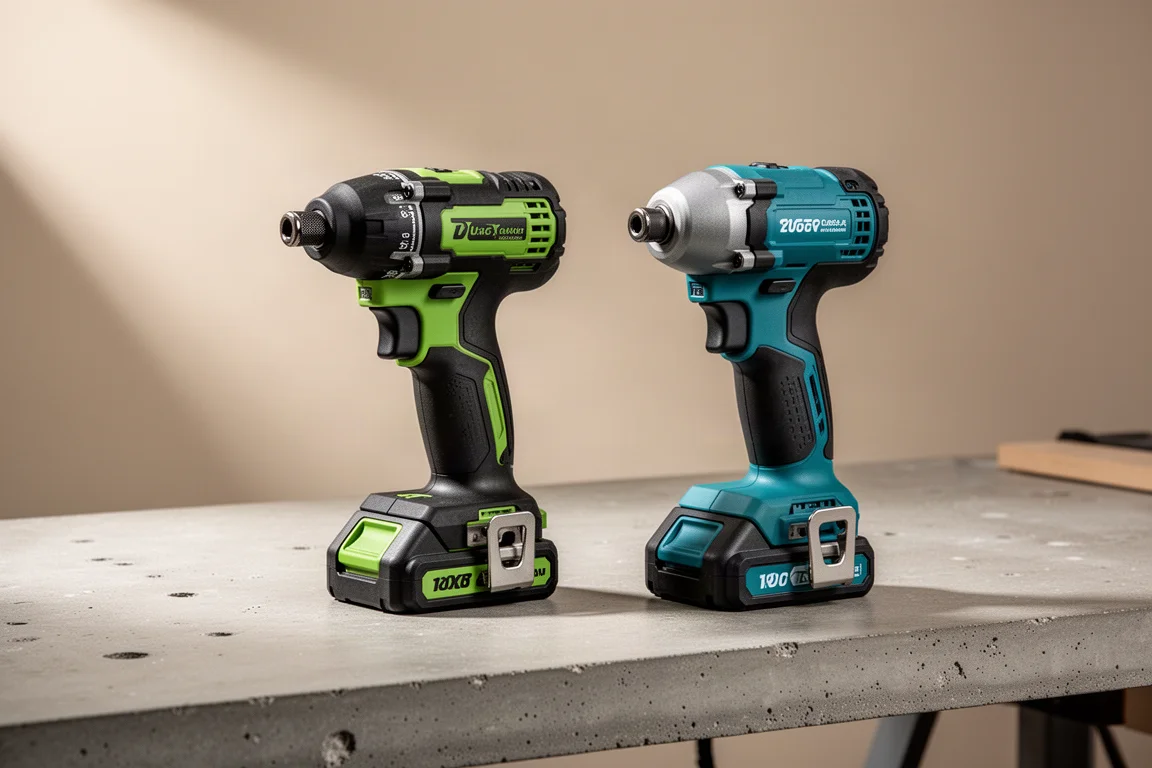
Impact drivers look similar on a shelf, but under load they behave very differently. The Metabo HPT 36V Triple Hammer and the Makita XDT14 are two compact options that can be found around a similar price point, and they represent two different philosophies of how an impact driver should deliver its power.
The Triple Hammer design stands out immediately: instead of two striking hammers, it uses three, producing a faster stream of impacts with less torque per strike. The Makita plays the conventional game with a two-hammer mechanism. This comparison looks at how those differences play out in real fastening work, and why the battery you pair with the Metabo matters more than you might expect.
How It Was Tested
The testing focused on everyday driving tasks rather than lab numbers. Standard drywall screws were driven as a quick demonstration, followed by larger drywall screws timed for comparison, and finally a large lag bolt to see how deep each driver could push under load.
The Metabo was run with a large 4Ah MultiVolt battery rather than the smallest pack, deliberately giving it the best possible setup. The Makita ran its own equivalent setup. Both drivers proved comfortable on the smaller screws, where the difference in sound is the first thing you notice: the Triple Hammer produces noticeably more frequent impacts than the Makita’s two-hammer rhythm.
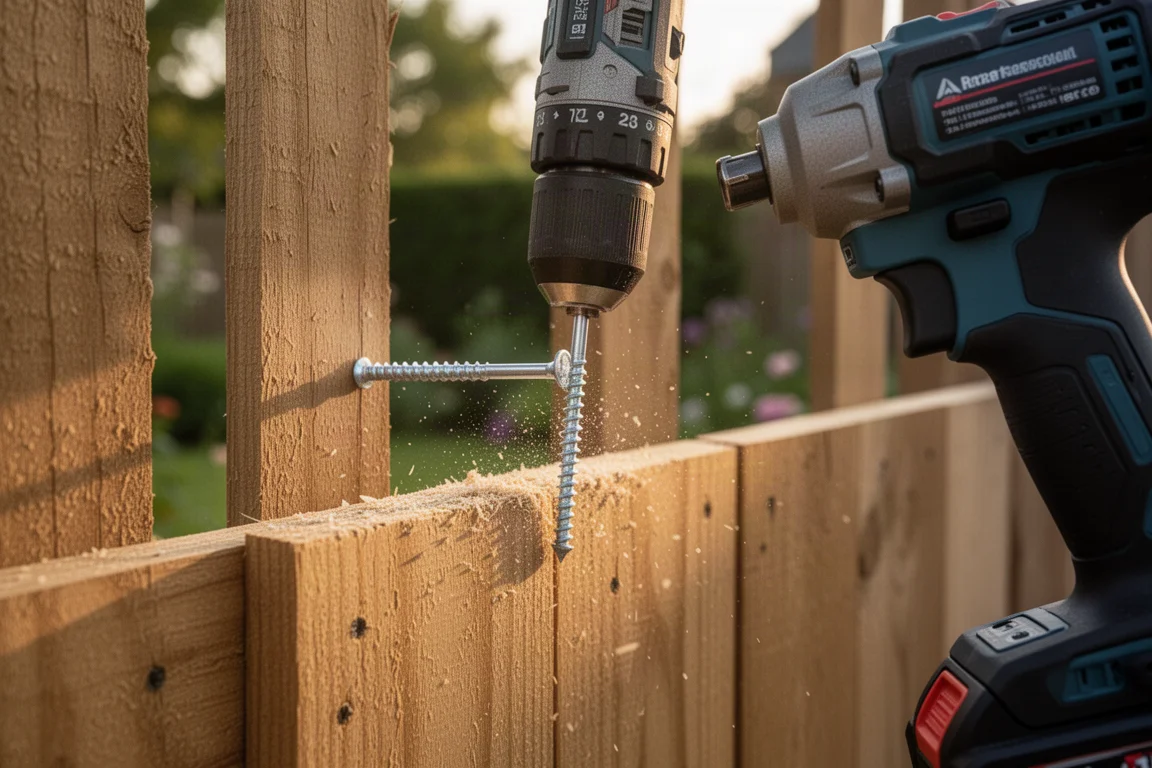
The lag bolt test was the most revealing. Both drivers managed to bury the bolt to a very similar depth at around the same pace, which says a lot about how closely matched these two are in practical use.
Metabo HPT 36V Triple Hammer
The 36V Triple Hammer sits very close to the 18V version on paper, with only about 50 inch-pounds separating the two. That gap alone will not change your experience. What does change it is the battery platform. Pairing the 36V tool with a larger MultiVolt battery lets the tool draw more power, and the result is a driver that feels considerably stronger than the 18V model, which struggled to keep pace with even base-model Makita drivers during a full fence installation.
The newer Triple Hammer kit with a battery and charger currently runs around $300, which feels expensive for what it is. The 36V bare tool, however, can be found well below that; one unit was picked up for around $50 secondhand, still in excellent working order. That price flexibility is part of the appeal.
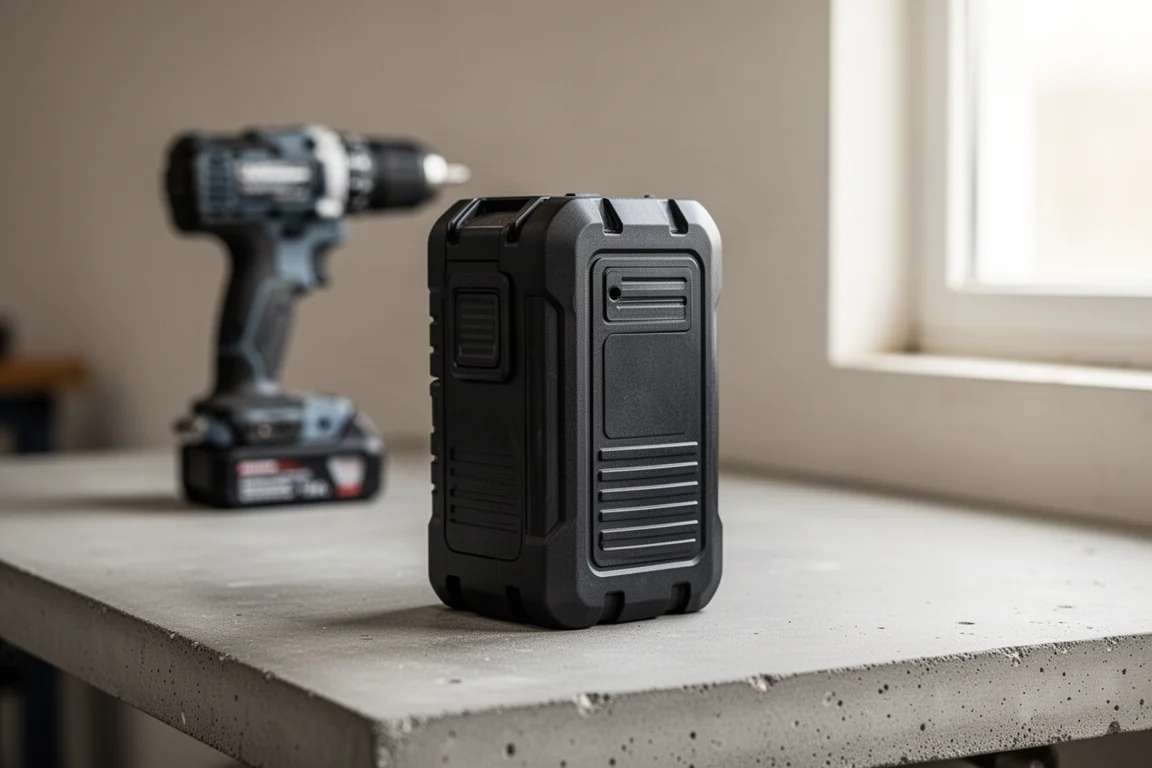
Durability is another genuine selling point. The tool carries a high water and dust resistance rating, to the point that a dirty secondhand unit was washed clean in a kitchen sink with soapy water before its first use, battery removed. Very few impact drivers tolerate that kind of treatment.
One known quirk of the Triple Hammer design is worth mentioning: under extreme, near-full load, the striking mechanism can skip on the anvil, meaning it does not impact on every rotation. It is an occasional behavior rather than a constant one, but buyers should know it exists.
Overall, the 36V version easily outperforms the 18V model and holds its own against comparable drivers from Makita, DeWalt, and Milwaukee.
Makita XDT14
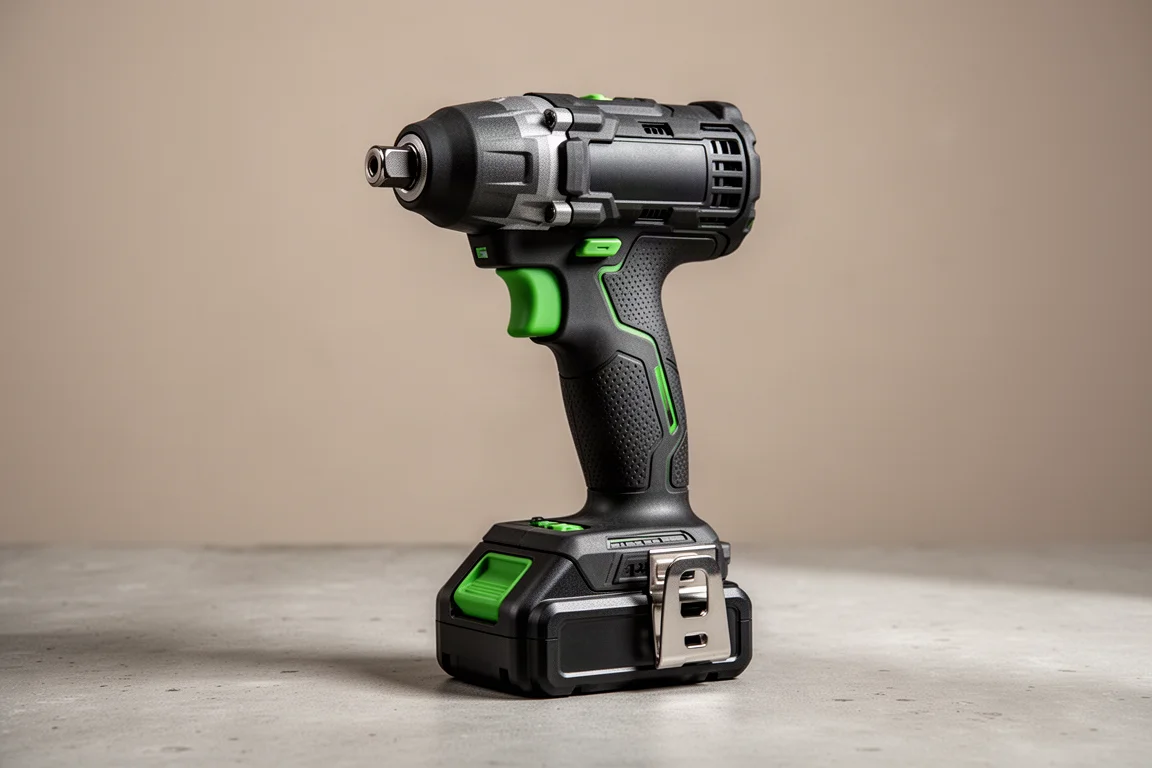
The Makita XDT14 was chosen as the comparison because it lands at roughly the same price as the Metabo, without pulling far above it. It is a conventional two-hammer impact driver, which shapes how it works: fewer, harder strikes rather than the Metabo’s rapid triple-hammer cadence.
In the timed tests, it performed almost identically to the Metabo. On the larger drywall screw the times were close, and on the lag bolt it drove to about the same depth at a similar speed. If you timed both drivers on everyday fastening work, you would struggle to pick a clear winner.
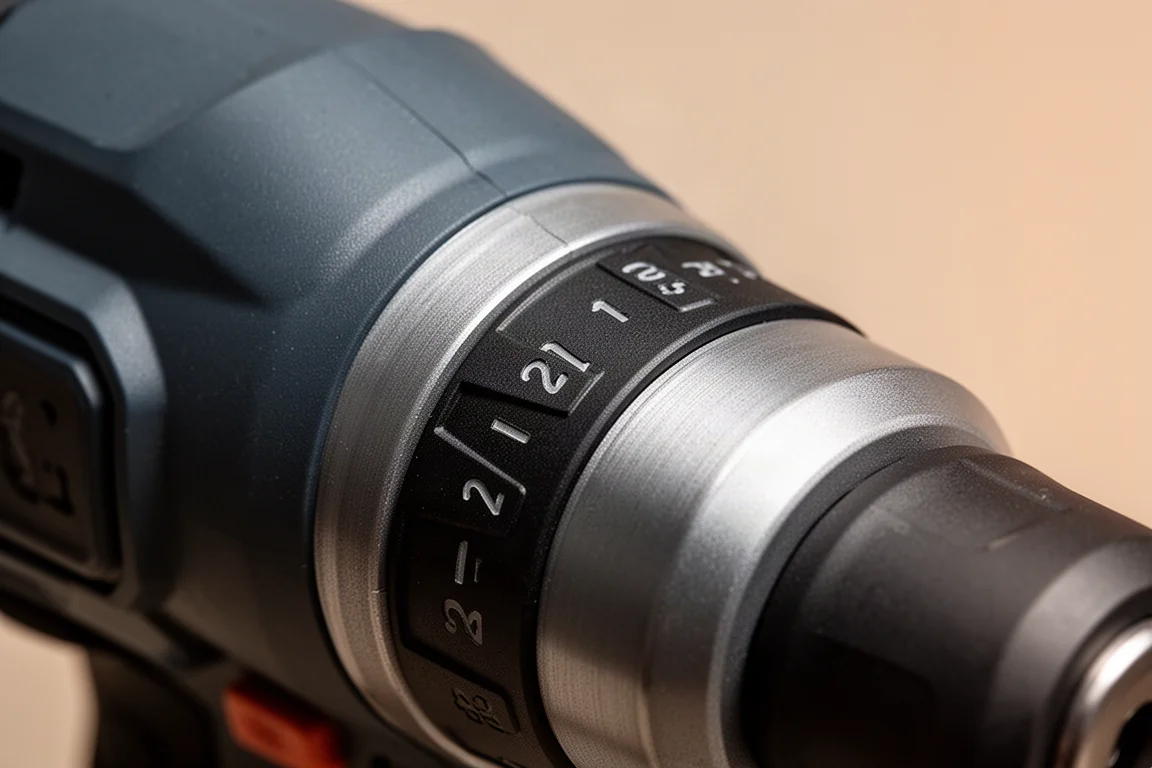
Where the Makita edges ahead is in usability details. Its mode markings are clear and self-explanatory, in line with what Makita, Milwaukee, and DeWalt users expect, so there is no guessing what each setting does. The quick-insert chuck is also more convenient than the Metabo’s standard collet.
Things to Consider Before Buying
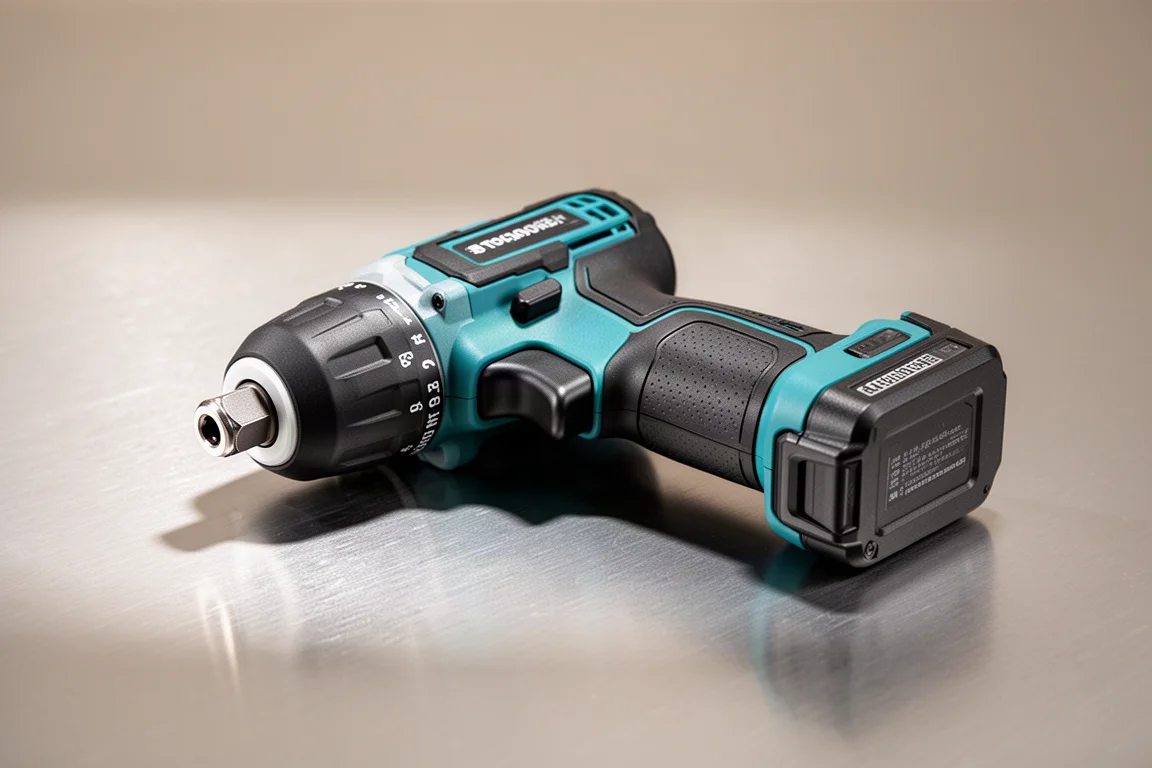
The Metabo’s mode selection is the most common complaint. Labels like S and P are not intuitive, and you may find yourself reaching for the manual to work out what each setting does. It is a small thing, but you touch it every time you change tasks.
Battery strategy matters too. Metabo’s strongest argument is its MultiVolt platform: a large 4Ah at 36V pack gives the Triple Hammer a real performance boost, and those big batteries are frequently available through rebate promotions at very low cost. The trade-off is size, because these packs are bulky on a compact driver.
The general advice for the brand is simple: if you buy into Metabo, buy the MultiVolt-tier tools, similar to the way buyers approach premium tiers elsewhere. The 18V Triple Hammer specifically is the version to avoid; the 36V with a good battery is where this platform actually earns its keep.
Buying Advice
Both of these drivers are closely matched in real driving performance, so the decision comes down to platform and price. If you are already in the Makita battery system, the XDT14 is the easy pick: similar performance, clearer controls, and no new batteries to buy.
If you are starting fresh, or you find the 36V Triple Hammer at a discount with a large MultiVolt battery, the Metabo becomes very attractive. Its durability rating and battery endurance are hard to beat at bargain prices, and Metabo’s clearance deals through various retailers make it one of the more interesting brands to watch. Just avoid buying at full retail; deals surface regularly.
Conclusion
The Metabo HPT 36V Triple Hammer is a much better tool than its 18V sibling, provided you pair it with a larger MultiVolt battery. It matches the Makita XDT14 step for step in driving tests while offering a distinctive triple-hammer action and excellent resistance to water and dust. The Makita remains the safer, simpler choice for most buyers, especially those already invested in its battery system. Either way, you are getting a driver that will hold its own on the job.
Further reading
Related Reviews

Power Tools
Best 1-Inch Pistol Impact Wrenches: Three Heavy-Duty Options Compared
We compare three 1-inch pistol impact wrenches, from a budget-friendly Harbor Freight model to a premium Caterpillar unit, to help you choose the right one.

Power Tools
Best 3/4-Inch Impact Wrenches 2026: Five Contenders Compared
We compare five 3/4-inch impact wrenches across price and performance, from a budget Amazon option to Snap-on's most powerful model yet.

Power Tools
Best Budget Cordless Tools 2026: Walmart Finds That Punch Above Their Price
We tested five cordless tools from Walmart, including a high-torque impact wrench that trades blows with Milwaukee and a $35 duster that outperforms its price class.