Power Tools
Metabo HPT 36V 4-1/2" Angle Grinders: Paddle vs Slide Switch Compared
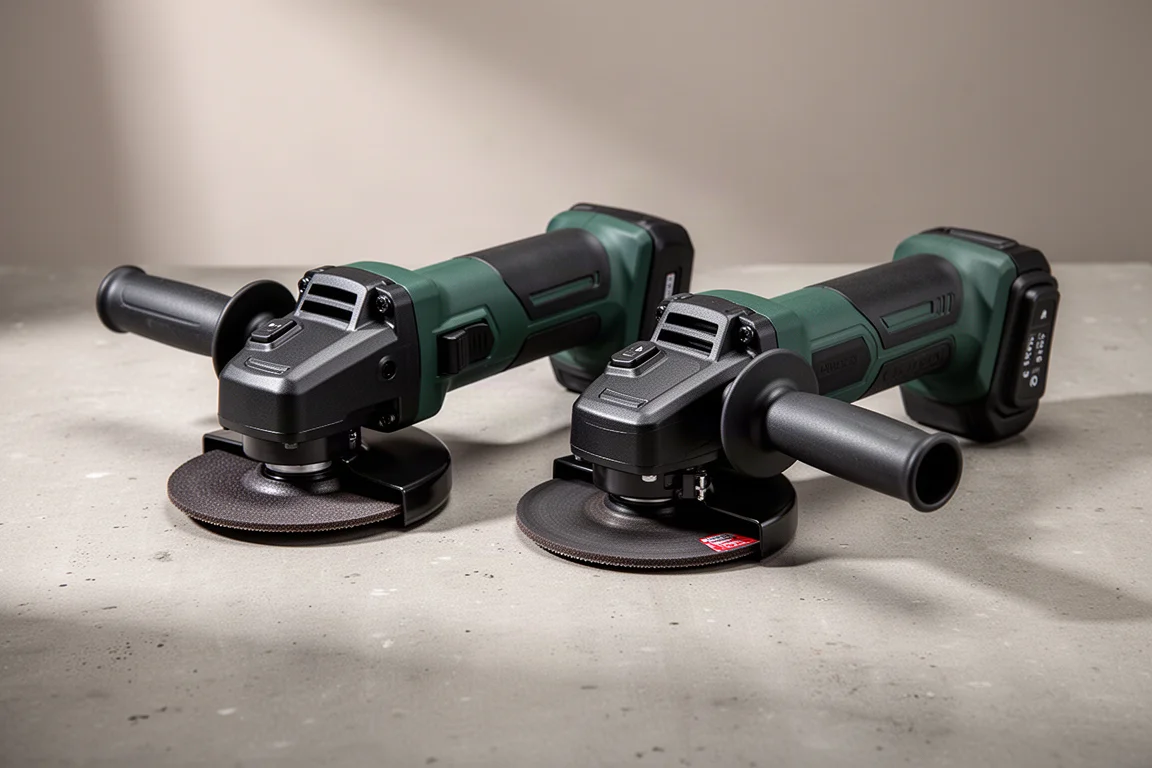
Two cordless 4-1/2" grinders from Metabo HPT's 36V MultiVolt line, with variable speed, tool-free guard adjustment, and a rare AC adapter option.
Introduction
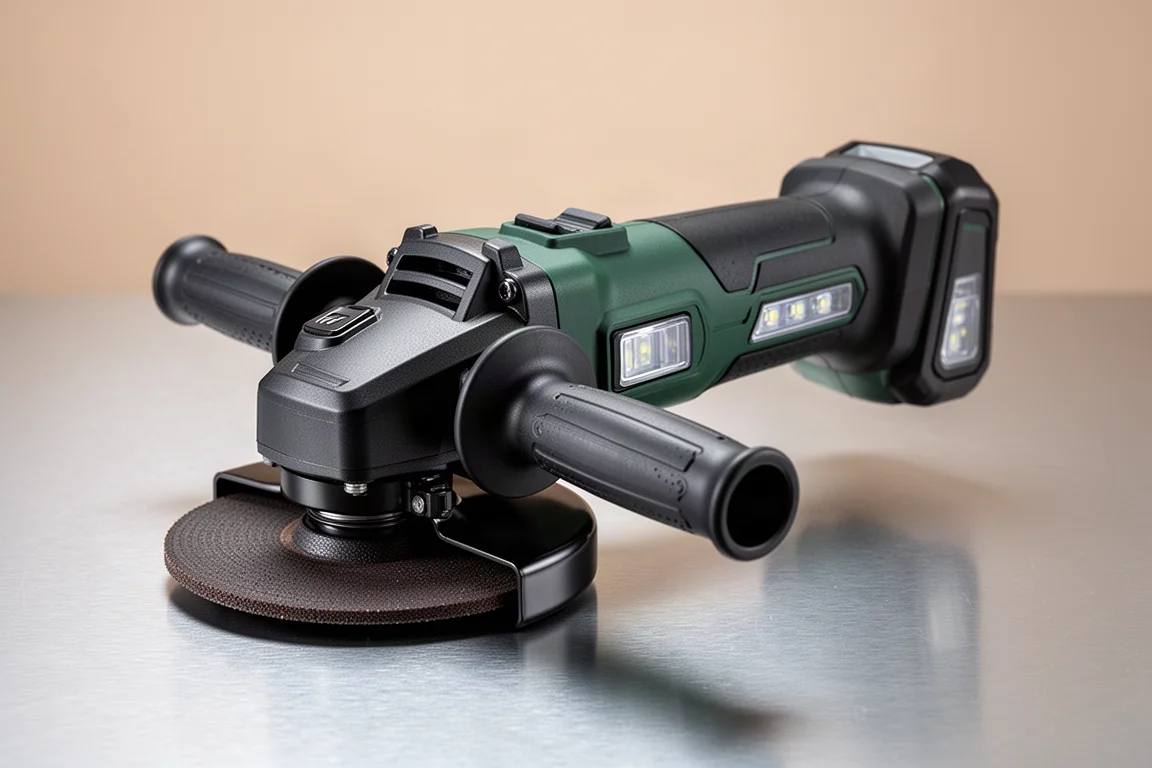
Metabo HPT recently expanded its 36V MultiVolt platform with three new variable speed angle grinders: a 6-inch model covered separately, and the two 4-1/2-inch models covered here. One uses a paddle switch, the other a slide switch mounted on the side. Both run on the same 36V MultiVolt batteries or the AC adapter, so the real decision comes down to switch style and how you like to work.
What These Two Grinders Share
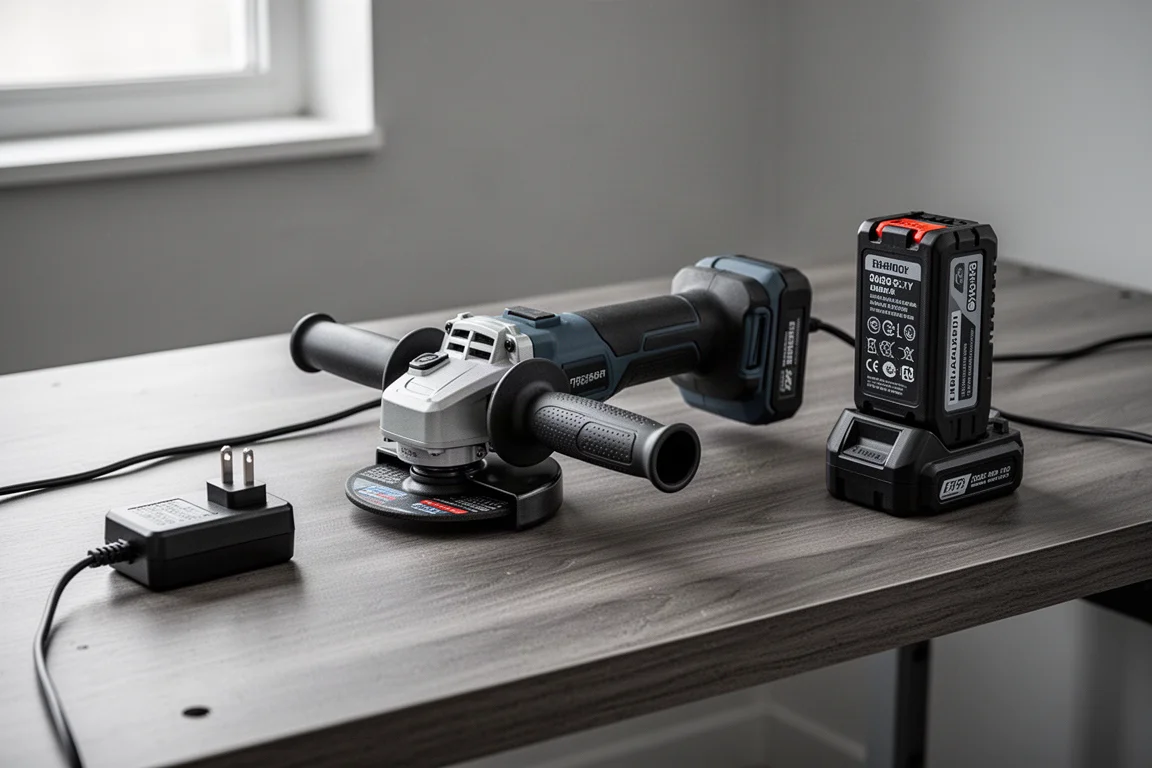
Both 4-1/2-inch grinders accept 36V MultiVolt batteries, or you can plug in the AC adapter and grind from wall power indefinitely. That flexibility is genuinely rare: few tool companies offer an AC adapter option on their cordless platforms at all, and Metabo HPT does it across its entire 36V line.
These are strictly 4-1/2-inch grinders, so they will not accept a 5-inch disc. Internally, the parts and pieces work well together, and both models essentially mirror the 6-inch grinder in the lineup with a slightly less powerful motor.
Variable Speed and Control
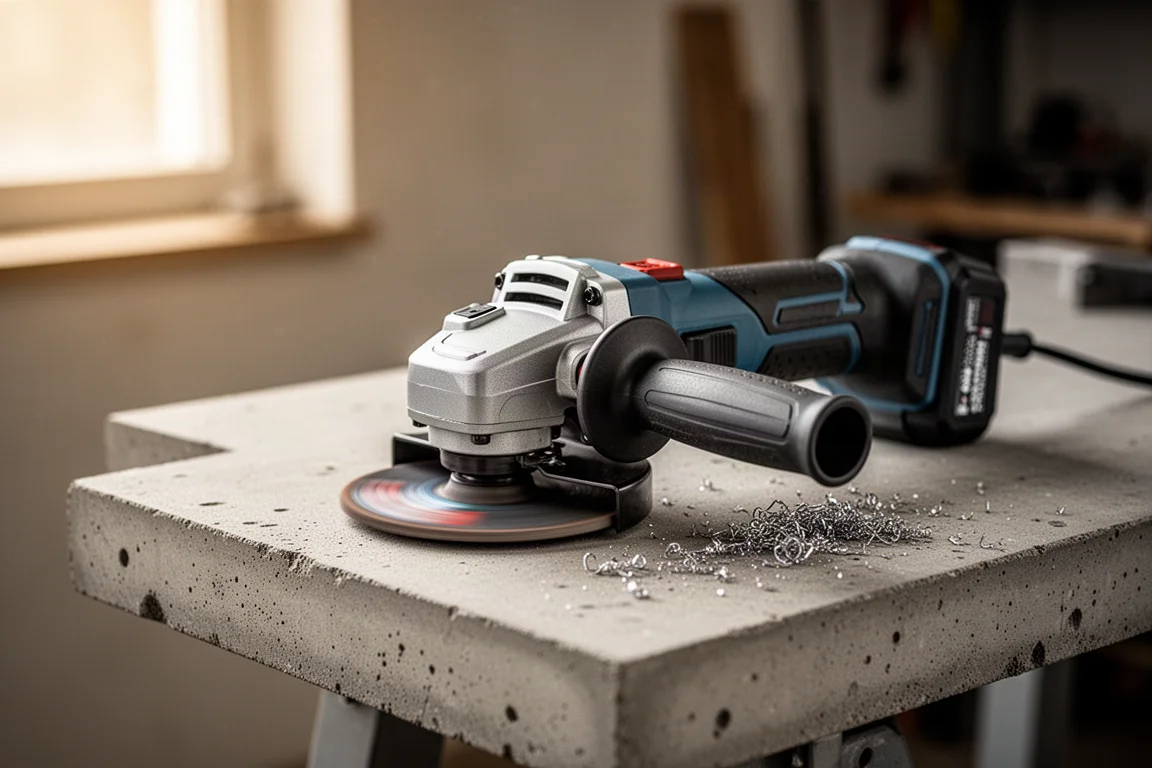
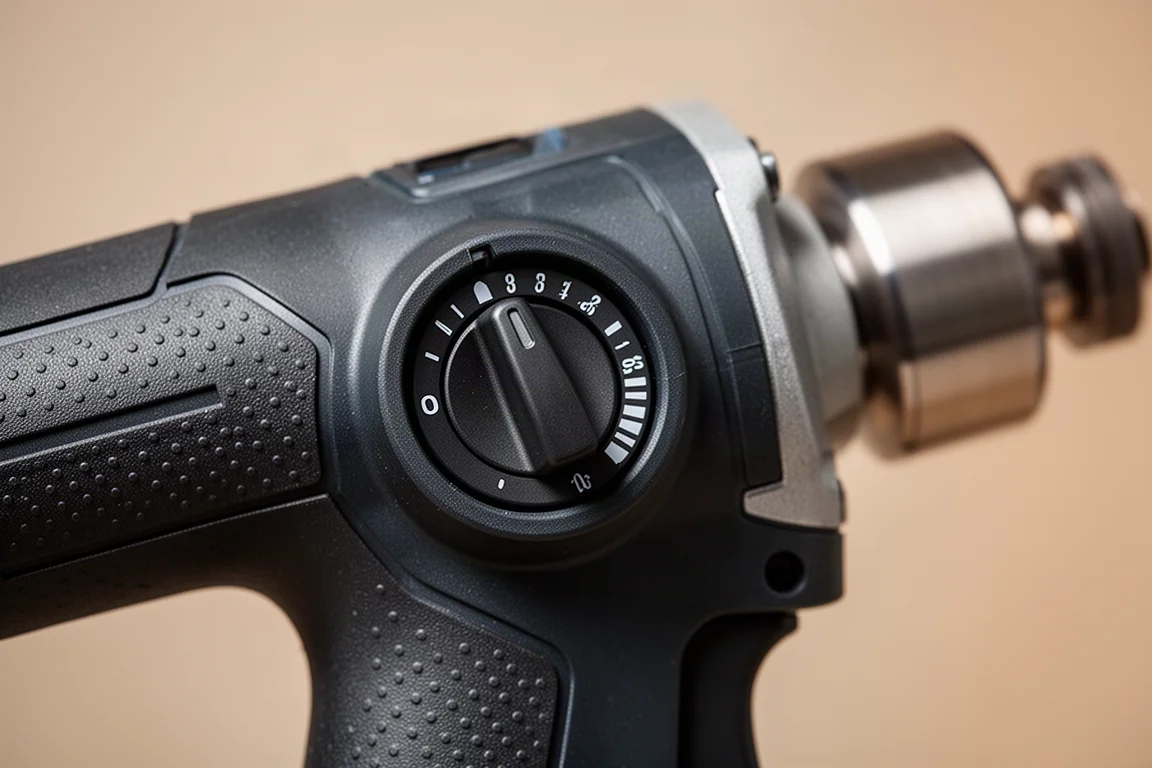
A variable speed dial sits at the bottom of the housing, running from 1,000 to 3,200 RPM. Set the speed you want and the electronics hold it there: if you start pushing harder into the work, power increases to keep the disc at the same speed. That consistency is easy to notice in use and matters a great deal when working across a range of metals. It is surprising how many brands still skip variable speed on grinders.
Other shared details include an auxiliary handle that fits in three positions, a spindle (arbor) lock for easy blade changes, and a included tool for the lock if you prefer not to do it by hand.
Safety Features That Matter
The paddle switch model includes a small safety at the bottom that is still easy to operate. Both models share an auto mode, which starts the unit at a slower no-load speed and kicks up to full speed the moment it engages a load, mainly a noise-control feature. A button on the bottom controls the LEDs on both sides, letting you choose on, off, or on with the trigger.
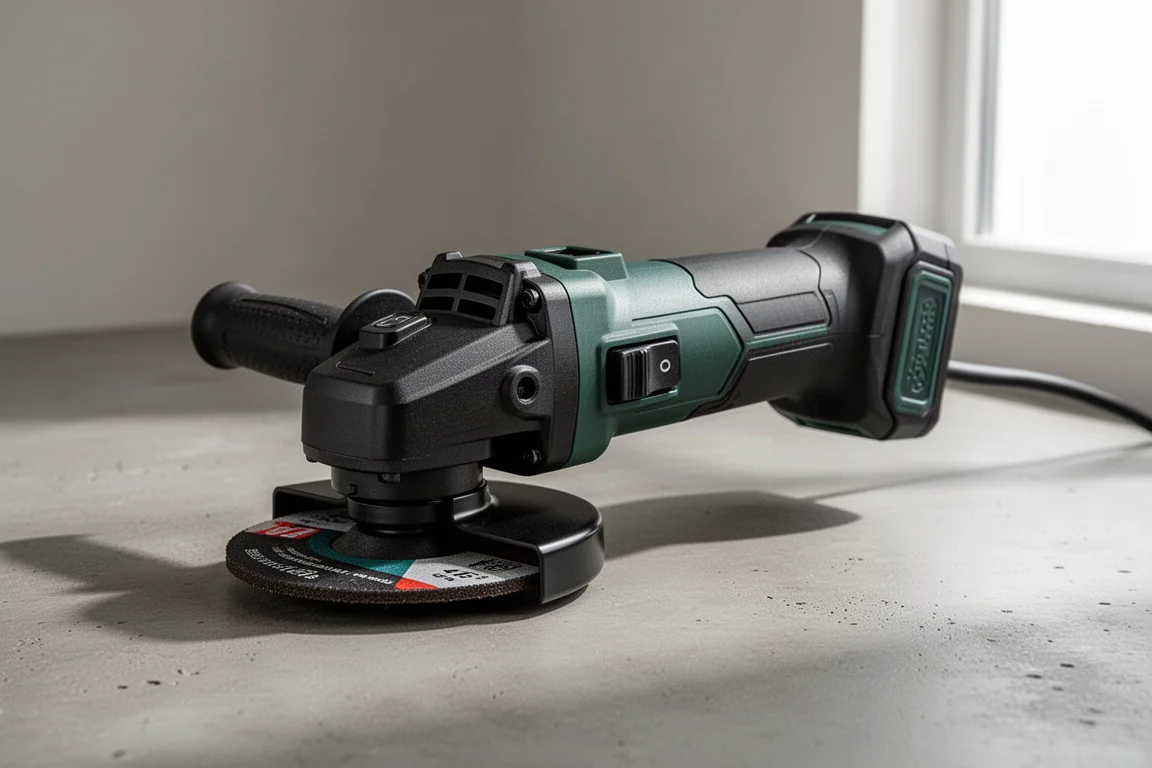
The slide switch model adds a notable safety behavior: it stays on once switched, but if the grinder is dropped, it shuts itself off completely. The sensitivity is high, demonstrated by the unit cutting out when shaken. Both models also have zero voltage restart, so if the grinder shuts off, you must physically turn it off and back on. Simply sliding in a fresh battery will not restart it.
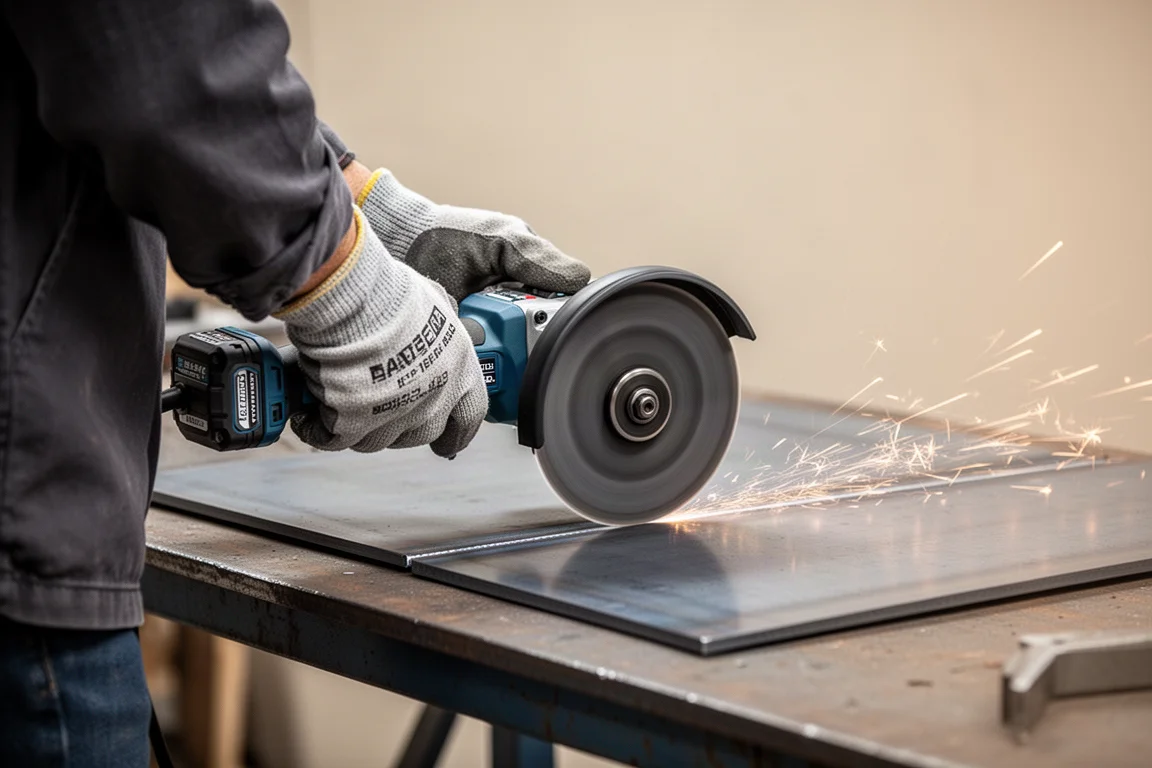
Tool-free guard adjustment is another strong point. Pull back on the lever, rotate the guard to where you want it, and lock it in place. With no disc fitted you can rotate it fully to the front and remove it, but in practice it is an easy adjustment to make anywhere, something you do not find on a lot of lower-end angle grinders.
Power, Runtime, and the AC Adapter Advantage
Power and torque on both models land right in the middle of the pack, which reads as a deliberate balance between runtime and output. Angle grinders are notoriously hard on batteries, and the largest 36V MultiVolt battery available at this time is 4 amp hours, so heavy grinding means swapping packs or switching to the AC adapter. A larger amp hour battery would be welcome, but the adapter more than compensates for extended bench work.
With one or two batteries there is enough power and runtime to handle most remote tasks, and the AC adapter covers everything else. It remains the standout feature of this platform.
Which One Should You Buy
If you prefer a trigger-style grip that stops the moment you release it, the paddle switch model is the natural fit, and its small safety keeps it beginner friendly. If you do long continuous cuts and grinding sessions where holding a trigger gets tiring, the slide switch model is more comfortable, with the drop detection and zero voltage restart covering the added risk of a locked-on switch.
Conclusion
Both 4-1/2-inch Metabo HPT grinders deliver the same core package: variable speed from 1,000 to 3,200 RPM, tool-free guard adjustment, three-position auxiliary handle, auto mode, controllable LEDs, and a zero voltage restart. The choice between them is purely about switch preference. The 36V MultiVolt platform, and especially the AC adapter option no other company offers, makes either one an easy way to start with this lineup.
Further reading
Related Reviews
Power Tools
Best 1-Inch Pistol Impact Wrenches: Three Heavy-Duty Options Compared
We compare three 1-inch pistol impact wrenches, from a budget-friendly Harbor Freight model to a premium Caterpillar unit, to help you choose the right one.
Power Tools
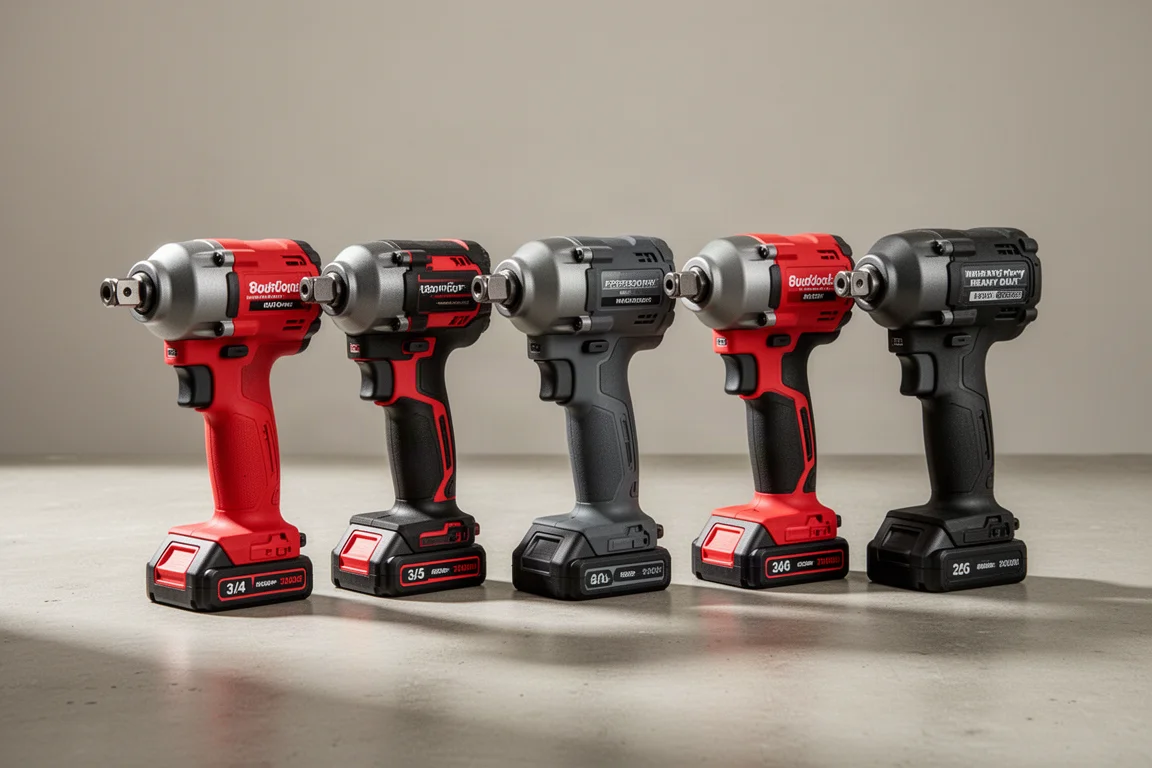
Best 3/4-Inch Impact Wrenches 2026: Five Contenders Compared
We compare five 3/4-inch impact wrenches across price and performance, from a budget Amazon option to Snap-on's most powerful model yet.
Power Tools
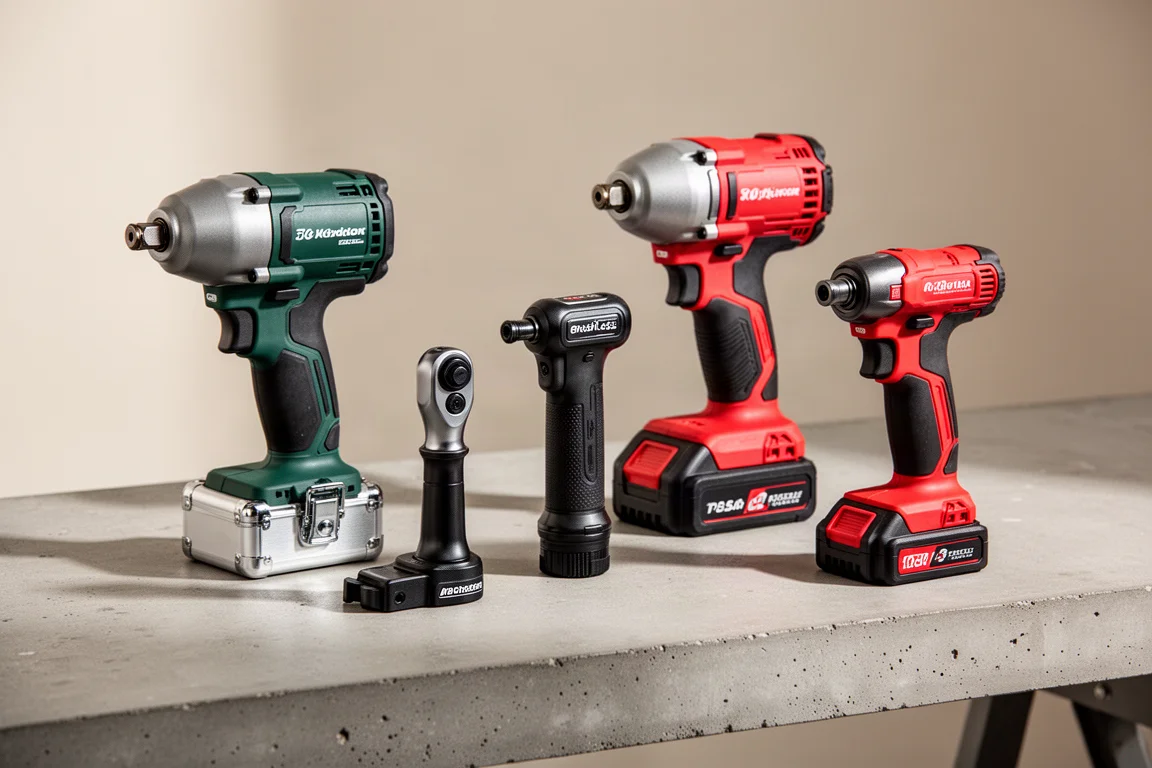
Best Budget Cordless Tools 2026: Walmart Finds That Punch Above Their Price
We tested five cordless tools from Walmart, including a high-torque impact wrench that trades blows with Milwaukee and a $35 duster that outperforms its price class.