Power Tools
Metabo SSW 18 LTX 300 BL vs Metabo HPT WR18DBDL2Q4: Compact Impact Wrench Comparison
Two compact 18V impact wrenches with nearly identical specs but very different origins. Here is how they performed in real fastening tests, and one surprise worth knowing before you buy.
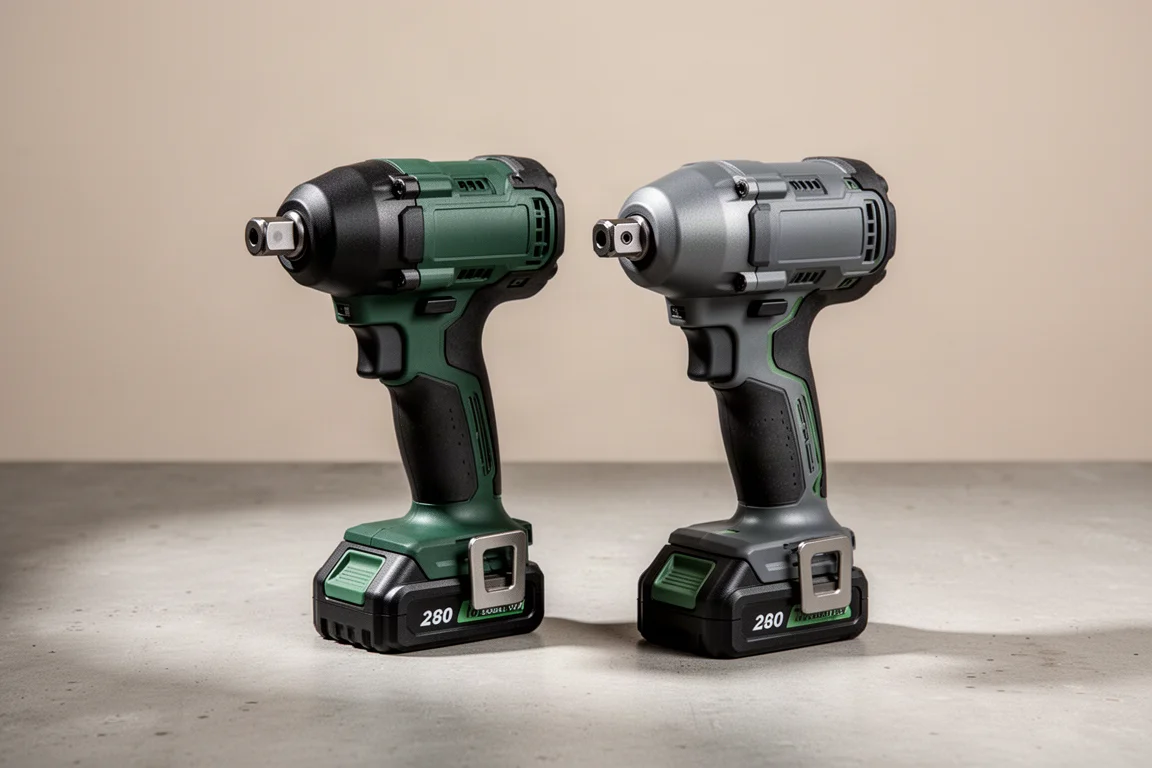
Introduction
Compact impact wrenches are often judged on how much power they squeeze into a short body, and these two models promise exactly that. Both measure 5.7 inches long, both are rated around 221 to 225 foot-pounds, and both come from brands that share a name. In practice, they turn out to be more different than the spec sheets suggest, and testing surfaced a few surprises that buyers should know about.
Two Similar Specs, Two Different Stories
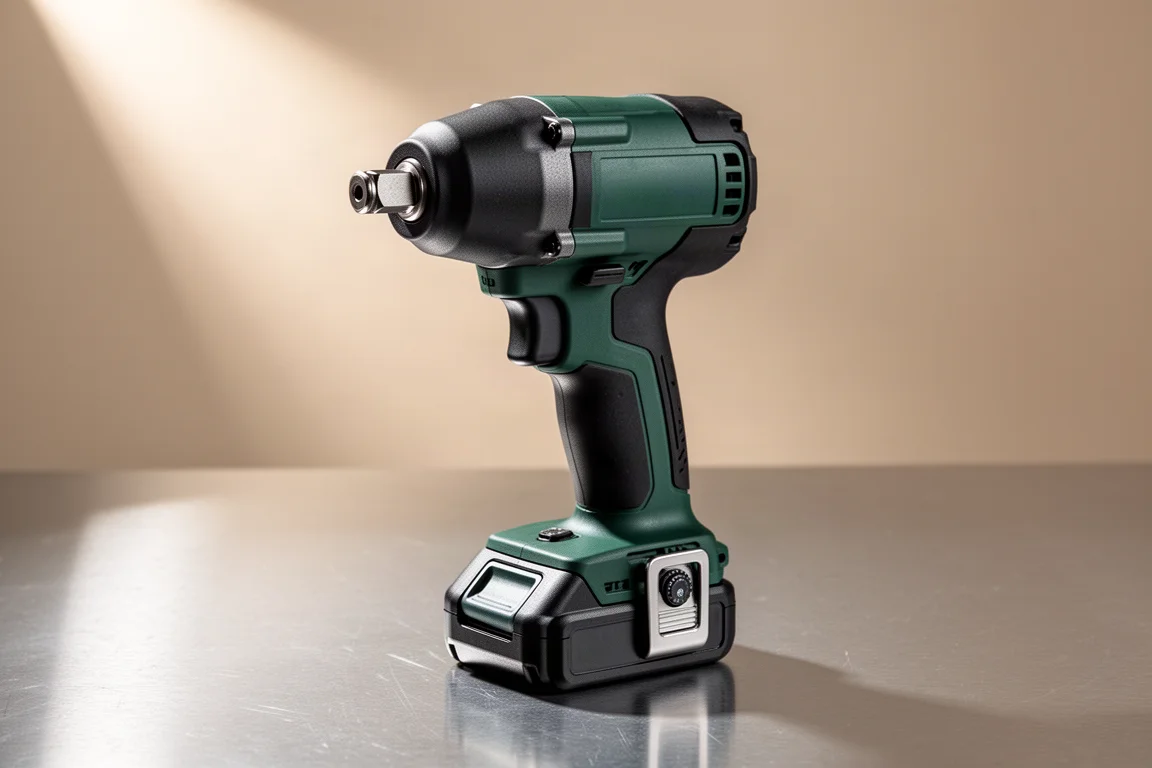
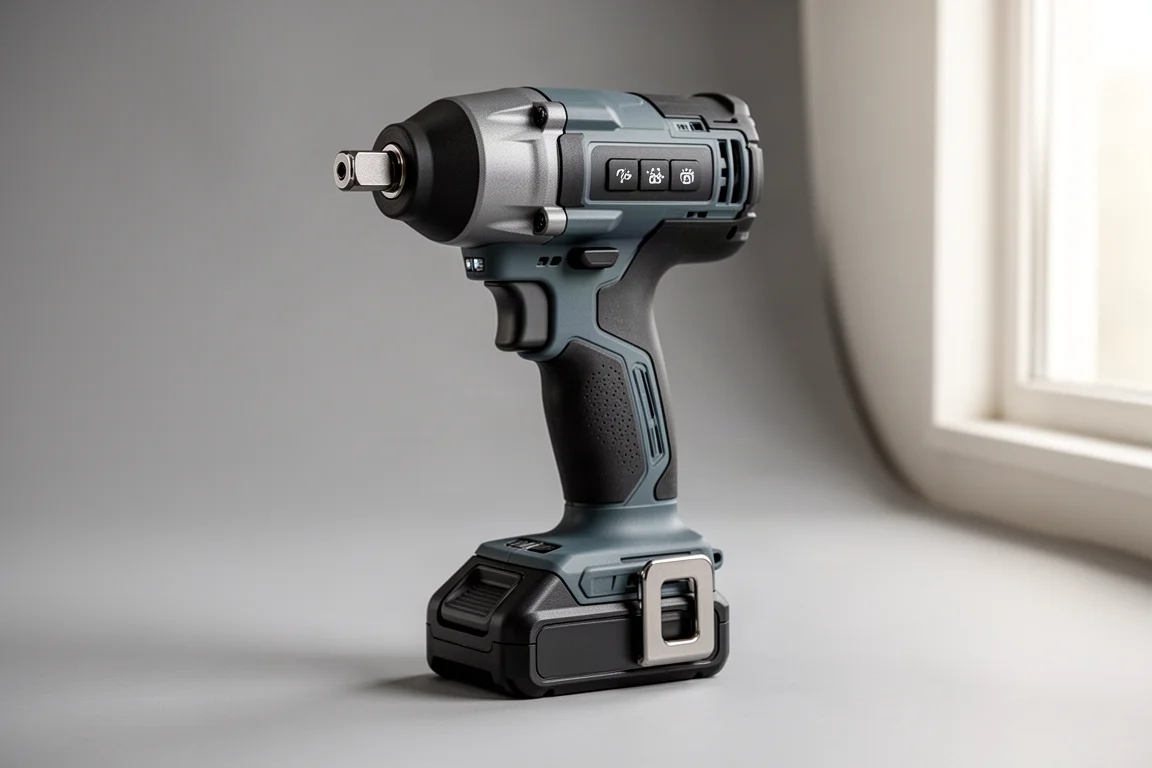
The Metabo SSW 18 LTX 300 BL is the dark green, European-side Metabo, a brand traditionally associated with German manufacturing. The Metabo HPT WR18DBDL2Q4 is its North American counterpart, sold as Hikoki in most other markets. Despite the shared name, the two brands have different histories and, notably, different attitudes toward manufacturing locations. Metabo HPT openly builds products in China, while Metabo has long been marketed as German made. On paper the two wrenches look almost identical. In testing, that similarity only goes so far.
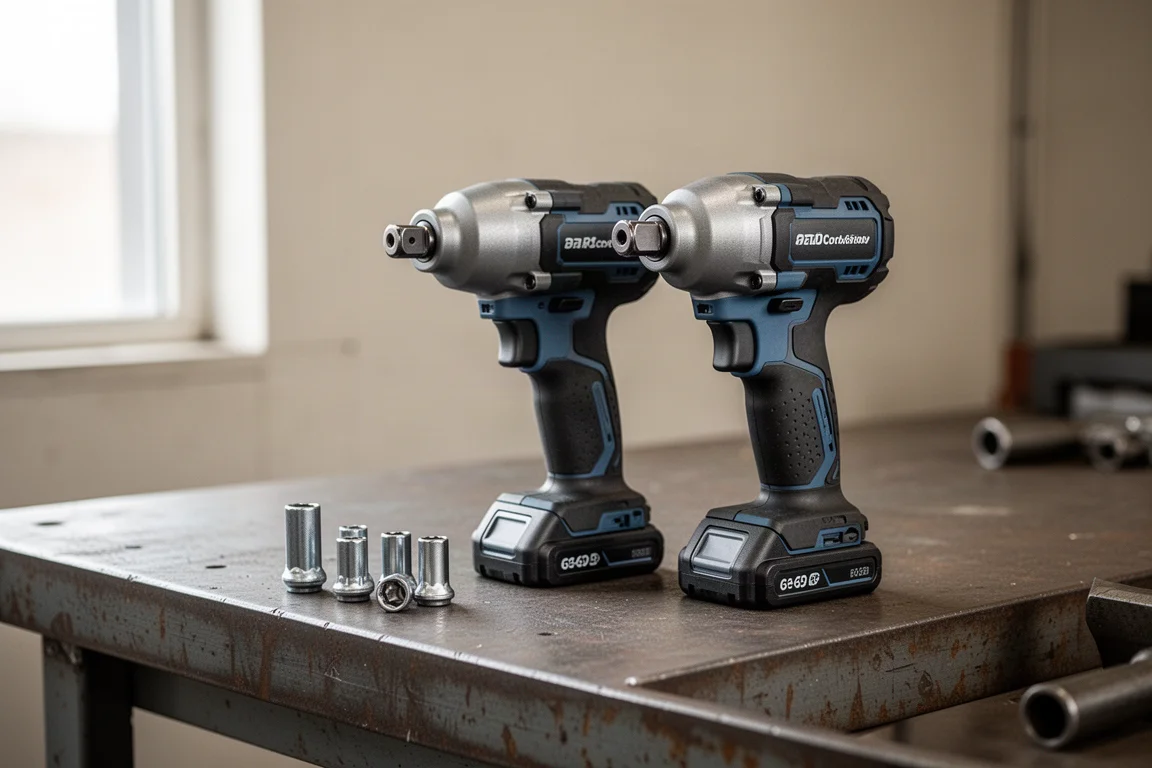
Neither tool is truly miniature. They are grouped as compacts for being under six inches, but they are larger and heavier in the hand than sub-compact stubby designs, a difference made more obvious by the large 36V-format 4Ah battery the HPT test unit used.
Working Torque: Five Seconds Forward
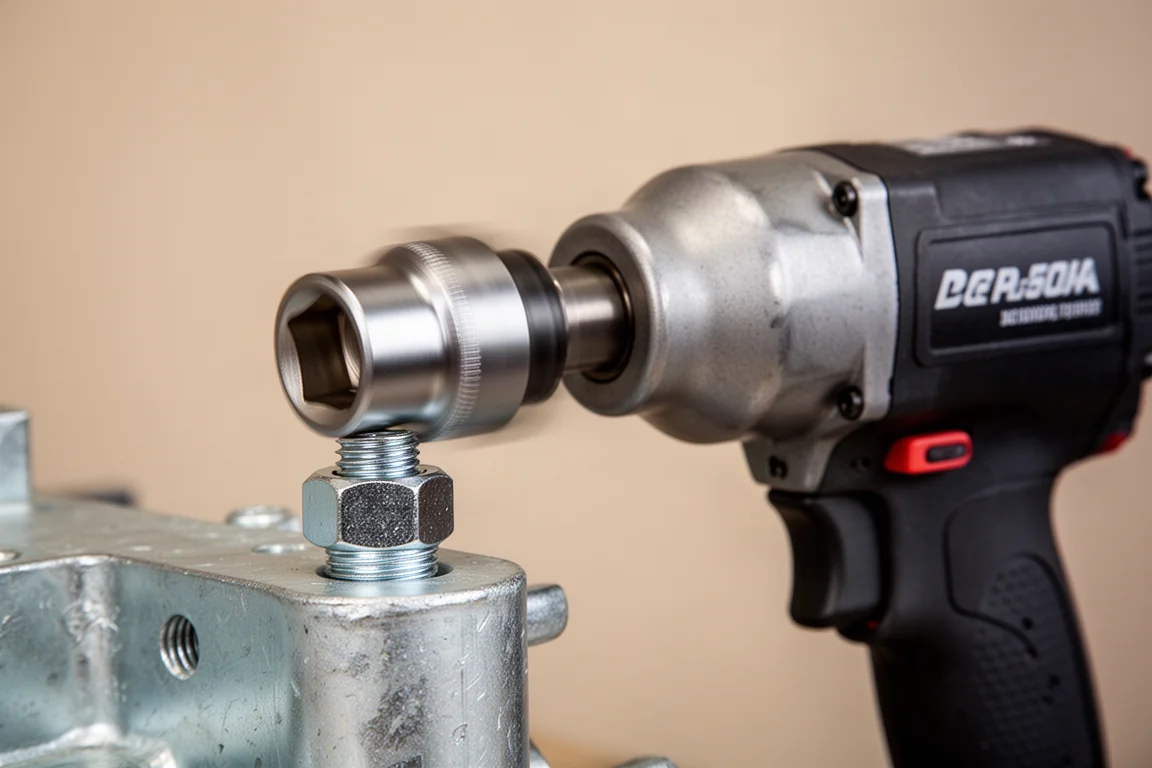
In the working torque test, five seconds of forward rattling, the HPT managed 134 foot-pounds. That is not particularly strong for the compact category. The Metabo, on its highest setting, reached 159 foot-pounds, which brings it closer in line with what other brands’ compact models achieve in the same test. A solid but not dramatic lead for the German-badged tool.
Power Settings: A Dial That Is Not Linear
The HPT offers several modes, but the Metabo takes the lead here with ten separate power settings plus a max setting on a small dial. The question was how linear those ten steps would feel in use. The answer: not very. Stepping down from max to setting 10 changed almost nothing, setting 7 barely made a dent, and setting 3 dropped output to around 67 foot-pounds.
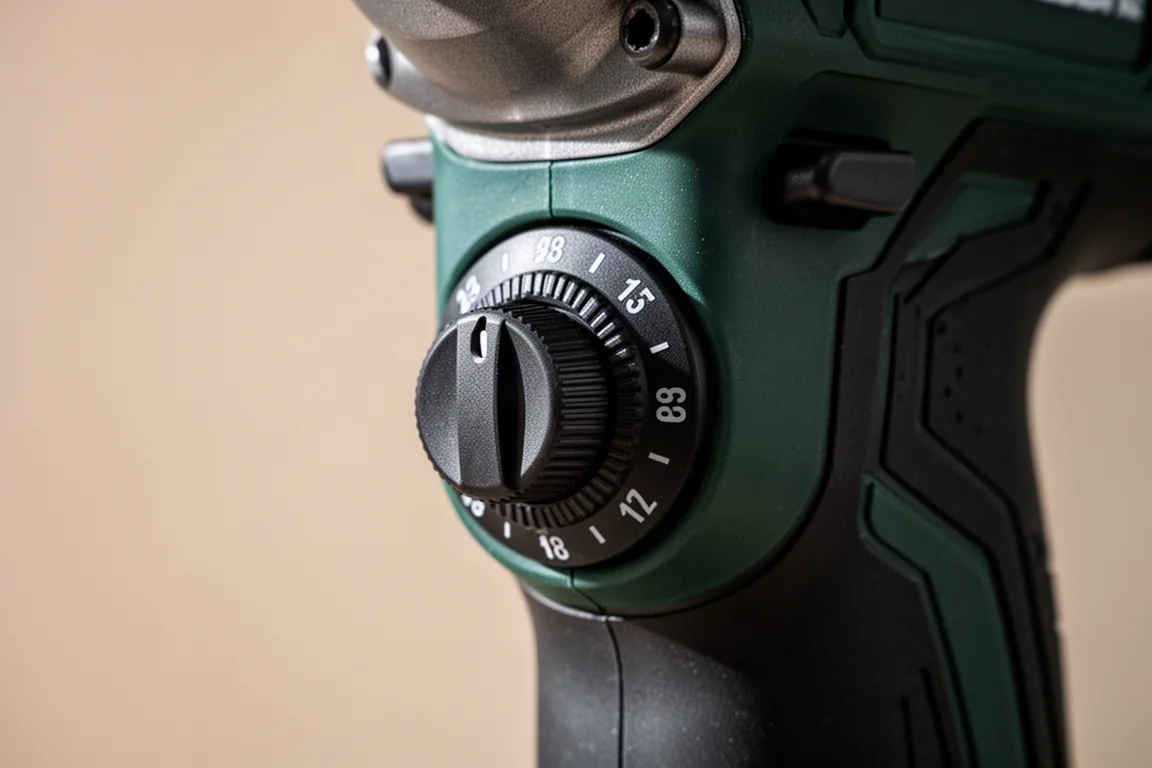
That said, the dial is genuinely useful. If you find a setting that suits a repetitive application, or a specific torque range on your own car’s lug nuts, it becomes a simple rattle-and-go experience.
Max Torque and Best Case Scenario
In the max torque test, ten seconds in reverse, the HPT posted 198 foot-pounds, entering the territory you would expect from a good compact. The Metabo edged it with 203, a consistent but modest advantage across the curve.
The best-case scenario test, fifteen seconds on a freshly charged battery, flipped the story. The HPT reached 253 foot-pounds with a very linear power curve that kept making gains over time. The Metabo managed 224, but after the 200 to 220 mark it lays over noticeably. Below 200 foot-pounds the Metabo likely works faster, but for sustained stubborn fasteners the HPT has the stronger tail.
The Country of Origin Surprise
A significant wrinkle emerged after testing. The Metabo SSW 18 LTX 300 BL was bought for 179 dollars, well below the 240 to 250 dollar price the brand’s tools typically command, and the listing advertised it as made in Germany. When the owner checked the tool after receiving it back, it was marked made in China. Other buyers have reported the same, and the same model number appears to ship from both China and Germany. Some sources sell it for as low as 140 dollars, others for 240 plus. That does not make it a bad tool, but buyers paying Metabo prices are often expecting German-built durability history, and the labeling makes that harder to verify. Some larger models in the line may be affected as well.
Buying Advice
For buyers already invested in the Metabo battery platform, the SSW 18 LTX 300 BL is not a bad choice as long as you understand what its specs deliver. The HPT, meanwhile, sits somewhat in the shadow of its larger 36V mid-torque sibling, which is a genuine powerhouse. Even with a large battery attached, this compact 18V HPT did not deliver what most brands’ compacts of this size achieve. A 36V version that could top competing compact designs would make it far more compelling.
If you want sustained power on stubborn fasteners, the HPT’s linear curve gives it the edge. If you want a bit more punch in shorter bursts and like fine-grained control, the Metabo dial is the more interesting feature set.
Conclusion
These two wrenches are a reminder that matching specs do not mean matching performance. The Metabo wins on burst power and control options, the HPT wins on sustained output and price, and both rank closer to the middle of the pack than their brand reputations suggest. Check the country of origin label before you buy, and choose based on how you actually work.
Further reading
Related Reviews
Power Tools
Best 1-Inch Pistol Impact Wrenches: Three Heavy-Duty Options Compared
We compare three 1-inch pistol impact wrenches, from a budget-friendly Harbor Freight model to a premium Caterpillar unit, to help you choose the right one.
Power Tools
Best 3/4-Inch Impact Wrenches 2026: Five Contenders Compared
We compare five 3/4-inch impact wrenches across price and performance, from a budget Amazon option to Snap-on's most powerful model yet.
Power Tools
Best Budget Cordless Tools 2026: Walmart Finds That Punch Above Their Price
We tested five cordless tools from Walmart, including a high-torque impact wrench that trades blows with Milwaukee and a $35 duster that outperforms its price class.