VR Accessories
Meta Quest 3 Accessories Roundup: Four Add-Ons Put to the Test
A practical look at four Meta Quest 3 accessories, from a budget battery strap to a protective front cover, with honest notes on what works and what does not.
Introduction
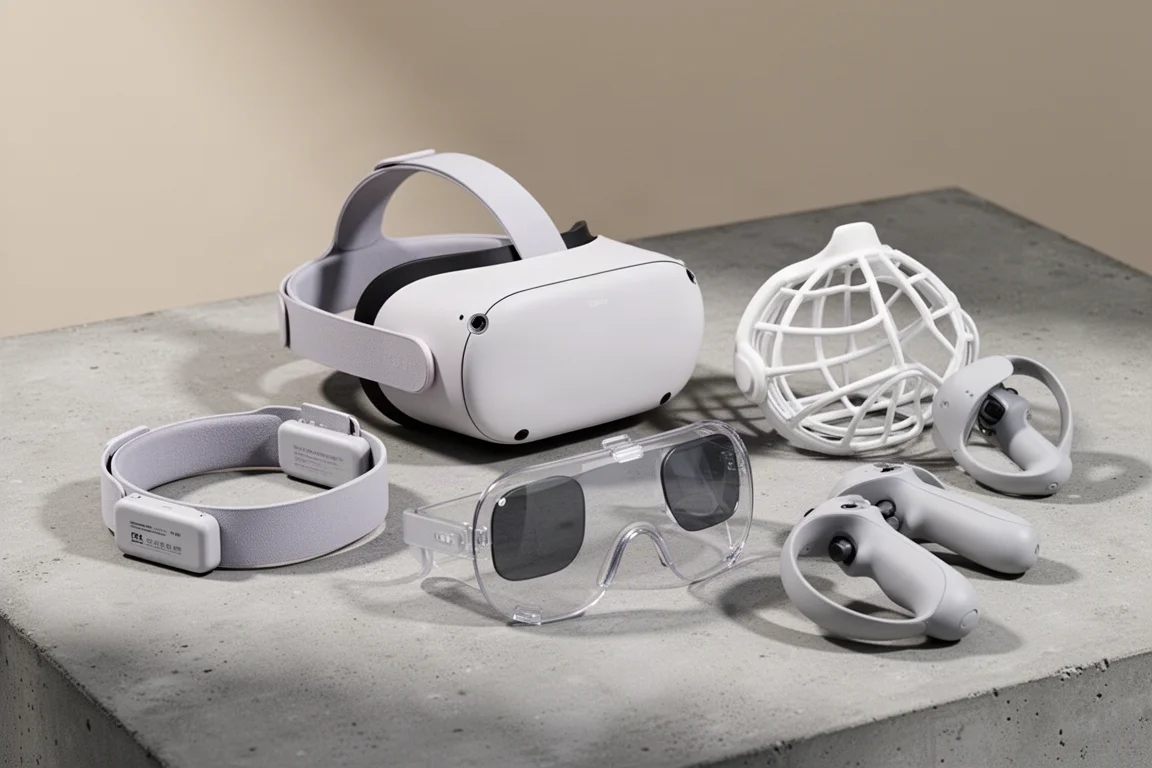
The Meta Quest 3 is a capable standalone VR headset, but the right accessories can change how it feels during long sessions. This roundup covers four add-ons that arrived together: a budget battery head strap, an open-air facial interface from Meta, a protective front cover, and a pair of rechargeable controller grips. Each one was tested on a stock Quest 3 to see how it holds up in real use.

Some of these accessories solve real problems, while others feel like they were designed without much thought. The goal here is to give you a clear picture of what is worth your money and what you can safely skip.
Budget Battery Head Strap: Cheap for a Reason
The first accessory is a battery head strap that sells for around $40, sometimes less when on sale. The idea is straightforward: make the cheapest possible battery-swappable strap for the Quest 3. The battery is removable and slides onto the back of the strap, with a USB-C to USB-C cable for charging.
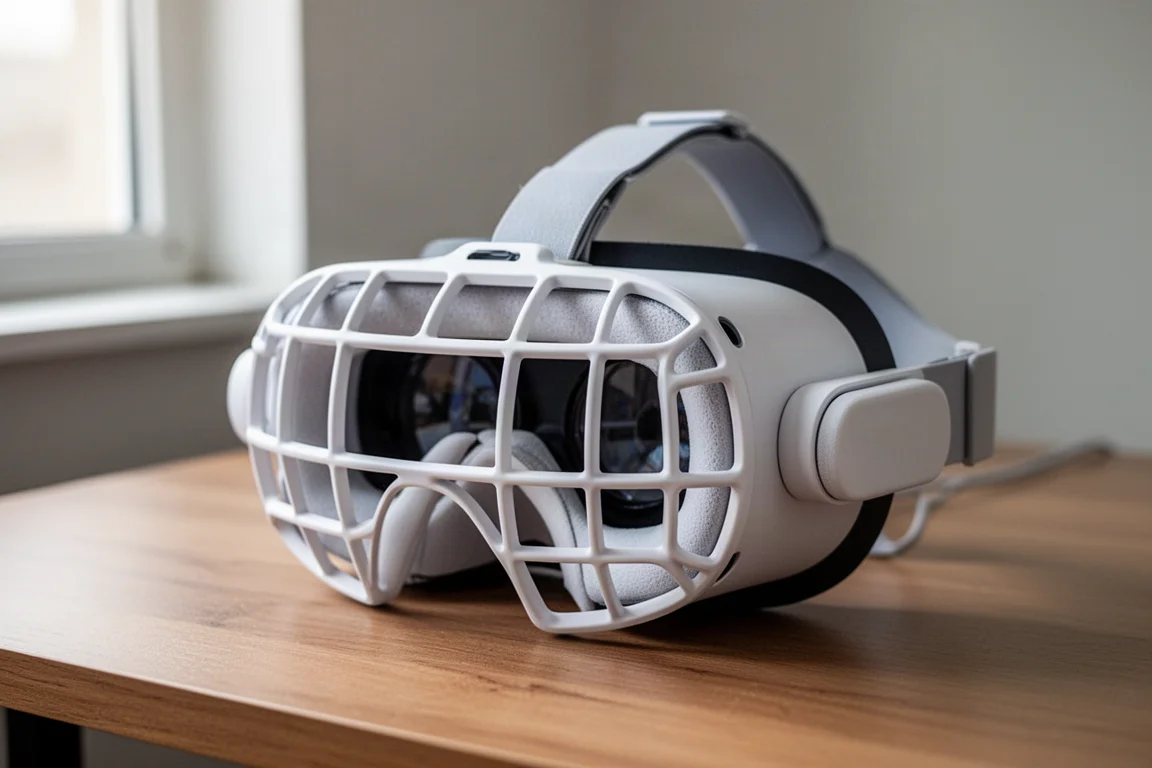
In practice, the build quality is a major concern. The strap uses a gear mechanism that extends further than it should, leaving very little surface area to handle tension. A simple bend test broke the strap almost immediately. The battery also got noticeably warm to the touch during charging, which is not a great sign. The strap is clunky, uncomfortable, and had issues staying attached to the headset.
At $40, it might seem like a bargain, but the trade-offs are severe. Compared to any other strap on the market, this one falls short. If you are on a tight budget and only have the stock strap, it might be an upgrade, but the durability issues make it hard to recommend.
Meta Facial Interface: Open Air With Trade-Offs
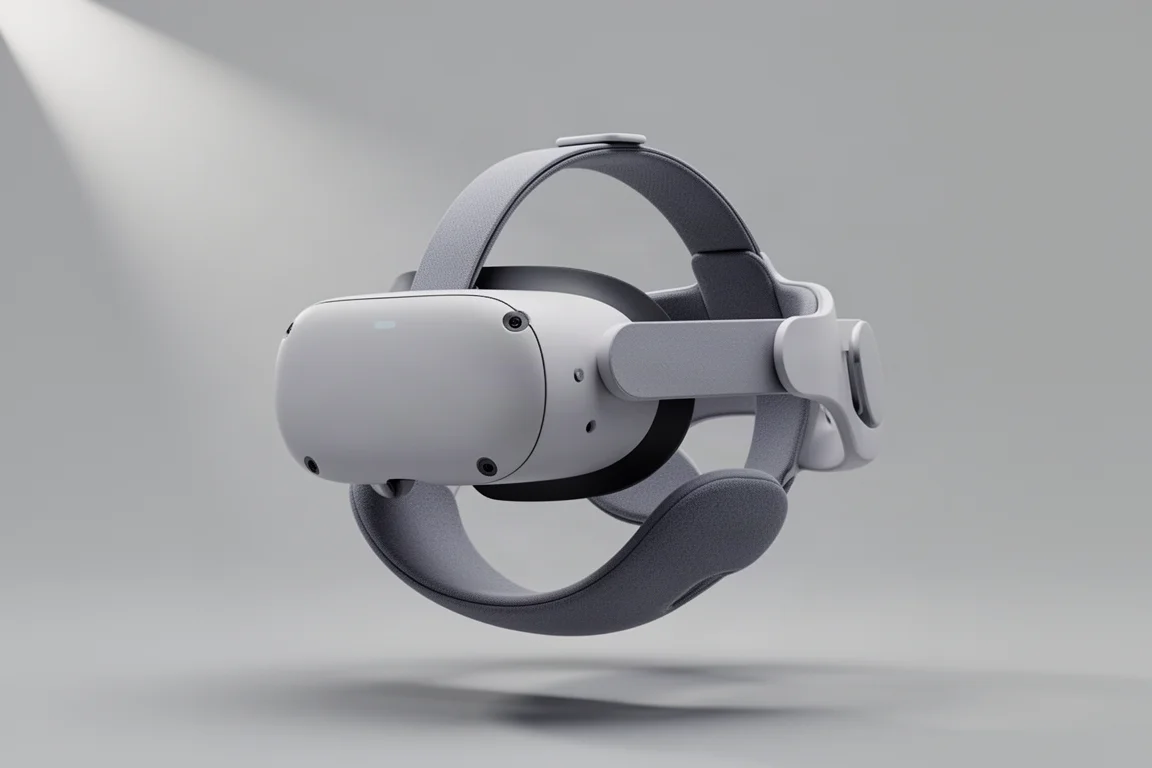
Meta’s own open-air facial interface is designed as a middle ground between using no facial interface and a fully sealed one. It comes with two interchangeable pads: one thicker for glasses wearers and one thinner for those who do not need the extra space. The cage design includes a shock absorber at the top and flexible side pads.
The pads attach with Velcro rather than magnets, which feels dated compared to other options. The material is also scratchy against the skin, a recurring issue with Meta facial interfaces. The Quest 2 famously had a recall over its scratchy facial interface causing rashes, and while this one is not as aggressive, the same concern lingers.
The bigger problem is field of view. The interface pushes your face too far from the lenses, reducing the immersive view that comes from getting your eyes closer. The side arms cannot be shortened, so there is no way to adjust the distance. For someone who prefers no facial interface at all, this feels unnecessary. However, if you use an Elite Strap, you need something between your face and the headset, and this might be the only open-air option.
Protective Front Cover: Surprisingly Useful
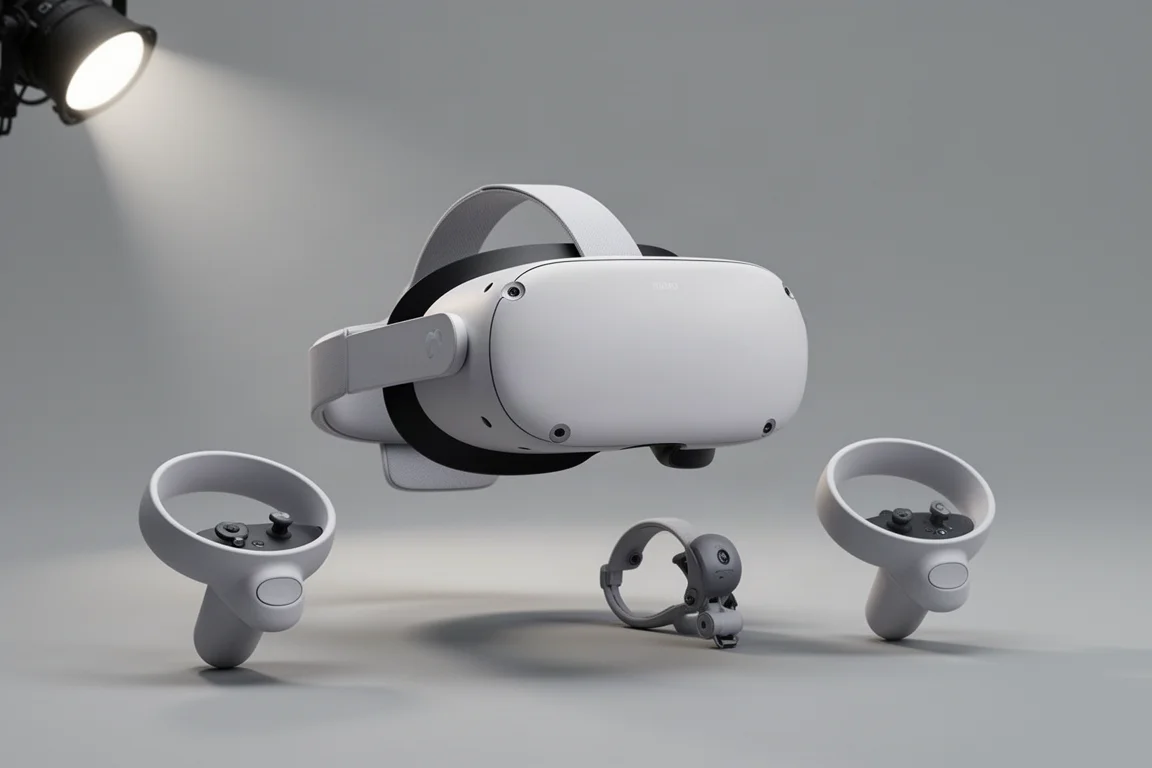
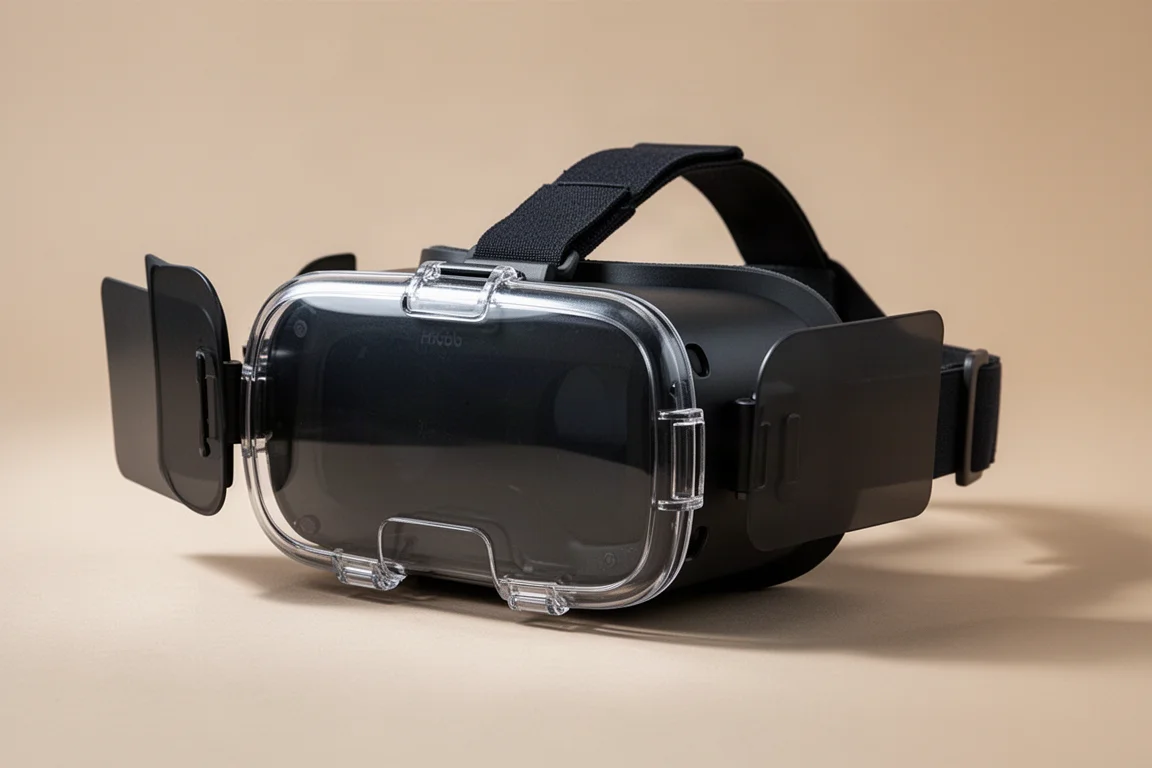
The protective front cover snaps onto the front of the Quest 3 and includes privacy shields that can be flipped down to blur the lenses. It has holes for the vents, which is important because some covers block airflow and cause the headset to overheat. The cover stays on reasonably well once it is positioned correctly.
The privacy shields are transparent but blurry, so they do not fully block the view of the lenses. They do stick out quite a bit, which means you could accidentally knock them during gameplay. The headset also struggles with tracking when the shields are down, so you will want to remember to flip them up before playing.
The real value here is protection. A Quest 3 was recently cracked when it was tossed into a bag, and a thick plastic cover like this would have prevented that damage. It offers more shock absorption than simple stick-on lens covers and feels sturdy enough to trust with rough handling. If you travel with your headset or want extra peace of mind, this is a genuinely useful accessory.

Rechargeable Controller Grips: Convenient but Limited
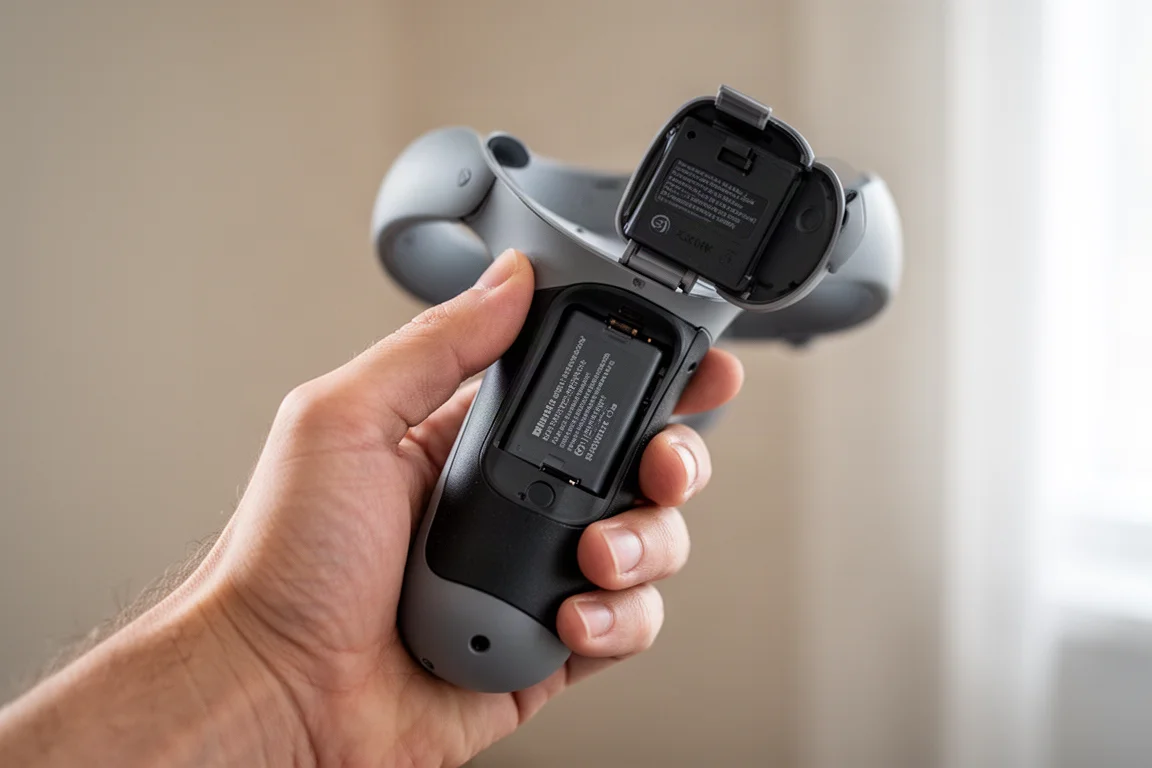
The rechargeable controller grips replace the battery door on each Quest 3 controller with a built-in 500 mAh battery. A gel connector fits into the USB-C port, and a splitter cable lets you charge both controllers at once. The idea is to keep your controllers topped up so you never have to swap AA batteries.
The 500 mAh battery is small, which means frequent charging. The grips also require you to open the battery door and plug in a cable each time, which is less convenient than wireless charging options or magnetic connectors. During testing, the right grip kept working its way loose, which was annoying during gameplay.
With the Quest 3 and 3S, controller batteries last a long time. The stock batteries in a Quest 3 lasted nearly two months before needing a swap. So, for most users, rechargeable grips are not a necessity. They make more sense if you own multiple headsets and want everything on charging docks, ready to go. But there are better battery options available with wireless charging, magnets, or built-in USB ports.
View more details for Meta Quest 3
Overall Buying Advice
If you are looking to upgrade your Quest 3 setup, prioritize durability and comfort over price. The budget battery head strap is cheap, but the build quality and durability issues make it a poor investment. The Meta facial interface has a specific use case for Elite Strap owners who want open-air comfort, but the scratchy material and reduced field of view are real drawbacks.
The protective front cover is the standout accessory here. It is well-built, offers genuine protection for travel, and includes useful privacy shields. The rechargeable controller grips work, but they are not the best option available. With stock batteries lasting so long, they are only worth considering if you have multiple headsets or simply prefer not to deal with AA batteries.
Conclusion
This collection of Quest 3 accessories shows that not all add-ons are created equal. The protective front cover earns its place for anyone who travels with their headset, while the budget battery strap and rechargeable grips fall short of their promises. The Meta facial interface is a niche product that will appeal to a specific group of users, but it is not for everyone.
Before buying any accessory, think about how you actually use your Quest 3. If you play in one spot and keep your headset on a dock, a protective cover may not be necessary. If you travel or toss your headset in a bag, it is worth the investment. The same logic applies to every accessory here: match the product to your habits, and you will get far more value from your purchase.
Further reading
Related Reviews

VR Accessories
AMVR FC4M Magnetic Facial Interface Review: A Smarter Way to Swap Pads
The AMVR FC4M brings magnetic pad swapping, adjustable depth for glasses, and cooling airflow to Meta Quest 3 facial interfaces.

VR Accessories
bHaptics Tactsuit Review: A New Layer of VR Immersion
The bHaptics Tactsuit adds directional haptic feedback to VR gaming, with native game support and a new wireless audio mode for the Quest.

VR Accessories
BOBO VR M3 Pro Plus Review: A Stable and Versatile Quest 3 Head Strap
The BOBO VR M3 Pro Plus offers a stable, adjustable fit for the Quest 3 and 3S, with a modular design and hot-swappable battery.