Birding Apps
Merlin Bird ID vs eBird: Which Birding App Should You Use?
Both apps are essential birding tools, but they solve different problems. Here's how Merlin Bird ID and eBird compare, and when each one is the right choice.

Introduction
If you are getting into birding, two apps come up again and again: Merlin Bird ID and eBird. Both are essential, but only when you know how to use them. The short version is that Merlin is built to help you identify birds, while eBird is built for listing and researching bird species. Used together, they cover almost everything a birder needs in the field. This comparison breaks down where each app shines so you can decide which one to start with, or how to make the most of both.
Merlin Bird ID: Built for Identifying Birds
Merlin is the more beginner-friendly of the two because it is visual and deliberately simple. Its core features include Photo ID, Sound ID, which identifies birds by the sounds they make, and a step-by-step ID wizard that asks you five questions and then gives you a list of likely birds based on your time, date, and location. That last feature is especially helpful for new birders who only recognize the very common backyard visitors and want help with everything else.

Merlin is ideal if you are newer to birding and learning bird ID, or if you are an experienced birder who just wants to brush up on identification skills. Its Sound ID feature is particularly useful because it will suggest likely species as it hears birds singing around you.

eBird: Built for Listing and Research
eBird is more complex because it is designed for checklist creation and life list tracking. You can build a checklist of every bird you saw in a local park or on a vacation, and the Explore tab is fantastic for researching birding hotspots and finding out where particular species can be found.

eBird is best suited for birders who can already identify birds and who want to keep track of their sightings in a meaningful and easy way. You can create many kinds of lists, such as a year list or a life list of every bird you have ever seen. While Merlin does have a life list function, eBird’s version is richer because you can see much more data from your submissions. In Merlin you cannot see a year list, only your life list, whereas eBird’s built-in list features in the My eBird section can be split by different regions rather than just showing the whole world.
Offline Use and the Mobile Experience
Merlin clearly wins on offline capability. You can download bird packs, and each one gives you a brief description of the bird, several pictures, and a range map. It works like an online field guide when you are out birding, so you do not have to lug around a big book. Just download Merlin and you have an instant field guide on your phone.

eBird handles offline use through its dedicated mobile app, which is very helpful for submitting checklists. It automatically keeps track of the distance you have traveled and how long you have been birding, and it makes it easy to count birds and keep a running tally as you go.
Scientific Contributions
eBird is the clear winner here. With Merlin, there is not a whole lot you can contribute; you can log a bird you saw, but that is about it. With eBird, you can submit a complete checklist of birds, which is far more valuable for science. eBird also keeps track of date, time, and habitat, which makes each submission much more useful for research.
When to Use Merlin, When to Use eBird
Some practical examples help make the split clear. If you see an unfamiliar bird on a hike, snap a photo and use Merlin’s Photo ID to identify it. If you hear a song you do not recognize, open Merlin’s Sound ID and it will suggest likely species. If you are planning a trip to a new area, Merlin’s explore birds function shows what species are common there, complete with a bar chart showing how common each bird is.
eBird is the better choice when you want to keep a checklist of all the birds you see during a morning walk, especially using the mobile app. In Merlin you would have to log birds one at a time, while in eBird you can log everything you saw in one place in a single checklist. If you are at a known birding hotspot and want to share your sightings with other birders, a complete eBird checklist can be shared with others. And if you are trying to explore specific hotspots, eBird narrows things down far better than Merlin’s general overview, and you can even see checklists submitted by other birders.
When to Use Both Apps Together
The most effective approach is using the two together. Say you hear an unknown bird song: identify it with Merlin, confirm that it really is that species, and then add it to your eBird checklist. Many birders use both apps every time they go out, and the workflow is simple: Merlin for the identification moment, eBird for the record. If you want to take your birding to the next level, learning to take full advantage of both apps means you are not missing out on anything either one can do.

Conclusion
Merlin Bird ID and eBird are not competitors so much as complements. Merlin is the beginner-friendly identification tool with Photo ID, Sound ID, offline field guides, and a step-by-step wizard. eBird is the serious listing and research platform with checklists, region-splittable life and year lists, hotspot exploration, and genuine scientific value. Start with Merlin if you are still learning bird ID, add eBird once you want to track and share what you see, and you will have the complete toolkit.
Further reading
Related Reviews
Birding Apps
Merlin Bird ID Review: The Free Birding App That Works Like a Field Guide, Sound ID Tool, and Teacher in One
Merlin Bird ID packs real-time sound ID, step-by-step and photo ID, an offline field guide, and eBird-powered likelihood data into one free app. Here is how each feature holds up.
Birding Apps
The 3 Birding Apps Worth Downloading: Merlin Bird ID, eBird, and Seek
Three apps that cover bird identification, sighting tracking, and all-around nature ID, explained with their real strengths and limits.
Coffee Equipment
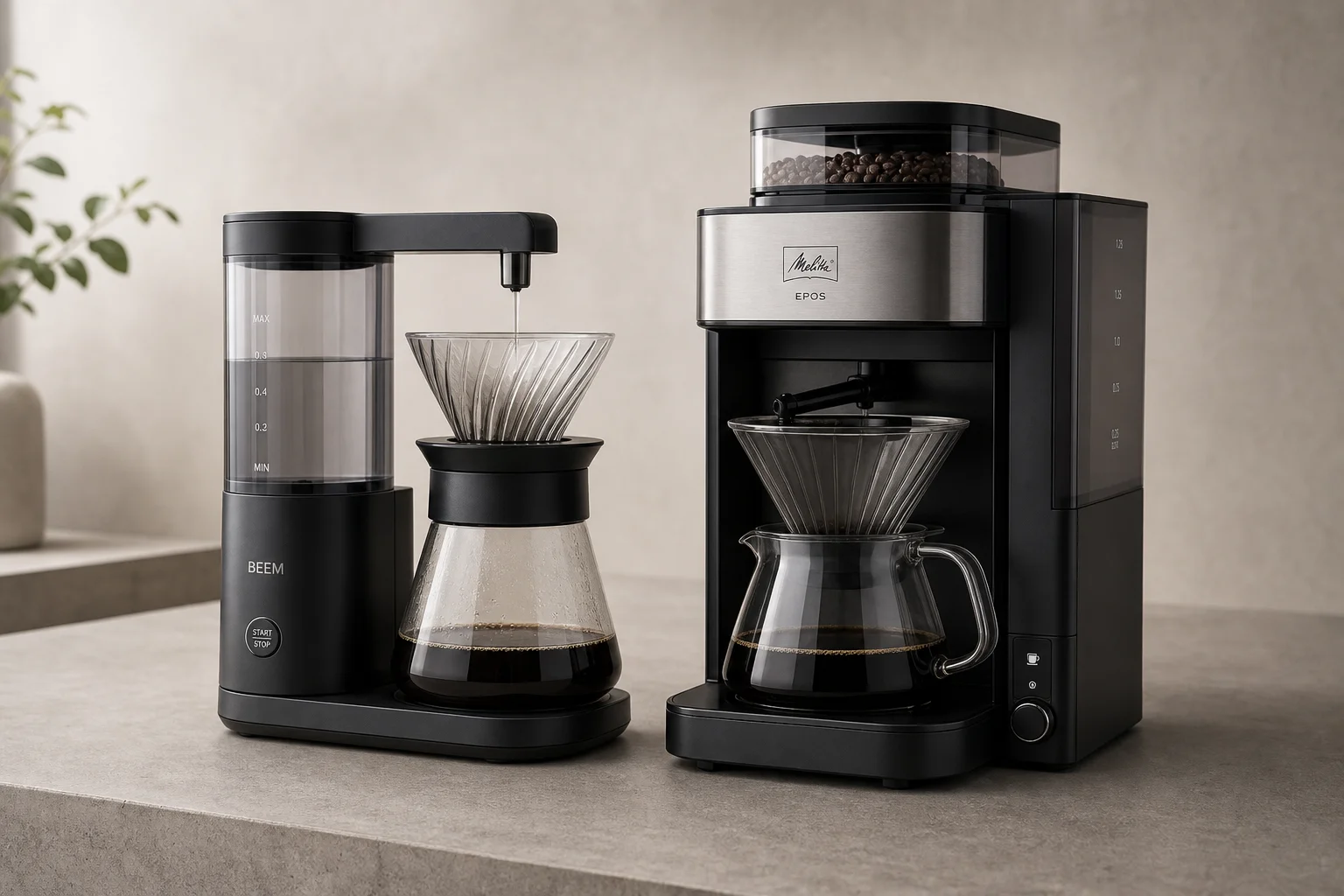
BEEM vs Melitta EPOS: Two Automated Pour-Over Coffee Makers Compared
A detailed comparison of two automated pour-over brewers: the budget-friendly BEEM and the feature-rich Melitta EPOS with integrated grinder. Which one delivers better coffee?