Telescopes
Meridian Astro 3D-Printed Dobsonian Kit Review: The IKEA of Telescopes
A 3D-printed Dobsonian kit that splits the difference between buying a telescope and building one from scratch. Here is how it assembles, performs, and who it suits.
Introduction
Telescope prices have climbed noticeably in recent years. A 6-inch Dobsonian that cost only a few hundred dollars not long before the pandemic now approaches $500 and sometimes beyond. That shift has pushed a lot of stargazers to consider building their own telescope, a project that is rewarding but genuinely demanding in terms of skill and tooling.
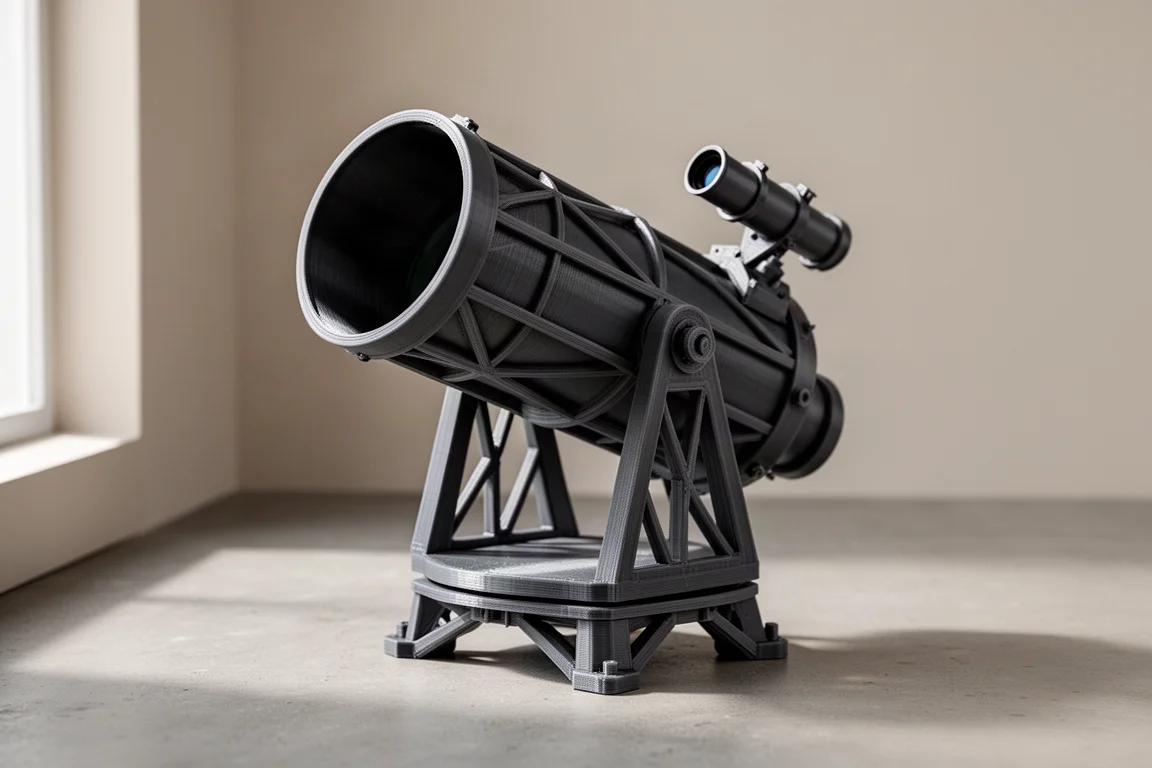
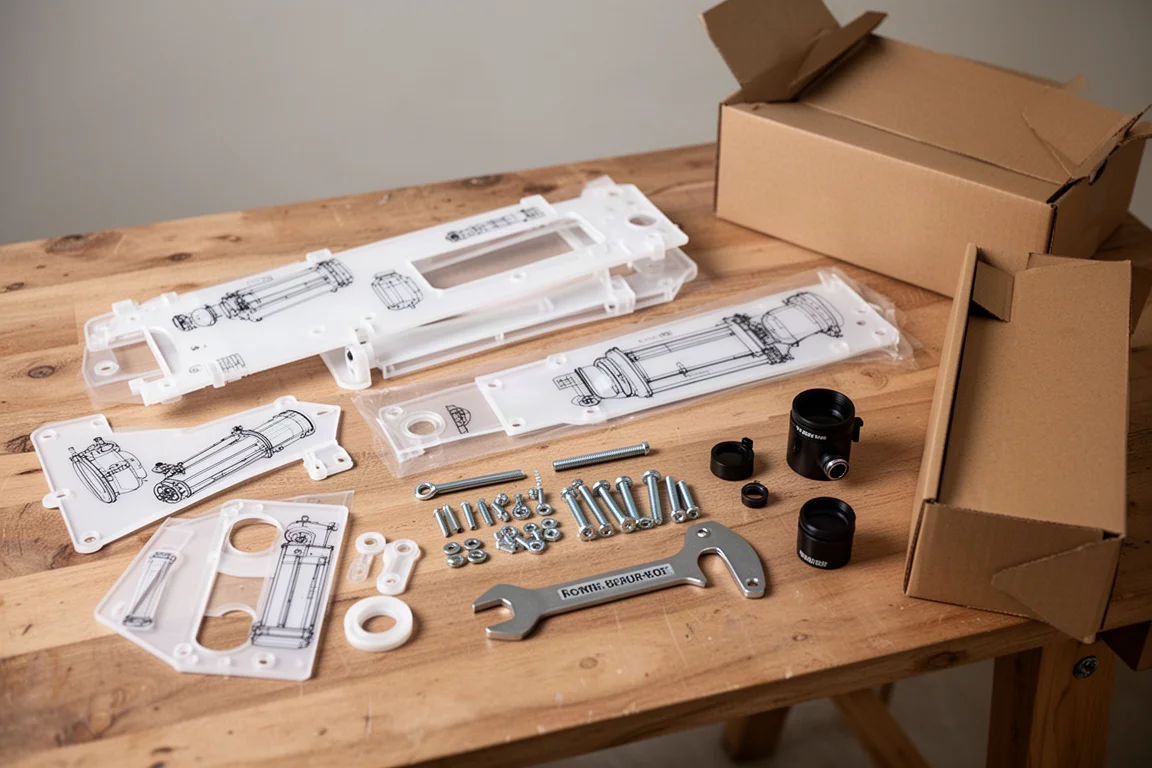
The Meridian Astro 3D-printed Dobsonian kit positions itself as a middle path: the satisfaction of assembling your own telescope without the engineering risk. It arrives packed flat, like flat-pack furniture, and you assemble it into a full working instrument. We spent a full day putting it together and several nights putting it to work under the stars.
Who This Kit Is For
There are two ways to buy this telescope. The first is the kit without any 3D-printed parts, where you download the files and print them yourself. The second is the complete kit, which includes every printed part ready to go. The complete option is the obvious choice if you do not own a 3D printer or do not want to spend days printing.
This kit suits tinkerers who want a project as much as an instrument, beginners who want to learn how a telescope goes together, and budget-conscious observers discouraged by current Dobsonian prices. If you want a ready-to-use scope out of the box, a conventional purchased telescope remains the simpler route.
Main Strengths
Assembly is genuinely satisfying. The instructions are delivered digitally and walked through step by step, with the printed wrench included as an essential tool. Starting around lunchtime, the build carried through to sunset, at which point the base and optical tube came together into something noticeably larger than the pictures suggest. Individual steps are quick and satisfying to complete.
The optical package includes two Plossl-style eyepieces, a 25mm and a 9mm, and a Cheshire eyepiece for collimation. The focal length is long, likely over 1,000mm, which pulls planets in impressively large in the field of view, especially through the 9mm eyepiece.
Viewing quality held up well. There was no noticeable coma, the effect where stars near the edges of the field turn into teardrops, and the field of view was excellent across both eyepieces. The open frame is also a hidden advantage: because there is no closed tube, stray light either hits the primary or secondary mirror directly, which can wash out the view when nearby lights are on. But the moment the light goes off, the images snap into view.
Things to Consider Before Buying
Assembly is only the start. Before first light you need to balance the telescope, collimate the optics, and align the finder. Balancing is straightforward: with the eyepiece inserted, loosen the knobs, slide the tube until it stays put when released, and lock it down.
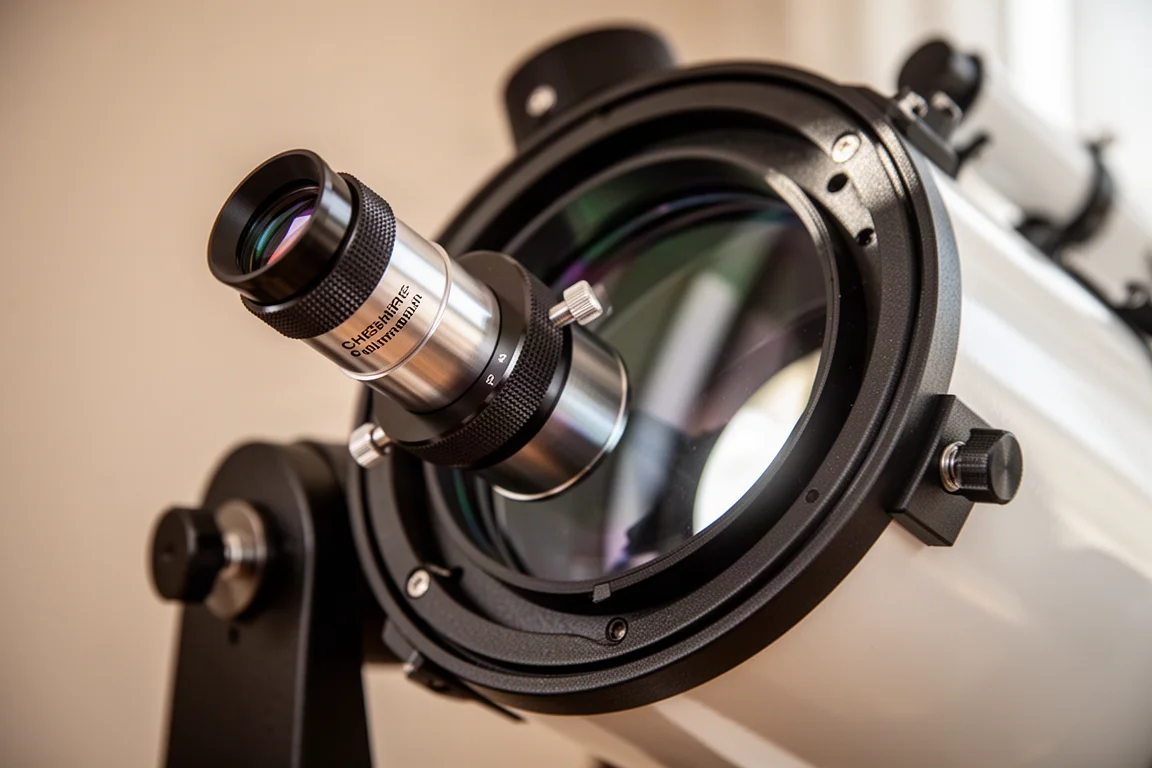
Collimation is the step most first-timers will find new. The included Cheshire eyepiece slots into the focuser, and you adjust the secondary mirror knobs until the primary mirror’s reflection is true, then use the three primary collimation knobs to center the spider arms in the reflection. Expect a bit of trial and error, and check your progress with a phone through the eyepiece if helpful.
Finder alignment is best done in daylight against a distant target such as a cell tower: center the target in the main telescope, then use the finder’s up-down and left-right knobs until both point at exactly the same spot. Doing this at night is far harder, so plan ahead.
What It’s Like to Use
Under dark skies, the telescope delivered memorable views. Targets observed included the Andromeda galaxy, the Wild Duck cluster, the M22 globular cluster, and Saturn, which looked wonderful through the 9mm eyepiece with fine detail visible. One quirk worth knowing: a nearby film light revealed the open-frame design’s sensitivity to stray light, and the view only snapped into clarity once it was switched off.

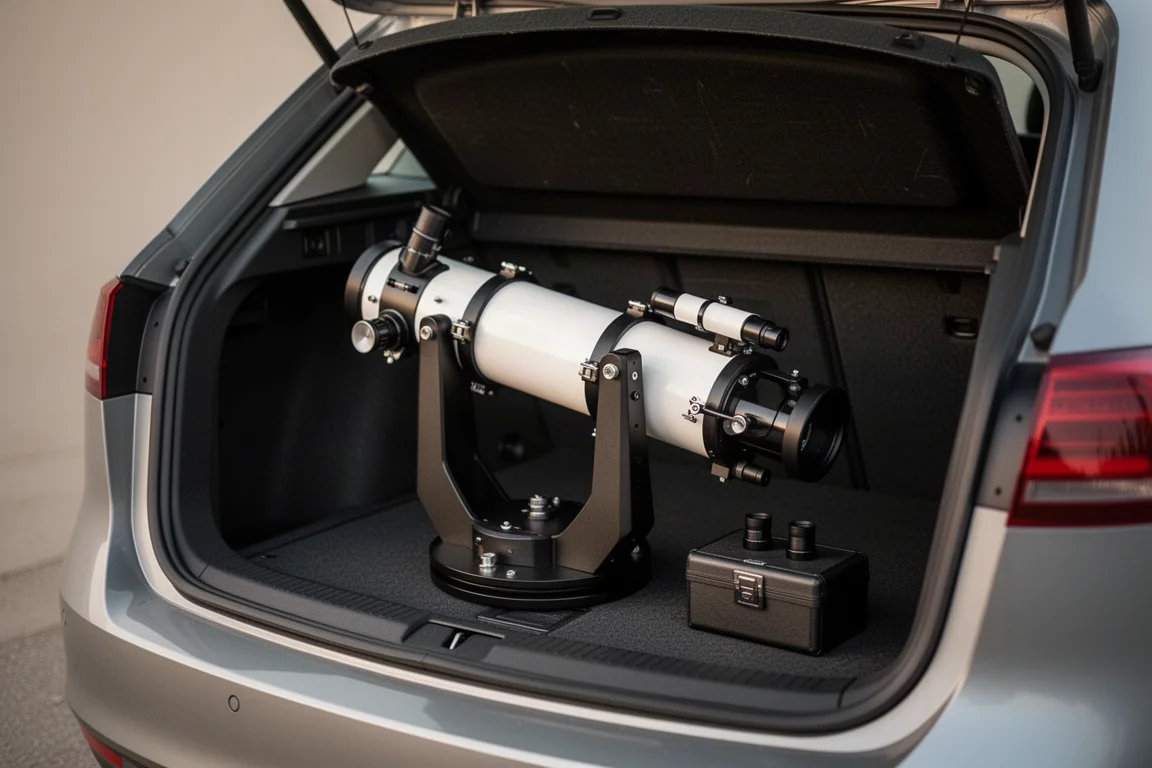
The telescope is also genuinely lightweight and easy to carry, packs down into a small package, and was easy to throw in the car for a night of observing away from home.
Buying Advice
If current Dobsonian prices have stalled your plans to get into stargazing, this kit deserves a close look. Choose the version matching your circumstances: the print-it-yourself kit if you own a 3D printer and enjoy the extra involvement, or the complete kit if you want everything ready to assemble.
Plan your first session in two phases. Build and set up during the day, using daylight for balance, collimation, focus checks, and finder alignment. Then wait for darkness and enjoy the payoff. Bring the 9mm eyepiece for planets.
Conclusion
The Meridian Astro 3D-printed Dobsonian kit is a fun project that turns into a genuinely fun telescope. Assembly is satisfying, the optics deliver clean views of galaxies, clusters, and planets, and the lightweight open-frame design travels well. For anyone torn between buying an increasingly expensive telescope and building one from scratch, this kit is a very workable compromise.
Product link
View more details for Meridian Astro 3D-Printed Dobsonian Telescope Kit
This product is mentioned in the review. Check the specifications, options, and compatibility before buying.
View more details for Meridian Astro 3D-Printed Dobsonian Telescope KitFurther reading
Related Reviews

Telescopes
Sightron SJ75 UF and Sky-Watcher HS125: Two Telescopes Worth Watching
A look at two notable telescopes from a recent camera and optics expo: a sharp new astrograph from Sightron Japan and a compact fast reflector from Sky-Watcher.

Telescopes
SV503 102ED Review: A Budget 102mm Refractor That Surprises
The SV503 102ED is an affordable 102mm doublet refractor that delivers surprisingly decent star shapes and a smooth focuser, despite some chromatic aberration and light falloff.

Telescopes
SVBony MK127 Review: A Compact Maksutov-Cassegrain That Surprises
The SVBony MK127 is a 127mm Maksutov-Cassegrain telescope with a unique 0.65x reducer, making it a versatile option for visual astronomy and even some deep-sky imaging.